
To choose an SEM agency, check how it handles search intent, separates brand and non-brand results, controls wasted spend, and connects searches to the right landing pages. These areas are central to paid search performance and make agency comparisons more meaningful.
This guide assumes you know what search engine marketing services include. It focuses on the evidence that separates strong paid search work from average work.
Does the agency specialize in the search engines and campaign types you need?
Before you hire a search engine marketing agency, check that its experience matches your business type, because search campaigns differ. While local services need location targeting and call tracking, online stores need shopping campaigns and product feed skills. B2B companies need careful lead quality tracking.
Ask the SEM agency for a live or anonymized example in your campaign type. If you sell online, ask how the agency improves product titles and fixes rejected feed items.
How should you evaluate paid search case studies?
One important check is whether the case study separates brand and non-brand searches. Branded searches often perform more efficiently because the user already knows the advertiser. Blending the two can make acquisition performance look stronger than it is.
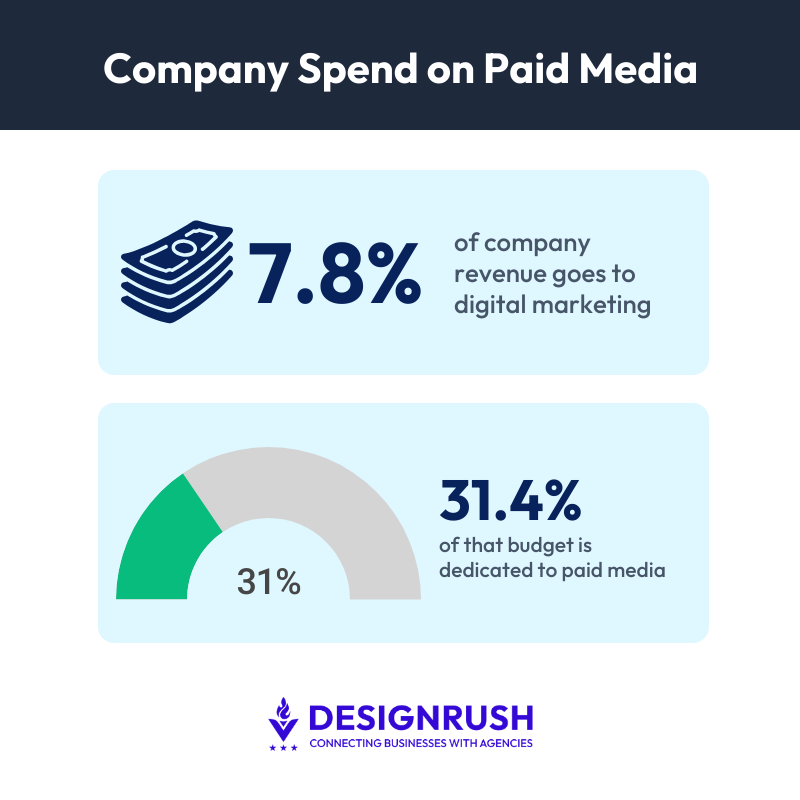
According to Gartner’s CMO Spend Survey, paid media commands over 30% of total marketing budgets. Evaluating isolated non-brand conversion data ensures your budget is actively driving new customer acquisition rather than taking credit for pre-existing brand affinity.
A top SEM agency should be able to back its claims with the kind of evidence in the left column below. Use this comparison to separate solid case studies from vague ones:
Element | Strong evidence | Weak evidence |
Search type | Brand and non-brand results shown separately | One blended number for the whole account |
Baseline | Starting CPA, ROAS, or lead volume | No starting point |
Time frame | Clear months or dates | "Over time" |
Metric | Cost per qualified lead, ROAS, or revenue | Clicks or click-through rate only |
Actions | Specific changes to structure, keywords, or pages | "We optimized the campaigns" |
How does the agency control wasted search spend?
Waste in search comes from ads showing for searches that will never convert. Strong agencies control it with regular search-term reviews, negative keyword lists, careful match types, and location and schedule settings.
Ask how often the agency reviews search terms and who decides what to exclude. If you already run ads, offer read-only access for a short audit. Its findings show how the team thinks about waste.
How does it structure keywords around search intent?
A good SEM agency groups keywords by what the searcher wants. Someone searching for "what is payroll software" is researching, while another person searching for "payroll software pricing" is closer to buying.
Ask the search engine marketing agency to show how it would group 20 of your keywords, and the answer will reveal whether it plans by intent or by keyword lists alone.
Can it explain the connection between search intent and landing pages?
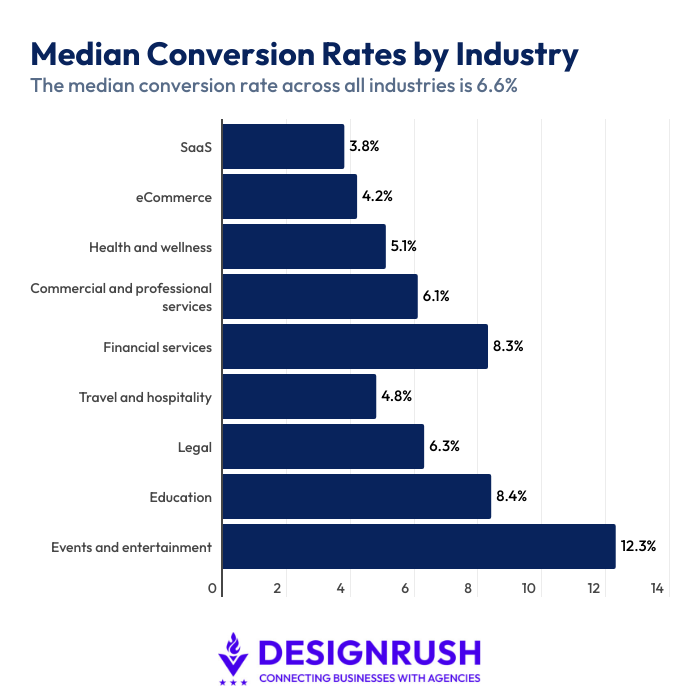
Each major search intent should lead to a page that answers it. Sending every click to the same generic page can lower conversion rates and weaken landing-page relevance.
Benchmark research from Unbounce, analyzing millions of search visits shows a median landing page conversion rate of 6.6% across industries.
In Google Ads, landing page experience is one component of Quality Score, while Quality Score itself is a diagnostic and not an auction input.
Ask the best search engine marketing company which landing pages the agency would use for your top keyword groups. A strong agency points out gaps and suggests where new pages would help.
How does it approach bidding, budgets, and conversion tracking?
Conversion-based automated bidding depends on reliable conversion data. The agency should review the tracking setup and conversion definitions before making major bidding changes.
For lead generation, ask whether the SEM agency can import qualified lead or sales outcomes into the advertising platform where technically appropriate. That can give conversion-based bidding better signals than raw form submissions alone. For eCommerce, ask how it defines conversion values and uses value-based bidding when relevant.
Who owns the search accounts and conversion data?
When you hire a search engine marketing agency, your company should retain ownership and admin access to its search ad accounts, billing, and conversion tracking wherever the platform supports it. The agency should work through access you can remove.
What should useful SEM reporting include?
Useful SEM reports explain where results came from and what limits growth. Look for the following elements in a sample report:
- Results for brand and non-brand searches are shown separately
- Cost per lead or sale, and revenue or ROAS for stores
- Search lost impression share due to budget and due to rank, which shows whether insufficient budget or Ad Rank is limiting eligible reach
- Notable search terms added or excluded during the period
- Tests run, results, and next steps
Ask for an anonymized sample report before you sign. A report with only clicks and click-through rate gives you little to judge.
What are the biggest SEM agency red flags?
Warning signs point to real risk in paid search. Context matters, so ask the follow-up questions first:
- Blended brand and non-brand results. It can hide weak performance on the searches that bring new customers.
- Broad match with no bidding or search-term control plan. Broad match can be effective, but the agency should explain the bidding strategy, conversion signals, and query-review process that support it.
- No search-term reviews mentioned in the process. Waste grows quietly without them.
- Promises of the top ad position. The top position can be expensive, and it does not guarantee profit.
- Competitor campaigns with no policy or legal review process. Bidding on a competitor's trademark as a keyword is different from using that trademark in ad copy. The agency should understand platform trademark rules and know when campaign language or local law requires additional review.
- A guaranteed CPA, ROAS, lead volume, or revenue outcome without clear assumptions and conditions. Paid search results depend on factors the agency does not fully control, including competition, budget, offer, tracking, and landing-page performance.
How should you compare your final SEM agency candidates?
The best search engine marketing agency for your account is the one that combines relevant campaign experience, transparent evidence, and fair terms, not the one with the most polished pitch. Compare your finalists side by side on these factors:
Factor | What to compare |
Campaign type fit | Experience with your search engines and campaign types |
Evidence quality | Case studies with brand and non-brand split |
Waste control | Search-term process and audit findings |
Intent and pages | Keyword grouping and landing page plan |
Tracking | Conversion plan and data quality checks |
Reporting | Sample report depth |
Terms | Account ownership, fee basis, and notice period |
If two search engine marketing agencies are close, a short-paid audit of your current account can show which team understands your searches better.
Our search engine marketing pricing guide shows what audits, setup, and monthly management typically cost, so you can check whether each candidate’s fee basis is in line with the market.