
A PPC agency plans, runs, and optimizes paid digital advertising campaigns across search engines, social platforms, marketplaces, and other ad networks. Although PPC literally means pay per click, agencies commonly manage campaigns using several bidding and billing models.
PPC services usually cover strategy, account setup, targeting, ad copy, bid management, conversion tracking, and reporting. The money you spend on ads goes to the ad platform. The agency charges a separate fee for managing it. In this guide, we explain what that fee usually covers and what sits outside it.
What does a PPC agency manage for you?
A PPC agency manages the ongoing work of turning ad spend into leads or sales. It decides who sees your ads, what the ads say, how bids and budgets are set, and where the budget goes.
A pay per click agency may run ads on search engines, social networks, and online marketplaces. A paid search agency focuses on search engines such as Google and Bing. If search is your only channel, compare providers on the search engine marketing agencies list as well.
What services are included in PPC management?
A full-service PPC engagement commonly covers the eight tasks below. The depth of each task depends on your budget, channels, and goals.
Account and campaign strategy
The agency sets goals, picks channels, and splits the budget across campaigns. Good strategy starts with business numbers, such as how much a lead or sale is worth to you.
What you may receive: a strategy document or media plan with target metrics. Common metrics include cost per acquisition (CPA) and return on ad spend (ROAS).
Keyword and audience research
For search ads, the agency finds the terms people type when they want your product. For social and display ads, it defines audiences by interests, job titles, past site visits, or customer lists.
What you may receive: a keyword map grouped by intent and documentation of target or excluded audiences, depending on the platforms in scope.
Campaign setup and restructuring
Setup covers account structure, campaigns, ad groups, locations, schedules, and conversion goals. For an existing account, the agency often audits the current setup and rebuilds weak parts.
A clean structure makes later optimization easier. A messy one hides which keywords and ads actually drive results.
Ad copy and creative testing
The agency writes ad text and tests versions against each other. On Google search, this mostly means headlines and descriptions for responsive search ads.
What may need extra scope: images, video, and design work for social or display ads. Creative production may be included, outsourced, or scoped separately depending on the agency.
Bid and budget management
Bid management controls how bids are set against your campaign goals. Google Ads offers automated strategies such as Target CPA and Target ROAS, while the right bidding approach depends on the campaign type, data, budget, and objective.
Automation still needs oversight. The agency sets targets, watches spending pace, and moves budget toward campaigns that perform.
Search-term and negative-keyword management
A search terms report shows the actual searches that triggered your ads. The agency reviews it and adds negative keywords to block searches that waste money.
For example, a paid software company may block searches that include “free” or “jobs.” Ongoing search-term review helps prevent irrelevant queries from consuming budget.
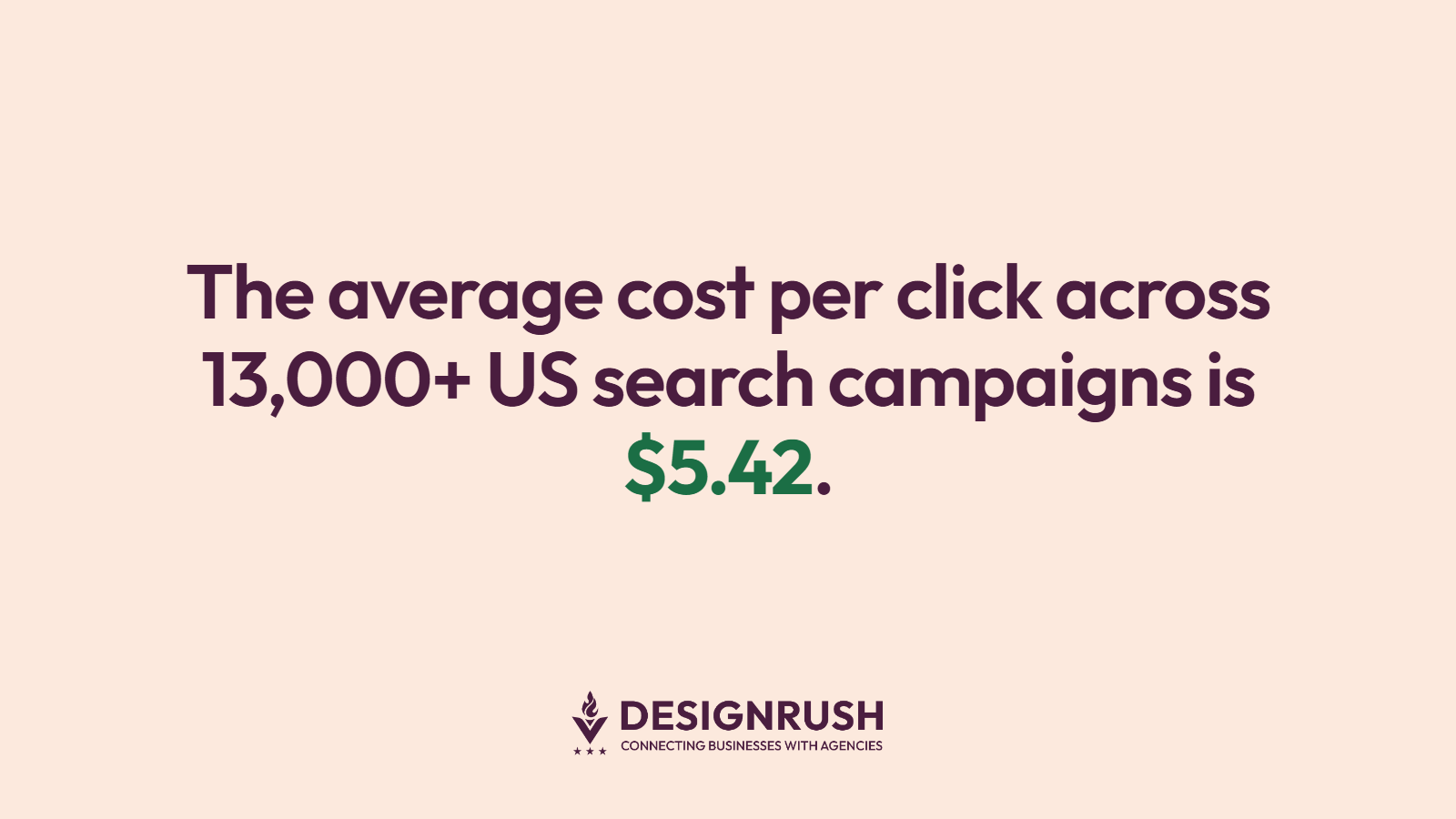
Each irrelevant click has a price. Across more than 13,000 US search campaigns on Google and Microsoft Ads, the average cost per click is $5.42.
Conversion tracking and attribution
Tracking tells the ad platform which interactions led to a lead, call, or sale. When campaigns optimize for conversions or conversion value, reliable conversion data gives automated bidding the signals it needs to optimize toward those outcomes.
Setup may include platform tags, Google Analytics 4 links, call tracking, and offline conversion imports from your CRM. Attribution is how credit for a sale is shared across ads and channels.
What may need extra scope: server-side tracking, custom CRM integrations, and call tracking software.
Optimization and reporting
Optimization is the regular work of testing, pausing, and adjusting campaigns. Reporting shows what changed and why.
What you receive: a live dashboard or scheduled report, plus regular review calls. Reporting frequency is usually set in the contract.
Which advertising platforms can a PPC agency manage?
Google Ads is a common core platform for PPC agencies, but platform depth varies. The table shows several major options and the types of campaigns buyers may encounter.
| Platform | Common ad types | Typical use |
| Google Ads | Search, Shopping, Performance Max, YouTube, Display | Search intent, ecommerce sales, video/display reach, and cross-channel performance |
| Microsoft Advertising | Search and shopping ads on Bing and Microsoft properties | Additional search and shopping reach |
| Meta (Facebook, Instagram) | Image, video, and lead form ads | Reaching audiences by interest and behavior |
| LinkedIn Ads | Sponsored content, video, and lead-generation formats | B2B targeting by role, company, and professional attributes |
| Amazon Ads | Sponsored product and brand ads | Selling products on Amazon |
| TikTok Ads | Short-form video and performance ad formats | Short-form video reach and conversion campaigns |
Platform depth varies between agencies. For Google-only accounts, a specialist from the Google Ads agencies list may fit better than a generalist. For heavy social spend, also review social media marketing companies that run paid social.
Are landing pages and conversion optimization part of PPC management?
Partly. PPC agencies often review landing pages because page experience affects conversion performance and, on search platforms, can contribute to ad-quality signals.
Building new pages or running conversion rate optimization (CRO) tests is usually extra. Some PPC agencies have in-house designers. Others expect your team, or a provider from the landing page design list, to build the pages.
Does the PPC agency pay for your advertising spend?
Usually not. In most setups, your payment card or invoice account is connected to the ad platform, and you pay the platform directly. The agency bills you only for its management fee.
Some agencies pay the platform for you and rebill the spend. Some of them add a fee on top of media costs.
A buyer-friendly setup keeps the ad account under the client’s control and gives the agency the access it needs to manage campaigns. The PPC pricing guide explains how management fees relate to spend.
What is usually charged separately from PPC management?
A PPC management fee covers the agency’s time and expertise. Several common costs sit outside it.
| Cost | Who usually pays | Notes |
| Media spend | Client, paid to the platform in many setups | Separate from the agency management fee |
| Creative production | Client, via agency or vendor | Images and video for social and display |
| Landing page builds | Client, via agency or web team | Often scoped as a separate project |
| CRO testing tools | Client subscription or agency tool | May be used for structured landing-page experiments |
| Call tracking software | Client subscription or agency pass-through | Often used for lead-generation and call-driven campaigns |
| Feed management tools | Client subscription | Used for large Shopping product catalogs |
| Advanced tracking setup | Client, as a one-time project | Server-side tracking or CRM integrations |
Two proposals with similar fees can have very different costs outside the fee.
Do you need ongoing PPC management or a one-time audit or setup?
Not every business needs a monthly retainer. Match the service to your team and budget.
- You have an in-house marketer but results have stalled. A one-time PPC audit may be enough. It shows what to fix, and your team does the work.
- You are launching ads for the first time and want to run them yourself. A setup project gives you a clean structure and tracking from day one.
- You have no PPC expertise and a meaningful monthly budget. Ongoing PPC management makes sense, because accounts require ongoing monitoring and optimization.
- You sell many products online. Look for Shopping and Performance Max experience, plus product feed skills.
- You sell to businesses with long sales cycles. Look for LinkedIn experience and offline conversion tracking from your CRM.
- Brand awareness is your main goal. You may need a broader paid-media mix that includes video, display, or paid social rather than search-led PPC alone. Review media buying agencies for larger, multi-channel buys.
PPC also differs from SEO. Paid traffic generally falls when campaign spend stops, while SEO aims to build organic visibility over time. Many businesses use both, sometimes with separate SEO agencies.