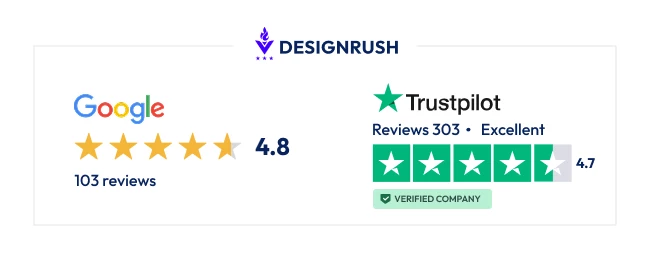
Looking for print design agencies in the USA? DesignRush helps you discover the best options based on 400+ verified reviews, with insights from 12 industry experts. Feel free to compare different companies by budget, team size, and portfolio and choose the best print design agency for your needs.
Discover the Best US Print Design Company For Your Next Project
1,415 Companies-Rankings updated: August 21, 2026
DesignRush evaluates print design companies for creative expertise and verified client reviews to support confident decision-making. Some placements may be paid partnerships.
Turn One Studio, a seasoned branding and digital marketing agency with nearly 25 years of experience, navigates the dynamic marketing industry with agility and innovation. It specializes in crafting comprehensive strategies tailored to businesses of all sizes, leveraging a blend of digital and traditional...
We are 63 Visual! A graphic design company with almost two decades of experience in design. Based in Jacksonville Beach, FL and founded by Patrick Carter...
Welcome to HUMM HOUSE! My name is Nina Lubarsky, and I'm the person behind the agency. I'm providing creative graphic design solutions for innovative small businesses...
Welcome to The Bravery Works! We are to team of graphic designers with a focus on church branding and helping them to get the perfect design for less money...
Hey there! My name is Laura Dreyer, I'm a professional visual designer who helps companies achieve their business goals through clear and beautiful design...
Welcome to Logarhythm Creative! My name is Logan Hall, I'm a Designer, Illustrator, and Creative at large who operates under the name Logarhythm Creative...
Rachel Kim operates as a freelance graphic designer situated in Los Angeles, CA. She specializes in a range of design areas including branding, logo creation, web development, packaging, and marketing collateral...
Patrice Horvath is a distinguished Logo Design and Branding Expert as well as a proficient Squarespace Web Designer based in Hawthorne, NJ. Renowned for crafting unique brand identities and sleek, professional websites, Patrice combines artistic talent with technical expertise. Her work ensures your brand...
We are brand storytellers for B2B, B2C, products, non-profits and creatives.
We are brand storytellers for B2B, B2C, products, non-profits and creatives.
What is your company's objectives and who are the clients it needs to serve? The correct brand story bring two answers together. That's where Absolute Designers comes in. We've been telling brand stories for almost two decades. Whether professionals trying to improve their position in their local market to...
Your Local Partner for Outstanding, Affordable Design!
Your Local Partner for Outstanding, Affordable Design!
At Current Creative Design, we are passionate about creating websites that look amazing and resonate with your audience. Since our inception, we've partnered with a diverse range of businesses, leveraging our expertise to deliver tailored solutions that meet each client's unique needs...
We're not just about creating stunning designs; we're dedicated to building long-term partnerships that fuel your company strategy and brand growth. Based in Utah, our expert team crafts tailored campaigns and brand assets that evolve with your business needs.From clever branding to engaging marketing...
Ignite Your Brand - Truly Connect With Your Audience
Ignite Your Brand - Truly Connect With Your Audience
At Tribe Spark, we're a team of passionate marketing and graphic design professionals who deliver exceptional results that ignite your brand identity. Our unique blend of innovative strategies and artistic flair helps businesses elevate their brand and connect with their audience in a meaningful way...
Transform your vision into an appetizing brand reality.
Transform your vision into an appetizing brand reality.
Aperitif Collective is a sister-owned creative agency based in South Florida, specializing in branding and marketing design.Ready to spice up your brand? Learn more...
We grow brands that push boundaries and win hearts. Beautifully.
We grow brands that push boundaries and win hearts. Beautifully.
DoodleDo is a graphic design and branding studio in Boston. We are curious self-starters unafraid of hard work, tough questions and honest answers. We help you get your ideas off the napkin and bring your brand to life with compelling storytelling and memorable visuals. In a sea of sameness, authenticity and...
Where Personalized Marketing Meets Digital Innovation
Where Personalized Marketing Meets Digital Innovation
SmartEdge Marketing is a full-service marketing agency that combines personalized service with digital innovation. We specialize in custom website design, SEO, branding, digital advertising, print marketing materials, and more, all tailored to help businesses grow confidently with a focus on creativity...
At Compel Co, we've been dedicated to serving good people, great companies, and worthy causes since our establishment in 2017. Our core services encompass branding, graphic design, and web design, all delivered with a commitment to excellence...
Hey there! I'm Jonathan Burks, a Creative Director. I started my career back in 2006. It was an experiment to bring the outsourced comp art and storyboard production in-house, while maybe bringing a different level of visualization to business pitches...
Unlock your brand's full potential and connect with your clients through strategic repositioning.
Unlock your brand's full potential and connect with your clients through strategic repositioning.
Hi! Let me introduce myself, I'm Nicole Steffen and this is my studio "Nicole Steffen Design". With over a decade of experience, I have seen many clients with a happy face. I have the skills and knowledge to help you reposition your brand and reach your ideal client...
Hey there! We are Plus One Studios. Do you need a design and marketing agency with a professional team with over 20 years of experience? Check out our portfolio!...
Sao Tien Wang (The Little Wang) is a Los Angeles based multidisciplinary designer specializing in branding, packaging, web UI, product design, and photography. With a boutique studio setup under 50 employees, Wang collaborates with startups and established brands to craft visually compelling solutions that...
Luckychair is a boutique design studio offering expert services in logo creation, corporate identity, graphic design, social media, editorial design, and WordPress development. They collaborate with small businesses, start-ups, non-profits, and entrepreneurs nationwide to craft impactful and memorable...
Bruised Goods is a Florida-based design studio that brings coastal vibes to your brand. We craft handmade fonts, patterns, and logo templates designed to make managing your online business feel as easy and refreshing as a summer breeze...
GreyBox Creative is a boutique branding agency based in New York City, dedicated to helping businesses transform their brands into powerful assets. Known for delivering high-quality design solutions across multiple touchpoints, the agency combines strategic thinking with creative execution to build brands...
Ivan Castilleja Palomo is a passionate designer dedicated to creating meaningful visual work that connects with people and tells impactful stories. His work is driven by creativity, resilience, and a strong commitment to continuous growth...
Broderick Advertising is a seasoned, full-service agency blending strategy and creativity to craft brand-building campaigns. With nearly 40 years of experience, they specialize in delivering customized marketing solutions that engage audiences and shape perceptions...
Baton Rouge Video Production. As a Full-Service Communication Design Firm, Compose specializes in persuasive solutions for Video Production, Graphic Design and Web design...
Websites, we build them... Big, small, e-commerce and B2B.SEO? Yep.Every client has different goals and requires different solutions.Contact us today to discuss your goals...
Sprout Communications is a full-service marketing organization specializing in nurturing relationships and building brands. We take pride in our reputation for providing exceptional service at an affordable cost to small businesses, nonprofits, and other organizations who need help growing their business...
RJM has been giving communities a unique voice for 40 years. With an eye on marketing fundamentals, we've helped clients from community banks to K-12 schools spread their message and get customers involved in what they offer. Don't settle for cookie-cutter solutions - join us! We'll ensure you enjoy the ride...
Hi there. We're a group of people passionate about creating compelling brands and finding creative visual solutions to complex challenges. We believe in using design as strategy, not as veneer and that thoughtfully applied design can create lasting positive change for users, ownership and the greater...
Writers Of USA is your partner in achieving best-selling author status. Our team of skilled ghostwriters is poised to craft the compelling and bestselling book you've envisioned for your literary success...
Hello world! My name is Jeff Chenault, I'm owner and the person behind ELEVEN07 CREATIVE. A multi-disciplinary creative agency specializing in client satisfaction as well as brand building, art direction, graphic design, photography, and video content creation...
Welcome to Kelcy Parrish Design! My name is Kelcy Parrish, I'm a Creative Artist, Graphic Design and the person behind the agency. Working and living in Fort Worth, Texas...
Banner Day is a naming and branding agency built by entrepreneurs, for entrepreneurs, with a distinctive focus on leading with words. As a words-first company, we believe in helping small businesses make a big impact by creating brands that inspire loyalty and deserve to be celebrated from the very beginning...
Eighty Six Strategies was built on a simple idea: small businesses deserve the same caliber of marketing and strategy that big companies take for granted. We partner with local businesses, contractors, and service providers to cut through the noise and build real momentum from brand identity and web...
We combine the hands-on approach of a boutique firm with the resources, technical know-how, and out-of-the-box thinking of a leading creative design agency...
Custom Digital Marketing and Web Design for Local Businesses.
Custom Digital Marketing and Web Design for Local Businesses.
Edmonds web design is a full services website design, logo design, graphic design, and web hosting company located in Lynnwood and Edmonds WA. We service companies small and large creating fully responsive (mobile, tablet, and desktop class) websites!...
DeuxSouth Creative offers services such as web design, web development, print design, package design, branding, brand strategy, logo design, photography, videography, and illustration...
At our company, we don't just create aesthetically pleasing websites; we care deeply about your business and its success. Our commitment to you isn't limited to website design - it extends far beyond that with a dedication to ensure online triumph...
Frequently Asked Questions About Print Design Agencies
What services do these agencies typically offer?
Print design companies create visual assets specifically for physical media, ensuring designs translate accurately from screen to print in terms of color, layout, and material quality.
Their services typically include:
Marketing collateral design: Brochures, flyers, catalogs, postcards, and other printed promotional materials.
Brand stationery: Business cards, letterheads, envelopes, folders, and branded office assets.
Packaging and label design: Product packaging, boxes, labels, and inserts designed for retail and distribution.
Editorial and long-form layouts: Magazines, books, newspapers, reports, and multi-page publications.
Print-ready file preparation: Color setup, layout finalization, bleed and trim settings, and coordination with printers to ensure accurate production.
These services remain in demand because print itself is still growing. The U.S. commercial printing market is projected to grow at a 3.1% CAGR from 2025 to 2030, reaching over $150 billion by 2030.
Which industries benefit most from investing in professional print design?
Industries that rely on physical touchpoints and in-person decision-making see the most substantial returns from professional print design, such as:
Retail and eCommerce: In 2024, packaging was the largest U.S. commercial printing application, influenced by retail and consumer goods. Professionally designed packaging, labels, and promotional materials directly impact brand perception and purchase decisions.
Healthcare and pharmaceuticals Print remains essential for patient instructions, compliance signage, and regulated packaging.
Hospitality, events, and tourism Signs, banners, and posters were the highest-revenue print product category in 2024, supporting guest navigation and event branding where digital access is limited or impractical.
Real estate and corporate services High-value transactions depend on brochures and property materials that reinforce professionalism and credibility.
Education and nonprofits Printed materials such as brochures, posters, and direct mail remain effective for awareness and fundraising, particularly with offline audiences.
How do I choose the best printing method for my business?
Choosing the right printing method when searching for a print design firm is a production decision. It depends on what you’re printing, how much you need, and where it will be used.
Here’s what you should consider:
Defining the purpose of the print
Marketing materials, packaging, signage, and operational documents all require different durability, finishes, and visual impact
Considering print volume
High-volume runs are typically more cost-efficient with offset or lithographic printing
Low-volume or variable runs are better suited for digital printing with minimal setup costs
Matching the method to the material
Screen printing: apparel, fabric, or promotional products
Large-format printing: banners, posters, or displays
Flexographic printing: labels and packaging
Assessing quality and finish requirements
Projects requiring precise color control or brand consistency benefit from higher-resolution printing methods
Accounting for turnaround time and flexibility
Digital and print-on-demand methods support faster production and personalization without excess inventory
When do print design agencies recommend print over digital design?
Print design is typically recommended when brands need trusted exposure that supports long-term brand recognition rather than short-term digital traffic.
High-trust marketing Print ads are more trusted during purchasing decisions. A study found that 82% of U.S. consumers trust print ads, compared to 61% for search ads and 25% for digital pop-ups, making print effective for high-consideration products and services.
Physical brand touchpoints Print works best for materials people keep or interact with physically, such as brochures, packaging, business cards, signage, and direct mail.
Local and in-store impact Retail, real estate, healthcare, and hospitality brands benefit from print for in-store promotions, menus, and informational materials where digital access may be limited or distracting.
Campaigns requiring focus Print reduces competition for attention compared to crowded digital environments, helping messages stand out without relying on interactivity or screen time.
How much do top print design companies in the U.S. charge?
In 2025, top print design firms charge between $100 and $150 per hour. Here are the average costs by print asset:
Business cards: $50-$2,500
Book covers: $150-$500
Posters: $150-$250 per hour
Billboards: $150-$500 per hour
Banners & signage: $600-$800
Brochures & flyers: $2,500-$10,000
ReceiveProposals
For your project
1
Specify your budget, timeline and project requirements
2
Our experts curate a list of up to 5 most qualified candidate agencies
3
We connect you with them so you can choose the most suitable partner









 Proposals