



The term “digital strategy” gets thrown around like confetti. It’s easy to lose sight of what it really means and why it matters.
Digital Strategy Examples: Key Findings
- Amazon elevates eCommerce with hyper-personalized AI recommendations that adapt in real time to customer behavior.
- Duolingo drives massive brand visibility on TikTok with trend-led, personality-driven content.
- Domino’s streamlines ordering through automation, including AI voice ordering, self-driving delivery, and drones.
Digital Strategy Overview
A smart digital strategy is a full-spectrum plan, choreographing everything from user experience to data, tech and long-term growth.
Here we’ll break down what makes a digital strategy different from digital marketing, and spotlight real-life examples from industry leaders that turn digital thinking into measurable success.
Let’s cut to the chase: A digital strategy is an absolute must in today’s world. Businesses that approach digital with a “we’ll wing it” mentality are like marathon runners showing up to a race in flip-flops — destined to fail.
A digital strategy is no longer optional. With over 63% of global internet traffic coming from mobile devices, businesses that lack a coordinated digital approach risk losing visibility, customers, and market share.
Here’s why investing in a digital strategy is essential:
- Fuel sustainable growth: A clear strategy helps you reach, convert, and retain customers across the channels they use daily.
- Build a consistent online presence: It ensures every digital touchpoint (website, content, social, mobile) works together to strengthen your brand.
- Leverage data for smarter decisions: A strategy turns analytics into actionable insights to improve performance and ROI.
Support the entire business, not just marketing: From operations to customer service, digital strategy improves efficiency and elevates the customer experience.
A well-executed digital strategy positions your company for long-term growth. Before diving into the examples, it’s important to understand how digital strategy differs from digital marketing — and why both matter.
Digital Strategy Examples
Now that we’re all warmed up, it’s time to look at what a strong and successful digital strategy can look like.
- Data-driven decision making: Starbucks
- Virtual and augmented reality integration: IKEA
- Content strategy: Duolingo
- Personalization: Amazon
- Digital-first: Domino’s Pizza
Data-Driven Decision Making: Starbucks
Starbucks isn’t just about making lattes — it’s about customer engagement on a digital level. Through its app and loyalty program, Starbucks has successfully created personalized experiences for each user. The company collects data on customer preferences and uses it to send personalized offers, recommend drinks, and enhance overall engagement.
Starbucks has also expanded its artificial intelligence (AI) capabilities to improve mobile ordering processes, predict customer behavior, and optimize inventory management. The company’s use of AI is helping to create a frictionless experience, where customers feel like the brand really knows them and their coffee preferences.
Virtual and Augmented Reality Integration: IKEA

IKEA has taken the next step in digital innovation by expanding its IKEA Place app with IKEA Kreativ, which lets users visualize furniture in their homes using augmented reality (AR). Now, customers can scan rooms with their phones and receive product recommendations in real-time, which they can either purchase online or save for their next store visit.
Its virtual reality (VR) integration also allows customers to take virtual tours of IKEA showrooms, which is especially helpful for customers who prefer online shopping but still want to see the products “in person.” It’s a blend of convenience, innovation, and customer-centric thinking that showcases IKEA’s digital strategy.
IPSOS research found that 77% of consumers want to use 3D and AR to interact with products before purchasing, which further proves the success of this strategy.
Content Strategy: Duolingo
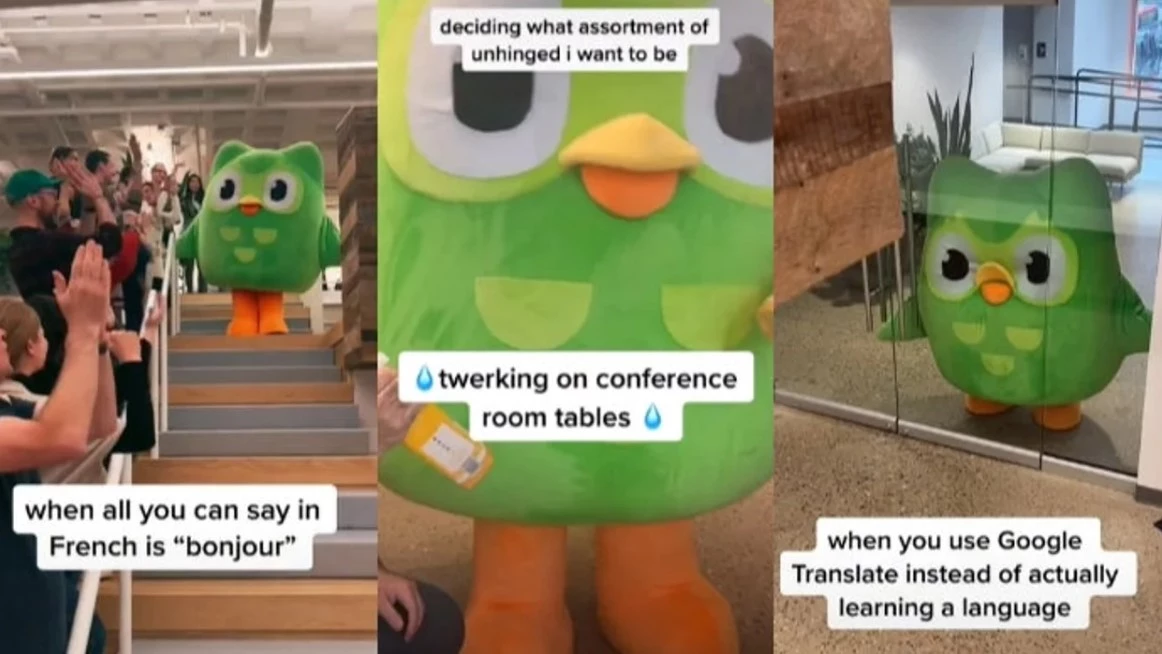
Duolingo has doubled down on TikTok with quirky, culturally relevant content that not only entertains but also educates. Its mascot, Duo, a green owl with a cheeky personality, has become a TikTok sensation, with millions of followers engaging with its witty language-learning skills.
The owl isn’t just teaching languages in a dry, traditional manner — Duo is creating laugh-out-loud content, hopping on viral trends, and even participating in meme culture, making language learning feel fun and approachable.
From comical skits to relatable language-learning struggles, Duo’s playful presence has transformed Duolingo’s TikTok into a must-follow account. By harnessing the viral power of social media, tapping into TikTok’s algorithm, and fine-tuning its content marketing strategy, Duolingo has created shareable, relatable content that blends education with entertainment.
Personalization: Amazon

Amazon introduced a new level of personalization with Personal Shopper by Prime Try Before You Buy, which uses AI to offer style recommendations. This innovative feature goes beyond simple product suggestions by tapping into a sophisticated algorithm that analyzes a customer’s previous purchases, browsing history, style preferences, and even feedback from product reviews.
Based on this data, the AI curates a selection of clothing and accessories that match the customer’s unique fashion taste, making the shopping experience not only convenient but highly personalized.
By integrating AI into every step of the shopping journey, Amazon is showing the industry that the future of retail lies in personalization — giving shoppers exactly what they want, before they even know they want it.
How Amazon Operationalizes AI Personalization
Behind Amazon’s Personal Shopper experience is Amazon Personalize, the machine-learning engine that lets brands deliver Netflix-level personalization without building complex AI in-house.
It processes real-time customer behavior to generate tailored recommendations across product pages, search results, and marketing channels. It means scalable, AI-driven personalization is no longer a luxury reserved for tech giants, as any brand can now operationalize the same data-driven precision that powers Amazon’s retail dominance.
Digital-First: Domino’s Pizza

Domino’s Pizza has mastered the art of convenience with its digital strategy as it introduced more advanced voice ordering through AI-enabled assistants. By leveraging voice technology, customers can place an order using their smart home devices like Amazon Echo or Google Assistant. This has streamlined the ordering process, making it as easy as a quick voice command.
Domino’s is also investing heavily in automation. It's been piloting self-driving delivery cars in certain areas and even experimenting with drone delivery. By investing in digital solutions, Domino’s is ensuring the brand remains a leader in food delivery innovation.
How To Create a Digital Strategy
Feeling inspired? Point achieved! Now, let’s have a quick breakdown on how to build your own digital strategy. It’s not rocket science, but it does require thought, planning, and a good understanding of your business goals.
- Set clear goals: Define what you want to achieve — more engagement, smoother operations, or stronger online sales. If increasing your sales is a primary objective, incorporating conversion marketing strategies will be essential in guiding your entire strategy.
- Understand your audience: Identify customer pain points, desires, and expectations. Use data analytics, surveys, and feedback to build a customer-centric strategy.
Evaluate your digital presence: Review your website, social channels, apps, and tools. Are they user-friendly and integrated? Identify gaps and outline a digital marketing framework to strengthen your ecosystem.
Leverage technology: Choose the tech that aligns with your goals — AI, AR/VR, automation, or other digital marketing solutions. Don’t chase every trend; prioritize tools that genuinely support your business.
Monitor and adapt: Track KPIs, ROI, and customer feedback. Stay agile and adjust your strategy as market conditions change.
Partner with experts: If you need support, a digital strategy agency can provide fresh perspectives, industry insights, and technical expertise.
Creating a digital strategy may seem daunting, but it’s a game-changer for your business. The key is to approach it thoughtfully, adapt as necessary, and always keep your customers at the center of everything you do.
As Leslie Licano, Co-Founder and CEO of Beyond Fifteen Communications, explains:
"It’s about deploying the right mix of strategies and tactics to transform those blink-of-an-eye moments into omnichannel marketing campaigns that build enduring brand recognition, bolster credibility, and generate strong marketing-qualified leads.”
Digital Strategy Examples: Final Words
A strong digital strategy is a living framework that evolves with your audience, technology and market shifts. The brands succeeding today are aligning digital tools with clear goals, agile execution and data-driven insight. These examples show that the right strategy can turn digital complexity into clarity, and real growth.

Our team ranks agencies worldwide to help you find a qualified partner. Visit our Agency Directory to find top-rated digital marketing companies, as well as:
- Content Marketing Agencies
- Conversion Rate Optimization Services
- Media Buying Agencies
- Affiliate Marketing Companies
- Direct Marketing Companies
Digital Strategy Examples FAQs
1. How long does it take to implement a digital strategy?
The timeline can vary depending on the complexity of your goals, the size of your organization, and the technologies involved. It could take anywhere from a few months to a year or more. However, digital strategies should be viewed as ongoing efforts that evolve with changing trends and market demands.
2. What key metrics should be tracked in a digital strategy?
Some essential metrics include website traffic, conversion rates, customer engagement, return on investment (ROI) from digital efforts, customer retention, and the performance of digital tools. Tracking these KPIs will help you understand what’s working and where you need to improve.
3. How often should I update my digital strategy?
Your digital strategy should be a living document that evolves as your business grows and market conditions change. Regular reviews — at least annually — are essential, but you should also be prepared to make adjustments when new technologies emerge, or if your business goals shift.
