An impressive portfolio does not guarantee the right fit. Our directory features vetted graphic design companies in California with proven expertise in driving strategic growth to businesses.
List of the Best Graphic Design Firms
596 Companies-Rankings updated: September 13, 2026
Every graphic design agency in California has been assessed based on their design expertise, portfolio, and client reviews. Some listings may be paid.
Digital Nomad Designs specializes in crafting visually stunning and highly functional websites for businesses using WordPress or Shopify. Their main focus is on creating user-friendly websites that are optimized for conversions. We offer various services, including custom development, graphic design, and SEO...
At WEBRUS, we specialize in providing high-quality, affordable website design services starting at just $49/monthwith no upfront fees! Our team creates modern, SEO-friendly websites tailored to your business needs, ensuring that you stand out in a crowded online marketplace. We handle design, hosting, SSL...
Newman Grace Inc. is an integrated marketing communciations and design firm in Los Angeles specializing digital and traditional marketing, web design and development...
We Are a Digitally-Inspired Advertising Agency That Grows Hospitality Brands.
We Are a Digitally-Inspired Advertising Agency That Grows Hospitality Brands.
The most seasoned digital agency in the food service sector is Dreambox, to put it simply. collaborating with more than a hundred local and national brands. For brand-conscious restaurants looking to reach customers in the most creative, reliable, and secure ways possible, Dreambox has quickly established...
BareBones Media is an AI-native marketing agency built for local businesses that want to grow without agency-sized bills. We design conversion-focused websites, run Local SEO and Google Business Profile optimization, and produce cinematic AI video advertising most local shops could never afford...
Goliath Graffix is a graphic design and web design firm located in sunny Pasadena, California. Our daily mission is to create stunning design and inventive strategies for each and every one of our clients, so that they can grow and dominate their market...
A Full-Service Marketing and Visual Communications Firm
A Full-Service Marketing and Visual Communications Firm
Sur-Ryl Marketing is a full-service marketing and visual communications firm dedicated to service the needs of small businesses. From strategy to creative design to media services and beyond, we're your one-stop shop for marketing solutions...
Digital Attic is a Clovis, Californiabased agency specializing in web design & development, video production, SEO, design, marketing, and hosting. The firm helps businesses generate qualified leads, improve visibility, and grow customer bases with a flat-rate fee model and decades of experience...
Los Angeles Web Design is a boutique agency that specializes in web design, internet marketing, and social media planning. With expert knowledge and decades of experience, we are committed to providing customized services and outstanding customer service to clients worldwide...
Ugly Duck Marketing (UDM) is a unique blend of designers, project managers, programmers, copywriters, and account executives. We strive to make our clients successful through streamlining and perfecting all aspects of their marketing needs...
World Class Marketing Materials Designed For Success
World Class Marketing Materials Designed For Success
At Graphically Speaking, we help you deliver your message with sales and marketing collateral, designed to make you stand out from the crowd, and distinguish your company from its' competitors. Our design expertise includes logo design, corporate identity, and brand development for print, web, and display...
Clap Creative is your next door tech firm in Los Angeles offering full-range web services under one roof. An experienced team of web professionals works to create custom internet solutions to meet your business goals. And when we say partners, we mean it!...
We are here to assist with all of your design and printing needs. We offer a wide range of graphic design, illustrating, website design, and website maintenance services...
Moving People to Action Through Emotional Connections and Benefits.
Moving People to Action Through Emotional Connections and Benefits.
Seed Factory is a creative agency with offices in Atlanta and Orange Co, CA. By working across creative content, branding and PR tactics, they can create holistic marketing strategies for business growth, allowing brands to move people through emotional benefits...
Located in the charming town of Sausalito, just a stone's throw away from San Francisco, we are a full-service brand communication agency. Our mission and namesake, Good Stuff, represents our passion for collaborating with brands that positively impact people, animals, and the planet...
When You Really Need to Stand Out From Your Competition
When You Really Need to Stand Out From Your Competition
W Brand is a strategic brand and digital marketing agency in Orange County, CA. We make brands stronger by combining strategic thinking with clear and relevant design to create memorable communication that lasts over time...
Design in Mind is a Silicon Valley creative agency that prides itself on custom design solutions for every client. Since 2002, weve helped companies of all sizes and industries build, refresh, and scale their brands against key business objectives...
Reel Axis is a go-to-market services company meeting the needs of today’s technology companies through strategy, automation, insight, and service — creating a frictionless environment between buyers and sellers and having fun doing it...
Convert Advertisings digital advertising services are the perfect way to grow your brand online. Todays consumers are constantly bombarded with brand messages. If you want to cut through the noise to reach your target audience, you need rich, engaging content...
Strategic marketing. Measurable results. Helping businesses grow and thrive in the digital world.
Strategic marketing. Measurable results. Helping businesses grow and thrive in the digital world.
Ashford Creative is a full-service digital marketing agency specializing in Local SEO, Google Business Profile optimization, targeted advertising, web design, and branding/graphic design. We help businesses of all sizes enhance their online presence, attract high-quality leads, and build a strong brand...
Effectively growing your business is essential for long-term success, and we're here to make that journey easier. As your dedicated partner, we provide the tools, strategies, and support you need to achieve measurable results. As a full-service 360° marketing agency, we bring together creativity, experience...
Urban Geko is a branding agency in Orange County and web design agency in Newport Beach helping companies elevate their brand and digital presence when their current website or identity no longer reflects the caliber of their organization...
Niftic Agency is a creative powerhouse that transforms customers into devoted fans. We focus on human-centered strategies and specialize in brand strategy, branding, CRO and custom web and application development. Our goal is to create experiences that foster long-term loyalty and deliver exceptional results...
Materializing the futureExperience design for engaging with the world in new and transformative waysPioneering physical + digital experiencesTellart is an international design consultancy with deep expertise in pushing technological boundaries to create unique and engaging experiences. We have studios...
We are a full-service entertainment marketing agency providing media, creative, strategy, digital and mobile marketing services to the film and television industries. From traditional campaigns to streaming strategies, we help you navigate the fast-moving future of entertainment using the most advanced tech...
PurpleZ is an agency founded on creating a digital presence for companies just like yours. Our services are geared toward a singular focus- creating outstanding websites and using social media to drive traffic, brand awareness, trust, and customer loyalty...
Web Development & Online Marketing We Make Your Life Easy
Web Development & Online Marketing We Make Your Life Easy
What is your company looking for? More work, more clients, more exposure and more business. Fotex offers top-notch online marketing solutions for every aspect of your company's operations. we provide expert website design, and development, social media management, custom software development, customized data...
At SourceSEM, we are a digital marketing agency focused on delivering measurable results through technology and data. Our highly experienced team of marketing strategists, creatives, developers, and consultants work together to maximize your profits...
Welcome to HUMM HOUSE! My name is Nina Lubarsky, and I'm the person behind the agency. I'm providing creative graphic design solutions for innovative small businesses...
The Creative, Strategic, and Result-Driven Full-Service Agency
The Creative, Strategic, and Result-Driven Full-Service Agency
The Marcom Group is a boutique, award winning creative and marketing agency founded in 1998 and based in Bakersfield, California. Specializing in branding, advertising, web development, and digital strategy, the agency delivers personalized service to clients with budgets typically ranging from $1,000 to...
Mission Bay Media has been providing website design and development services to businesses around San Diego and the United States since 2011. Give us a call to learn more about the wide range of development and design services we proudly offer our clients...
We Navigate the Digital Spaces That Have Yet To Be Explored.
We Navigate the Digital Spaces That Have Yet To Be Explored.
We navigate the digital spaces that have yet to be explored. Puppy Love is a group of creatives (artists, photographers, engineers, painters, game designers, etc...) who come from the merging of several agencies...
A Boutique Design Agency, Dedicated To Empowering Purpose-Driven Visionaries.
A Boutique Design Agency, Dedicated To Empowering Purpose-Driven Visionaries.
We're Color Mill Design, a CA & OR based branding and web design agency. We use design to make a positive impact and help you uncover your story's essence...
Aspirational Product Design, Branding, and Innovation Made in Los Angeles
Aspirational Product Design, Branding, and Innovation Made in Los Angeles
We make brands, products, and experiences people love. We shape the future through impactful design and disruptive thinking. We make companies indispensable to consumers through brand strategy, innovation, and execution...
We are a public affairs, public relations, crisis communications, and social media firm that works relentlessly in pursuit of our client’s vision of success. We provide strategic communications services for foundations, nonprofits, local government, and social enterprises...
Graphic Design Has the Power To Push Forward Any Idea.
Graphic Design Has the Power To Push Forward Any Idea.
Michael Carpenter Design LLC is a graphic design agency offering branding, identity, and creative collateral services. Led by designer Michael Carpenter, the company helps clients build visually distinctive brands through thoughtful design and storytelling...
Catalyst Marketing Company create getaway plans. Not the plans needed for a bank heist, but getaway plans for people to escape their daily routine. Catalyst Marketing Company are experts in showing your customers how to escape the ordinary - to get out and experience life...
Power up your company's success with our InboundAV agency! We specialize in turning marketing, sales and customer retention strategies into unstoppable engines of prosperity. Let us help you unleash the full potential of all three areas to skyrocket your business results...
5 Frequently Asked Questions About Graphic Design Firms in California
How much do graphic design engagements typically cost in California?
Graphic design engagements in California cost more than the national average, reflecting the state's higher labor rates. The US Bureau of Labor Statistics reports the hourly mean wage for graphic designers in California is $38.58, compared to the national mean of $28.52.
On average, graphic design costs range from $300 to $200,000, depending on the type of graphic design services, scope, deliverable count, timeline, availability of existing materials, and project complexity.
The table below breaks down estimated costs by project type:
Project
Estimated cost
Logo
$1,000-$2,500
Comprehensive branding
$16,000-$63,000
Web design
$5,000-$200,000
Marketing collateral
$500-$2,500+
Package design
$300-$50,000
What cost items do graphic design proposals often omit?
California graphic design proposals routinely omit stock asset licensing, typeface renewals, print vendor markups, file preparation for specialized use cases, and California sales tax. These costs can add thousands of dollars to your final invoice.
Reviewing your proposal against the checklist below before signing will help you identify and negotiate these costs upfront:
Stock assets and photography licensing. The cost of properly licensed website design templates, stock assets, and other reusable content will be passed to you separately. The same also applies to the usage rights of photographs and video production by a California designer or creative agency.
Typeface licensing. Clients shoulder the annual commercial license costs for custom or premium typefaces used in brand systems.
Printing and production vendor markups. California agencies that manage print production typically add a markup on vendor invoices. While it is standard practice, it should be disclosed upfront.
File preparation for specific use cases. Deliverables scoped for digital use may require additional production hours to prepare files for large-format printing, embroidery digitizing, or signage fabrication, which are not included in a typical brand and design package.
California taxes. Design work is taxable in California if it requires a printed copy (e.g., billboard, poster, or book) or is transferred to the business via a physical storage medium (e.g., a USB or CD).
How long does a typical California design project take?
A typical California graphic design project takes anywhere from 1-8 weeks, depending on scope, complexity, and the number of revision rounds.
The table below breaks down standard delivery windows by project type, excluding print production timelines where applicable:
Project type
Timeline
Brand strategy
5-7 days for an illustrative logo design only, and 2-3 weeks for a full brand identity
Website design
About 1 week for a landing page, while multi-page websites may require 2-6 weeks, depending on the number of pages, devices, screens, and complexity of user flow
Social media graphics
1-2 days for a single post, but a comprehensive social kit can take over 1 week
Display ads
About 3 days for static ads, but dynamic ads can take over 1 week
Email design templates
3-5 days, depending on complexity and scale of design
Custom illustration
2-8 weeks, depending on complexity of design requirements
Print materials
Flyers and brochure design can take 3-5 days, package design 1-2 weeks, and tradeshow booth design over 2 weeks. All these exclude print production timelines.
When does it make sense to consider hiring local graphic design firms in California?
Hiring local graphic design firms in California is most justified when your project involves regulated industry compliance, physical product production, or culturally specific audiences that require regional fluency:
Regulated industries with state-specific requirements California has distinct regulatory frameworks for marketing materials in healthcare, cannabis, alcohol, and financial services. For instance, California requires beer brands to include the type of beverage, alcohol percentage, and manufacturing information in addition to the Code of Federal Regulations label requirements.
In-person collaboration with physical products Engagements involving packaging, retail displays, trade show materials, or environmental design are more efficient when graphic designers in California have local print vendor relationships. They can physically review proofs and closely collaborate with vendors for required adjustments, accelerating production timelines.
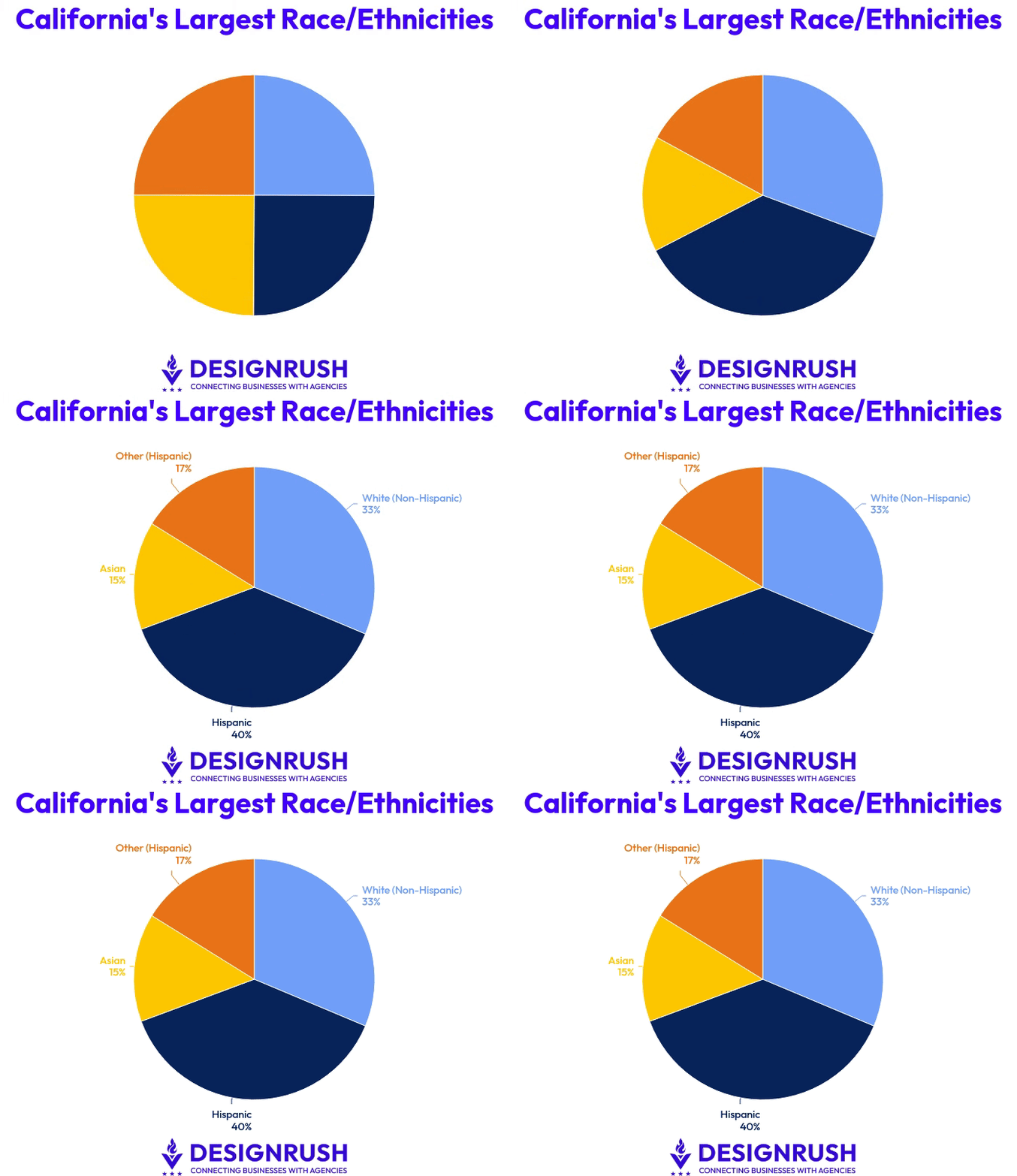
Cultural market specificity California consumers, particularly in multicultural markets like Los Angeles, the Central Valley, and the Bay Area, require cultural fluency that remote agencies working from homogenous markets may lack.
At what point in the engagement should you reassess whether the graphic design agency California relationship is working?
Reassess your relationships with graphic design companies in California after the first concept presentation, after the second revision round, and at the 50% project timeline mark.
These are the three points where misalignment is still recoverable without restarting the engagement.
Waiting until final delivery to raise fundamental concerns is the most common and costly mistake business owners make, as sunk cost makes it psychologically difficult to exit or escalate.
The checkpoints below tell you exactly what to look for at each stage and what action to take:
After the first concept presentation. If initial concepts do not reflect your brief, your competitive context, or your audience, it is a strategic alignment failure. One more round rarely fixes it.
After the second revision round. If you are still explaining the same fundamental direction concerns in round two that you raised in round one, the creative team cannot execute your vision, or the agency's process does not support meaningful iteration.
At the 50% mark of the project timeline. If you are 50% through the timeline and less than 30% through the deliverables, you have a project management problem, not a creative one. At this point, you need to have a frank conversation about what can be realistically delivered within the remaining timeline.
Final note: Document all feedback in writing. In California, email and platform-based communications constitute a record that matters if the engagement escalates to a contract dispute.


































 Proposals