Looking for a managed IT service provider in the USA? DesignRush simplifies the process for you by showcasing top managed services, supported by a 4.5-star average rating from 800+ verified reviews. Browse trusted companies and filter by pricing or reviews to confidently choose the best option for your business.
Discover the Best Managed Services Companies Across the USA
1,063 Companies-Rankings updated: September 09, 2026
Managed IT service providers on DesignRush are reviewed for technical expertise, service reliability, and real client feedback. Some managed IT services listings may be paid partnerships.
Compoze Labs is a software development company with expertise in app and website development, integration, and UX/UI. We aim to streamline as much of the process as possible to get you a secure, quality product in a timely manner. Our team has worked with a large variety of companies on a range of products...
Managed IT services give small businesses enterprise grade protection and stability without hiring a full tech team. We standardize devices, patch software, monitor systems 24/7, and test backups preventing many outages and speeding recovery when issues happen. You also get clear guidance on policies and...
We are an industry leading technology company in Orange County, CA specializing in managed IT services, cybersecurity & digital marketing for small and medium sized businesses. We ensure your systems are secure, running optimally and that you have help when needed...
We know how to simplify your IT and create scalable solutions that bring results. Our expert service teams have deep roots in diverse industries, providing us with the insights needed to understand your technical environment and unique challenges...
We provide data, cloud, product, and quality engineering services for enterprises that need to transform with predictability. We partner with our customers on high-priority, high-visibility projects where failure is not an option. And we only work with customers who want a partner that is invested in the same...
For over three decades, TMG has been the center of excellence for proven, dependable, and affordable Information Technology, Cybersecyrity, and Data Privacy solutions delivered by experienced, internationally certified professionals...
A fast-growing team of passionate techies making a big mark in the digital services realm. Driven by unmatched talent and determination, we aim to push boundaries, redefine norms, and pave the way for innovative excellence...
Managed IT Service Provider & Cybersecurity Specialists
Managed IT Service Provider & Cybersecurity Specialists
DLL Techs is a reputable Managed IT & Security Service Provider and Cybersecurity Specialists catering to small and medium-sized businesses. We offer an array of additional services, including web development, marketing, and media services...
Pioneering the field of digital security, we provide state-of-the-art solutions tailored to fortify your data and infrastructure. Our team of seasoned professionals is wholly committed to furnishing resilient, personalized safeguards against ever-adapting cyber threats, affording you peace of mind in an...
Since 2021, our small yet dedicated team has thrived on solving intricate problems and powering digital transformation. With extensive experience in online entrepreneurship and cutting-edge development, were here to bring your ideas to lifeefficiently, reliably, and with a masterful touch of innovation...
Digital Marketing Is A Monster Well Help You Slay It
Digital Marketing Is A Monster Well Help You Slay It
Whether its the life-sucking Google Beast, the unpredictable Meta Monster, or the wiley lil Wordpress, well help you get these creatures under control! Your online presence is too complicated...
Overdrive Digital Marketing is an award winning agency that specializes in web design, SEO, and Google Ads. Overdrive's offers free websites to clients that sign up for monthly SEO services...
Work directly with your designer. At Mario Lima Design, we build websites, brands, and hosting solutions tailored for small businesses who need both creativity and dependable support...
FACTn Software, your trusted partner in software engineering outsourcing solutions. Founded with a passion for technological innovation and a commitment to excellence, FACTn Software is dedicated to providing top-tier software engineering talent to companies in the Scandinavian region and beyond...
Seismic Pixels is a technical WordPress studio specializing in high-performance, custom-engineered digital solutions. Since 2008, we've moved beyond generic templates and bloated page builders to provide bespoke Gutenberg blocks, Laravel integrations, and scalable e-commerce architectures. We bridge the gap...
Have a startup? A seasoned or outdated website? Need help releasing a new product? Want someone to help manage your marketing? Feel like your website has a virus? Host Much can help you develop and establish your company as an authority brand in your industry...
Lockbaud is a Kansas City-based managed IT services provider focused on helping small businesses, law firms, and accounting firms operate securely and efficiently. The company delivers proactive IT support, cybersecurity, cloud solutions, and VoIP services with a strong emphasis on responsiveness, same-day...
Wideanchor is a technology consulting and enterprise transformation company specializing in cloud computing, DevSecOps, AI/ML, LLM-powered systems, cybersecurity, staffing, and SaaS product development. Founded and led by experienced global technology professionals with Fortune 500 backgrounds, the company...
AI strategy and delivery that works in production, not just in demos.
AI strategy and delivery that works in production, not just in demos.
We help organisations close the gap between what AI could do for their business and what it is actually doing with the strategy, engineering, legacy modernisation, and enablement to make it work in production...
At Clicksmith, we craft sharp, strategic websites and marketing systems that actually move the needle. As a boutique digital agency, we solve real business problems with custom-built solutions not just pretty websites (though yeah, we make those too)...
Netwoven empowers Intelligent Enterprises by solving complex business challenges through the strategic use of Microsoft technologies. We help organizations modernize, optimize, and secure their digital workplace, business processes, and IT ecosystems...
Chiron LLC is the IT Consulting Company which focuses on the Web Development; Custom Web and Mobile Solutions built on OutSystems; Building Collaboration environments with Business Processes automation and integration of different application between each other...
Leading Technology Partner Fortune 500 Enterprises Trust to Build, Modernize, and Scale Globally
Leading Technology Partner Fortune 500 Enterprises Trust to Build, Modernize, and Scale Globally
With 2,500+ consultants across the US, Canada, Latin America, and India, Improving puts experienced technologists in your market, not just on your project. Our teams understand the regulatory landscape, industry norms, and technical expectations of the markets you serve...
Go Nimbly, headquartered in San Francisco, is a renowned industry leader in revenue operations and a trusted business stack consultancy. Our primary focus is to assist SaaS and other forward-thinking, high-growth companies in optimizing their strategic growth by providing them with the necessary strategies...
RedZen build cloud software for small and mid-sized business on a fixed price. No hourly billing, no scope surprises. We design, develop, and deploy custom web apps, internal tools, and integrations-then hand you something that ships and scales. Design, Develop, Deploy...
Ideators, an Incorporated Registered Firm with a presence & clientele in Florida, Texas, Boston, San Francisco, Australia, Hong Kong, & Portugal is an emerging Digital Services & Solutions Firm. We ensure to integrate the expertise of the team professionals along with innovativeness, and your requir...
Zivanta Analytics is an IT and big data analytics company that empowers businesses with data-driven insights and cutting-edge technology solutions. By leveraging advanced analytics and IT expertise, the company helps organizations optimize performance, enhance decision-making, and drive growth...
Pegasus One are a trusted Software Development Company based in Southern California with clients all over North America. Since 2009 we’ve been a software innovation partner for SMBs and Fortune 500 companies...
We are an emerging IT and business consulting company providing services to industry leading clientele in North America, Europe and the Middle East. Our purpose is to enable our partners to build sustainable competitive advantage. We achieve this by enhancing organizational capabilities and optimizing...
Helping business owners who are frustrated with technology problems get more out of their business.
Helping business owners who are frustrated with technology problems get more out of their business.
Business Data Services helps business owners who are frustrated with technology problems by creating customized plans that make the business owner's team and business run more efficiently. Business Data Services has helped dozens of businesses since 2004. If you're a business owner and you have a feeling your...
We Help Protect our Customer's Data, So They Can Focus on What They Do Best
We Help Protect our Customer's Data, So They Can Focus on What They Do Best
AG Grace is dedicated to developing our nation’s future by protecting our critical resources and infrastructure offering a full range of services that improve our client’s ability to provide security, management, and assurance. We provide efficient cost-effective services and solutions to our customers...
We understand the struggles many small business owners face when it comes to dealing with their website. Sadly, by the time they find us, we learn they have wasted money, been neglected and eventually burned by others in our industry. That is why we are here! To take away all your website headaches...
Unlock Your Business Potential with Our IT Mastery!
Unlock Your Business Potential with Our IT Mastery!
At Netsec, a distinguished IT consulting firm, we specialize in the management of intricate networks and security infrastructure, demonstrating our expertise across a diverse range of technologies...
AptaCloud is your strategic partner for innovative cloud solutions and digital transformation services tailored for the business-to-business market. Since its inception, AptaCloud has dedicated itself to helping enterprises navigate the complexities of modern technology landscapes, optimizing processes...
Bridging Healthcare Systems with Seamless Integrations.
Bridging Healthcare Systems with Seamless Integrations.
Healthcare Integrations helps healthcare organizations and vendors solve interoperability challenges. We connect data systems to unlock insights, improve patient care, and support healthier communities through smarter, seamless health IT solutions...
We're not just another tech company; we're your dedicated local partner in the Yadkin Valley and Twin Counties. At Corespark, we help small and medium-sized businesses thrive by offering clear, strategic guidance on everything from IT and software to custom AI solutions. We skip the technical jargon and focus...
Connexr delivers AI-first managed services, AIOps, and end-to-end digital transformation for modern enterprises. Services include managed IT operations with 99.99% uptime, AI strategy to production, multi-cloud architecture (AWS, Azure, GCP), enterprise security, data analytics, and custom AI development...
We help you recruit, hire, manage and scale world-class offshore distributed Software Teams. We also design and develop full custom software projects...
We're a Detroit-based accounting and consulting firm helping growth-driven entrepreneurial companies compete in the global marketplace. Specializing in manufacturing & distribution companies, industrial automation businesses, architect & engineering firms and businesses expanding to and from the U.S. Check...
Facet Interactive is the go-to digital strategy agency. Our data-driven insight helps clients focus on higher-yield projects while we ensure strong returns through integrated marketing campaigns. We can step in as your product owner or CMO to provide direction when it comes to making informed product and...
Providing Quality, Experience, And Professionalism To Our Clients At Every Opportunity
Providing Quality, Experience, And Professionalism To Our Clients At Every Opportunity
We are a website design and digital marketing firm situated in the Hampton Roads area of Virginia that is owned and operated by women. Our areas of expertise include the design and construction of websites, as well as digital marketing and website administration...
At ElitePC, our commitment to excellence propels us to the forefront of the Information Technology landscape, where we stand as a pioneering force. We take pride in delivering a comprehensive range of services meticulously crafted to address the dynamic and evolving needs of both businesses and individuals...
What can a managed IT service provider do for business?
A managed service provider (MSP) is an external partner that manages and supports your IT systems so your team can focus on running the business instead of fixing tech issues.
MSPs typically handle:
IT infrastructure management (networks, servers, hardware, and cloud systems)
Proactive monitoring and maintenance to prevent downtime
Cybersecurity and data protection, including threat detection and incident response
Backup and disaster recovery to protect business-critical data
Help desk and technical support for day-to-day issues
IT planning and advisory, aligning technology with business goals
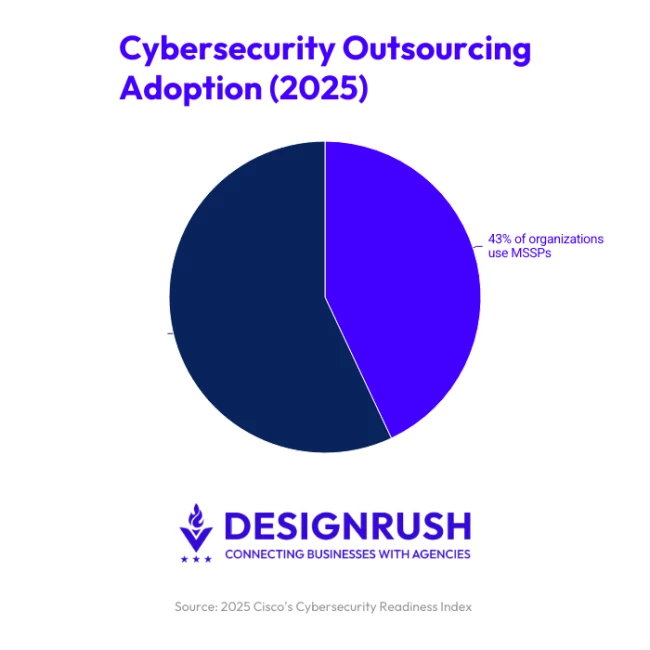
As IT environments grow more complex, more U.S. businesses are turning to managed services.
The U.S. managed services market reached $69.9 billion in 2024 and is projected to grow at a 10.5% CAGR through 2033, driven by remote work, cloud adoption, and rising cybersecurity threats.
What types of MSPs are there?
Managed service companies can be categorized in two ways:
1. By provider model (how the MSP operates and partners with your business)
Type
What It Covers
Best For
Pure-Play MSPs
Core IT operations like monitoring, maintenance, patching, and system support
Small to mid-sized businesses needing reliable day-to-day IT management
Staffing-Led MSPs
Managed IT services combined with IT staff augmentation
Companies that need flexible capacity or temporary technical expertise
High-Level (Strategic) MSPs
End-to-end IT management, cybersecurity, cloud strategy, and long-term planning
Enterprises with complex infrastructure and strategic IT needs
2. By service focus (what specific IT functions they manage)
Most specialize in one or more of the following areas:
IT support: Ongoing monitoring, troubleshooting, and system maintenance
Security services: Threat detection, vulnerability management, and compliance support
Cloud services: Cloud migration, optimization, and ongoing management
Network services: Network monitoring, performance optimization, and connectivity management
Backup & disaster recovery: Data protection, backups, and business continuity planning
Industry-specific: Tailored IT support for regulated sectors like healthcare, finance, retail, and legal
What benefits can businesses expect from managed IT service providers?
MSP services are designed to reduce operational strain and create more stability. Here’s what they bring to the table:
Predictable IT costs Fixed or subscription-based pricing reduces budget uncertainty and unexpected expenses.
Access to specialized expertise On-demand support across infrastructure, cloud, security, and compliance.
Proactive system oversight Performance issues now carry the same business impact as outages. According to Catchpoint’s SRE Report 2025, 53% of organizations agree that “slow is the new down,” reinforcing why proactive monitoring and performance management are core managed services benefits.
Stronger security foundations Continuous threat monitoring, patching, and security controls reduce exposure to cyber risks. This is an increasing priority as the FBI recorded 859,532 cyberattacks in the U.S. in 2024, marking a 144% increase since 2018.
Simplified compliance support Built-in processes ensure you meet regulatory requirements like HIPAA and PCI DSS.
Optimized technology management Guidance on selecting, maintaining, and updating systems helps you avoid waste.
More focus on core work Internal teams spend less time on IT operations and more on business priorities.
What is the difference between staff augmentation and managed services?
Staff augmentation providers and managed service providers both offer IT outsourcing solutions, but they differ in several key ways:
Aspect
Staff Augmentation
Managed Services
Primary purpose
Fill skill or capacity gaps
Fully manage defined IT functions
Control
Client retains full control
Provider owns delivery and outcomes
Engagement type
Short-term or project-based
Usually ongoing, long-term partnership
Accountability
Client manages performance
Provider accountable via SLAs
Team integration
Works as part of your in-house team
Operates as an external IT owner
Cost structure
Hourly or contract-based
Typically fixed or subscription-based
How much do managed service providers in the USA charge?
On average, managed service firms charge $150-$400 per user per month or $175-$300 per hour. For enterprise-level projects, pricing can start at $10,000 per month.
Main factors that influence MSP pricing:
Number of users or devices
Scope of managed services
Infrastructure complexity and data volume
Contract length and service hours
Common MSP pricing models:
Per-user pricing: Predictable costs tied to headcount
Per-device pricing: Charges based on supported hardware
Tiered plans: Different service levels at increasing prices
Flat-rate pricing: Unlimited support for a fixed monthly fee
À la carte services: Pay only for specific IT needs
ReceiveProposals
For your project
1
Specify your budget, timeline and project requirements
2
Our experts curate a list of up to 5 most qualified candidate agencies
3
We connect you with them so you can choose the most suitable partner



































 Proposals