Explore leading Generative Engine Optimization companies that optimize content for AI-driven search, LLMs, conversational assistants, and generative search platforms. Our expert team has curated a selection of vetted GEO agencies that help businesses improve visibility, authority, and discoverability across AI-powered search experiences.
NTD Digital is a data-driven digital marketing agency specializing in Generative Engine Optimization (GEO), SEO, paid media, and AI-powered marketing optimization. We help brands improve their visibility across both traditional search engines and emerging AI-powered platforms through Generative Engine...
Top Services:
- SEO
- Digital Marketing
- Advertising
- Web Design
- eCommerce Development
- Show more
- Location
- Santa Clara, California
- Number of Employees
- Under 49
- Minimal Budget
- $1,000 - $10,000
Your 360 Degree Partner in Your Venture
We don't just take your brand digital; we combine strategy, design, and technology to turn it into measurable success. We focus on numbers and treat your business like our own...
Top Services:
- SEO
- PPC
- CRO
- Social Media Marketing
- Creative Services
- Show more
- Location
- Istanbul, Turkey
- Number of Employees
- Under 49
- Average Hourly Rate
- $50/hr
- Minimal Budget
- $1,000 - $10,000
Custom Digital Solutions For Enterprise Growth
Savage Solutions is a results-driven digital agency specializing in custom website design, SEO, and online marketing strategies that help businesses grow. We combine creative design, powerful technology, and data-backed marketing to build high-performing websites that attract customers, increase visibility...
Top Services:
- SEO
- Web Development
- Web Design
- AI Development
- Business Consulting
- Show more
- Location
- Sunny Isles Beach, Florida
- Number of Employees
- Under 49
- Average Hourly Rate
- $150/hr
- Minimal Budget
- $1,000 - $10,000
Helping Small Businesses Generate More Leads
We help small businesses generate leads through digital marketing services, including Web Design, SEO, Google My Business, and Google Search Ads...
Top Services:
- SEO
- Location
- Pontypridd, United Kingdom
- Number of Employees
- Under 49
- Average Hourly Rate
- $50/hr
- Minimal Budget
- Under $1,000
Dental Websites Done For You
Dental practices working with Heavyclick get more patients from Google through a converting website, consistent new reviews, and full local search visibility. Built specifically for dentistry. Delivered in 14 days. No generalist agencies, no vague promises just a system built around one outcome: a fuller...
Top Services:
- Web Design
- SEO
- Location
- San Francisco, California
- Number of Employees
- Under 49
- Average Hourly Rate
- $35/hr
- Minimal Budget
- $1,000 - $10,000
We Help Businesses Dominate Local Market
Were The Web Presence, a specialized digital team serving 500+ homeservice businesses (roofing, plumbing, HVAC, landscaping, electrical). Our mission: translate field expertise into highconverting websites, local SEO, apps, ads and AI booking/chat systems. We value trade-specific solutions, measurable growth...
Top Services:
- Web Design
- UI/UX Design
- SEO
- Digital Marketing
- eCommerce Development
- Show more
- Location
- New Berlin, Wisconsin
- Number of Employees
- Under 49
- Average Hourly Rate
- $26/hr
Transform Your Business Today With Us
Al Murooj Solutions is a leading digital transformation company in Dubai. We offer top-notch digital transformation services to drive businesses into the future...
Top Services:
- SEO
- Digital Marketing
- Software Development
- eCommerce Development
- PPC
- Show more
- Location
- Dubai, United Arab Emirates
- Number of Employees
- Under 49
- Average Hourly Rate
- $1/hr
- Minimal Budget
- Under $1,000
Strategy Driven. Performance Focused.
THECOMMERCE is new-age digital marketing with strong focus on design systems, performance, AI workflows & digital growth...
Top Services:
- Digital Marketing
- PPC
- Email Marketing
- Web Development
- Social Media Marketing
- Show more
- Location
- Athens, Greece
- Number of Employees
- Under 49
- Average Hourly Rate
- $60/hr
- Minimal Budget
- $1,000 - $10,000
Your SEO Strategy Delivered Immediately.
1 Euro SEO is an AI-driven consultancy that provides high-speed, enterprise-grade business audits and SEO strategy reports at a highly disruptive price point...
Top Services:
- SEO
- Location
- Galway, Ireland
- Number of Employees
- Under 49
- Average Hourly Rate
- $1/hr
- Minimal Budget
- Under $1,000
Reputation = Revenue
WhizCrow is a technology-driven Online Reputation Intelligence and Management and Trust and Safety agency built for companies of all sizes, where reputation isn't a cost centre-it's a strategic imperative protecting and catalysing revenue...
Top Services:
- Reputation Management
- Digital Marketing
- Customer Support
- SEO
- Social Media Marketing
- Show more
- Location
- Newark, Delaware
- Number of Employees
- Under 49
- Average Hourly Rate
- $60/hr
- Minimal Budget
- $1,000 - $10,000
We Don't Just Build Websites We Build Revenue Engines.
Unlike generalist agencies, we exclusively engineer custom solutions for restaurants and premium venues. We provide end-to-end services including bespoke web design, advanced local SEO, conversion rate optimization, and seamless integration with our proprietary Kinetix Tables SaaS reservation system...
Top Services:
- Web Design
- UI/UX Design
- Web Development
- SEO
- CRO
- Show more
- Location
- Santa Cruz de Tenerife, Spain
- Number of Employees
- Under 49
- Minimal Budget
- $1,000 - $10,000
Adult SEO Optimization Experts That Spark Organic Growth and Create a Wildfire
Our adult industry SEO strategies are designed to do more than generate organic traffic. We ignite demand, fuel visibility, and turn heat into high-intent conversions...
Top Services:
- SEO
- Location
- Cascais, Portugal
- Number of Employees
- 50 - 99
- Minimal Budget
- $1,000 - $10,000
Smart Local
Smart Local is a Brisbane and Sunshine Coast-based SEO agency helping businesses dominate local search through suburb-level strategies, Google Business optimisation, and AI-driven visibility. We focus on generating real leads by positioning brands across Google, Maps, and emerging AI platforms like ChatGPT...
Top Services:
- Digital Marketing
- Web Design
- Social Media Marketing
- PPC
- SEO
- Show more
- Location
- Glass House Mountains, Australia
- Number of Employees
- 50 - 99
- Average Hourly Rate
- $50/hr
- Minimal Budget
- Under $1,000
Strength Comes From Support
Carbon Reprographics is a USA-based full-service digital marketing agency founded in 2011 and headquartered in Houston, Texas. We help small businesses, e-commerce brands, startups, and enterprises across the United States grow their online presence and generate consistent leads through data-driven SEO, PPC...
Top Services:
- Digital Services
- Graphic Design
- Design Services
- Package Design
- Web Design
- Show more
- Location
- Houston, Texas
- Number of Employees
- Under 49
- Average Hourly Rate
- $100/hr
- Minimal Budget
- $1,000 - $10,000
AI-Driven SEO Agency
SearchMinistry Media is an AI-driven SEO agency in Melbourne, Australia, specialising in performance-focused search strategies that generate measurable business growth...
Top Services:
- SEO
- Location
- Melbourne, Australia
- Number of Employees
- Under 49
- Average Hourly Rate
- $120/hr
- Minimal Budget
- $1,000 - $10,000
One Call. A Complete Roadmap To Capture More Customers
Boost One SEO is a Montreal-based digital marketing agency with over 20 years of experience helping businesses grow their online visibility. As a certified Google Partner, we specialize in SEO, Generative Engine Optimization (GEO), web design, content writing, and paid ads management. Bilingual in English and...
Top Services:
- SEO
- PPC
- Web Design
- Public Relations
- Email Marketing
- Show more
- Location
- Montreal, Canada
- Number of Employees
- Under 49
- Average Hourly Rate
- $100/hr
- Minimal Budget
- Under $1,000
Local SEO With Passion
Seohumb.de is a Germany-based SEO agency specializing in local SEO and Google Business Profile optimization. Based in Hamburg, the agency helps businesses improve their visibility on Google Maps and local search results through transparent, results-driven strategies tailored to the German market...
Top Services:
- SEO
- PPC
- Social Media Marketing
- Location
- Hamburg, Germany
- Number of Employees
- 50 - 99
- Average Hourly Rate
- $50/hr
- Minimal Budget
- $25,000 - $50,000
Trusted SEO Agency In Dubai
SEO Dubai Experts is a Dubai-based SEO agency helping businesses grow locally and internationally through advanced SEO, content marketing, and AI-driven digital strategies. Since 2015, the agency has combined technical expertise, cultural localization, and data-driven optimization to help brands improve...
Top Services:
- SEO
- eCommerce
- Digital Marketing
- Content Marketing
- Reputation Management
- Show more
- Location
- Dubai, United Arab Emirates
- Number of Employees
- Under 49
- Average Hourly Rate
- $25/hr
- Minimal Budget
- $1,000 - $10,000
Marketing And Communication For Your Business
ProUp Media is a Rome-based marketing and communication agency that helps businesses strengthen their brand presence and achieve measurable growth. The agency combines strategic marketing, content creation, and digital communication to deliver impactful results. Their services span social media management...
Top Services:
- Video Production
- eCommerce Development
- Digital Marketing
- Advertising
- Branding
- Show more
- Location
- Rome, Italy
- Number of Employees
- Under 49
- Average Hourly Rate
- $90/hr
- Minimal Budget
- $1,000 - $10,000
Most trusted Technology Partner
Mysoft Heaven (BD) Ltd. is a Top Software Development Company with 15+ years of excellence. We specialize in enterprise-grade solutions like ERP, FinTech, e-Governance, and HRMS (HR Sheba). Our scalable SaaS platforms and Cyber Security solutions empower global organizations...
Top Services:
- Web Development
- Digital Marketing
- Mobile App Development
- Software Development
- Staff Augmentation
- Show more
- Location
- Mirpur, Bangladesh
- Number of Employees
- 250 - 499
- Average Hourly Rate
- $50/hr
- Minimal Budget
- $25,000 - $50,000
Crafting Immersive Stories With Visual Brilliance & Digital Finesse
AGL DIGITAL SOLUTIONS is a results- driven digital marketing agency based in Dubai, UAE, helping businesses grow through smart, data-backed strategies and creative execution. Backed by over 5+ years of industry experience, the agency offers end too end digital solutions including SEO, social media marketing...
Top Services:
- Graphic Design
- Video Production
- Branding
- Design Services
- eCommerce Development
- Show more
- Location
- Dubai, United Arab Emirates
- Number of Employees
- Under 49
- Average Hourly Rate
- $30/hr
Stop Losing Buyers Before They Call.
Cherble helps local businesses get more calls and booked jobs by improving how they show up across Google Search, Google Maps, and AI tools like ChatGPT. We work with contractors, dentists, and law firms to increase visibility, build trust, and turn high intent searches into real customers. Our approach...
Top Services:
- SEO
- Location
- Austin, Texas
- Number of Employees
- Under 49
- Minimal Budget
- Under $1,000
Own Your Leads. Stop Renting Them.
I build marketing systems for home service contractors plumbers, roofers, HVAC techs, electricians, fence companies, pressure washers, and every trade in between. No templates shared with 50 other businesses. No long-term contracts. Just a website that ranks, a Google Business Profile that dominates the map...
Top Services:
- Web Design
- Web Development
- SEO
- Digital Marketing
- Social Media Marketing
- Show more
- Location
- Bethlehem, Pennsylvania
- Number of Employees
- Under 49
- Minimal Budget
- Under $1,000
One System. One Provider. Real Leads For Small Businesses.
Norzer is a Louisiana-based digital growth partner for new and owner-operated small businesses. We build and manage the complete digital foundation: WordPress websites, managed hosting, security, performance, and local SEO, all under one roof. No vendor finger-pointing. No disconnected tools. Just a single...
Top Services:
- Digital Strategy
- Web Design
- Graphic Design
- Branding
- Logo Design
- Show more
- Location
- Baton Rouge, Louisiana
- Number of Employees
- Under 49
- Average Hourly Rate
- $100/hr
- Minimal Budget
- $1,000 - $10,000
AI Visibility Consultancy | SEO, AI Search, Social & Paid Media, CRM | Global Brands, B2B & Premium
Leaders in Digital is a female founded, AI First visibility consultancy helping global brands transform how they are discovered chosen, and scaled. Headquartered in Dubai with a presencce in London as well...
Top Services:
- Creative Services
- Web Design
- Web Development
- WordPress Website Design
- SEO
- Show more
- Location
- Dubai, United Arab Emirates
- Number of Employees
- Under 49
- Average Hourly Rate
- $30/hr
- Minimal Budget
- $50,000 & Up
Growth, Results, Business Impact
Marketing Lab Romania blends SEO expertise with AI-driven strategies to help brands increase visibility, traffic, and conversions in a rapidly evolving digital landscape...
Top Services:
- SEO
- Advertising
- PPC
- Content Marketing
- Digital Marketing
- Show more
- Location
- Bucharest, Romania
- Number of Employees
- Under 49
- Minimal Budget
- $1,000 - $10,000
Building Reliable Software That Drives Business.
We build professional, scalable digital solutions including corporate websites, e-commerce platforms, custom web applications, and high-converting landing pages. Our team modernizes outdated systems and delivers responsive, user-focused UI/UX designs that enhance brand presence, improve performance, and...
Top Services:
- Product Design
- Web Design
- eCommerce Development
- Web Development
- Digital Marketing
- Show more
- Location
- Dubai, United Arab Emirates
- Number of Employees
- Under 49
- Average Hourly Rate
- $30/hr
- Minimal Budget
- Under $1,000
Get More Enquiries Without Expensive Ads
Local Boom Web Design & SEO works with home service businesses across South Devon that want to win in their local area. We take the guesswork out of growth and put you at the top of maps, search and AI...
Top Services:
- Web Design
- SEO
- WordPress Website Design
- Location
- Exeter, United Kingdom
- Number of Employees
- Under 49
- Average Hourly Rate
- $50/hr
- Minimal Budget
- Under $1,000
Sales-Oriented Digital Marketing Agency
Creatiboost is a sales-focused digital marketing agency that helps businesses scale through data-driven SEO, Google Ads, Meta Ads, marketing automation, and growth strategies. With over 12 years of experience, 500+ campaigns delivered, and clients across Spain, Latin America, and the United States, the agency...
Top Services:
- Advertising
- SEO
- eCommerce
- Social Media Marketing
- CRO
- Show more
- Location
- Madrid, Spain
- Number of Employees
- Under 49
- Average Hourly Rate
- $40/hr
- Minimal Budget
- $1,000 - $10,000
Startup Websites That Match The Raise
10spring builds fast, credible websites for pre-seed and recently funded startups. Fixed scope. Transparent pricing. Live in 10 business days. Guaranteed. Copywriting is included on every build. We conduct a 60-minute kickoff interview, write the site copy from the transcript, and deliver a draft for your...
Top Services:
- Web Design
- Web Development
- SEO
- Content Marketing
- Digital Marketing
- Show more
- Location
- Cincinnati, Ohio
- Number of Employees
- Under 49
- Average Hourly Rate
- $150/hr
- Minimal Budget
- $1,000 - $10,000
Web Design That Converts
Sable Society is a web design and SEO agency helping service-based businesses turn their websites into lead-generating tools. They focus on strategy, performance, and conversion-driven design to guide visitors toward action...
Top Services:
- Web Design
- UI/UX Design
- Web Development
- WordPress Website Design
- SEO
- Show more
- Location
- Southlake, Texas
- Number of Employees
- Under 49
- Average Hourly Rate
- $125/hr
- Minimal Budget
- $1,000 - $10,000
Digital Marketing Experts In Florida
ITllect is a premier digital agency where intelligent design meets high-performance growth. Based in Plantation, Florida, we provide brands nationwide with a technical edge through custom web development and multi-channel marketing. Our expertise spans expert SEO, Paid Media, E-commerce optimization, and...
Top Services:
- Web Design
- eCommerce Development
- Web Development
- Media Buying
- Digital Marketing
- Show more
- Location
- Plantation, Florida
- Number of Employees
- Under 49
- Average Hourly Rate
- $100/hr
- Minimal Budget
- $1,000 - $10,000
Results-Focused Solutions For Business
We help small and mid-sized businesses across NJ and NY build an online presence that actually brings in customers not just looks good. What makes us different is that we don't just build websites. We build systems that generate leads...
Top Services:
- Digital Marketing
- Web Design
- Web Development
- WordPress Website Design
- eCommerce Development
- Show more
- Location
- Woodbridge Township, New Jersey
- Number of Employees
- Under 49
- Average Hourly Rate
- $80/hr
- Minimal Budget
- $1,000 - $10,000
Turn Empathy Into Impact
Todays marketing leaders face complex challenges broken workflows, scattered campaigns, and rising costs. Add multiple non-aligned agencies to the mix, and those challenges multiply. Thats why we take a different approach...
Top Services:
- Video Production
- Digital Services
- Digital Strategy
- Digital Marketing
- Media Buying
- Show more
- Location
- Indianapolis, Indiana
- Number of Employees
- 50 - 99
- Average Hourly Rate
- $200/hr
- Minimal Budget
- $10,000 - $25,000
Websites Built To Perform In The AI Search Era
FlyPaperWeb is a Greenville, SC web design and digital marketing consultancy specializing in AI search optimization (GEO), UX-driven design, and conversion rate optimization. Founded by David Tallon with 25 years of experience, we build websites that perform in both traditional search and AI-generated results...
Top Services:
- Web Design
- Digital Marketing
- SEO
- PPC
- Digital Strategy
- Show more
- Location
- Greenville, South Carolina
- Number of Employees
- Under 49
- Average Hourly Rate
- $150/hr
- Minimal Budget
- $1,000 - $10,000
We Craft Digital Experiences
At Enclave Labs, we put humans at the center of the AI architecture across the interfaces they use every day. From mobile apps to next-generation wearables like glasses, watches, and rings, we design for both everyday consumers and enterprise teams. Our mission is to foster a seamless, inclusive, and...
Top Services:
- Digital Services
- Graphic Design
- Branding
- Logo Design
- Design Services
- Show more
- Location
- Hong Kong, Hong Kong
- Number of Employees
- Under 49
- Minimal Budget
- Under $1,000
Combining Smart PR & Bold Digital Strategies
Clout Media is a premier full-service PR and digital marketing agency based in Bangkok, delivering measurable influence for local and global brands. Grounded in our philosophy to "Think Bold, Play Big, and Perform Better," we seamlessly bridge the gap between traditional PR authority and cutting-edge digital...
Top Services:
- Public Relations
- Social Media Marketing
- Web Development
- Mobile App Development
- SEO
- Show more
- Location
- Bangkok, Thailand
- Number of Employees
- Under 49
- Average Hourly Rate
- $50/hr
- Minimal Budget
- Under $1,000
Do it in Style, Idaho Style
Idaho Style is an Award Winning Digital Marketing Firm that specializes in achieving results through Web Design, Development, SEO, PPC and Social Media. Our passion for helping businesses grow and our dedication to providing quality services has earned us a reputation as one of the best in the business. If...
Top Services:
- Digital Marketing
- Web Development
- Social Media Marketing
- Email Marketing
- Branding
- Show more
- Location
- Boise, Idaho
- Number of Employees
- Under 49
- Average Hourly Rate
- $150/hr
- Minimal Budget
- $1,000 - $10,000
- Portfolios Count
- 2 Projects Listed
Elevating Brands With Strategic SEO!
We provide high-authority, manual link building services designed to boost your search engine rankings and domain authority...
Top Services:
- SEO
- WordPress Website Design
- Location
- Tampere, Finland
- Number of Employees
- Under 49
- Average Hourly Rate
- $100/hr
- Minimal Budget
- Under $1,000
- Portfolios Count
- 1 Project Listed
Ad Free Growth
At Opositive, we combine data-driven strategies, advanced AI insights, and proven SEO frameworks to help businesses improve rankings, generate qualified leads, and establish authority in both traditional and AI-driven search ecosystems. Our mission is to help brands become the preferred answer wherever...
Top Services:
- SEO
- Location
- New Delhi, India
- Number of Employees
- 50 - 99
- Average Hourly Rate
- $100/hr
- Minimal Budget
- Under $1,000
Your Brand Belongs Out There
Jolly Web Consulting is a Boulder-based SEO, web design, and digital marketing agency helping outdoor, adventure, and premium brands grow online. We help brands climb higher online through tailored digital strategies that drive results. Our work covers SEO, web design, Webflow, Shopify development, paid ads...
Top Services:
- Web Design
- SEO
- Web Development
- eCommerce Development
- Email Marketing
- Show more
- Location
- Boulder, Colorado
- Number of Employees
- Under 49
- Average Hourly Rate
- $175/hr
- Minimal Budget
- $1,000 - $10,000
- Portfolios Count
- 2 Projects Listed
Full-Service Online Marketing Solutions
Improve your websites visibility on Google with Search Engine Optimization (SEO) strategies from a results driven digital marketing agency designed to increase organic traffic, improve keyword rankings, and support long-term online growth...
Top Services:
- Digital Marketing
- SEO
- Social Media Marketing
- Email Marketing
- PPC
- Show more
- Location
- New York City, New York
- Number of Employees
- Under 49
- Average Hourly Rate
- $150/hr
- Minimal Budget
- Under $1,000
- Portfolios Count
- 1 Project Listed
Giving Your Business Some Great Ideas
K Squared Consulting is a full-service digital agency built by two former tech company operators who spent a decade on the other side of the table hiring agencies, getting burned, and wondering where the money went. We build websites, run SEO, manage paid ads, create content, and develop brand identities for...
Top Services:
- Web Development
- Digital Strategy
- Web Design
- SEO
- Branding
- Show more
- Location
- Falmouth, Maine
- Number of Employees
- Under 49
- Minimal Budget
- $1,000 - $10,000
- Portfolios Count
- 1 Project Listed
#1 Web Design Company in Dubai | Planet Green Solutions Dubai
With 14+ years of expertise, Planet Green Solutions is a premier digital agency specializing in stunning web design & mobile app development. Having delivered 800+ projects, 400+ clients, we provide smart, scalable, AI-enhanced and professional tech solutions for enterprises and individuals globally...
Top Services:
- WordPress Website Design
- Web Design
- Web Development
- SEO
- Graphic Design
- Show more
- Location
- Dubai, United Arab Emirates
- Number of Employees
- Under 49
- Minimal Budget
- Under $1,000
Get Great Reviews and Grow
We help home service businesses grow with expert review and reputation management, web design, content writing, SEO, Google Ads, and social media marketing to drive leads and boost online visibility...
Top Services:
- Digital Marketing
- Web Design
- Web Development
- WordPress Website Design
- SEO
- Show more
- Location
- Columbia, South Carolina
- Number of Employees
- Under 49
- Minimal Budget
- Under $1,000
Custom web design that supports real business goals.
Hello hello! Welcome to Black Door Creative! We are not a casual web design agency, we are a digital marketing and web design firm with one single goal- to grow our client's businesses while solving their toughest marketing problems...
Top Services:
- Web Design
- Digital Marketing
- WordPress Website Design
- PPC
- SEO
- Show more
- Location
- Cranston, Rhode Island
- Number of Employees
- Under 49
Be the business AI recommends.
An Australian agency that gets small and medium businesses found and recommended across ChatGPT, Gemini, Perplexity, Copilot and Google AI Overviews. GEO, AEO and SEO run as one system, fully in house...
Top Services:
- SEO
- Digital Strategy
- Digital Services
- WordPress Website Design
- Content Marketing
- Show more
- Location
- Haymarket, Australia
- Number of Employees
- Under 49
No More It Overheads- Leave It To Us
Logixer offers reliable, affordable IT AMC services in Dubai with 24/7 support, proactive care, and custom solutions for businesses...
Top Services:
- Managed Services
- IT Services
- Cloud Consulting
- Cybersecurity
- IT Compliance Solution
- Show more
- Location
- Dubai, United Arab Emirates
- Number of Employees
- Under 49
- Average Hourly Rate
- $25/hr
- Minimal Budget
- Under $1,000
We Provide Professional SEO Services
SEO Services Bangladesh, a dhaka based SEO agency in Bangladesh, trusted by over 200+ companies worldwide. We specialize in result-driven SEO solutions including SEO audit, competitor analysis, keyword research, local SEO, content writing, backlink building, guest posting, GBP optimization, website audit, and...
Top Services:
- SEO
- Location
- Dhaka, Bangladesh
- Number of Employees
- Under 49
- Average Hourly Rate
- $20/hr
- Minimal Budget
- Under $1,000
Services To Power Return On Your Marketing Investment
At MetacortX we create human-centered, insight-driven digital strategies that drive growth through UX, SEO, loyalty, and analytics. We can help your business optimise operations today and strategically plan and innovate for the future...
Top Services:
- Business Consulting
- Content Marketing
- Digital Marketing
- Branding
- AI Development
- Show more
- Location
- London, United Kingdom
- Number of Employees
- Under 49
- Average Hourly Rate
- $100/hr
- Minimal Budget
- $10,000 - $25,000






















Explore SEO Specializations
- Amazon
- Automotive
- B2B
- Construction
- Consulting
- Dental
- eCommerce
- Enterprise
- for Moving Companies
- Google My Business
- Healthcare
- Home Services
- Hospitality
- Insurance
- International
- Law Firm
- Link Building
- Local Optimization
- Manufacturing
- Mobile
- Multilingual
- Nonprofit
- On-Page Optimization
- Outsourcing
- Professional Services
- Real Estate
- Restaurants
- Shopify
- Small Business
- Startup
- Technical
- Veterinarian
- Video
- YouTube
Popular Services
Everything You Need to Know Before Hiring Generative Engine Optimization Agencies
What services do Generative Engine Optimization companies provide?
Generative Engine Optimization companies help businesses become visible and trusted inside AI-generated answers by improving how their content is structured, cited, and recognized across the web.
Generative Engine Optimization combines several disciplines including SEO, content strategy, digital PR, and data structuring. The goal is to make your brand easy for AI systems to understand, retrieve, and reference when generating answers.
Common GEO services include:
- AI prompt research and visibility audits
Identifying the prompts and questions where AI systems recommend products, services, or solutions in your category - Content restructuring for AI retrieval
Rewriting pages, guides, and FAQs so generative engines can easily extract and summarize information - Structured data and schema implementation
Adding machine-readable markup that helps AI systems interpret entities, products, and expertise - Knowledge hub and authority content creation
Developing comprehensive guides, comparisons, and explanations that AI models rely on as reference sources - Digital PR and authority building
Securing brand mentions, expert citations, and coverage across trusted websites - AI citation tracking and monitoring
Measuring how often your brand appears in AI-generated answers across platforms like ChatGPT or Perplexity - Competitive AI visibility analysis
Analyzing which competitors are cited in AI responses and identifying gaps in your brand presence
These services work together to increase the probability that AI systems cite your brand when answering relevant questions.
What can the best Generative Engine Optimization companies do for your business?
Generative Engine Optimization (GEO) is the next stage of search marketing.
As AI platforms such as ChatGPT, Perplexity, and Google AI Overviews (AIO) increasingly become the primary way people find information, leading agencies are shifting their focus.
The goal is no longer limited to ranking for keywords. The objective is to ensure brands are cited, referenced, and recommended within AI-generated answers.
Here are five key benefits an experienced GEO agency can provide for businesses.
1. Reclaiming zero-click visibility

Traditional SEO is becoming less effective because AI Overviews often answer questions directly on the search results page. Many users receive the information they need without clicking any website link. GEO companies structure and optimize content so that when AI generates those answers, your brand becomes the cited authority behind them.
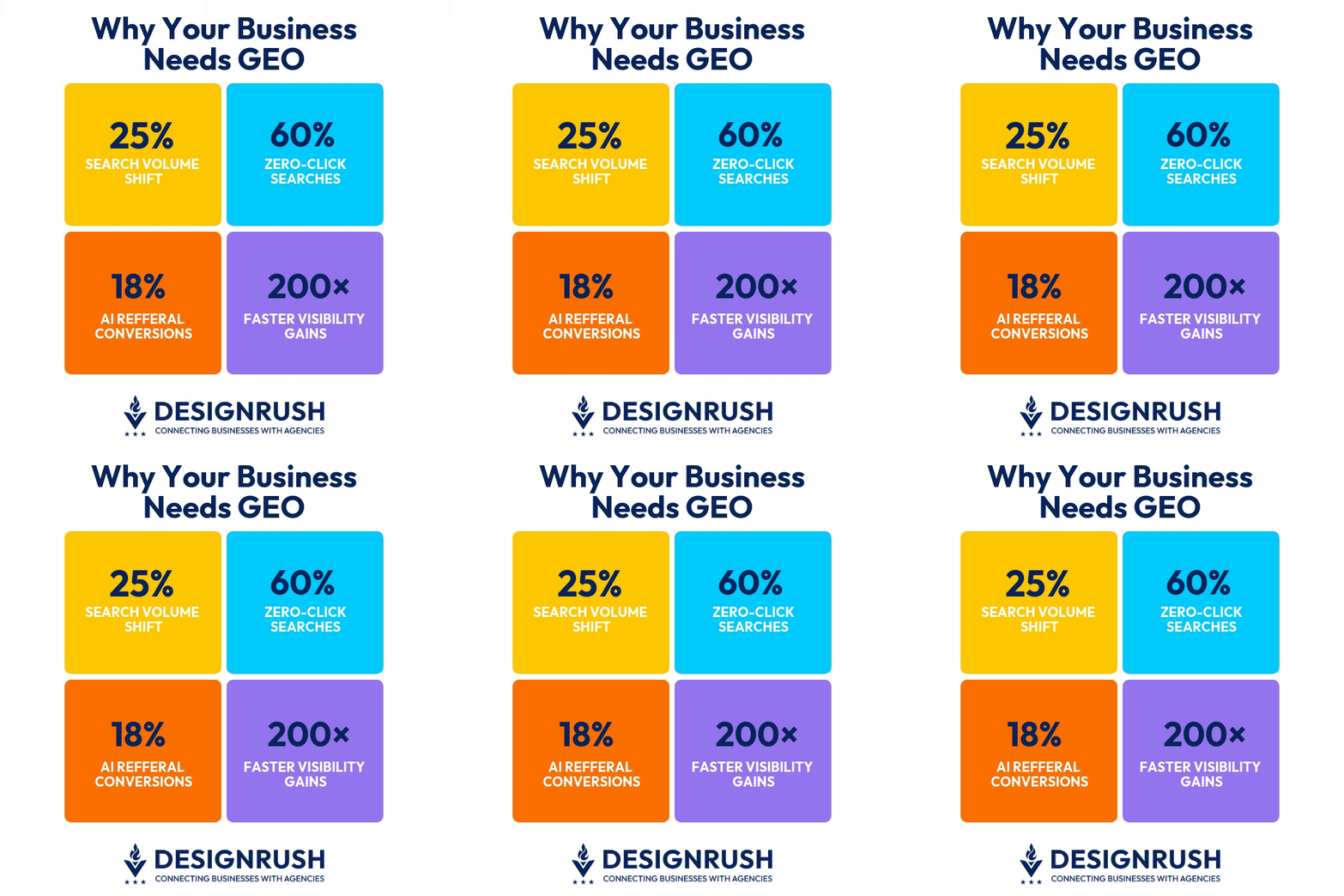
- Organic click-through rates drop by 65% for queries where AI Overviews appear.
- Brands cited inside AI Overviews receive 35% more organic clicks compared to brands that are not mentioned.
- Even the #1 organic search result loses about 58% of its clicks when an AI Overview is present.
2. Capturing high-intent conversational leads
AI users search differently from traditional search users. Instead of typing short keywords, they ask detailed questions that describe their situation or problem. GEO agencies build entity-focused content so AI systems understand your expertise and recommend your brand in these longer conversational queries.
- The average AI search query contains 23 words, while traditional search queries average only 4 words.
- Referral traffic from large language models such as ChatGPT and Claude grew by about 80% during 2025.
- Visitors arriving through AI referrals convert at an average rate of 18%, significantly higher than many paid or social channels.
3. Establishing source-of-truth authority
Strong GEO strategies transform your website into a reliable knowledge source for AI systems. Generative Engine Optimization agencies structure content with clear explanations, schema markup, and factual information blocks so generative models can easily extract and trust the information.
- Proper schema markup can increase AI visibility by 30–40%.
- Around 92% of AI Overview citations come from websites already ranking in Google’s top 10 results.
- Only about 12% of ChatGPT citations overlap with Google’s top 10 results, showing that GEO requires strategies beyond traditional SEO.
4. Maximizing AI share of voice
Modern visibility depends on how often AI systems mention your brand across thousands of possible prompts. Best GEO agencies track and improve your “AI share of voice,” which measures how frequently your company appears compared to competitors in AI-generated responses.
- Analysts expect 25% of traditional search volume to shift to AI-native discovery by the end of 2026.
- ChatGPT alone currently handles around 1.7 billion visits per month, representing a massive audience outside traditional search.
- Companies working with GEO-focused agencies report an average 24% increase in organic growth tied to AI search visibility.
5. Future-proofing against algorithm volatility
AI search systems evolve much faster than traditional search engines. Models update frequently, which can change how brands appear in generated answers. A GEO agency monitors how different AI models interpret your brand and continuously adjusts content, authority signals, and entity alignment.
- The GEO services market is expected to grow at a 45.5% compound annual growth rate through 2034.
- 62% of marketers believe traditional SEO must now be combined with GEO strategies to remain competitive.
- 70% of Gen Z users rely on generative AI platforms during their final purchase decisions.
What are the key metrics for GEO?
GEO performance is measured by how often AI systems mention your brand, cite your content, and influence real business activity such as searches, visits, or conversions.
Unlike traditional SEO, GEO focuses less on rankings and more on visibility inside AI-generated answers. The goal is to understand whether generative engines recognize your brand as a reliable source and reference it when responding to user prompts.
Key GEO metrics include:
- AI citation frequency: How often AI tools cite or reference your brand or content in generated answers
- AI visibility rate: The percentage of target prompts where your brand appears in AI responses
- Share of AI answers: How often your brand appears compared to competitors in the same prompts
- AI referral traffic: Visits coming from AI platforms when users click links in generated answers
- Brand search lift: Increase in branded search queries after appearing in AI responses
- AI answer accuracy: Whether AI systems describe your brand correctly and consistently
Together, these metrics show whether GEO efforts are improving brand presence, credibility, and influence within AI-driven discovery.
What red flags to watch out for when hiring a GEO agency?
When evaluating Generative Engine Optimization agencies, careful screening is necessary because the field is new and standards are still forming. Many providers repackage traditional SEO services or promise outcomes that no agency can control.
Identifying warning signs early reduces the risk of investing in strategies that produce little measurable visibility in AI search systems.
- Guaranteed inclusion in AI answers
No Generative Engine Optimization company can guarantee that a brand will appear in AI-generated responses. Generative engines select sources dynamically, and outputs vary by user, prompt, and model updates. Agencies that promise guaranteed placement often misunderstand how generative systems work. - Treating GEO as simple keyword optimization
GEO is not just SEO with different terminology. It requires prompt research, entity alignment, structured content, and authority signals across the web. Agencies that only discuss keywords, backlinks, or rankings are likely applying outdated methods. - No clear process for tracking AI visibility
GEO strategies require monitoring brand mentions, citations, and AI-generated responses across different engines. If an agency cannot explain how they measure AI visibility or tracks prompt outcomes, it is difficult to verify whether its work produces results. - Lack of authority-building strategy
AI systems prioritize trusted sources. Effective GEO requires digital PR, third-party citations, expert content, and consistent brand signals. Agencies that focus only on on-site changes ignore one of the main drivers of AI citation. - Unclear service scope
GEO usually combines several disciplines, including research, content restructuring, authority development, and ongoing monitoring. Generative Engine Optimization companies that provide vague descriptions of deliverables often create scope confusion and inconsistent results. - No understanding of AI systems and retrieval behavior
Generative engines retrieve information differently from traditional search engines. Agencies should demonstrate knowledge of how AI models synthesize information, select sources, and interpret structured content. - Reporting focused on traditional SEO metrics
Rankings, impressions, and click-through rates do not capture GEO performance. Agencies that rely only on traditional SEO reports may not be measuring whether a brand appears in AI-generated answers or recommendations. - Overly cheap pricing for complex GEO programs
GEO requires senior strategists, content experts, and ongoing analysis of AI outputs. Extremely low pricing often indicates limited scope, automation-heavy execution, or basic SEO work being sold under a new label.
What questions should you ask the best GEO agency before signing a contract?
Before hiring a Generative Engine Optimization agency, review how they approach AI search visibility, authority building, and measurement. You need to confirm that they understand how generative engines work and have a clear process for improving brand presence in AI-generated answers.
Relevant Background
- What experience does your team have with Generative Engine Optimization or AI search visibility?
- Which industries or types of companies have you worked with in GEO projects?
- Can you show examples where a client’s brand started appearing in AI-generated answers?
- How does your GEO expertise differ from traditional SEO services?
Services and Processes
- What specific GEO services are included in your engagement scope?
- How do you research prompts and identify questions that trigger AI-generated answers?
- How do you restructure content so AI systems can understand and cite it?
- How do you track brand mentions or citations in AI-generated responses?
Related to Your Project
- Which parts of our website or content would you optimize first for GEO?
- What timeline should we expect before seeing early AI visibility signals?
- What metrics will you use to measure progress or success?
- How will your GEO strategy integrate with our existing SEO or content marketing efforts?
Why Companies Trust DesignRush
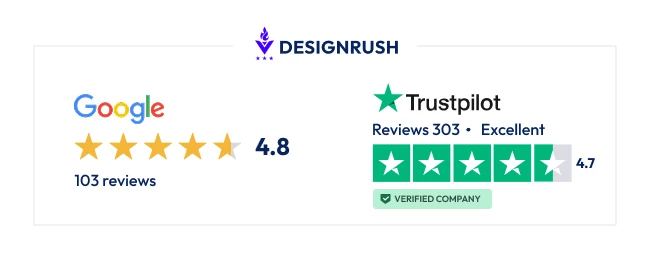
Rated 4.8 on Google and 4.7 on Trustpilot, DesignRush Agency Directory is a reliable resource for finding top Generative Engine Optimization companies. We owe this to our executive selection team, which follows a strict screening process when featuring agencies on the platform, assessing key performance indicators, like portfolio, client reviews, and industry reputation.
Learn more about DesignRush Agency Ranking Methodology.
Sources
DesignRush sustains a directory of over 40,000 agencies categorized by service category, location, expertise, and reviews. We build our database in two ways:
- Our dedicated team of agency experts actively searches the web for top-performing companies. We then pull information from their websites, online presence, and client testimonials to verify their status and qualifications prior to listing.
- The agencies listed get notified of their profiles on the website and they can choose to claim it or not, which suggests their availability for more collaborations.
Agencies can also reach out to DesignRush and must go through the verification process prior to being listed.
Frequently Asked Questions About Generative Engine Optimization Agencies
What is the difference between GEO and traditional SEO?
Traditional SEO helps websites rank in search engine results pages, while Generative Engine Optimization (GEO) focuses on making brands appear inside AI-generated answers produced by tools like ChatGPT, Perplexity, and Google’s AI Overviews.
Traditional SEO focuses on ranking web pages in search engines such as Google or Bing. The goal is to appear on the first page of search results, so users click through to your website.
GEO targets a different environment. AI systems often summarize information and give users direct answers, which means visibility now depends on whether the AI references your brand, data, or content.
| Factor | Search Engine Optimization (SEO) | Generative Engine Optimization (GEO) |
| Primary goal | Rank pages on search results | Appear inside AI-generated answers |
| Search environment | Google, Bing, traditional SERPs | AI assistants and generative search |
| User interaction | Users click website links | Users receive summarized answers |
| Content focus | Keywords, backlinks, page optimization | Authority signals, structured knowledge, citations |
| Visibility outcome | Higher search ranking | Brand mentioned or referenced in AI responses |
How do GEO companies improve visibility?
Generative Engine Optimization companies improve visibility by making brand content easier for AI systems to understand, trust, and cite in generated answers.
Generative engines rely on structured knowledge, credible sources, and consistent signals across the web. GEO agencies optimize content, so AI models can identify the brand as a reliable source when generating answers.
Common GEO strategies include:
- Structuring content so AI systems can easily extract facts and explanations
- Publishing authoritative content that answers common industry questions
- Building citations and references across trusted websites
- Strengthening brand signals across the web, including media mentions and knowledge panels
The goal of GEO is to increase the probability that AI systems reference the brand when generating responses for users.
How much do Generative Engine Optimization agencies charge for their services?
Most Generative Engine Optimization agency services cost between $2,000 and $15,000 per month, depending on company size, scope of work, and strategic complexity.
GEO pricing usually follows a retainer model because AI search visibility requires continuous testing, content adjustments, and monitoring. Smaller companies often start with foundational optimization, while large brands run broader programs that include authority building and AI visibility tracking.
Typical GEO pricing tiers include:
- $2,000–$4,000/month for startup or entry-level GEO programs
- $5,000–$8,000/month for mid-market companies
- $8,000–$15,000+/month for enterprise-level GEO strategies
Some Generative Engine Optimization Companies also offer project-based services. GEO audits typically cost $2,000 to $8,000, while larger content restructuring or AI visibility projects can reach $8,000 to $15,000, depending on scope.
How long does it take to see results?
Early GEO results can appear within 2 to 4 weeks, while consistent visibility and authority in AI-generated answers typically take 6 to 12 months.
Initial results often happen quickly because generative engines retrieve and summarize structured content directly from the web. If a website has clear headings, structured pages, FAQs, and schema markup, AI systems can start referencing that content within weeks.
A typical GEO timeline looks like this:
| Phase | Timeline | Expected outcome |
| Foundations | Weeks 1 to 4 | Technical setup, structured content, early AI citations |
| Authority building | Months 2 to 3 | More reliable references and early AI traffic |
| Expansion | Months 4 to 6 | Wider topic coverage and repeated AI mentions |
| Optimization | Months 7 to 12 | Stable visibility and stronger authority in AI answers |
Speed depends on factors such as content quality, site structure, brand authority, and third-party mentions across the web.
Which businesses need to hire a GEO agency?
Companies that depend on online discovery, expert positioning, or competitive search visibility benefit most from hiring Generative Engine Optimization companies.
Businesses in research-driven industries are often the first to feel the impact of AI-generated answers. When potential customers ask AI tools for recommendations, comparisons, or explanations, the brands mentioned in those answers receive the majority of attention and consideration.
Companies that commonly invest in GEO include:
- SaaS and technology companies that rely on category education and product comparisons
- B2B service providers such as marketing, consulting, or software development firms
- Ecommerce brands competing for product recommendations in AI search
- Healthcare, finance, and legal companies, where authority and trust influence buying decisions
Organizations in competitive markets often adopt GEO earlier because AI systems increasingly influence how buyers research products, compare vendors, and shortlist solutions.