
A product idea is only as good as its execution — and that depends on the design agency you choose. But here’s the challenge: some agencies excel in digital products, while others specialize in physical product design. Some focus on aesthetics, while others prioritize function. And without a clear evaluation process, you could end up with an agency that looks good on paper but doesn’t deliver results.
How do you separate top product design agencies from those that aren’t the right fit?
We break down the process into eight steps so you can confidently hire a design agency that aligns with your vision and business goals.



1. Define Your Project Needs

Before choosing a product design agency, you need a clear understanding of your project’s scope. The type of product you’re developing will determine the expertise, processes, and resources required.
Consider these three main areas of agency specialization and design disciplines:
- Digital product design (UX/UI): If you're developing an app, website, or software platform, look for agencies specializing in user experience (UX) and user interface (UI) design. They focus on usability, wireframing, and prototyping to ensure seamless user interactions. So, if you’re a fintech startup launching a mobile banking app, prioritize agencies with experience in financial UX design and secure transaction flows.
- Physical product design (industrial design): If you're creating a consumer product, electronic device, or industrial equipment, choose an agency with expertise in industrial design, material selection, and prototyping. These firms understand manufacturing constraints and can ensure the product is production-ready.
- Branding and visual identity: If branding is a priority, seek agencies with a strong portfolio in logo design, packaging, and brand strategy. A well-designed product should align with your brand identity and stand out in the market.
Clearly defining your product type and priorities helps you avoid mismatched expectations and filter agencies that don’t specialize in your specific needs. That starts with a strong conceptual design, which lays the foundation for aligning the right expertise, processes, and resources.
2. Shortlist Potential Agencies
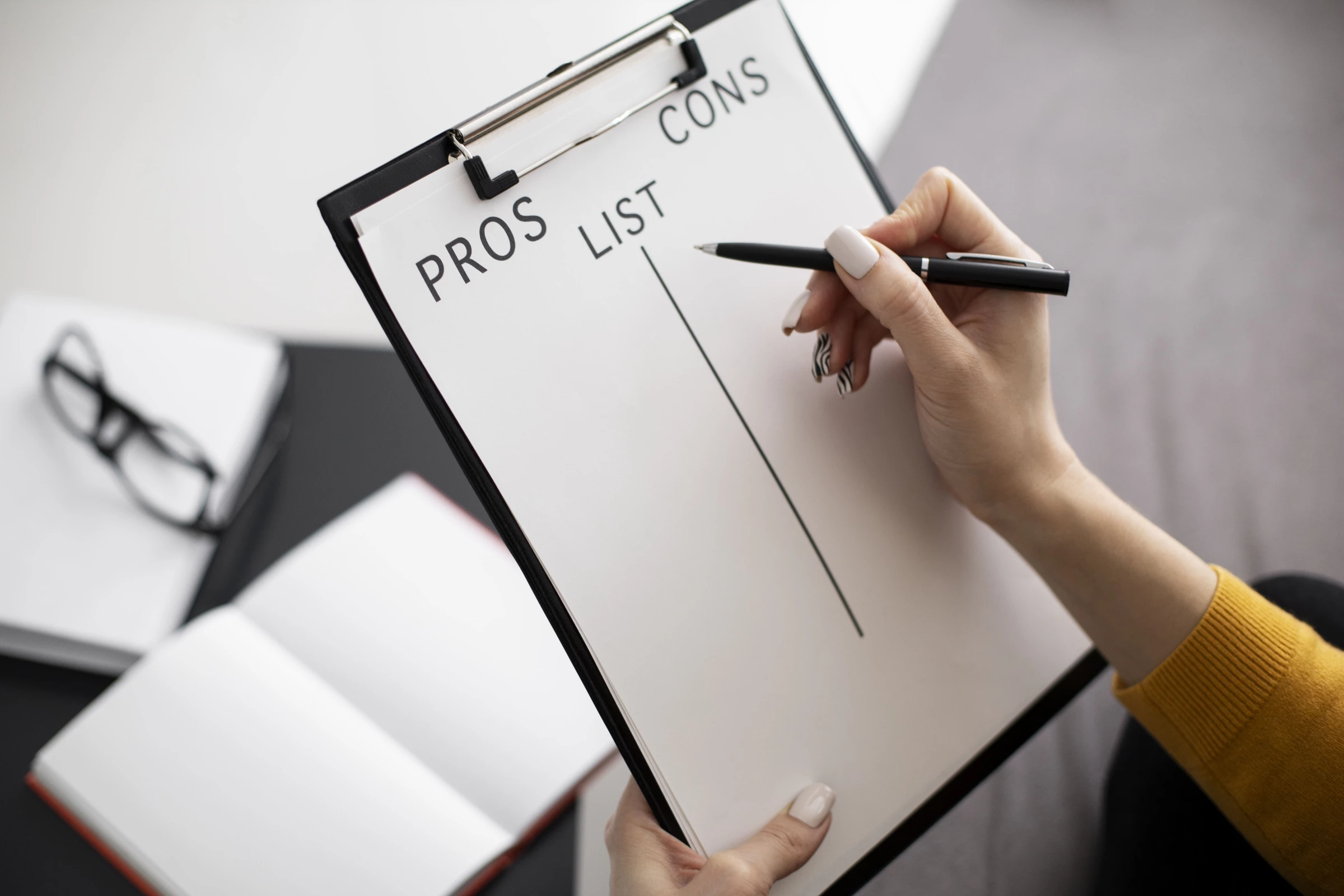
With thousands of product design agencies available, narrowing down your options is a crucial step. Instead of picking at random, a structured approach will help you identify agencies that have the right expertise, industry experience, and design approach for your needs.
Where to start your search:
- Look at industry competitors: Find out which agencies designed products for brands in your industry. Companies often list their design partners on their website or press releases.
- Use agency directories: Platforms like DesignRush feature verified client reviews and case studies.
- Check awards and recognitions: Agencies that have won Red Dot or iF Design often have a track record of excellence.
How to narrow your list:
Once you’ve gathered potential agencies, filter them down to 5–7 strong candidates based on:
- Portfolio relevance: Have they worked on similar products or industries?
- Client feedback: Do reviews highlight good communication, reliability, and results?
- Service offerings: Do they cover the full design process or only specific phases (e.g., prototyping but not branding)?
- Company size & availability: Can they handle your project’s scale and meet your timeline?
A well-curated shortlist saves time and prevents mismatched partnerships, setting you up for a smarter evaluation process in the next step.
3. Evaluate Their Portfolio With a Focus on Impact
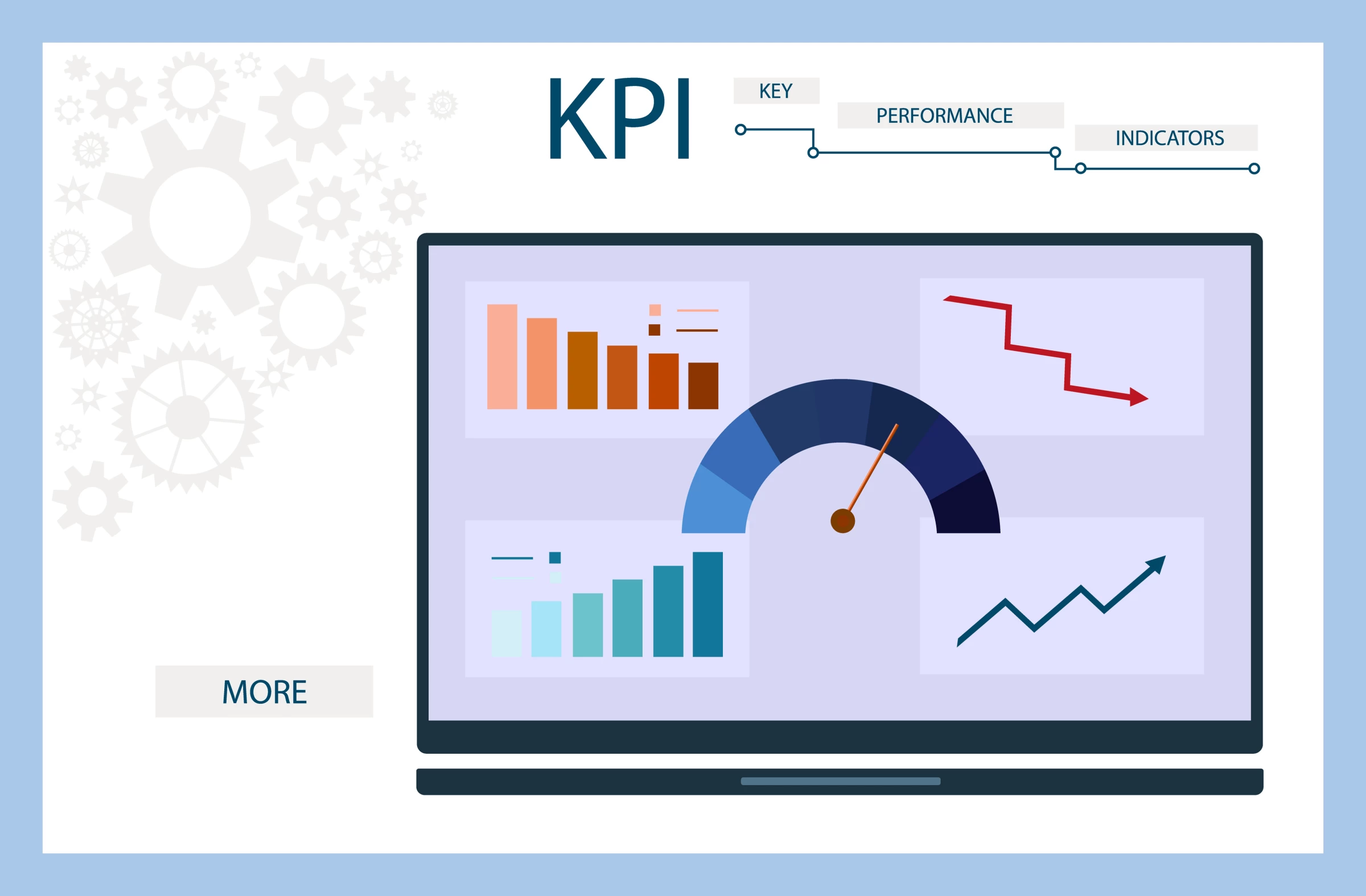
A design agency’s portfolio is more than a collection of visuals — it offers a window into their capabilities and design philosophy; a proof of their ability to create successful, market-ready products.
Instead of judging work based on appearance alone, focus on how well past designs performed in the real world.
How to analyze an agency’s portfolio for real impact:
Look beyond aesthetics and ask:
- Alignment with target audience: Did the design align with its target users? Determine if the agency's designs effectively addressed the needs and preferences of the intended users.
- Measurable results: What measurable success did it achieve? Did a website redesign lead to higher engagement or conversions? Look for hard numbers (e.g. 15% boost in sales, 25% increase in user engagement, etc.) of the design's impact on key performance indicators such as conversion rates, user engagement, or sales growth.
- Innovation and trend adaptation: Does the agency stay ahead of trends? Evaluate if they use modern UX principles, accessibility best practices, or emerging design technologies.
Where to find this information:
- Case studies on the agency’s website: Look for success metrics, not just mockups.
- Client testimonials and third-party reviews: Do past clients mention business growth, improved user retention, or increased sales?
- Real-world product performance: If they designed an app or website, test it yourself — does it provide a seamless experience?
4. Verify Industry Experience and Client Testimonials

Beyond portfolio work, an agency’s track record and industry experience can tell you whether they’re the right fit. A company that understands your market can anticipate challenges, streamline development, and design for real-world constraints.
How to verify an agency’s industry expertise:
- Look for sector-specific experience: Does the agency have a history of working in your industry (e.g., healthcare, fintech, consumer electronics)?
- Check for compliance knowledge: In industries like medtech or fintech, regulatory compliance is critical — does the agency understand these constraints?
- Assess problem-solving ability: Have they handled projects similar in complexity, budget, and scope to yours?
What client testimonials reveal: Reviews and testimonials can expose red flags or reinforce credibility. When reading testimonials:
- Look beyond generic praise: Focus on client feedback about communication, deadlines, and problem-solving.
- Find details about long-term impact: The best agencies don’t just deliver a product — they help businesses scale.
- Check multiple sources: Compare reviews on Trustpilot and Google Reviews for consistency.
5. Understand Pricing Models & Budget Considerations

Clarity in pricing and collaboration is fundamental to a successful partnership. Familiarize yourself with common pricing structures and project management methodologies:
- Fixed Pricing: A set cost for a clearly defined project scope. This model is suitable for straightforward projects with minimal revisions as it offers predictability in costs.
- Time & materials (hourly): In this model, the costs are based on actual work hours. It’s ideal for projects that are iterative or have evolving requirements to accommodate changes.
- Value-based pricing: This pricing structure aligns with expected business impact, such as increased revenue or market share. It’s often used when design improvements are tied to measurable ROI.
Key cost factors to consider:
- Project complexity: A simple UX redesign costs less than developing a full-fledged digital platform or physical prototype.
- Design revisions & iterations: More feedback cycles = higher costs. Define revision limits in your contract.
- Additional services: Strategy, prototyping, and testing can add to the base cost. Check if these are included.
How to budget smartly:
- Get multiple quotes: Compare proposals from at least three agencies to understand market pricing.
- Ask about hidden costs: Ensure clarity on extra charges for revisions, rush work, or scope changes.
- Balance cost & expertise: The cheapest option isn’t always the best — focus on value over price.
6. Assess Collaboration Practices & Tool Proficiency
Effective communication is the bedrock of any successful project. Ensure the agency has established protocols and utilizes appropriate tools to facilitate seamless collaboration. Otherwise, misaligned communication or inefficient workflows can lead to delays, misinterpretations, and unnecessary costs.
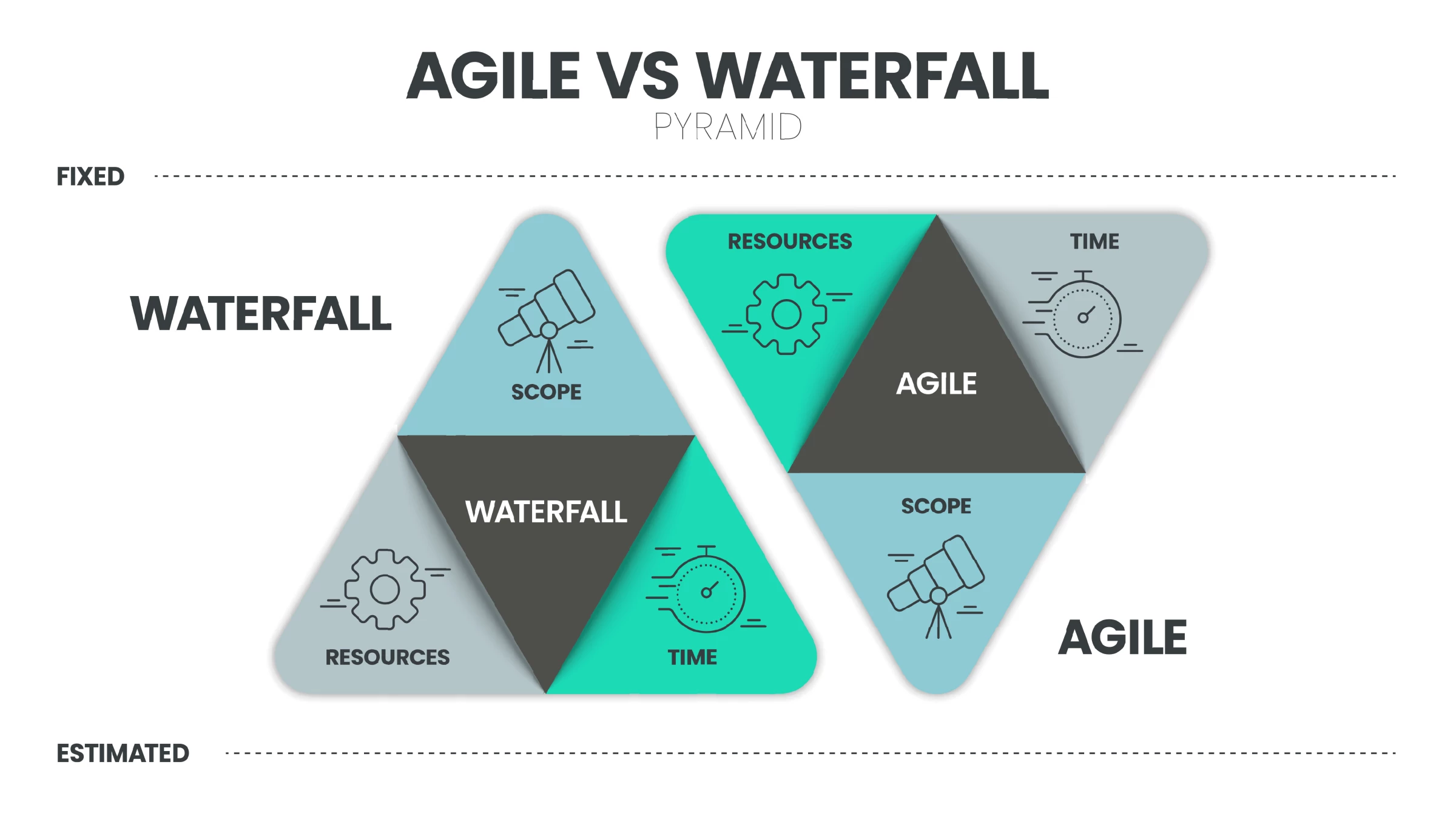
Project Management Approaches: Agile vs. Waterfall
How an agency manages projects directly affects timelines, flexibility, and overall success. The two most common methodologies — Agile and Waterfall — offer different approaches to handling revisions, feedback, and development cycles:
- Agile methodology: Uses short, iterative cycles (sprints) where the design evolves based on continuous feedback. This approach is highly flexible and ideal for digital products like mobile apps and software, where changes and refinements are expected throughout the process.
- Waterfall methodology: Follows a structured, linear sequence with defined stages (e.g., research, design, prototyping, finalization). Best suited for physical product design or projects with fixed requirements, where revisions after manufacturing can be costly.
Key Communication Factors to Consider
A design project requires constant collaboration between your team and the agency. Without structured communication, projects can suffer from misaligned expectations, scope creep, or delays. Before hiring an agency, evaluate how they manage client interactions and feedback.
- Single point of contact: The best agencies assign a dedicated project manager who acts as your main liaison, ensuring clear communication and preventing confusion between different team members.
- Structured feedback loops: Regularly scheduled check-ins, milestone reviews, and approval stages keep the project on track and ensure your input is considered at key moments.
- Responsiveness: Fast, proactive communication is crucial. Ask about expected response times for feedback, revisions, and urgent concerns to ensure smooth collaboration.
Collaboration Tools & Transparency
The best agencies use digital tools for real-time tracking, design collaboration, and clear documentation:
- Slack, Microsoft Teams: Instant messaging for quick updates and direct communication with designers.
- Jira, Asana, Trello: Project management platforms for tracking progress, assigning tasks, and ensuring deadlines are met.
- Figma, Adobe XD: Design collaboration tools that allow you to review prototypes, provide feedback, and see real-time design updates.
A design agency should work as an extension of your team — clear processes and open communication are key to a successful partnership.
7. Evaluate Post-Launch Support & Maintenance Services

The design process doesn't end at launch. Ongoing support is crucial to address any issues and implement improvements. Even the best-designed products need refinements, updates, and real-world testing after launch.
Look for an agency that offers:
- Ongoing maintenance & updates: Determine if the agency offers services to monitor and update the product post-launch. Will they provide bug fixes, performance improvements, or feature enhancements?
- Training & documentation: Comprehensive training for your team and detailed documentation ensure that you can manage the product effectively after the agency's involvement concludes. Does the agency equip your team with the knowledge to manage the product independently?
- Usability analytics & optimization: Can they track user behavior, conversion rates, and usability issues to refine the design?
8. Consider Cultural Fit and Shared Values
A great agency should feel like an extension of your team. Beyond expertise, cultural alignment can make or break collaboration.
How to assess cultural fit:
- Company values: Does the agency prioritize the same principles (e.g., innovation, sustainability, or user-centric design)?
- Communication style: Do they work best with structured reporting or prefer a flexible, iterative workflow?
- Team dynamics: A collaborative and respectful team fosters a positive environment conducive to creativity and problem-solving.
- Problem-solving approach: Do they take ownership of challenges and adapt when faced with unexpected changes?
Conduct interviews before making a final decision to evaluate:
- Their design process: How do they approach research, prototyping, and iteration?
- Project management & timelines: Can they deliver within your budget and deadlines?
- Communication & revisions: How do they handle feedback, scope changes, and approvals?
- Design philosophy: Does their approach align with your product goals and brand vision?
Interviews help validate your choices and ensure the agency is not just capable but also a good fit for your team’s workflow.
Top Product Design Agencies: Key Takeaways
The right product design agency does more than create a good-looking product — it ensures functionality, user satisfaction, and market success. The key is to find a team that understands your goals, communicates effectively, and delivers measurable results.
Take the time to vet agencies carefully, ask the right questions, and prioritize long-term value over short-term costs.

Our team ranks agencies worldwide to help you find a qualified provider. Check out our Agency Directory for the Top Product Design Companies, as well as:
- Top Product Design Firms In Chicago
- Top AI Product Development Companies
- Top Print Design Agencies
- Top Digital Design Agencies
- Top Graphic Design Companies
Our design experts also recognize the most innovative design projects across the globe. Visit our Awards section for the best & latest.
How To Choose the Right Product Design Agency FAQs
1. How long does it take to complete a product design project?
The timeline varies based on complexity, but most product design projects take 3 to 9 months. Digital products (apps, websites) may move faster, while physical products require prototyping and testing, which extends timelines. Always clarify milestones and deadlines with your agency.
2. Should I choose a specialized or full-service product design agency?
If you need end-to-end support (strategy, UX/UI, branding, prototyping), a full-service agency is best. However, if your project requires deep expertise in a specific area (e.g., industrial design, UX for SaaS), a specialized agency may deliver better results.
3. What should I prepare before reaching out to a product design agency?
Have a clear project brief outlining your goals, target audience, key features, and budget. Also, gather reference materials or competitor examples to help agencies understand your vision. The more prepared you are, the smoother the collaboration will be.