
Why Local SEO Is Important for Business Growth in 2026 and Beyond

Harness the power of local SEO to outperform competitors and secure lasting ROI in 2026 and beyond.
SEO
7,222
Why Local SEO Is Important for Business Growth in 2026 and Beyond
Article by Clara Autor
|

With consumers increasingly searching for businesses nearby, mastering local SEO will set your brand apart from competitors and dominate your market. Learn how to help your business thrive in an increasingly localized digital ecosystem.

Why Is Local SEO Important: Key Points

  • Over 90% of consumers use location-based keywords to find nearby businesses, and those optimizing for these terms see accelerated conversions.
  • The Google Local 3-Pack dominates 93% of local searches, with 42% of users clicking on businesses directly in the pack.
  • Nearly 76% of voice searches are for local information. As AI and voice search continue to grow, businesses that adapt their content will gain a significant advantage.

Benefits of Local SEO Overview 

We dive into how local SEO directly influences revenue and growth in 2025, offering practical strategies for businesses to enhance visibility, engage high-intent customers, and leverage key trends.

How Local SEO Directly Impacts Revenue and Growth in 2026

As Google continues to prioritize proximity, intent signals, and mobile-first behavior, local SEO has evolved into a core revenue engine, not just a technical afterthought.

More than 90% of consumers use location-based keywords to find businesses nearby. Executives and marketing leaders now recognize that local search is where digital visibility meets purchase readiness.

What sets local SEO apart is its ability to directly influence commercial outcomes. Let’s break down exactly how it drives results.

1. High-Intent Buyer Engagement

Local searches aren't casual queries — they’re highly commercial signals from nearby prospects ready to act. Being present in local results means being the first choice for ready-to-buy consumers, which accelerates conversions.

To capitalize on location-driven queries that signal immediate purchase intent, follow these steps:

  • Incorporate local intent keywords into title tags, meta descriptions, and header structures (e.g., “personal injury lawyer in Austin”).
  • Create geo-optimized service and product pages targeting specific cities, neighborhoods, or ZIP codes.
  • Implement click-to-call CTAs and location-based schema to convert mobile users faster.
Explore The Top SEO Agencies
Agency description goes here
Sponsored i Agencies shown here include sponsored placements.

2. Mobile Market Share Dominance

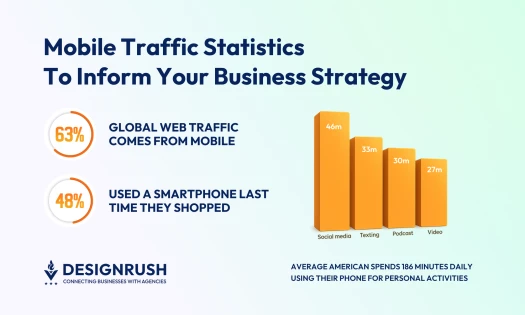
The Google local 3-pack (map pack) appears in 93% of searches with local intent, often dominating the first screen on mobile. Securing a top spot in this pack translates directly into more clicks, calls, and in-store visits for your business.

In fact, roughly 42% of local searchers click on one of the businesses in the 3-pack without exploring further. So, if your business isn't listed there, you’re likely invisible to nearly half of your potential mobile audience.

Google 3-pack

Many buyers assume the businesses Google highlights first are the most reputable. Here’s how you can capture these opportunities:

  • Ensure complete and accurate NAP (Name, Address, Phone) consistency across all directories and platforms.
  • Fully optimize your Google Business Profile (GBP) by updating business categories, hours, services, photos, and responding to customer questions. Enable and manage features like messaging, bookings, and posts to engage users directly within your listing.
  • Use structured data markup (LocalBusiness, Review, and Service schema) to help search engines better interpret and rank your local relevance.

3. Long-Term ROI

Once you’ve optimized your local listings, website, and citations, they continue to generate value over the long term without the recurring cost of every click. Maintaining a strong local search presence can keep driving foot traffic and leads month after month.

Here’s how you can maximize the compounding value of your local SEO investments over time:

  • Audit and maintain citation accuracy across key directories using tools like BrightLocal or Whitespark.
  • Invest in reputation management workflows, including automated review requests, proactive monitoring, and sentiment analysis.
  • Set up monthly reporting dashboards to track local rankings, calls, direction requests, and keyword performance by geography.

4. Local Authenticity as a Competitive Advantage

Where local SEO shines

National brands and large chains have huge budgets for SEO, but they often miss the mark locally. Corporate websites might not target specific neighborhoods or lack a personal touch in the community.

This opens a major opportunity for smaller, regional players: by being hyperlocal and community-focused, you can outrank big-name competitors for local searches. Here’s how you can gain this edge:

  • Post about local events, charity work, or sponsorships on your site and GBP. This shows searchers you’re part of the neighborhood fabric.
  • Create content that a generic national site won’t have. A page about “Renovation services in Westwood Hills” or a blog post on “Our favorite 5 community parks in [Town name]” can capture long-tail searches and build a loyal local audience.
  • Partner with local micro-influencers to connect authentically with your audience and gain visibility in the community.

5. Review-Based Conversion Optimization

Over 90% of consumers trust reviews more than traditional advertising. They would rather hear about real customer experiences than a polished ad campaign. In practice, that means a strong portfolio of 5-star reviews can do more to convince a prospect than any tagline or offer.

Moreover, reviews now factor into SEO performance. For example, businesses that respond to all their reviews (showing engagement) tend to earn more trust and clicks from searchers. Data also shows conversions on Google Business Profiles improve significantly as average ratings increase.

@marketinggal_

Here's why Google reviews are like SEO gold ⭐️ #SEO #LocalSEO #SEOTips #SEOAgency #MarketingAgency #ServiceBusinesses

♬ original sound - Kaitlyn Study

Here are some steps you can take to boost conversions through review management:

  • Make it easy to leave reviews through in-store prompts (a QR code on receipts or signage that leads directly to your Google review page) and follow-up emails or texts politely asking for a review.
  • Embed a few top Google reviews on your website’s homepage or relevant landing pages as testimonials. This provides fresh user-generated content and reinforces trust.
  • Respond to every review, whether good or bad. Thank happy customers and professionally address issues from unhappy ones.

Paul Gordon, founder of reputation management platform myPresences, emphasizes the importance of level-headedness in responses to negative reviews:

“First, always reply. A bad review with no reply is not a good look. Be professional in your reply and show that you have listened to the feedback.

If the review is inaccurate, respectfully add your context. If your business is in the wrong, acknowledge it and indicate how you will address the issue.”

6. AI and Voice Search Transformation

Consumers are increasingly picking up their phones or smart speakers and asking conversational, location-driven questions like, “Who’s open now near me?” or “Top-rated plumber nearby”.

Industry data indicates that nearly half of all searches are now voice-based (through Siri, Alexa, or Google Assistant), and about 76% are for local information (“near me” queries).

To capture consumers as they shift towards voice and AI-driven results:

@webhivedigital Not enough businesses are optimising for voice search and it’s a huge missed opportunity!🤯 Voice searches (think Alexa & Siri) often show just 1-3 results, so getting your business on here can drive a lot of new traffic! Here are a few SEO tips to help you optimise your website and be more likely to come up on voice search! #Businesstok#voicesearch#searchengineoptimisation#SEO#voiceseo#marketing#digitalmarketing♬ original sound - Kate Smoothy | SEO Specialist
  • Focus on question-based headings and FAQ sections that directly answer common voice search queries using natural, conversational language.
  • Keep your GBP updated with accurate, essential information (e.g., hours, services, address) to ensure it’s easily read aloud in voice search results.
  • Regularly test voice searches and adjust content to match common voice query phrasing for better visibility in spoken results.

The Non-Negotiables of a High-Performance Local SEO Strategy

The following elements lay the foundation for long-term success in capturing local market share and outpacing the competition:

1. Google Business Profile: Your Digital Storefront

Your Google Business Profile is essentially your mini-website on Google: it impacts everything from map rankings to customer trust and conversion. A fully optimized GBP can be the difference between winning a local customer or losing them to a competitor.

Google’s research shows customers are 70% more likely to visit and 50% more likely to consider purchasing from businesses with a complete, optimized Google Business listing. In short, your GBP often makes the first impression, so make it count.

  • Leverage GBP posts: Treat Google Posts like free local ads: promote events, specials, or blog content to engage searchers who find your profile.
  • Monitor insights: Pay attention to GBP Insights (queries, views, actions) to learn how customers find you and continually refine your profile and strategy.
  • Incorporate seasonal keywords and content: For example, a tax accountant might add a post or update for “tax prep near me this April,” aligning your profile with time-sensitive local queries can boost relevance for those searches.

2. Geo-Targeted Content and Page Architecture

A page tailored to a specific city or neighborhood will outperform a generic service page for local queries, because it directly addresses the searcher’s location context.

High-performing local pages typically include:

  • City-specific headlines and copy (e.g. “Heating Services in Pasadena” instead of just “Heating Services”).
  • Embedded Google Maps and directions to your location.
  • Testimonials or case studies from local customers to build trust with the community.
Geotargeted content

For multi-location businesses, use dynamic content insertion to scale personalization.

For example, a nationwide service company can have one template page that automatically populates the viewer’s city name (“Proudly serving customers in [City] since 2005”) based on their geolocation or URL.

3. Reputation, Backlinks & Local Signals

In Google’s updated E-E-A-T framework (Experience, Expertise, Authoritativeness, Trustworthiness), local relevance and real-world trust signals carry increasing weight.

For local SEO, that means your online reputation and community presence significantly influence rankings.

Yelp listing
  • Ensure citation uniformity: Audit all online mentions of your business (Yelp, Yellow Pages, Apple Maps, Facebook, industry directories, etc.) to make sure your name, address, and phone are the same.
  • Leverage tools like BrightLocal or Yext: Automate finding and fixing inconsistent NAP data. Consistency builds trust: 62% of consumers will avoid a business if they find incorrect contact details or hours online.
  • Acquire local backlinks: Seek high-quality, locally relevant backlinks from community websites, local news outlets, or partner businesses to enhance authority and trust signals.

The Future of Local SEO: Trends to Watch and Act On

These key trends will shape the future of local SEO. Here's how you can leverage them to maintain a competitive edge.

1. AI-Powered Personalization and Zero-Click Experiences

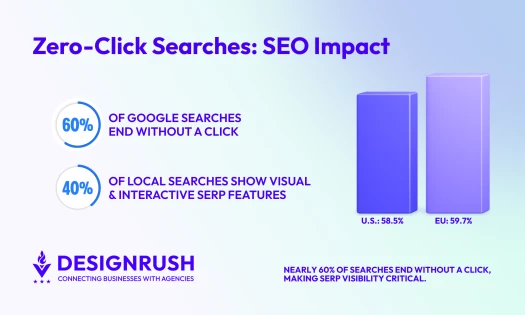
Zero-click local search

As Google deploys more AI in search, we’re seeing a trend toward personalized and instant results.

For local searches, Google can sometimes provide an answer without the user ever clicking a website. It can show a featured snippet, a knowledge card, or an AI overview that contains the info.

Gabriel Shaoolian, CEO of web design agency Digital Silk, says brands must rethink their content strategies in the age of AI:

“Structured data and FAQ formats will be essential for helping AI systems understand and surface content quickly. Agility in adapting to how AI reshapes search behavior will be key.”

This means you must ensure that your business information is what Google is pulling. Clicks may become harder to get, but if the user gets their answer directly, that’s still a win. Optimize for engagement and conversions, not just clicks.

2. Micro-Location Content

In large metro areas, targeting only the city name may no longer be effective as searchers are increasingly using more specific queries (e.g., “coffee shop in SoHo” instead of “NYC coffee shop”).

Google’s geo-targeting has become more precise, making it essential to focus on smaller, hyper-local markets.

Identify the top neighborhoods, districts, or suburbs you want to target and create dedicated content for each. Small-area searches tend to have less competition, so optimizing for niche keywords, such as “dentist 94109 ZIP,” can help you rank higher and drive significant traffic.

3. Video and Visual SEO for Local Markets

Today’s consumers (especially younger demographics) love to “see” a business before they visit. Google knows this and often surfaces photos and videos in local results.

In fact, Google reports that listings with photos get 42% more requests for driving directions and 35% more click-throughs to their websites than those without.

A 30-second clip of your store interior, your team saying hello, or a customer testimonial can make your GBP listing stand out. Likewise, leverage Instagram Reels, TikTok, or YouTube for local video marketing content and link them on your site.

Benefits of Local SEO: Wrap-Up

Those who invest in local SEO now are positioning themselves to capture the next generation of customers who will find businesses by voice, map, and mobile, as well as by referrals. It’s time to lead in your local market.

Our team ranks agencies worldwide to help you find a qualified partner. Visit our Agency Directory for the top SEO agencies, as well as:

  1. Top SEO Consultants
  2. Top Startups SEO Companies
  3. Top Enterprise SEO Companies
  4. Top Small Business SEO Companies
  5. Top International SEO Agencies

Why Is Local SEO Important FAQs

1. What’s the ROI timeline for local SEO?

Businesses typically see measurable results within 4 to 8 weeks, especially when optimizing Google Business Profile, correcting citations, and gathering reviews. Long-term ROI increases as local rankings improve and conversions grow.

2. What tools should agencies use for local SEO at scale?

Essential tools include:

  • Listing management: Yext or Moz Local (to push and sync business info across platforms).
  • Citation audit: BrightLocal or Whitespark (to find inconsistent NAP listings and monitor local search rankings).
  • Review management: Podium, BirdEye, or GatherUp (for automating review requests and aggregating reviews in one dashboard).
  • Analytics & reporting: Google’s own Insights (within GBP) for profile metrics, and Google Analytics/Search Console with locally segmented data. Many use Google Data Studio to create client-friendly local SEO dashboards combining these sources.
👍👎💗🤯
Latest SEO Trends
Receive our NewsletterJoin over 70,000 B2B decision-makers growing their brands