
Unified User Experience (UX): Key Points
- Unified user experience (UX) ensures consistent design, functionality, and messaging across all devices and platforms.
- Great UX relies on simplicity, polished consumer-grade design, and a regularly updated design system to meet user expectations and ensure consistency.
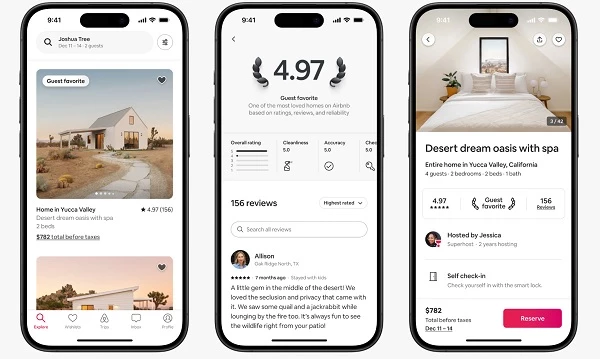
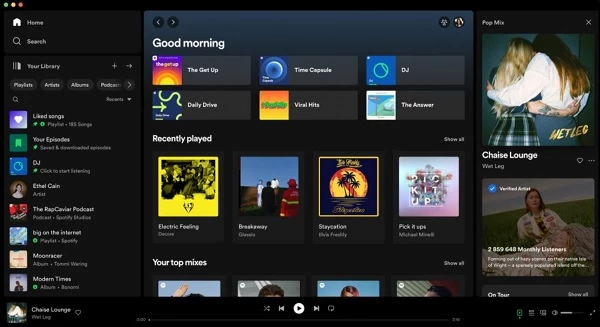
- Real-world examples like Chase, Spotify, and Airbnb show how consistent cross-device experiences enhance usability and build stronger trust with users.
A frustrating digital experience drives people away faster than anything else. When navigation feels clunky or design elements clash, users lose interest. A unified user experience (UX) eliminates those barriers by ensuring every interaction feels natural, intuitive, and seamless.
Businesses that maintain consistency across websites, apps, and digital touchpoints build stronger audience connections. Without it, confusion leads to missed opportunities and lost revenue.
DesignRush sat down with Paul Giurata, CEO of Catalyst UX — a leading UX and UI design agency for medical, life sciences, and fintech — to discuss how companies can create a cohesive user experience, implement it across devices, and turn UX into a revenue-driving asset.
Check out the full interview below.



DesignRush: What is user experience and why is it so important for businesses?
Paul Giurata: User experience is everything users encounter when interacting with a digital solution.
In medical digital solutions, this can include patients and the entire circle of caregivers. For example, this might involve everything from making a doctor’s appointment to viewing test results online, even ordering drugs.
Or, when you're managing your finances, you might check your account balances on your phone but then pay bills online on your computer. But wherever you go, your experience should be consistent.
DR: What elements or features are important when creating an optimal user experience online?
PG: There are many things to consider when building an optimal user experience. But we at Catalyst UX feel the most focus is on simplicity.
Brands can conduct user research to uncover what the key actions or functions a user needs to complete a task. Then, users should have access to only those capabilities that are required to complete a particular activity.
It’s like walking into a room and finding just those switches on the wall that control items in that room. With people using so many applications, particularly on their phones, having a consumer-grade professional design has become essential.
The all-time perfect example of this is Apple with its clean design. Another great example is Google. When you go to search, the first experience is only the search bar, as that is what your primary focus is.
Ultimately, simplicity has to be a stated design goal. And that can be one of the ways to achieve a great user experience.
DR: So, what is a unified user experience?
PG: A unified UX experience delivers consistent engagement across applications and multiple devices (desktops, tablets, and phones). This is crucial as it generally enables the user to complete their task faster and more efficiently while delivering good customer interaction with the brand.
DR: How can a unified user experience, particularly across all devices, foster business growth?
PG: Having a unified user experience makes it easier for businesses to grow the adoption of their solutions, both across devices and across their product offerings.
Common key performance indicators (KPIs) that a unified user experience can influence improve acquiring new users, retaining customers more efficiently, and more.
DR: What steps should brands and their web design partners take to create a unified user experience across all devices?
PG: The first step is to identify those patterns and UI elements that are common across your solutions. Once identified, a common design guide should be established to help development teams understand how to implement it.
DR: What devices should brands prioritize when creating a unified user experience across all devices?
PG: Desktop and mobile should be prioritized so that users can easily go from one to the other to complete the same work.
Online banking is a good example. Most people find they can complete their banking transactions either on a desktop or on their phones.
DR: Are there any unified user experience best practices that businesses should follow to ensure success and a consistent experience?
PG: The key best practice is to establish a design system that can be updated every 6 to 12 months. For instance, Google Material Design is an example of a design system that is widely used and applied across Google products and is periodically updated.
DR: What roadblocks or complications should businesses be on the lookout for when creating a unified user experience, and how do you advise they solve or overcome them?
PG: A key roadblock is that development teams often don’t have the desire or UI development skills to implement a common design. Supporting teams with a UX designer and reusable code helps to make the work easier and deliver better results for the app development teams, meaning the product makes it to market faster and has a better look, feel, and cohesive design.
For businesses that don't know, reusable code is snippets of code that can be applied in several places without having to be developed from scratch.
Using reusable code is like going to Home Depot to buy a door. It's already created, it's modular, and it is ready to use instead of having to build the door from scratch.
DR: Please share an example of a unified user experience across all devices in action.
PG: Chase online banking is an excellent example. Catalyst has also designed employee payroll portals that enable employees to access the same information as easily on their phones as on a desktop. Catalyst has also designed a number of medical solutions that enable physicians to access patient information on a desktop or via tablet at the patient's bedside.
Below is an example of a unified UX experience that CatalystUX developed. This was a medical solution for biological testing that was updated to provide access across desktops, tablets, and phones.

If you would like to learn more about how you can take a unified UX approach, contact Catalyst UX.

Our team ranks agencies worldwide to help you find a qualified partner. Visit our Agency Directory for the Top UI/UX Design Agencies as well as:
- Top UX Designers in Chicago
- Top UX Audit Agencies
- Top Design Agencies
- Top Product Design Companies
- Top UX Research Firms
Our design experts also recognize the most innovative design projects across the globe. Visit our Awards section to see the best & latest in design.
Unified User Experience FAQs
1. What is a unified user experience?
A unified user experience refers to the approach of delivering a consistent and seamless interaction across all user touchpoints. This includes consistency in design, functionality, and messaging across different platforms and devices, creating a harmonious and integrated experience for users.
2. What are the benefits of a unified experience?
Unified UX brings tons of benefits, including:
- Boosts customer satisfaction by providing a seamless experience across all platforms
- Increases user engagement by maintaining consistency in design and function
- Enhances brand perception by delivering cohesive and professional messaging
- Improves conversion rates through streamlined user journey and interactions
- Reduces customer confusion and enhances ease of navigation
- Increases user loyalty by providing a reliable and predictable user experience
3. What are the key principles and best practices for creating a unified UX?
A seamless and unified user experience (UX) ensures that users can engage with a brand effortlessly across all digital touchpoints. Here are three key principles for creating an intuitive, accessible, and engaging experience that builds trust and drives conversions:
- Ensure accessibility for all users – A truly inclusive UX makes digital platforms usable for everyone, including individuals with disabilities. Accessibility isn’t just a best practice — it’s essential for providing equal access to information and services.
- Design with user needs and goals in mind – User-centered design (UCD) prioritizes the needs, behaviors, and pain points of users, ensuring that every interaction feels intuitive and meaningful.
- Maintain a consistent look and feel – Consistency in design elements, interactions, and messaging strengthens brand recognition and improves usability across websites, apps, and other touchpoints.