
Franchise web design is the process of creating websites tailored to meet the needs of franchise businesses. This ensures brand consistency across multiple locations while allowing each branch to maintain a unique local identity.
In this guide, we’ll explore the pros and cons of franchise website design, share tips and best practices, and review successful real-world examples.
Pros of Franchise Web Design
Franchise web design has gained popularity due to its many benefits for businesses. Creating a unified digital presence allows franchise owners to ensure consistent branding while supporting the needs of individual locations.
With that said, here are four key advantages of franchise web design:
- Brand consistency across locations
- Centralized management
- Local search optimization
- Cost-effective scalability



1. Brand Consistency Across Locations
Maintaining brand image consistency across all franchise locations is essential for building trust. A well-executed franchise web design ensures that every website reflects the same branding elements. This helps customers recognize the business no matter where they engage with it.
2. Centralized Management
Franchise web design allows for centralized control of the website across all locations. This makes it easier to update content, implement changes, and maintain uniformity. A single platform ensures that updates are rolled out simultaneously, reducing inconsistencies and errors.
3. Local Search Optimization
Each franchise location benefits from tailored local search engine optimization (SEO) strategies, as it improves visibility in regional searches. Franchise web design allows individual branches to focus on their local market while maintaining the larger brand's presence. Doing so increases traffic and engagement for each location.
4. Cost-Effective Scalability
Scaling a franchise website becomes more cost-effective with a unified design approach. Instead of building separate sites from scratch, businesses can easily replicate the existing structure. This reduces development time and ensures that every new location starts with a solid digital foundation.
Cons of Franchise Web Design
While franchise web design offers numerous benefits, it also comes with some challenges. Here are three key cons to consider:
- Limited customization for individual locations
- Increased complexity in management
- Potential for over-standardization
1. Limited Customization for Individual Locations
Franchise web design often prioritizes uniformity, which can limit the flexibility of individual locations. Branches may struggle to implement specific features or content that cater to their unique markets. This lack of customization can hinder the local branch's ability to fully connect with its regional audience.
2. Increased Complexity in Management
Managing a centralized website for multiple locations can become complex as the franchise grows. Coordinating updates, content changes, and user management across many branches may require more oversight. This added layer of complexity can slow down operations and lead to potential delays.
3. Potential for Over-Standardization
When focusing too much on consistency, businesses risk losing the local flavor that makes individual franchise locations appealing. Over-standardization can cause the website to feel generic, which makes it harder for branches to differentiate themselves in their respective markets.
Franchise Website Design Tips and Best Practices
Here are some best practices to follow when designing a franchise website:
- Keep brand guidelines at the forefront
- Focus on localized content maintaining a global appearance
- Ensure a responsive design
- Pay attention to UX and UI design
- Providing training and support
1. Keep Brand Guidelines at the Forefront
From color choices to content tone, brand guidelines must be closely followed to ensure that no matter which branch website a customer visits, they experience a consistent, familiar brand environment.
This entails following the design and branding elements established by the parent company, helping customers easily identify and connect with the franchise.
Professional web designers adhere to brand guidelines by:
- Sticking to the prescribed fonts and typography specified in the brand guidelines
- Using the official brand colors consistently throughout the website
- Displaying the franchise logo prominently on the website
- Following the recommended style for images and graphics
- Ensuring all imagery used aligns with the brand's tone and values
- Following a consistent website layout across all franchise locations
2. Focus on Localized Content While Maintaining a Global Appearance
While maintaining global brand consistency, it's important to localize content for each franchise location and showcase its unique offerings or specialties. Offer users relevant and specific information so they can feel connected to their local franchise while maintaining the overall look and feel of the site with the global brand. It's a delicate balance that’s vital for success.
To achieve this:
- Tailor content to address local needs and preferences.
- Incorporate images and content that reflect the local culture, community, and offerings of each franchise location.
- Use language and tone that resonate with the local audience.
- Ensure the messaging aligns with the values and sensibilities of the local community, creating a more personalized and relatable experience for users.
- Optimize the website for local search engine optimization (SEO).
- Implement structured data markup to help search engines understand the local relevance of the content, improving the chances of appearing in local search results.
- Focus on optimizing your content and user experience for local audiences by leveraging geolocation data.
- Allow controlled customizations. Franchisees should have the ability to tailor specific areas of their pages for local promotions and to meet regional needs.
3. Ensure a Responsive Design
Make sure your website scales beautifully on all device types — from the smallest smartphones to the largest desktops, a franchise's website should offer an overall top-notch experience. Responsive design not only scores you extra points among users but also improves your website's search engine rankings.
When creating a responsive design, you should:
- Prioritize mobile-friendly design, ensuring the website layout, images, and content are easily accessible and navigable on smaller screens.
- Optimize touch interactions, buttons, and forms for mobile users to enhance the overall mobile experience.
- Design flexible layouts and grids that adjust dynamically based on the screen size.
- Ensure that the website's content flows naturally, providing an optimal reading and navigation experience on devices of all sizes.
- Optimize images and media files for faster loading times on smaller devices with slower network connections.
- Test the website on various browsers to ensure compatibility.
- Prioritize performance optimization to ensure fast loading times, especially on mobile devices.
- Compress images, leverage browser caching, and minimize HTTP requests to enhance the overall speed of the website.
4. Pay Attention to UX and UI Design
Focusing on UX and UI design is the cornerstone of a successful franchise website. Starting with UX design, it's crucial to understand the target audience and their needs. This involves:
- Conducting thorough research: Gather insights into user preferences and behavior to guide your design decisions.
- Streamlining navigation: Provide a clear location search feature to help users easily find their nearest franchise.
- Ensuring accessibility across devices: Design the website to be responsive and to work seamlessly on all devices.
In terms of UI design, consistency is key — from color schemes and typography to button placement and overall layout.
These design principles collectively influence how users interact with and perceive the website:
- Intuitive navigation
- Mobile-first design
- Clear CTAs
- Consistent branding elements
- Visual hierarchy
- User feedback and validation
- Loading speed optimization
- Usability testing
- Accessibility considerations
- User-centric content
5. Providing Training and Support
One of the key elements in creating a successful franchise website design is to ensure that proper training and support are provided to franchisees. This includes providing them with comprehensive training on how to use the website, as well as ongoing support and resources for any technical issues they may encounter.
To provide ongoing support effortlessly, consult the table below:
Support Channel | Purpose |
Help Desk | Technical support for website-related issues |
Regular Webinars | Updates, tips, and Q&A sessions |
Knowledge Base | Online repository of guides and FAQs |
Franchise Website Design Examples
By examining real-world examples, we can better understand how franchise sites are structured to meet both corporate and local needs. Below are three franchise website designs that showcase different approaches to this balance:
- McDonald’s: Global consistency with local adaptation
- Anytime Fitness: Seamless navigation for multiple locations
- Subway: User-centric customization
1. McDonald’s: Global Consistency With Local Adaptation
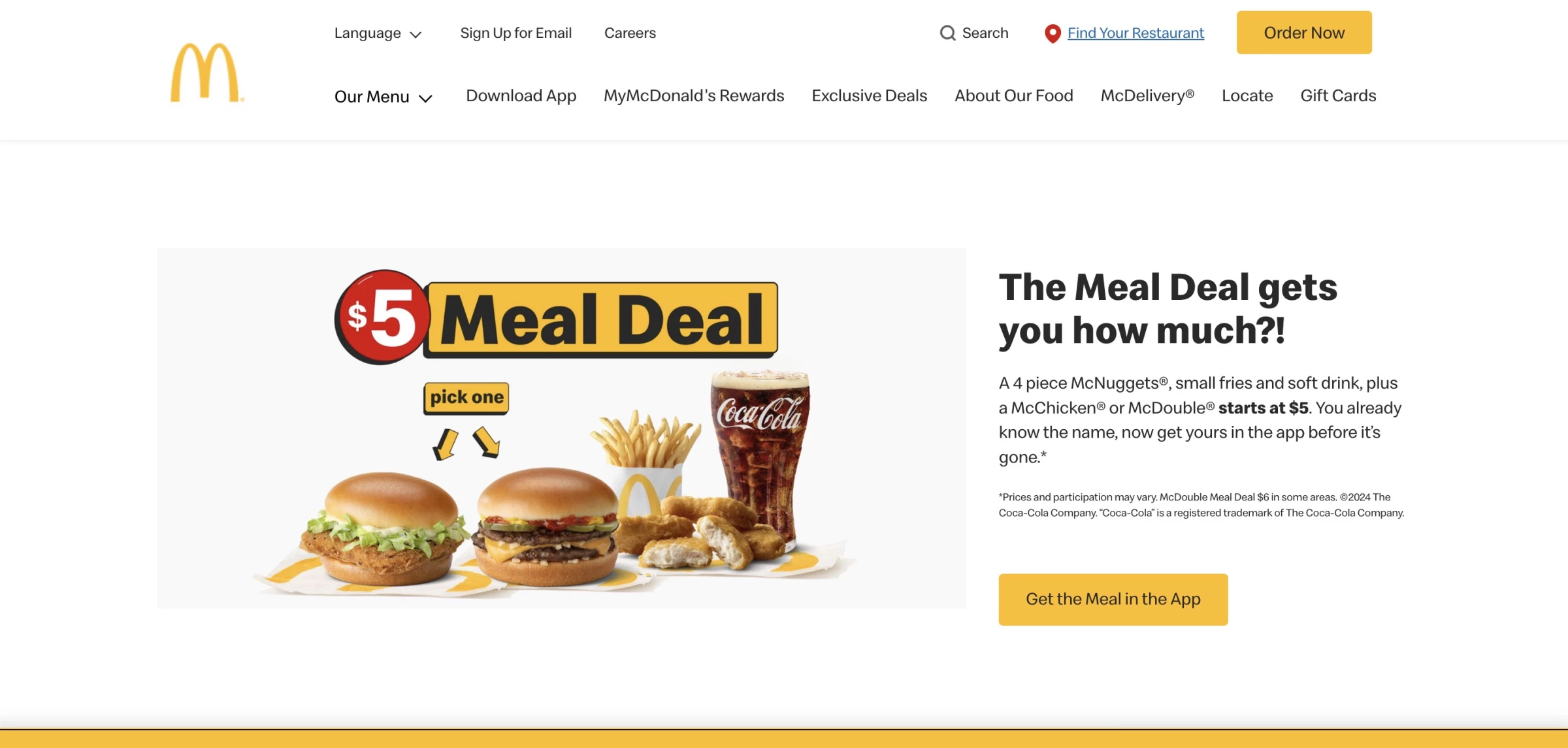
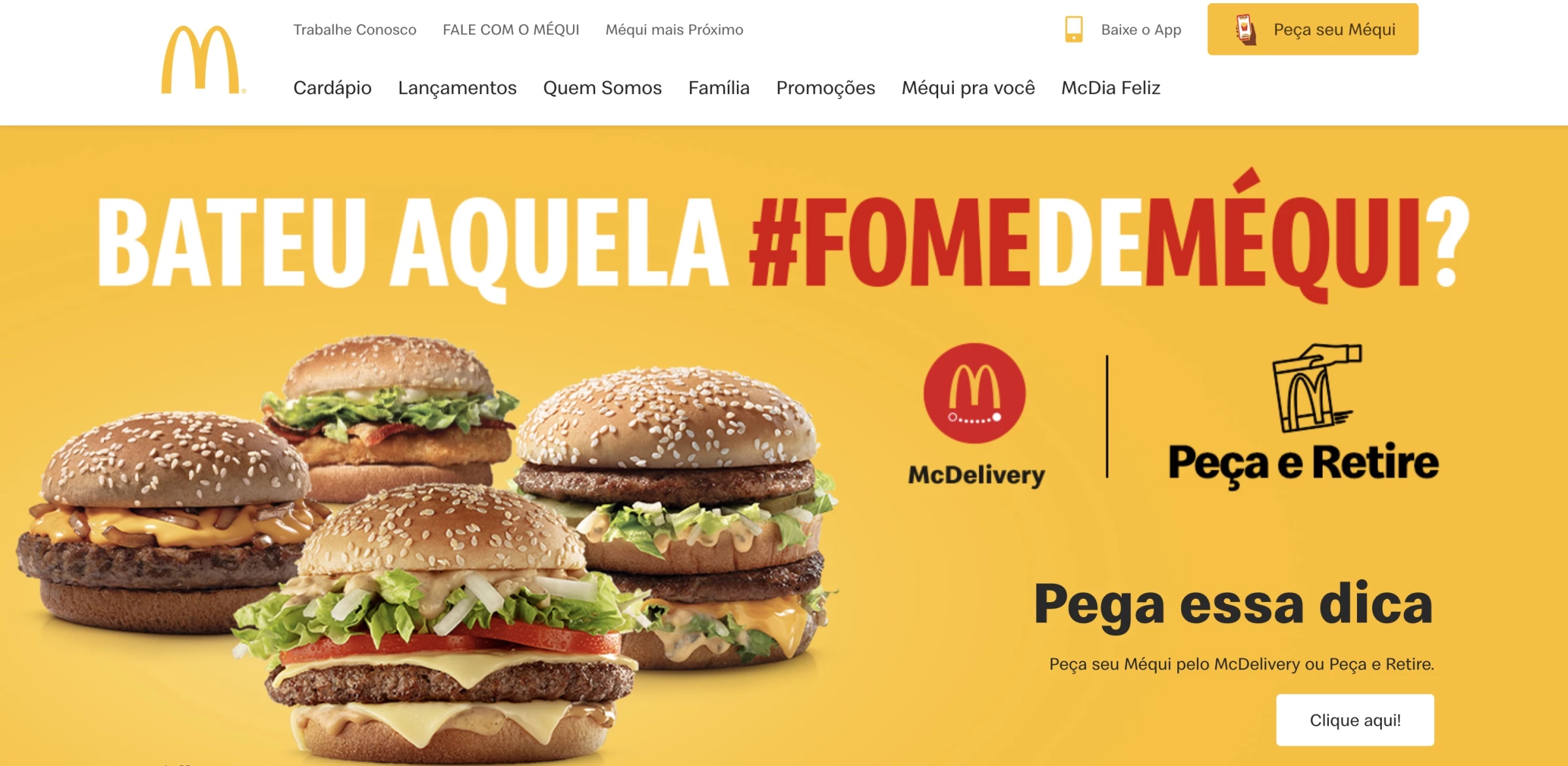
McDonald’s website is an example of global consistency combined with local adaptation. The main brand elements, such as logos and color schemes, remain the same across all regions. However, each country’s site features localized content, promotions, and menus to appeal to regional tastes, ensuring relevance without losing brand identity.
2. Anytime Fitness: Seamless Navigation for Multiple Locations
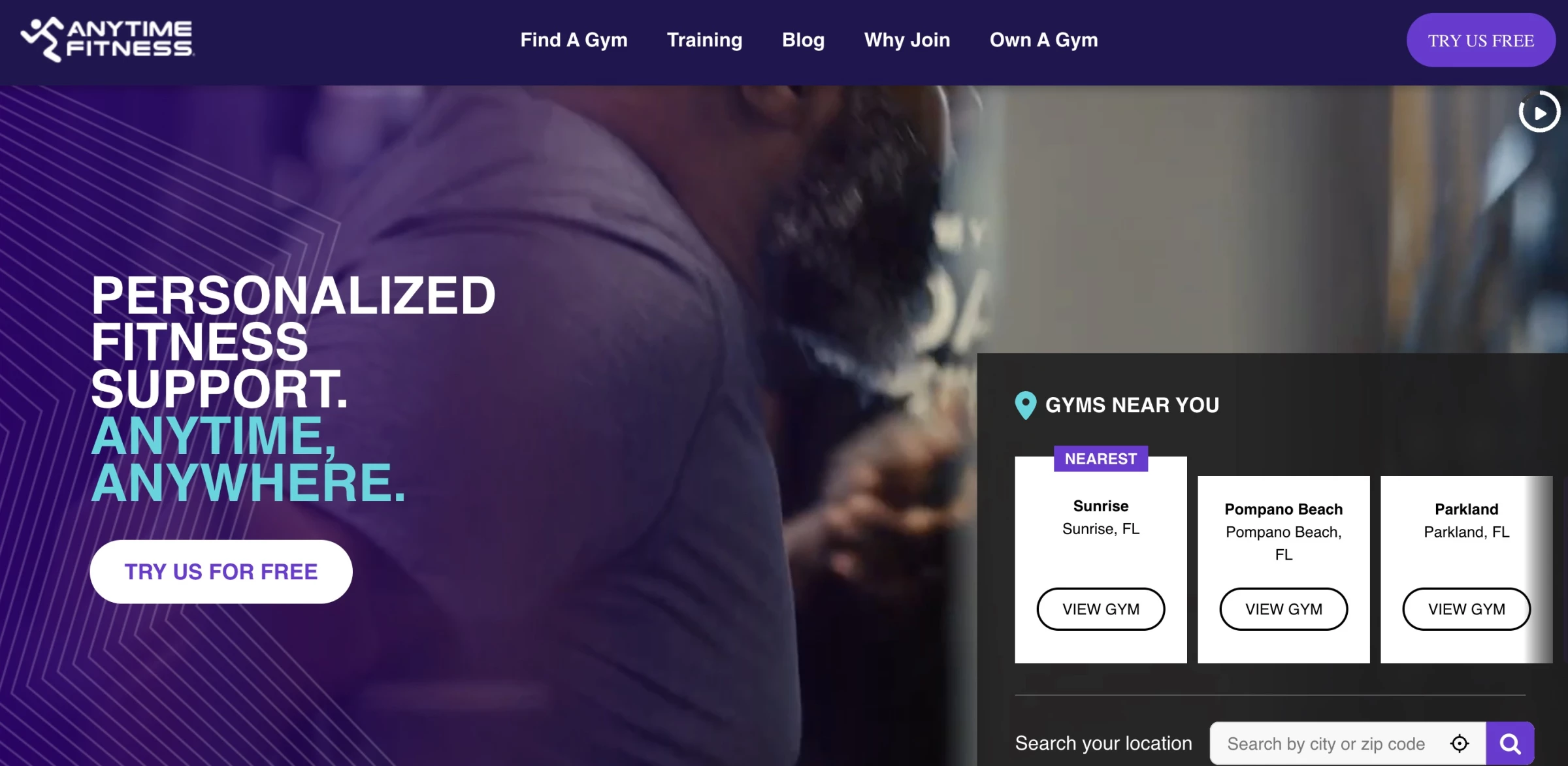
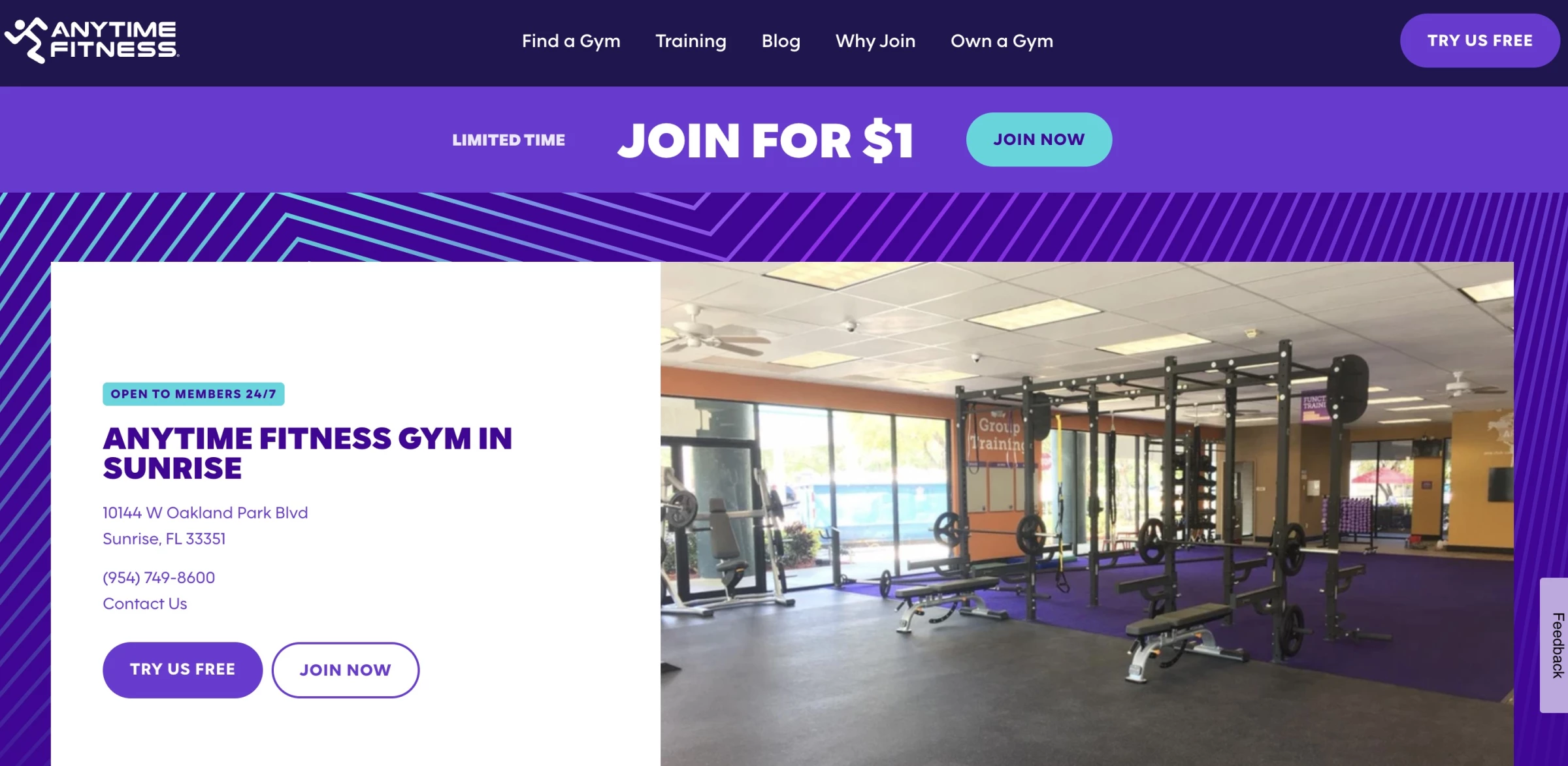
The Anytime Fitness website offers easy navigation for visitors looking to find local gyms. A centralized search function allows users to quickly locate a nearby branch. Each gym’s page provides specific information, yet the overall design stays consistent, giving customers a cohesive brand experience.
3. Subway: User-Centric Customization
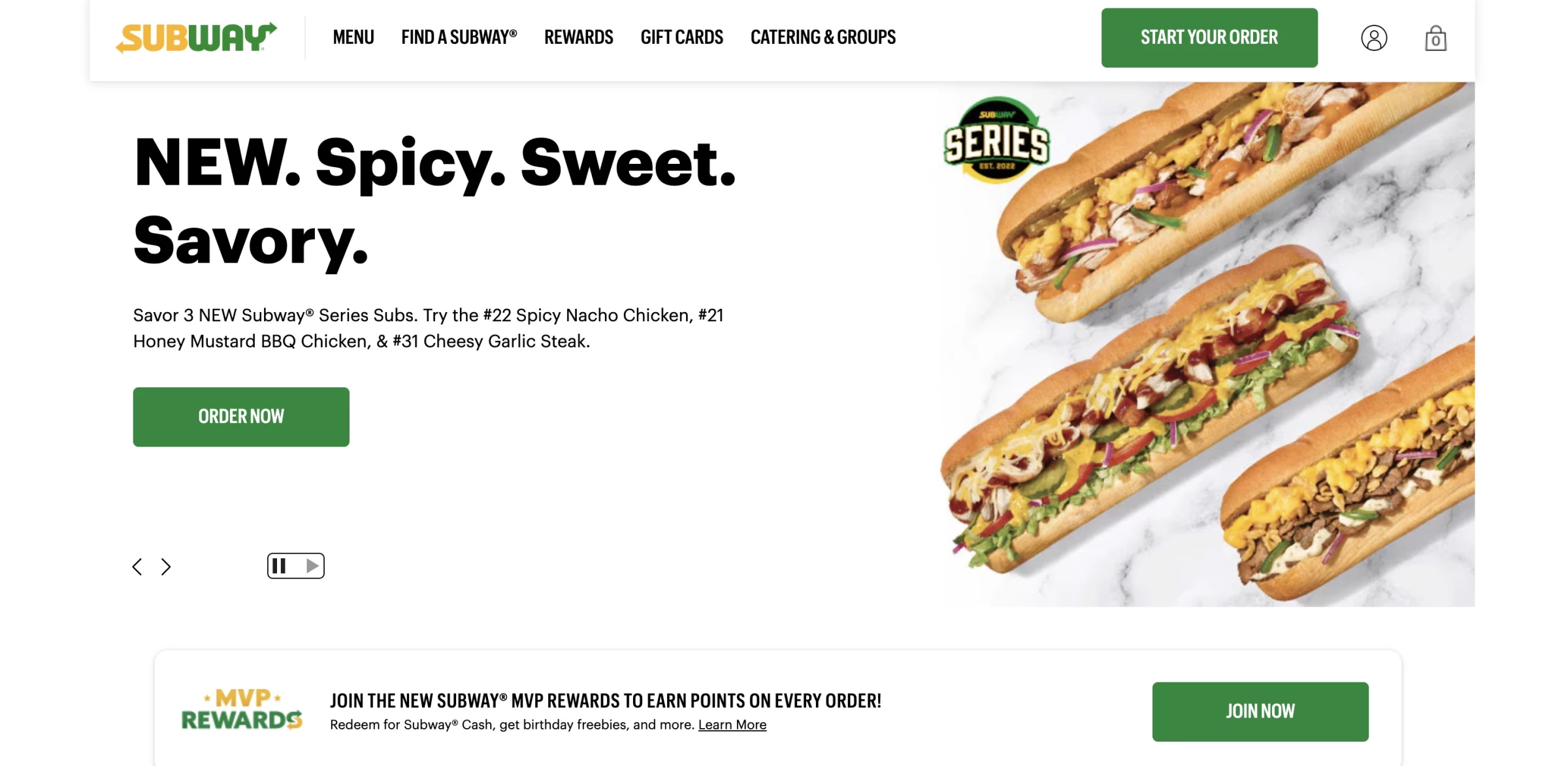
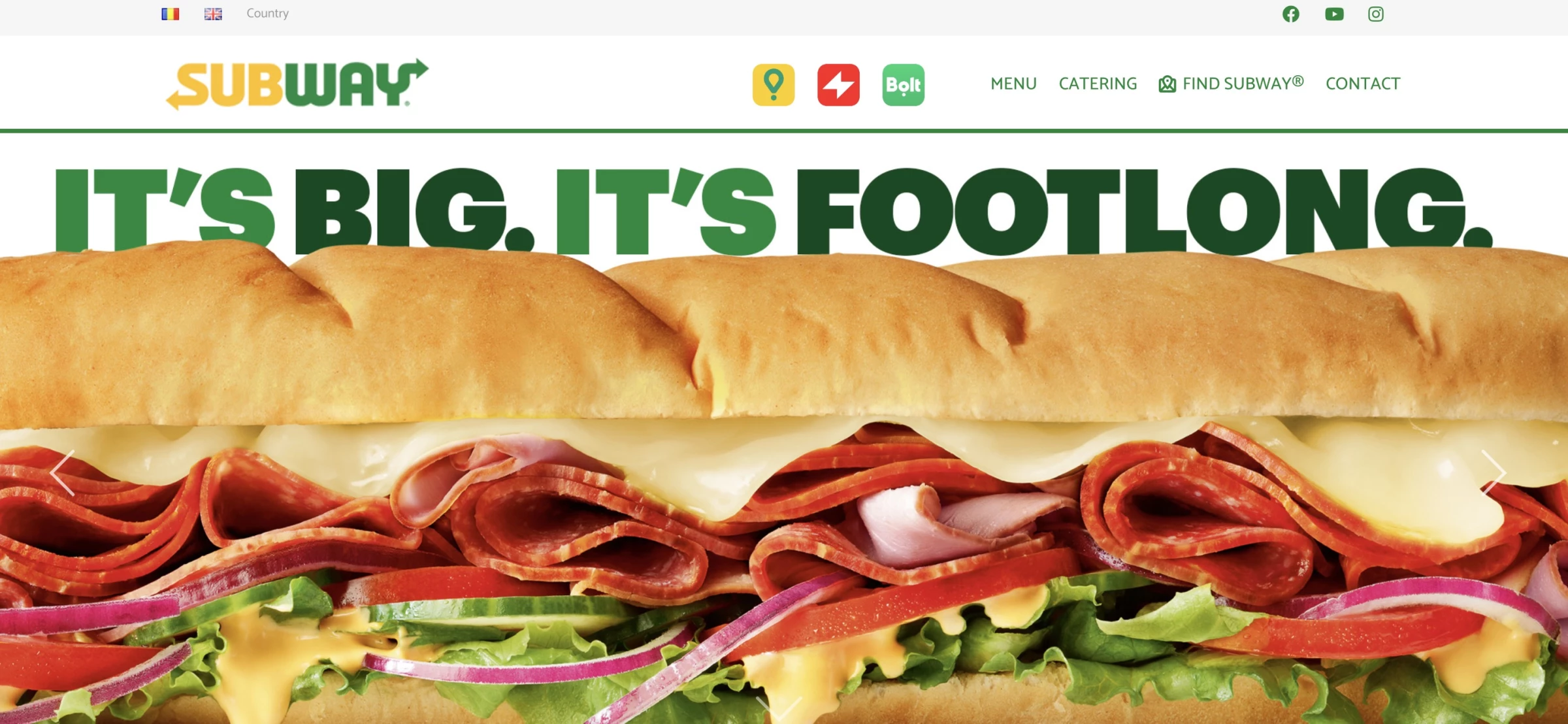
Subway’s website emphasizes user-centric design by allowing franchisees to customize certain aspects of their local pages. While the global brand remains intact, individual branches can feature their own offers, catering to local preferences. This balance between customization and consistency helps Subway deliver a personalized experience for its diverse customer base.
Franchise Web Design Takeaways
As a specialized form of website design, franchise web design caters to the unique needs and challenges faced by franchises. Its main goal is to create a cohesive digital presence for the brand while also providing individualized websites for each franchise location.
To achieve this, franchise website design follows several best practices, including:
- Keep brand guidelines at the forefront
- Focus on localized content maintaining a global appearance
- Ensure a responsive design
- Pay attention to UX and UI design
- Providing training and support

Our team ranks agencies worldwide to help you find a qualified partner. Visit our Agency Directory for the Top Web Development Companies, as well as:
- Top Backend Development Companies
- AI Web Design Agencies
- Top Front End Web Development Companies
- Top UI/UX Design Agencies
- Top Web Development Companies in Chicago
Our design experts also recognize the most innovative design projects across the globe. Visit our Awards section to see the best in web design.
What Is Franchise Design FAQs
1. What is a franchise website?
A franchise website is a centralized online platform designed to represent a business with multiple locations. It ensures brand consistency while allowing individual franchises to maintain localized content and features.
2. How do I create a franchise website?
To create a franchise website, you should:
- Choose a domain and hosting provider
- Select a website platform (e.g., WordPress)
- Design a professional and cohesive layout
- Include essential franchise information: locations, products, and services
- Implement clear navigation and user-friendly features
- Optimize for search engines (SEO)
- Integrate franchise branding elements
- Include contact information and a franchise inquiry form
- Ensure mobile responsiveness
- Regularly update content and engage with visitors