
B2B digital marketing trends consist of emerging strategies, technologies, and best practices that businesses can use to promote their offerings online. These trends reflect shifts in buyer behavior, technological advancements, and industry needs. To remain competitive in 2026 and beyond, B2B companies need to leverage these trends to improve engagement, personalization, and efficiency in marketing.
With the help of our experts, we’ll talk you through the top 12 B2B trends in 2026 that will shape your marketing strategies and position your business for long-term growth and success.
1. AI-Driven Personalization
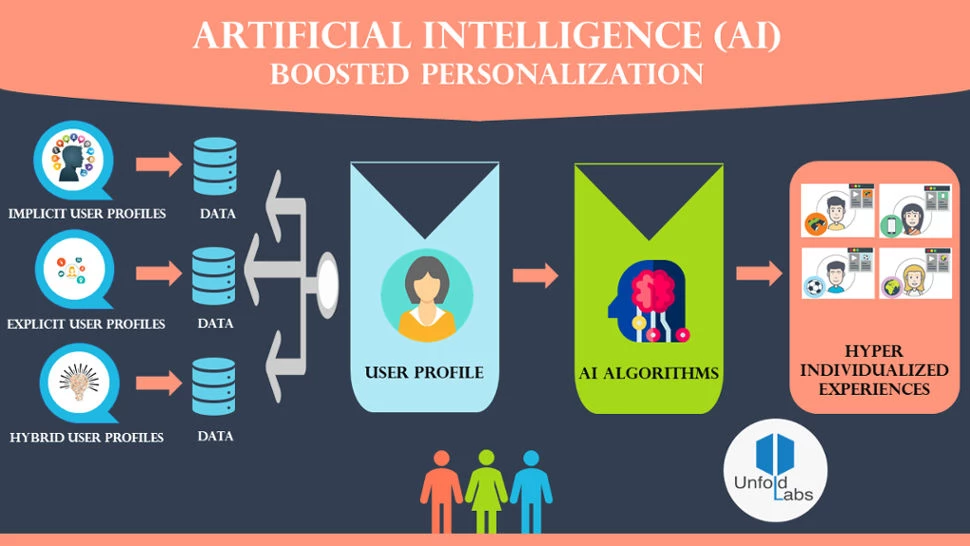
One of the biggest B2B marketing trends in 2026 is personalization powered by artificial intelligence (AI). In 2024, 88% of marketers used AI to generate content, analyze data, and make decisions. This is because AI-driven personalization can deliver highly targeted, relevant experiences for each prospect and customer.
In traditional B2B marketing, personalization was limited to basic elements, like names, job roles, company size, and industry references. With AI, you can go far beyond these surface details and ensure your strategies resonate at a much deeper level.
Advanced algorithms analyze data points for customer relationship management (CRM) data, website interactions, and third-party data for insights about potential buyers’ preferences, readiness to purchase, and content engagement levels. This allows you to tailor your marketing messages dynamically to ensure each interaction delivers precisely what they need.
Decision-making processes in B2B are often complex and involve multiple stakeholders. The personalization of content fosters stronger connections, shortens the sales cycle, and improves conversion rates.
2. Long-Form Content Creation
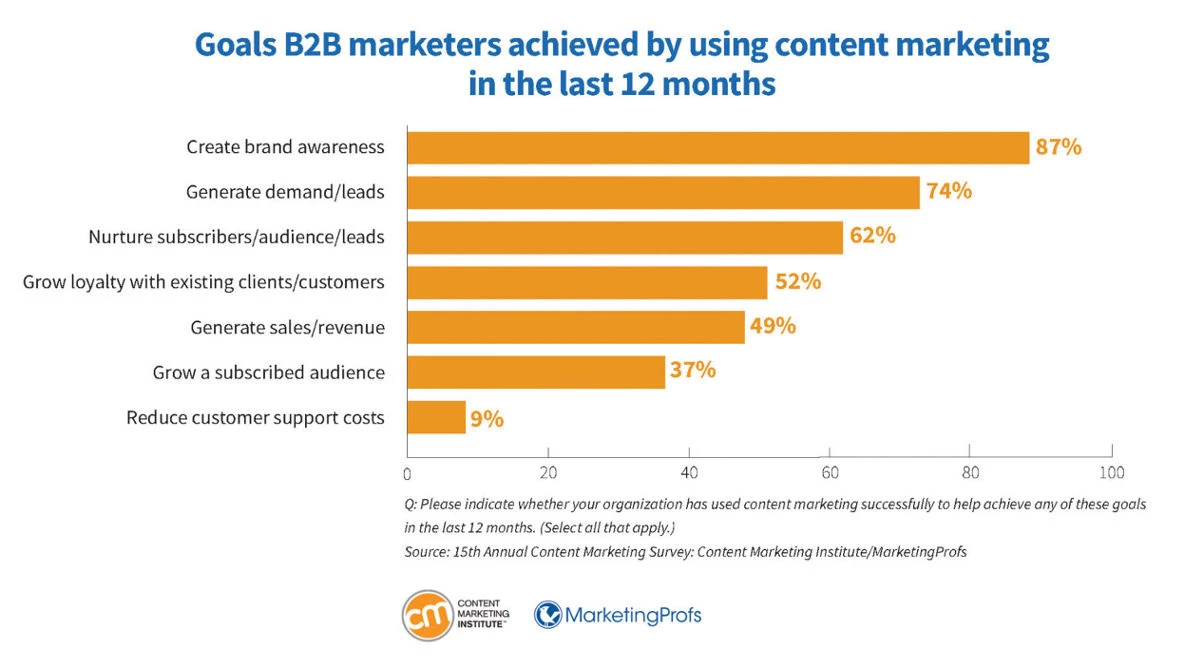
A robust content marketing strategy is a must for companies to succeed. B2B marketers use content to create brand awareness, generate and nurture leads, increase loyalty with existing clients, and boost sales and revenue.
In 2026, long-form content should be at the forefront of your B2B marketing strategies. In-depth guides, whitepapers, eBooks, and content pillars enable you to delve deep into complex subjects and provide comprehensive information your leads and clients need to make informed decisions.
B2B buyers require detailed knowledge to trust vendors. Through long-form content, you can showcase your expertise on industry-specific topics and position your company as a thought leader. This authority nurtures trust and addresses the concerns of various decision-makers throughout long and complex B2B sales cycles.
To increase conversions and expand your brand’s reach, you can partner with content marketing agencies and leverage their expertise.
3. Video Marketing
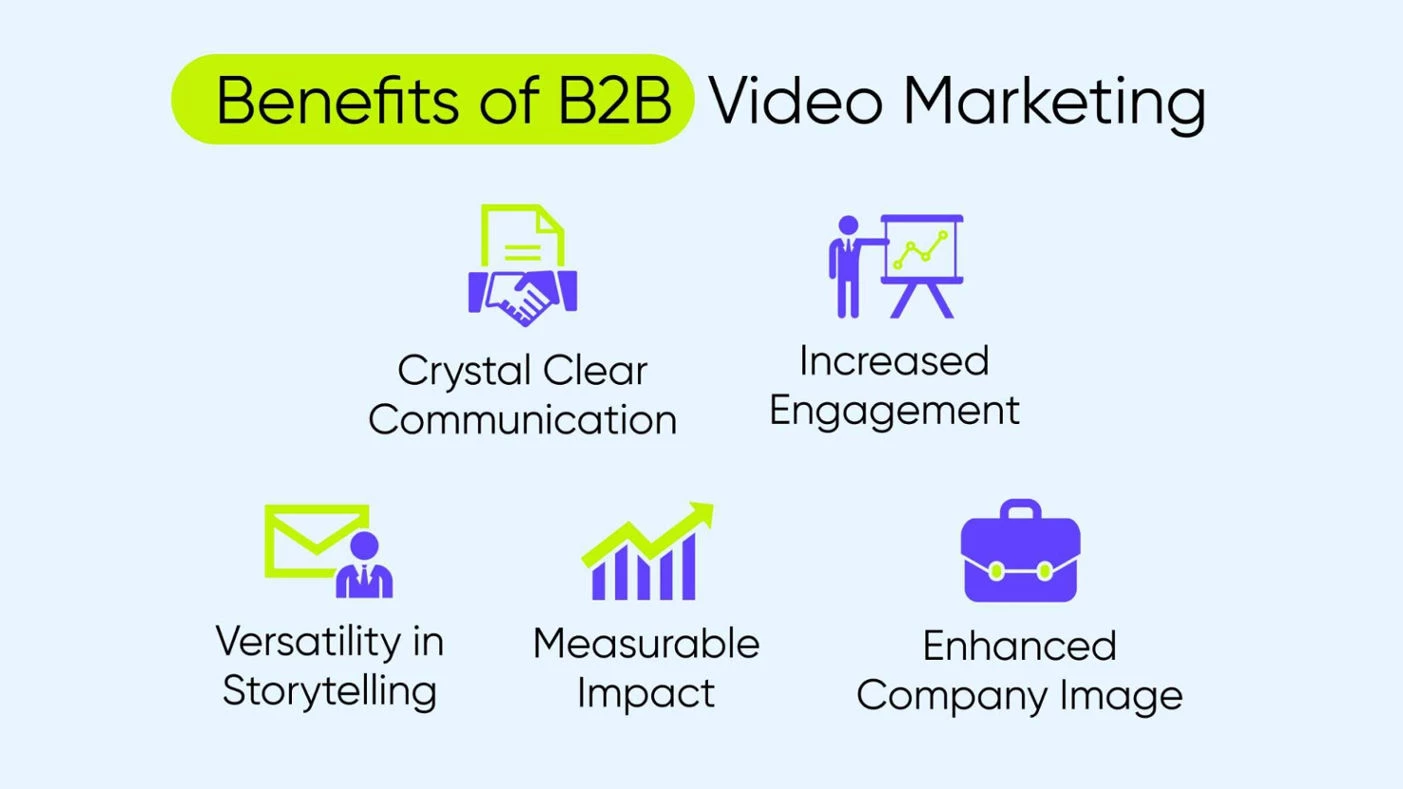
In the past few years, video marketing has emerged as one of the most engaging and effective strategies for businesses. Compared to text and image content combined, videos are shared 12 times more. This will continue in 2026 and beyond, as consumers seek clear, concise content that addresses complex topics.
Through interactive content, personalized videos, and live streaming, B2B companies can showcase their expertise and build trust. You can tell genuine stories and show the true benefits of your brand’s offerings, leading to higher engagement rates and conversions.
Additionally, you can leverage AI to streamline video production and automate editing processes for content creation at scale. This integration allows for more efficient production of high-quality videos tailored to specific audience segments.
Consider partnering with a video marketing agency and allow professionals to handle the technical aspects of ideation, creation, and distribution, saving time and resources for your in-house marketing team. With agency support, your business can produce engaging videos that communicate complex information effectively.
4. Account-Based Marketing
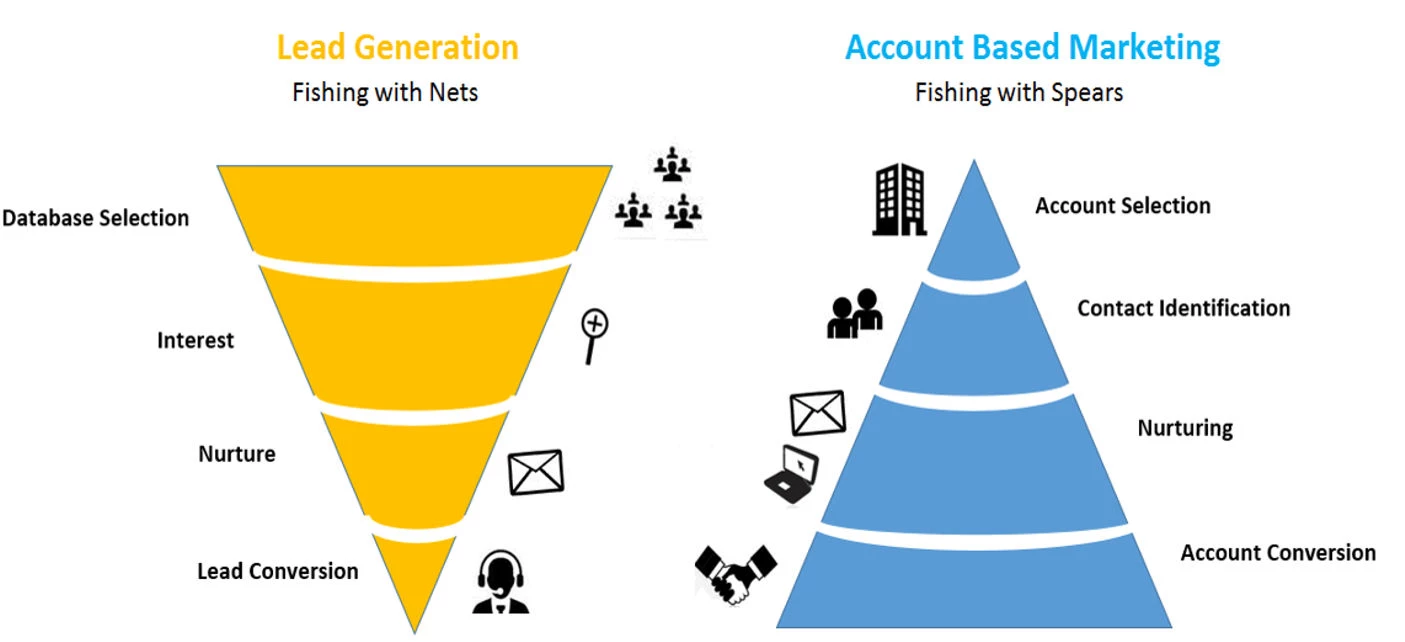
One of the most important B2B marketing trends in 2026 is account-based marketing (ABM). Unlike traditional marketing, which casts the widest possible net, ABM focuses its strategies on high-value prospects and delivers specifically tailored content to increase conversion chances.
ABM’s core components include:
- Account selection: Identifying the accounts that align best with your business goals and offer significant revenue potential.
- Highly customized content: Creating targeted ads, personalized emails, and case studies specific to each account’s industry, challenges, and needs.
- Multi-channel outreach: Using social media, email, events, and content marketing to engage these accounts across all touchpoints.
Sales and marketing teams should collaborate closely to analyze account insights, align key performance indicators (KPIs), and consistently update strategies based on account feedback and behavior. Effectively leveraging ABM through one-to-one, one-to-few, or one-to-many outreach strategies will help you outperform competitors and achieve sustainable growth.
5. Intent Data Utilization
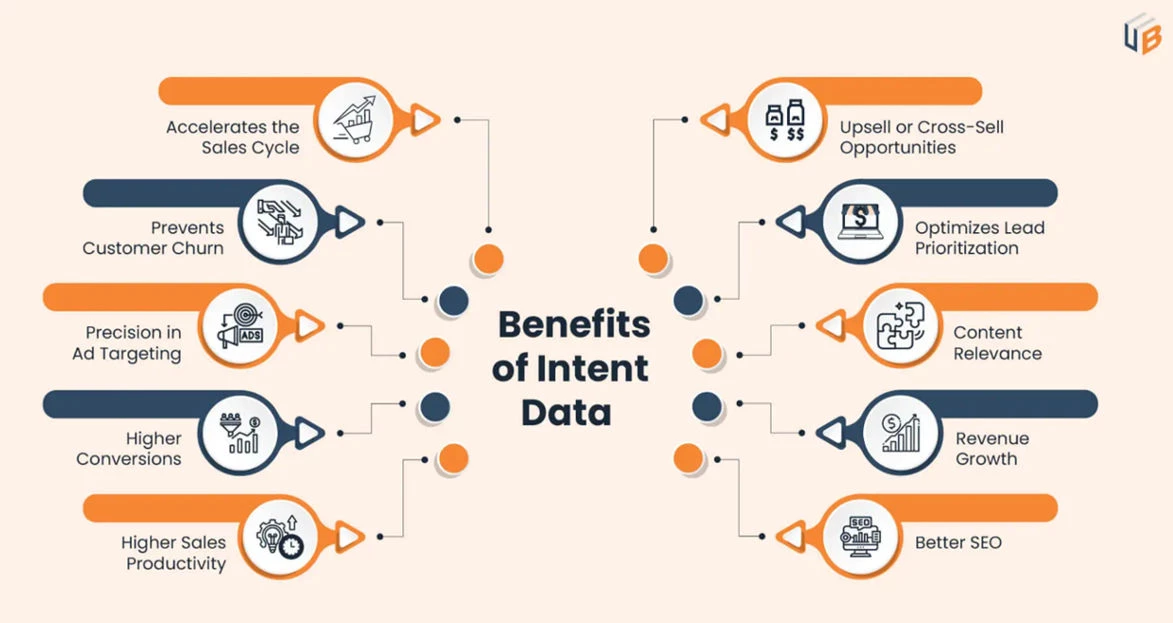
Intent data refers to information collected about a prospect’s online behaviors, indicating their interest in specific topics, products, or services. It provides insights into when they are actively researching solutions, enabling you to reach out with timely and relevant offers. For example, if someone frequently searches for terms related to enterprise CRM software, intent data signals that they may be in the market for a CRM solution.
Intent data is crucial for effective B2B lead generation strategies, as it enables targeted and personalized outreach. By focusing your efforts on prospects most likely to convert, you can shorten sales cycles and increase closed deals.
Additionally, consider incorporating lead data into lead scoring, ABM, content personalization, and targeted advertising to maximize resources and engage high-quality leads more effectively. You can drive more growth when you reach potential clients precisely when they’re most receptive.
6. Conversational Marketing

This customer-focused strategy uses real-time, personalized communication to engage prospects and guide them through the sales funnel.
Laura Magnuson, Art Director at Bop Design, underscores the growing necessity of tailored messaging:
"Personalization is no longer optional in B2B marketing. Tailoring messages and content to specific industries, roles, and pain points increases relevance and drives higher engagement rates."
Chatbots, live chat, and AI-driven messaging create dynamic and highly engaging experiences for B2B buyers and free up customer service agents’ time.
Conversational marketing provides immediate responses to inquiries, easily addressing concerns for various stakeholders and decision-makers throughout the B2B customer journey.
Other benefits of conversational marketing include:
- Data collection: Each conversation provides data on customer pain points, needs, and preferences, which can inform future marketing campaigns.
- Lead qualification: Through real-time communication, you can assess interest, and route leads to the right sales representatives.
- Sales and marketing alignment: Live conversations provide immediate insights to sales and marketing teams, so they can work more effectively to deliver value throughout the prospect’s journey through the funnel.
7. Sustainability

Consumers across all demographics and industries now expect sustainability and environmentally friendly practices in the brands they support. To build trust with eco-conscious clients and align with industry standards, corporate responsibility has become a powerful differentiator in B2B marketing. In fact, research has shown that B2B buyers are more likely to enter long-term partnerships with companies with sustainability initiatives.
Energy efficiency, digital transformation, and carbon offset programs are just a few examples of sustainable practices for B2B companies. They all demonstrate a proactive stance toward environmental responsibility, which fosters trust in prospects and clients.
Effective communication of your sustainability practices is just as important as enacting them. You can publish annual sustainability reports that outline your goals, achievements, and areas for improvement. Clients value transparency and appreciate detailed insights into a company’s efforts. Additionally, to position your brand as an industry leader in this regard, regularly post content around sustainability.
8. Brand Storytelling
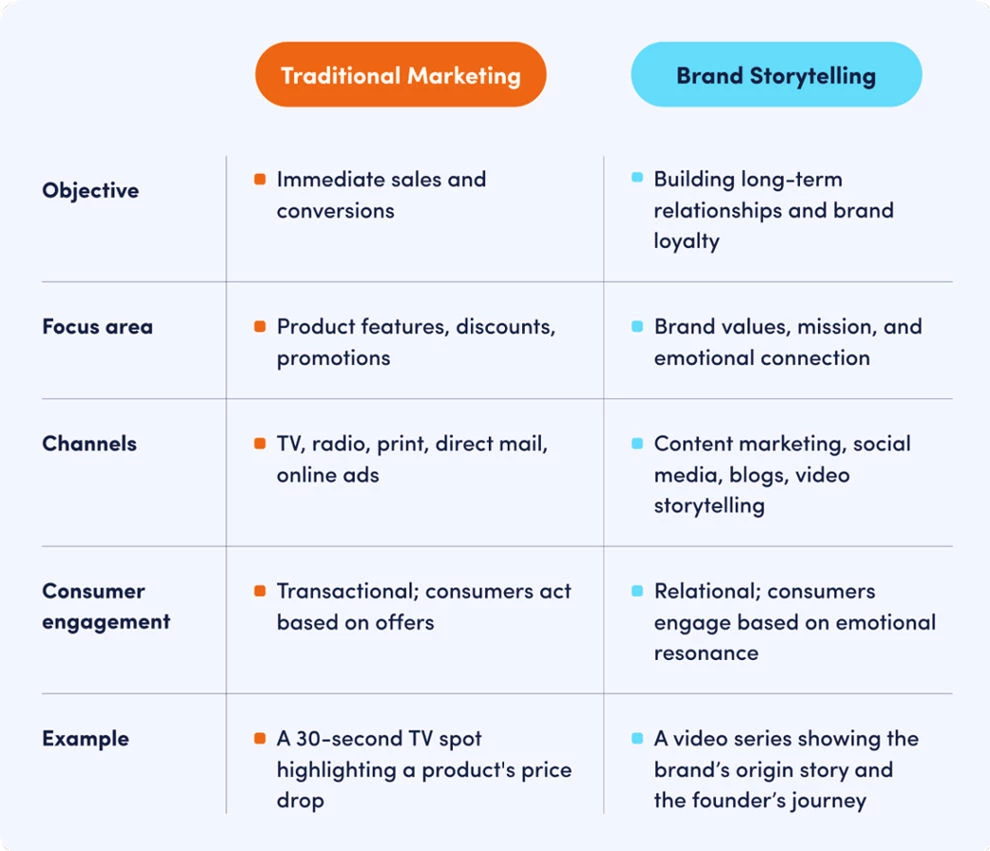
In 2026, as B2B prospects increasingly seek authenticity and transparency, brand storytelling is more vital than ever. By weaving narratives that resonate with client values and showcase your company’s journey and impact, you can foster trust and stand out in a highly competitive market.
Successful B2B brand storytelling involves several key elements:
- Brand purpose and mission: Define the “why” behind your business, such as why it exists and what problems it aims to solve for clients.
- Customer-centric approach: Focus on stories that align with customer values and needs, such as how your solutions helped previous clients overcome specific challenges.
- Emotional appeal: Aim to inspire, motivate, or connect with your audiences by appealing to their emotions through storytelling.
- Tangible outcomes: Provide data to validate your story’s claims and demonstrate your company’s true impact.
9. B2B Influencer Marketing
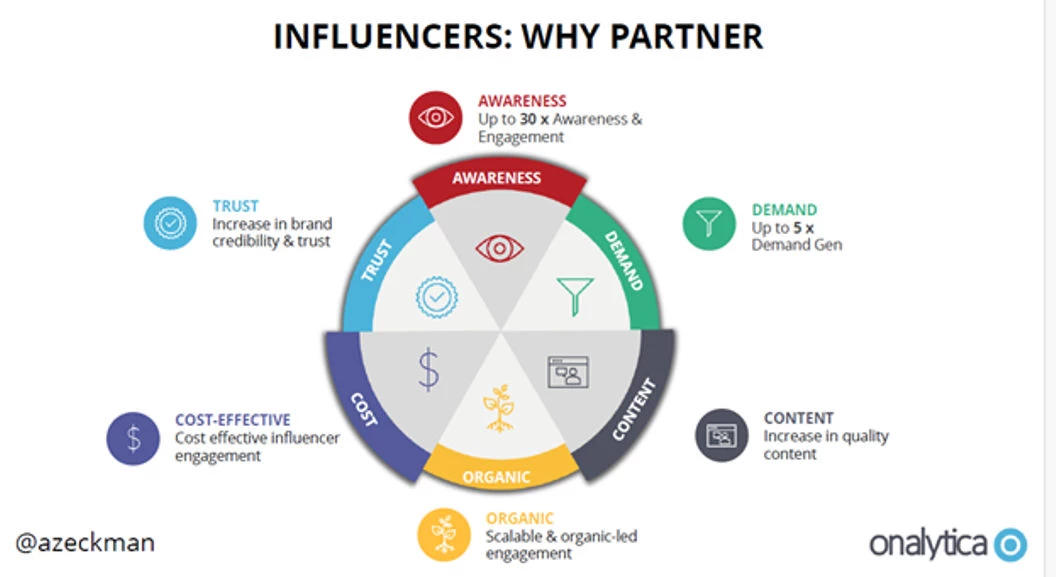
In the digital age, there is no doubt that influencers drive conversions and sales. While influencers are incredibly popular in the B2C sphere, they are becoming increasingly significant in B2B marketing as well.
B2B influencers can help reach new target markets that you may not have tapped previously and build connections that may have been otherwise difficult to establish. They are trusted voices with deep industry expertise and a highly engaged, niche following. By partnering with them, you can tap into established networks and amplify your message through a genuine, expert perspective that resonates with key stakeholders.
The key to a successful B2B influencer marketing strategy is choosing influencers with deep knowledge of your niche and genuine interest in your company. Partner with the top B2B social media marketing agencies to connect with influencers who can drive engagement and increase your reach in professional circles.
10. Predictive Analytics
[Source: Graphite Note]
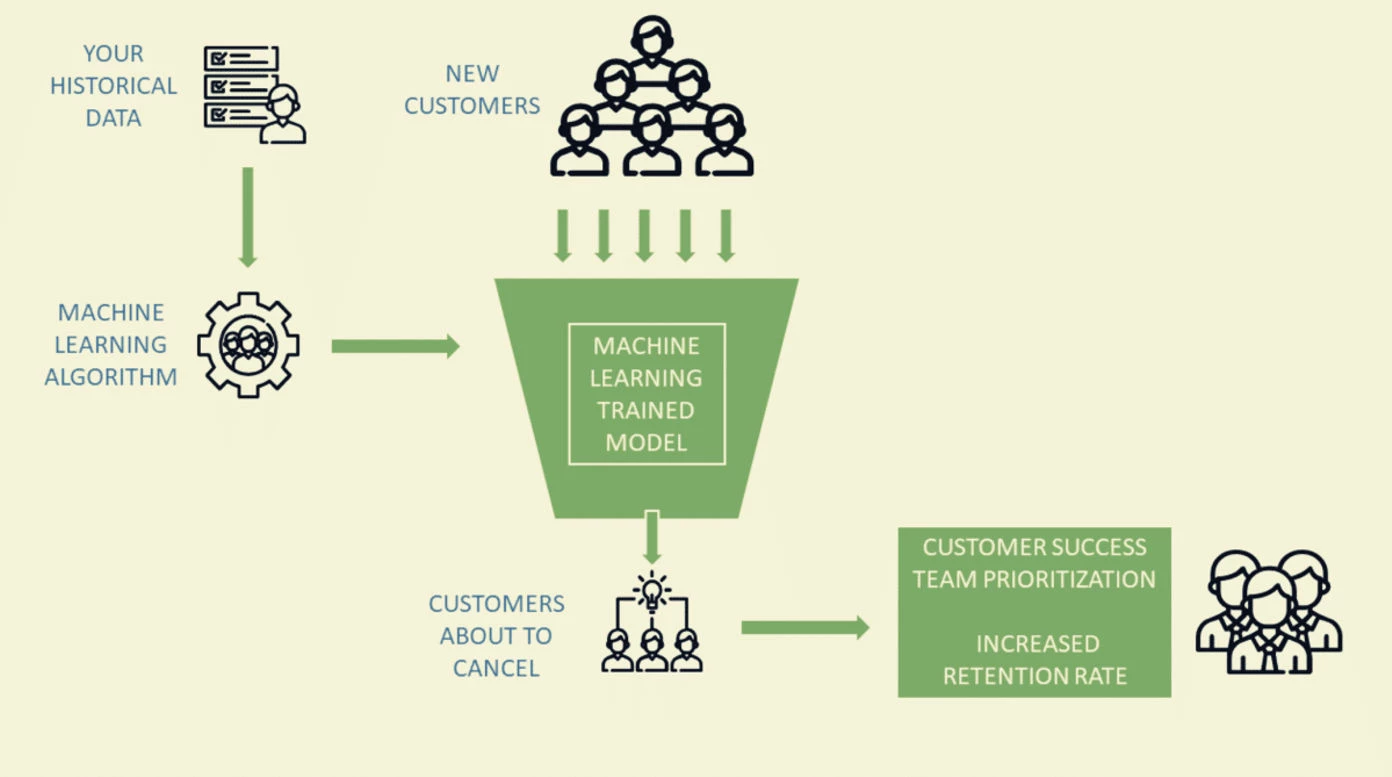
In 2025, predictive analytics will be a key driver of competitive advantage by helping B2B companies optimize campaigns, personalize outreach, and improve decision-making with unprecedented accuracy. By using AI and statistical algorithms to analyze data, you can identify patterns in customer behavior and purchasing trends to enhance lead quality and improve return on investment (ROI).
Predictive analytics can be applied across various aspects of B2B marketing:
- Lead scoring: Rank leads by their likelihood to convert, so you can focus on the right prospects and boost conversion rates.
- Sales forecasting: You can more accurately forecast sales trends, improve revenue predictions, and allocate your resources more effectively.
- Churn prediction: Enable timely interventions to retain valuable clients by detecting early indicators of churn (e.g., engagement and satisfaction).
- ABM optimization: Deliver better-targeted campaigns by identifying prospects with the highest conversion potential.
11. Interactive Content
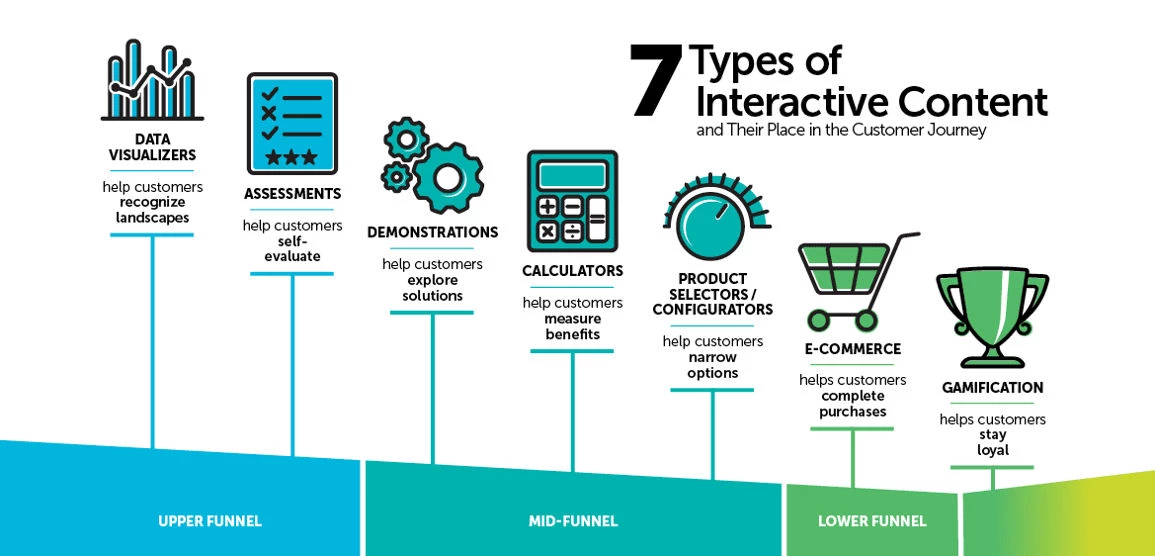
As B2B clients demand more personalized, memorable experiences, one of the most important B2B marketing trends in 2026 is providing interactive content. It shifts the user's experience from simply reading text or watching videos to actively participating in your marketing strategies.
Interactive content holds people’s attention much longer, which improves engagement and drives higher click-through and conversion rates. It also provides a direct way to gather insights on user preferences and behavior, so you can refine your strategies and personalize future outreach.
To get the most out of interactive content for B2B audiences, focus on providing value and meaningful insights. Invite users to click, scroll, and interact with infographics and eBooks so they can delve deeper into your offered knowledge. Capture data and feed it into your CRM and marketing automation platforms to inform lead scoring, segmentation, and personalized follow-ups.
12. Hybrid Events and Virtual Experiences

Another lasting trend in B2B marketing is the rise of online events and webinars. This hybrid approach accommodates diverse preferences, extends your event reach, and reduces travel-related expenses. As digital engagement continues to grow, virtual experiences also enable data collection, real-time feedback, and post-event content sharing.
Here are some important reasons why you should continue to hold hybrid events and virtual experiences in 2026:
- Accessibility for diverse, global audiences
- Low production cost
- Adaptable to changing circumstances
- Opportunities for networking and product/service promotion
- Environmental sustainability and friendliness of virtual platforms
- Sales conversions and higher revenues during events

Our team ranks agencies worldwide to help you find a qualified partner. Visit our Agency Directory for the top digital marketing companies, as well as:
- Top Digital Marketing Agencies in Pittsburgh
- Top Affiliate Marketing Companies
- Top Advertising Agencies
- Top Direct Marketing Agencies
- Top Email Marketing Companies
And don’t miss our Awards section, where we celebrate the most innovative projects in design, from logo and app design to print and packaging.