
You’re posting consistently but not seeing results, and it’s unclear which platforms are actually worth your time. Meanwhile you’re juggling content, customer messages, and the day-to-day of running the business.
Fear not. This guide cuts through the noise with a clear plan for where to focus, what to post, and how to measure what’s working.
Social Media Strategy: Key Findings
- The highest-ROI approach is choosing 1–2 priority channels, matching content to the customer journey, and tracking conversions so you can scale what works instead of guessing.
- Short-form video is now the default discovery format, with around 200 billion daily views on YouTube Shorts showing that quick, useful video is one of the fastest ways to earn attention.
- Social and search work together, with 70% of social media users using Google Search to evaluate products they discover on social.
What Is Social Media Marketing All About?
Social media marketing promotes your business through social platforms, and this guide breaks down why it matters, how it works across major platforms, and how to choose the right channels for your audience.
Social media is where customers discover brands, compare options, and decide who feels credible enough to buy from. If you’re not showing up there (or you’re showing up without a plan), you’re often invisible at the exact moment people are making choices.
Here are a few numbers that explain why it matters:
- Your customers are already there: In the U.S., 84% of adults use YouTube and 71% use Facebook, per Pew’s 2025 survey.
- Social influences decisions: LinkedIn’s research found 61% of buyers in the SaaS space say information acquired via social media influenced a decision to work with a company.
- Discovery is built into how people use social: TikTok reports 61% of users discover new brands/products on the platform.
- Social affords global reach: About 63.9% of the global population use social media worldwide, roughly 5.24 billion people.
Effective social media management does a lot more than build awareness. It also supports sales, search visibility, and the day-to-day customer experience. Here’s how:
- Social selling: Turn interest into action with product tags, in-app shops, and DM-to-checkout conversations, so people can buy without leaving the platform.
- SERP visibility: When prospects Google you, your social profiles often show up near the top. An active, consistent presence helps reinforce trust.
- Customer service: Comments and DMs are often the first place customers go with questions. Fast, helpful replies can be the difference between a sale and a bounce.
- Audience engagement: Posting is only half the job. Responding, asking questions, and encouraging conversation builds relationships and makes future posts work harder.


How To Create a Social Media Marketing Strategy: 8 Steps to Success
If you want social media to pay off, you need to pick the right channels, publish content that moves customers forward, and track what drives revenue so you can double down.
- Define success in one sentence
- Choose platforms based on customer behavior
- Build a funnel, not a feed
- Set up measurement before you scale
- Create a content system you can maintain
- Use engagement to drive sales signals
- Promote what’s already working (then add retargeting)
- Run a weekly optimization loop
1. Define Success in One Sentence
Before you pick platforms or brainstorm content, decide what you’d like to achieve for your business. ROI gets fuzzy when everything is a goal.
Pick one primary outcome for the next 60–90 days (like bookings, qualified leads, online sales), then choose one or two supporting metrics that show progress (CPA, ROAS, conversion rate, lead-to-sale rate).
Here’s a simple way to frame it: “We’re using social to drive X, at Y cost, measured by Z.”
2. Choose Platforms Based on Customer Behavior
The best channel isn’t necessarily the trendiest because the biggest audience isn’t necessarily the ideal fit for your brand. Each platform has its own strengths, with some built for discovery, and others for community and conversation, or direct response and conversion.
We’ll break down what each major platform is best for in the next section.
Match the platform to customer intent. For example, if you sell something visual or demo-friendly, short-form video can be a strong discovery engine.
If you’re unsure where to focus, start with one discovery channel and one conversion channel (where people will click, DM, book, or buy), then expand only after you’ve proven what’s driving results.
How Dermstore Chose Pinterest To Reach High-Intent Shoppers
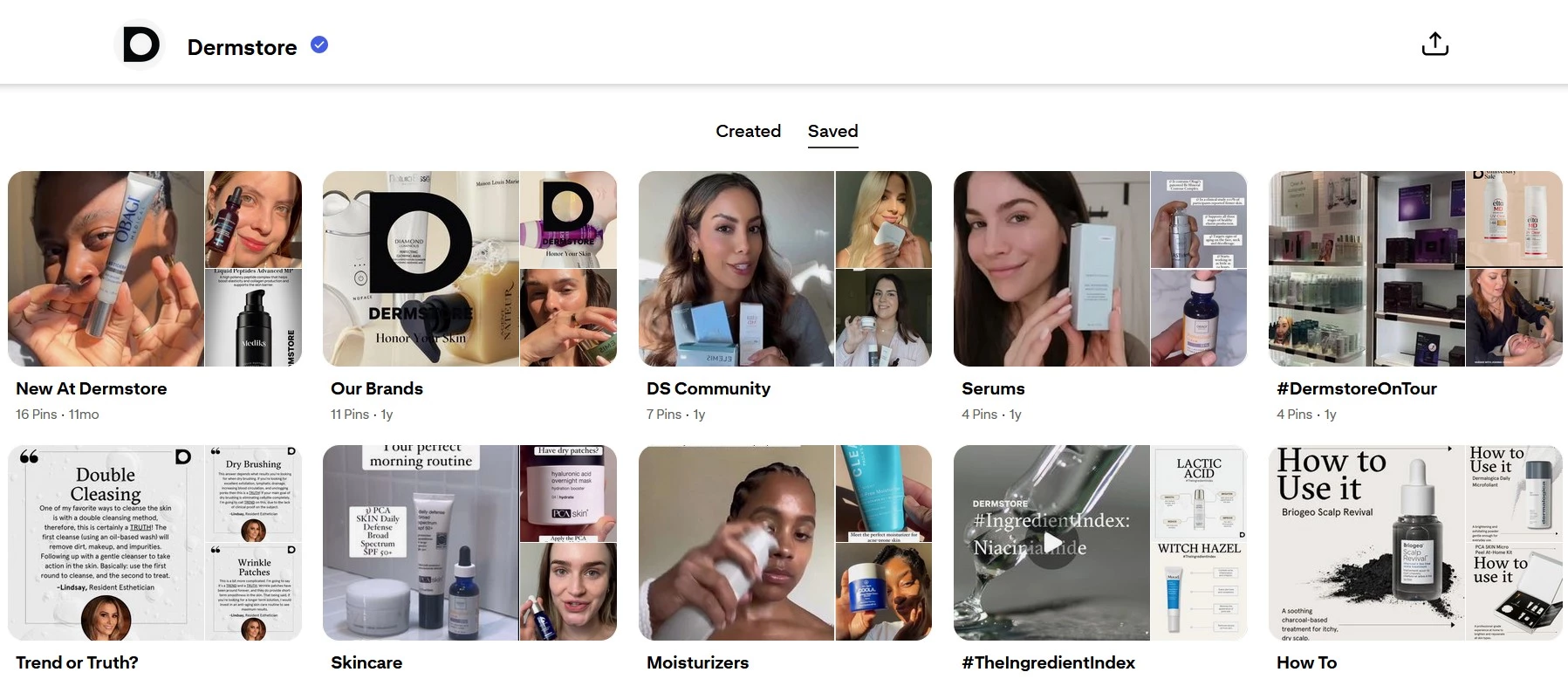
Dermstore leaned into Pinterest because people use it to actively look for beauty recommendations and shopping ideas, especially around gifting and seasonal moments.
The platform’s blend of discovery, inspiration, and shopping made it a strong fit for Dermstore’s holiday strategy. They picked the channel because it matches how their customers browse and decide, not because it was the loudest trend.
3. Build a Funnel, Not a Feed
A lot of business owners post consistently but still don’t see results because every post is trying to sell. Instead, assign your content a job across three stages:
- Discovery: “Here’s the problem + a quick win.”
- Consideration: “Here’s proof + how we do it.”
- Conversion: “Here’s the offer + next step.”
This helps you stop guessing and start moving people forward. It also makes your metrics cleaner, because you’ll know which posts drive reach, which drive clicks, and which drive sales.
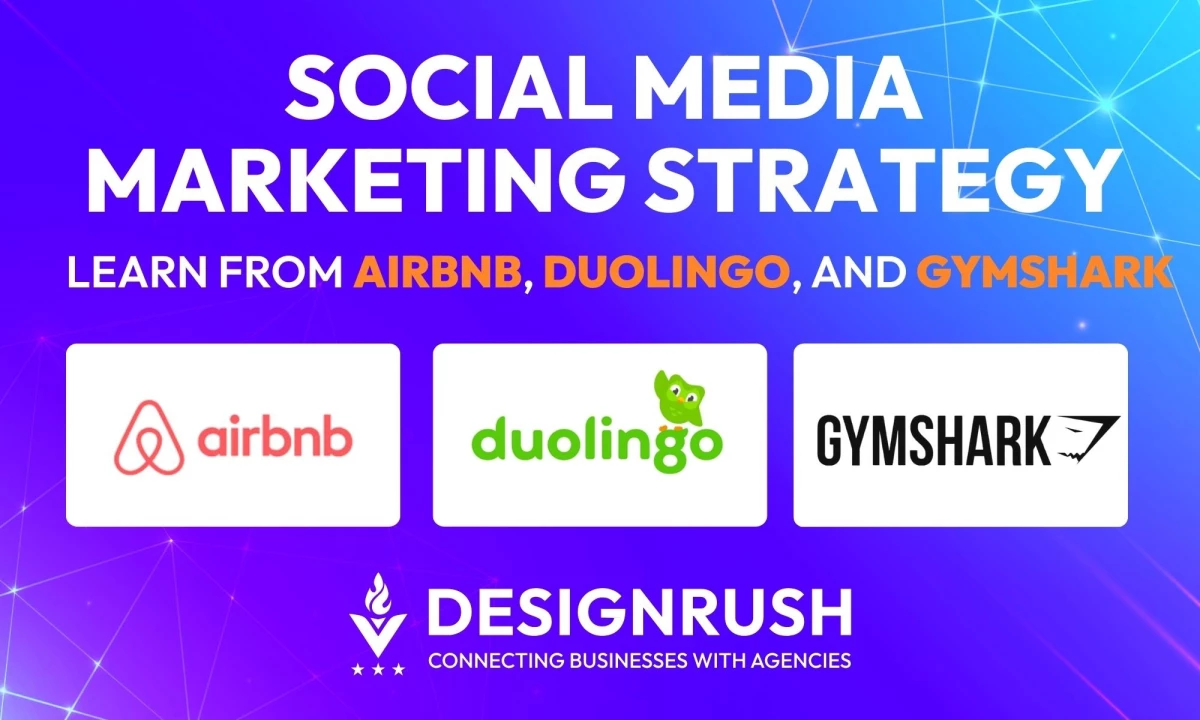
Airbnb’s Discovery-To-Booking Funnel Content
Airbnb’s destination videos are classic funnel content with high-reach discovery creatives paired with a direct CTA to booking. That ensures content isn’t just inspiration, it’s made to convert interest into action.
4. Set Up Measurement Before You Scale
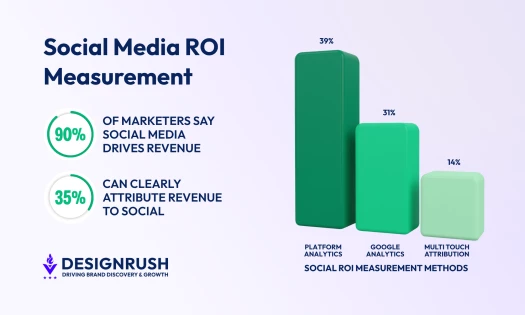
If tracking is messy, you’ll end up optimizing for likes instead of revenue. Aim to keep it simple, an unambiguous:
- Use UTM links for campaigns and your link-in-bio
- Track one core conversion (like purchase, lead, or booking)
- Every week log spend, clicks, conversion rate, CPA/ROAS, and top-performing creatives
The goal isn’t perfect attribution but repeatable decision-making. Ask what content and targeting actually drives outcomes.
Leslie Licano, CEO of Beyond Fifteen Communications, shares: "Regular analysis of social media metrics allows us to optimize based on performance, and we encourage experimentation, ensuring a dynamic and enjoyable social media presence that doesn’t grow stale."
What Love & Pebble Did on TikTok Shop To Scale With Confidence
Love & Pebble uses TikTok Shop Ads plus affiliate content and tracks performance closely. By doing so, they can determine what is working, making scaling decisions much more straightforward.
They were able to demonstrate 3.2X ROAS with more than 240 conversions and 250,000 impressions.
5. Create a Content System You Can Maintain
Consistency matters, but it shouldn’t require you to be online all the time. Build a system around a few repeatable formats so you can keep publishing without burning out.
A practical setup could entail something like this:
- 3–5 content pillars (education, proof/UGC, product/service demos, behind-the-scenes, offers)
- 2–3 repeatable formats per platform (short videos, carousels, Q&A posts)
- A realistic cadence you’ll stick to
When your content is structured, it’s easier to test and improve, because you’re comparing like with like.
Gymshark’s Repeatable UGC Flywheel
Gymshark took a smart approach to building a system around creators/influencers that consistently generates fan content, fueling a steady stream of posts without relying on the brand to produce everything from scratch.
Their 66-Day Challenge, for instance, rallied creators and customers around a shared fitness goal and generated a steady flow of content the brand could amplify.
6. Use Engagement To Drive Sales Signals
Engagement is market research and conversion support in one place. People ask questions in comments, DM for details, and check how brands respond before buying.
- Here’s how you can make engagement part of the plan:
- Block 10–15 minutes/day for comments and DMs
- Turn FAQs and objections into posts
- Pin your best proof + “how it works” content to the top of your profile
How Duolingo Is Using Comments as Content
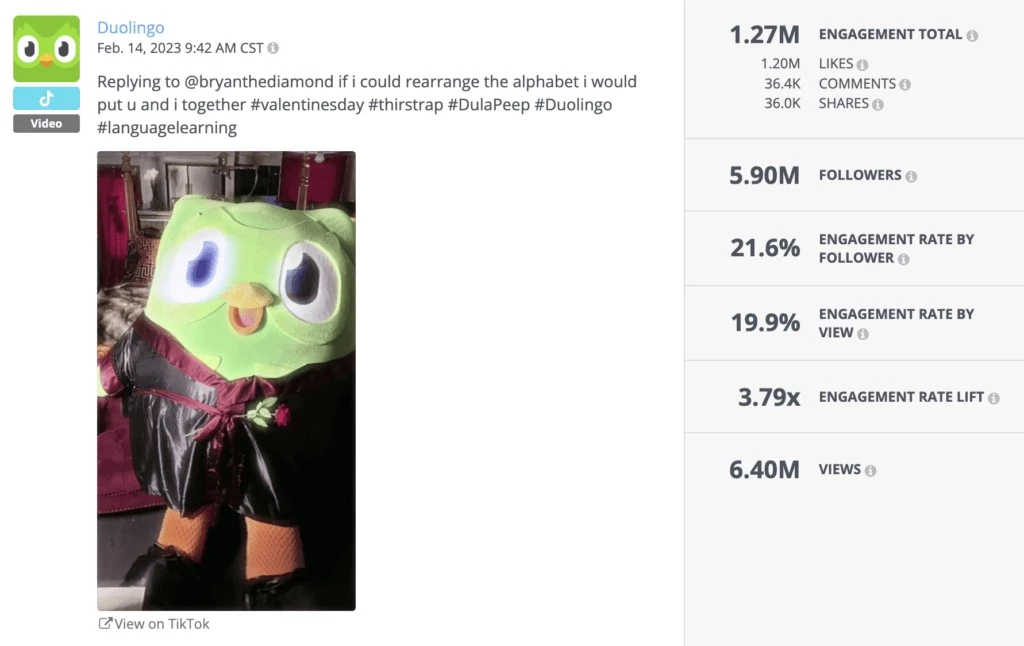
Duolingo frequently turns comment threads into the next post (video replies, witty responses), which keeps conversations going and boosts reach through community participation.
7. Promote What’s Already Working (Then Add Retargeting)
Paid performs best when it amplifies content that’s already resonating. Start by identifying posts that earn strong demand signals like saves, shares, comments, high watch time and clicks, then put budget behind those winners.
A simple starting split:
- 70% best performers to a proven audience
- 20% retargeting (site visitors, video viewers, engagers)
- 10% creative testing (new hooks, angles, offers)
How Komputronik Leveraged Remarketing at Scale for a 6X ROAS
Komputronik scaled what was already resonating by turning its best organic posts into Spark Ads, then layered in TikTok Pixel + Conversion API tracking and remarketing groups to keep pushing interested viewers toward purchase.
The approach delivered a 940% increase in sales value, a 759% increase in sales, and 6x higher ROAS versus a comparable prior-period campaign
8. Run a Weekly Optimization Loop
This is where ROI is won: review what drove conversions, tweak creative and audiences, and repeat. In peak periods, those week-by-week adjustments are what turn a solid campaign into a breakout performer.
A tight weekly loop looks like this:
- Review top 3 posts/ads: hook, format, offer, CTA, audience
- Create 1–2 variations of the best-performing angle
- Cut weak performers, scale winners, and log learnings
What Sofology Did on Pinterest to Improve ROAS
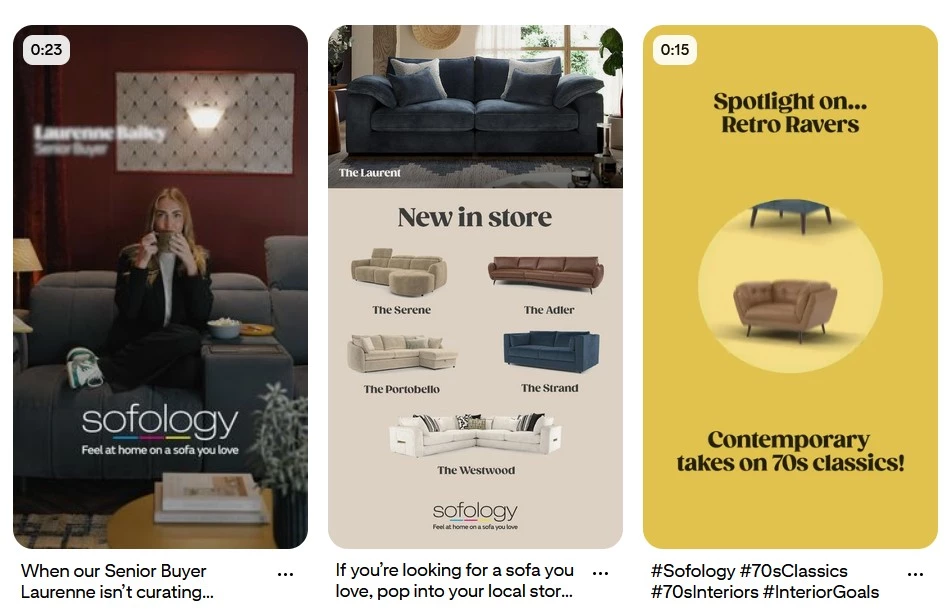
Sofology leaned on Pinterest Performance+ with ROAS bidding to let the platform optimize delivery toward shoppers most likely to convert while the team focused on iterating creative and offers.
The result was an impressive 55% higher ROAS, showing how a consistent review-and-refine loop (plus smart automation) can turn steady performance into a noticeable uplift.
The Most Popular Social Media Platforms for Business
Each platform has its own culture, content formats, and buying behaviors. Choose your channels based on where your customers already spend time and how they like to discover, compare, and purchase.
- Facebook: Community and local reach that converts
- Instagram: Visual discovery and social proof
- YouTube: Searchable How-To Content For Long-Term Demand
- TikTok: Fast discovery and creator-led education
- LinkedIn: B2B credibility and lead generation
- Pinterest: High-intent visual search for evergreen traffic
- Reddit: Niche communities and trust-building
- Snapchat: Gen Z reach with mobile-first storytelling
1. Facebook: Community and Local Reach That Converts
Facebook remains one of the most effective platforms for broad reach and community-building, with 3.07 billion monthly active users.
Best for:
- Local businesses, community-led brands, events, and offers
- Groups for niche communities and Meta retargeting campaigns
On Facebook, short video, native images, community posts, and proof content like reviews and before-and-afters usually perform well.
2. Instagram: Visual Discovery and Social Proof
Instagram is strongest for visual discovery and brand-building, especially for products and services people buy based on look, lifestyle, or identity. Instagram has reached 3 billion monthly active users.
Best for:
- Retail, beauty, fashion, food, travel, fitness, and visually-led services
- Reels for reach, Stories for nurturing, and DMs for conversion
Reels that hook attention quickly, creator partnerships, and reusable UGC are often the biggest drivers of reach and action.
3. YouTube: Searchable How-To Content for Long-Term Demand
YouTube is where people go to learn and validate purchases, and it has an enormous reach with five billion videos watched every day by 3.35 billion users.
Best for:
- How-to's, explainers, comparisons, tutorials, and evergreen SEO value
- Higher-consideration products and B2B education
Search-friendly topics and consistent series formats tend to compound over time, which is why YouTube can keep paying off long after you publish.
4. TikTok: Fast Discovery and Creator-Led Education
TikTok is built for fast discovery and creator-led persuasion, with over 1 billion monthly users globally and 200M+ monthly users in Europe as of September 2025.
Best for:
- Top-of-funnel reach and product discovery
- Creator collaborations and social commerce testing
Simple demo-style videos, strong first-second hooks, and creator content you can amplify typically outperform polished brand ads.
5. LinkedIn: B2B Credibility and Lead Generation
LinkedIn is the core platform for B2B credibility and demand generation, and it has reported roughly 1.2 billion members in FY25 and nearly 1.3 billion members in late-2025 updates.
Best for:
- B2B lead generation, recruiting, partnerships, and thought leadership
- Selling expertise and outcomes, not just products
Clear POV posts, document carousels, short video, and concise case studies are usually the formats that drive the strongest engagement and lead quality.
6. Pinterest: High-Intent Visual Search for Evergreen Traffic
Pinterest works like visual search for planning and purchases, and it reported 600 million global monthly active users in Q3 2025.
Best for:
- eCommerce in home, fashion, beauty, food, and seasonal categories
- Driving site traffic and conversions with evergreen content
Keyworded titles, product-in-use visuals, gift guides, and how-to styling content can generate steady clicks long after you post.
7. Reddit: Niche Communities and Trust-Building
Reddit is best for niche communities and trust-building through helpful participation, with 116 million daily active uniques reported in Q3 2025.
Best for:
- Niche products, research, reputation-building, and community-led discovery
- Brands that can show expertise and earn credibility over time
Helpful answers, AMAs, and transparent participation that respects subreddit norms generally work far better than overt promotion.
8. Snapchat: Gen Z Reach With Mobile-First Storytelling
Snapchat is strong for younger audiences and mobile-first creative, with 477 million daily active users and 943 million monthly active users reported in Q3 2025.
Best for:
- Consumer brands targeting Gen Z and Millennials
- Location-based campaigns and quick conversion moments
Native-feeling vertical video paired with tight geo or audience targeting tends to be the most reliable performance lever.
How Social Media Marketing Is Evolving in 2026: Recent Trends and Developments
Social is getting more direct and more measurable. The biggest shifts are about shortening the path from discovery to conversion and rewarding content that is native, useful, and easy to act on.
- Discovery is turning into checkout faster
- Short-form video is the default attention format
- Messaging is becoming a sales channel
- Social and search now work as a pair
- AI is automating creative and optimization
1. Discovery Is Turning Into Checkout Faster
Social commerce is expected to keep growing in the U.S., with McKinsey projecting it could reach $145 billion by 2027.
That raises the bar for product content. Demos, comparisons, FAQs, and customer proof tend to outperform vague brand posts because they help people decide.
As Sandeep Kuttiyatur, eComchain founder and CEO, points out: "Social media platforms are rapidly transforming into direct shopping hubs, with features like shoppable posts, live shopping events, and built-in checkout options."
Make it shoppable: Lead with demos, comparisons, and customer proof, then point to one clear next step (product page, shop link, booking, or DM).
2. Short-Form Video Is the Default Attention Format
YouTube Shorts is now averaging around 200 billion daily views (shared by CEO Neal Mohan at Cannes Lions 2025), which shows just how much discovery attention has shifted to short-form video.
LinkedIn is seeing a similar push, reporting 36% year-over-year growth in video viewership in early 2025.
Keep it simple: Publish short videos that answer one question or show one result, and test a few hooks so you can repeat what earns watch time and clicks.
3. Messaging Is Becoming a Sales Channel
Meta reports U.S. click-to-message ads growth accelerated to more than 50% year over year, and paid WhatsApp messaging crossed a $2 billion annual run rate.
If you rely on DMs, treat them like a workflow: quick responses, saved replies, and a clean handoff to booking or checkout.
Treat DMs like a funnel: Use saved replies, a quick qualification script, and a clean handoff to checkout or scheduling so conversations do not stall.
4. Social and Search Now Work as a Pair
Google says 70% of social media users use Google Search to inform and evaluate products they discover on social.
That means your social presence needs to hold up under a quick Google check with consistent naming, clear offer, and credible proof.
Pass the Google check: Keep naming and offers consistent across profiles, pin your best proof content, and make it easy to find reviews, pricing, and next steps.
5. AI Is Automating Creative and Optimization
AI is becoming the default layer behind paid social and even content production, which means platforms are doing more of the heavy lifting on targeting, bidding, and creative variation.
LinkedIn says its AI-powered Accelerate Campaigns can improve cost per action by up to 42%, and its own product page notes advertisers in beta built Accelerate campaigns 15% more efficiently than classic campaigns.
Meta is also pushing AI-assisted creative through Advantage+ tools that generate and enhance ad variations across formats.
To make it work: Focus less on micro-tweaks and more on strong inputs. Test a few clear hooks, keep your offer and landing page tight, and set guardrails so AI variations stay on-brand.
What Is Social Media Marketing: Wrapping Up
The brands that win in social media marketing are those that treat social like a system: pick the right channels, create content that answers real buying questions, respond quickly when people show intent, and track what turns attention into revenue.
That transforms social from a time sink into a reliable growth channel.
Our team ranks agencies worldwide to help you find a qualified partner. Visit our Agency Directory to find top-rated social media marketing companies, as well as:
- Top Influencer Marketing Agencies
- Top LinkedIn Marketing Agencies
- Best Instagram Marketing Companies
- Best TikTok Marketing Agencies
- Top Facebook Marketing Companies
What Is Social Media Marketing FAQs
1. What is sticky content in SMM?
Sticky content is published on a website to get users to return to that particular website or hold their attention and get them to spend more extended periods on this site.
2. What is viral marketing in social media marketing?
Viral marketing is a type of promotion that depends on an audience to organically generate and push the message of a product or service.
3. How long does it take for social media marketing to work?
Most businesses see early engagement signals in a few weeks, but meaningful ROI tends to show up after 60–90 days of consistent posting, testing, and measurement.
4. How often should a small business post on social media?
Aim for a cadence you can sustain, such as 3–5 quality posts per week on one or two platforms, plus regular replies to comments and DMs.
5. What should I post if I do not have time to create content?
Start with repeatable formats like FAQs, quick tips, before-and-after results, customer reviews, and behind-the-scenes clips you can batch in one session.
6. Should I use influencers or creators, and when does it make sense?
Creators are most useful when you need believable product demonstrations and social proof, especially if you can reuse the content across your own channels and ads.
7. How do I handle negative comments or reviews on social media?
Respond quickly, stay factual and calm, move detailed resolution to DMs when appropriate, and use repeated feedback as a signal to improve your product or messaging.