
We’ll break down what modern campaign design looks like, how to build marketing systems engineered for real impact, and share real-world examples of brands using smart design to drive measurable growth.
Marketing Campaign Designs: Key Findings
- Campaigns that align creative with business goals drive real growth — Samsung’s Flipvertising boosted Galaxy Z Flip4 sales by 34% and ad engagement by 600%.
- Smart design transforms campaigns into business tools — Cadbury’s AI-powered ads created 130,000+ personalized videos, helping small retailers earn 94 million views.
- Mastercard’s “Where to Settle” campaign used data-driven design and empathy-led UX to help 300,000+ refugees find new homes, proving campaigns can solve real-world problems, not just promote products.
Campaign Design Overview
1. Best Marketing Campaigns of All Time
2. The Best 5 AI Advertising Campaigns
3. How To Create a Social Media Campaign
4. Best Result-Driven Influencer Campaigns
67% of marketers say their biggest challenge is connecting campaigns to real business outcomes.
That’s exactly where smart campaign design comes in.
5 Examples of Award-Winning Campaign Designs
The best way to understand effective campaign design is to see it in action. Here are five award-winning campaigns that turned bold ideas into measurable growth and cultural impact:
- Samsung – “Flipvertising” (Galaxy Z Flip4 Launch)
- Cadbury Celebrations – “Shah Rukh Khan–My–Ad” (Mondelez)
- Adidas – “Runner 321”
- Mastercard – “Where to Settle”
- Dove – “#TurnYourBack” (Unilever)
1. Samsung – “Flipvertising” (Galaxy Z Flip4 Launch)
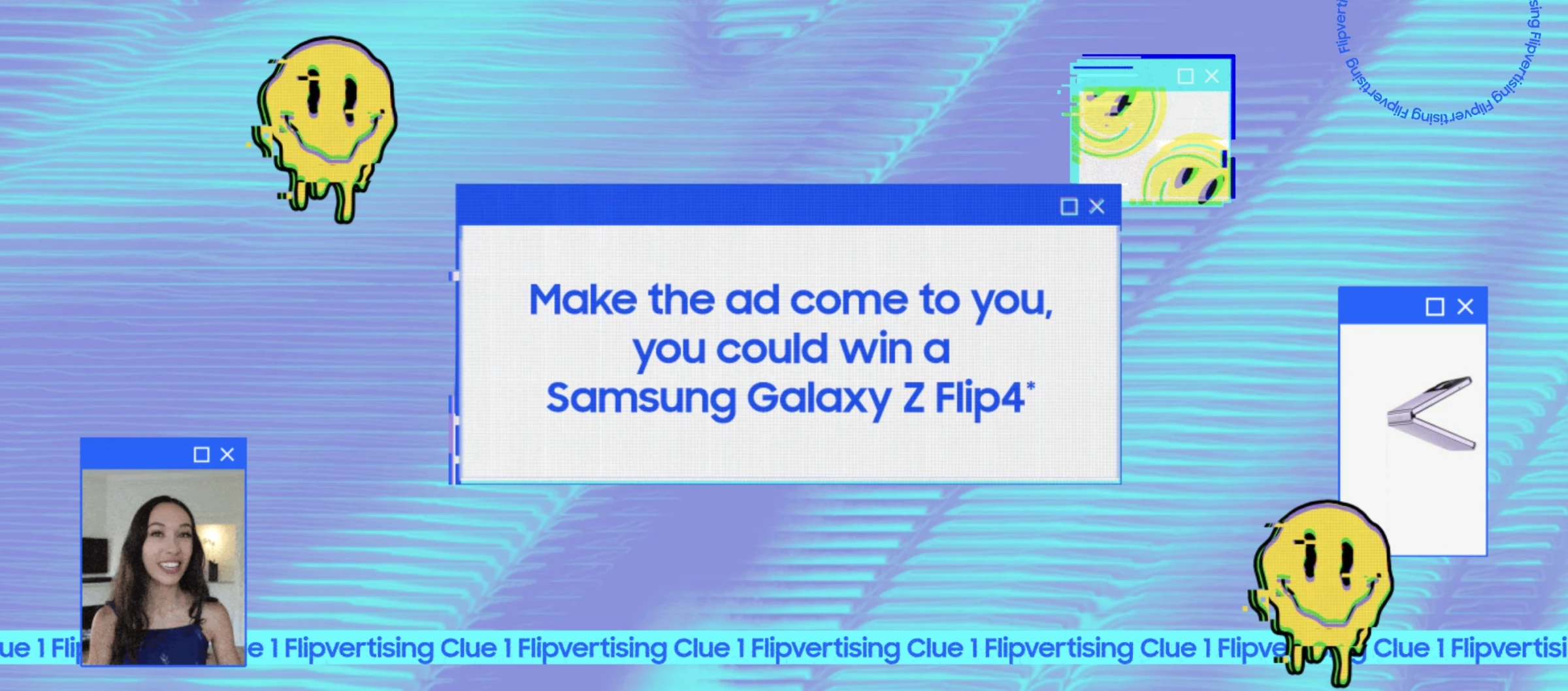
Samsung’s “Flipvertising” campaign turned targeted ads into an interactive game, engaging ad-weary Gen Z consumers.
To debut the Galaxy Z Flip4 smartphone, Samsung Electronics Australia flipped the script on online advertising.
The “Flipvertising” campaign was essentially an internet scavenger hunt — instead of avoiding ads, people were challenged to seek out a secret ad for a chance to win the new phone.
The idea tapped into Gen Z’s skepticism of algorithmic ads by gamifying it: Samsung hid a nearly “un-targetable” YouTube pre-roll ad (the “flipvertisement”) and dropped clues across the web about how to trigger it.
Tech influencers on TikTok and YouTube kicked off the challenge, teasing that by Googling certain keyword combinations and watching Samsung’s product videos, users could train the algorithm to serve them the winning ad.
This clever strategy turned ad targeting into a sport and made the audience an active participant in the campaign.
Channels & Design
The campaign spanned YouTube, Google Search, and social media:
- Samsung released three short online films highlighting key features of the Flip4 (compact design, flex camera, color options). Each video contained a hidden hint for the next search term in the sequence.
- Once someone had viewed all three videos, YouTube’s retargeting algorithm would (with a bit of luck) serve them the special final ad pre-roll, which contained a unique prize code.
- The first person each day to see it won a phone, while others entered a draw.
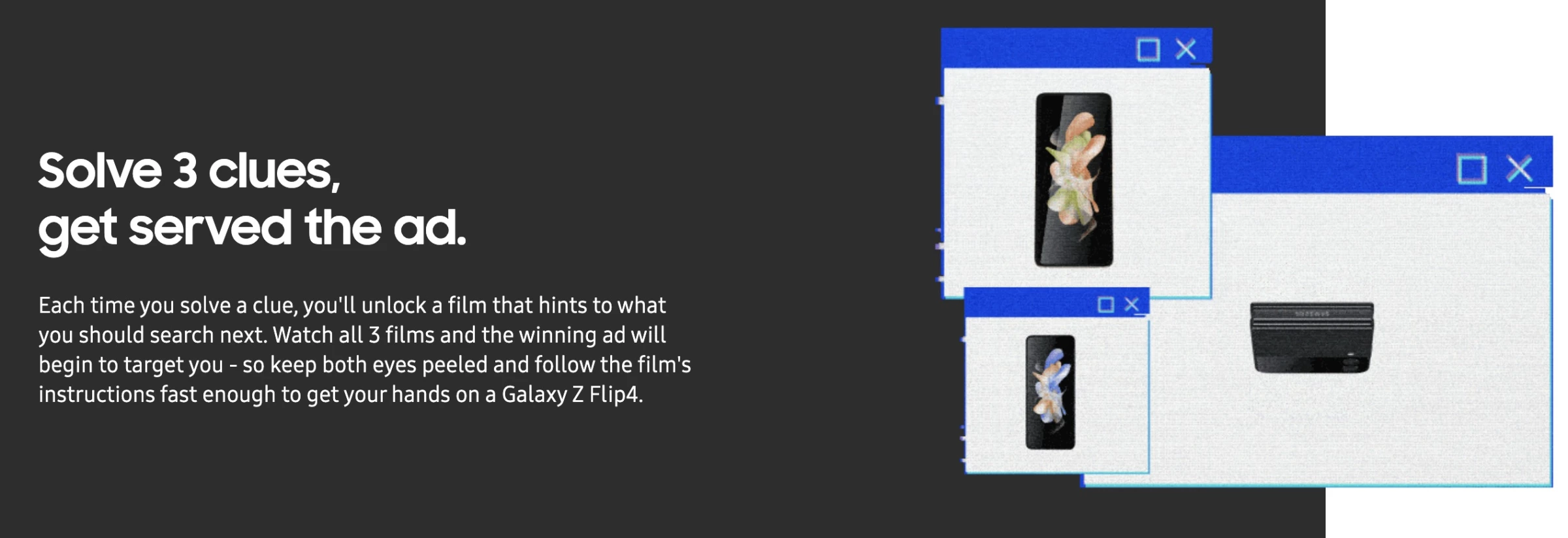
This integrated use of paid search, YouTube, and influencer content created huge buzz; instead of avoiding ads, tens of thousands actively hunted them.
The campaign’s design brilliantly embraced “the algorithm” as a playful element, aligning with the Flip phone’s theme of flipping expectations.
Measurable Outcomes
Flipvertising achieved record engagement and drove sales beyond expectations (Contagious):
- Google reported that it generated 133% higher search volume than any previous Samsung foldable launch, as curious users flocked to participate.
- The intense engagement translated into real business impact: Galaxy Z Flip4 sales rose by 34% compared to the previous model’s launch, and overall ad engagement was 600% higher than industry benchmarks.
- The campaign’s creativity was recognized with major awards, including dual Grand Prix wins at the 2023 Spikes Asia festival (for Digital and Creative Data).
- It was also shortlisted at Cannes Lions 2023 in multiple categories (and won the Social & Influencer Grand Prix).
Most importantly, Samsung succeeded in making Gen Z audiences actually excited about online ads — a feat that not only boosted immediate sales but also gave Samsung’s brand a lift in cultural relevance.
The approach was so novel that it’s now cited as a template for how to turn pervasive ad tech (retargeting algorithms) into an opportunity for interactive storytelling and consumer engagement.

2. Cadbury Celebrations – “Shah Rukh Khan–My–Ad” (Mondelez)
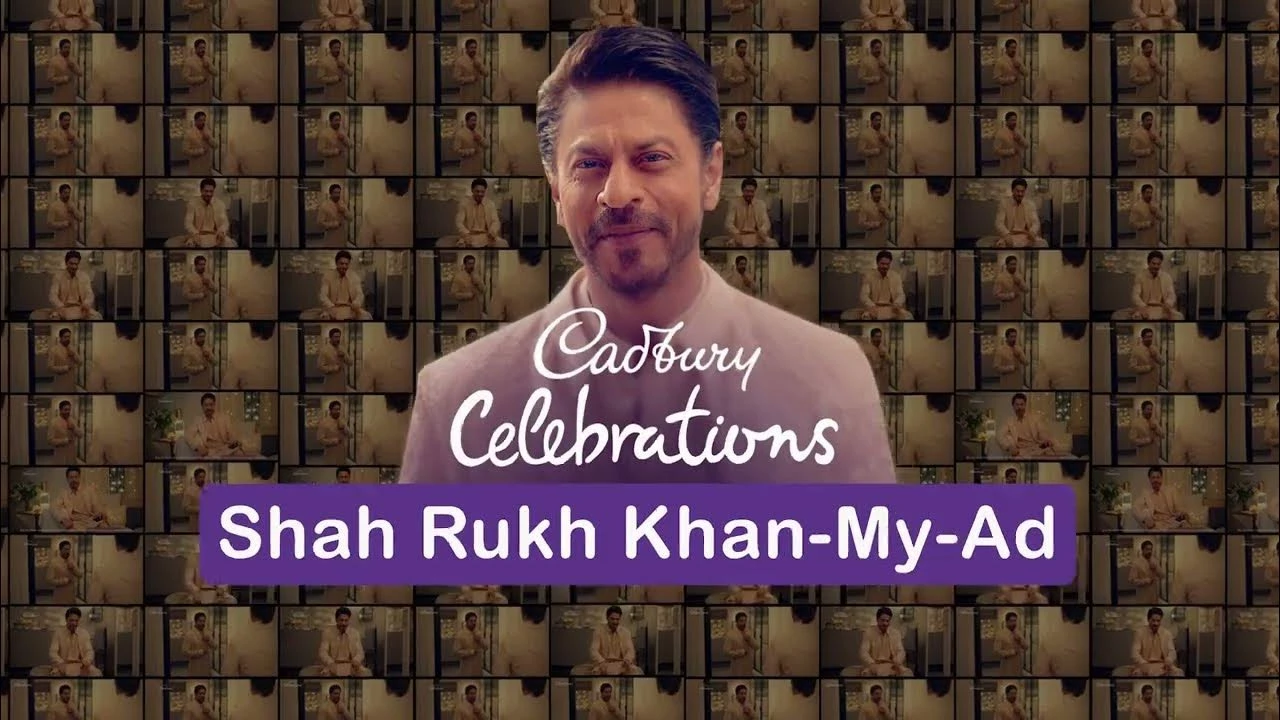
To help small retailers in India recover post-pandemic, Cadbury created a hyper-personalized Diwali ad featuring Bollywood superstar Shah Rukh Khan as a virtual brand ambassador.
Using generative AI, the campaign lets local shop owners easily produce their own version of the ad, with Khan “endorsing” their store by name.
Combining AI-driven video (via Rephrase.ai) with mass personalization, the design seamlessly merged brand content with UGC-style customization.
This innovative twist turned India’s biggest celebrity into thousands of custom micro-ads, making each shopkeeper feel supported by the Cadbury brand
Channels & Design
The campaign rolled out on digital and social platforms.
- Geo-targeted programmatic ads showed Khan promoting nearby small businesses in real time.
- A self-serve microsite allowed any retailer to generate a personalized video of Khan advertising their store, which they could share via WhatsApp and social media.
Measurable Outcomes
- Over 130,000 unique ad versions were created for ~2,000 local businesses, amassing some 94 million video views across YouTube and Facebook (WPP).
- Engagement metrics soared (e.g. +22% higher view-through rates) as consumers loved the personal touch.
- The campaign earned an estimated $1.5 million in free PR and is widely hailed as a case study in media, creativity, and tech coming together to drive meaningful brand connections (AdGully).
- It is also credited as the first from India to ever win a Cannes Titanium Lion (the festival’s highest honor) and took home the 2023 Cannes Creative Effectiveness Grand Prix.
3. Adidas – “Runner 321”

Global sports brand Adidas took an inclusive stand in distance running with its Runner 321 campaign.
Launched on World Down Syndrome Day 2022, it spotlighted Chris Nikic — Adidas’ first sponsored athlete with Down syndrome — and advocated reserving bib number 321 in major marathons for neurodivergent runners.
The number 321 signifies trisomy 21, the genetic condition behind Down syndrome.
The heart of the strategy was turning a symbolic gesture into a movement: by getting race organizers worldwide to permanently designate “321” race bibs for runners with Down syndrome, the campaign aimed to ensure lasting representation in the sport.
This idea perfectly aligned with Adidas’ Impossible Is Nothing ethos, framing inclusion as a bold innovation.
Channels & Design
The campaign’s design was straightforward yet powerful, essentially a policy change communicated as a social initiative.
Runner 321 was promoted through a moving short film and social content telling Nikic’s story (he’s also the first Ironman triathlete with Down syndrome).
- PR outreach targeted sports media and marathon organizers, while partnerships with nonprofits like Special Olympics helped rally community support.
- Adidas provided toolkits for race directors and a dedicated website (adidasRunner321.com) to facilitate sign-ups.
- Social media activations and the press narrative around the Boston Marathon (where Nikic ran with bib 321) generated widespread conversation about inclusivity in sports.
Measurable Outcomes
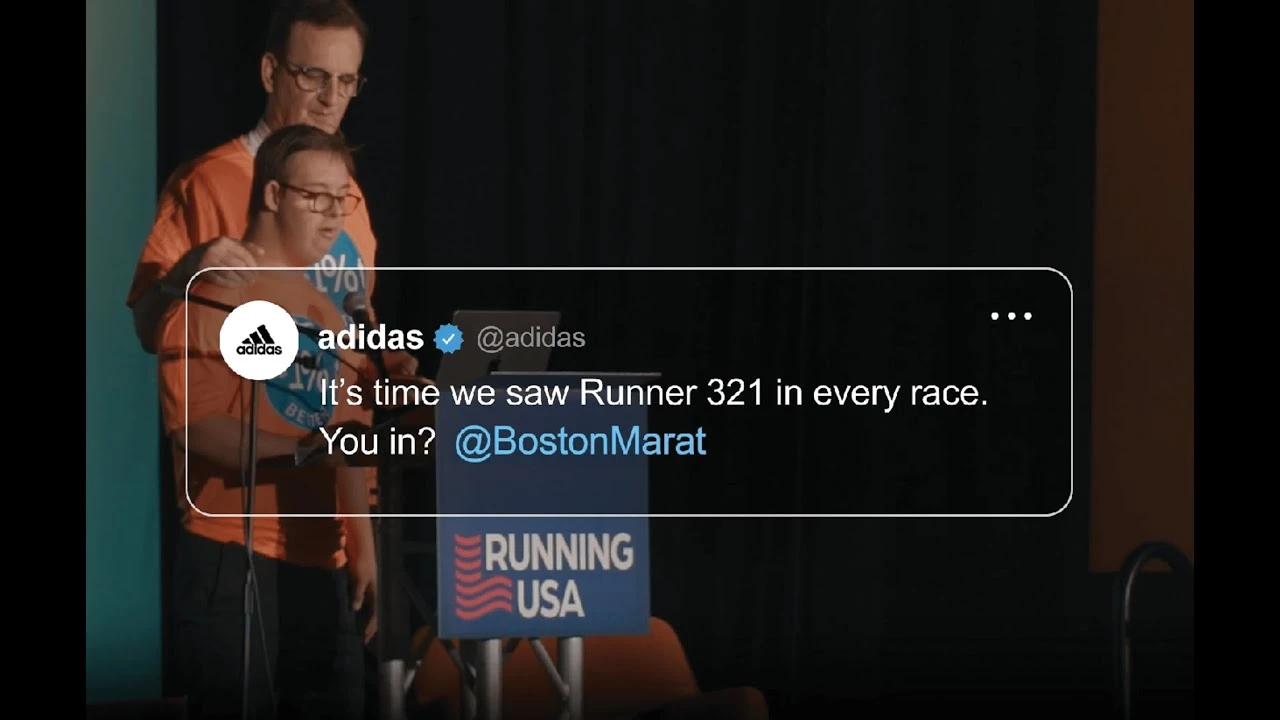
- All six major world marathons, including competitor-sponsored races like Nike, New Balance, and Asics, agreed to reserve bib 321 for neurodivergent athletes.
- Runner 321 won the Cannes Lions Direct Grand Prix for its creative call-to-action (Contagious).
- The movement gained global momentum: Fast Company honored it as a “World Changing Idea” in 2024 for its impact on accessibility in sports.
- More importantly, it sparked real change: within the first year, 327 races added bib 321 for neurodivergent athletes, and 476 runners with disabilities signed up to participate.
By empowering a once-excluded group of athletes, Adidas earned extensive positive PR and strengthened its brand reputation for championing inclusive innovation.
As FCB (agency) executives noted, Runner 321 has inspired athletes in other sports to come forward, suggesting a lasting legacy beyond just one campaign.
4. Mastercard – “Where to Settle”
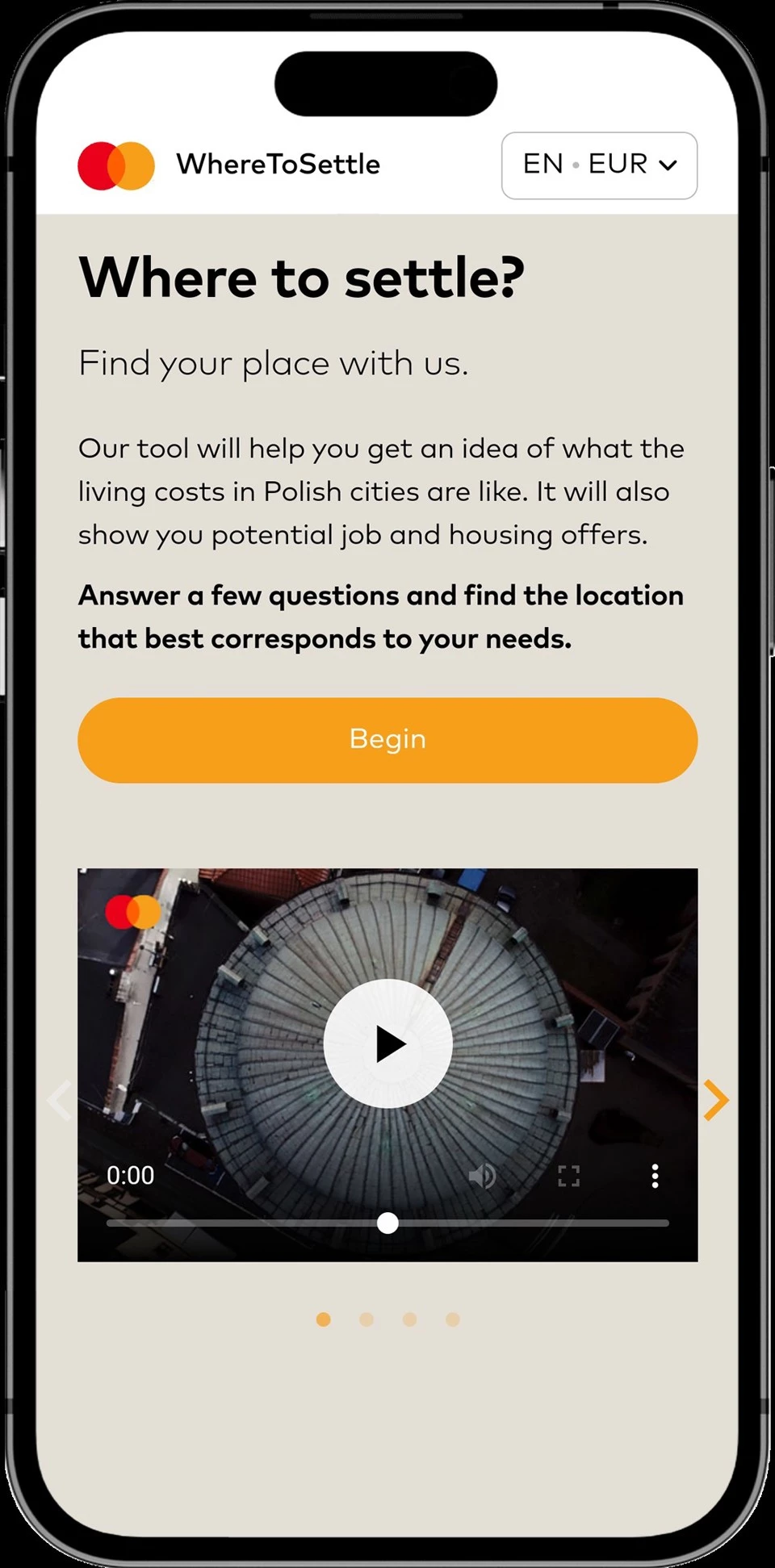
In response to the Ukrainian refugee crisis, Mastercard demonstrated purpose-driven marketing at scale with Where to Settle. It’s a data-powered platform (web and app) that helps refugees in Poland decide where to rebuild their lives.
Instead of a typical ad, Mastercard created an actionable tool: users answer a few questions about their family, job skills, and living needs.
The platform then uses anonymized Mastercard spending data plus government stats to recommend the optimal Polish city or town for them.
Each location profile shows estimated cost of living, local job openings in the user’s field, average salaries, and available housing — crucial information for refugees facing uncertainty.
The strategy brilliantly merged social responsibility with Mastercard’s brand promise of enabling economic connection.
Channels & Design
Where to Settle was developed in just five weeks and rolled out in Polish, Ukrainian, and English.
- The launch was publicized via press releases, humanitarian forums, and social media (using the hashtag #WhereToSettle).
- Mastercard collaborated with Polish real-estate and job portals to integrate live listings and with NGOs to spread awareness among refugees.
- The UX was designed to be simple and empathetic: a short anonymous questionnaire leading to personalized insights, all in the user’s native language for clarity.
By focusing on utility over traditional advertising, the campaign positioned Mastercard as a problem-solver in a time of crisis, reinforcing its “Priceless” values in a very tangible way.
Measurable Outcomes
Where to Settle has been widely lauded for its effectiveness and humanity.
- It attracted over 242,000 users in its first months, with around 73,000 refugees completing the full assessment (Shorty Awards).
- Based on average family size, an estimated 300,000+ people (roughly 20% of all Ukrainian refugees in Poland) have been guided to communities where they are more likely to find stability.
- By helping to better distribute refugee resettlement, the initiative is projected to boost the Polish economy (incoming Ukrainians could add up to +3.5% GDP).
- The platform’s success earned Mastercard a coveted D&AD Black Bencil in 2023 for digital innovation.
- It also won Gold in the Effie Awards Europe for Positive Change.
The campaign also inspired Mastercard to expand its “Room for Everyone” program with new features like live job and apartment listings.
Ultimately, this campaign’s measurable social impact proved the power of combining data insights with a brand’s core competencies for good.
5. Dove – “#TurnYourBack” (Unilever)
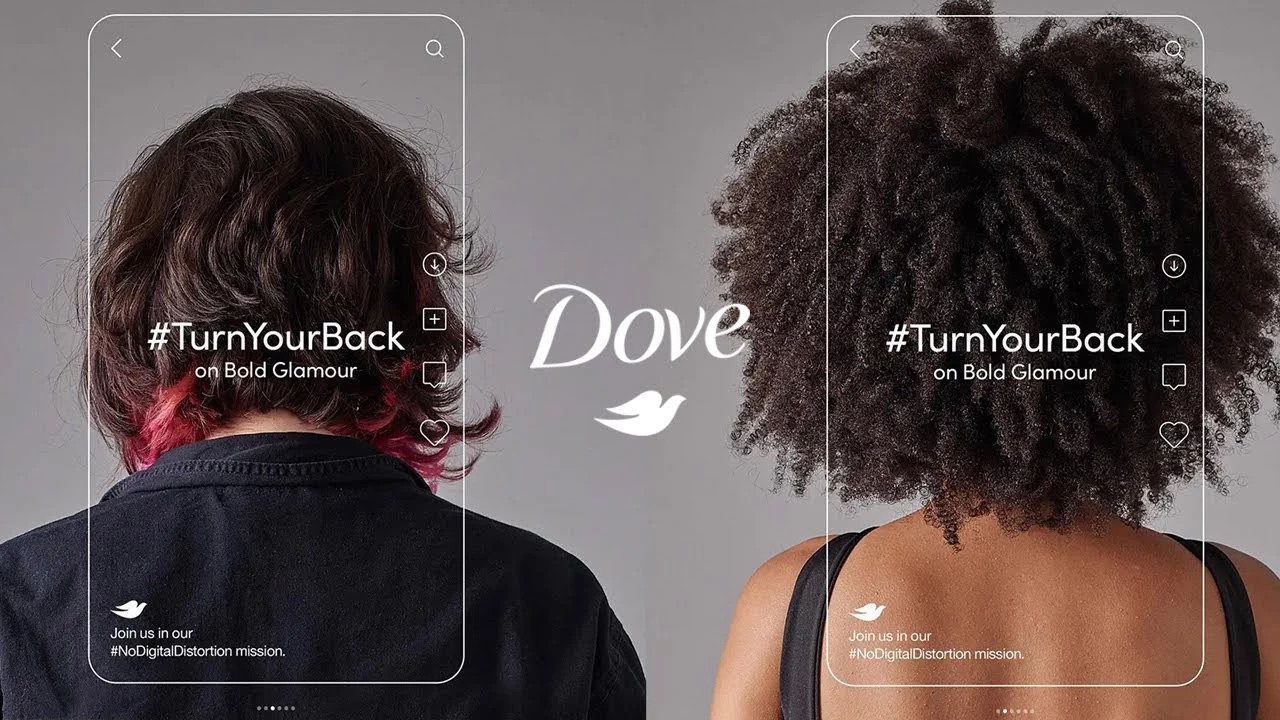
Dove’s #TurnYourBack TikTok initiative rallied creators and the public to reject harmful beauty filters. To continue its “real beauty” advocacy, the #TurnYourBack campaign is a rapid-response social media movement against TikTok’s viral “Bold Glamour” filter.
Bold Glamour was an AI-powered beauty filter that altered women’s faces too perfectly, promoting unrealistic beauty ideals among young girls.
In line with Dove’s Self-Esteem Project values, the brand decided to counter this trend by encouraging people (especially influencers) to literally turn their backs on the filter.
Dove enlisted 68 influencers, including actress Gabrielle Union, to post videos where they apply the Bold Glamour filter, express how it makes them feel, and finally turn away from the camera in rejection.
The creative strategy was straightforward activism: use the power of social proof and a catchy format to flip a harmful trend into a positive one.
Channels & Design
The campaign was born on TikTok but spread across social media platforms.
This simple, symbolic action (essentially a TikTok “challenge”) was highly replicable, allowing anyone to join in with the hashtag #TurnYourBack.
- Influencers on TikTok, Instagram, and YouTube shared #TurnYourBack videos, often tagging Dove and referencing the Dove Self-Esteem Project’s resources.
- Dove’s agencies (Ogilvy, DAVID, Mindshare) managed to amplify these user-generated clips with strategic media coverage and partnerships.
- The design emphasis was on authenticity; most videos were shot selfie-style, showing real reactions to the filter, to contrast the polished “perfect” look Bold Glamour gave.
- Dove also provided talking points about the negative mental health effects of distorted beauty filters, which many creators incorporated.
By using a trending format (TikTok challenges) for a serious message, the campaign felt native to the platform and earned widespread organic participation.
Measurable Outcomes
The #TurnYourBack campaign quickly went viral, demonstrating Dove’s cultural relevance and impact.
- In just the first week, TikToks using #TurnYourBack amassed over 54 million video views and more than 567,000 engagements, with 94% positive sentiment in key markets (WPP).
- The message resonated globally. The initiative garnered at least 174 press articles (Women’s Health, WWD, Vanity Fair, etc.) covering Dove’s stance (WPP).
- Awards-wise, #TurnYourBack earned Gold at Cannes Lions 2023 (in the Media category) for effectively influencing culture.
- It also won a Webby Award for Public Service & Activism in Social Media.
The campaign not only sparked conversations (and countless duets/reactions on TikTok), but it also contributed to tangible change:
- By mid-2023, TikTok had added disclaimers about the Bold Glamour filter, and educators/parents increasingly cited Dove’s materials for digital distortion.
Most importantly, the campaign solidified Dove’s position as a credible advocate for real beauty online, showing how a brand can swiftly mobilize a community to combat toxic trends — one hashtag at a time.
How To Design a Marketing Campaign With Proven Strategies
Designing a high-performance campaign is both art and science. Below are the core elements that any results-driven campaign must nail down:
- Define clear, measurable objectives
- Build audience intelligence & message fit
- Plan an omnichannel journey
- Apply design thinking to revenue goals
1. Define Clear, Measurable Objectives
Great campaigns start with clear targets — whether it’s lowering CAC, boosting LTV, or improving brand awareness. Every message and creative asset should align with these goals and the buyer journey.
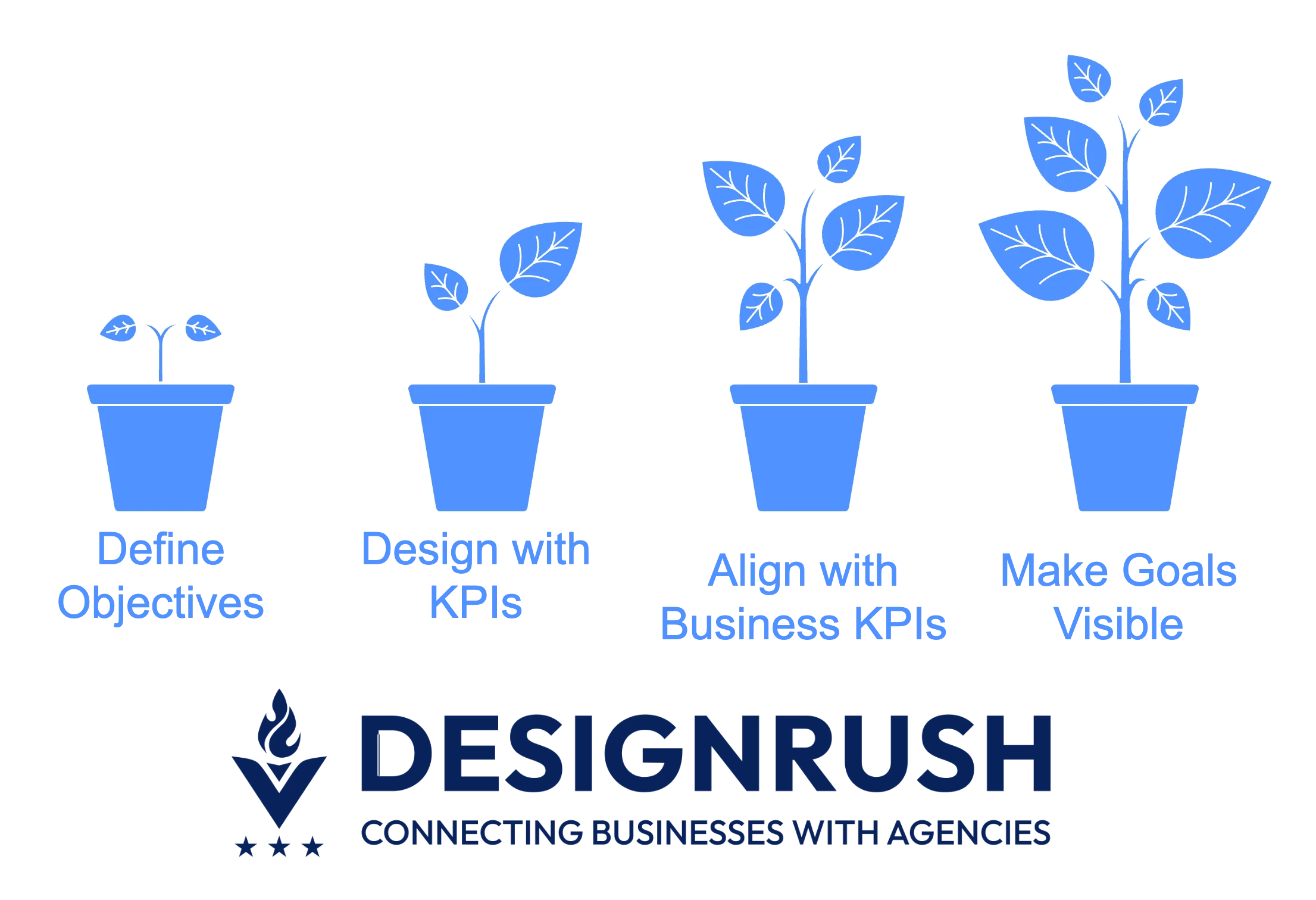
In practice, this means designing with KPIs in mind from the start:
- Let goals shape your creative: For example, if lowering CAC is the aim, prioritize strong CTAs and streamlined landing pages that improve conversion.
- Align with business KPIs: If churn reduction matters, add tactics like customer education webinars to support it.
- Make goals visible: Post them in your workspace or pin them in your project tool to keep the team focused on outcomes, not just outputs.
2. Build Audience Intelligence & Message Fit
Winning campaigns are audience-obsessed. This means going beyond basic demographics and delving into psychographics, behaviors, and intent signals.
The goal: achieve message-to-market fit so precise that your content feels almost personalized to each reader or viewer.
Start with smarter segmentation:
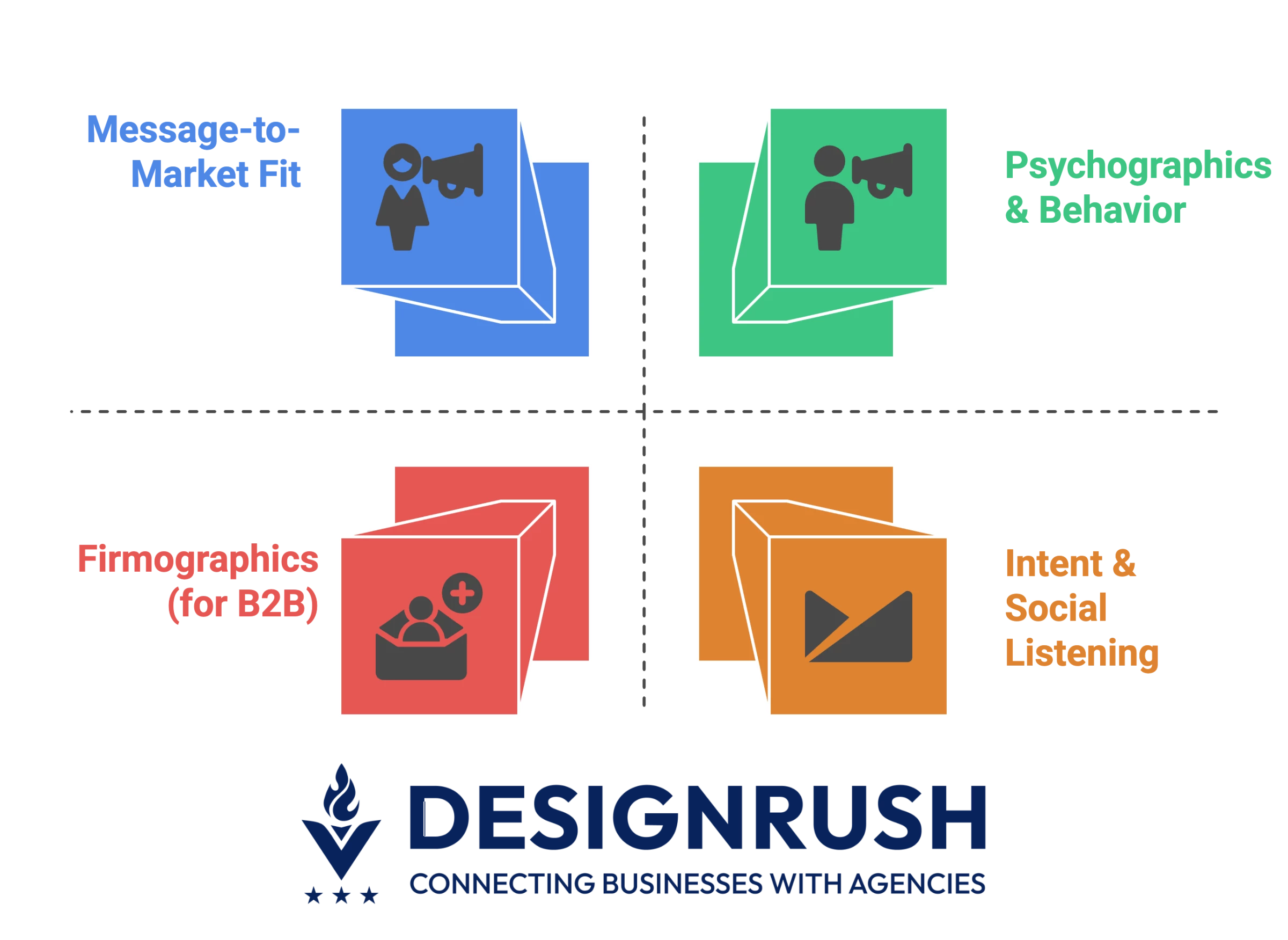
- Psychographics & behavior: What drives your audience’s decisions? If they value data, lead your ad with a strong stat.
- Firmographics (for B2B): Tools like Clearbit or ZoomInfo help you tailor messaging by industry, role, or company size — e.g., “fintech enterprise CIOs” versus “startup CTOs.”
- Intent & social listening: Monitor what prospects search for or follow. Campaigns using enriched profiles (psychographics + intent) see up to 40% higher engagement and 25% lower bounce rates.
To operationalize this:
- Build persona briefs that cover motivators, objections, and preferred channels.
- Map each persona to the buyer’s journey with content for awareness, consideration, and decision stages.
- Mirror your audience’s language to improve resonance — if they say “X,” don’t call it “Y.”
3. Plan an Omnichannel Journey
Today’s customer journeys span multiple channels — from TikTok to Google Search to email — before a conversion occurs. Smart campaigns plan for this with platform-native, journey-aware creative.
That means:
- Platform-native: Tailor creative to each platform’s style. A LinkedIn carousel with stats builds authority, while a TikTok meme drives awareness.
- Journey-aware: Match your content to each funnel stage.
Consider this channel role breakdown:
Channel | Primary Role | Best-Fit Creative |
Awareness & Authority (TOFU) | Thought leadership posts, carousels, expert videos | |
TikTok | Broad Awareness (TOFU) | Short-form storytelling, brand trends, and behind-the-scenes |
Nurture & Consideration (MOFU) | Personalized drips, behavior-triggered emails | |
Webinars | Mid-Funnel Education (MOFU) | Live Q&A, demos, gated sessions for lead capture |
Paid Search | Intent Capture (BOFU) | High-intent ads driving to focused landing pages |
(TOFU = Top of Funnel, MOFU = Middle of Funnel, BOFU = Bottom of Funnel)
Use a journey mapping tool like Lucidchart or a simple flowchart to map the path:
- → Prospect sees a TikTok video (awareness) → Retargeted with a LinkedIn whitepaper ad (consideration) → Searches Google and clicks a comparison page (decision) → Converts on your site.
As Leslie Licano, co-founder and CEO of Beyond Fifteen Communications, explains:
"It’s about deploying the right mix of strategies and tactics to transform those blink-of-an-eye moments into omnichannel marketing campaigns that build enduring brand recognition, bolster credibility, and generate strong marketing-qualified leads."
4. Apply Design Thinking to Revenue Goals
This approach is the new standard. Agile teams use design thinking to create great experiences and revenue thinking to convert them.
In practice:
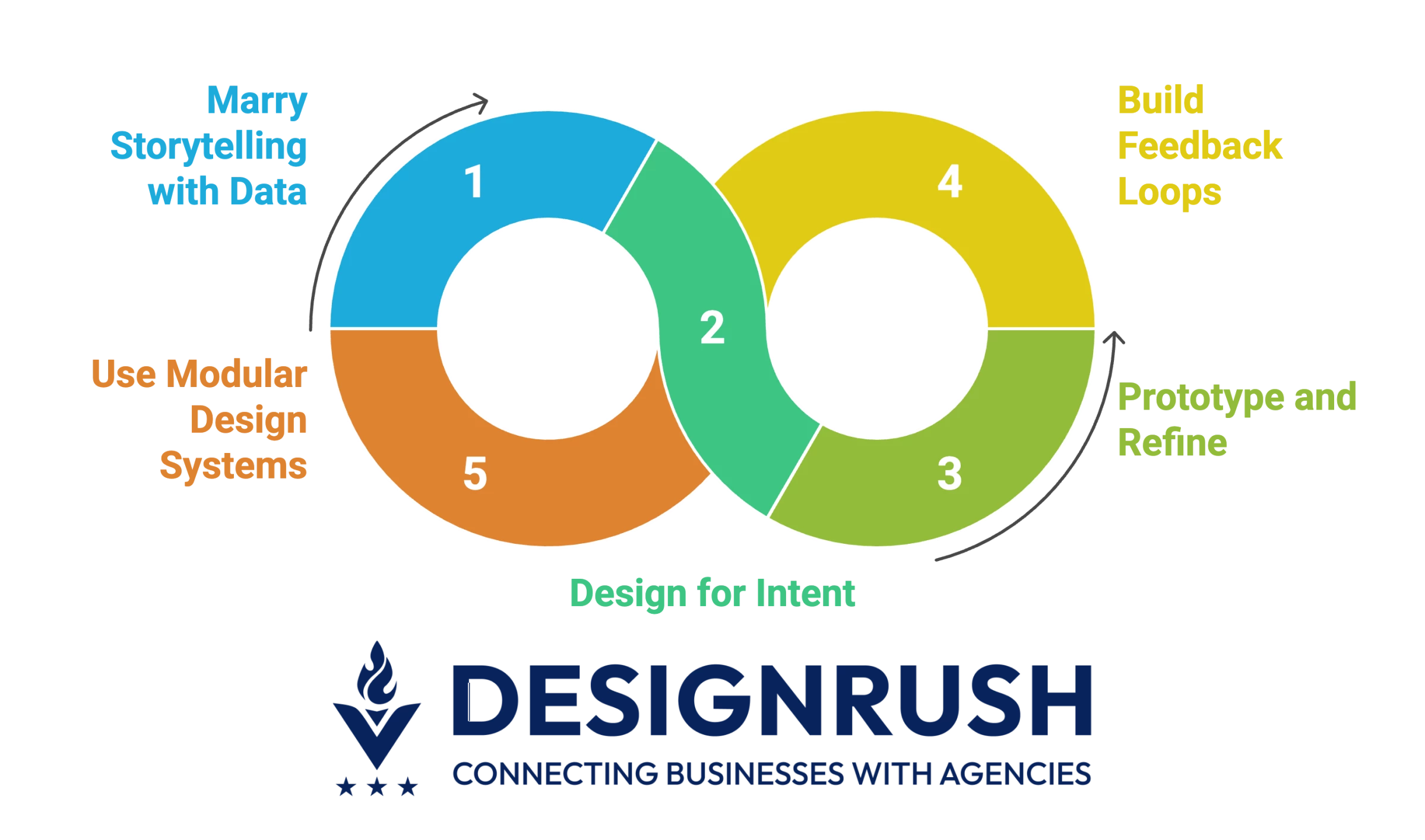
- Marry storytelling with behavior data: If a lead visits your pricing page, follow up with an ROI case study.
- Design for intent: Every creative asset should drive a next step (click, sign-up, etc.). Campaigns today are modular systems that adapt as leads move through the funnel.
- Prototype and refine: Test key assets early with small audiences. Example: an A/B test shows one landing page drives 30% more sign-ups, so you scale that version.
- Build fast feedback loops: Give creative teams real-time performance data through dashboards or Slack alerts to pivot quickly.
- Use modular design systems: Reusable templates for ads, emails, and social posts speed up production and ensure brand consistency.
McKinsey found that companies embedding design leaders in strategic planning generate much higher shareholder returns. The message is clear: design must be baked into the business strategy to drive real growth.
Toolkit That Powers Modern Campaign Design
High-performance campaign design isn’t just about ideas; it’s also about execution. The right tools and processes can dramatically improve collaboration, speed, and consistency.
Here’s a look at a typical high-performance MarTech stack that fuels campaign execution:
- Marketing automation (Marketo): Automate emails, lead scoring, and nurture flows. Example: auto-send demo invites after a webinar.
- Analytics & dashboards (Looker Studio, GA4, Databox): Real-time dashboards show metrics like CAC by channel, enabling fast pivots.
- Integrations (Zapier, Make, Slack bots): Automate data syncs across platforms. Example: instantly alert your team in Slack when a lead form is filled.
- A/B Testing & Personalization (Optimizely, VWO, Mutiny): Test variations of landing pages and dynamically adjust messaging by audience segment.
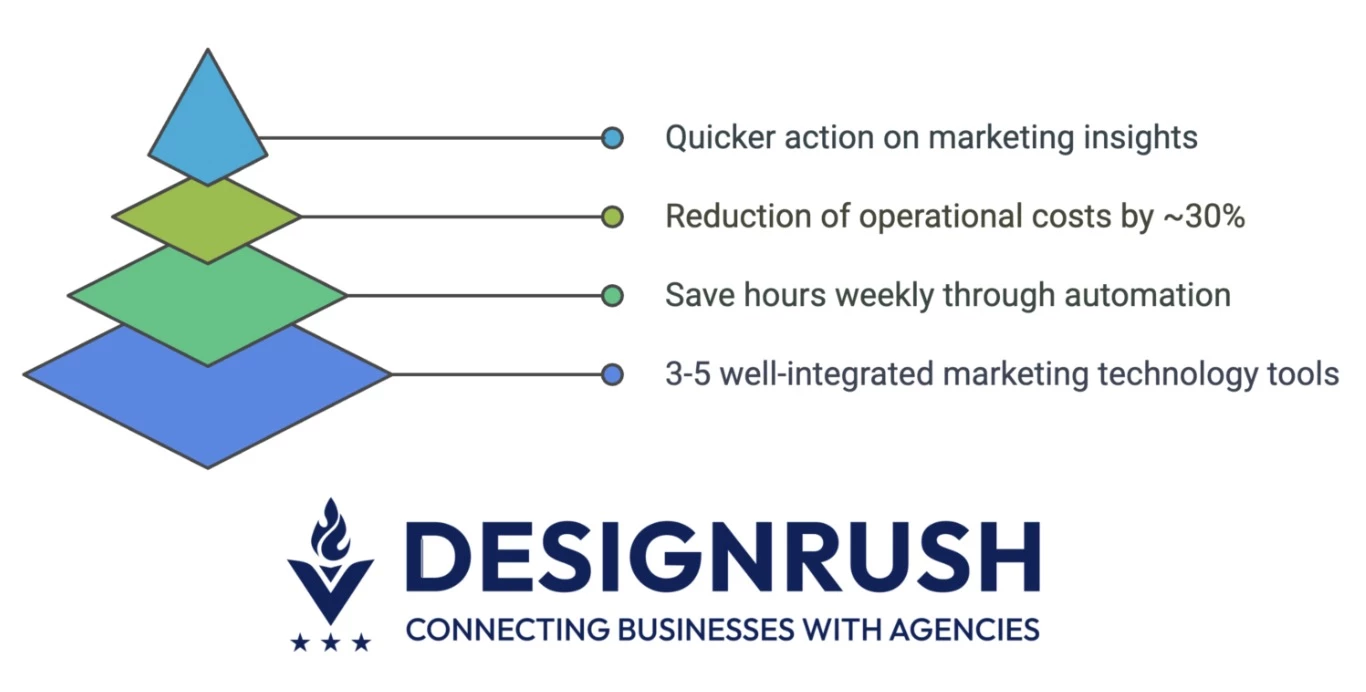
Gartner notes that leading B2B companies use a tight set of 3–5 core MarTech tools that integrate well, rather than 15 disjointed tools. It’s not about the quantity of tools, but the quality of integration.
Agencies using automation and integrated tools also save hours weekly, cut ops costs by ~30%, and act on insights faster.
Campaign Design: Final Words
In an era of rising ad costs, fragmented consumer attention, and increasing buyer skepticism, how you design and execute campaigns can make or break your growth.
Success comes from alignment: aligning creative design with data and marketing execution with business goals. Remember, great campaigns are engineered, not just dreamed up.

Our team ranks agencies worldwide to help you find a qualified partner. Visit our Agency Directory for the Top Digital Marketing Agencies as well as:
- Top Digital Advertising Agencies
- Top Marketing Strategy Agencies
- Top Content Marketing Agencies
- Top Creative Agencies
- Top Performance Marketing Agencies
Campaign Design FAQs
1. What is campaign design in marketing?
Campaign design is the process of planning and structuring all creative and strategic elements of a marketing campaign to drive business goals.
It involves defining your audience and message, choosing the right channels, creating content and visuals, sequenced to guide prospects from awareness to conversion.
Unlike isolated ads, campaign design builds an integrated, multi-channel journey.
2. What makes a campaign design successful?
A successful campaign design has several hallmarks:
- Clear goals and KPIs
- Deep audience insights for resonant messaging
- Modular creative assets tailored to channels
- Cohesive omnichannel execution
- A performance-driven mindset with built-in testing and optimization.
Great campaigns should emotionally connect with the audience and be structured for conversion.
3. How often should campaigns be redesigned or optimized?
Modern teams optimize continuously:
- Minor tweaks (subject lines, visuals, bids) happen weekly during a campaign.
- Major creative refreshes or strategy shifts typically happen quarterly, based on performance reviews.
- If a campaign underperforms, test and adjust immediately—don’t wait for it to finish.
Agile teams optimize in real time and redesign campaigns every few months to stay effective.