- Agency: Jason Mitcham
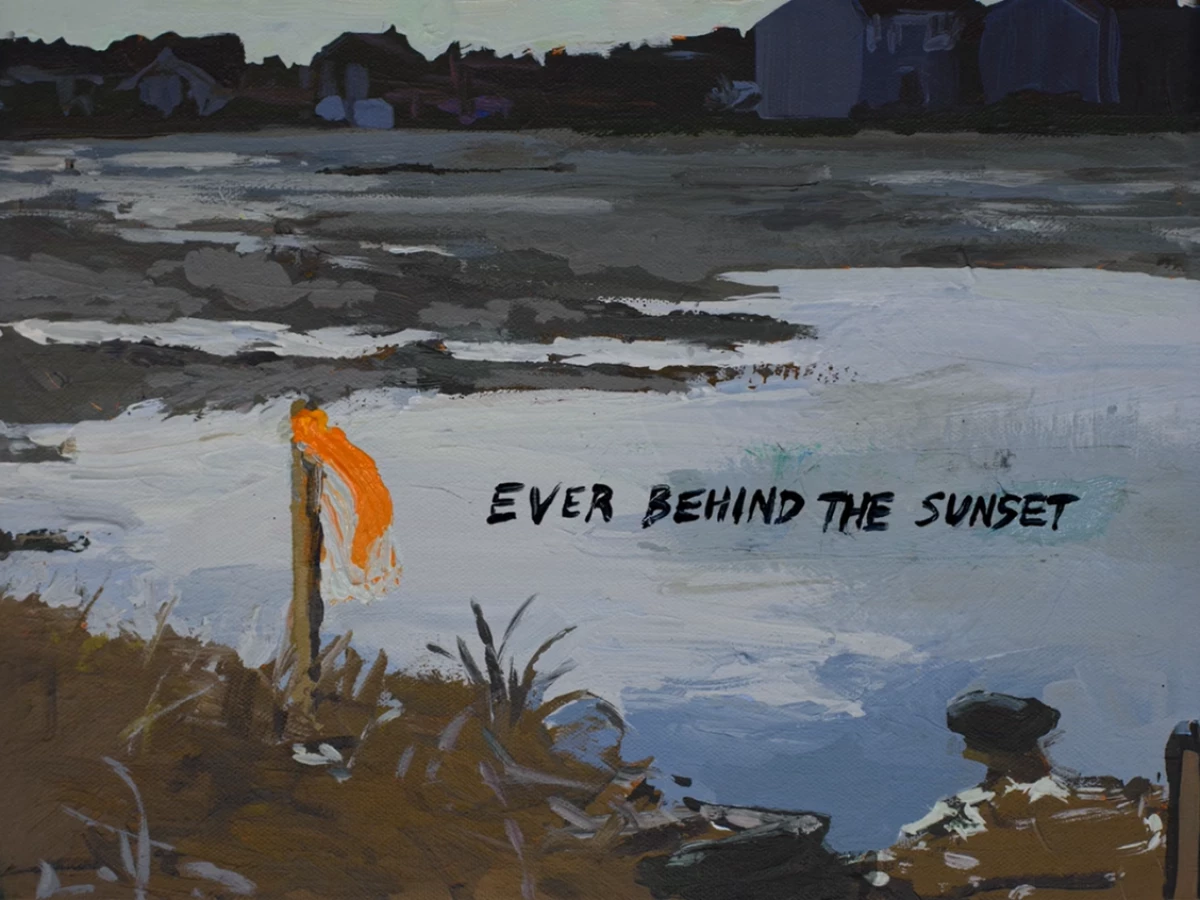
- Title: Ever Behind The Sunset
- Category: Video Design — Animation
- Project Brief: Create a short film that reconstructs the memory of a lost family home through tactile animation, capturing the emotional weight of displacement and erasure.
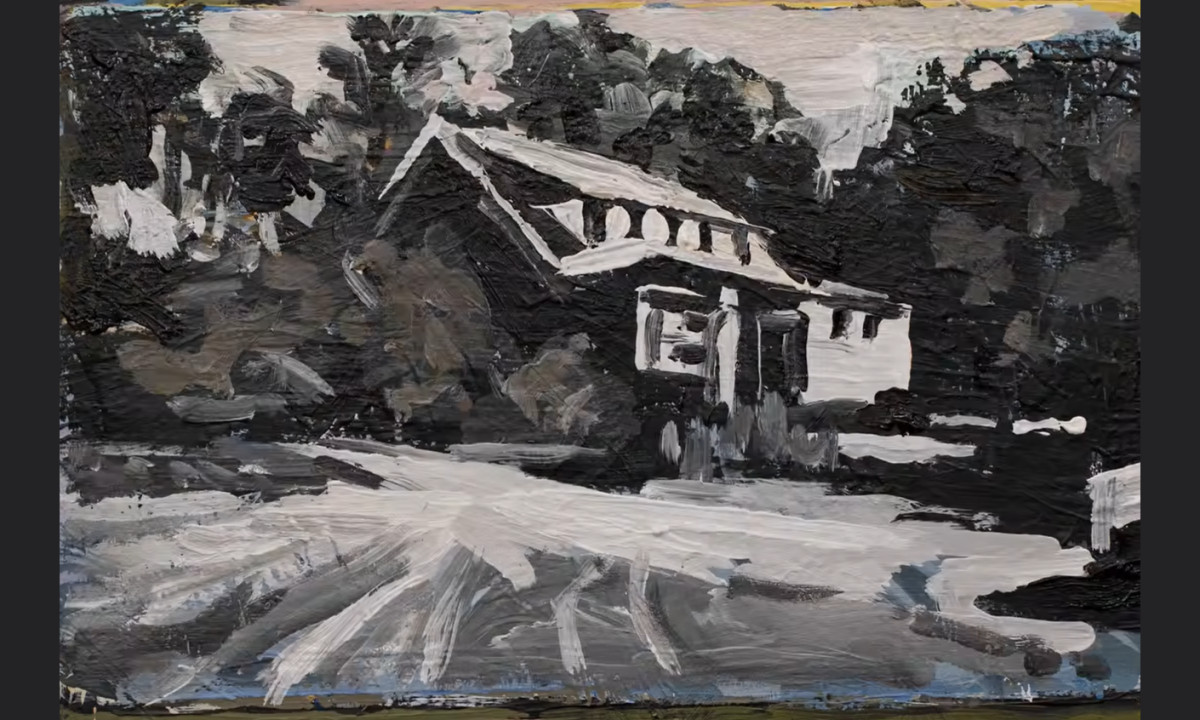
At the heart of memory-driven animation is a single challenge: making the form feel inseparable from the story it tells. Ever Behind The Sunset traces the disappearance of a family home through eminent domain, a loss too layered to be conveyed through archival material alone. Instead, it turns to hand-painted stop-motion film, where each frame carries the texture, fragility, and emotional residue of what can no longer be returned to.
Ever Behind The Sunset unfolds through textured brushstrokes, fading pigments, and surfaces that feel worn down by time. Warm dusk tones—burnt oranges, muted reds, and washed-out yellows—dominate the palette, evoking both nostalgia and finality. The visuals never settle; each frame shifts, cracks, or dissolves, reinforcing the instability of memory itself.
The imagery leans into fragmentation. Houses stretch and collapse, roads bleed into horizons, and domestic spaces dissolve into abstract fields of color. Figures appear only as traces—impressions rather than bodies—suggesting presence without permanence. What remains is not documentation, but sensation: how the place is remembered, not how it looked.
The motion design mirrors this disintegration. Scenes bleed into one another, as if painted over in real time, while archival audio drifts in and out like distant echoes. Moments of stillness give way to sudden shifts, capturing the uneven rhythm of recollection. Ever Behind The Sunset becomes a landscape of memory in flux—one that cannot be revisited, only reimagined.