Everything You Need to Know Before Hiring Packaging Design Agencies
Table of Contents
How does the packaging design process work?
Packaging design follows a structured process that moves from strategy to production-ready files. The goal is to create packaging that sells the product and works in manufacturing without errors.
1. Strategy and research
A packaging design agency starts by understanding your product, target customer, price point, and competitors. This defines how the packaging should look and what it must communicate.
The strategy stage includes:
Market and competitor analysis
Retail and eCommerce requirements
Compliance needs like barcodes or ingredient labels
Packaging goals such as premium positioning or cost reduction
Without this step, the design may look good but fail commercially.
2. Concept development
Designers create multiple visual directions to explore different ideas before choosing one.
Concept development usually includes:
Sketches and mood boards
Logo and layout exploration
Color and typography options
2D and 3D mockups
You review concepts and select one for refinement.
3. Structural design and dielines
If the packaging shape is customized, a packaging design company creates the structural template that production will use.
The structural design phase defines:
Exact package size and shape
Folding and assembly method
Label placement
Material specifications
This ensures the packaging works with your manufacturer.
4. Prototyping and testing
The agency produces physical samples, so you can test the packaging before mass production.
The prototyping and testing phase helps verify:
Product fit and protection
Shelf appearance
Ease of opening and handling
Print quality and materials
Changes happen here before final approval.
5. Final artwork and production handoff
Once approved, the agency prepares technical files for manufacturing.
In this phase, they deliver to manufacturers:
Print-ready artwork
Color specifications
Final dielines
Files formatted for your printer
Manufacturers use these files to produce your packaging at a scale.
6. Production support
Many packaging design companies stay involved during printing to prevent errors.
They may:
Review print proofs
Approve production samples
Coordinate with manufacturers
Their involvement in this phase protects quality and prevents costly mistakes.
What specific services do custom packaging design companies provide?
Custom packaging design companies handle both the visual design and the technical preparation needed for manufacturing . They ensure your packaging attracts buyers, protects the product, and works in real production.
1. Packaging strategy and research
Work begins by defining how the product should compete on the shelf and how packaging supports sales, positioning, and compliance. Decisions made here affect every downstream design and production step. A strong strategy prevents redesigns later.
Core activities include:
Competitor and shelf analysis
Packaging audits and redesign recommendations
Product positioning and messaging definition
Packaging system planning for multiple SKUs
A clear strategic direction ensures packaging communicates the right value and appeals to the intended buyer.
2. Visual packaging design
Focus then shifts to creating the graphics customers see and interact with. Designers translate brand identity into packaging that attracts attention and communicates key information quickly.
Typical deliverables include:
Label design
Box, bottle, pouch, or container graphics
Typography, color palette, and imagery
2D mockups and realistic 3D renders
Professional visual design improves perceived product value and increases purchase likelihood.
3. Structural design and dielines
Physical structure determines how the packaging functions, protects the product, and runs on production lines. Agencies engineer layouts that manufacturers can produce reliably.
Technical work includes:
Custom box or container structure design
Dieline creation for cutting and folding
Size and layout specifications
Production-ready templates for printers
Accurate structural planning prevents manufacturing failures and product damage.
4. Prototyping and testing
Physical samples allow teams to evaluate packaging before committing to full production. Testing reveals problems that digital files cannot show.
Prototyping services include:
Printed prototypes and mockups
Material and finish samples
Assembly and durability testing
Print proof and color accuracy review
Early testing reduces the risk of expensive production errors.
5. Production and print preparation
Manufacturers require highly precise technical files. Agencies prepare and verify these assets so that packaging prints correctly and meets technical standards.
Production preparation includes:
Print-ready artwork files
Color profiles and print specifications
Barcode and compliance placement
Coordination with printers and suppliers
Proper preparation ensures packaging looks correct and moves smoothly into production.
6. Packaging system and SKU rollout
Brands with multiple products need packaging that stays consistent while allowing variations. Packaging design companies build scalable systems that support growth.
System development includes:
Packaging templates for future SKUs
Variant designs for flavors, sizes, or versions
Packaging style guides
Ongoing packaging updates and extensions
Structured systems reduce future design costs and maintain brand consistency across product lines.
What can packaging design companies do for your business?
In 2026, packaging design plays a direct role in sales, pricing, and customer loyalty. It affects whether people notice your product, trust it, and choose it over competitors.
Key benefits that the best packaging design agency can provide are:
1. Direct Influence on Purchase Decisions
Packaging often determines whether a customer buys your product or ignores it. People use packaging to judge quality, value, and trust.
2. Increased Brand Loyalty and Retention
Packaging helps customers remember your product and recognize it later. Consistent and clear packaging builds trust over time.
Packaging and labels are the second most trusted source of product information globally, after recommendations from other people.
39% of consumers are more likely to share a product on social media if the packaging is sustainable or visually distinctive .
Consistent colors, logos, and layouts help customers find your product faster and trust it more.
3. Premium Positioning and Higher Margins
Better packaging allows companies to charge higher prices because customers see the product as more valuable.
Products with sustainability claims show 1.5% higher growth than products without them.
43% of consumers are willing to pay more for products with sustainable packaging .
Consumers under age 45 are willing to pay up to 40% more for products with certain sustainable packaging features.
4. Competitive Advantage through Sustainability
Sustainable packaging directly affects buying decisions and brand switching.
90% of consumers are more likely to buy from brands that use eco-friendly packaging .
39% of consumers have switched to a competitor because it offered more sustainable packaging .
54% of shoppers have chosen a product specifically because of its sustainable packaging in the last six months.
5. Operational Efficiency and Cost Reduction
Packaging design affects shipping cost, storage, and logistics efficiency.
The packaging automation market is expected to reach $134.6 billion by 2032 as companies improve packaging efficiency.
Over 55% of logistics companies use smart packaging like RFID or NFC to improve tracking and reduce losses.
Flexible packaging reduces weight and size, which lowers shipping costs and fuel expenses.
What red flags to avoid when interviewing packaging design firms?
Packaging problems become expensive only after printing starts, when changes require reprints, production delays, or product recalls. Many agencies focus on visuals but lack technical and manufacturing depth. These red flags signal risk that can lead to operational and financial damage later.
No experience with production and manufacturing No structural design or dieline capability No prototyping or physical testing process No knowledge of labeling and regulatory requirements Unclear deliverables or refusal to provide production-ready files No direct collaboration with manufacturers or printers Unrealistically low pricing compared to market rates Portfolio shows only digital mockups, no real-world packaging photos
What questions to ask packaging design companies before signing a contract?
Choosing the right packaging partner affects product launch speed, production cost, and shelf performance. Asking the right questions reveals whether the packaging design firm has the technical ability and process discipline required for your product.
Relevant Background
What packaging design projects have you completed in our industry?
Can you share case studies showing measurable results from your packaging work?
Do you have experience with packaging for our product type and price segment?
Have you worked with retailers or distributors we plan to sell through?
Services and Processes
What is your complete packaging design process from strategy to production?
Do you provide structural design and dielines, or only visual design?
Do you handle prototyping, print preparation, and production support?
How do you collaborate with manufacturers and printers during production?
Related to Your Project
Who will work on our project and what are their roles?
What timeline do you estimate for our specific packaging project?
How many design concepts and revision rounds are included?
What deliverables and production-ready files will we receive at the end?
Why Companies Trust DesignRush
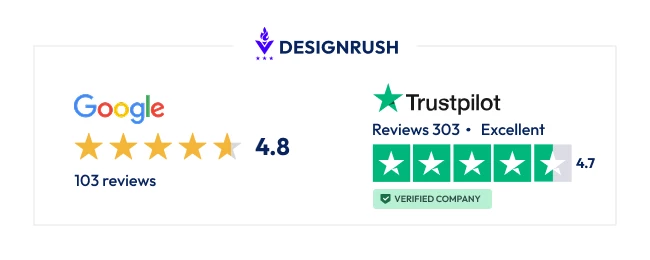
Rated 4.8 on Google and 4.7 on Trustpilot , DesignRush Agency Directory is a reliable resource for finding packaging design companies. We owe this to our executive selection team, which follows a strict screening process when featuring agencies on the platform, assessing key performance indicators, like portfolio, client reviews, and industry reputation.
Learn more about DesignRush Agency Ranking Methodology .
Sources
DesignRush sustains a directory of over 40,000 agencies categorized by service category, location, expertise, and reviews. We build our database in two ways:
Our dedicated team of agency experts actively searches the web for top-performing companies. We then pull information from their websites, online presence, and client testimonials to verify their status and qualifications prior to listing.
The agencies listed get notified of their profiles on the website and they can choose to claim it or not, which suggests their availability for more collaborations.
Agencies can also reach out to DesignRush and must go through the verification process prior to being listed.