Finding the top PR firms in India is harder than it looks: the market is vast, competitive, and full of options that aren't right for every business. Explore our vetted list to find agencies with proven track records, verified credentials, and experience in your industry.
How to Hire PR Companies in India
What is the most common mistake businesses make when hiring a public relations agency in India?
The most common mistake is judging PR agencies by the number of placements they promise instead of the quality of the coverage they can actually secure.
High placement counts are easy to manufacture through:
Press release syndication
Sponsored content
Low-authority media sites
Aggregator websites
The reports look impressive, but the coverage often generates no real audience reach, search visibility, or business impact.
Strong PR involves credibility and relevance.
A single earned feature in a publication your target audience actually reads is usually more valuable than dozens of low-quality mentions.
To evaluate an agency properly, ask it to walk you through a real campaign it executed.
A strong agency should be able to explain:
Which journalist covered the story
What was the narrative angle
Why the publication picked it up
Whether the coverage was earned or paid
What results did the campaign generate
Agencies with real media relationships answer these questions clearly and specifically. The ones relying on volume tactics usually shift the conversation toward client logos and placement numbers instead.
Another common mistake is expecting PR results too quickly.
Even the best PR agency in India needs time to understand your positioning, develop strong story angles, and identify the right journalists. That process often takes four to six weeks before meaningful outreach begins.
Businesses that demand coverage immediately often end up pushing agencies toward low-quality placements just to show early activity.
What red flags in a PR proposal should make you walk away?
A PR proposal typically illustrates how an agency operates when pursuing business. If the warning signs already appear at this stage, the working relationship rarely improves after signing.
Here are the biggest red flags to watch for:
Guaranteed placement numbers
No credible PR agency can guarantee a fixed number of earned media placements every month.
Editorial coverage depends on:
Journalist interest
News timing
Market relevance
Competition for coverage
Agencies promising guaranteed coverage often include paid placements, sponsored content, or low-quality syndication in their numbers.
No separation between earned and paid coverage
A strong PR agency clearly distinguishes:
Earned editorial coverage
Sponsored articles
Advertorials
Press release distribution
If everything is treated as equally valuable, the agency is prioritizing volume over credibility.
Generic media lists
If the proposal includes the same publications that every company targets, the agency probably has not researched your audience properly.
Strong PR firms build tailored media lists based on:
Your industry
Your buyer profile
Your market positioning
The publications your audience reads
A generic media list usually signals a templated strategy.
No communications audit
A credible agency should first evaluate:
Your current brand positioning
Existing media presence
Competitor visibility
Share of voice
Reputation gaps
If a proposal jumps straight into tactics without assessing your starting point, the agency likely built it from a reusable template rather than a real PR strategy.
No named account lead
If the proposal does not specify who will manage your account day to day, assume the work will be delegated to junior staff with limited strategic involvement or journalist relationships.
A strong agency should clearly define:
Your senior point of contact
Who handles media outreach
Reporting responsibilities
Escalation structure
The best PR partnerships usually feel structured and transparent before the contract is even signed.
What should an engagement contract with a PR company in India include?
A strong PR contract protects your brand, defines accountability clearly, and prevents problems if the partnership does not work out. Before signing with any PR company in India, review the contract carefully and make sure these areas are covered.
Key clauses to look for:
Specific deliverables The contract should clearly define monthly outputs such as media pitches, target publications, press materials, reporting frequency, and campaign support. Avoid vague wording like “ongoing outreach” or “brand visibility efforts.”
Intellectual property ownership All press releases, messaging documents, media kits, and campaign assets created during the engagement should belong to your business once payment is completed.
Access to media lists and assets Your company should retain access to journalist contacts, outreach records, campaign documents, and shared files used during the engagement.
Clear reporting standards Monthly reports should include publication names, journalist names, placement dates, audience reach, outreach activity, response rates, and competitor share of voice when relevant.
Reasonable termination terms Avoid long lock-in periods without performance protections. A 30-day notice period is usually more flexible and practical than a rigid 12-month commitment.
Conflict of interest protection The agreement should prevent the agency from representing direct competitors in the same market category during your engagement.
A well-structured contract usually reflects a well-structured agency. If key responsibilities, ownership terms, or reporting expectations are unclear before signing, they often remain unclear throughout the engagement.
How do you choose between two PR agencies in India that look identical on paper?
When two PR agencies present similar portfolios, comparable pricing, and overlapping client lists, the real difference usually becomes obvious during the pitch process itself. Strong agencies rely less on polished credentials and more on specificity, strategic thinking, and evidence of real execution.
An agency that has genuinely built strong media relationships will speak concretely about journalists, recent placements, and how stories are shaped for different publications. Weak agencies tend to stay vague, rely heavily on logos, or overuse generic promises about “connections” and “visibility.”
Use this evaluation matrix to compare agencies beyond surface-level credentials:
Differentiator
What a strong answer looks like
Media relationship depth
Named journalists at tier-1 outlets who have covered the agency's clients within the last 90 days
Category expertise
Placements in publications your target audience reads, not just broad business media
Crisis experience
A specific example of a brand issue the agency handled, including the strategy used and the measurable outcome
Reporting transparency
A sample report separating earned and paid coverage clearly, including audience reach per placement
Account structure
A named senior lead who will actively manage your account, with direct contact information included in the proposal
Strategic adaptability
Evidence of how the agency adjusted a campaign after a news angle or market condition changed mid-cycle
Reference quality
Access to a current client in a non-competing category who can speak honestly about day-to-day collaboration
A strong PR agency should also demonstrate how it thinks under pressure. During the pitch, pay attention to whether the team challenges assumptions, asks strategic questions, and adapts its recommendations to your business goals.
Agencies that default to templated media plans during early conversations often execute the same way after signing.
The strongest partnerships usually come from agencies that combine media access with strategic judgment, operational clarity, and consistent senior involvement.
What should you prepare before approaching top PR agencies in India?
Agencies that receive well-prepared briefs invest more time in developing accurate proposals and move faster through onboarding. Before scheduling discovery calls with top PR agencies in India, compile the following:
A clear definition of your communications objective, whether that is brand awareness, product launch visibility, investor relations, or reputation recovery
A list of your primary competitors and any recent coverage they have received that you consider benchmark-level
Your current media presence, including any existing journalist relationships, past coverage, and owned channels
Any brand guidelines, approved messaging frameworks, or spokesperson bios already in use
Your monthly budget range, separated into retainer and project-based allocations
A summary of any past PR engagements, including what worked, what did not, and why the previous relationship ended
The more context you provide upfront, the more accurately an agency can scope the engagement and identify the journalists and publications best aligned to your goals.
Why Companies Trust DesignRush
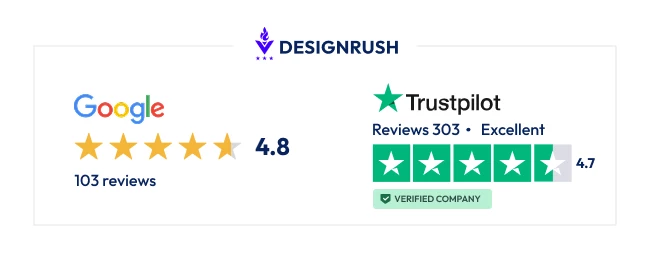
Rated 4.8 on Google and 4.7 on Trustpilot, DesignRush Agency Directory is a reliable resource for finding PR agencies in India. We owe this to our executive selection team, which follows a strict screening process when featuring agencies on the platform, assessing key performance indicators, like portfolio, client reviews, and industry reputation.
DesignRush sustains a directory of over 40,000 agencies categorized by service category, location, expertise, and reviews. We build our database in two ways:
Our dedicated team of agency experts actively searches the web for top-performing companies. We then pull information from their websites, online presence, and client testimonials to verify their status and qualifications prior to listing.
The agencies listed get notified of their profiles on the website and they can choose to claim it or not, which suggests their availability for more collaborations.
Agencies can also reach out to DesignRush and must go through the verification process prior to being listed.
Best PR Companies in India
175 Companies-Rankings updated: September 16, 2026
DesignRush evaluates each of the top PR agencies in India listed here based on its campaign portfolio, client reviews, and communications expertise. Some listings may be paid.
Looking for a result-driven digital marketing agency in Pune, India? We specialize in website design, SEO, video editing, social media, PR, and e-commerce marketing...
iWebwiser loves building websites, apps, and digital platformsyou name it, weve probably done it many times. With every project, we combine our experience, creativity, and technical expertise to deliver solutions that are reliable, user-friendly, and tailored to our clients needs. From web and mobile...
A Professional IT Services And Automation Solution
A Professional IT Services And Automation Solution
Web O1 is a full-service web and IT solutions company helping businesses build, launch, and scale their digital presence. We provide website development, custom software, mobile and web applications, UI/UX design, e-commerce solutions, cloud services, and ongoing technical support tailored to modern business...
White Globe Web provides all digital marketing and web development services under one roof. Their marketing strategy is very cost-effective respective to others...
SaaS Marketing Agency that Owns Real Growth Numbers
SaaS Marketing Agency that Owns Real Growth Numbers
TripleDart is a strategic B2B SaaS Marketing agency behind fast growing B2B tech brands. As your Customer Acquisition agency our team of dedicated experts will act as your growth partners to help predictable revenue...
Aqualeaf is a leading digital marketing agency that offers high-quality online solutions at an affordable price. Our talented team of professionals possesses a unique blend of creativity and technical expertise, allowing us to deliver optimal results and a seamless customer experience...
At AVS, we specialize in crafting experiences that converge technology, design, culture, and brand identity, fostering loyalty, authenticity, and affinity among audiences. Comprising a team of dedicated professionals, we thrive on embracing ambitious timelines, executing challenging projects, ensuring...
A.J.D Solutions is a forward-thinking business consultancy and solutions provider, dedicated to empowering organizations with the tools, strategies, and insights they need to thrive in an ever-changing marketplace. Built on the pillars of innovation, adaptability, and customer-centric service, we specialize...
FT Digital Solutions is a results-driven digital marketing agency in Chennai dedicated to helping brands grow online through creative strategies, data-driven insights, and powerful campaigns. As one of the best digital marketing agencies in Chennai, we specialize in SEO, social media, PPC, and web design to...
Catalyst Public Relations (Catalyst PR) is Chennai's premier PR agency, renowned for seamlessly blending strategy with flawless implementation. With a commitment to delivering measurable results, Catalyst PR is the trusted partner for clients and associate firms seeking to elevate their PR campaigns. The...
DoonITrix is a dynamic digital marketing agency dedicated to driving businesses forward in the digital realm. Its expert team crafts tailored strategies that align with specific goals and target audiences, ensuring top-tier results. The agency prioritizes open communication and staying ahead of trends to...
Star Squared PR offers comprehensive public relations (PR), marketing, and communications services designed to elevate and safeguard the brand's presence. With over 50 years of collective experience, its team excels in media relations, reputation management, and digital media to create impactful, tailored...
Broadnection is a premier public relations (PR) and digital marketing agency dedicated to enhancing the brand's visibility and impact. The agency helps organizations build strong, cohesive brands that resonate with their target audiences through PR, digital transformation, and creative design services. With a...
ORM Techies specializes in advanced online reputation management services for individuals and businesses. Focused on removing unfavorable content from prominent platforms, its team crafts personalized strategies to shape and safeguard clients' digital presence. ORM Techies delivers reliable, results-driven...
Malviya Factual Communication is a digital PR agency based in Indore, India, specializing in online and offline brand promotion. The agency focuses on crafting tailored PR strategies to enhance brand visibility, manage crises, and build long-lasting customer relationships. With a vast network of media...
Your Trusted Partner for Affordable and Impactful Advertising in Chennai.
Your Trusted Partner for Affordable and Impactful Advertising in Chennai.
Kannan Advertising is Chennai’s leading newspaper advertising agency, offering cost-effective and innovative ad solutions across print, radio, and digital platforms to help businesses connect with their target audience...
Tailored Strategies. Targeted Results. Your Digital Success Starts Here.
Tailored Strategies. Targeted Results. Your Digital Success Starts Here.
Rjuhasta is a forward-thinking digital marketing agency based in India, empowering businesses, institutes, and personal brands to achieve targeted growth through tailored strategies and innovative digital solutions...
Chunav Parchar provides specialized election campaign solutions, blending digital marketing expertise with political insights to drive impactful voter engagement...
Trivium Public Relations (TPR) is a leading full-service public affairs agency specializing in brand PR, corporate communications, and digital solutions. Operating across India, Southeast Asia, and the Middle East, TPR delivers tailored strategies that establish and sustain impactful brand positioning...
SR Public Relations is a trusted leader in regional PR, serving over 90% of Indias markets. With two decades of expertise and a team of seasoned journalists, the agency delivers tailored strategies that resonate with clients unique needs, achieving impactful results...
Epilogue is a modern digital marketing and advertising agency specializing in innovative advertising campaigns, branding, events, corporate shoots, and more across India. The agency focuses on redefining branding strategies by creatively collaborating with clients to craft compelling brand stories that stand...
Oscorm Digital Pvt Ltd is a state-of-the-art digital marketing and software development agency in India, delivering innovative and result-oriented solutions. We specialize in building customized strategies tailored to each clients goals and business needs...
Frequently Asked Questions About PR Firms in India
How do I know if I need one of the top PR agencies in India or an international firm?
Your target market and reputation goals are usually the deciding factors when choosing a PR agency. Hiring one of the top PR agencies in India makes sense when your primary audience is domestic, when you need established relationships with Indian journalists and publications, or when you want to maximize your budget without paying Western retainer rates.
Local agencies understand regional media cycles, vernacular press, and the cultural context behind a story that resonates in Mumbai versus Bengaluru.
A local PR agency in India is the right fit if:
Your primary audience is located within India, or you are entering an international market on a mid-sized budget
You need media outreach to regional, vernacular, or tier-2 city publications
You require spokesperson coaching for the Indian broadcast and business media
You want competitive local pricing without sacrificing senior strategic involvement
How much do PR companies in India typically charge?
PR companies in India typically charge between ₹40,000 and ₹10,00,000+ per month, depending on the agency size, campaign scope, and level of strategic involvement. That roughly translates to about $500 to $12,000+ per month in USD.
Typical pricing breaks down like this:
PR agency type
Monthly retainer
Typical scope
Startup-level PR agencies
₹40,000 – ₹1,00,000 ($500 – $1,200)
Basic media outreach, press releases, startup, and digital media coverage
Mid-tier PR agencies
₹1,00,000 – ₹3,50,000 ($1,200 – $4,200)
National media outreach, thought leadership, executive profiling, and ongoing strategy support
Premium PR firms
₹3,50,000 – ₹10,00,000+ ($4,200 – $12,000+)
Crisis communications, multi-market campaigns, senior strategic counsel, top-tier media access
Pricing also changes based on:
Industry complexity
Number of markets targeted
Campaign duration
Crisis support requirements
Whether the engagement is retainer-based or project-based
The lowest-priced agency is rarely the best value. In PR, media relationships, strategic thinking, and execution quality usually matter more than raw placement volume.
How much do PR companies in India typically charge?
PR companies in India typically charge between ₹40,000 and ₹10,00,000+ per month, depending on the agency size, campaign scope, and level of strategic involvement. That roughly translates to about $500 to $12,000+ per month in USD.
Typical pricing breaks down like this:
PR agency type
Monthly retainer
Typical scope
Startup-level PR agencies
₹40,000 – ₹1,00,000 ($500 – $1,200)
Basic media outreach, press releases, startup, and digital media coverage
Mid-tier PR agencies
₹1,00,000 – ₹3,50,000 ($1,200 – $4,200)
National media outreach, thought leadership, executive profiling, and ongoing strategy support
Premium PR firms
₹3,50,000 – ₹10,00,000+ ($4,200 – $12,000+)
Crisis communications, multi-market campaigns, senior strategic counsel, top-tier media access
Pricing also changes based on:
Industry complexity
Number of markets targeted
Campaign duration
Crisis support requirements
Whether the engagement is retainer-based or project-based
The lowest-priced agency is rarely the best value. In PR, media relationships, strategic thinking, and execution quality usually matter more than raw placement volume.
What should I look for in a PR firm in India before signing a contract?
The most reliable indicator of a strong PR firm in India is demonstrated media relationships, not just a list of past clients.
Ask any shortlisted agency to show you actual placements it secured in the last six months, including the journalist's byline, publication, and whether the coverage was earned or sponsored.
Agencies that cannot separate earned media from paid advertorials are not operating at the standard your brand requires.
Before signing, confirm these specifics:
The agency holds active relationships with journalists in your specific industry vertical, not just general business press
Reporting includes share of voice, sentiment analysis, and AVE alongside raw clip counts
The contract specifies who owns all press materials, media lists, and campaign assets upon termination
A senior strategist, not a junior account executive, will manage your account day to day
Are large PR agencies in India a better choice than boutique firms?
Large PR firms in India are usually better for enterprise brands that need multi-city support, large teams, and specialized services across multiple business areas.
For most mid-sized businesses, boutique PR firms often deliver stronger day-to-day execution and more hands-on strategic involvement.
Large agencies typically offer:
Bigger teams across multiple locations
Specialized departments for corporate, consumer, crisis, and government communications
Established processes for large-scale campaigns
Strong enterprise credibility
Boutique agencies usually provide:
More direct access to senior consultants
Faster strategy adjustments
More personalized communication
Greater focus on campaign performance instead of activity volume
The decision depends on what your business needs more: institutional scale or hands-on strategic ownership.
When does it make sense to switch PR companies in India mid-campaign?
It makes sense to switch PR companies in India when an agency consistently delivers weak results, fails to adjust its strategy, or fails to provide transparent reporting.
PR campaigns need time to build momentum, but some warning signs justify ending the partnership early.
Common signs it’s time to switch include:
Several months without meaningful tier-1 coverage
No strategic changes despite poor performance
Heavy reliance on press release syndication instead of genuine media outreach
Vague reporting with no clear placement attribution or outreach data
Poor communication and limited senior involvement
Before ending the engagement, secure ownership of all campaign assets, including media lists, press materials, journalist conversations, reports, and pending placement confirmations.
The safest approach is to define asset ownership clearly in the contract from the start.
ReceiveProposals
For your project
1
Specify your budget, timeline and project requirements
2
Our experts curate a list of up to 5 most qualified candidate agencies
3
We connect you with them so you can choose the most suitable partner























 Proposals