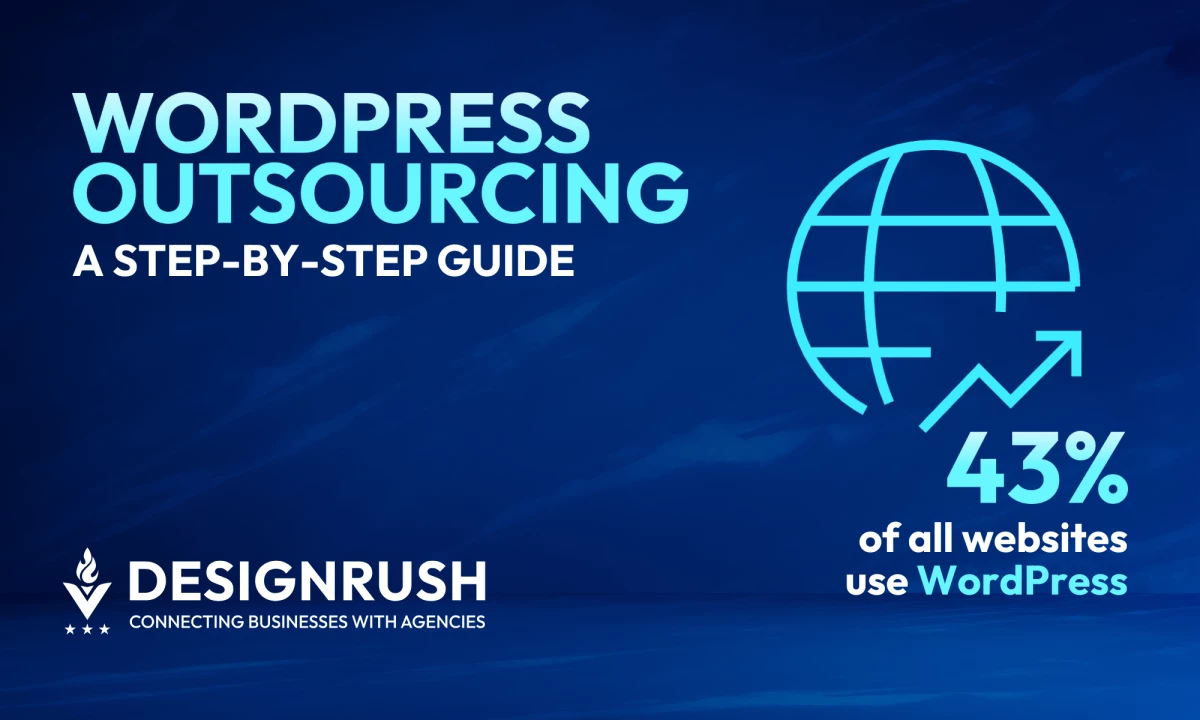

WordPress outsourcing helps agencies scale, hit deadlines, and stay focused on strategy. We’ll walk you through the process step by step, including what to delegate, who to hire, and how to manage it for long-term success.
Outsourcing WordPress Development: Key Points
- 43% of websites run on WordPress, and outsourcing helps agencies tap into specialized talent, scale faster, and meet rising client demand.
- Businesses should define goals clearly, vet providers thoroughly, and establish communication protocols to maintain alignment throughout the project.
- By outsourcing tasks like custom theme development, maintenance, and SEO, agencies improve delivery speed and free up internal teams to focus on growth.
WordPress Outsourcing Overview
As of 2025, WordPress powers over 43% of the web, yet handling multiple projects in-house can strain resources and inflate costs.
Outsourcing lets you offload technical tasks to experts, improving efficiency and delivery quality.
How To Implement WordPress Outsourcing for Your Agency
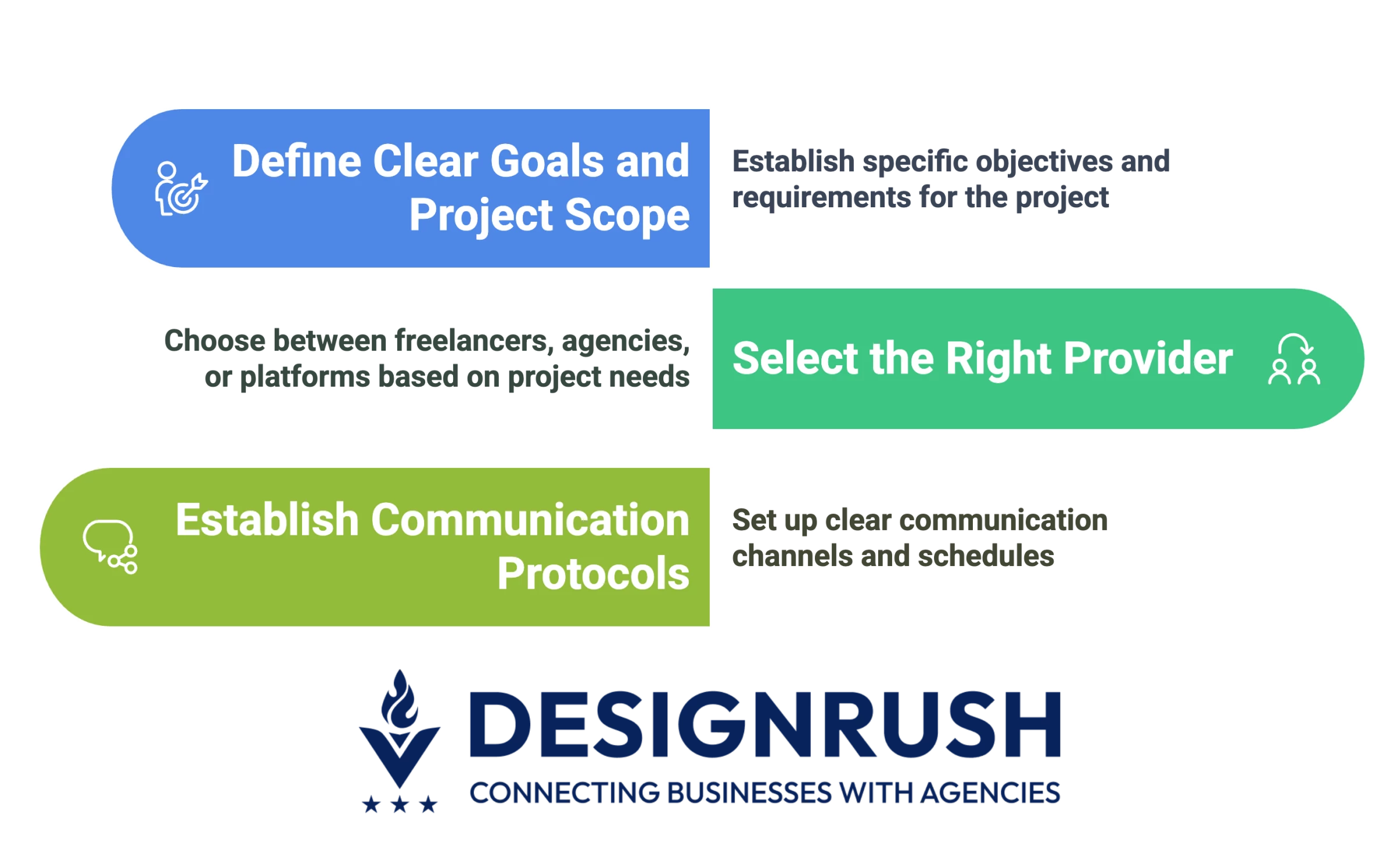 To successfully integrate WordPress outsourcing into your agency’s operations, follow these practical steps:
- Define clear goals and project scope
- Select the right provider (freelancer vs agency vs platform)
- Establish communication protocols
1. Define Clear Goals and Project Scope
Start by identifying which WordPress tasks or projects you plan to outsource and what you aim to achieve. Determine whether you need simple theme tweaks, full custom theme development, plugin development, ongoing maintenance, or an entire site build.
Be as specific as possible in defining the project scope, requirements, and desired outcomes. Establishing clear goals and deliverables upfront helps avoid miscommunication and ensures both your team and the outsourcing partner understand expectations.
Ivan Dabic, CEO of BlueGrid, underscores the importance of this step:
“Before the project starts, define what you consider a success — improving efficiency, reducing costs, or speeding up time-to-market.
By having these goals in place, you can later compare the outcomes against your initial expectations to see if the project delivered the value you were aiming for.”
2. Select the Right Provider (Freelancer vs Agency vs Platform)
Selecting the right outsourcing partner is essential because it directly impacts the quality, efficiency, and reliability of the work delivered. You have a few options:
Criteria | Freelancers | Outsourcing Agencies | Specialized Platforms |
Best for |
|
| Clients seeking high-quality WordPress developers without needing to vet them personally |
Team structure | Individual developers | Team of developers, designers, QA, and project managers | Solo freelancers, pre-vetted by the platform |
Flexibility | High – Can be hired on-demand for specific tasks | Moderate – More structured, suited for steady workflows | Moderate – Depends on platform availability |
Communication | Direct one-on-one | Managed by account/project managers | Platform-mediated, still largely one-on-one, with better vetting assurance |
Scalability | Limited – Based on individual capacity | High – Teams can scale up/down based on project size | Moderate – Depends on the availability of qualified freelancers |
Cost | Typically lower hourly/project rates | Higher than freelancers due to team size and management layers | Premium pricing for access to vetted experts |
Speed of Delivery |
| Generally faster due to dedicated resources and coordination | Fast – Developers are ready to engage, but may depend on the complexity of the request |
Vetting Required | High – You need to screen for skills, experience, and reliability | Moderate – Agencies have internal hiring and quality control | Low – Platform handles screening and quality checks |
Risk Level | Higher – Single point of failure if the freelancer becomes unavailable | Lower – Team structure minimizes the individual absence impact | Lower – Replacements and guarantees are usually available through the platform |
3. Establish Communication Protocols
Clear, consistent communication lays the foundation for effective outsourcing. From the outset, set expectations for how and when communication will happen, such as:
- Defining the channels you’ll use (e.g., email, Slack, project management software, video calls) and the frequency of updates. For example, you might schedule weekly check-in meetings or require a brief daily progress update via Slack.
- Establishing how feedback and revisions will be handled, perhaps using a tool like Trello or Asana to track tasks and comments.
- Clarifying time zone differences and overlapping hours if you’re working with an overseas team (decide on a window of overlapping work hours or agree that communication may be asynchronous within 24-hour cycles).
By setting up protocols for status reports, deliverable reviews, and issue escalation, you maintain alignment throughout the project. This prevents the common pitfall of miscommunication, one of the biggest risks in outsourcing.
A well-communicated project will stay on schedule and meet your quality expectations.



How To Find Reliable WordPress Developers or Agencies
WordPress development outsourcing is only effective with the right partner, so it’s important to thoroughly vet freelancers and agencies.
Here are key considerations and resources for finding a reliable provider:
Key Factors for Vetting Developers
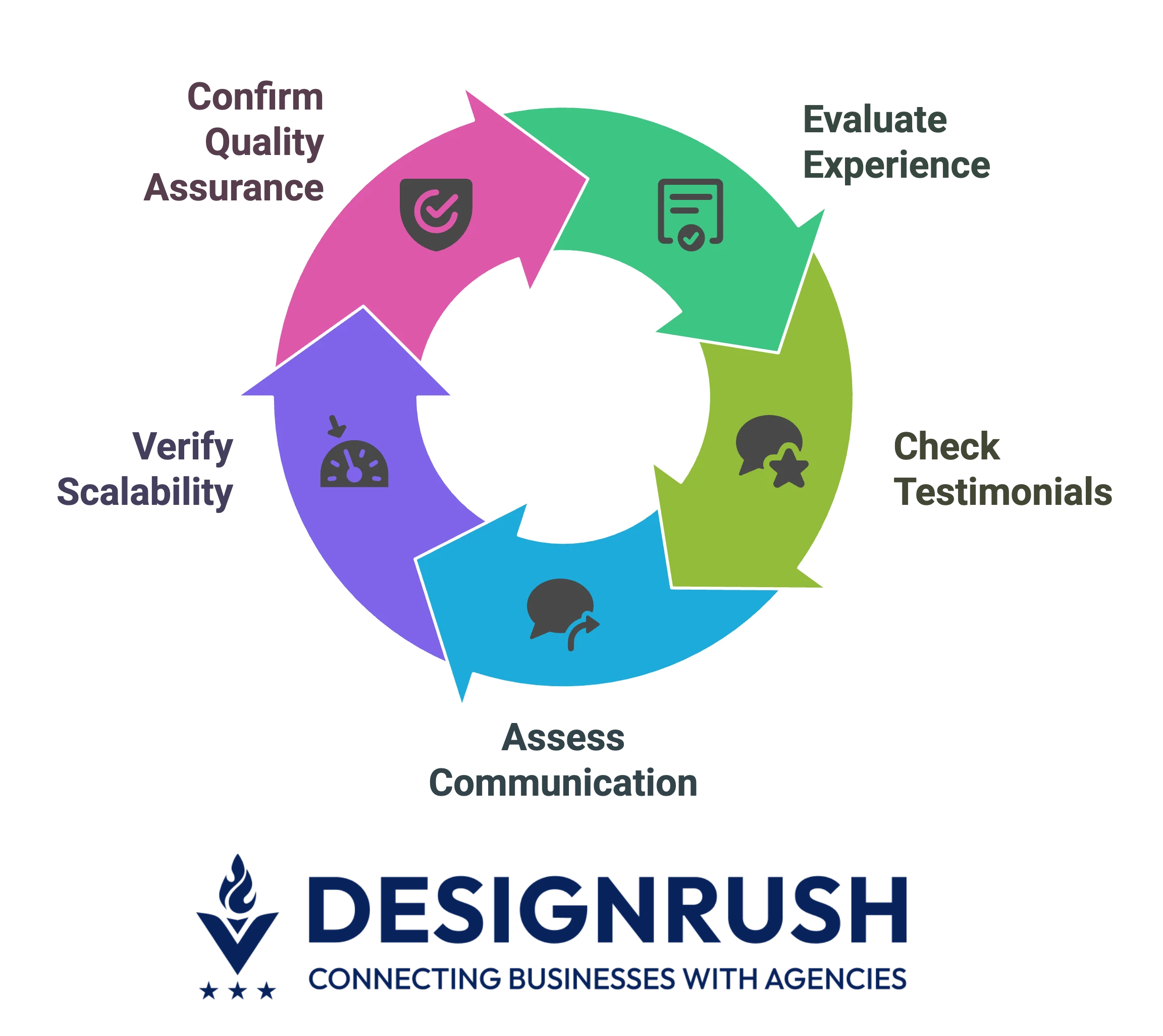
By evaluating candidates on these factors – specialization, past client feedback, communication, scalability, and quality practices – you can shortlist trustworthy WordPress outsourcing partners:
- Experience and specialization
- Client testimonials and reviews
- Communication and responsiveness
- Ability to scale and meet deadlines
- Technical and quality assurance processes
1. Experience and Specialization
Choose developers or agencies with a proven track record in the specific area of WordPress you’re outsourcing. WordPress covers many specialties; some focus on theme design, others on plugin development, or WooCommerce integration.
If you're building a custom theme, look for similar work in their portfolio. Also, check their experience with WordPress and relevant skills like PHP, JavaScript, HTML/CSS, or the REST API.
The more relevant their expertise, the less oversight they’ll need, and the better the outcome.
2. Client Testimonials and Reviews
Check reviews, testimonials, and case studies to assess reliability and work quality. For agencies, ask for references or examples of past agency partnerships.
Strong testimonials, especially from other agencies or businesses, are a good sign that the provider meets deadlines and communicates well. Conversely, be cautious if you find consistent negative feedback or red flags about missed deadlines or poor communication.
3. Communication and Responsiveness
During the vetting process, pay attention to how promptly and clearly the developer or agency communicates. Do they answer your questions fully? Are they willing to jump on a call to discuss your project?
A provider who is attentive and responsive in the early stages is likely to be a good collaborator. Make sure there isn’t a significant language barrier if you’re working across countries. You need to comfortably understand each other to avoid misinterpretations of requirements.
4. Ability to Scale and Meet Deadlines
If your needs may grow, consider whether the provider can scale with you. A freelancer might handle one project well but struggle with multiple or urgent tasks.
Agencies generally have an easier time scaling (they can assign more developers as needed). Ask how they manage tight deadlines and multiple projects. Reliable providers will have project management practices to balance workloads and deliver on time.
For example, an agency might add a developer for a rush job, while a freelancer may limit themselves to one major project at a time. Choose a partner whose capacity aligns with your pipeline.
5. Technical and Quality Assurance Processes
A reliable WordPress provider should follow coding standards and have clear QA processes in place.
Ask about their workflow:
- Do they use version control (like Git) for code?
- Do they have a staging environment for testing?
- How do they check for bugs and meet specs?
Agencies often have dedicated QA staff or peer reviews. Freelancers should at least test thoroughly and welcome your feedback. Knowing these practices will ensure that you receive clean, reliable codes.
Platforms and Resources for Finding WordPress Talent
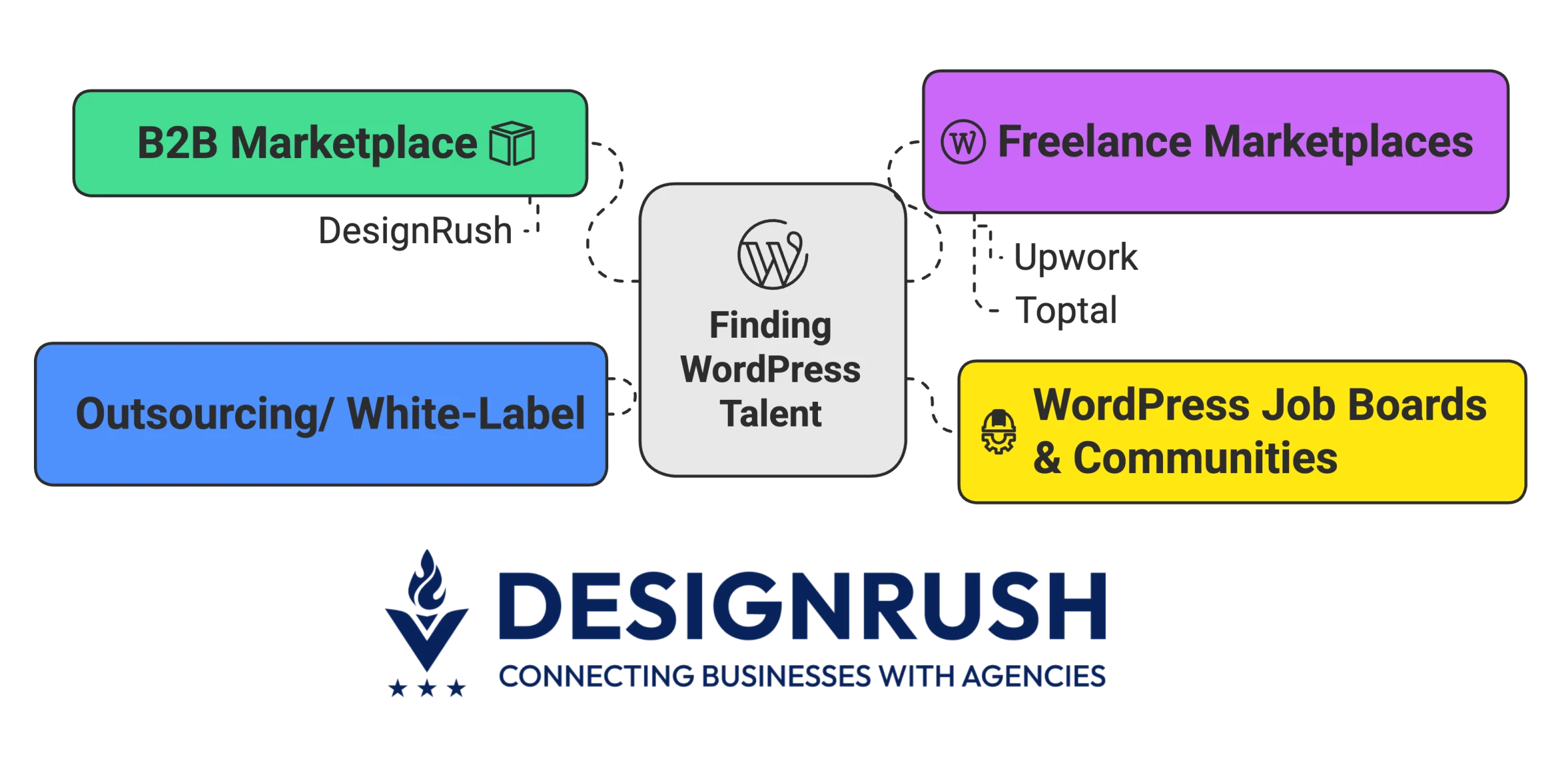
When you’re ready to search for developers or agencies, several platforms can connect you with the right talent:
- B2B marketplaces like DesignRush make it easier for agencies to find vetted outsourcing partners. These offer detailed profiles, client reviews, and service comparisons to help agencies choose reliable providers.
- Freelance marketplaces like Upwork and Freelancer.com have large pools of WordPress freelancers. These platforms provide ratings, reviews, and portfolios for freelancers, which helps with vetting.
- WordPress.org offers a job board for developers and agencies to find projects or list services.
- Communities like the Advanced WordPress Facebook group and subreddits are also good places to seek recommendations.
- Outsourcing and white-label providers offer specialized WordPress development for agencies. Search “WordPress white label development” or explore case studies to find trusted partners.
Key WordPress Tasks To Outsource for Agency Efficiency
By identifying which tasks drain your team’s time or require niche expertise, you can smartly outsource those to specialists.
This allows your agency to handle more projects and deliver high-quality results without scaling up internal headcount.
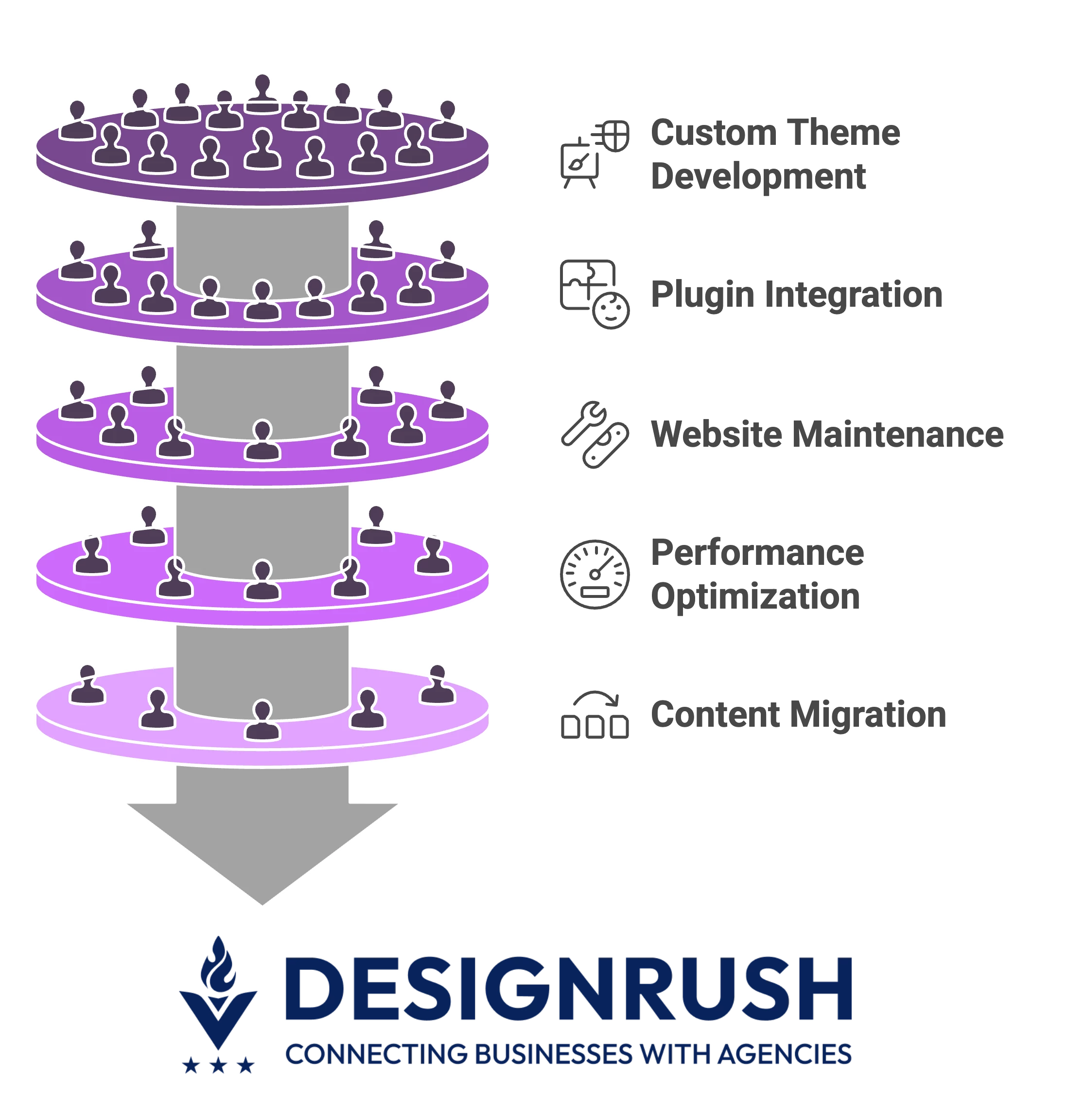
Here are some of the most commonly outsourced WordPress tasks and why delegating them can be beneficial:
- Custom theme development & design: Creating or customizing themes requires front-end and WordPress/PHP expertise. Outsourcing saves time and ensures a unique, responsive, SEO-friendly site that meets standards.
- Plugin integration and customization: Plugins add powerful features but can be complex to set up. Expert developers ensure smooth integration and tailored functionality.
- Website maintenance and updates: Ongoing maintenance (updates, backups, security checks, bug fixes) can drain your team’s time. Outsourcing to specialists ensures sites stay healthy through automation and best practices.
- Performance optimization and technical SEO: Caching, image compression, database tuning, and SEO fixes need niche skills. Outsourcing these improves load speed and search rankings.
- Content migration and population: Moving large volumes of content during redesigns or CMS migrations is time-intensive. Data specialists handle this efficiently, letting your team focus on design and development to speed up launch.
Outsource WordPress Development: Final Thoughts
Outsourcing WordPress development helps you expand quickly without hiring for every project, lowers operational costs, and connects you with expert professionals on demand.
This adds agility, helping you take on more complex work or pivot faster than in-house teams alone. You can focus on creative strategy while experts handle the technical work.

Our team ranks agencies worldwide to help you find a qualified partner. Visit our Agency Directory for the Top Web Development Companies, as well as:
- Top WordPress Development Companies
- Top WordPress Web Design Companies
- Top Web Design Companies
- Top UI/UX Design Agencies
- Top eCommerce Development Companies
Offshore WordPress Development FAQs
1. What are the key benefits of outsourcing WordPress development?
Outsourcing helps agencies cut costs, speed up delivery, and access specialized skills on demand. You avoid the expense of full-time hires and pay only for results. It also frees your internal team to focus on strategy, client relationships, and growth.
2. How do I find reliable WordPress developers to outsource to?
Start by defining your needs clearly. For vetted freelancers, try platforms like Codeable, Toptal, or Upwork. If you’re looking for full development teams, check out DesignRush’s directory. We list the top WordPress agencies along with verified reviews and client testimonials.
Always review portfolios, check references, and consider a short trial task to assess fit and reliability.
3. What tasks should I outsource for WordPress development?
Great tasks to outsource include custom theme or plugin development, performance optimization, technical SEO, site maintenance, and content migration. Focus on offloading technical or repetitive work so your in-house team can prioritize strategy and growth.

-preview-webp.webp)