Find top-notch web design companies in Scranton, Pennsylvania, that can help you create a stunning online presence. DesignRush connects you with agencies trusted by Fortune 500 brands like Dell and Nike. With over 1M monthly visitors and 100,000 client-agency matches each month, our platform is designed to help you discover the best partners for your project. Compare providers by industry expertise, client type, budget, reviews, team size, and portfolio.
Best Scranton Web Design Agency Rankings
9 Companies - Rankings updated: April 01, 2026
DesignRush vets all agencies based on professional qualifications and verified customer feedback to help you choose confidently. Some featured agencies maintain paid sponsorships.
Web Designer & Digital Marketing Consultant
Blaff Digital offer a variety of services from Website Design and Digital Marketing Consulting to SEO services, Video Production and Business Coaching. Blaff Digital love to help businesses and fellow freelancers compete in an extremely competitive online world. Lets have a chat and see if Blaff Digital can [... view Blaff Digital profile ]- Location
- Scranton, Pennsylvania
- Number of Employees
- Under 49
Data sourced from the agency's DesignRush profile, its website, and other relevant accountsBlaff Digital Services
Data sourced from the agency's DesignRush profileAms Loft Salon Danni P Photography The Color Bar Salon
- Tribal Media is a full-service digital marketing agency founded in 2010, and based out of Scranton, PA. We specialize in all things digital: web design & development, graphic design, video production, animation, and digital advertising placement. We are passionate about creating digital experiences and [... view Tribal Media profile ]
- Location
- Scranton, Pennsylvania
- Number of Employees
- Under 49
Data sourced from the agency's DesignRush profile, its website, and other relevant accountsTribal Media Services
Reviews verified by DesignRush and sourced from the agency's profileTribal Media Reviews & Testimonials
Lawrence Nicolais's Review Sourced from Google
Krysty and Ryan are true professionals in their industry. In an every changing world, we lean on them regularly for their advice and knowledge when it comes to social platforms and digital advertising. Tribal also does an amazing job on video media, which goes hand in hand with a successful marking plan.
Show more
Data sourced from the agency's DesignRush profileIT Industry Marketing Industry Small Business Industry
Unlock the Power of Digital Marketing to Dominate Your Market!
At MOSTECHLABS, we dont just offer services; we craft experiences. Whether youre a startup with big dreams or an established enterprise seeking to amplify your online presence, our team of digital mavens is here to turn your vision into reality. [... view MOS Tech Labs profile ]- Location
- Scranton, Pennsylvania
- Number of Employees
- Under 49
- Average Hourly Rate
- $22/hr
- Minimal Budget
- $1,000 - $10,000
- Portfolios Count
- 1 Project Listed
Data sourced from the agency's DesignRush profile, its website, and other relevant accountsMOS Tech Labs Services
Comprehensive analysis done by DesignRush Agency Experts.Clients and Projects
View Full Portfolio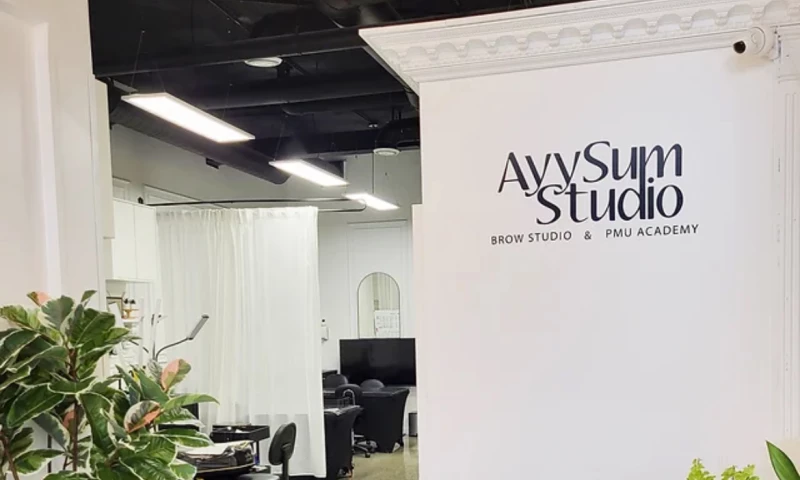
WordPress Website Design Project Website for VANSUM STUDIO & AYYSUM PMU ACADEMY
Data sourced from the agency's DesignRush profileAyySum Studio The Chameleon Collective Aero Travel Groups BlissBerry Life Taphouse by RnR SPAR International Mannat Couture Culture Colombo Wave Bolgoda
Your Remote Design Department
Shanty Town Design acts as an extension of your team, providing reliable production partnerships by enhancing capacity with outstanding design, expert technical support, and superior project management. [... view Shanty Town Design profile ]- Location
- Scranton, Pennsylvania
- Number of Employees
- Under 49
- Average Hourly Rate
- $100/hr
- Minimal Budget
- $1,000 - $10,000
- Portfolios Count
- 1 Project Listed
Data sourced from the agency's DesignRush profile, its website, and other relevant accountsShanty Town Design Services
Comprehensive analysis done by DesignRush Agency Experts.Data sourced from the agency's DesignRush profileSymmetry Companies Epic Systems Robert E. Lamb, INC.
Excellence. Integrity. Results.
Longbotham Strategic Marketing offers services such as websites, trade shows, social media, videos, email marketing, and more, we can make life easier by supporting your in-house team or providing full-service strategy, creative, and implementation. [... view Longbotham Strategic Marketing profile ]- Location
- Scranton, Pennsylvania
- Number of Employees
- Under 49
Data sourced from the agency's DesignRush profile, its website, and other relevant accountsLongbotham Strategic Marketing Services
Data sourced from the agency's DesignRush profileWeiler Corporation Magco Incorporated Prudential
The Art And Science Of Digital Marketing
RiZen Metrics mission is to provide professional, highly creative, and result oriented digital marketing along with other related advisory and consulting services. [... view RiZen Metrics profile ]- Location
- Scranton, Pennsylvania
- Number of Employees
- Under 49
Data sourced from the agency's DesignRush profile, its website, and other relevant accountsRiZen Metrics Services
Reviews verified by DesignRush and sourced from the agency's profileRiZen Metrics Reviews & Testimonials
Alessio Ayuninjam's Review Sourced from Google
RiZen Metrics is more than just a marketing company—they are a game-changer and a true partner. Their team is fantastic, easy to work with, and they genuinely care about our success.They quickly delivered a clear strategy that has produced awesome, measurable results for our business. If you need real growth and a team you can trust, I highly recommend them!
Show moreJustene Bartkowski's Review Sourced from Google
RiZen set my small business up for success! They took the most important elements of my brand, and got me the awareness, leads, and bookings I knew were out there for me. They are strategic, skilled, and are more than worth the investment. I don’t know where I would be without them!
Show moreEmily Fidati Gentile's Review Sourced from Google
RiZen Metrics has brought my business to the next level! From our very first meeting they were professional & very thorough in explaining what they do and how much I’d be looking at spending for their services. I initially met with them because I wanted to build a website. They offered me so much more than just a website. Their “advertising” efforts as I call it in layman’s terms has increased my new business drastically. I was hesitant at first to pay for advertisement because in the 15 years I have been operating I only used word of mouth and it was successful for me. By hiring RiZen Metrics it really took my business to the next level. They have been worth every penny I’ve invested and I’m already seeing a return on it. I would highly recommend them to anyone looking to level up their business.
Show more
Data sourced from the agency's DesignRush profileHealth Care Industry Finance Industry Automotive Industry
Learn Why Your Site Isnt Getting Leads.
Design Done Right has a unique team of highly-skilled designers, digital marketers, software & app developers, photographers, illustrators and copywriters work together to craft your story. [... view Design Done Right profile ]- Location
- Scranton, Pennsylvania
- Number of Employees
- Under 49
Data sourced from the agency's DesignRush profile, its website, and other relevant accountsDesign Done Right Services
Data sourced from the agency's DesignRush profile1st Klas Marina Pegasis Advisors, LLC Ackourey Clothiers, Inc.
- Marketing Notch developed a team of experts that provides top-notch digital marketing services be it Social Media Marketing or Google. [... view Marketing Notch profile ]
- Location
- Scranton, Pennsylvania
- Number of Employees
- Under 49
Data sourced from the agency's DesignRush profile, its website, and other relevant accountsMarketing Notch Services
Data sourced from the agency's DesignRush profileSmall Business Industry Marketing Industry Advertising industry
Delivering Powerful Media & Marketing Solutions
Headway Digital Marketing help small businesses by advertising online using the most advanced and cost effective strategies. [... view Headway Digital Marketing profile ]- Location
- Scranton, Pennsylvania
- Number of Employees
- Under 49
Data sourced from the agency's DesignRush profile, its website, and other relevant accountsHeadway Digital Marketing Services
Data sourced from the agency's DesignRush profileSmall Business Industry eCommerce Industry Construction Industry




Frequently Asked Questions
What services do web design agencies offer?
Web design agencies provide a range of services to plan, create, and improve business websites. Their core services include:
- Custom website design tailored to your brand and goals
- Responsive web design to ensure the site works on desktop, tablet, and mobile
- UI/UX design to make the site easy to use
- Website development to turn designs into functional websites
- Landing page design for campaigns and conversions
- Website redesign to improve outdated or underperforming sites
Beyond these core services, many web design companies also support digital marketing, including search engine optimization, content marketing, and email marketing to help improve visibility in search engines and attract potential customers.
Some also offer brand identity, graphic design, and ongoing web design services like maintenance, updates, and performance improvements to strengthen your online presence over time.
How much do website design companies charge for their services?
Professional web design services typically range between $5,000 and $60,000+, depending on complexity, features, and level of customization. Their projects commonly start around $10,000 to $15,000 and can exceed $50,000 for advanced websites.
Here is a general breakdown:
- Basic business websites: $5,000 to $15,000
- Custom business websites with advanced UX design: $15,000 to $30,000
- Ecommerce and complex custom website projects: $30,000 to $60,000+
Several factors influence what website design companies charge. The biggest cost drivers include the number of pages, level of custom website design, and required web development. Features like booking systems, ecommerce functionality, or integrations increase the price because they require more design and development hours.
In addition to the initial build, many web design companies charge ongoing maintenance fees ranging from $1,200 to $12,000 per year, which cover updates, security, and performance improvements.
How long does it take to build a website?
A typical website design company timeline ranges from a few days to several months, depending on scope, content readiness, and required web development.
- Simple brochure website (1 to 5 pages): 1 to 2 weeks
- Small business website (5 to 15 pages, blog, forms): 4 to 8 weeks
- eCommerce website (standard features, 10 to 100 products): 8 to 16 weeks
- Large-scale custom website (bespoke features, integrations): 4 to 6+ months
- Custom web application: 6 to 12+ months
Most delays come from two things: missing content (copy, images, product data) and an unclear scope that expands during the web design project.
If content is ready and approvals are fast, timelines compress. If content is late and feedback is slow, timelines stretch.
What are the hidden costs of web design?
Hidden web design costs usually show up in two phases: before launch and after launch.
Pre-launch hidden costs
- Stock photos, fonts, and premium plugins (one-time fees plus renewals)
- Scope creep and extra revisions beyond what the contract includes
- Content creation (copywriting, product descriptions, graphics)
- Content migration from an old site (formatting, redirects, image cleanup)
- Integrations (CRM, booking, payments, analytics) that require extra setup and testing
Post-launch hidden costs
- Web hosting and domain renewal (often increases as traffic grows)
- SSL certificate upgrades for ecommerce or higher trust requirements
- Website maintenance and security (updates, backups, monitoring, fixes)
- Email hosting (Google Workspace or Microsoft 365 per user)
These costs appear because a website build quote often covers only the core design and development. Anything tied to licensing, content production, ongoing ownership, or changes outside the original scope gets billed separately unless the statement of work includes it.
What is the difference between web design and web development?
Web design defines the visual interface and user experience of a website, while web development implements that design through code and technical functionality.
| Aspect | Web design | Web development |
| Core responsibility | Defines the design, layout, and user experience | Builds and maintains the website through code |
| Primary objective | Ensure the site is clear, engaging, and aligned with brand identity | Ensure the site works correctly, loads fast, and supports required features |
| Deliverables | Wireframes, mockups, prototypes, and visual systems | Front-end interfaces, back-end systems, and integrations |
| Key disciplines | UX design, UI design, responsive web design | Front-end, back-end, and full-stack web development |
| Business impact | Influences perception, usability, and user engagement | Enables functionality, performance, and scalability |
Web design's main focus:
- Structure and site design
- Visual hierarchy and interface clarity
- User experience and UX design
- Mobile and responsive design
- Conversion-focused landing page design
Web development's main focus:
- Coding and website development
- Front-end implementation (HTML, CSS, JavaScript)
- Back-end systems and databases
- Integrations, security, and performance
- CMS setup and custom functionality
About The Author and Expert Reviewer

Robert de Wit has a diverse background in advertising, marketing, IT, and healthcare. With a history as both a copywriter and a video game journalist, he specializes in SEO, long-form content creation, and crafting compelling copy that drives results. Currently, he writes about website and interface design at DesignRush, delivering the latest industry insights and analysis.

Sergio is a technology leader with over six years of experience managing global teams and delivering projects across fintech, sportstech, and B2B platforms. At DesignRush, he drove product growth and development execution, building tools that speed up processes by 95% and cut costs by 35% while maintaining full uptime.
Latest Trends Related to Web Design