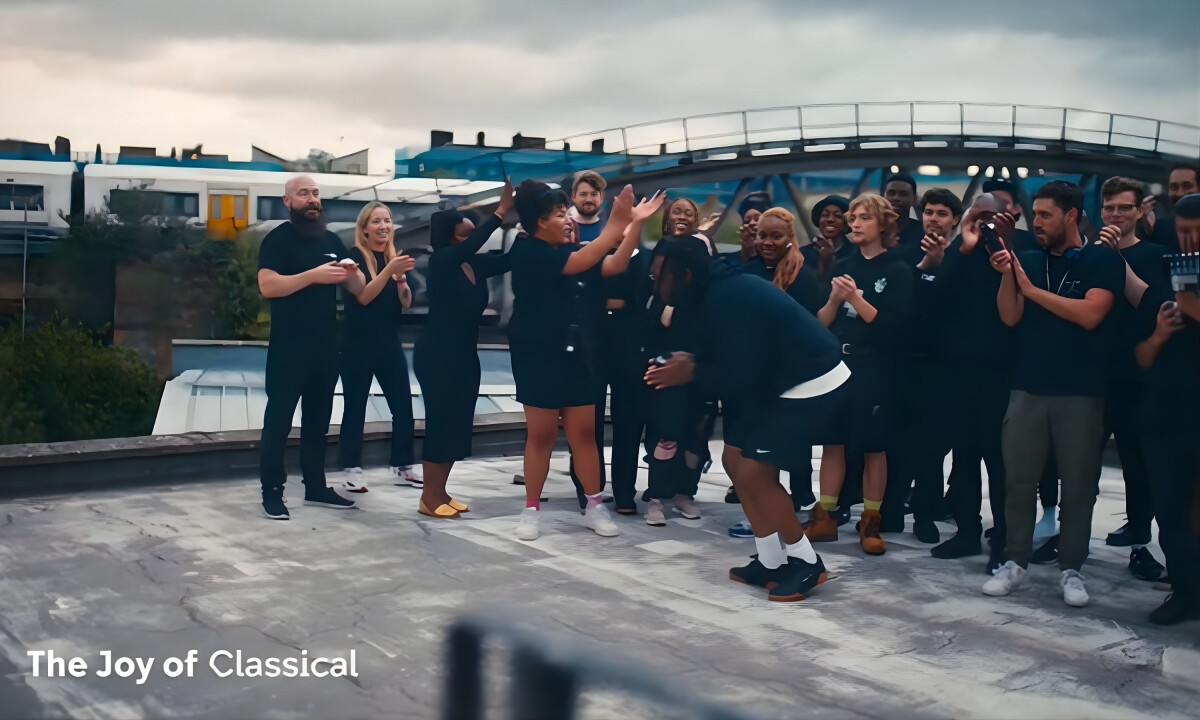
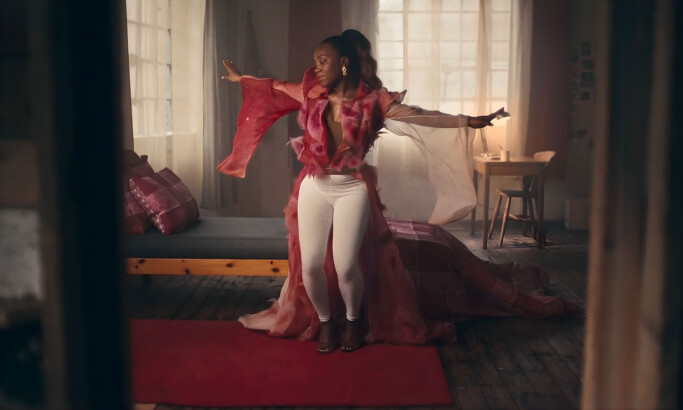
- Harness personal storytelling to deepen emotional engagement and elevate authenticity.
- Frame subjects in natural, human-centric settings to increase viewer empathy and connection.
- Balance narrative pacing with sound design to create a memorable, mood-led viewing experience.
Industry Insight: According to Wyzowl, 91% of consumers say video quality impacts their trust in a brand — underscoring how visual craft and emotional precision are essential when building authentic connections through moving imagery.
Emotion-Led Narrative Architecture
The video unfolds through personal testimonies and everyday joys such as dancing, cooking, and shared culture, without relying on a rigid structure. Its pacing follows lived experience rather than performance, allowing moments to surface naturally and remain unpolished.
“These stories are beautifully executed and are emotionally powerful. Well done!”
— Marc Strong, DesignRush Awards Jury
By letting joy come through voice and presence, the piece avoids familiar branding patterns and builds a more genuine connection. This reflects a hallmark of best video design, where emotion leads the narrative, a choice that works especially well in video since studies show audiences retain up to 95% of a message compared to just 10% when reading text.
Without a forced resolution, the storytelling stays grounded and open. Viewers are welcomed into shared human moments that feel relatable, present, and true to everyday life.
Discover how top video production companies elevate brand storytelling through emotion-first narratives.
Intimate, Human-Centric Cinematography
Close framing and soft focus place viewers directly inside each subject’s environment, from bedrooms and studios to community spaces shaped by natural light. The camera remains unobtrusive, allowing scenes to unfold without interruption or performative cues.
This sense of proximity removes distance between viewer and subject. Small gestures and quiet expressions carry weight alongside spoken words, creating an observational tone that feels present and sincere.
Sound and Music as Narrative Glue
Music and ambient sound work as connective elements rather than dominant features, shifting gently with the mood of each scene. Audio supports the narrative flow without crowding it, leaving room for individual voices to stay front and center.
“Visuals in motion reinforce the storytelling, the music enhances the message, and the overall tone is captivating.”
— Andrea Owsinek‑Brucker, DesignRush Awards Jury
The balance between speech, rhythm, and everyday sound builds cohesion without flattening personal moments. This restraint is critical, as studies show that congruence between sound and visuals plays a key role in sustaining engagement and emotional immersion in video experiences.
By letting sound guide feeling instead of directing meaning, the piece holds onto emotional nuance while keeping the story intact.
What Brands & Agencies Can Learn from C4 – Moments of Black Joy
Dave Silver’s direction of C4’s short-form video is packed with creative and emotional strategies that agencies and marketers can adapt to elevate their own video storytelling:
1. Lead With Authentic Presence, Not Performance
Everyday spaces and real voices build trust quickly. By staying grounded and avoiding overt branding, stories feel honest and invite emotional buy-in, which works especially well for lifestyle and purpose-driven brands.
2. Use Intimacy to Humanize The Story
Close framing and natural environments create a one-to-one feeling between subject and viewer. This approach helps audiences relate on a personal level, making narratives feel direct and emotionally accessible.
3. Let Sound Shape Tone, Not Dominate It
Subtle music and ambient audio hold scenes together without drawing attention away from voices. For stories with multiple perspectives, this kind of sound design supports cohesion while preserving sincerity.