Everything You Need to Know Before Hiring an Accounting Firm in NYC Table of Contents
What can accountants do for businesses? Professional accountants help businesses in New York City stay compliant , manage risk , and make smarter financial decisions. They handle bookkeeping , payroll , audit services, and financial statement preparation , producing accurate monthly, quarterly, and year-end reports used by owners, lenders, landlords, and investors.
They also manage federal, New York State, and NYC tax filings , including Business Corporation Tax (BCT), Unincorporated Business Tax (UBT), sales tax, and payroll-related filings , helping businesses avoid penalties and audit exposure , promoting their strategic growth.
Beyond compliance, NYC accounting firms provide advisory services and financial planning , including cash-flow forecasting , budgeting, tax liability management , and scenario planning tied to hiring, rent increases, financing, or expansion.
Many firms offer consulting services alongside outsourced CFO services , translating financial data into actionable insights for growth-stage companies.
More advanced firms also support risk management and forensic accounting , helping businesses investigate fraud, resolve partner disputes, prepare for litigation, or conduct financial due diligence
1. Keep you compliant with NYC + NYS business taxes
Accountants manage entity-level filings, calculate tax exposure, and keep you out of penalty territory , which is especially important in a city with 183,000+ small businesses like New York .
They provide comprehensive tax services to determine which NYC/NYS taxes apply (BCT vs UBT vs other regimes), build a defensible apportionment/sourcing position, and plan quarterly estimates to avoid surprises.
2. Run sales tax correctly
If you sell taxable goods/services, accountants help with registration , filings , exemptions , and audit defense .
NYC’s combined sales tax on many purchases is commonly 8.875% , and accountants confirm what’s taxable, set up point-of-sale mapping, manage filing cadence, and reconcile returns to books to reduce audit risk.
3. Manage payroll taxes and NYC-area employer levies (including MCTMT)
NYC accountants (or CAS/payroll teams inside CPA firms) set up payroll correctly , calculate withholdings , and file the right returns on time.
You’re subject if you must withhold NYS income tax and have payroll expenses over $312,500 in the MCTD in any calendar quarter.
Zone 1 (NYC counties: Manhattan, Bronx, Brooklyn, Queens, Staten Island) tax rates for quarters beginning on/after July 1, 2025:
Up to $375,000 : 0.055%$375,000–$437,500 : 0.115%$437,500–$2,500,000 : 0.60%Over $2,500,000: 0.895%Accountants track whether you cross $312,500/quarter , compute the correct zone rate, and keep payroll filings clean, which is especially important for multi-location employers.
4. Reduce occupancy-related tax exposure for Manhattan tenants (Commercial Rent Tax)
If you lease commercial space in certain parts of Manhattan, accountants can model whether you’re exposed and how to document deductions.
Commercial Rent Tax (CRT ): 6% of base rent , with a 35% base rent reduction that makes the effective rate 3.9% .Accounting firms verify whether your location/rent structure triggers CRT, track “base rent” correctly, and identify eligible reductions/credits.
5. Protect you from penalties and cash drains
Accountants help you avoid late filing/late payment penalties and step in when notices arrive. They keep calendars and estimates tight, document positions, respond to IRS/NY notices, and structure payment plans when needed.
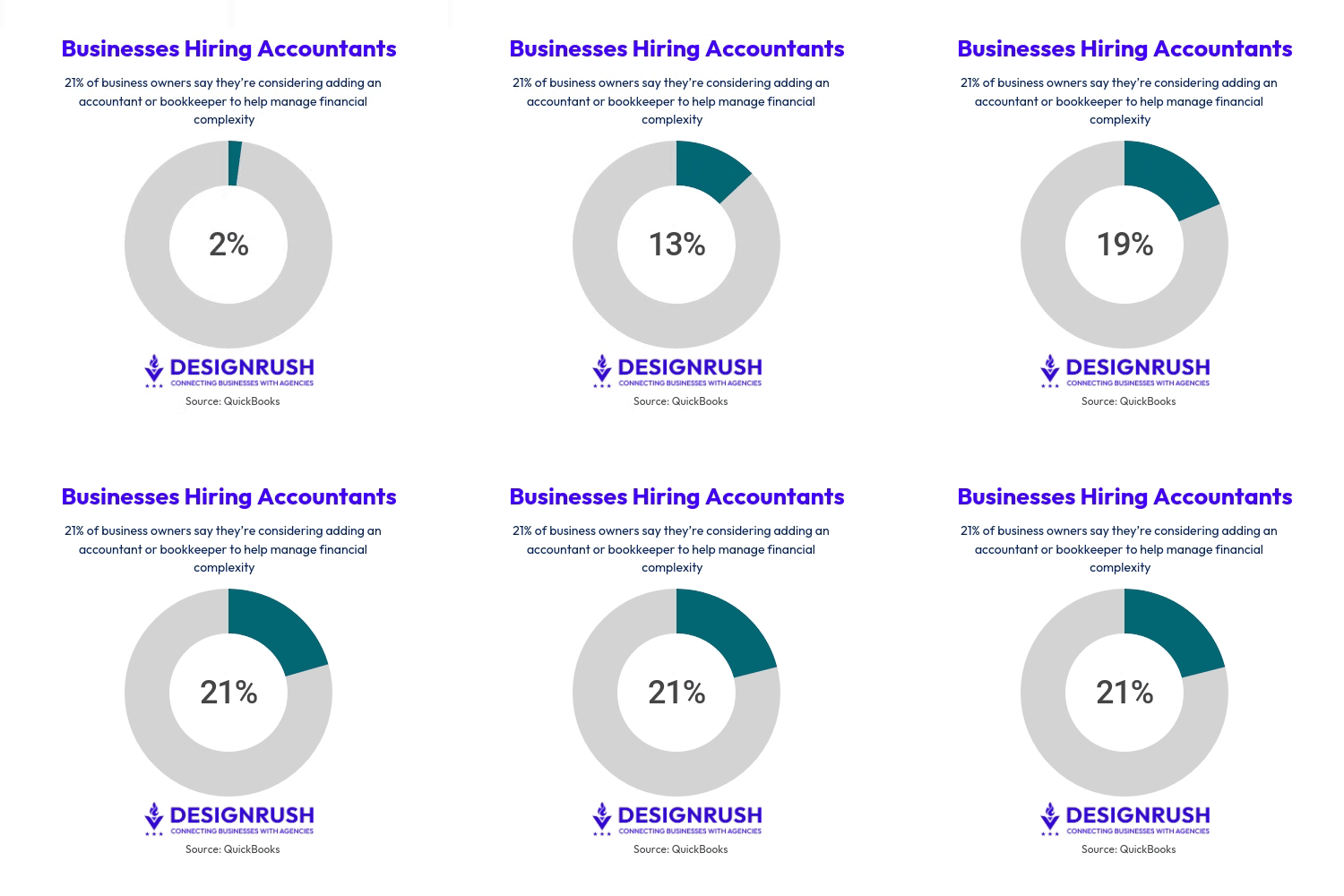
According to a survey, 21% of business owners
How do these firms use automation and AI in their daily workflow? Accounting firms in NYC use automation and AI to reduce manual work, improve accuracy, and deliver faster insights, especially given the city’s high volume of transactions, payroll complexity, and layered tax compliance.
1. Automated bookkeeping and transaction processing
NYC firms use AI-powered tools such as QuickBooks Online, Xero, and NetSuite add-ons to automatically categorize expenses, reconcile bank feeds, and flag anomalies.
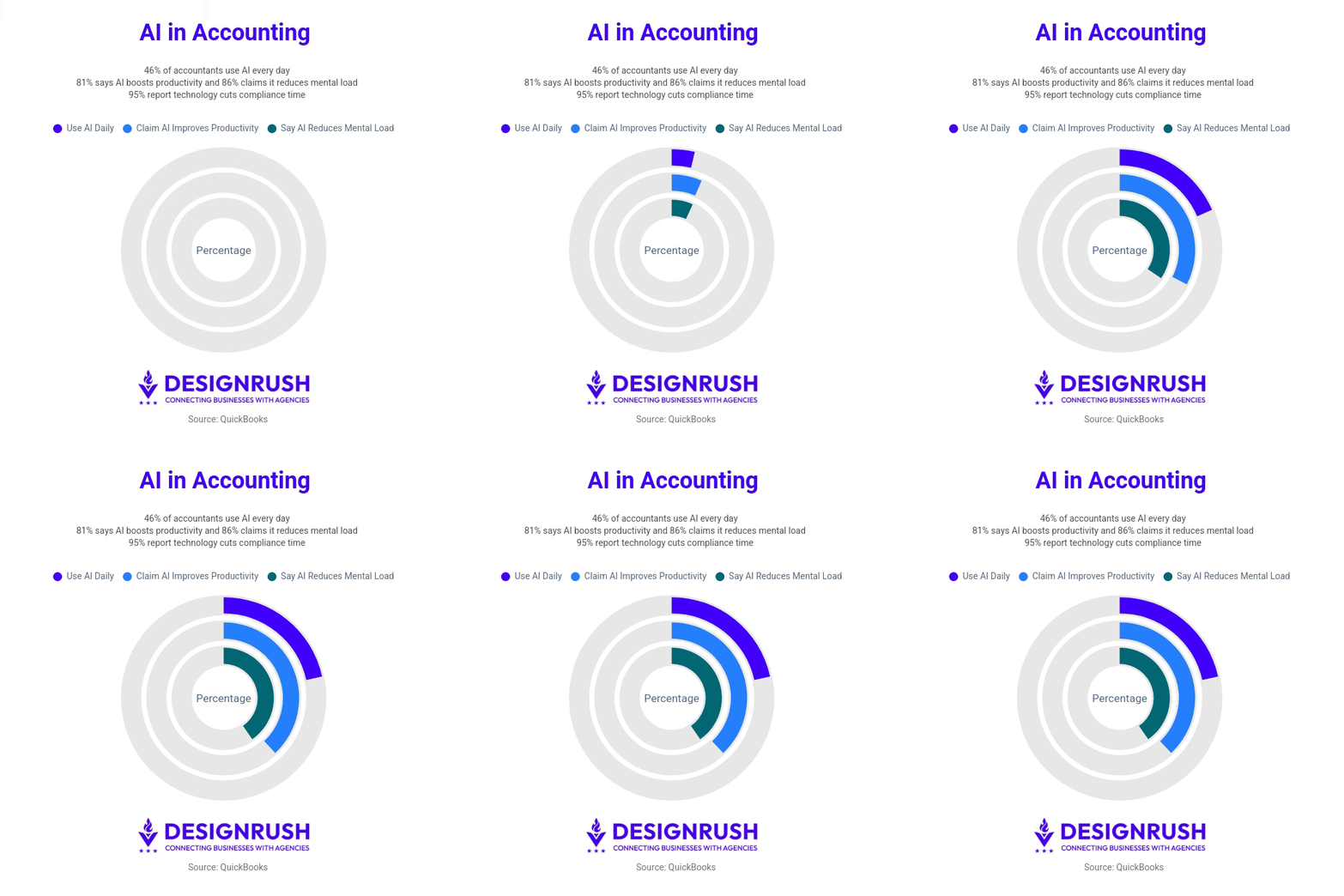
Industry surveys show that 46% of accountants 81% saying AI boosts productivity and 86% saying it reduces mental load. 95% report technology cuts compliance time, freeing them for higher-value work.
2. Payroll automation and multi-jurisdiction handling
NYC accountants rely heavily on automated payroll systems to manage complex requirements, including NYC local taxes and MCTMT thresholds.
Payroll automation reduces processing time by up to 60% and significantly lowers calculation errors, which is crucial for businesses that cross the $312,500 quarterly payroll threshold that triggers MCTMT liability.
3. AI-assisted tax preparation and compliance checks
Accounting firms use AI and rules-based automation to review returns, cross-check filings against prior years, and validate compliance with federal, NYS, and NYC rules.
According to professional services studies, automated tax review tools can catch 20-30% more inconsistencies than manual review alone.
How do I choose the best accountant in NYC for my business? Follow these steps to choose the best firm for your needs:
Confirm NYC-specific credentials and experience Match industry and business complexity Evaluate processes and technology accounting tools deliver faster monthly closes, fewer errors, and better reporting. Ask how often you’ll receive financials (monthly vs. quarterly).Assess communication and accountability Look for proactive advisory value What red flags should I watch for before hiring an agency? Watch for the following red flags before you sign a contract with an accounting firm:
Avoid firms that can’t verify CPA licenses , EA status, or New York registration . In NYC, licensed CPAs are required for audits, reviews, and attest services, and a lack of credentials limits what they can legally do. Delayed replies, vague answers, or overuse of jargon increase the risk of missed deadlines.If fees aren’t clearly defined up-front , or change without explanation, you risk budget overruns. Reputable firms provide written engagement letters that detail services, timelines, and billing structures. Guarantees of “huge refunds,” “zero audit risk,” or aggressive tax schemes are major red flags. Overly aggressive positions significantly increase IRS and NY audit exposure.Repeated complaints about errors, missed filings, or unresponsiveness, or a total lack of reviews and references, signal operational risk, especially in a dense market like NYC.Firms unfamiliar with NYC Business Corporation Tax (BCT) , Unincorporated Business Tax (UBT), Commercial Rent Tax (CRT), or MCTMT payroll tax may miss filings or miscalculate liabilities.Avoid firms that won’t formalize scope, deadlines, and responsibilities in writing because that often leads to disputes and service gaps. Suggestions to hide income, manipulate records, or ignore notices are serious warning signs and can expose you to penalties or criminal liability.What questions should I ask accounting firms in NYC before hiring one? Before hiring an accountant in NYC, ask each of the potential partners the following questions:
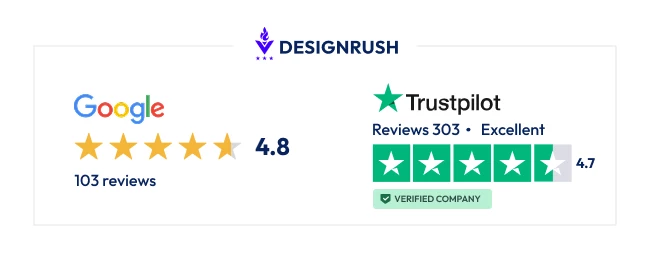
Relevant Background How many NYC-based businesses do you currently serve, and in which boroughs or industries? Are your lead accountants licensed CPAs or EAs in New York, and who will be responsible for my account day-to-day? What experience do you have with NYC-specific taxes (BCT, UBT, Commercial Rent Tax, MCTMT)? Can you provide references from NYC clients similar in size or complexity to my business? Services and Processes Which services are included by default (tax, bookkeeping, payroll, financial advisory), and what costs extra? How do you handle NYC, NYS, and federal filing calendars to avoid missed deadlines and penalties? What accounting software and tools do you use, and will I have real-time access to my financials? How do you communicate? Who is my point of contact? What’s your typical response time? Relevant to Your Project Based on my business type and location, which NYC taxes or filings should I expect, and how often? What risks or red flags do you already see in my current books or tax setup? How do you approach tax planning vs. tax filing, and what savings opportunities are realistic in NYC? How will your comprehensive accounting services scale as my business grows (hiring, new locations, funding, audits)? Why Companies Trust DesignRush Rated 4.8 on Google and 4.7 on Trustpilot , DesignRush Agency Directory is a reliable resource for finding accounting firms in NYC. We owe this to our executive selection team, which follows a strict screening process when featuring agencies on the platform, assessing key performance indicators, like portfolio, client reviews, and industry reputation.
Learn more about DesignRush Agency Ranking Methodology .
Sources DesignRush sustains a directory of over 40,000 agencies categorized by service category, location, expertise, and reviews. We build our database in two ways:
Our dedicated team of agency experts actively searches the web for top-performing companies. We then pull information from their websites, online presence, and client testimonials to verify their status and qualifications prior to listing. The agencies listed get notified of their profiles on the website and they can choose to claim it or not, which suggests their availability for more collaborations. Agencies can also reach out to DesignRush and must go through the verification process prior to being listed.




 Proposals