
Our industry experts identified the leading Bend small business eCommerce companies that help brands run successful online stores that drive higher engagement, more loyal customers and sales. Filter listings by budget, location and reviews to select the best partner for your needs.
Best Small Business eCommerce Agency In Bend
6 Companies - Rankings updated: April 01, 2026
Every agency on DesignRush meets evaluation criteria around expertise and client feedback to empower informed choices. Some listings include paid partnerships.
Innovation with Intention
fare·well, located in Bend, Oregon, is committed to the impact of positive actions. As a Webflow agency, we aim to support organizations dedicated to making a difference by providing nonprofits, membership-based groups, and community-driven organizations with innovative digital solutions. [... see all Fare*well reviews ]- Location
- Bend, Oregon
- Number of Employees
- Under 49
- Average Hourly Rate
- $150/hr
- Minimal Budget
- $10,000 - $25,000
- Portfolios Count
- 12 Projects Listed
Data sourced from the agency's DesignRush profile, its website, and other relevant accountsFare*well Services
Comprehensive analysis done by DesignRush Agency Experts.Clients and Projects
View Full Portfolio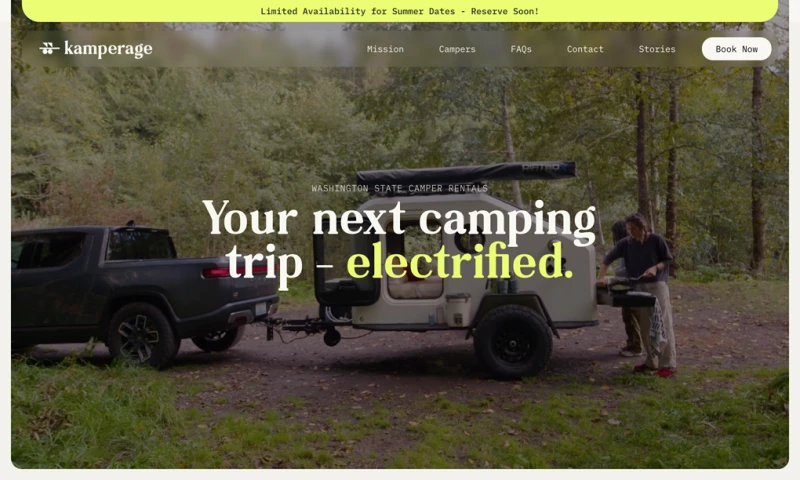
Website Development Project Kamperage 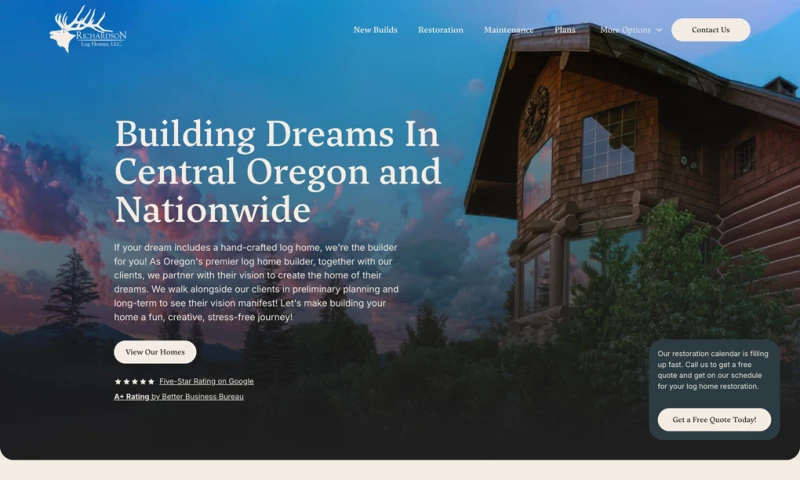
Website Development Project for Construction Company Richardson Loghomes 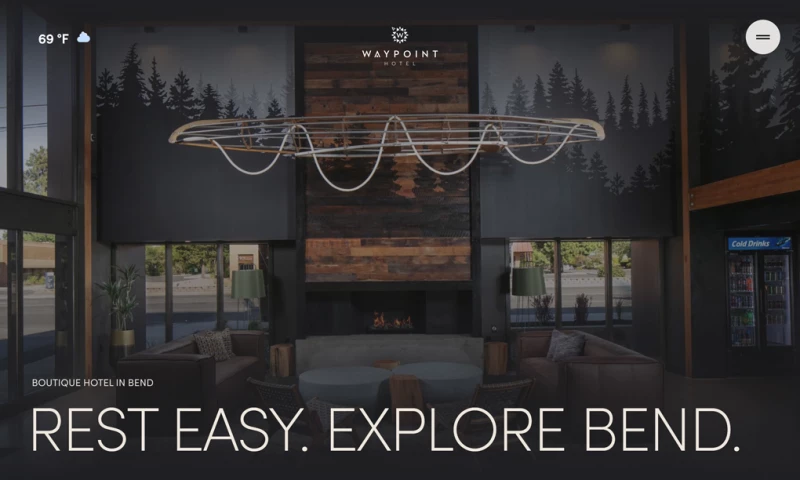
Website Development Project for Hospitality Company Waypoint Hotel 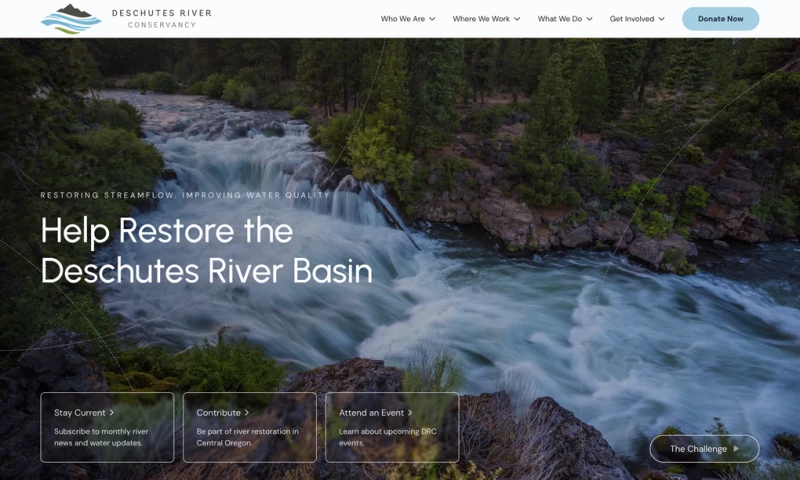
Website Development Project for Nonprofit Company Deschutes River Conservancy 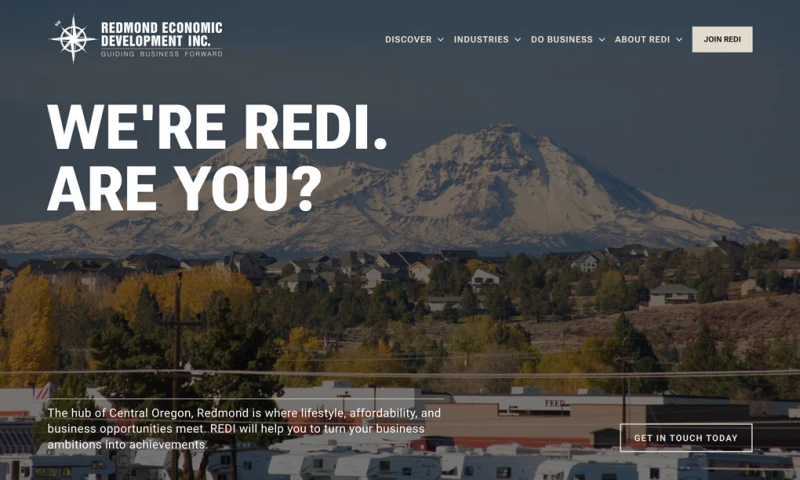
Website Development Project for Nonprofit Company REDI 
Website Development Project for Sports Company Eforce Sports
Reviews verified by DesignRush and sourced from the agency's profileFare*well Reviews & Testimonials

Web Design Review from C.J. Adrien
I've worked with many web designers over the years, and none come close to having the organization, communication, and delivery of Farewell Media. Their onboarding platform kept me on track to deliver what they needed from me, and their regular updates let me know exactly where the project stood at any moment. They created a top-notch website and continue to manage it for me, delivering exceptional customer service in response to my inquiries. Highly recommend!
Show more
Web Design Review from Joe Camarlinghi
Kevin is a true professional and his custom website designs are amazing. He is very knowledgeable on website aesthetics and functionality as well. I highly recommend giving him a call if you need a new website or if your current one just isn't cutting it anymore.
Show more
Data sourced from the agency's DesignRush profileBend Teardrop First Story Bend Inner Alchemy
Design, Strategy & Innovation
SingleMind Consulting is an award-winning digital product design and development agency based in Bend, Oregon (with a Portland office). Founded in 2005, the firm specializes in crafting high-impact web, mobile, and enterprise software solutions with a strong emphasis on AI, UX, and scalable engineering. [... view SingleMind Consulting profile ]- Location
- Bend, Oregon
- Number of Employees
- Under 49
- Average Hourly Rate
- $150/hr
- Minimal Budget
- $25,000 - $50,000
- Portfolios Count
- 7 Projects Listed
Data sourced from the agency's DesignRush profile, its website, and other relevant accountsSingleMind Consulting Services
Comprehensive analysis done by DesignRush Agency Experts.Clients and Projects
View Full Portfolio
Web Design Project Grafo 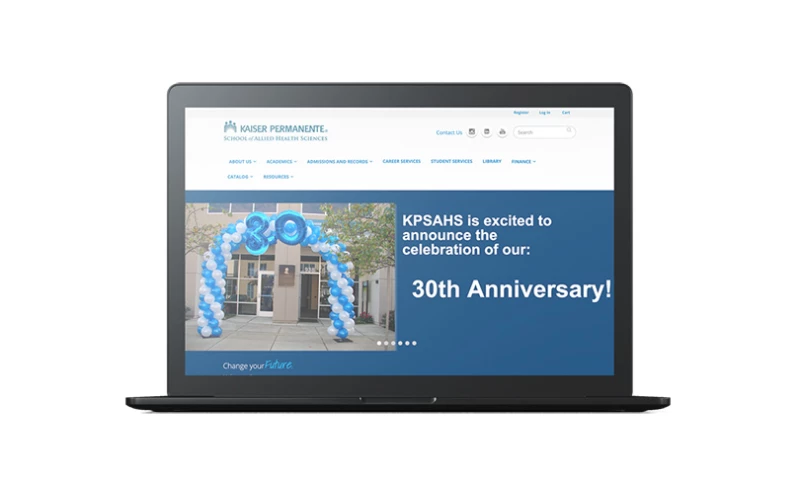
Web Design Project KPScholar 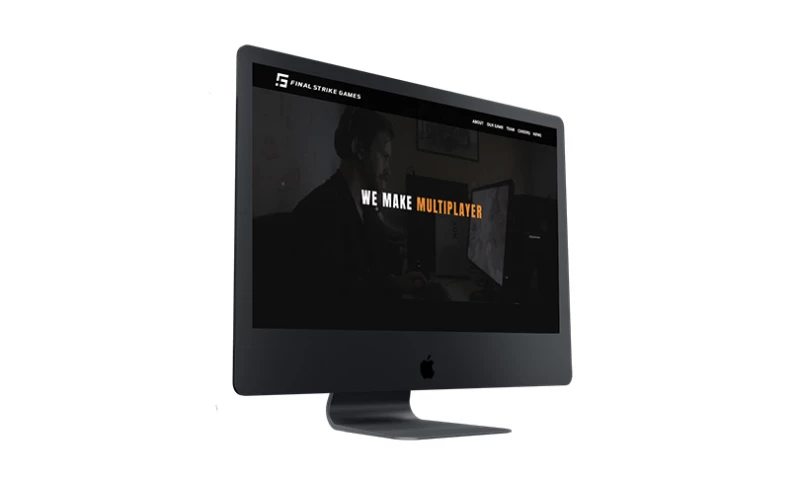
Web Design Project Final Strike Games
Data sourced from the agency's DesignRush profileCengage Learning OTTO DWFritz Kaiser Permanente
Because your website is more than a bunch of pages
Saveda Web Strategies: Because your website is more than a bunch of pages. We create custom websites that are responsive and well-performing. [... view Saveda Web Strategies profile ]- Location
- Bend, Oregon
- Number of Employees
- Under 49
- Average Hourly Rate
- $85/hr
- Minimal Budget
- $1,000 - $10,000
- Portfolios Count
- 3 Projects Listed
Data sourced from the agency's DesignRush profile, its website, and other relevant accountsSaveda Web Strategies Services
Comprehensive analysis done by DesignRush Agency Experts.Clients and Projects
View Full Portfolio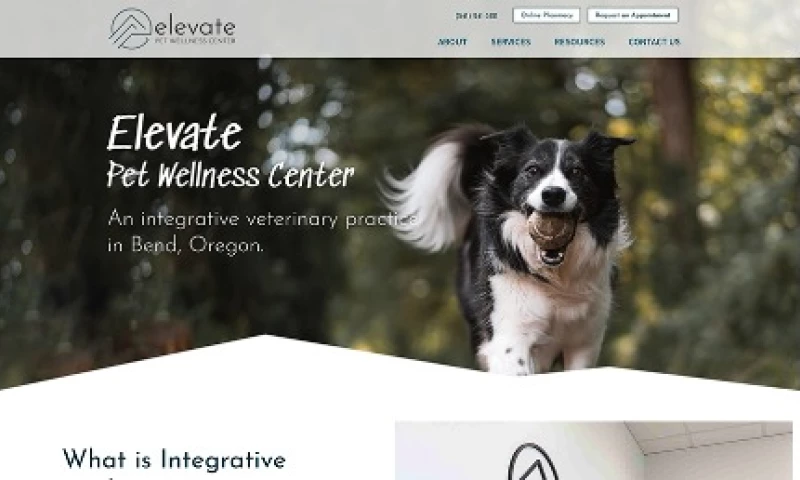
WordPress Website Design Project Elevate Pet Wellness Center 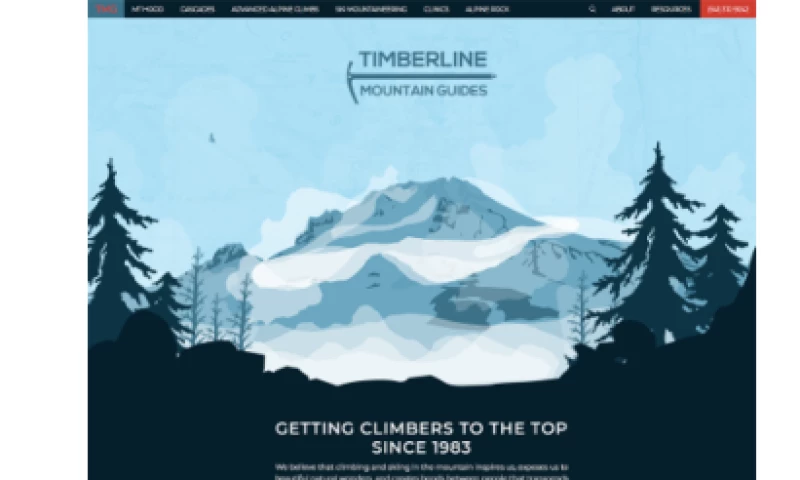
Web Design Project Timberline Mountain Guides 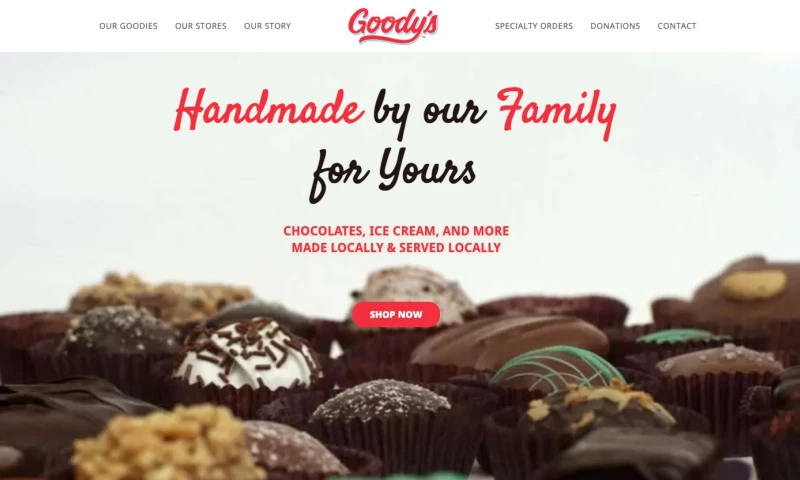
WordPress Website Design Project Local Chocolate Shop
Data sourced from the agency's DesignRush profileLaurel Group Elevate Pet Wellness Center Timberline Mountain Guides Goody's
Click-worthy website made easy
Stauber Creative is a Bend-based web design studio helping small businesses build clean, fast, and user-friendly websites. I specialize in custom web design, Shopify storefronts, ongoing SEO, and site maintenance. With a collaborative approach and focus on results, I create websites that look great, perform [... view Stauber Creative profile ]- Location
- Bend, Oregon
- Number of Employees
- Under 49
- Average Hourly Rate
- $75/hr
- Minimal Budget
- Under $1,000
Data sourced from the agency's DesignRush profile, its website, and other relevant accountsStauber Creative Services
Reviews verified by DesignRush and sourced from the agency's profileStauber Creative Reviews & Testimonials
Brian Giesler's Review Sourced from Google
Stauber Creative is an outstanding partner for businesses looking to elevate their brand and marketing presence. Their team combines creativity with a deep understanding of strategy, delivering designs and campaigns that truly stand out. From the initial consultation to final delivery, the process is collaborative, efficient, and tailored to your unique goals.Every project reflects impressive attention to detail and a genuine commitment to quality. Whether you need a new logo, website, or marketing materials, Stauber Creative brings fresh ideas and reliable execution to the table. Communication is always prompt and clear, making the experience smooth from start to finish.If you’re seeking a creative team that delivers both vision and results, Stauber Creative is a fantastic choice. Highly recommended for anyone serious about growing their brand.
Show morebrad auerbach's Review Sourced from Google
Simon has brought his technical acumen and flair for style to several Shopify-based projects. I have enjoyed the success of his efforts. He can translate my initiatives into practical and effective designs. Because these projects also involve input from others, he is able to manage disparate agendas well, all to the greater good of the project. For efficient quality results, you need look no further.
Show moreLaurie Rogers's Review Sourced from Google
Simon helped us create a new website for our business and I can't say enough positive things about our experience with him. First of all; he far exceeded our expectations and built us a website that represents our business now and for years to come. Everything he said he would deliver to us was on time and again exceeded our expectations.Thank you Simon for all your help and support and I will definitely be recommending you to anyone that needs a new website!Oh and he also does SEO work as well! So I would definitely recommend him for that as well!
Show more
Data sourced from the agency's DesignRush profileDEVO Birdie's Brows PSB Records Inc Outtake Gallery RV Park Consulting Advanced Entertainment Technology
World-Class Coach. World-Class Team.
Blastoff! Studio is a trusted multidisciplinary design practice specializing in creating premium services, products, and brands built to launch powerfully and grow with confidence. From brand positioning and strategy to complete product and service development, we transform early-stage ideas into focused [... view Blastoff! Studio profile ]- Location
- Bend, Oregon
- Number of Employees
- Under 49
- Portfolios Count
- 1 Project Listed
Data sourced from the agency's DesignRush profile, its website, and other relevant accountsBlastoff! Studio Services
Reviews verified by DesignRush and sourced from the agency's profileBlastoff! Studio Reviews & Testimonials
Karen Hirsh's Review Sourced from Google
Nate was amazing to work with...walking us through exactly what the process would be for him to transfer our existing site to SquareSpace as well as making recommendations (and making) updates once it was there. Through his guidance I'm empowered to edit our site, to keep it current and drive traffic to increase donor engagement with our organization. Seamless. Efficient. Delightful to work with.
Show moreBill Armstrong's Review Sourced from Google
I called blastoff! Studio because i needed help with my branded logo that another company horribly blundered. Nate Kupish answered the phone. He was happy to stop what he was working on and took the time to hear my problems and what I needed done. He truly made me feel like I was his most important customer. He explained his fee rates and the process of reworking what I had. He explained it would take him around a day, maybe two depending on what I had for him to work with. He instructed me to send what I had to him. Nate jumped right on it made the revisions so fast it was incredible. I can't recommend Blastoff! Studio enough. I regret not contacting Blastoff sooner than I did. Not using Blastoff is a complete waste of time and money. They are absolutely the best available.
Show moreJustin Vanier's Review Sourced from Google
Working with Nate has been fantastic! He asks great questions, communicates clearly, and delivers designs that are clear in what they communicate. I'd recommend Nate and his team.
Show more
Data sourced from the agency's DesignRush profileUniversity of Oregon Cannondale Skywall Nike Apple
Performance Marketing for Outdoor and Active Lifestyle Brands
Foghorn Labs provides leading brands with online marketing strategy and integrated campaign management utilizing SEM, SEO, paid social media, display, video, email automation, and the business intelligence that makes it all tick. [... view Foghorn Labs profile ]- Location
- Bend, Oregon
- Number of Employees
- Under 49
- Average Hourly Rate
- $175/hr
- Minimal Budget
- $10,000 - $25,000
Data sourced from the agency's DesignRush profile, its website, and other relevant accountsFoghorn Labs Services
Data sourced from the agency's DesignRush profileEagle's Nest Outfitters Leatherman Tool Group Showers Pass Ritchey Bikes Machines for Freedom Astral Designs Burley Buff USA Castelli OTIS Eyewear









Frequently Asked Questions
What are the key services of an eCommerce development company for small businesses?
Small business eCommerce development agencies offer comprehensive services tailored to the needs, budgets, and operations of a startup or emerging enterprise. These include:
- Strategy and discovery: Defining business goals, target audiences, technical requirements, and project roadmap.
- User interface (UI)/user experience (UX) design: Creating the site structure, user flows, visual design system, and interactive elements to support a smooth shopping experience.
- Custom eCommerce website development: Building or customizing an online store through platforms such as Shopify, WooCommerce, or Magento based on the business's needs and growth plans.
- eCommerce mobile app development: Producing an application for mobile devices (e.g., smartphones and tablets) using native or cross-platform strategies to directly communicate with customers.
- System integration: Connecting tools and tech, such as payment gateways, inventory management solutions, data analytics tools, and fulfillment solutions, to your eCommerce store.
- Maintenance and post-launch support: Providing post-launch monitoring, feature enhancement, performance optimization, and debugging.
Many small business eCommerce development services also offer digital marketing services that span brand strategy, search engine optimization (SEO), content marketing, social media marketing, and paid advertising.
Some also provide advanced tools and technologies, such as AR/VR (for virtual try on), AI chatbots, and AI recommendation engines.
Should you build a custom eCommerce website or use a pre-made theme for your small business?
It depends on your project goals, budget, and timeline. Build a custom eCommerce website if it is your core business platform. Choose a pre-made theme if you need to validate a concept or confirm market demand quickly.
Here are more details about each to better help you choose:
| Custom eCommerce website | Pre-made theme for eCommerce | |
| Advantages |
|
|
| Disadvantages |
|
|
| Best for |
|
|
How long does it take for a new small eCommerce store to go live?
A small eCommerce store can take between 1 week and over 6 months to go live, depending on your goals, budget, core features and functions, technical complexity, and security requirements. Here is an estimated timeline based on project type:
- Launchpad eCommerce stores take 1-8 weeks to develop, with predesigned themes and out-of-the-box features.
- Basic eCommerce stores may need 6-12 weeks, and include payment processing and shipping features, SEO setup, and a catalog of up to 100 products.
- Medium-complexity stores may take 3-6 months, with custom designs, unique functionalities, and key third-party integrations.
- Enterprise-grade stores require at least 6 months to build and have advanced tools and features, like AI and AR/VR capabilities, ERP integration, and complex user roles and permissions.
What eCommerce platform is best for your small business?
The best eCommerce platform for your business will depend on your existing systems, team's technical capabilities, growth plan, budget, and security and compliance requirements. Below are the most common eCommerce platforms and when to best use each one:
- Choose a SaaS eCommerce platform, like Shopify, Wix, or Squarespace, if you have limited technical experience and want a more affordable, easy-to-manage solution. These platforms offer built-in features and typically handle hosting, security, and PCI compliance, making them a practical option for many small businesses.
- Select an open-source eCommerce platform, like WooCommerce or Magento, if you require high customization and greater control over your store's functionality and integrations. These platforms are often better suited to businesses with technical support or development resources, since setup, maintenance, and security management are more hands-on.
- Pick a headless commerce setup, like Shopify Headless or BigCommerce, if you prioritize omnichannel experiences and have the budget and technical team to support it. Headless commerce is usually best for businesses with more complex requirements rather than organizations looking for a simple launch.
When should a small business hire an eCommerce development company instead of building in-house?
The decision to hire an eCommerce development company for small businesses depends on your internal capacity, business priorities, budget, and timeline.
Hire an eCommerce development company for small businesses if:
- You want to build highly tailored solutions, but do not have the internal expertise.
- Managing and maintaining your eCommerce solution takes time away from core business operations.
- You want to add advanced features, like predictive analytics, and need specialized expertise.
- You are experiencing frequent downtime, performance issues, or cybersecurity risks on your eCommerce store that your team cannot resolve internally.
- You need to launch quickly and want an experienced team to handle strategy, design, and technical execution.
Build your eCommerce store in-house if:
- You already have the time, expertise, and resources to build and maintain the store internally.
- A standard out-of-the-box solution meets your current needs better than a fully custom site.
- Your business requires frequent day-to-day updates, and you want direct control over site changes.
- You have an internal team that can manage security, compliance, and technical maintenance confidently.
About The Author and Expert Reviewer

Robert de Wit has a diverse background in advertising, marketing, IT, and healthcare. With a history as both a copywriter and a video game journalist, he specializes in SEO, long-form content creation, and crafting compelling copy that drives results. Currently, he writes about website and interface design at DesignRush, delivering the latest industry insights and analysis.

Sergio is a technology leader with over six years of experience managing global teams and delivering projects across fintech, sportstech, and B2B platforms. At DesignRush, he drove product growth and development execution, building tools that speed up processes by 95% and cut costs by 35% while maintaining full uptime.
Latest Trends Related to Small Business eCommerce Development


eCommerce Development
eCommerce Statistics 2026: 90+ Key Trends & Insights for Online Shopping Success
21,134