
Augmented reality (AR) is a transformative technology that overlays digital information, such as images, sounds, or other data onto the real world. Rather than replacing reality, it layers new dimensions onto it to enable richer learning, deeper engagement, and practical use across industries.
This article explores what augmented reality is, how it works, the types of AR, and how it's commonly used today.
What Is Augmented Reality: Key Points
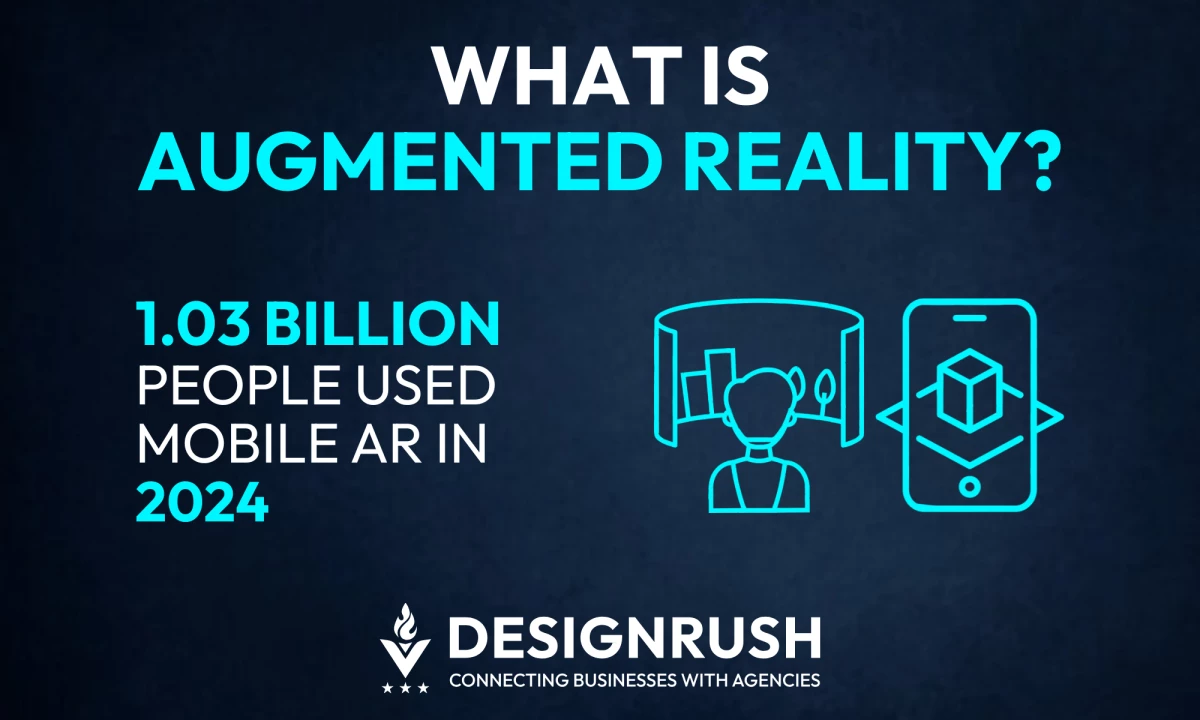
- As of 2024, more than 1.03 billion users have used mobile AR, underscoring its rapid mainstream commercialization.
- The technology has become a potent asset for brand engagement and user retention, with social media titans like Snapchat reporting over 300 million daily AR Lens interactions across the platform.
- Retailers like IKEA and Home Depot use AR to let users preview furniture or products in their real-world spaces, intended to amplify purchase confidence and reduce returns.
What Is Augmented Reality (AR)?
Augmented reality is a cutting-edge technology that combines digital data with real-world surroundings to create an environment where digital and physical elements coexist.
It uses cameras, sensors, and computer vision algorithms to perceive and interact with the real world. Interaction happens in real time via smartphones, tablets, smart glasses, and headsets, all of which can all function as AR experience platforms.
One of AR’s most valuable qualities is its capacity to deliver actionable insights by emphasizing certain aspects of the physical world. This feature is becoming increasingly relevant in an era of big data when such insights can affect business decision-making processes.
-content-large-webp.webp)
AR technology has applications across various sectors, such as gaming, entertainment, retail, education, and healthcare. It's particularly impactful in industrial settings, where it can turn work environments into interactive learning spaces, optimizing technology and human input.
In essence, AR is not just an enhanced version of reality; it's a tool that can revolutionize how we interact with the world around us, making it more informative, engaging, and insightful.



How Does Augmented Reality Work?
AR is part of a larger, interconnected ecosystem that often includes artificial intelligence (AI), cloud computing, big data, and automated robotics.
Here's a step-by-step breakdown of how AR functions:
- Device access: An AR-enabled device, such as smart glasses, a tablet, or a smartphone, captures the surrounding environment using its built-in camera. A surrounding can be anything from a physical object to the layout of a room. The device's camera acts as the eyes of the AR system, processing the video feed to identify key elements in the real world.
- Creating digital copy: The device creates a 3D digital replica of the identified object and stores it in the cloud. This copy or “digital twin” serves as a bridge between the real and virtual worlds. The digital twin collects data from the physical object, allowing for a seamless interaction between the real and digital environments.
- Cloud connection: The AR device retrieves relevant information about the object from the cloud and overlays this digital data onto the real-world object. Various markers or trackers, such as GPS and sensors, accurately position the digital overlay, creating a hybrid 3D interface.
- Real-time interaction: Users can interact with this augmented environment in real-time, using touch, voice commands, or gestures to send instructions to the cloud. The cloud-based system allows for a dynamic and interactive experience, constantly updating based on user input and environmental changes.
Types of Augmented Reality
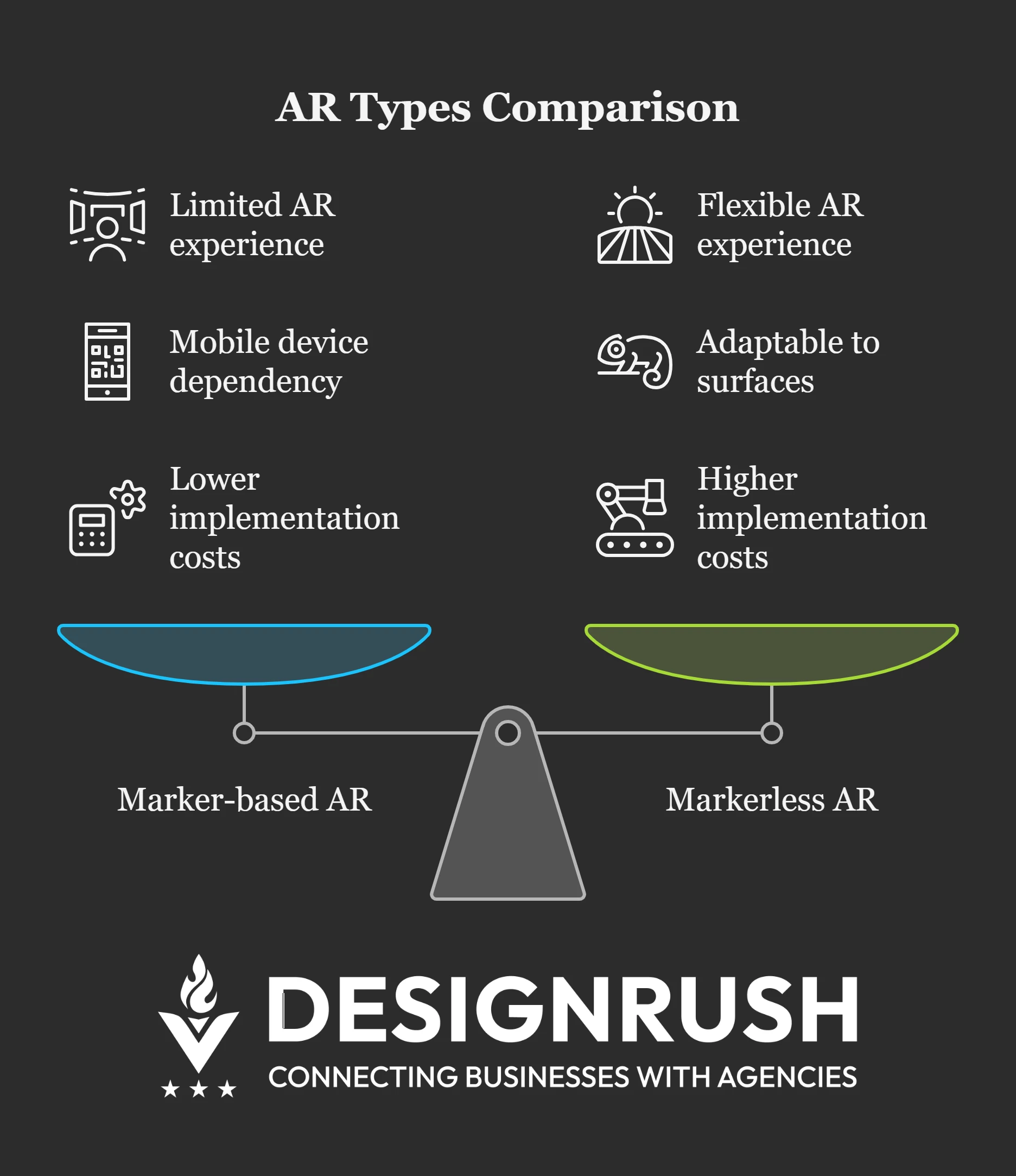
There are two types of augmented reality:
1. Marker-Based AR
Also known as image recognition AR, this type uses visual markers like QR codes to initiate the AR experience. When a user scans the marker using a mobile device, digital elements are activated and displayed in 3D. However, this type is generally limited to mobile devices and may require a dedicated app for full functionality.
2. Markerless AR
This type of AR uses location-based data from mobile devices to understand the user's environment. It allows for a more flexible and dynamic AR experience, which makes it popular in online shopping and gaming. Markerless AR can adapt to various surfaces and environments, although its complexity can make it more costly to implement. It encompasses other subtypes of AR: projection-based, superimposition-based, and location-based AR.
- Projection-based AR: This model uses projectors to display digital content on flat surfaces. While it doesn't create a fully immersive environment, it effectively displays holograms at events or retail settings.
- Superimposition-based AR: In this type, digital content partially or fully replaces an existing physical object when viewed through an AR-supported device. It can identify specific features in the user's environment and overlay digital information accordingly.
- Location-based AR: This model specifically uses geographic data to trigger digital elements. It's popular in gaming applications and can also be used in retail to create interactive experiences like virtual scavenger hunts within a store.
Examples of Augmented Reality
Augmented reality has found its way into various industries, offering unique experiences that range from practical applications to pure entertainment. Here are a few examples:
Retail
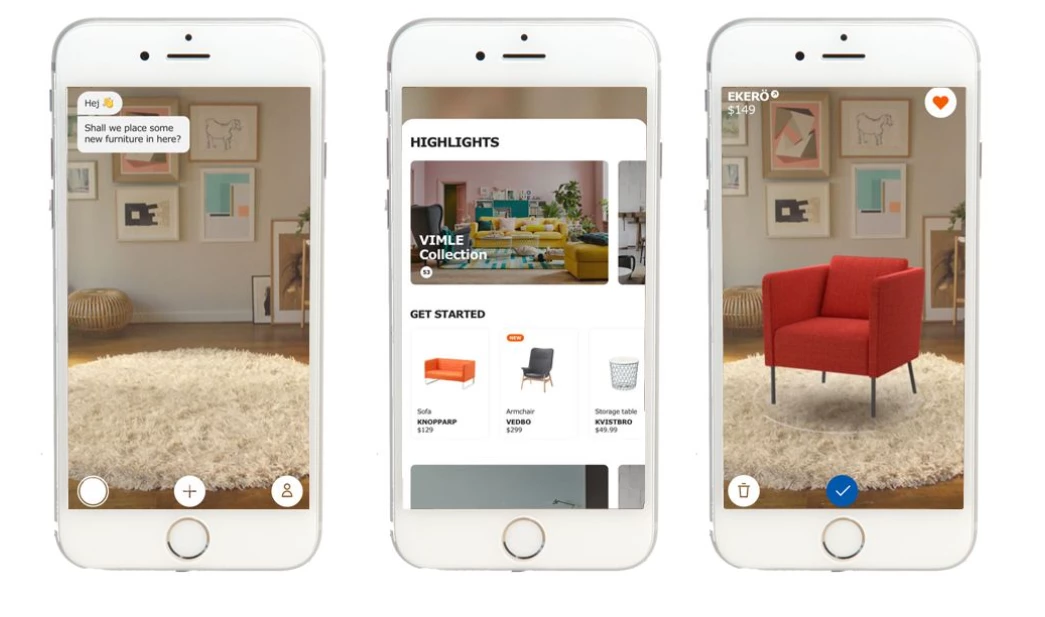
Many retail stores now offer AR features within their apps, allowing customers to virtually "try on" clothes or preview how furniture would look in their homes before making a purchase.
For example, experience the future of shopping with IKEA's AR feature or Home Depot's mobile app, which allows you to visualize how their furniture will fit into your living space.
Entertainment
AR has transformed the entertainment industry by providing immersive experiences that engage users.
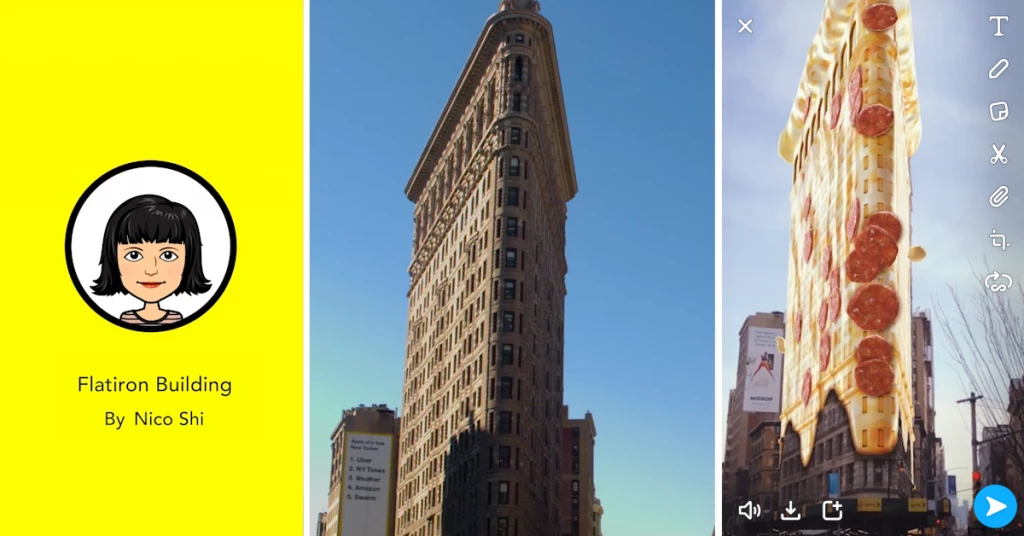
The technology adds a layer of excitement and involvement to the user experience through engaging games like Pokemon Go or captivating social media filters like the ones in the Snapchat app.
Healthcare
AR is revolutionizing surgical procedures and diagnostics in the medical field. Surgeons can overlay digital images onto the patient to assist in precision during procedures.
The xvision Augmedics company, for example, uses advanced AR technology to provide surgeons with a view similar to X-ray, allowing them to see through skin and tissue.
Improved vision allows doctors to manage surgical instruments and implants more precisely during spine-related procedures.
For more interesting insights on how augmented reality is used in day-to-day life, read our article "Augmented Reality Examples."
How Do People Use AR in 2025?
In 2025, augmented reality is so embedded in everyday experiences that many users don't even recognize they're using it. From social media filters to virtual shopping tools and real-time navigation, AR has quietly become a routine part of how people interact with the digital world.
The technology’s most prevalent application areas nowadays include:
Social media and camera filters
Beauty, animated, and branded filters remain a dominant force on social media, with Instagram, Snapchat, and TikTok leading in user engagement.
Instagram Stories sees over 500 million daily users, which is a key driver for AR filter adoption, while Snapchat reports more than 300 million users interacting with AR Lenses each day.
According to Catherine Bergstrom, head of product at AdRoll, AR is anticipated to make an even bigger boom in marketing, with AR-powered ads reshaping the way brands interact with customers.
"By incorporating AR, marketers can craft more customized and immersive experiences that deeply resonate with customers, thereby boosting brand recognition and loyalty," she points out.
Mobile AR gaming
Newer releases like Peridot — an AR pet simulation from Niantic — have introduced more emotionally engaging formats that emphasize daily interaction and real-world movement.
Knightfall AR and Angry Birds AR: Isle of Pigs are another notable example in this context, with the games offering action and puzzle-based experiences designed specifically for AR-native mobile play.
Everyday utility
As AR becomes more integrated into smartphones and wearables, users are using it to simplify tasks, access real-time information, and interact more intuitively with the world around them.
Apps like ARuler turn your phone into a digital measuring tool, ideal for quick spatial estimates at home or on the job. Google Lens uses AR to identify plants, translate text, scan QR codes, and recognize objects in real time.
Astronomy apps like Star Walk 2 overlay constellations and planetary data onto the night sky, offering immersive, hands-on education for casual stargazers and students alike.
Augmented Reality vs. Virtual Reality
Terms augmented reality and virtual reality are often used interchangeably; although both offer immersive experiences, they do so in fundamentally different ways:
| Augmented Reality (AR) | Virtual Reality (VR) |
|
|
In summary, while AR adds to your reality, VR creates a new one. Each has unique strengths and applications, but both transform how we interact with the world and digital information. Read our Virtual Reality for Business guide to learn more about VR applications.
What Is Augmented Reality: Final Thoughts
In 2024, the global number of mobile augmented reality (AR) users was estimated at approximately 1.03 billion. As the technology matures, it’s poised to shift from novelty to necessity and reshape expectations around convenience, engagement, and how we experience the world around us.
Now is the time to seize the momentum of augmented reality and turn innovation into impact.

Our team ranks agencies worldwide to help you find a qualified partner. Visit our Agency Directory to find top-rated AR/VR companies, as well as:
- Top 3D Modeling Companies
- Top Interactive Design Agencies
- Top Product Design Companies
- Top Gaming Development Companies
- Top Mobile App Development Companies
What Is Augmented Reality? FAQs
1. What is augmented reality, in simple words?
In simple words, augmented reality is a technology that adds digital elements, like pictures, animations, or special effects, into the real world as you see it through a device like a smartphone or special glasses.
2. Why is AR becoming popular?
AR is becoming popular because it enhances user experiences; it adds interactivity to traditional activities, making them more engaging and informative.
For example, AR allows consumers to virtually "try on" products in retail, leading to more confident purchasing decisions and lowering mistakes. AR technology is also becoming more accessible, with increasing numbers of smartphones and tablets that support AR features.