Hiring Guide: How To Choose the Best Logo Design Agency Table of Contents
What can top logo design companies in the USA do for businesses? The best logo design companies in the USA help businesses translate business goals, positioning, and audience insight into strategic, production-ready designs.
This includes logo variants, usage guides, toolkits, and templates that help teams consistently apply the logo design across customer touchpoints.
In doing so, these companies help businesses boost brand recognition, trust, and long-term growth.
In fact, 75% of consumers recognize a brand by its logo2 seconds to create an impact.
Moreover, 60% of customers avoid brands that have unappealing logos.
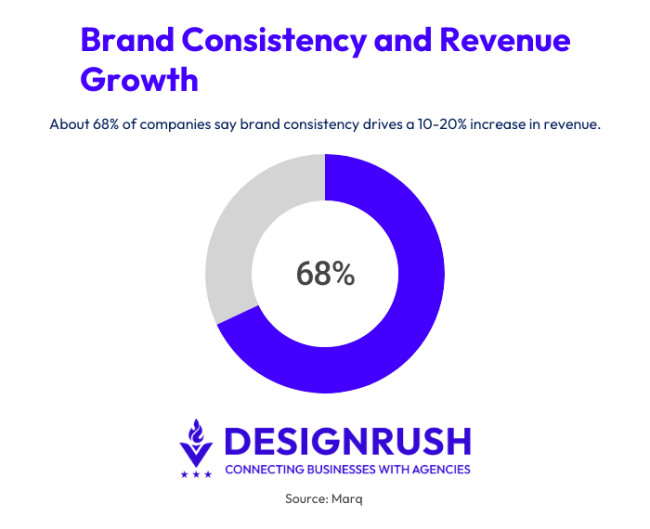
According to another study, 68% of companies report that brand consistency contributes 10%-20%+ to revenue growth 21% observe a 5%-10% growth. Only 11% of these respondents experienced a revenue growth of less than 5%.
How do I review and compare design portfolios? When reviewing logo design portfolios, focus on these:
What To Review What To Look For Why It Matters Style fit and visual consistency Past logo projects that align with your brand’s aesthetic and industry, with consistent visual systems. It takes 5 to 7 impressions for a logo to become familiar, so consistency across designs signals stronger long-term recognition. Execution quality and simplicity Real-world usage of logo designs in websites, social media content, product packaging, and marketing assets, proving that they’re scalable across formats. This shows how well a logo holds across real brand touchpoints. Experience, credibility, and outcomes Case studies, client lists, and testimonials that demonstrate measurable brand impact. Consistent brand presentation helps build trust over time, driving customer loyalty and purchases. Design versatility A portfolio with genuine variety in styles and solutions: logos that feel tailored to each client’s industry, audience, and brand personality. If many logos share the same visual patterns, it can signal a one-size-fits-all approach and limited strategic adaptation.
To get strong logo concepts and avoid unnecessary revisions, a logo design firm needs clear inputs that define your brand and goals from the start.
Brand identity and positioning: Explain what your brand stands for, including your mission, values, personality, and unique positioning.Target audience details: Define ideal buyer personas, including demographics, behaviors, and expectations.Business background and growth vision: Share your foundation story and 5–10-year vision to help designers create an adaptable and relevant logo.Competitive landscape insights: Identify key competitors and explain what you like or dislike about their branding to avoid industry clichés and ensure design differentiation.Style preferences and visual direction: Outline any preferences around colors, typography, mood, or aesthetics, along with examples of logos you admire and reasons why. Include specific symbols that you want to prioritize or exclude.Practical usage requirements: Explain where the logo will be used most often, such as websites, packaging, social media, signage, or merchandise.Symbolic or cultural considerations: Share any relevant geographic, cultural, historical, or symbolic elements.Budget range and timeline expectations: Provide a realistic budget range and deadline, so agencies can align their service scope and recommendations.What questions should I ask logo design firms before hiring? Here are the key questions to help you gauge agency fit:
Relevant Background What industries do you have the most experience working in? Can you walk us through recent logo projects that are similar to our needs? What measurable outcomes did you achieve? Can we speak with a past client or see a live brand in use? Services and Processes What does your onboarding and discovery phase include? How many revision rounds are included, and how is feedback handled? How do you ensure logo quality, consistency, and scalability, especially when used across digital, print, and social channels? Related to Your Project How do you research our market, competitors, and target audience before design starts? How do you translate brand values and positioning into a logo concept? What files and assets are included in the logo package? Will we receive full ownership and commercial usage rights? How do you define and measure brand success after launch? Does a professional logo design agency support the trademark process? Yes, many agencies support the trademark process, but their role is usually advisory and contractual rather than legal.
Here’s how the best logo design firms support businesses in the trademark process:
Usage rights and IP protection: Confirms exclusivity and full rights transfer of logo and branding elements before kickoff.Trademark-aware design: Focuses on logo distinctiveness and documents key choices, while your trademark attorney handles clearance.Coordination with counsel: Coordinates with your attorney and provides the packaged files of all the elements used in the logo design.Trademark process guidance: Advise businesses on the design considerations for a trademark. However, they cannot provide formal legal counsel or file for trademarks.On average, the trademark process takes 12-18 months , with the USPTO base filing fee costing $350 to $1,000+ per class.
Sources DesignRush sustains a directory of over 40,000 agencies categorized by service category, location, expertise, and reviews. We build our database in two ways:
Our dedicated team of agency experts actively searches the web for top-performing companies. We then pull information from their websites, online presence, and client testimonials to verify their status and qualifications prior to listing. The agencies listed get notified of their profiles on the website and they can choose to claim it or not, which suggests their availability for more collaborations. Agencies can also reach out to DesignRush and must go through the verification process prior to being listed.