Best Medical Software Development Company Rankings

5 Companies - Rankings updated: April 02, 2026

Every agency on DesignRush meets evaluation criteria around expertise and client feedback to empower informed choices. Some listings include paid partnerships.

United States × Virginia × Arlington ×
  • DIGITAL. CREATIVITY. EXPERIENCE.

    FULL-CYCLE DESIGN & DEVELOPMENT SOLUTIONS AGENCY  [... see all Five Jars reviews ]
    Location
    Arlington, Virginia
    Number of Employees
    Under 49
    Average Hourly Rate
    $100/hr
    Minimal Budget
    $10,000 - $25,000
    Portfolios Count
    16 Projects Listed

    Five Jars Services

    • Web Design
    • Software Development
    • Web Development
    • eCommerce Development
    • SEO
    • UI/UX Design
    • WordPress Website Design
    • CRM Consulting
    • Digital Strategy
    • Mobile App Development
    Data sourced from the agency's DesignRush profile, its website, and other relevant accounts

    Clients and Projects

    View Full Portfolio
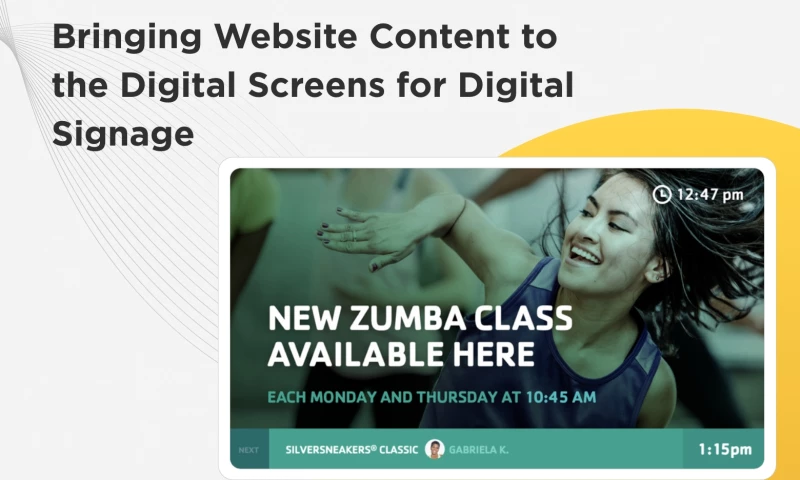
    • Digital Signage
      Software Development Project Digital Signage
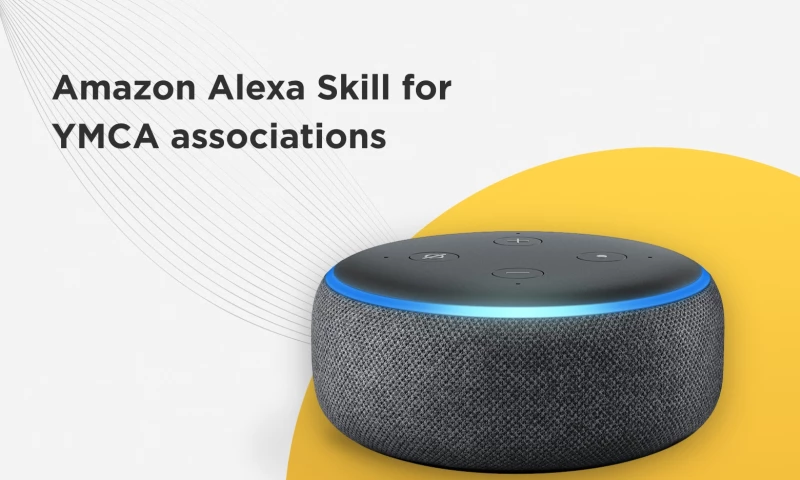
    • Amazon Alexa Skill
      Software Development Project Amazon Alexa Skill
    Comprehensive analysis done by DesignRush Agency Experts.

    Five Jars Reviews & Testimonials

    • Jake Mackay
      Jake Mackay Founder at Print Shoppe
      4.7
      Software Development Review from Jake Mackay

      For quite a long time we took orders by e-mail or personally from customers. It took a lot of time, as we either made layouts by hand or printed them according to the vague requirements of clients. All these difficulties have pushed us to take a step towards the digital transformation of our business. The team of Five Jars has developed a frontend and backend for our web tool to create print layouts. The team is not afraid to take on difficult tasks!

      Show more

    • Anthony North
      Anthony North Owner at E-learning platform
      5.0
      Responsive Review from Anthony North

      I was looking for companies that had experience with large educational platforms. There are some really big players in the eLearning market in Five Jars' portfolio, so I trusted their development experience. After all our platform has become more attractive to users. Over the past year, we have noticed a significant increase in daily visits, so much so that we even had to change hosting. Five Jars helped us with that too!

      Show more

    • Colin Knox
      Colin Knox Founder at Philadelphia Event Producers
      5.0
      Small Business Review from Colin Knox

      I'm satisfied with the MVP we've done with the Five Jars team. I am currently looking for an investor for this project. I love working with professionals when I don't have to dive into a whole area that I don't know. Working with the Five Jars was a real partnership where the other side fulfilled their obligations without my constant checks.

      Show more
    Reviews verified by DesignRush and sourced from the agency's profile
    • George Washington's Mount Vernon
    • Council for Exceptional Children
    • YMCA of the North
    • Spooky Nook Sports
    • Montana NSF EPSCoR
    • YMCA of Pierce and Kitsap Counties
    • YMCA of Greater Brandywine
    Data sourced from the agency's DesignRush profile
  • Custom Software to Reach Your Vision

    We create custom software solutions that transform your process, empower your people, and help you reach your vision. Our team of experts partner with you in a radically transparent process to understand your unique needs, then build a powerful software solution that is scalable, efficient, and cost  [... see all Orases reviews ]
    Location
    Arlington, Virginia
    Number of Employees
    50 - 99
    Average Hourly Rate
    $150/hr
    Portfolios Count
    3 Projects Listed

    Orases Services

    • AI Development
    • Software Development
    • Mobile App Development
    • IT Services
    • Cybersecurity
    • Big Data Analytics
    • UI/UX Design
    • Web Development
    Data sourced from the agency's DesignRush profile, its website, and other relevant accounts

    Clients and Projects

    View Full Portfolio
    • Mobile App Development
      App Development Project Mobile App Development
    • Services .NET Software Development
      .Net Development Project Services .NET Software Development
    • Application Support
      App Development Project Application Support
    Comprehensive analysis done by DesignRush Agency Experts.

    Orases Reviews & Testimonials

    • Jonathan Gessert
      Jonathan Gessert CEO at 321 Web Marketing
      5.0
      Software Development Review from Jonathan Gessert

      We partnered with Orases to develop and maintain a multi-tenant workflow management system and customer portal, tailored to streamline our customers and internal team's creation processes. Our previous systems used dated technologies, but Orases stepped in with a PHP and React solution that transformed how we plan, write, edit, review, and publish content at substantial scale. The system now fully supports our end-to-end workflow, allowing for seamless collaboration across teams while significantly improving overall efficiency.Orases exceeded our expectations by delivering a demo in just six months, with the full application live within eight months. Their attention to detail, consistent communication, and ability to stay on schedule were remarkable throughout the project. Their project management approach was highly effective, ensuring that every stage of development was completed with precision and aligned with our needs.The results have been outstanding. The new system has enabled us to increase productivity, handle more complex projects, and reduce the time spent in content quality assurance and client feedback loops. This has directly contributed to our companys growth and enhanced our ability to scale operations efficiently.What stood out most was Orases's methodical and thoughtful approach. They took the time to deeply understand our goals and delivered a solution that met both our immediate needs and long-term business objectives. Their commitment to excellence and alignment with our vision truly made a difference.Working with Orases has been an incredible experience, and their ability to provide innovative solutions, paired with their outstanding teamwork, has been a major asset. We look forward to continued collaborations with their talented team.

      Show more
    • Tiffany Thomas
      Tiffany Thomas Review from Google
      5.0

      Tiffany Thomas's Review Sourced from Google

      Working with Orases has been a game-changer. From day one, they understood our goals and challenges, then delivered a custom solution that streamlined our operations, improved the customer experience, and helped grow our bottom line.

      Show more
    • Nema Semnani
      Nema Semnani Review from Google
      5.0

      Nema Semnani's Review Sourced from Google

      I'm way overdue in leaving this review. The team at Orases are the best in the biz when it comes to all aspects of app/software development, especially AI software dev. They've been instrumental in helping guide us through the ever-changing landscape of AI, since it definitely feels like if we blink, what we thought was cutting-edge in AI, becomes "old news." Orases helps us stay ahead of the curve...plus on a personal level, they're a genuine joy to work with. Highly recommend!

      Show more
    Reviews verified by DesignRush and sourced from the agency's profile
    • NFL Foundation
    • MLB Pitch, Hit & Run
    • NFL Flag Football
    • NFL Punt, Pass & Kick
    • K2M
    • Mental Health Association
    • José Andrés
    • Academy90
    • American Society of Interior Designers
    • American Kidney Fund
    Data sourced from the agency's DesignRush profile
  • Custom Software That Works in the Real World

    SoftDoes builds custom software, AI, and web applications for mid-market companies that need enterprise-grade results without the overhead of an in-house team. U.S.-based leadership. Full IP ownership. No lock-in.  [... view Soft Does profile ]
    Location
    Arlington, Virginia
    Number of Employees
    50 - 99
    Average Hourly Rate
    $75/hr
    Minimal Budget
    $10,000 - $25,000
    Portfolios Count
    1 Project Listed

    Soft Does Services

    • Software Development
    • AI Development
    • Mobile App Development
    • Web Development
    • UI/UX Design
    • Cloud Consulting
    • Blockchain
    • Software Testing
    • Digital Strategy
    • Big Data Analytics
    Data sourced from the agency's DesignRush profile, its website, and other relevant accounts

    Clients and Projects

    View Full Portfolio
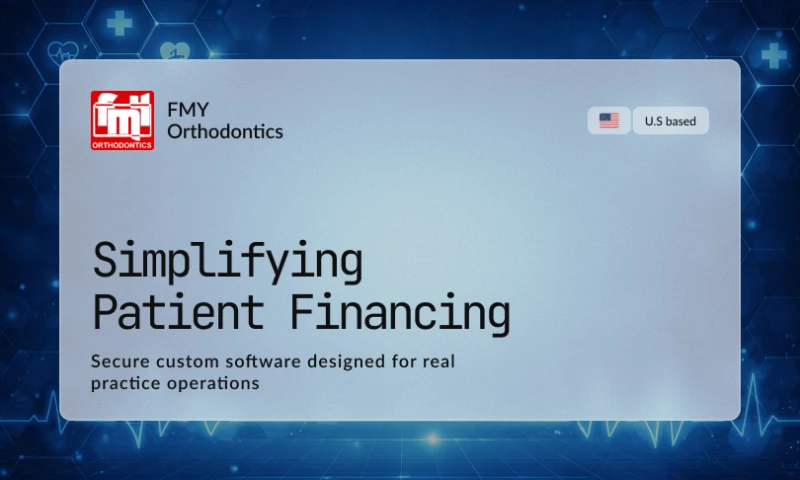
    • Custom Finance Platform for Healthcare Practice
      Software Development Project for Health Care Company Custom Finance Platform for Healthcare Practice
    Comprehensive analysis done by DesignRush Agency Experts.
    • Altera
    • Brizacorp
    • Color and Harmony
    • FMY Orthodontics
    Data sourced from the agency's DesignRush profile
  • Tech Outsourcing Services: Powering Futures

    Accelerate your path to digital business with our vetted tech talent.  [... view Inclusion Cloud profile ]
    Location
    Arlington, Virginia
    Number of Employees
    100 - 249

    Inclusion Cloud Services

    • Software Development
    • IT Services
    • Cloud Consulting
    • eCommerce Development
    Data sourced from the agency's DesignRush profile, its website, and other relevant accounts
    • Salesforce
    • Oracle
    • YPF
    • Arcor
    • Coca-Cola
    • Mercedes-Benz
    • SAP
    • Nestle
    • Mastercard
    • McCain
    Data sourced from the agency's DesignRush profile
  • Building High-Performing Mobile & Web Apps

    We steer top-tier brands and early-stage startups toward providing their customers with cutting-edge digital design, web, and mobile experiences.  [... view Unstuck Labs profile ]
    Location
    Arlington, Virginia
    Number of Employees
    Under 49
    Average Hourly Rate
    $149/hr
    Minimal Budget
    $10,000 - $25,000

    Unstuck Labs Services

    • Mobile App Development
    • Branding
    • Software Development
    • Web Development
    • AI Development
    Data sourced from the agency's DesignRush profile, its website, and other relevant accounts

    Unstuck Labs Reviews & Testimonials

    • Seth Banks
      Seth Banks Review from Google
      5.0

      Seth Banks's Review Sourced from Google

      Amazing group of advisors and experts. Was invited from a friend to attend an event and the value walking away was tremendous. Thanks Unstuck Labs!

      Show more
    • Ximena Segovia
      Ximena Segovia Review from Google
      5.0

      Ximena Segovia's Review Sourced from Google

      Unstuck Labs team has been so professional on our interactions, especially during their Unstuck Tuesdays sessions! Feels like chatting with friends who happen to be total pros. 🙌🏼 Their advice was spot-on and totally helped me on my project!!If you want to experience their awesome vibe, I highly recommend joining their Tuesday sessions! You won't be disappointed 😊

      Show more
    • Fahd Malik
      Fahd Malik Review from Google
      5.0

      Fahd Malik's Review Sourced from Google

      Really easy to talk to and work along with. Helped me develop and scale a web application. Team is responsive and able to provide deliverables on a timely manner.

      Show more
    Reviews verified by DesignRush and sourced from the agency's profile
    • Rooam
    • Traxyl
    • Visajump
    • MyBuzz
    • iEatz
    Data sourced from the agency's DesignRush profile

Frequently Asked Questions

What is a healthcare software company?

A healthcare software company is a specialized firm that develops, provides, and maintains software solutions tailored to the specific needs and challenges of the healthcare industry. These diverse and complex needs include patient care management, electronic health records (EHR), telemedicine, billing, scheduling, and regulatory compliance, among others. 

By combining their domain expertise with the latest technologies, these are the ways that software development experts help healthcare providers: 

  • Streamline and automate their administrative processes 
  • Improve and personalize their patient experience 
  • Achieve seamless interoperability among different healthcare systems and platforms 
  • Ensure the security and privacy of patient data 
  • Improve diagnosis and predictive diagnosis using smart medical devices and systems 
  • Monitor and track medical equipment 
  • Manage relationships with third-party organizations such as insurance companies and suppliers 
  • And more 

Medical software companies cater to hospitals, clinics, private practices, and insurance companies. Each of these clients presents unique challenges, such as the need for precise and efficient patient data management systems. They may also require the integration of new technologies like AI for predictive analytics. Furthermore, ensuring compliance with healthcare regulations like the Health Insurance Portability and Accountability Act (HIPAA), the Health Information Technology for Economic and Clinical Health (HITECH) Act, and the Medicare Access and CHIP Reauthorization Act (MACRA) is also one of the essential requirements. 

One of the key products developed by healthcare software companies is electronic health records (EHRs). EHRs transform healthcare by providing quick access to patient records, thereby improving the ability to diagnose and reduce medical errors. A national survey highlighted that 94% of healthcare providers found EHRs to make records more accessible at the point of care, 88% reported clinical benefits for their practice, and 75% felt EHRs allowed them to deliver better patient care. 

The projected revenue of US$193.70 billion in 2024, along with an estimated annual growth rate (CAGR 2024-2028) of 9.16% and a projected market volume of US$275.00 billion by 2028, clearly demonstrates the strong demand for healthcare software and digital health solutions. 

What does a healthcare software developer do?

A healthcare software developer creates and maintains software solutions specifically for the healthcare industry. Some of their responsibilities include: 

  • Building software solutions that house digital medical records that can be accessed from a variety of secure places 
  • Creating websites, apps, and wearables for medical practitioner or patient use 
  • Maintaining digital systems that store important medical information, including study results, lab work, and patient medical records 
  • Facilitating digital communication between healthcare organizations 

Some of the sectors these developers power include: 

  • Telehealth/telemedicine 
  • Diagnostics 
  • Nutrition 
  • Health and wellness 
  • Medical Devices 
  • Medical Laboratory 
  • Hospital Management System 

Hola Meds - Pharmacy Delivery is an Australian pharmacy marketplace app developed by Suffescom Solutions. It serves as an excellent illustration of the diverse and impactful services offered by healthcare software development companies. The app demonstrates several key features and functionalities that cater to modern healthcare needs: 

  • Medicine purchase and delivery 
  • Discounts on healthcare products 
  • Order reordering and tracking 
  • Health-related content 
  • Cost-free medicine returns 

This example shows how healthcare software developers, besides creating digital solutions, significantly improve accessibility, convenience, and engagement in healthcare services. Apps like Hola Meds blend eCommerce, information dissemination, and logistics, tailored specifically for the healthcare sector. 

What are the official guidelines for medical software development? 

Official guidelines for medical software development must align with an international standard published by the International Electrotechnical Commission (IEC), called IEC 62304. This standard ensures the performance of new medical software and mandates a process that each healthcare software development life cycle should follow. 

According to IEC 62304, new medical software should follow these steps: 

  1. Software development planning
  2. Software requirements analysis 
  3. Software architectural design 
  4. Software detailed design 
  5. Software unit implementation and verification 
  6. Software integration and integration testing 
  7. Software system testing 
  8. Software release 

Each step includes detailed information that every healthcare software company must document and supply in order to be considered compliant with international standards. 

Additionally, there are three levels of IEC 62304 compliance regarding software safety: 

  • Class A: cannot cause injury or damage to health and requires software document numbers 1, 2, 5, and 8 above. 
  • Class B: could cause non-serious injury and requires software solutions document numbers 1, 2, 3, 5, 6, 7, and 8 above. 
  • Class C: could cause death or serious injury and requires all medical software documents listed above. 

To comply with IEC 62304, a medical company should also outline items such as: 

  • Risk management processes 
  • Medical software maintenance plans 
  • Record maintenance 
  • And more 

What are the different types of healthcare technology?

Different types of healthcare technology include electronic health records (EHRs), hospital management software (HMS), medical practice management software (MPMS), ePrescribing software, and urgent care applications. 

Electronic Health Record (EHR) Software 

EHR software is a digital system that stores comprehensive patient health information such as patient demographic data, medical history, treatments, and laboratory results. It allows for this data to be shared across different healthcare providers. 

EHRs offer several advantages over traditional paper-based records, such as reducing medical errors, requiring less storage space, and providing easier access for both physicians and patients.  

This type of software aligns with the growing demand for integrated patient care, as it allows physicians to share critical patient information seamlessly, thereby improving the quality of treatment. 

EHR is often confused with EMR (electronic medical records), but although similar, these two types of software significantly differ. EMRs are digital versions of patient records specific to one office or provider. On the other hand, EHRs are more comprehensive and designed to be accessed and shared across different healthcare facilities, providing a broader view of a patient’s health history. 

Hospital Management Software (HMS) 

HMS improves the efficiency of every section of a hospital, from the reception area to the laboratories and doctors’ offices. This software plays a crucial role in managing daily hospital administration, thereby allowing medical professionals to devote more time to patient care rather than paperwork. 

Medical Practice Management Software (MPMS) 

MPMS addresses the operational needs of healthcare organizations. It streamlines tracking patient diagnoses and prescriptions while managing payment and medical insurance information. It facilitates access to patient data, significantly improving patient care and satisfaction. 

ePrescribing Software 

ePrescribing software has revolutionized the prescription process, leaving the days of deciphering handwritten notes from doctors or pharmacists far behind. It ensures clarity in medication orders, eliminating prescription errors and issues with lost or forgotten prescriptions. 

Urgent Care Applications 

Urgent care applications provide instant health-related information, crucial in situations where patients cannot physically get to a healthcare facility. Features like chat or video allow doctors to assess the patient’s condition remotely, improving the quality of emergency care. 

The best healthcare software depends on specific needs. Medical providers commonly use EHRs for patient data, HMS for hospital management, MPMS for practice operations, ePrescribing software for medication orders, and urgent care applications for emergency responses.

What are the most common types of databases used in healthcare?

The most common types of databases used in healthcare include hierarchical, network, relational, document, NoSQL, object-oriented, graph, and ER model databases.  

Here is breakdown of each database type: 

  • Hierarchical databases: Known for their tree-like structure, these databases, such as Oracle Enterprise Database 11g, efficiently solve data management problems. They’re often used in complex data environments like enterprise resource planning (ERP) systems and support object-oriented programming. 
  • Network databases: These consist of components like a business server, electronic data interchange (EDI), and a web-based interface. They’re beneficial for real-time data access and retrieval, employing backup disks and transaction management protocols for enhanced data safety and integrity. 
  • Relational databases: Commonly used in healthcare, these databases store data in tables with defined relationships. They’re ideal for managing structured data like patient records and hospital administration tasks. 
  • Document databases: Suitable for storing a variety of documents, these databases are essential for large companies needing to manage extensive information. They offer easy search and retrieval capabilities for various document types. 
  • NoSQL databases: Known for their flexibility and fault tolerance, NoSQL databases can operate without a traditional server, making them cost-effective for managing enterprise data, especially in cloud-based environments. 
  • Object-oriented databases: Storing data as objects, these databases use relational or object-relational systems for consistency and conflict avoidance. They’re known for automatic data updating and flexibility in data types, making them suitable for a range of applications. 
  • Graph databases: Featuring interconnected nodes and edges, these databases are excellent for managing large, complex data sets. They’re commonly used in scientific research and business applications due to their efficiency in handling relationships and large data volumes. 
  • Entity-relationship (ER) model databases: Storing data in an object-oriented manner, ER model databases are used for complex business rules and customer data storage. They work well with object-oriented databases and web technologies. 

Healthcare databases typically contain data essential for patient care and healthcare management, including: 

  • Patient information: Basic demographics, contact information, family medical history, and insurance details. 
  • Medical records: Detailed patient medical histories, diagnoses, treatments, medication records, lab results, and imaging reports. 
  • Administrative data: Appointment schedules, billing information, and insurance claims. 
  • Clinical data: Data from clinical trials, research studies, and patient outcomes. 
  • Operational data: Information related to hospital or clinic operations, staff management, and resource allocation. 

These databases facilitate efficient data management, support clinical decisions, improve patient care, and help in research and administrative tasks.  

The choice of database depends on the specific needs of the healthcare organization, the type of data being managed, and the desired scalability and accessibility of the system.  

How much does healthcare software development cost?

Healthcare software development costs can vary between $50,000 and $500,000, depending on the project complexity, features, technology stack used in the development process, and the development team’s location.  

These are the estimated costs for different healthcare software: 

  • Telemedicine applications: $75,000 to $250,000 
  • EHR/EMR systems: $100,000 to $500,000 
  • Mental health apps: $60,000 to $150,000 
  • Remote monitoring apps: $50,000 to $500,000+ 
  • Patient portals: $75,000 to $250,000 
  • Hospital and clinics management apps: $100,000 to $300,000 

The top 50 medical software development companies on DesignRush charge an average of $57/hour. Roughly 5.5% of the healthcare software development companies on DesignRush accept projects with a minimum budget of $1,000, while 7.7% require a $50,000+ minimum budget. 

Why hire a medical software development company? 

You should hire a medical software development company to modernize your healthcare operations, increase efficiency, reduce costs, and improve patient care. 

The advantages of investing in a medical software development company are numerous. Some of them include: 

  • Access to healthcare experts’ team: Hiring a healthcare software company gives you access to experienced professionals in software development, healthcare, and digital marketing, ensuring a comprehensive and industry-compliant software solution. 
  • Custom healthcare solutions: Medical software companies create specialized tools like EMR systems and patient portals tailored to the specific needs of healthcare providers. These solutions improve patient care and engagement by providing personalized access to healthcare services. In fact, 78% of physicians reported that EHR use improved patient overall care
  • Improved operational efficiency: Healthcare software automates routine tasks and enables data analysis, leading to increased efficiency in healthcare operations. Automation reduces manual effort and errors, while data analysis helps informed decision-making. 
  • Increased patient involvement: Custom medical software offers user-friendly access to health records, appointment scheduling, and remote communication with healthcare providers. It also gathers patient feedback for service improvement. 
  • Improved sensitive data security: Tailored security measures in custom healthcare software protect sensitive patient data with features like advanced encryption, authentication, and regular updates to guard against breaches. Cybersecurity and data protection are the most important considerations for 28% of healthcare organizations
  • Scalability: Custom software is scalable, with a modular design and cloud-based options that allow for easy adaptation to changing healthcare demands and seamless integration with existing systems. 
  • Cost-effectiveness: By automating administrative tasks, healthcare software reduces labor costs and operational expenses, contributing to overall cost savings for healthcare organizations. 

Apriorit’s case study excellently highlights the benefits of healthcare software. The agency developed an AI-based system for a U.S. healthcare center specializing in infertility treatments, to efficiently track and measure ovarian follicles in ultrasound videos. This AI solution, using advanced algorithms, achieved 90% precision and 97% recall rate, drastically improving the diagnostic process by automating follicle detection and measurement.  

The system’s success saved significant time for healthcare professionals and improved the quality of patient care. The initial accuracy of the system was set at 70%, but through continuous development and training, it reached higher levels of precision and recall. Currently undergoing testing and FDA approval processes, this technological advancement represents a significant improvement in the efficiency and accuracy of infertility diagnoses. 

How to choose a medical software company? 

To choose a medical software company follow these steps: 

  1. Define your healthcare software goals: Determine the specific healthcare software solutions you require, such as electronic health records (EHR) systems, telemedicine platforms, or medical billing software. 
  2. Research healthcare-focused companies: Look for healthcare software development companies with a proven track record in the industry. Seek recommendations from healthcare professionals, check reviews, and explore industry-specific directories and platforms. 
  3. Evaluate healthcare expertise: Ensure the company has expertise in healthcare compliance, data security, and regulations, such as HIPAA. Healthcare software must adhere to strict standards. 
  4. Review healthcare portfolio: Request examples of previous healthcare software projects and case studies from medical software companies. Assess their ability to deliver quality solutions and their experience in addressing healthcare challenges. 
  5. Check their online presence: A reputable healthcare software development company should have a strong online presence, including industry recognitions and awards. 
  6. Ask for client references: Contact healthcare organizations that have worked with the software company to gain insights into its performance, adherence to healthcare standards, and reliability in delivering healthcare solutions. 
  7. Consider compliance and security: Given the sensitive nature of healthcare data, prioritize companies with a strong focus on compliance and data security. 
  8. Determine budget and value: While cost is a factor, focus on the value a company can provide in terms of improved patient care, efficiency, and compliance. 
  9. Discuss healthcare strategy: Inquire about the company’s approach to developing healthcare software, including how it ensures alignment with healthcare goals and regulations. 
  10. Ask about communication and collaboration processes: Ensure the software development company’s communication style and workflow align with your expectations. 
  11. Shortlist healthcare software development companies: Based on your research, narrow down your list to a few healthcare software development companies that meet healthcare-specific criteria. 
  12. Request proposals for your project: Send a detailed project brief to each shortlisted company and request a healthcare software development request for proposal (RFP)
  13. Conduct interviews: Evaluate the proposals and schedule meetings with shortlisted healthcare software development companies to assess their capabilities and project approach. 
  14. Select the right partner: After thorough evaluation of proposals and interviews, choose the healthcare software development partner that aligns best with your project goals and budget. 

Need help finding the ideal healthcare software development partner? Go to DesignRush’s Marketplace and tell us more about your project. We’ll connect you with the most suitable companies based on your requirements – for free. 

What questions to ask when hiring healthcare software companies?

When hiring healthcare software companies, you can ask some of these questions regarding: 

Its Relevant Background 

  1. Can you tell me about the history of your company and its experience in healthcare software development? 
  2. How many years have you been operating in the healthcare sector? 
  3. Could you provide examples of previous healthcare software projects you have completed? 
  4. Who are some of your past or current clients in the healthcare industry? 
  5. What areas of healthcare software development do you specialize in (e.g., EMR, telemedicine, billing)? 
  6. Do you have any certifications or specialized training relevant to healthcare software development? 

Company Services and Processes 

  1. What range of services do you offer (e.g., custom software development, support and maintenance, system integration)? 
  2. What project management methodologies do you use in your software development process (e.g., Agile, Waterfall)? 
  3. How do you incorporate feedback and changes during the development process? 
  4. Can you describe your quality assurance and testing processes? 
  5. How do you handle bug tracking and resolution? 
  6. What measures do you take to ensure data security and privacy in the software you develop? 
  7. How do you ensure compliance with healthcare regulations such as HIPAA, or others relevant to my region, such as General Data Protection Regulation (GDPR)? 
  8. What kind of post-deployment support and maintenance do you offer? 

The Project 

  1. How will you work with us to understand and meet our specific needs for this project? 
  2. What is the estimated timeline for the project, and how are milestones determined? 
  3. Can you provide a detailed cost estimate for the project? What are your payment terms and conditions? 
  4. What kind of analytics will the software provide? 
  5. How will communication be handled during the project? 
  6. What kind of progress reports can we expect, and how frequently? 
  7. How do you typically handle challenges or changes during a project? 
  8. What is your process for dealing with scope creep or unexpected requirements? 
  9. How do you ensure the scalability of the software for future needs? 
  10. How are software updates and upgrades handled post-deployment? 

What are the best healthcare software development companies in the US?

The best healthcare software development companies in the US are: 

AgencyDesignRush ratingGoogle ratingTop clients
Glorium Technologies

4.9

(33 reviews)

5.0

(10 reviews)

  • PACS Harmony 
  • Bodyo  
  • ITR Software 
  • Liberkeys 
Saigon Technology

4.9

(55 reviews)

3.3

(3 reviews)

  • DMI 
  • YPO 
  • One Harvest 
  • MTM 
Kanda Software

4.7

(15 reviews)

4.8

(8 reviews)

  • Accenture 
  • Rue La La 
  • Lionbridge 
  • OneSky 
Suffescom Solutions Inc

5.0

(36 reviews)

4.7

(90 reviews)

  • Modani Furniture 
  • King Cubs 
  • Lead Action 
  • Universal 
Softermii

4.9

(20 reviews)

5.0

(2 reviews)

  • Dollar Shave Club 
  • Hollar  
  • JibJab  
  • Vidme

Look at their profiles to discover more about these agencies and explore the rest of our listings for additional healthcare software development companies. Easily refine your search by reviews, location, rates, team size, and other valuable parameters. 

About The Author and Expert Reviewer

Selina Garcia has authored 500+ articles and edited 50+ published books in economics, law, and history. Her unique blend of experiences allows her to approach content creation from a well-rounded perspective. Currently, Selina applies her expertise to producing insightful articles on IT, software, and applications for DesignRush.

Former Development Director

Sergio is a technology leader with over six years of experience managing global teams and delivering projects across fintech, sportstech, and B2B platforms. At DesignRush, he drove product growth and development execution, building tools that speed up processes by 95% and cut costs by 35% while maintaining full uptime.