- Agency: Le Séisme
- Client: Centre du Théâtre d’Aujourd’hui
- Category: Print Design — Magazine
- Location: Montreal, Canada
- Project Brief: Design and evolve an annual, free-distribution theatre magazine that balances literary depth, artistic expression, and editorial clarity through a flexible grid-based system that adapts to changing themes and contributors.
Successful magazine print design relies on a structure that supports long-form reading while providing room for creative experimentation.
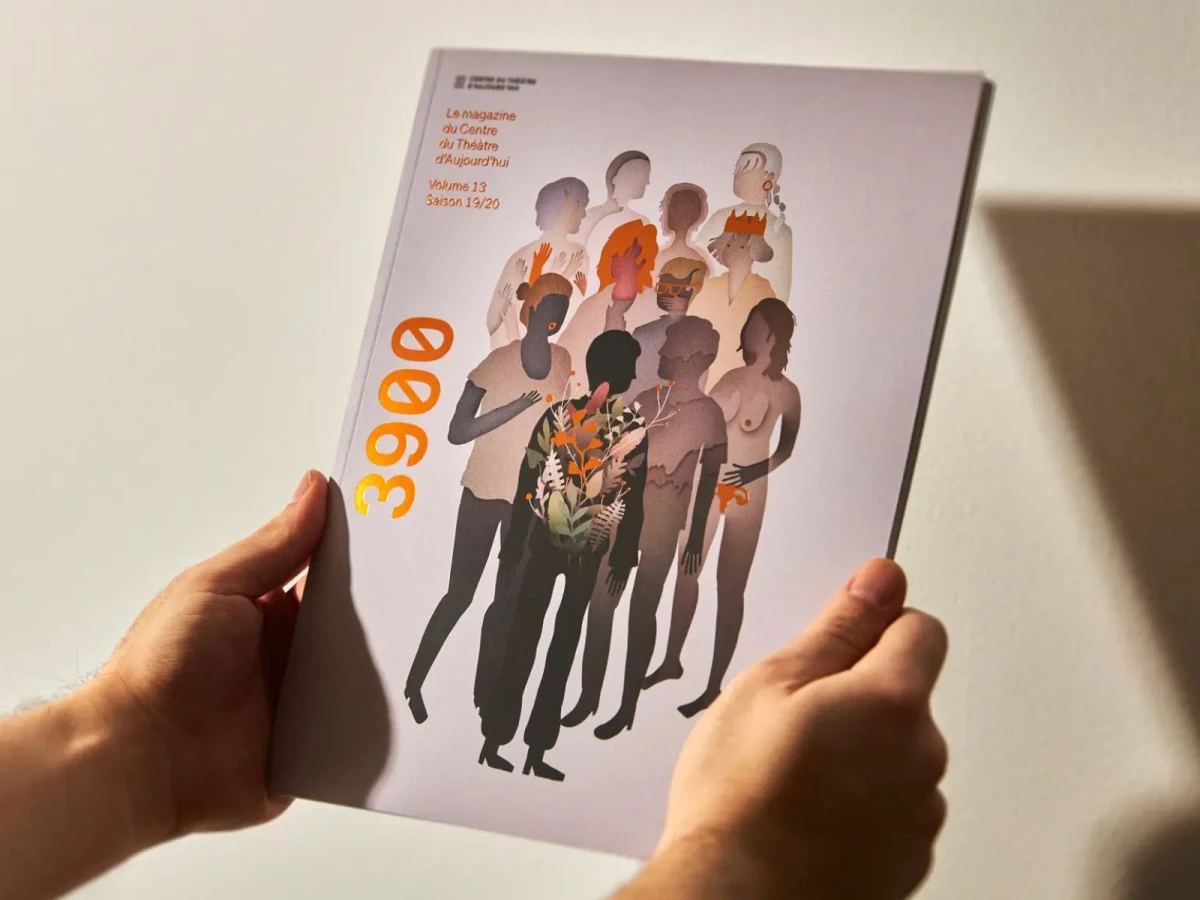
3900 — Volume 13 demonstrates how a disciplined grid acts as a quiet framework, giving contributors and imagery the freedom to shift across issues without losing coherence.
- Editorial Grid & Page Architecture: The magazine uses a restrained, repeatable grid that gives long-form text necessary room to breathe. I like how this underlying structure allows more experimental layouts to emerge without breaking the visual cohesion of the spread.
- Typography as Voice: Oversized type appears in deliberate moments, often spanning columns or cutting through dark backgrounds. I believe these typographic gestures are performative, effectively mirroring theatrical dialogue rather than following a traditional editorial hierarchy.
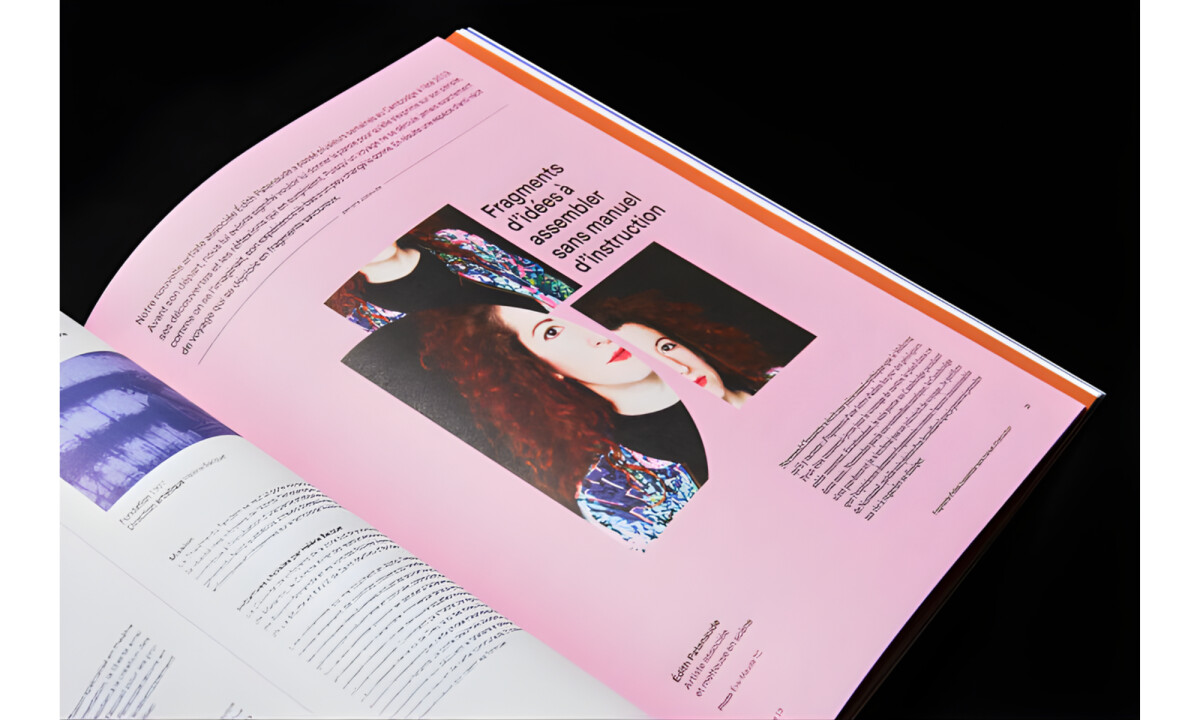
- Color, Paper & Atmosphere: Color is deployed in full-page fields—such as black, rust, and pink—creating strong tonal shifts between sections. I think this approach is effective in setting an emotional context while letting paper texture and ink weight carry the visual depth.
- Image Treatment & Cultural Context: Imagery is treated with restraint, often isolated within generous negative space or arranged in collage-like groupings. I appreciate how this keeps the focus on cultural narrative and artistic reflection rather than turning the content into a visual spectacle.
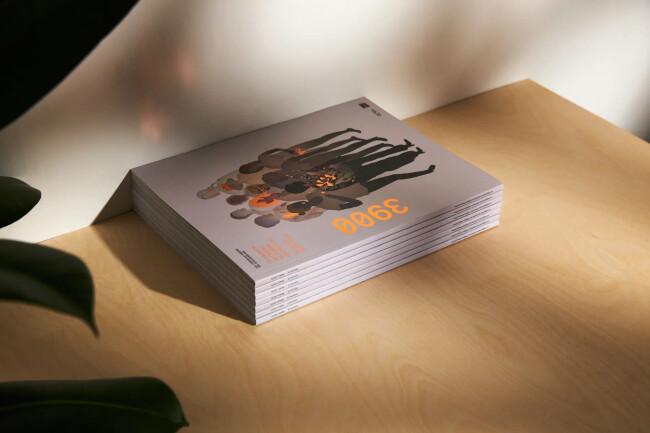
What Brands & Designers Can Learn from 3900 — Volume 13
1. Use Structure to Enable Creative Freedom
A restrained, repeatable grid creates stability across long-form content. When the framework is solid, designers can push expressive layouts without losing coherence.
2. Treat Typography as Performance, Not Just Hierarchy
Oversized type and dramatic placement add rhythm and emotion to the reading experience. Typography can act as voice and movement, especially in culturally driven publications.
3. Build Atmosphere Through Material and Color Choices
Bold color fields, paper texture, and ink weight shape mood without overwhelming content. Thoughtful material decisions allow editorial tone to emerge naturally across sections.