Brand identity is the combination of all the unique characteristics that a company projects in its branding, such as its colors, shapes, typography, etc. Having a strong brand identity helps customers distinguish your products and services from others on the market.
To show you just how powerful a brand identity can be, our experts listed five best brand identity examples. We’ll also discuss what makes a strong brand identity and how to create one. Let’s dive in!
What Is Brand Identity?
To brush up on the basics, brand identity, as a collection of elements, defines how a brand is perceived by its audience. This allows companies to communicate their personality and values through visual, auditory, and tactile means, creating an emotional connection with the audience that influences their decision-making process.
A well-crafted brand identity leverages key branding elements and is consistent across all mediums. This consistency reinforces brand recognition and fosters trust among consumers.
According to Marq, consistent branding contributes from 10% to 20% revenue growth. This powerful tool can help businesses stand out and be recognized in today’s competitive market.
5 Best Brand Identity Examples
A distinct brand identity is not just beneficial — it’s essential in order to stand out. It’s the secret sauce that can elevate a brand from being just another player in the field to becoming a household name, something that the top branding agencies know all too well.
Strong brand identity examples today include names like Apple, McDonald’s, Coca-Cola, Google, and Nike. Let’s learn more about each.
1. Apple
One of the best examples of strong brand identity today is Apple. The company showcases the immense value of having a cohesive and recognizable image. Apple’s minimalist yet innovative approach is not just a design preference; it’s a strategic decision that has significantly contributed to its estimated brand value of $516.6 billion.

Mostly using monochromatic colors, simple yet modern typography, and a very memorable logo (the bitten apple), Apple aims to create user-friendly products that bear the brand’s identity — whether that’s the logo or the brand name.
The brand’s modern and futuristic vibe is evident not only in its product packaging but also in its product launches, such as the highly anticipated Worldwide Developers Conference (WWDC), known for its state-of-the-art presentations.
2. McDonald’s
The golden arches, coupled with a yellow and red brand color palette, and a catchy slogan make McDonald’s one of the best brand identity examples. In all its simplicity, McDonald’s effectively conveys its message and values: creating friendly, warm, and accessible “feel-good moments for everyone.”
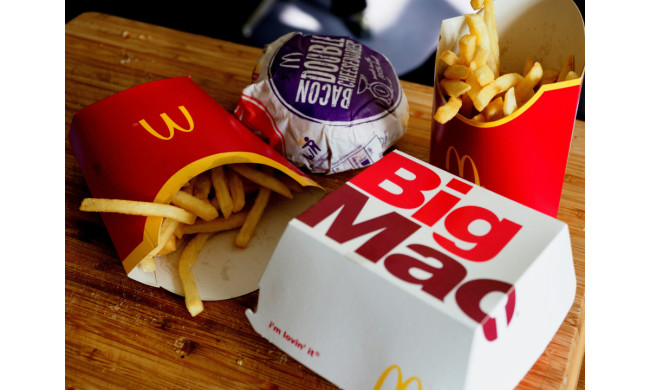
No matter where you go in the world, you can’t miss a McDonald’s. That’s all thanks to the brand’s consistency — you’ll find the same colors, logo, and typography in its packaging, and physical branches whether in the US or Asia.
This builds trust and reinforces McDonald’s lighthearted and welcoming vibe, even as it adapts its products to local cuisines depending on the geographical location.
3. Coca-Cola
Sharing a bit of happiness is what Coca-Cola is all about. The red and white coloring, the distinct typography, and the memorable shape of the bottle make Coca-Cola one of the top brand identity examples. That said, what engraves this brand in our minds is its simple logo.

In fact, the logo is at the heart of the Coca-Cola brand. You can find it on every bottle, cap, T-shirt, and in every marketing campaign. While the design has changed over the years, it maintains its main distinctive features, proving consistency is key.
Coca-Cola's friendly and inviting character can especially be seen in its Christmas ads, where it positions the drink as a must-have during the holidays to be shared with friends and family, spreading the joy of the season. This approach solidifies Coca-Cola as an emotional brand, rather than just a product.
4. Google
Sometimes, you need a bit of color to stand out among the competition and Google does it the best. The blue, red, yellow, and green serif typeface is instantly recognizable and memorable. Over the years, the logo has seen small changes while maintaining its classic, simple layout.
Google revolves around creativity, innovation, and technology. Like McDonald’s, Google prioritizes consistency and uniformity across all its products, bearing the same colors and font. The brand’s clean, simple, and direct tone of voice aligns perfectly with the brand’s mission:
“... to organize the world’s information and make it universally accessible and useful.”
5. Nike
Nike is one of the best brand identity examples that show how a company can grow through its connection with its customers. The iconic swoosh logo, paired with the famous tagline “Just Do It”, shows the brand’s ambition and vigor, directly marketing to its target group: athletes.

Even its ads feature athletes using Nike products. Moreover, Nike products all have the Nike logo or tagline, reinforcing the brand’s vision and message. Thanks to this, Nike is often seen as empowering and inspirational.
As a summary of these brand identity examples, check the table below:
| Brand | Logo | Tone of Voice | Colors | Typography | Imagery |
| McDonald’s | Golden arches | Friendly, welcoming | Red and yellow | Simple, bold | Cheerful scenes with food and family |
| Coca-Cola | Scripted font | Classic, inviting | Red and white | Spencerian script | Social gatherings with the iconic bottle |
| Multi-colored wordmark | Helpful, straightforward | Blue, red, yellow, and green | Clean, simple | Informative doodles and images | |
| Nike | Swoosh symbol | Inspirational, empowering | Black and white with bold colors | Strong, bold | Athletic photography |
| Apple | Bitten apple | Innovative, minimalist | Mostly monochromatic | Sleek, modern | Quality yet minimalist product shots |
5 Most Common Branding Assets
To create a strong brand identity, you must combine unique branding assets. Typically, every brand encompasses these five key elements:
- Logo: This is usually the first thing customers notice about a brand. It’s also what sticks with them the most, so whenever they see it, they’re reminded of the brand and its services. A great brand identity example of this is Apple — even by looking at an apple you’re reminded of the brand’s logo.
- Color: Distinctive colors make the brand’s identity pop and capture people’s attention. For instance, Coca-Cola uses only red and white, so for many, this color combination instantly brings the brand to mind.
- Typography: Some of the most famous brand identity examples have their own typography, distinct to that brand only. This gives them leverage in the market as they can spread their typography everywhere, subtly reminding customers of the brand. For instance, Disney has adopted a new “Disney-kind” of typography that you can’t miss.
- Slogan: Having a slogan lets customers remember the brand more easily. They’re short and catchy and show exactly what the business is all about. Think of McDonald’s “I’m loving it!” or KFC’s “Finger lickin’ good!”.
- Sounds: Some brands choose a more subtle approach, appealing to their audience subconsciously by adding short sounds to their marketing. For example, Netflix’s short drumming at the beginning of a show or Pixar’s jumping lamp — you can hear it even without seeing the brand!
What Makes a Strong Brand Identity?

A strong brand identity consists of several key components, such as the following:
- Consistency: Whether it’s your website, social media, or packaging, maintaining a consistent visual and verbal identity strengthens your brand visibility. For instance, Apple’s clean and minimalist design is uniform across all its products and marketing materials.
- Distinctive visuals: A unique logo, color scheme, and typography set you apart from competitors. Think of Coca-Cola’s iconic red and white color scheme and classic Spencerian script logo.
- Clear personality: Your brand’s personality should reflect what it stands for while resonating with your target audience. Innocent Drinks, for example, uses a playful and witty tone in its communications, mirroring its brand personality.
- Memorable messaging: Your taglines and messages should be easy to remember, reinforcing what your brand promises. Nike’s “Just Do It” is an excellent example of a powerful, motivational slogan that aligns with the brand’s identity.
- Emotional connection: Building an emotional bond with your target consumers can turn them into loyal brand advocates. Disney excels at this by evoking feelings of nostalgia, happiness, and wonder.
Creating a strong brand identity involves a deep understanding of your brand’s values, audience, and the unique selling proposition (USP) you offer. Carefully crafting each element of your brand identity to reflect these aspects can help you establish a solid presence in the market.
How To Create a Brand Identity in 5 Definitive Steps
You can create a brand identity by doing the following steps:
- Define values: Define what your brand stands for and its purpose. This will guide all your branding decisions.
- Research target audience: Know who your customers are. Tailor your brand identity to appeal to this group specifically.
- Analyze competitors: Look at what others in your space are doing. Identify opportunities to differentiate your brand.
- Develop visual elements: This includes creating and developing a color scheme, logo, imagery, and typography that reflect your brand’s personality. Consider working with a branding agency for professional results.
- Craft brand voice: Decide how your brand communicates with its audience. Your tone must be unified on all channels, whether professional, casual, or playful.
Brand Identity vs. Brand Image: Main Differences
Finally, it’s important to know that brand identity is not the same as brand image. Although many confuse them, these two are actually different. Here are their main differences:
- Brand identity is how the company presents the brand, while brand image is how the customers perceive your brand.
- You can control your brand identity by choosing the colors, typography, elements, etc. However, a brand image is created by the public, so it’s dynamic and can’t be changed easily.
- Brand identity is intentionally created, while a brand image comes with time as the public gathers more information about your brand, i.e., it’s more improvised and organic.
- Brand identity focuses on creating brand awareness and recognition, while a brand image directs its efforts toward sales.
Conclusion
Brand identity is crucial in distinguishing your brand. First impressions are usually based on visuals alone, thus understanding what makes a strong brand identity can transform your brand from blending in to standing out.
We’ve explored the best brand identity examples above to guide you in creating a memorable brand presence. These insights provide a blueprint for crafting an identity that truly connects and leaves a lasting impression.

Our team ranks agencies worldwide to help you find a qualified partner. Visit our Agency Directory for the Top Branding Agencies, as well as:
- Top Brand Strategy Agencies
- Top Brand Positioning Firms
- Top Corporate Branding Agencies
- Top Small Business Branding Agencies
- Top Cincinnati Branding Agencies
And don’t miss our Awards section, where we showcase the top agencies recognized for exceptional creativity and impact.
Brand Identity Examples FAQs
1. Why is brand identity important?
Brand identity is important because it’s how a brand presents itself to the world and shows what differentiates it from competitors. A strong identity can increase customer recognition and build trust.
2. How do I improve my brand identity?
You can improve brand identity by ensuring consistency across all platforms and touchpoints where your brand is present. For instance, you can use the same logo, color palette, and tone of voice in all communications to reinforce your brand in the minds of your audience.
3. How much does creating a brand identity cost?
This entirely depends on what you’re doing for your brand identity and whether you’re hiring experts. If you’re starting from scratch (creating the colors, the logo, typography, etc.) and hiring experts, expect to pay anywhere between $500 - $5,000. DIY projects will cost you less — around $1,000 - $1,500.
4. How to create a strong brand identity?
Always focus on what you offer to your customers. The best branding examples use their company’s values and message to tell their buyers why they should trust them over the rest of the competition.
Coca-Cola, for example, builds its brand identity around unity and happiness, while McDonald’s focuses on fast delivery and affordability. In both cases, you know what you’re getting even without entering the store.