
How to Generate High-Quality SEO Leads That Convert

Master high-conversion SEO tactics with insights on lead capture, qualification, and nurturing.
SEO
5,344
How to Generate High-Quality SEO Leads That Convert
Article by David Jenkin
|

SEO Leads: Key Points

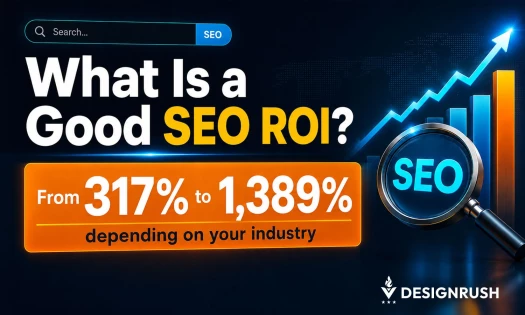
  • SEO campaigns yield an average ROI of 748%, with top industries exceeding 1,000%.
  • High-intent keywords drive higher conversions, even with lower search volume.
  • Content should focus on conversion with gated offers, benefit-driven copy, and strong CTAs.
  • Lead scoring based on behavior and demographics ensures better lead qualification and follow-up.

SEO has evolved from a pure visibility tactic into a lead-generation powerhouse. Buyers now heavily self-educate online, which means a strong search presence can continually feed your sales pipeline.

Read on to learn what makes SEO one of the most cost-effective and high-ROI acquisition channels, and how you can make the most of it.

Targeting High-Intent Organic Traffic

Quality trumps quantity in SEO lead generation. To drive qualified leads (not just visitors), your SEO strategy must emphasize commercial intent keywords – the terms searchers use when they’re actively evaluating solutions or ready to buy, as opposed to merely gathering general information.

By targeting high-intent searches, you attract visitors who have a problem-to-solution mindset. High-intent keywords often contain cues about a specific need or intent.

For example:

  • “SEO for eCommerce brands” implies a business seeking SEO services tailored to eCommerce (clear B2B service intent).
  • “Top UX design firms for startups” implies a startup looking to hire a UX agency (B2B purchase intent).
  • “CRM solutions for B2B tech” implies a tech company comparing CRM software (software purchase intent).

These queries may have lower search volume than broad terms like “what is SEO” or “UX design tips,” but the conversion potential is far higher.

@brill_media

Stop wasting time on broad keywords and start targeting bottom-of-funnel searches! 🎯 Bottom-of-funnel keywords are gold for SEO; these are the terms people use when they know they need your services but haven’t found you yet. 🌟 For example, searching for “white label media buying” or “hyperlocal marketing Los Angeles” signals a customer ready to buy. And with the right strategy, these keywords are easier to rank for and drive high-intent traffic to your business. 🚀 Don’t get lost in the noise, target the people who are already looking for what you offer! 💡

♬ original sound - Brill Media | Digital Ads

Execution tips: Build your content plan around clusters of these intent-driven terms. For each cluster, create content that aligns with the buyer’s journey stage. Use internal linking to guide readers from informational pieces deeper into consideration pieces and ultimately to conversion points.

AdLift CEO Prashant Puri says that more organic traffic signifies that their SEO efforts are effectively attracting qualified visitors.

He goes on to say: “We monitor keyword rankings, especially those high-intent, long-tail ones. Climbing the ranking ladder shows we're moving in the right direction.”

He adds that brand mentions and searches are like gold because they show organic visibility is growing, which is a win.

Explore The Top SEO Agencies
Agency description goes here
Sponsored i Agencies shown here include sponsored placements.

Content That Converts SEO Leads

Getting a top Google ranking is only the beginning. The real goal is what happens after the click. Does your content convert that visitor into a lead? Effective SEO-driven lead generation hinges on content optimized for conversion as much as for search algorithms.

According to First Page Sage, the average ROI for SEO campaigns in 2025 is 748%, with the top-performing industries (like real estate and financial services) reaching well over 1,000%. This is the kind of business impact that conversion-optimized SEO content can deliver when done right.

Here’s how:

  1. Embed gated offers
  2. Benefit-focused copy and trust signals
  3. Strong calls to action and UX design

1. Embed Gated Offers

Don’t wait for the visitor to find your Contact Us page – bring conversion opportunities directly into your content. For example:

  • Embed gated offers (like ebooks, whitepapers, checklists, or “free audit” tools) right within blog posts or landing pages.
  • Use smart forms that capture only essential information such as an email and company name for top-funnel content, and more detailed fields for bottom-funnel demo requests.

Note: To keep it relevant and valuable to the reader, match the gated offer closely to the topic (e.g. pairing a UX checklist with a UX best‑practices article).

2. Benefit-Focused Copy and Trust Signals

Craft your headlines, subheads, and copy to emphasize the customer benefit—clearly stating how your solution helps them, not just what it does. This makes your value proposition immediately clear and action-oriented.

@map_ranking Boost Conversions: Fix Missing Trust Signals on Your Website Missing trust signals kill conversions and rankings. We discuss how to show real people, work examples, add reviews, and credibility elements like BBB badges to boost website legitimacy and user engagement. #ConversionRateOptimization#TrustSignals#WebsiteSEO#OnlineCredibility#DigitalMarketingTips#BusinessGrowth#CustomerReviews#WebsiteDesign#SEOTips#OnlineBusiness♬ original sound - Map Ranking

Include trust signals throughout the page to reinforce credibility and reduce friction. These can take the form of customer testimonials, client logos, industry badges (like Gartner placements or ISO certifications), star ratings, or relevant security assurances.

3. Strong Calls to Action & UX Design

Every SEO page should have a clear next step for the reader. Think of each content page guiding them toward a meaningful action.

Use prominent, contrasting calls-to-action that tell the user exactly what to do and what they’ll get (“Get My Free SEO Audit”, “Download the B2B Lead Gen Guide”, “Request a Demo”).

Place CTAs at logical breakpoints – for instance, mid-way through a long article and again at the end.

Personalized CTAs

Consider using dynamic, personalized CTAs that adapt to user behavior or profile. For example, a returning visitor from a specific industry could see a tailored CTA like: “See How Our CRM Helps Fintech Companies – Case Study”.

Content that incorporates such personalized or behavior-triggered offers often sees significantly higher conversion rates (as much as 202% higher). The more relevant the offer feels, the more likely the user will click it.

Looking for the best SEO agencies?
FIND THEM HERE

Lead Capture, Tracking, and Nurturing at Scale

Driving organic traffic and getting conversions on your site is a great start – now you need to capture those leads properly, route them, and nurture them into opportunities.

A strong SEO lead-gen strategy seamlessly connects content performance with backend lead management and nurturing processes. Here’s how:

  1. Marketing automation and CRM integration
  2. Smart pop-ups and CTAs
  3. Instant meeting booking

1. Marketing Automation and CRM Integration

Marketo SEO dashboard
[Source: Marketo]

Integrating your lead capture forms with marketing automation and CRM systems is essential for routing, scoring, and nurturing leads at scale.

  • Use platforms like Marketo or ActiveCampaign to automatically sync form submissions to your CRM, score leads based on behavior, and trigger follow-up sequences.
  • Set workflows so that leads who download a buyer’s guide enter a nurture email series, while those who request a demo are passed immediately to sales.
  • Connect all website forms to your CRM, and apply lead scoring models (such as assigning points for job titles, pricing page visits, or multiple touchpoints) to help sales prioritize the most qualified leads.

2. Smart Pop-Ups and CTAs

Blog with sidebar form example.
[Source: OptinMonster]

Strategically deployed pop-ups and in-content CTAs can capture leads who would otherwise leave without engaging.

  • Tools like ConvertBox and OptinMonster enable you to display personalized offers based on behavior, page type, or referral source.
  • Use exit-intent pop-ups (like “Still researching? Get our ROI calculator”) or mid-page prompts to download checklists or case studies.
  • Incorporate chatbots or live chat to proactively engage visitors.

3. Instant Meeting Booking

Offering real-time scheduling options for demos or calls can help to boost bottom-funnel conversion.

  • Integrate tools like Calendly or Chili Piper to allow visitors to instantly book meetings after submitting a form.
  • Eliminate friction by sending them directly to a calendar page instead of relying on back-and-forth emails.

Attribution, Analytics & Insight

Implement robust tracking so you can attribute leads and revenue back to SEO efforts. Use UTM parameters on links in your content and emails to track source, medium, campaign, etc.

Set up conversion goals and funnels in your analytics platform of choice to see how organic visitors move and where they convert.

Key metrics to monitor include:

  • Form completions and demo requests (by landing page and by keyword/source).
  • Assisted conversions, since often an organic content piece might be the first touch, with conversion happening later.
  • Lead quality metrics such as what percentage of SEO leads become MQLs or SQLs (sales-qualified leads).
  • Revenue per Visitor (RPV) – this is a powerful metric as it gives a sense of lead value (and helps forecast ROI as traffic grows).

By tracking these metrics, you gain insight into which SEO initiatives drive real business outcomes. You might find that a certain topic cluster brings lots of traffic but low RPV (indicating misalignment or low intent), while another brings fewer visitors but a high lead-to-deal conversion. Such insights let you refine your strategy continually.

Note: Make sure that captured leads don’t languish; design nurture workflows via email or retargeting ads to continue engaging those who aren’t immediately ready.

Lead Qualification and Segmentation

Once organic traffic starts converting into lead form submissions, the next step is filtering, qualifying, and routing these leads for effective follow-up.

Some leads are ready to buy, others are still researching. Proper lead qualification and segmentation will improve conversion rates and drive higher-quality sales conversations.

Lead Scoring Best Practices

Lead qualification funnel.

Use a lead scoring system to quantify how qualified and sales-ready each lead is. Assign points based on a mix of behavioral signals and demographic/firmographic fit:

  • Behavioral signals: Measure engagement through time spent on site, pages viewed, and frequency of visits. Leads who engage deeply are more likely to convert.
  • Demographic/Firmographic fit: Score leads based on job role, company size, and industry.
  • Engagement triggers: Prioritize leads who take high-value actions, like requesting a demo or attending a webinar. Repeated actions like downloading multiple resources indicate stronger intent.

A well-calibrated lead scoring model ensures that sales teams spend their time on the leads most likely to convert. This improves efficiency and prevents leads from slipping through the cracks.

Segmentation for Smarter Follow-up

Not all leads should enter the same generic email drip or get the same sales pitch. Segmenting your SEO leads based on their interests, needs, or funnel stage allows you to tailor your follow-up and nurture.

Some useful segmentation approaches:

  • By product/service interest: Segment leads based on their interest area, such as filling out a form for “Service A” or downloading a relevant guide.
  • By industry or vertical: Group leads by industry to deliver industry-relevant content.
  • By funnel stage/behavior: Segment leads by how far along they are in the buyer journey.

SEO Leads: Final Words

For too long, SEO was viewed narrowly – as a way to drive traffic and maybe some “soft” brand awareness. Modern marketers are flipping that script. They treat SEO as a direct revenue driver and hold it accountable to the same business KPIs as other channels.

The truth is, when executed well, SEO can be one of the most efficient and scalable revenue channels in your go-to-market mix.

Our team ranks agencies worldwide to help you find a qualified partner. Visit our Agency Directory for the Top SEO Agencies, as well as:

  1. Top SEO Consultants
  2. Top Startups SEO Companies
  3. Top Enterprise SEO Companies
  4. Top Small Business SEO Companies
  5. Top International SEO Agencies

SEO Leads: FAQs

1. How long does it take for SEO to generate leads?

SEO typically takes 3–6 months to start generating leads, with initial traction in 3 months if targeting low-competition keywords. After 6 months, results improve as rankings grow. SEO builds momentum over time, with sustainable, cost-effective results.

2. What’s the difference between SEO leads and paid leads?

SEO leads are earned through organic search, offering higher trust, intent, and lower costs over time. Paid leads, while quicker to scale, require ongoing budget and stop when the budget is paused. SEO leads offer long-term, sustainable growth, while paid leads provide short-term volume. Combining both is often ideal.

👍👎💗🤯
Latest SEO Trends
Receive our NewsletterJoin over 70,000 B2B decision-makers growing their brands