
Rapid prototyping has revolutionized the way products are designed, developed, and brought to market. Its fast, iterative approach to creating and refining designs enables businesses and designers to address challenges and improve functionality early in the development process.
From consumer products to architectural concepts and industrial components, rapid prototyping turns ideas into tangible results quickly and efficiently. Read on to learn how it may be useful for your business.
Defining Rapid Prototyping and Why To Use It
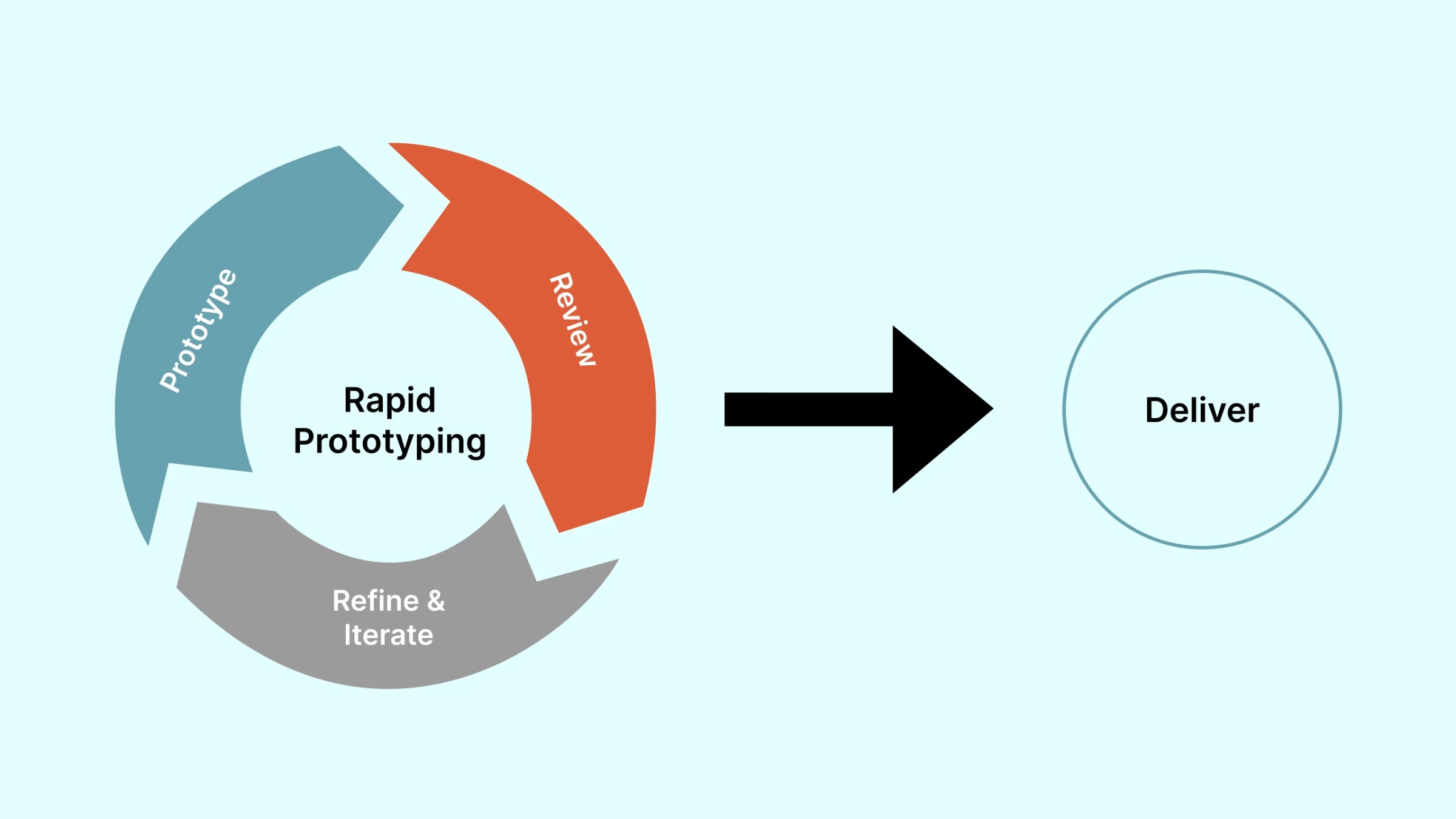
Rapid prototyping can be defined as a method of quickly creating physical or digital models of a product to test and validate design concepts. The idea is to make the development process more efficient by letting designers and engineers identify potential issues and make iterative improvements before final production.
Why use rapid prototyping? Here are three reasons:
- Faster development cycles: Rapid prototyping accelerates the design process by giving teams the ability to produce and evaluate prototypes in a fraction of the time that traditional methods require.
- Enhanced design precision: Accurate prototypes allow teams to test functionality and aesthetics more effectively, ensuring the final product meets expectations.
- Cost-effectiveness: Identifying and resolving design flaws early reduces the need for expensive modifications later in the production cycle, which saves time and resources.
This combination of speed, precision, and cost savings makes rapid prototyping an indispensable tool in modern design and manufacturing. It enables the creation of innovative products, such as integrated sensing capabilities and advanced material optimization, exemplified by the latest advancements in 3D-printed electronics and adaptive manufacturing techniques.



Types of Rapid Prototyping
Rapid prototyping techniques vary based on speed, cost, material, and complexity. Each technique has distinct advantages, depending on your project's material, complexity, and production needs.
Here are the main types:
- 3D Printing (Additive Manufacturing)
- CNC Machining (Subtractive Manufacturing)
- Injection Molding
- Stereolithography (SLA)
- Selective Laser Sintering (SLS)
- Fused Deposition Modeling (FDM)
- Vacuum Casting
- Laser Cutting
1. 3D Printing (Additive Manufacturing)
3D printing is perhaps the most widely used rapid prototyping method. It entails adding material layer by layer to create a three-dimensional object from a digital file. 3D printing is particularly useful for producing complex geometries, functional parts, or visual prototypes. Materials range from plastics and metals to ceramics, depending on the printer type and project needs.
2. CNC Machining (Subtractive Manufacturing)
CNC (Computer Numerical Control) machining involves removing material from a solid block to create a part. As a subtractive process, it allows for high precision and can be used with a variety of materials like metals, plastics, and composites. It’s especially useful for functional prototypes with tight tolerances and smooth finishes.
3. Injection Molding
Injection molding is the injection of molten material into a mold to create parts. Although traditionally used for mass production, it's also useful in rapid prototyping, particularly for producing large quantities of plastic parts quickly. Once the initial mold has been created, the process is fast and efficient for high-volume production.
4. Stereolithography (SLA)
SLA uses ultraviolet (UV) light to cure liquid resin layer by layer, resulting in highly detailed and accurate prototypes. This method is ideal for creating models with intricate details and smooth surfaces. SLA is often used in industries that require prototypes with high-resolution finishes, like jewelry, automotive, and healthcare.
5. Selective Laser Sintering (SLS)
SLS uses a laser to sinter powdered materials (like plastics, metals, or ceramics) together to make a solid part. Unlike other methods, SLS requires no support structures, allowing for the creation of complex and interlocking geometries. It’s especially useful in aerospace, automotive, and healthcare industries.
6. Fused Deposition Modeling (FDM)
FDM is a common 3D printing technique where a filament is heated and squeezed through a nozzle to build up the part one layer at a time. FDM is widely used due to its affordability and ease of use, and because the materials are widely available. It may lack high precision or surface finish compared to other models, but it’s well-suited for creating functional prototypes quickly and economically.
7. Vacuum Casting
With vacuum casting, a silicone mold is used to create copies of a prototype by pouring liquid material into the mold under a vacuum. This method is great for producing small batches of parts that require a high level of detail and surface quality. It’s often used when producing prototypes with materials that simulate the final product’s look and feel, such as rubber-like or rigid plastics.
8. Laser Cutting
Laser cutting uses focused lasers to cut or engrave materials like plastic, metal, or wood. This precise and efficient method is ideal for creating prototypes with flat surfaces, such as architectural models, sheet metal parts, or enclosures, especially when rapid turnaround times are necessary.
The Rapid Prototyping Process in 5 Steps
Rapid prototyping is built on the principle of iterative design, where prototypes are continuously refined to meet user needs and ensure functionality. The process involves several key steps, each essential for developing a successful product. By following these steps, designers and engineers can efficiently transform ideas into tangible models, test them, and refine them through feedback loops.
- Conceptualize and design
- Choose materials
- Fabricate the prototype
- Test and validate
- Refine through iteration
1. Conceptualize and Design
The first step in rapid prototyping is conceptualization. This phase involves identifying the problem, defining your objectives, and then brainstorming potential solutions. Designers visualize the product by creating initial sketches, wireframes, or digital models. The design phase sets the foundation for the prototype by outlining the structure and its functionality.
2. Choose Your Materials
Once the design is finalized, it's important to select the right material. You'll need to consider factors such as strength, flexibility, texture, and how closely the material mimics the final product. Common materials include plastics, metals, resins, and even silicone. Each offers unique benefits for specific applications, and the right material will play a big part in achieving the desired physical properties.
3. Fabricate the Prototype
With the design and materials decided, you can use one of several rapid prototyping techniques to fabricate your prototype. Choose a method to build the model, like 3D printing, CNC machining, or injection molding, depending on the complexity and intended use. Aim for a tangible, functional version of the design that allows for hands-on evaluation.
4. Test and Validate
A testing phase is critical to assess the prototype against real-world conditions and user requirements. Engineers and designers evaluate performance, durability and usability to determine whether the prototype meets the necessary standards. This could involve both user feedback and technical testing to validate design concepts and functionality.
5. Refine Through Iteration
Based on the results of those tests, the prototype may need some refining. Iteration involves making incremental adjustments to improve performance, aesthetics, or user experience. This could mean tweaking the design, trying new materials or reworking specific features.
Rapid prototyping is all about continuous improvement, allowing teams to refine prototypes efficiently and quickly through multiple cycles of testing and modification.
Rapid Prototyping Applications and Examples
Rapid prototyping is widely used across different industries to accelerate product development and testing. Its applications range from creating user-centered digital solutions to refining physical products and improving processes in specialized fields. Here are five real-world examples showcasing its impact.
- Habitability design for space and recreation
- Google Design Sprints
- Additive Manufacturing at MIT Lincoln Laboratory
- Adobe XD and Figma Wireframes
1. Habitability Design for Space and Recreation

NASA’s Habitability Design Center collaborated with architects to prototype designs for the International Space Station (ISS) living quarters. This involved creating scale models and functional mockups to test configurations, ergonomics, and usability of the limited space available. The experience led to the creation of the Cricket Trailer, which incorporates space-efficient principles to redefine the camping experience.
2. Google Design Sprints
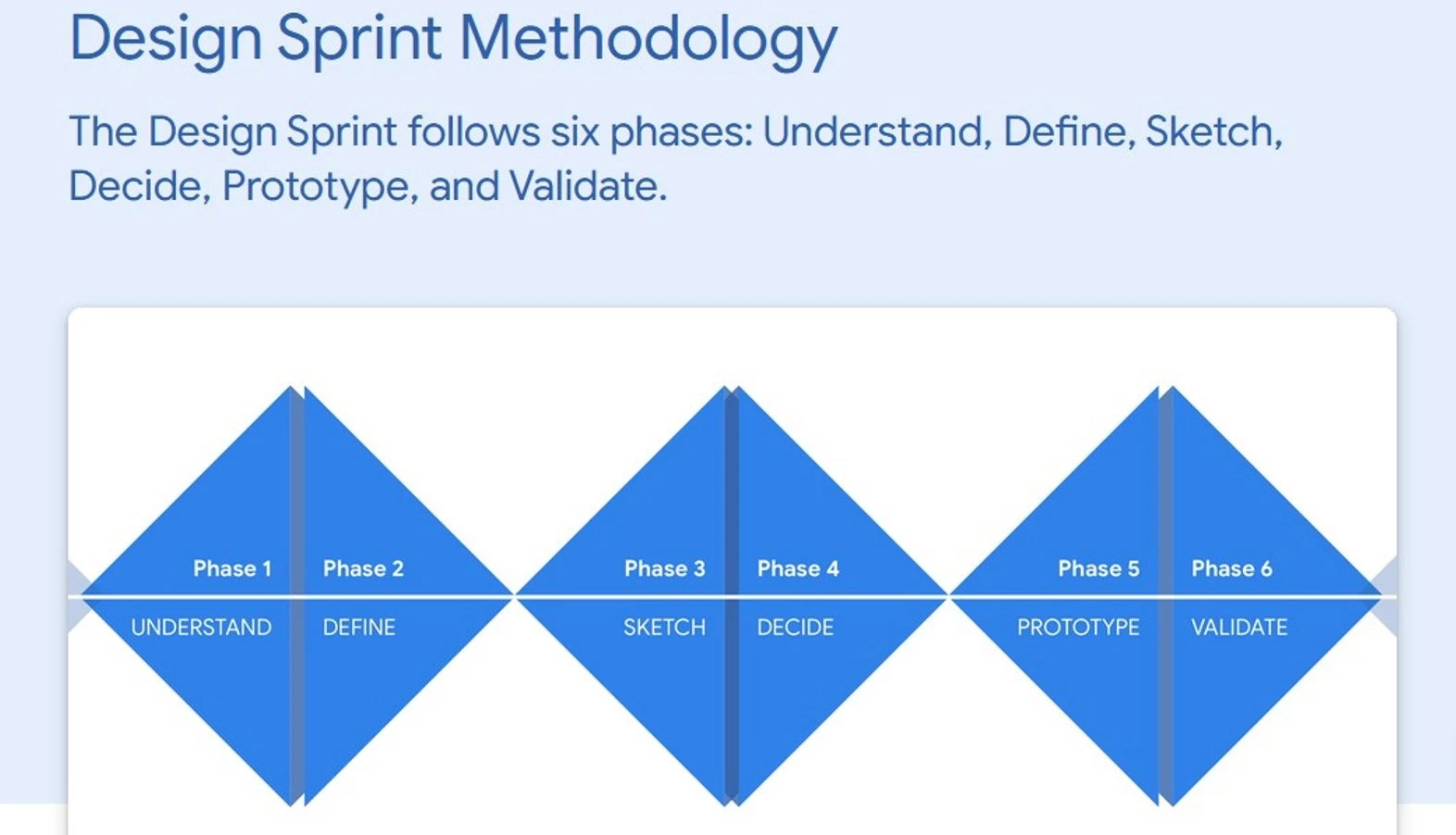
Google’s Design Sprint methodology employs rapid prototyping to accelerate problem-solving and innovation. This is a five-day process during which teams quickly brainstorm, sketch, and build simple prototypes to test user interactions and gather feedback.
Rapid prototyping is a key element, as it enables teams to validate ideas without extensive development. Products like Google Search and Maps were refined using this approach, demonstrating how iterative design and user-focused testing can lead to success.
3. Additive Manufacturing at MIT Lincoln Laboratory

At MIT Lincoln Laboratory, engineers use rapid prototyping as the foundation of their engineering process, enabling the swift transition from concept to functional model. The laboratory makes use of tools like 3D printers, CNC machines, and laser cutters to fabricate prototypes for a wide range of applications, from electronics and optics to structural components.
This capability supports the development of defense and national security technologies, as the laboratory can accelerate innovation, reduce time-to-deployment, and add reliability to mission-critical systems.
4. Adobe XD and Figma Wireframes
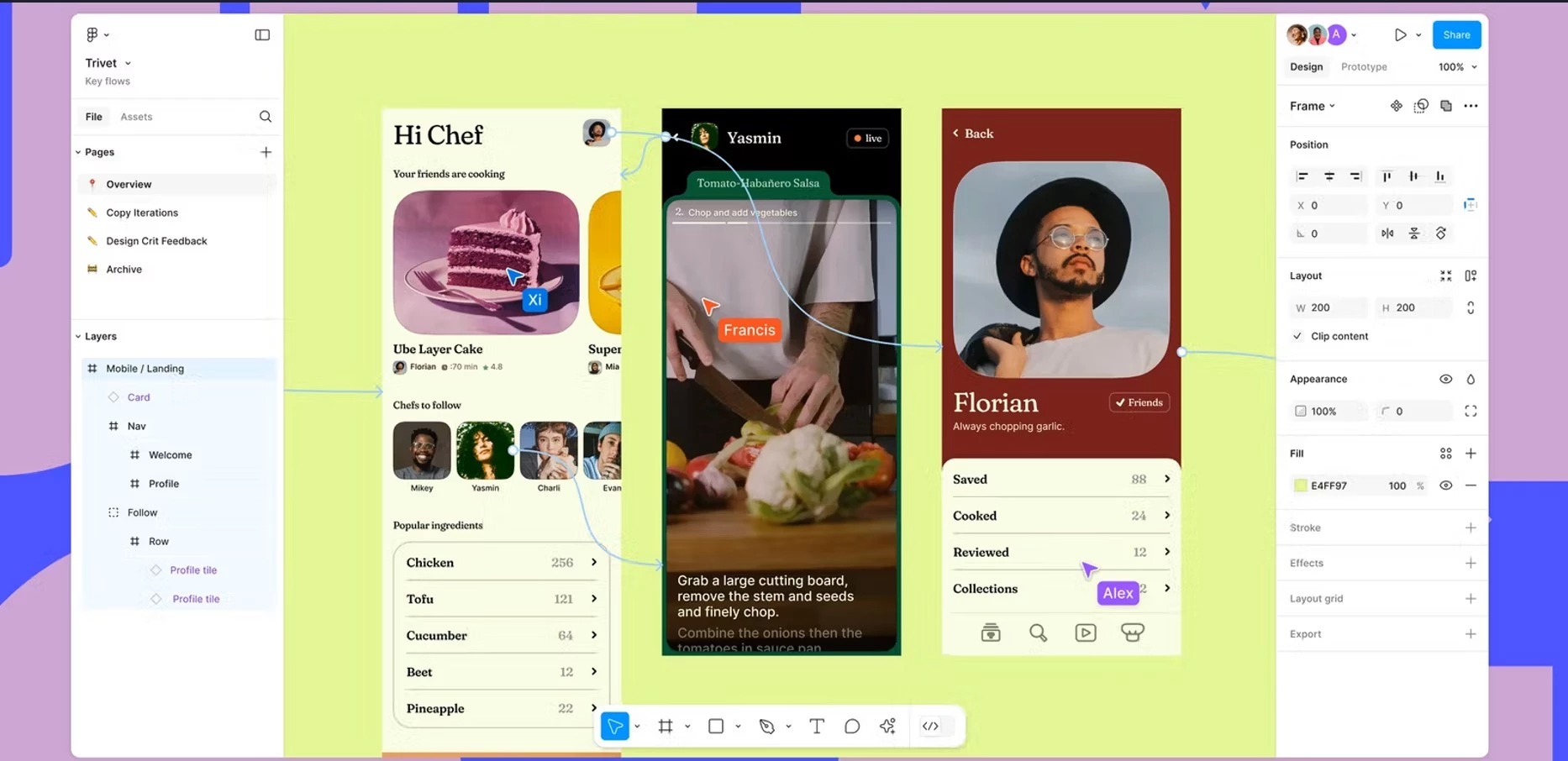
Tools like Adobe XD and Figma are essential for creating both low- and high-fidelity prototypes in UI/UX design. These platforms make it easier to test and iterate on designs by allowing designers to build interactive prototypes that simulate user flows, navigation, and functionality. And with seamless collaboration across teams, these tools help refine designs quickly to ensure they meet user needs before development begins.
Challenges of Rapid Prototyping
While rapid prototyping offers huge benefits in terms of speed, cost, and innovation, it does come with its own set of challenges. Understanding these challenges helps teams avoid common pitfalls and navigate the prototyping process more effectively.
- Material limitations: Prototype materials might not match the final product’s properties. That can lead to discrepancies in strength, flexibility, or durability, affecting real-world performance during testing.
- Accuracy and resolution: Prototypes, especially 3D printed ones, may have surface imperfections or lower accuracy which can impact the fit and finish. This is especially problematic for industries requiring high precision.
- Cost of high-quality prototypes: Advanced technologies, like SLA or metal 3D printing, tends to be expensive. Frequent iterations also increase costs, which is why it’s important to balance speed with budget.
- Speed vs. quality trade-offs: Prioritizing rapid iteration may lead to lower quality in some prototypes, which can affect functionality or appearance.
Design and manufacturing limitations: Complex designs or specific material requirements might not be possible with certain prototyping methods, making simplifications or adjustments to the original design necessary.
Rapid Prototyping in Brief
Rapid prototyping is a powerful tool that accelerates product development by enabling teams to quickly transform ideas into tangible models for testing and refinement. It puts the power of iterative design into action. Just be sure to choose the right materials and strike a balance between speed and quality.
While challenges exist, they can be overcome with careful planning and the right tools. In practice, rapid prototyping is widely used across industries providing valuable insights early in the design process and to ensure products meet both functional and user needs.

Our team ranks agencies worldwide to help you find a qualified partner. Visit our Agency Directory for the Top UI/UX Design Agencies as well as:
- Top Software Development Companies
- Top Usability Testing Agencies
- Top Product Design Companies
- Top AI Development Companies
- Top UX Designers in Chicago
Our design experts also recognize the most innovative design projects across the globe. Visit our Awards section to see the best & latest in design.
Rapid Prototyping FAQs
1. What is the difference between rapid prototyping and traditional prototyping?
Rapid prototyping uses digital fabrication methods (like 3D printing and CNC machining) to rapidly create prototypes. It allows for fast iterations and immediate feedback, as well as reduced costs. It’s therefore ideal for early design testing.
Traditional prototyping, on the other hand, involves slower, manual methods, such as handcrafting or molding. This tends to be more time-consuming and expensive, requiring more resources and stages to produce each prototype.
2. What industries benefit the most from rapid prototyping?
Rapid prototyping benefits nearly every industry in one way or another, but is highly beneficial in several industries, including:
- Automotive
- Aerospace
- Healthcare
- Consumer Goods
- Electronics
- Architecture and Construction
3. How can rapid prototyping be integrated with the design process in a company’s workflow?
It should be incorporated early in the development cycle to allow for fast iteration and testing of concepts. This will help the designers create quick, low-cost prototypes to test concepts, validate ideas, and identify potential issues early in the process. By using rapid prototyping tools alongside design software, teams can iterate on designs faster and make better informed decisions.