- Agency: Constructive
- Client: FrameWorks Institute
- Category: Website – Professional Services
- Location: Jersey City, New Jersey, United States
- Project Brief: Create a digital platform that reflects FrameWorks Institute’s leadership in narrative framing while making complex, research-driven content easier to explore, understand, and apply.
The difference between a usable professional services site and a tiring one is how it handles depth without overload.
That's what I pay close attention to when I review professional services websites.
FrameWorks Institute’s site succeeds by treating research like editorial content: structured, human, and designed for sustained engagement rather than quick conversion.
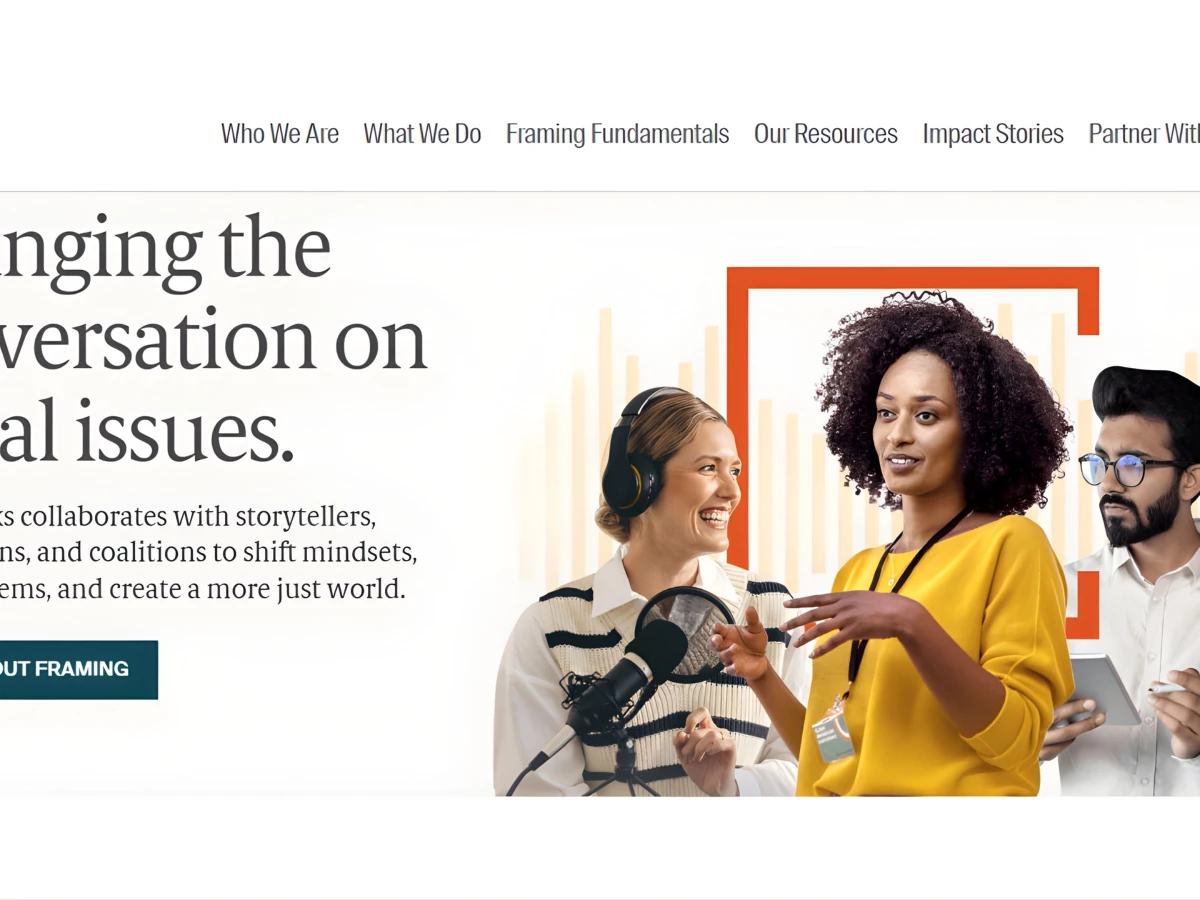
- Typography: I like how the high-contrast serif headlines signal credibility right away while still feeling approachable. Paired with a disciplined sans-serif system for navigation and metadata, the type creates a steady reading rhythm that supports focus when moving through dense material.
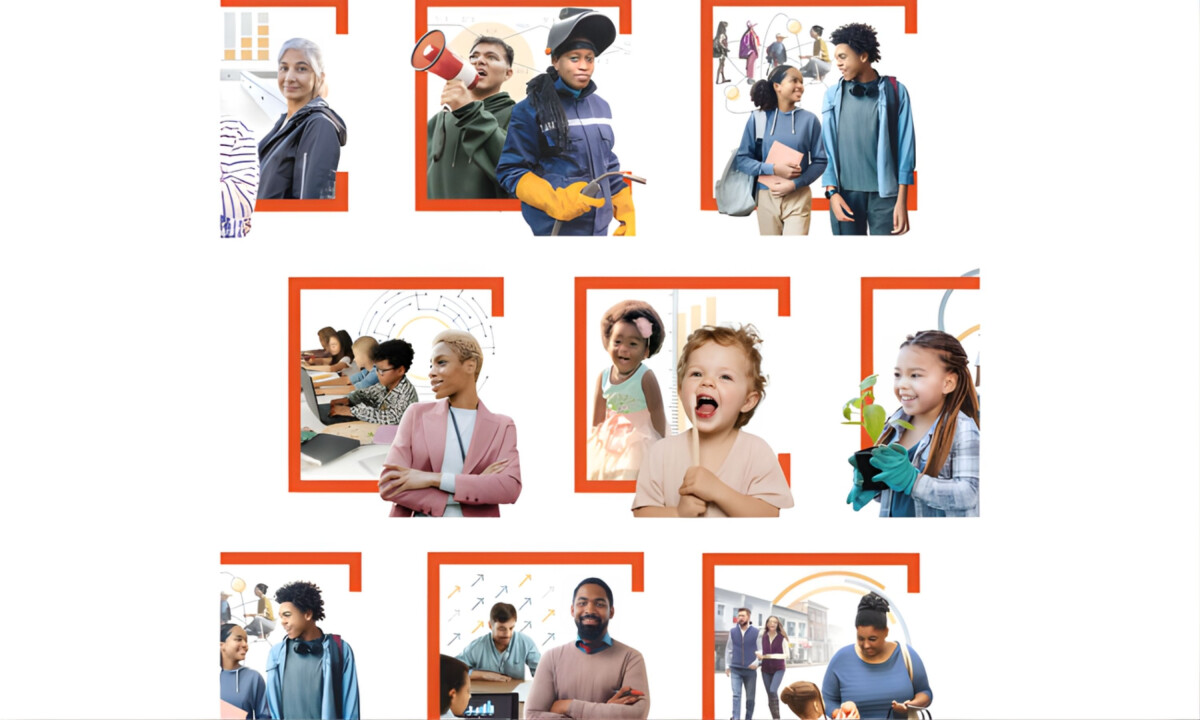
- Framing Motif: The recurring rectangular frame works as a quiet but smart visual device. I appreciate how it reinforces the institute’s core idea of framing without becoming literal, giving structure and continuity across different content types.
- Human Imagery: The photography feels considered and grounded. Instead of relying on stock images or heightened emotional scenes, the calm, thoughtful portraits build trust and keep attention on the people behind the research and shared understanding.
- Content Structure: The modular layout carries much of the experience. Cards, lists, and two-column sections make it easy for me to move between summaries and deeper content without losing my place, which matters when reading policy or research material.
- Color Restraint: The muted palette keeps focus on ideas rather than decoration. I find the burnt-orange accent especially effective because it appears sparingly, so it always feels intentional when it draws the eye.
Impact & Results
The redesign strengthened both engagement and discoverability across FrameWorks’ content ecosystem.
- 28% increase in page views within three months of launch
- 43% increase in new users
- 18% increase in engagement rate
- 22% decrease in bounce rate
Brand Perspective
For an inside look at the project, here are takeaways from the brand.
“For any of my comms friends thinking about working with a new design agency, I can’t recommend Constructive highly enough. Designing, writing, and building a new website is a daunting undertaking — and their process made ours so much easier. Having worked with their team for years now, I really value their team as thoughtful, strategic partners who help us strengthen our brand with smart design.”
- Carinne Wheedan, Director of Communications, FrameWorks Institute
What Brands & Agencies Can Learn from FrameWorks Institute
1. Design Research Like Editorial Content
Long-form material becomes more approachable when treated like publishing, not marketing. Clear typographic hierarchy and modular layouts make complexity feel navigable.
2. Use Visual Metaphor With Restraint
Concept-driven elements work best when they support meaning quietly. The framing motif shows how a single idea can reinforce structure and continuity without pulling attention away from the content.
3. Humanize Serious Work Without Sensationalism
Thoughtful, people-centered imagery builds trust without exaggeration. In research and social-impact spaces, this approach keeps the work credible while still feeling approachable.