

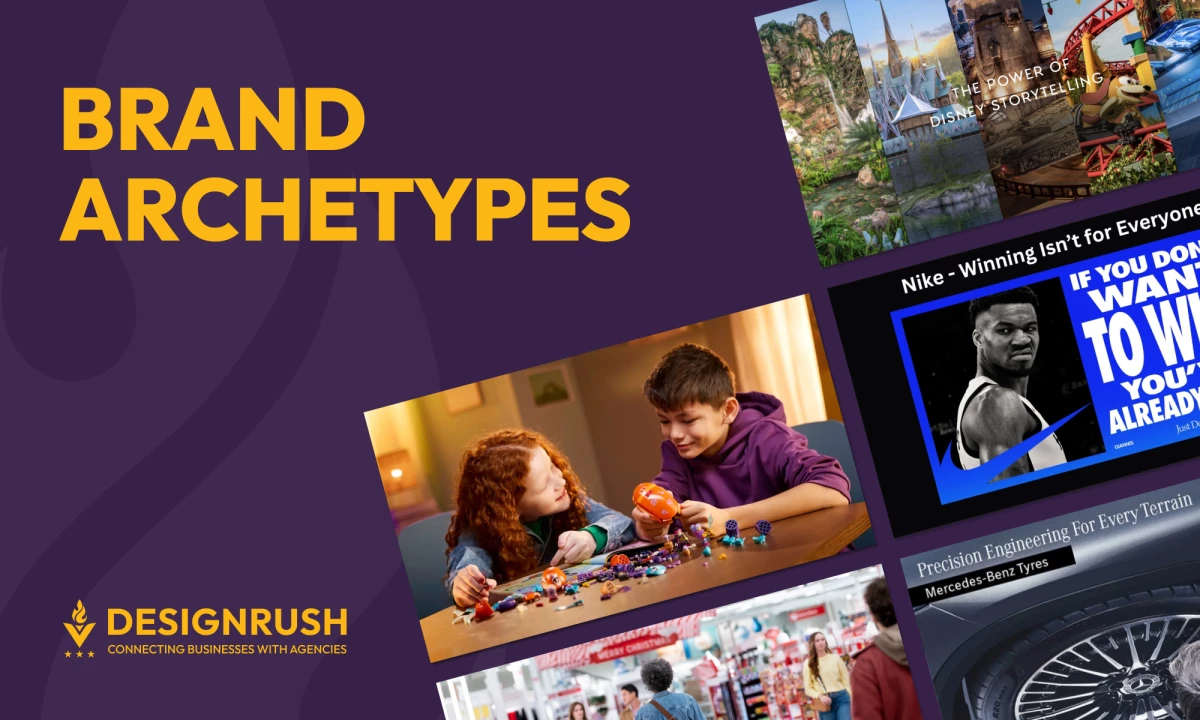

Brand Archetypes: Key Points
- Emotionally connected customers are over 2 times more valuable than those who are just satisfied. Archetypes build that connection by giving your brand a relatable, human personality.
- Brands with clear, consistent archetypes can boost revenue by 10% or more. Trust and familiarity drive buying decisions, with 88% of loyal customers likely to buy again.
- 71% of consumers are more likely to purchase from brands they recognize. Consistent archetypes drive that recognition by unifying tone, visuals, and messaging.
Brand archetypes are essentially the personalities of your brand. In this guide, we’ll look at the 12 classic brand archetypes, show you how to find yours, and explain why consistency is key to long-term brand success.
The 12 Classic Brand Archetypes and Their Core Traits
The idea of archetypes comes from psychologist Carl Jung, who described recurring characters that show up across cultures and stories. In branding, these have been adapted into twelve core personas, each with distinct values, tone, and emotional appeal:
- The Hero
- The Magician
- The Lover
- The Explorer
- The Outlaw (Rebel)
- The Creator
- The Caregiver
- The Innocent
- The Jester
- The Sage
- The Ruler
- The Everyman
1. The Hero
Core traits:
- Courageous
- Goal-oriented
- Disciplined
- Inspiring
- Competitive
- Determined
Hero brands act as leaders — bold, focused, and determined to make an impact. They attract customers who want to overcome challenges or achieve more in life, whether that’s through performance, discipline, or transformation.
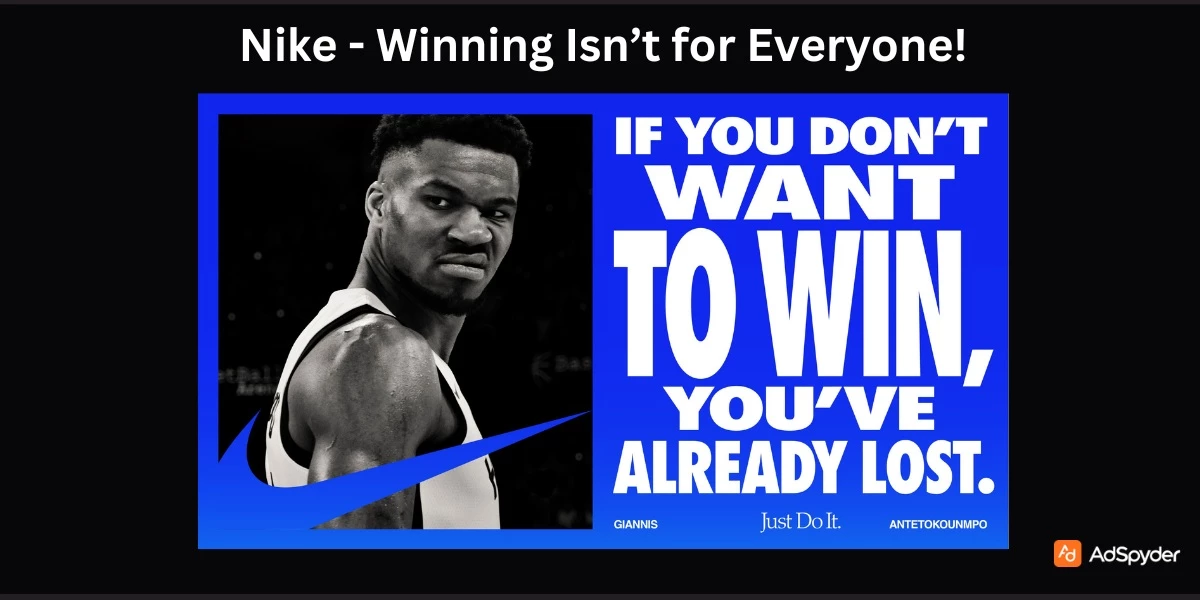
The hero brand earns trust by taking action, setting high standards, and helping others rise to the occasion — like Nike, whose messaging pushes people to go further and aim higher. Its “Just Do It” campaign is a long-running example: it speaks to ambition, grit, and personal victory, positioning Nike not just as an athletic brand, but as a motivator for everyday heroes.

2. The Magician
Core traits:
- Visionary
- Inspiring
- Imaginative
- Charismatic
- Transformative
- Awe-inspiring
Magician brands are driven by transformation, turning ideas into reality and helping customers unlock something bigger. They create a sense of wonder, possibility, or even personal change.
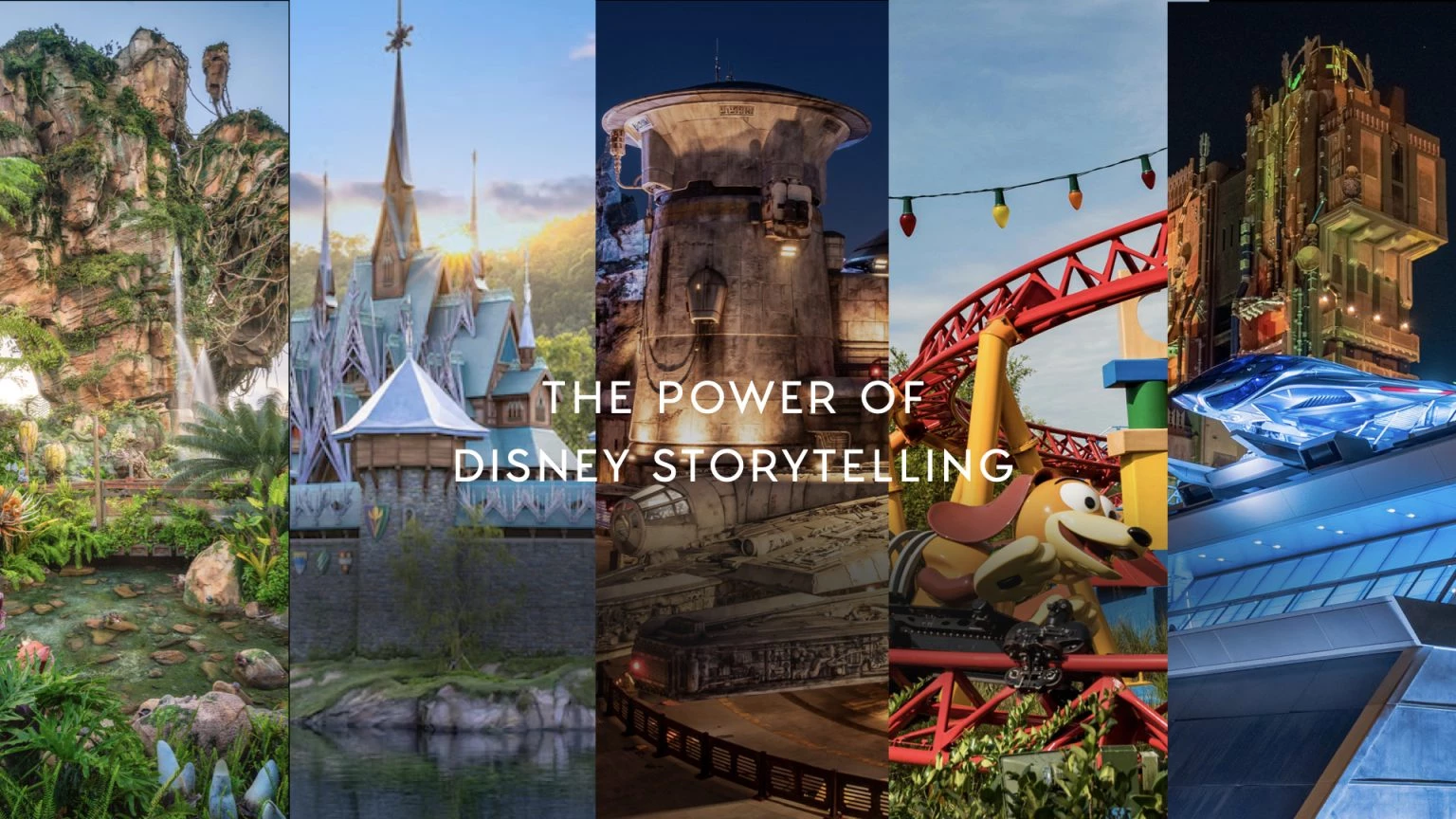
Disney is a classic example, inspiring audiences with imagination and delivering experiences that feel magical and emotionally powerful. Its long-running “Where Dreams Come True” campaign embodies this promise, blending storytelling, emotion, and innovation to create worlds that move people — from animated films to immersive theme park experiences.
3. The Lover
Core traits:
- Passionate
- Intimate
- Sensual
- Empathetic
- Emotionally expressive
Lover brands focus on connection, beauty, and emotion. They build strong appeal through aesthetics, experience, and relationships, helping customers feel valued, desired, or indulged.
Chanel exemplifies the Lover archetype through sensual design and emotional charged storytelling. The “Chanel No. 5: The One That I Want” campaign, starring Gisele Bündchen, combined romance, sensuality, and longing — transforming a fragrance ad into a cinematic portrayal of emotional desire.
4. The Explorer
Core traits:
- Independent
- Curious
- Ambitious
- Adventurous
- Restless
- Pioneering
Explorer brands are about freedom, discovery, and pushing beyond the expected. They connect with customers who value independence, adventure, and new experiences.
Jeep is a textbook Explorer brand — its voice and visuals consistently evoke the thrill of going off-road and off-script. The “Find Your Freedom” campaign reinforced this archetype by encouraging people to break routine, take the scenic route, and forge their own path — both metaphorically and literally.
5. The Outlaw (Rebel)
Core traits:
- Bold
- Rebellious
- Disruptive
- Defiant
- Independent
- Anti-establishment
Outlaw brands challenge the status quo. They speak to customers who are tired of the rules and want something bold, unapologetic, and different.
Harley-Davidson lives this archetype through decades of anti-mainstream messaging. Its “Screw It, Let’s Ride” campaign embraced rebellion head-on, inviting riders to hit the open road, defy convention, and embrace freedom with no apologies.
6. The Creator
Core traits:
- Innovative
- Expressive
- Visionary
- Detail-oriented
- Inspired
- Imaginative
Creator brands thrive on imagination, originality, and self-expression. They appeal to customers who want the tools or inspiration to bring something new into the world.
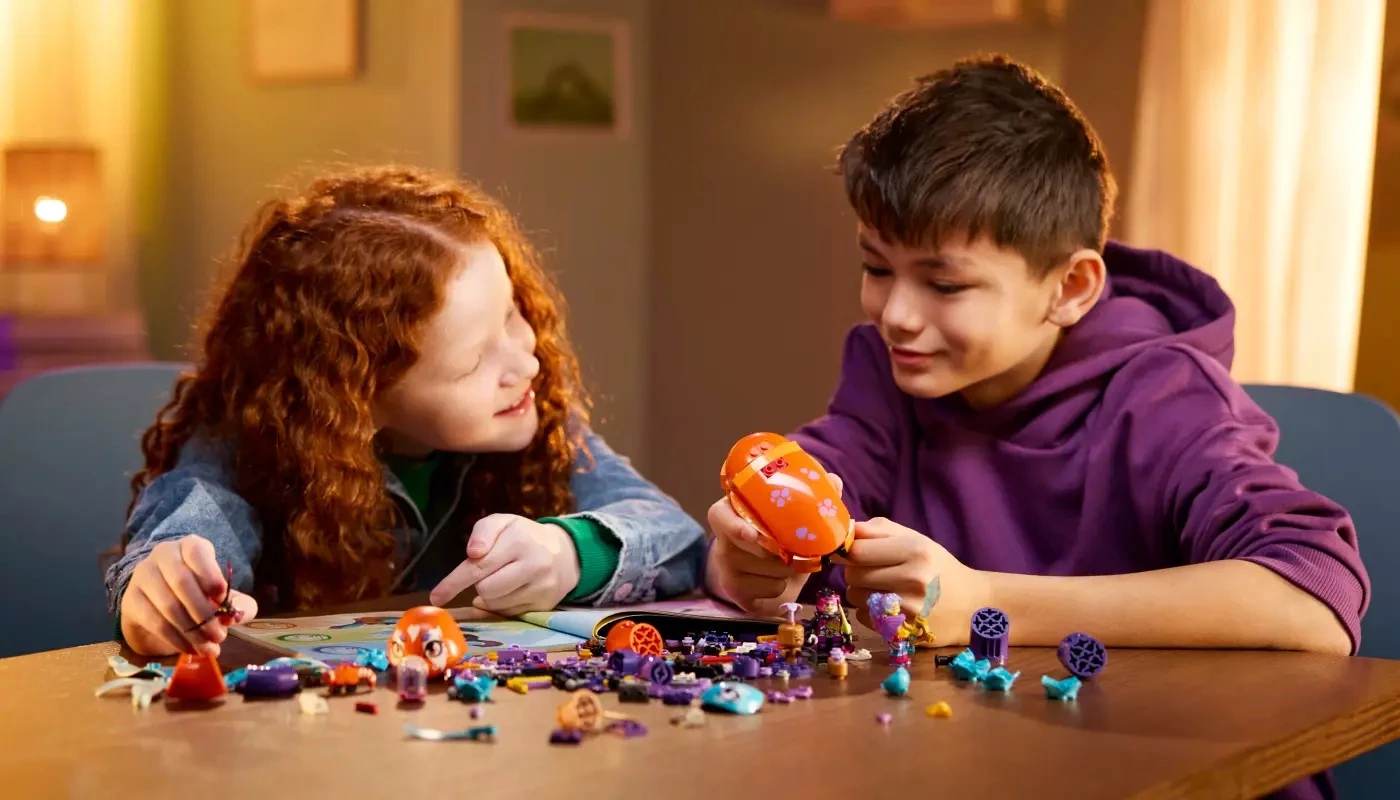
Lego exemplifies this archetype by encouraging creativity through open-ended play. Its “Rebuild the World” campaign showcased imaginative storytelling and limitless construction possibilities — positioning Lego as more than a toy, but a creative platform.
7. The Caregiver
Core traits:
- Compassionate
- Trustworthy
- Selfless
- Reassuring
- Protective
- Nurturing
- Service-focused
Caregiver brands are grounded in support, protection, and putting others first. They connect with people who value compassion, safety, and reliability — especially in moments of need.
Johnson & Johnson embodies this reflects this archetype with its long-standing commitment to health and care. Its “For All You Love” campaign spotlighted everyday caregiving moments — positioning the brand as a quiet, dependable presence behind the scenes of people’s most important relationships.
8. The Innocent
Core traits:
- Honest
- Optimistic
- Wholesome
- Simple
- Trustworthy
- Pure
- Morally sound
Innocent brands focus on simplicity, optimism, and doing what’s right. They appeal to customers who seek honesty, peace of mind, and a sense of purity or nostalgia.
Dove embodies this archetype with its focus on real beauty and authenticity. The “Real Beauty” campaign challenged unrealistic beauty standards by featuring everyday women — reinforcing Dove’s message of self-acceptance, simplicity, and truth.
9. The Jester
Core traits:
- Playful
- Witty
- Lighthearted
- Spontaneous
- Entertaining
- Fun-loving
- Irreverent
Jester brands bring energy, humor, and a sense of play. They connect with customers who want lightness, fun, and entertainment — without taking life too seriously.
Old Spice revived its brand by fully embracing this archetype. The viral “The Man Your Man Could Smell Like” campaign used absurd humor and confident charm to flip traditional male grooming ads on their head — reestablishing relevance with a younger audience.
10. The Sage
Core traits:
- Wise
- Analytical
- Informed
- Objective
- Thoughtful
- Truth-seeking
Sage brands are built on knowledge, insight, and helping others think more clearly. They attract customers who value truth, learning, and expertise.
Google embodies the Sage through its mission to make the world’s information universally accessible. Its “Year in Search” campaign is a powerful annual recap that highlights the questions, challenges, and learning moments people searched for, reinforcing Google’s role as a guide and source of truth.
11. The Ruler
Core traits:
- Confident
- Responsible
- Authoritative
- Structured
- Strategic
- Control-oriented
Ruler brands project control, structure, and high standards. They appeal to customers who seek order, excellence, and a sense of prestige.
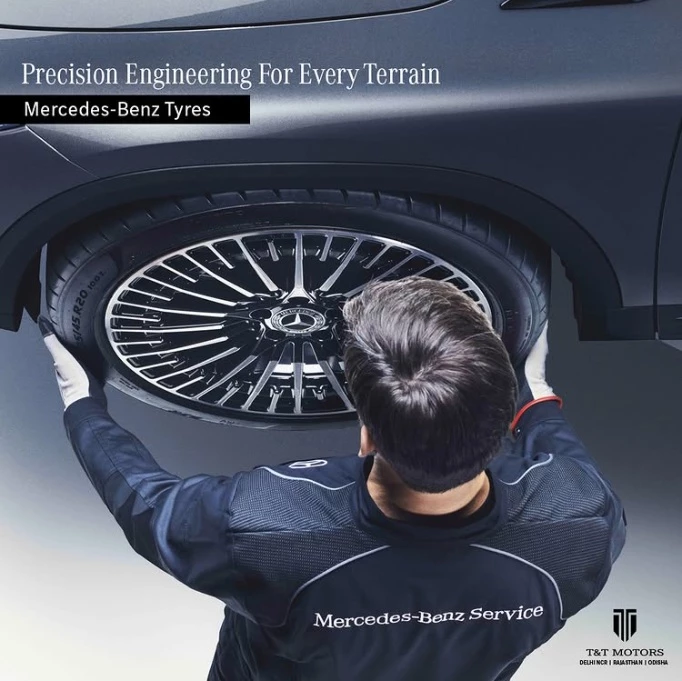
Mercedes-Benz exemplifies the Ruler archetype by emphasizing precision, heritage, and command. Its “The Best or Nothing” campaign reinforces a clear leadership stance by promoting high standards, innovation, and status as non-negotiables for its drivers.
12. The Everyman

Core traits:
- Friendly
- Relatable
- Honest
- Practical
- Inclusive
- Supportive
- Down-to-earth
- Community-focused
Everyman brands are relatable, down-to-earth, and approachable. They resonate with customers who value honesty, fairness, and belonging.
Target fits this archetype with its tone of accessibility and “for all” messaging. Its “What We Value Shouldn’t Cost More” campaign championed quality and affordability for everyday shoppers — reinforcing its identity as a brand that welcomes everyone.
Brand Archetypes Compared
By now, we have a solid understanding of what brand archetypes are and what they represent, but here’s a comprehensive breakdown that highlights each archetype’s core traits, tone of voice, visual identity, and the industries they naturally align with.
| Archetype | Core Traits | Brand Voice & Tone | Brand Promise | Ideal Colors | Typography Style | Common Industries |
| The Hero | Courageous, determined, bold | Confident, inspiring, direct | To prove worth through courageous action | Red, strong blues, metallics | Bold, uppercase, sans-serif | Sports, outdoor gear, security, health |
| The Magician | Visionary, transformative, charismatic | Mystical, enlightened, articulate | To make dreams come true | Purple, dark blue, silver | Elegant, serif or hybrid fonts | Wellness, beauty, tech, innovation |
| The Lover | Passionate, romantic, warm | Sensual, heartfelt, empathetic | To create intimacy and inspire love | Red, pink, gold | Elegant script, serif fonts | Cosmetics, fashion, hospitality, luxury |
| The Explorer | Adventurous, restless, independent | Brave, daring, honest | To experience freedom and discover | Earth tones, blue, green | Rugged, bold sans-serif | Travel, outdoor, automotive, tech |
| The Outlaw | Rebellious, disruptive, bold | Bold, defiant, unapologetic | To break the rules and challenge the norm | Black, red, dark gray | Grunge, distressed fonts | Fashion, entertainment, motorbikes |
| The Creator | Imaginative, expressive, innovative | Artistic, inspiring, visionary | To create something of enduring value | Orange, purple, teal | Unique, custom or script fonts | Design, tech, media, arts |
| The Caregiver | Compassionate, nurturing, selfless | Warm, reassuring, helpful | To protect and care for others | Soft blues, pastels, greens | Soft serif, rounded fonts | Healthcare, non-profit, education |
| The Innocent | Optimistic, honest, pure | Cheerful, sincere, simple | To be happy and do the right thing | White, light blue, pastels | Clean sans-serif or handwritten | Childcare, health, organic products |
| The Jester | Playful, funny, light-hearted | Witty, humorous, spontaneous | To live in the moment and enjoy life | Bright colors (yellow, orange, pink) | Whimsical, bouncy fonts | Entertainment, snacks, beverages |
| The Sage | Wise, thoughtful, analytical | Informed, calm, guiding | To help the world gain wisdom | Dark blue, gray, white | Classic serif, intellectual fonts | Education, finance, consultancy |
| The Ruler | Leader, organized, commanding | Formal, authoritative, refined | To create order from chaos | Royal colors (gold, navy, black) | Traditional serif, bold fonts | Luxury, finance, government |
| The Everyman | Friendly, relatable, dependable | Down-to-earth, honest, warm | To belong and connect with others | Neutral tones, blue, brown | Simple sans-serif, approachable | Retail, home goods, services |
The Payoff of Brand Consistency
Archetypes act as a unifying guide, so that no matter who is creating content or which channel you’re on, the brand’s core personality remains the same. This kind of consistency brings a long list of benefits for your company:
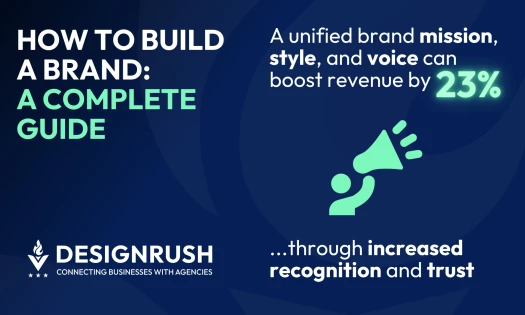
- Brands presenting themselves consistently across channels can increase revenue by 10% or more.
- If your customer sees the same persona and values reflected in your website, ads, emails, and storefront, they know your brand – and familiarity drives buying decisions. In fact, 71% of consumers are more likely to purchase from a brand they recognize.
- A whopping 88% of customers who trust a brand will buy again.
- Consistency also builds emotional connection – a key driver of loyalty and retention. Companies with emotionally connected customers outperform competitors in sales growth by 85%.
- Emotional loyalty is also heavily tied to trust. According to Edelman’s latest findings, 71% of consumers say it’s important to trust the brands they buy today. Archetypes help support that trust by giving your brand a clear set of values and a consistent “character.”
David Langton, President of Langton Creative Group, emphasizes the importance of consistency in branding: "Everything you do and say is part of what makes your brand; it’s how people perceive you. A strong brand reinforces an organization’s mission, vision, and character."
Langton highlights how even small inconsistencies can hurt a brand’s credibility:
"When you make a sloppy appearance, you send a signal that you don’t really care about your audience. Consider the ‘bathroom’ rule: A dirty restaurant bathroom makes you wonder how they handle everything else."
How To Identify and Apply Your Brand’s Archetype
Defining your brand’s archetype gives everyone a clear reference point for how the brand should show up. It starts with internal clarity and ends with external alignment. Here’s a practical framework to help you identify the right archetype and apply it with focus:
1. Define Your Archetype
Start by grounding your brand in reality — what it stands for, who it serves, and how it’s currently perceived. These first steps help you choose an archetype that’s not just aspirational, but actually fits.
| Action | Strategic Question | Outcome |
| Audit Brand Values & Audience | Does your internal culture match what your customers need or expect emotionally? | Authentic alignment |
| Map Buyer Motivations | What emotional payoff is your audience looking for — safety, recognition, freedom? | Deeper audience insight |
| Explore Competitive Landscape | Which archetypes are common in your space? Can you position against them? | White space opportunity |
| Validate with Real-World Data | What do your customers already respond to in content or behavior? | Data-backed clarity |
2. Align Brand Expression
Once you’ve chosen an archetype, the next step is to make sure your brand actually reflects it, visually and verbally.
- Assess tone and messaging: Does your current voice align with the traits of your archetype? For example, is it confident like a Hero or warm like a Caregiver?
- Evaluate visual identity: Do your colors, typography, and design cues reinforce the right emotional tone?
- Spot gaps in experience: Are there disconnects between your values and how they show up in customer interactions?
3. Apply and Evolve
With alignment in place, roll out the archetype consistently — and revisit as your brand grows.
- Use archetype-led messaging: Craft stories and taglines that clearly reflect your brand’s role and emotional intent.
- Be consistent across platforms: Apply the same tone and persona across website, social, packaging, and advertising.
- Revisit as you grow: As your brand scales or shifts direction, reassess your archetype fit to stay relevant.
Brand Archetypes: Final Thoughts
A strong brand today needs more than great design or messaging; it needs a clear, consistent personality. Archetypes give teams a practical way to align voice, visuals, and values across every touchpoint. Used well, they help brands build trust faster, connect more deeply, and stand out in increasingly crowded markets.

Our team ranks agencies worldwide to help you find a qualified partner. Visit our Agency Directory for the Top Branding Agencies, as well as:
- Top Brand Strategy Agencies
- Top Brand Positioning Firms
- Top Corporate Branding Agencies
- Top Small Business Branding Agencies
- Top Cincinnati Branding Agencies
And don’t miss our Awards section, where we showcase the top agencies recognized for exceptional creativity and impact.
Brand Archetypes: FAQs
1. Can a brand use more than one archetype?
Yes, but one dominant archetype should lead to maintain clarity. Secondary archetypes can support niche campaigns or sub-brands.
2. How does this help with ROI?
Clear archetypal alignment improves campaign efficiency, reduces miscommunication, and increases loyalty and conversion metrics.
3. Is this model still relevant in the AI and Gen Z era?
More than ever. Archetypes provide emotional structure amid increasingly fragmented digital attention. They adapt, evolve, and scale.

-preview-webp.webp)