
Curated content, or content that has been carefully selected and organized from various sources, is a powerful strategy in the digital marketing world. Instead of creating every piece of content from scratch, you can collect and share relevant articles, social media posts, videos, or images that resonate with your audience. It's a great way to save time while adding value and building trust.
In this article, we’ll unpack the definition of curated content and establish why it’s essential for modern marketing. From exploring the benefits to implementing best practices, this guide will show you how to make the most of curated content for your brand.
What Is Curated Content All About?
The definition of curated content is a form of content marketing that entails gathering and sharing high-quality digital content from sources outside your business. Their aim can be to inform and engage a specific audience or to explore and illustrate concepts relevant to your brand or product offering.
Instead of creating everything from scratch, you can simply repurpose others’ articles, videos, and social media posts that align with your audience's interests. Curators will usually organize pieces of curated content around a theme or topic and present it in a way that aligns with their brand's voice. It’s important to always attribute credit to the original creators to maintain integrity and show respect their work.
Curated content does have an important part to play in the content marketing mix and is a marketing trend that is here to stay. It allows brands to deliver consistent value to their audience without always relying on creating original material but still positioning themselves as a thought leader in their industry.
Key Benefits of Utilizing Curated Content
- Time and cost efficiency: Compared to creating original material from scratch, curating content is a huge time saver. It also takes the pressure off of internal resources, allowing you to continue posting consistently without a significant investment in production.
- Increased audience engagement: Sharing high-quality, relevant content is a surefire way to increase engagement. Curated posts can spark conversations and interactions and help you keep that audience engagement flowing.
- Diversifying your content mix: Forever posting the same content formats can get old, but curated content makes it easy to offer a variety of content types, like industry news, expert opinions, and user-generated content.
- Building authority: Curated content helps to position a brand as a thought leader by showcasing valuable insights from credible sources, earning the trust of followers.



4 Key Elements of Effective Curated Content
To maximize the impact of your curated marketing, there are a few things you will need to get right. Below is what you can do to make your curated content more effective.
1. Keep It Relevant
Any curated content must align with your audience’s interests, needs, and pain points. Choose topics that are timely, interesting, and valuable to ensure your content resonates with your followers. Consider trending topics or evergreen themes to maintain your brand’s relevance and authority.
2. Add Value
Effective curation involves more than just sharing someone else’s content. Add your own insights, commentary, or context to make the content more valuable to your audience and show them why it's relevant and worthy of their time.
3. Give Credit
Properly attributing your curated content is important and will build trust with your audience. It shows that your brand is ethical and transparent and that you value the work of others. Be sure to also use reputable sources that don’t undermine your brand’s values. This might require conducting some careful research.
4. Be Consistent
Curated content should be shared consistently if you want it to have a lasting impact. Developing a regular posting schedule will ensure your audience receives a steady flow of relevant material. That will help to keep your brand top of mind and strengthen relationships with followers.
5 Types of Curated Content
It’s important to understand the different types of content that you can potentially curate. Each serves a unique purpose and can engage your audience in different ways. Below are some of the more common types of curated content.
- Social media content
- Industry news
- User-generated content (UGC)
- Expert opinions and thought leadership
- Multimedia content
1. Social Media Content
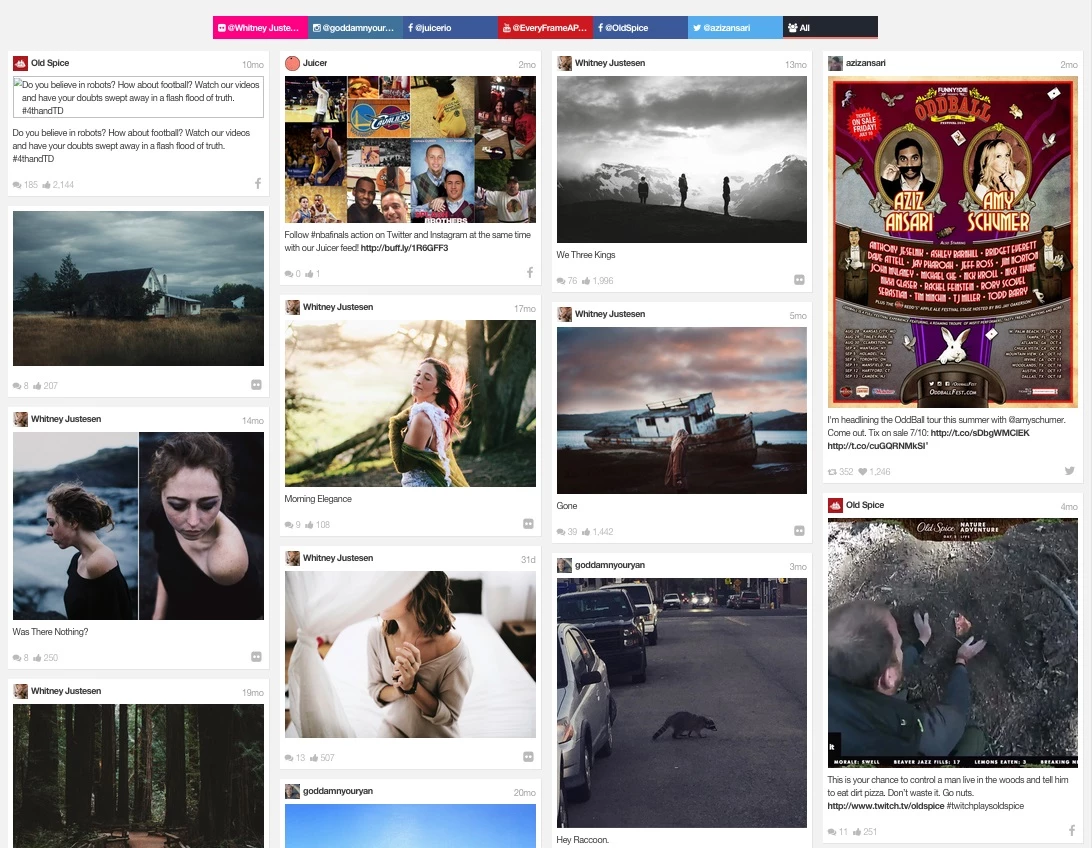
Social media posts are easily the most popular form of curated content, and the practice of curating content has become a trend on social media for all kinds of brands. By sharing posts from influencers, industry experts, or even your own audience, you can engage in timely conversations and showcase different viewpoints. It's a great way to stay relevant and active on social platforms while adding value through your commentary or insights.
There are tools available to help you aggregate social content, like Juicer, BuzzSumo, and Feedly. They simplify the process of finding and sharing posts that resonate with your audience.
2. Industry News
You can keep your audience informed while positioning your brand as a reliable source of current information by sharing the latest industry news. Relying on trusted publications will demonstrate that your brand has a finger on the pulse of the industry and is in tune with the latest developments, establishing authority and credibility with your audience.
3. User Generated Content (UGC)
User-generated content is a great way to build a sense of community and trust. UGC amplifies the voices of your audience, demonstrating that their opinions and experiences matter to your brand. Sharing customer reviews, testimonials, or user-created media (ideally featuring your brand) helps foster engagement and encourages other followers to interact.
Authenticity is a powerful force in marketing, and, as the American Marketing Association points out, “customers’ genuine experiences are one of the most influential factors in brand success”. UGC offers an ideal way to leverage that.
4. Expert Opinions and Thought Leadership
By curating expert opinions, interviews, or thought leadership articles, you can bring valuable insights to your audience. This type of content enhances your credibility and positions your brand as an authority in your field, contributing to important conversations in your industry. It can also create opportunities for networking and collaboration, since citing experts can build relationships with these individuals and open doors for future partnerships, guest blogs, and collaborative efforts.
5. Multimedia Content
Multimedia content lends itself well to curation, especially videos, podcasts, or infographics. Because multimedia content tends to be easier to digest, it can help you reach and engage a wider audience. Video, in particular, has demonstrated its effectiveness as a marketing medium time and again, with 82% of marketers claiming that including video on their websites has increased dwell time, according to Wyzowl.
How To Curate Content Strategically
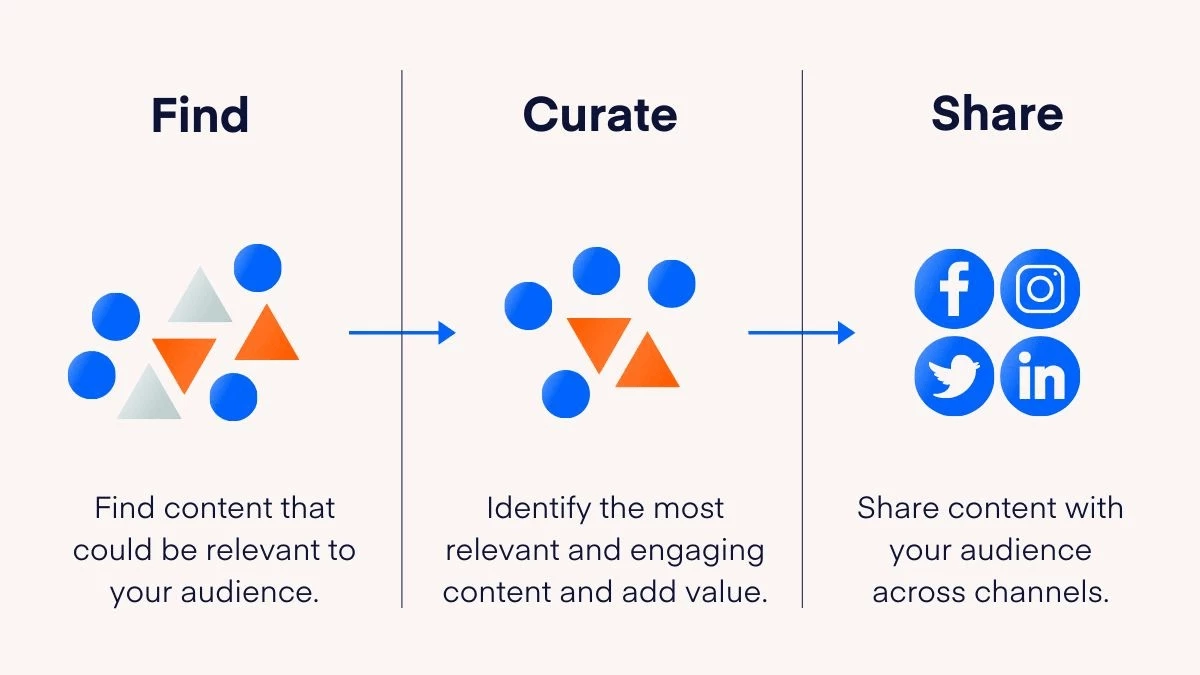
Strategic content curation is about more than simply sharing links or reposting content. You need to be careful to select content that aligns with your brand voice and the needs of your audience. To do this effectively, you first need to focus on defining your target audience and then identifying credible sources.
Next, define clear goals for your content curation efforts. Whether it’s building thought leadership, driving engagement, or fostering community, knowing your purpose helps guide your selection. Then, once you've chosen a piece of content, you can consider adding unique insights or commentary to enhance its relevance.
For example, if you're sharing a bit of industry news, include your thoughts on its implications, and ask your audience for their opinions to encourage interaction.
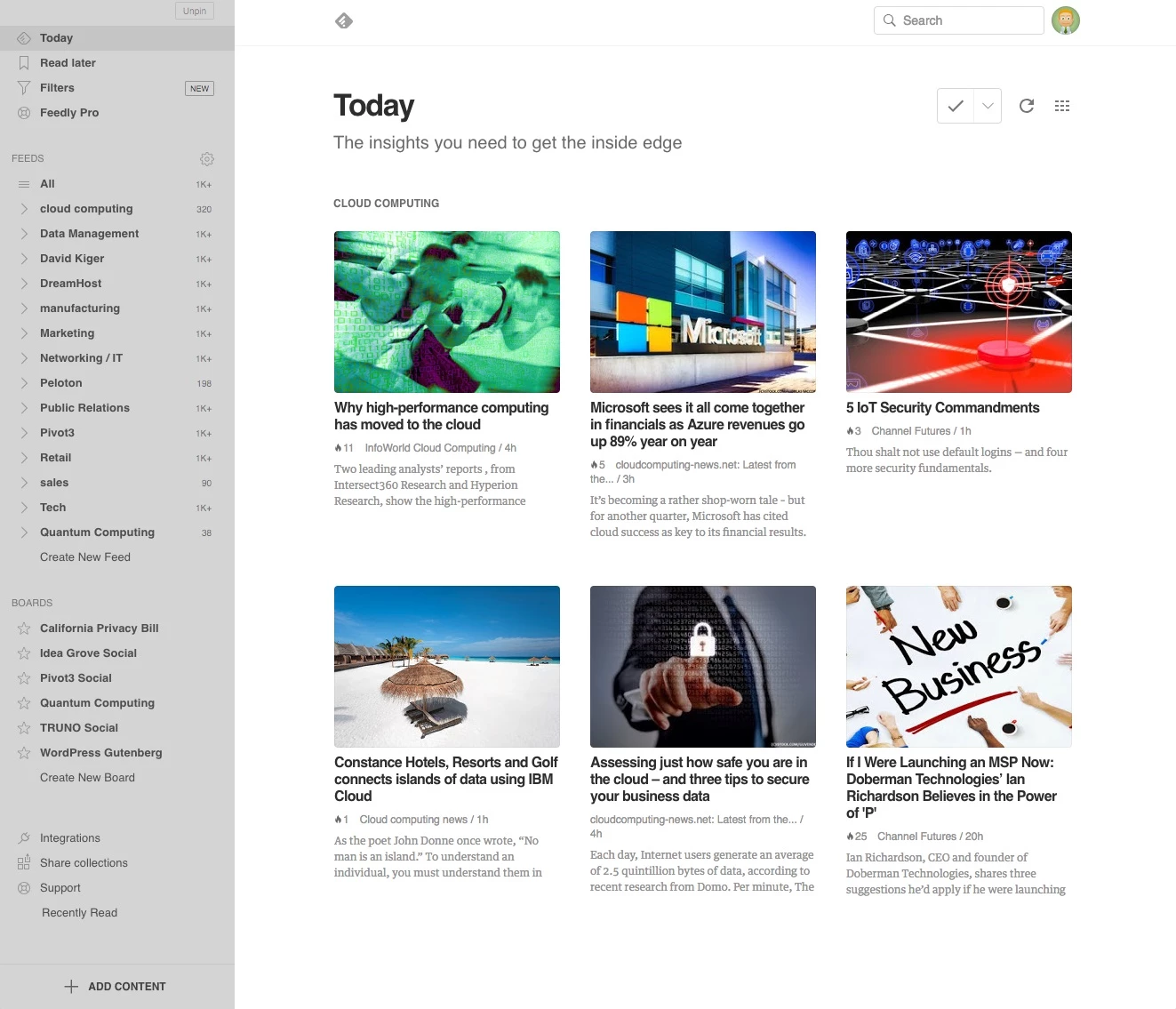
Tools like Hootsuite and Feedly help to streamline the process of gathering and organizing content from trusted sources. Hootsuite, for example, provides features for discovering trending topics and integrating curated content seamlessly into your publishing schedule.
3 Examples of Curated Content
Curated content is widely used by brands across industries to engage audiences and offer something different. Below are some examples of brands that are effectively using it and achieving results.
1. Porsche
Like most big brands with a loyal following, Porsche has a wealth of content available to curate, particularly on social media. Customers sharing their build projects, customizations, or unique paint jobs makes for authentic, visually engaging material that resonates with other Porsche enthusiasts. By reposting and featuring these user-generated posts, the carmaker celebrates its community while reinforcing its brand identity.

2. BuzzFeed
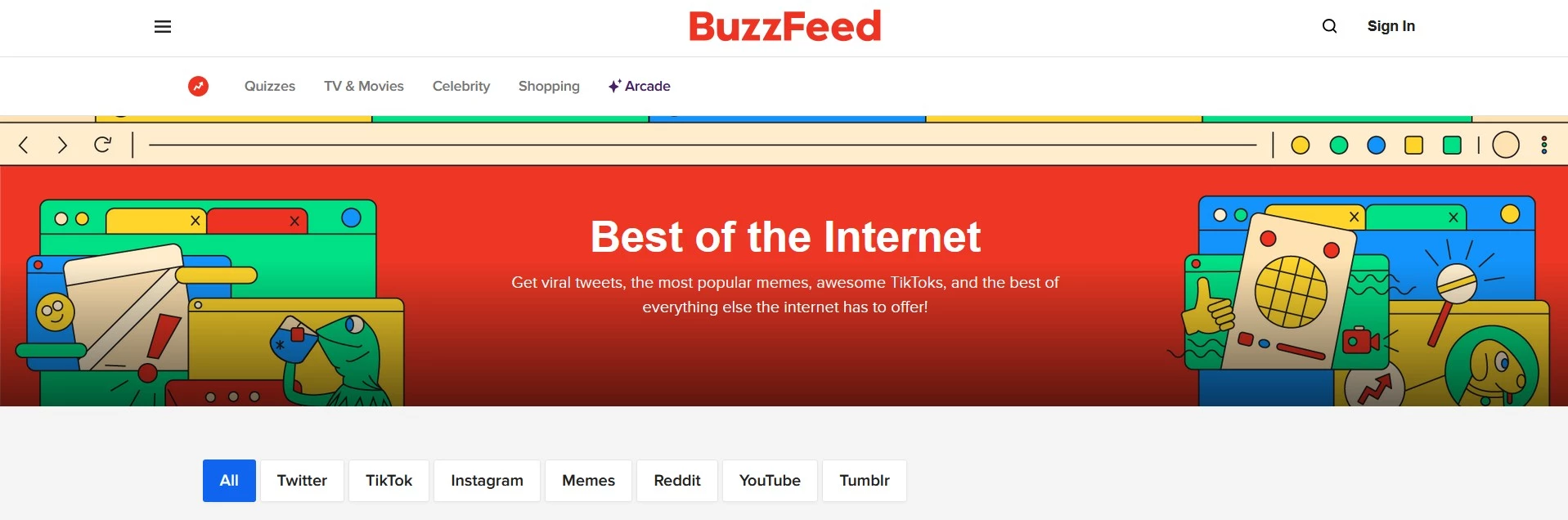
BuzzFeed is a great example of a publication that mixes original content by staff writers with curated content. The site features a blend of original articles, quizzes, and videos, alongside curated lists, memes, and trending stories from across the web. This strategy helps BuzzFeed to effectively tap into audience interests while keeping its tone fresh and engaging.
3. LinkedIn
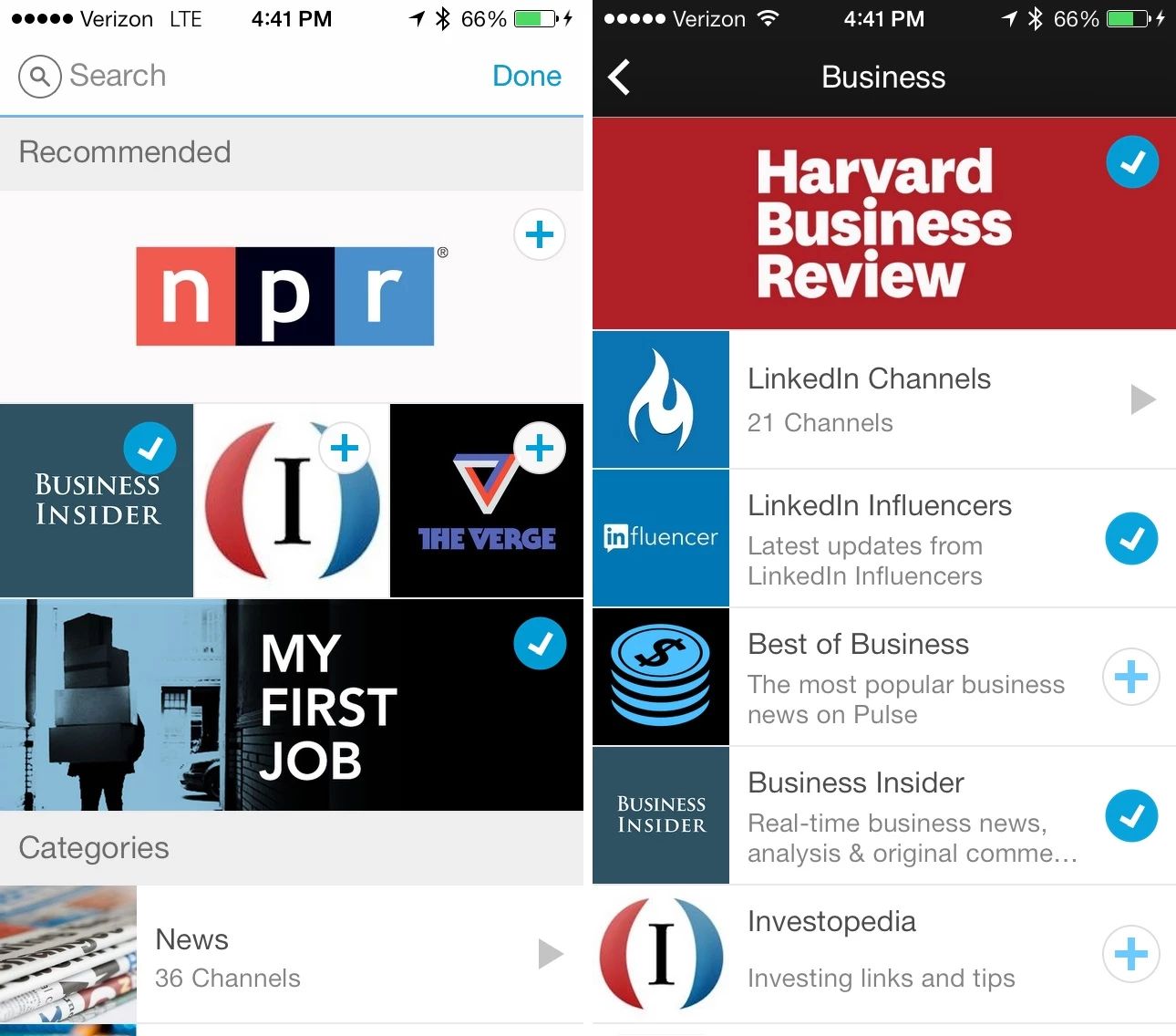
LinkedIn offers users curated industry-specific insights through its LinkedIn Pulse feature, where articles from experts are featured alongside trending discussions. It offers a feed tailored to your industry and interests, with articles that are easy to share with your own followers. This helps to position LinkedIn as a hub for professional knowledge sharing.
5 Curated Content Mistakes To Avoid
Content curation can be a winning strategy for boosting your brand's authority and engaging your audience, but there are some common pitfalls to steer clear of. Avoid these mistakes to get the best results from your curated content efforts.
- Using too much curated content
- Lacking a consistent schedule
- Failing to complement your own content
- Not adding value
- Using unreliable sources
1. Using Too Much Curated Content
Curated content should not make up more than half of your total output. Overreliance on curated content risks diluting your brand's voice and reducing the emphasis on your unique value propositions. The idea is to balance curated content with your own original posts that showcase your expertise and brand personality.
2. Lacking a Consistent Schedule
If you only post curated content sporadically, you might confuse your audience, which would diminish its impact. Maintaining a consistent publishing schedule ensures your audience has an idea of what to expect from your brand, making them more likely to keep coming back. Content calendars and scheduling tools are invaluable for staying organized and maintaining your workflow.
3. Failing To Complement Your Own Content
The content you curate should never compete with or undermine your own original content. Make sure that whatever content you choose always aligns with your brand’s message, reinforces your values, and serves a specific purpose. Keep your strategy in mind and avoid sharing content for the sake of it.
4. Not Adding Value
If you simply share links without context or repost articles without commentary, your curated content will feel impersonal and irrelevant. You don’t want your audience to think “why am I seeing this?” when they visit your page. Including some context, insights, or thoughts of your own will make it a lot more meaningful. Try to show your audience why it matters and how it’s relevant to your brand.
5. Using Unreliable Sources
Curating content from untrustworthy or poorly researched sources can do a lot of harm to your credibility. If you’re sharing the kind of content where information accuracy is a factor, be sure to get it from authoritative and reputable publishers. You don’t want to risk losing your audience’s trust and confidence in your brand.
Curated Content: Key Takeaways
Curated content is a powerful tool for building audience engagement that requires minimal time and resource investments. It can be used to showcase expertise and carry your brand message in the form of relevant, high-quality brand material. Done right, curated content will complement your original content while enhancing your brand's authority and fostering a connection with your community.
By balancing curated and original content, taking a strategic approach and keeping it consistent, authentic, and trustworthy, you find yourself on the way to realizing the value of curated content. Partnering with an experienced content marketing provider will help you hone your strategy and get the best results.

Our team ranks agencies worldwide to help you find a qualified partner. Visit our Agency Directory for the top content marketing companies, as well as:
- Top Content Creation Companies
- Top Digital Marketing Agencies
- Top Marketing Strategy Agencies
- Top AI Marketing Companies
- Top NYC Content Marketing Agencies
What Is Curated Content FAQs
1. How do I curate content?
To curate content, first identify your audience’s interests and goals. Use tools like Hootsuite or Feedly to discover relevant high-quality material and organize it into themes that align with your brand. You can then add value by including your commentary or insights. Share curated content consistently across your platforms to keep your audience engaged.
2. How often should I post curated content?
Consistency is key — whether it's daily, weekly, or bi-weekly, keeping a regular schedule will help to maintain engagement. However, be careful not to overwhelm your audience with too much curated content. Aim to balance your feed with both original and curated content but try not to make the latter the majority. Keep an eye on performance metrics to find the optimal posting frequency for your specific audience.
3. How can I measure the success of my curated content strategy?
The key performance indicators (KPIs) you can track to measure the success of your curated content include engagement rates (likes, comments, shares), traffic driven to your website, and the growth of your social media followers.
If your audience is engaging with the content, it indicates that you've chosen the right content to curate. Using A/B testing on curated posts can give you a better idea of which types of content resonate most with your audience.