

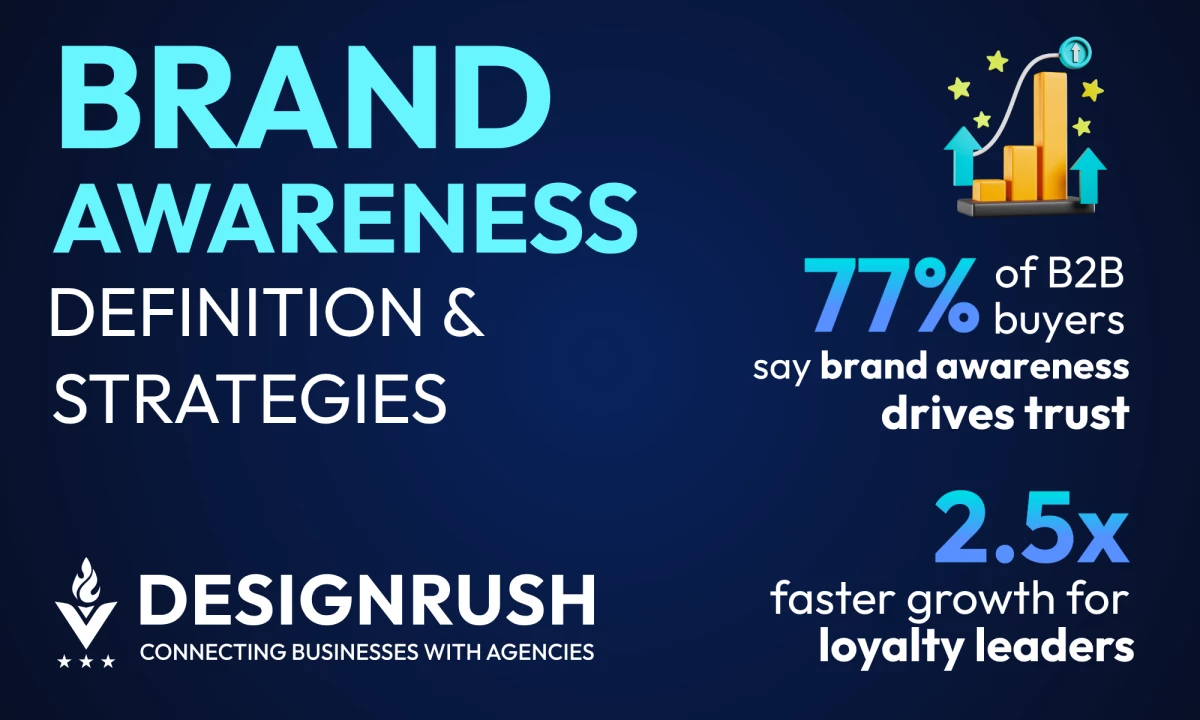

What constitutes brand awareness, and how does it influence market share and customer loyalty? We’ll cover the brass tacks and share smart ways to increase brand awareness with up-to-date tactics and future-proof strategies.
Brand Awareness Definition: Key Points
- Strong brand awareness drives revenue by building trust and preference — 77% of B2B buyers say it influences trust, and loyalty leaders grow revenue 2.5x faster.
- Building awareness requires multi-channel strategies across owned media, media coverage, and paid ads, moving customers from recognition to purchase.
- Future-proof brands harness AI for 25% higher engagement, optimize for 20 billion monthly visual searches, and meet Gen Z’s values, as 84% expect brands to share their beliefs.
Brand Awareness: An Overview
A customer’s familiarity and comfort with your brand heavily influence whether they convert.
That makes brand awareness non-negotiable for attracting high-value clients and driving long-term growth.
Brand Awareness Definition & Key Components
Brand awareness measures how familiar your target audience is with your brand, both in recognizing and recalling it. It goes beyond name recognition to include the feelings and associations people have with your brand.
Brand awareness includes multiple layers of familiarity: 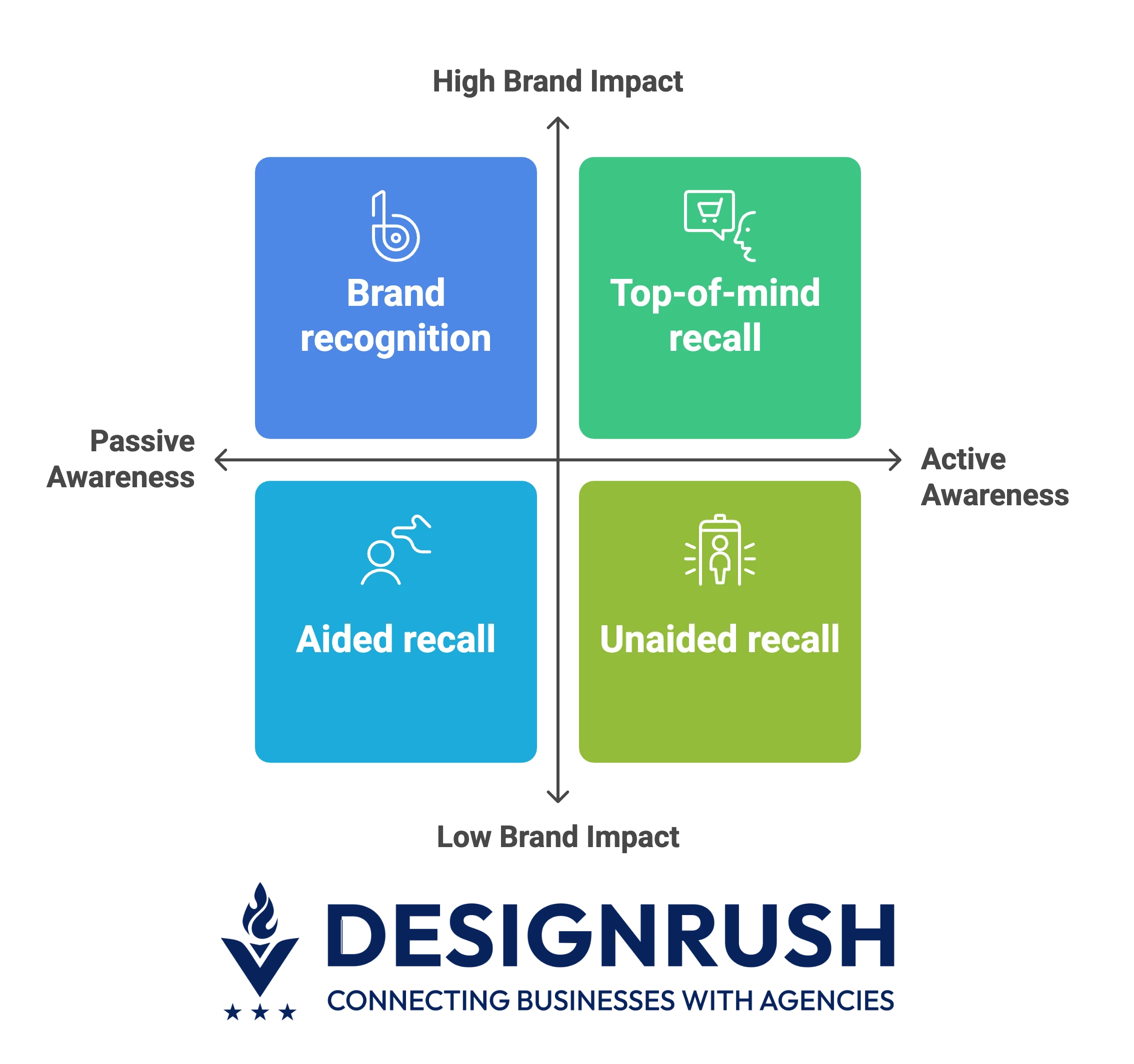
1. Brand Recognition: Recognizing Visual or Auditory Cues
Brand recognition is the passive form of awareness. According to marketing experts, it is about how well a consumer can pick your brand out of a lineup of competitors, often via visual or auditory signals (e.g., recognizing your logo, colors, or tagline).
If someone can see your packaging or hear your jingle and immediately say, “Oh, that’s Company X,” you have strong brand recognition. Example: You see a swoosh logo and know it’s Nike.
2. Brand Recall: Remembering the Name
This is a deeper, active form of awareness — the ability to remember a brand name without any prompt. If I ask you to “name a ride-sharing service” and you respond “Uber” immediately, that’s brand recall.
- Top-of-mind recall means your brand comes up first when a customer thinks of your category.
- Unaided recall (spontaneously recalling the brand) is the gold standard, whereas aided recall means someone can remember after being given a hint.
Brand Recognition vs. Brand Recall: Why the Distinction Matters
- In practice, recognition helps at the point of purchase (or click) — e.g., a consumer scrolling through search results might click your link because they recognize your brand name.
- Recall drives the consideration set and market share. If you’re the first brand someone thinks of for a solution, you’re very likely to get the sale.


How Brand Awareness Impacts Revenue, Retention & Acquisition
For marketing leaders, awareness is the gateway to conversion and loyalty. Below, we break down the major ways brand awareness acts as a business multiplier, with data and brand awareness examples.
1. Awareness as a Revenue Multiplier
A well-known brand compresses sales cycles, lowers acquisition costs, and increases pricing power.
Higher Perceived Value
A recognized brand can command premium pricing because customers trust it. In B2B scenarios, having strong brand familiarity gives you a clear edge.
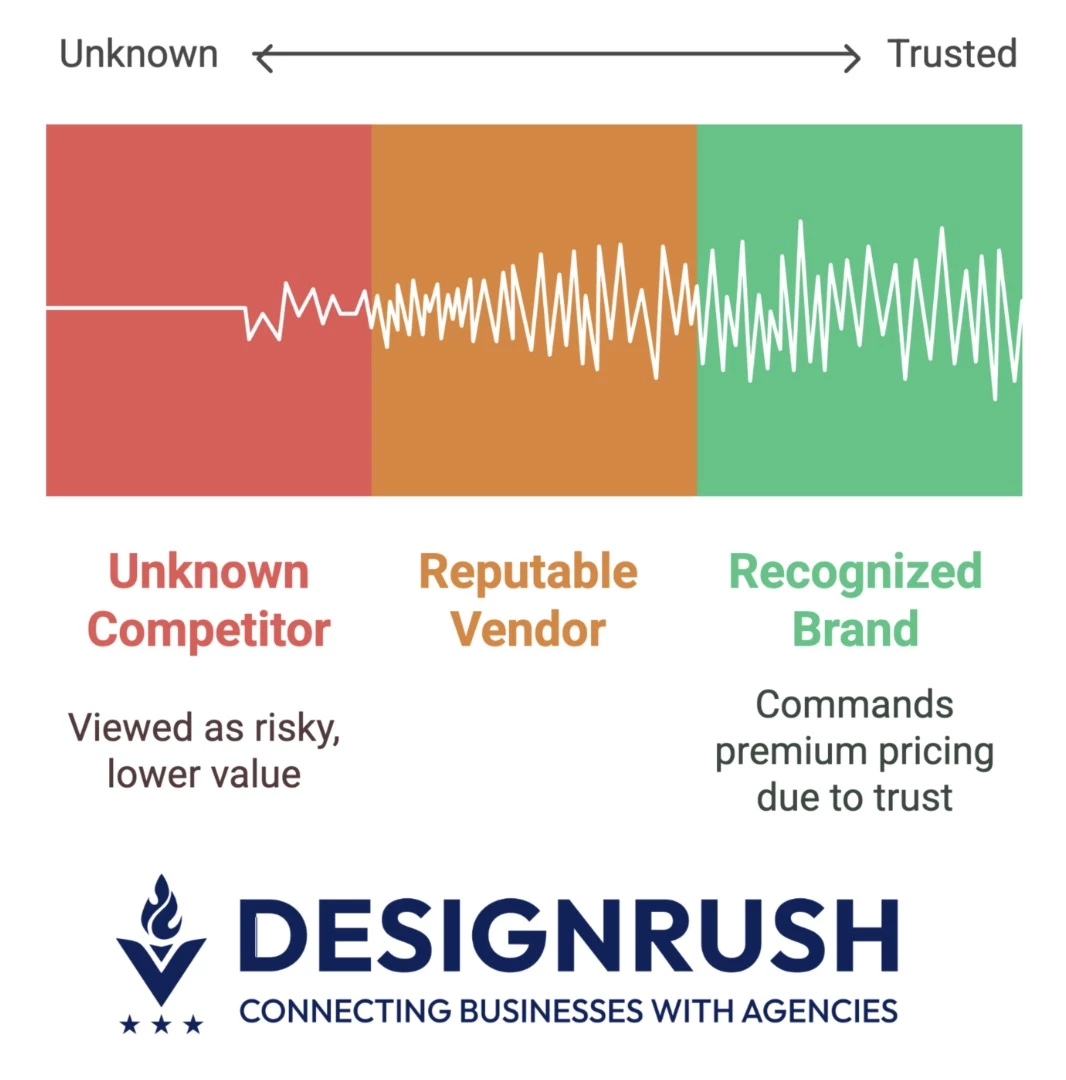
- Decision-makers will even pay more for the “safe choice,” hence the old saying, “No one ever got fired for buying IBM.”
- Surveys confirm this: many B2B buyers admit they gravitate to known, reputable vendors even in competitive RFPs.
- 77% of B2B purchase influencers say brand awareness is a key factor in trusting a potential partner.
Being top-of-mind means your product is viewed as a less risky, higher-value option compared to an unknown competitor.
Lower CAC
Brand familiarity reduces friction at every step of the funnel. When buyers already know your name, it takes fewer ad impressions and sales touches to convert them, directly cutting marketing spend.
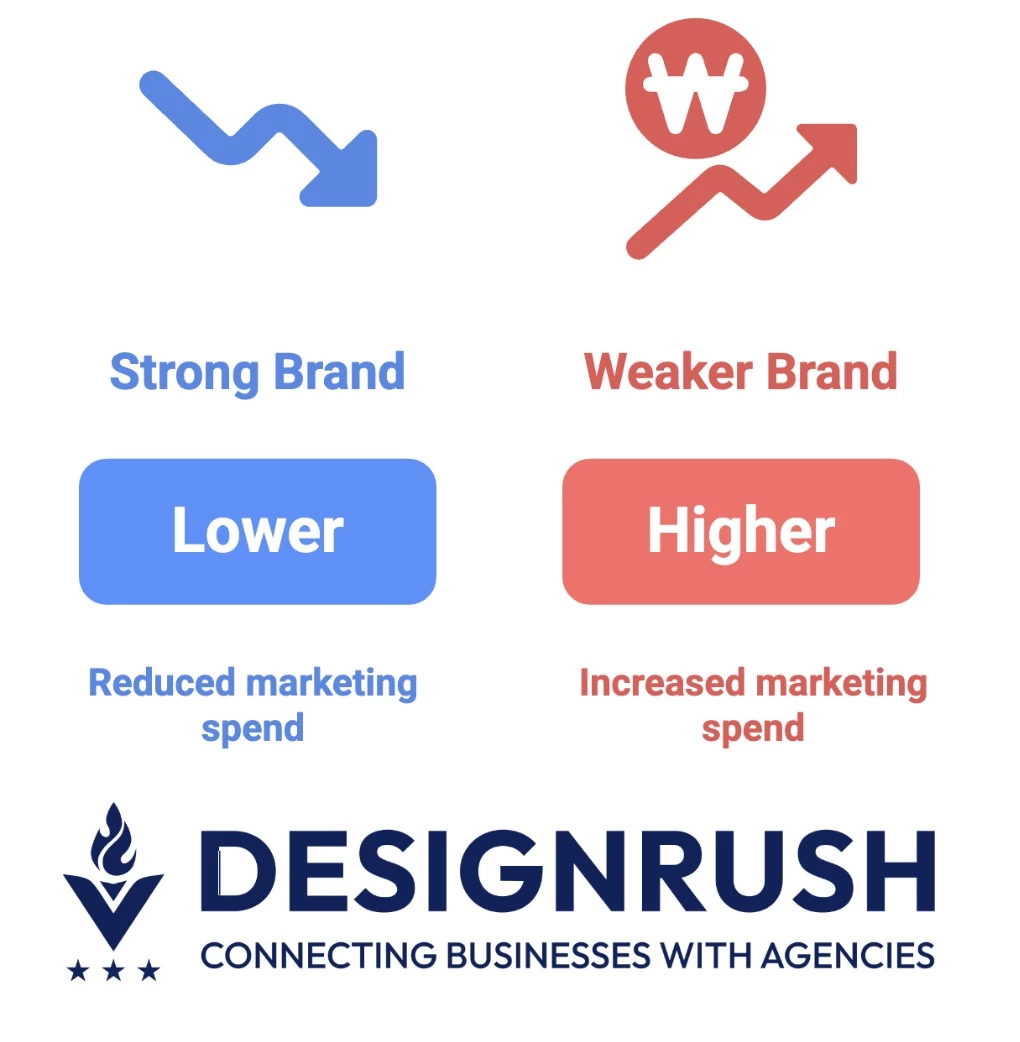
- Research shows that when your brand is strong, buyers come to you, which “lowers your CAC for eternity.”
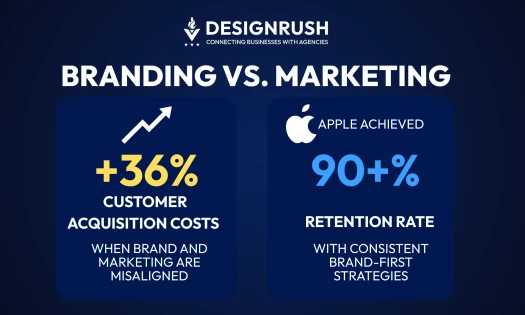
- In contrast, neglecting branding causes costs to climb over time. Companies with weaker brands often end up spending far more on performance ads and discounts to achieve the same customer growth.
Boosted LTV & Upsell Rates
Known brands cross-sell and upsell more effectively to their existing customers. Why? Customers of a brand they love are inclined to try that brand’s other offerings.
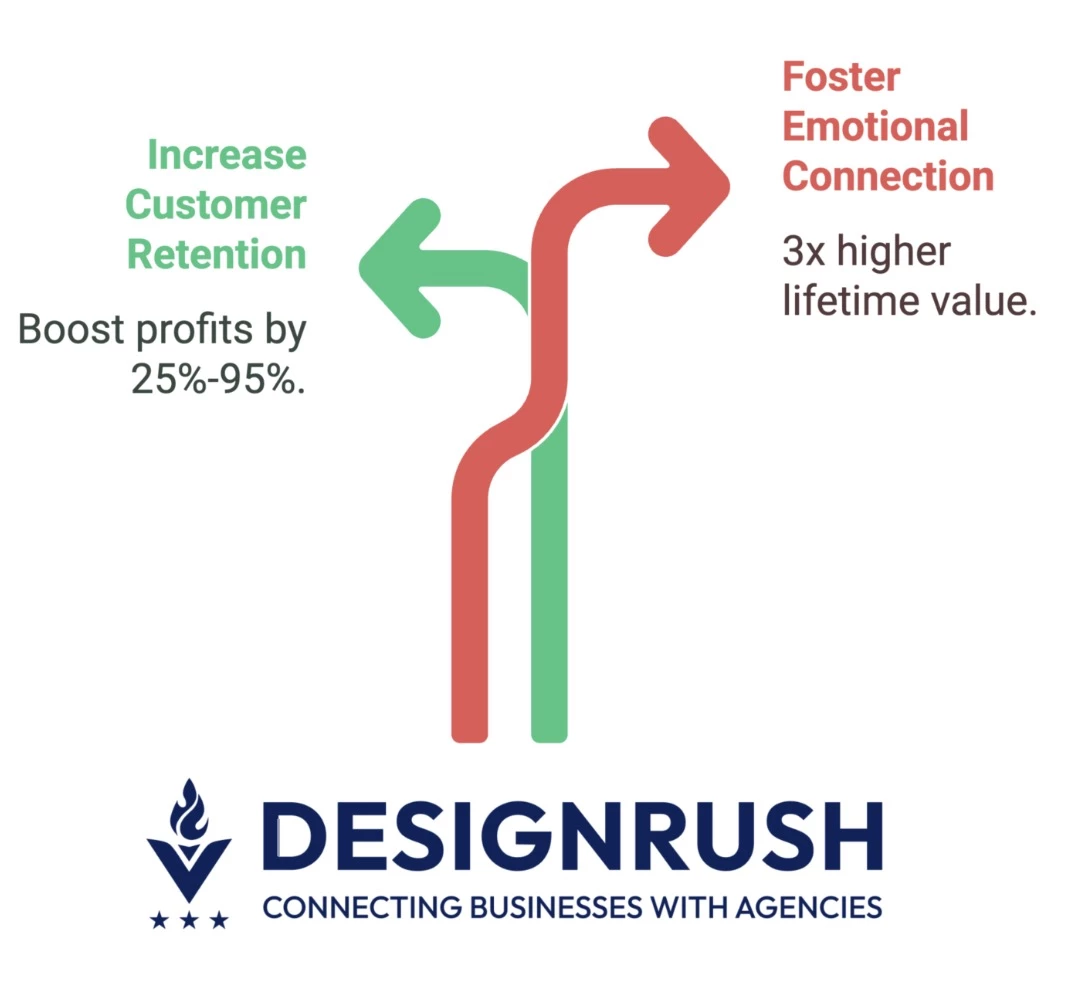
- Bain & Company famously found that even a 5% increase in customer retention can boost profits by 25%–95%.
- Data indicates emotionally connected customers have a significantly higher lifetime value (over 3x higher)
2. Competitive Positioning Through Recognition
In crowded markets, the best product doesn’t always win; often, the most recognized brand wins. Buyers are biased toward what they know. Here’s how awareness shapes competitive advantage:
Category Leadership
Brand-first firms can become synonymous with their category.
- For example, Salesforce’s strong brand presence in enterprise SaaS has made it shorthand for CRM software.
- HBR reports that loyalty leaders grow revenue 2.5x faster than peers.
- Studies consistently find a positive correlation between brand recall and market share, because being in the customer’s initial consideration greatly increases your chances of being selected.
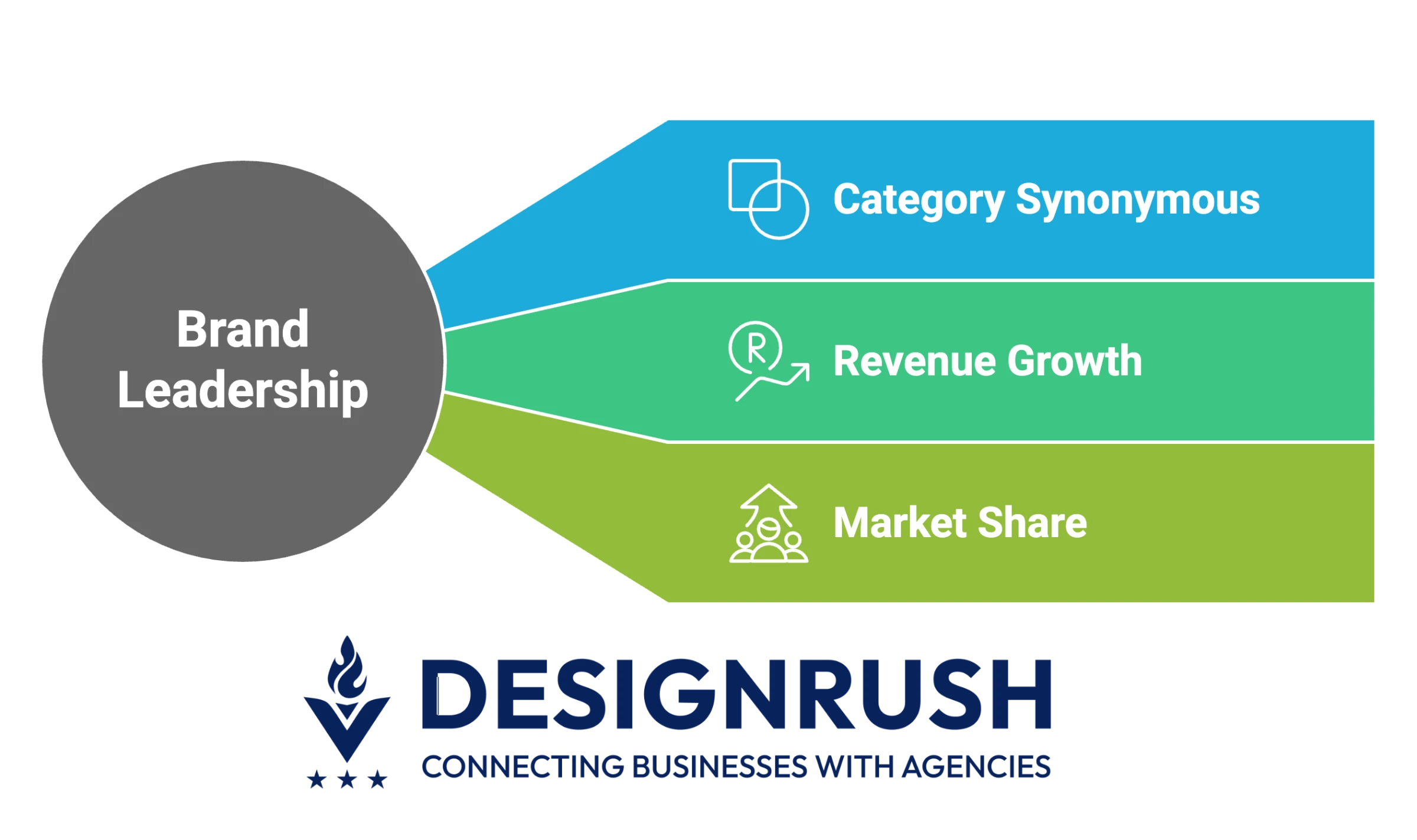
When your brand is the reference point, you gain a majority of inbound opportunities. In essence, awareness begets market share.
Inbound Magnetism
High awareness creates a flywheel of organic inbound leads. Trust often precedes contact; by the time a prospect reaches out, they may have already read reviews or heard peers mention you.
- This pre-selling effect reduces reliance on cold outreach.
- According to Forrester, a strong, credible brand energizes the entire sales ecosystem, increasing buyer awareness and improving perceptions even before a sales rep walks in the door.
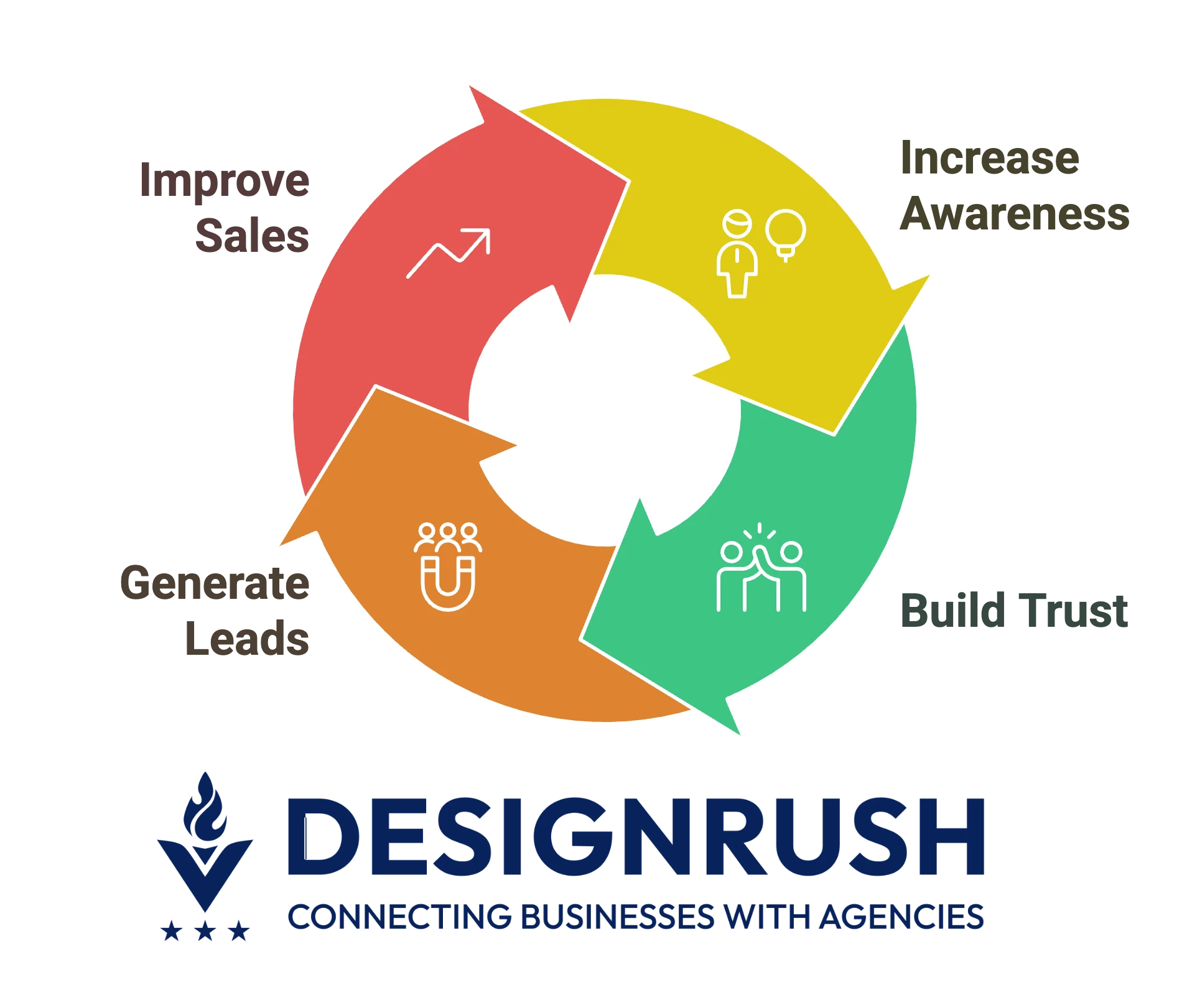
In practical terms, that means higher email open rates, more demo requests, and prospects who enter the funnel already inclined to choose you.
How Psychology Drives Brand Awareness: The Science Behind It
Consider the psychology at play: brand awareness works because people rely on mental shortcuts when making decisions, and familiarity is a powerful one. 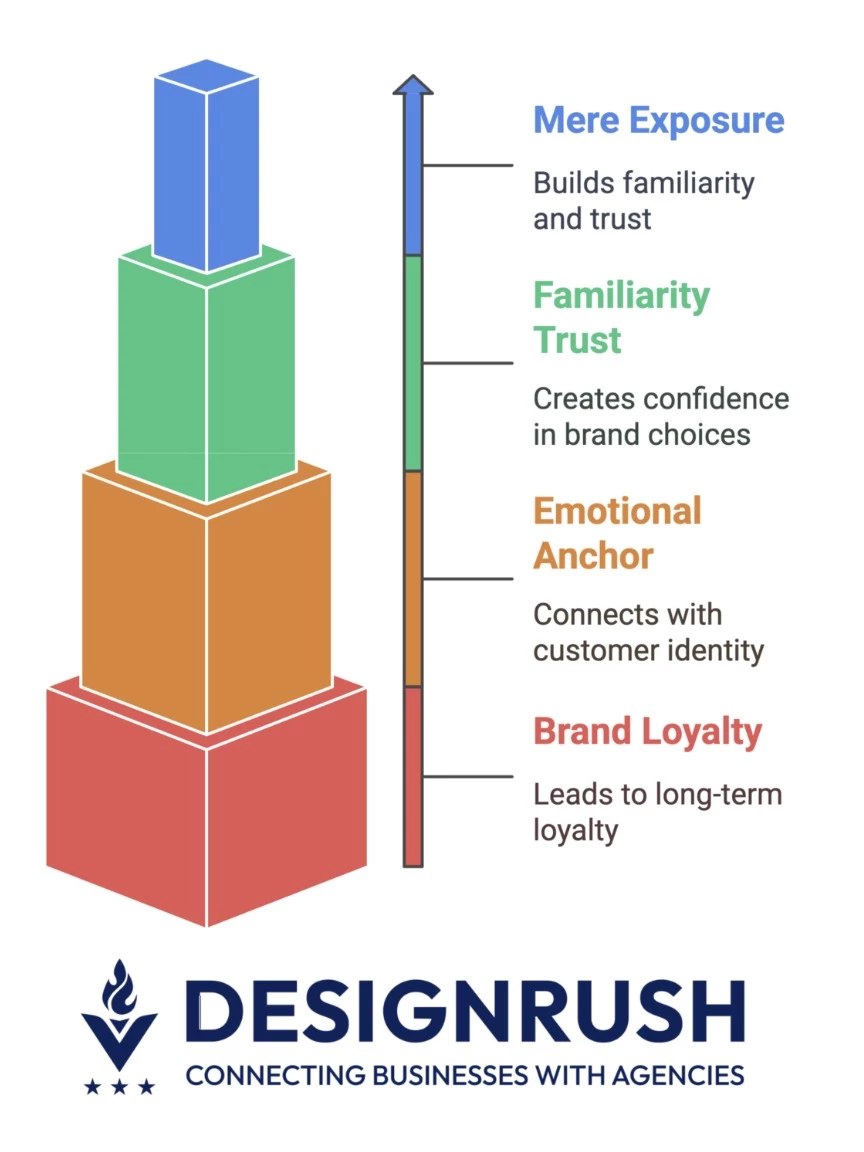 Three key cognitive biases illustrate why brand awareness is so potent:
- Mere exposure effect: People tend to prefer things they’ve been exposed to repeatedly, even subconsciously. In branding, simply seeing a name or logo frequently builds a sense of familiarity that feels like trust.
- Familiarity as trust (heuristic): Consistent brand presentation creates a mental shortcut that helps buyers feel confident in their choices. The heuristic: “I recognize this brand, so others must trust it.” This familiarity acts as a safety net.
- Emotional anchor: When customers connect with a brand’s story or values, it becomes an anchor in their decisions — they’re buying into an identity, not just a product.
Research shows that brands that evoke positive emotions form psychological bonds that lead to long-term loyalty. This is why brands like Apple enjoy low churn and high word-of-mouth referrals.
As Brock Smith, Partner at Oculus Studios, puts it:
“The key to creating and maintaining a strong brand in today's saturated market is all about consistency and personality.
You can have the best creative work in the world, but it won't get you far if you're not consistently keeping your business top of mind and, as I like to say, 'top of heart' with your customers.”
Proven Strategies To Build Brand Awareness (2026 Playbook)
Building brand awareness in 2026 requires a blend of classic marketing principles and modern channels. Here’s a playbook of expert-tested strategies:
1. Multi-Channel Tactics: Get Your Brand Seen Everywhere
A strong awareness strategy surrounds your audience across multiple channels. These include:
- Owned media: This is content you control and arguably your foundation. Create shareable cornerstone content (e.g., “2026 Industry Trends” report) that others will cite, thus amplifying your brand reach.
- Earned media: This provides third-party validation and awareness coupled with credibility. It includes guest articles, podcast or panel appearances, and media mentions. User-generated content and reviews also fall into this category.
- Paid media: This includes branded PPC campaigns, display ads on niche sites, sponsored social posts, and programmatic targeting. The goal of paid awareness campaigns is not immediate conversions but exposure, making sure your name is seen consistently.
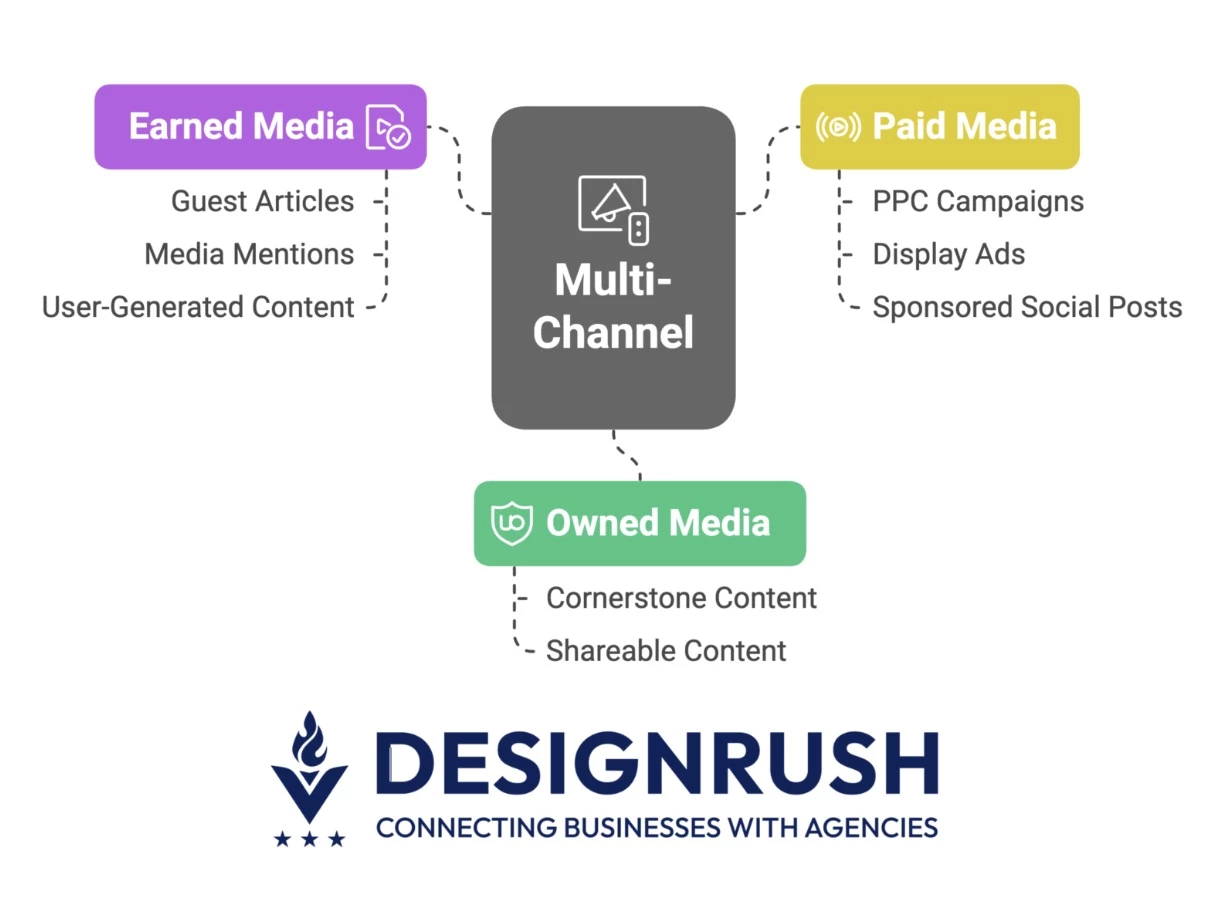 Brand awareness campaigns typically integrate all three types to boost visibility: (e.g.,) publish a whitepaper (owned), get media or influencers to share it (earned), and promote it with ads (paid).
Matt Cayless, founder of Bubblegum Search, emphasizes why this matters for long-term digital visibility:
“Google loves brands. They want to rank brands. Because having a brand means long-term investment on the business side. And you build a brand by keeping a healthy presence across multiple channels.”
2. Brand Awareness Blueprint: Build a Well-Structured Campaign
When executing brand campaigns, follow a structured blueprint (SMART goals → consistent messaging → channel-optimized execution).
This helps you run awareness initiatives that are systematic and accountable, rather than just “spray and pray.”
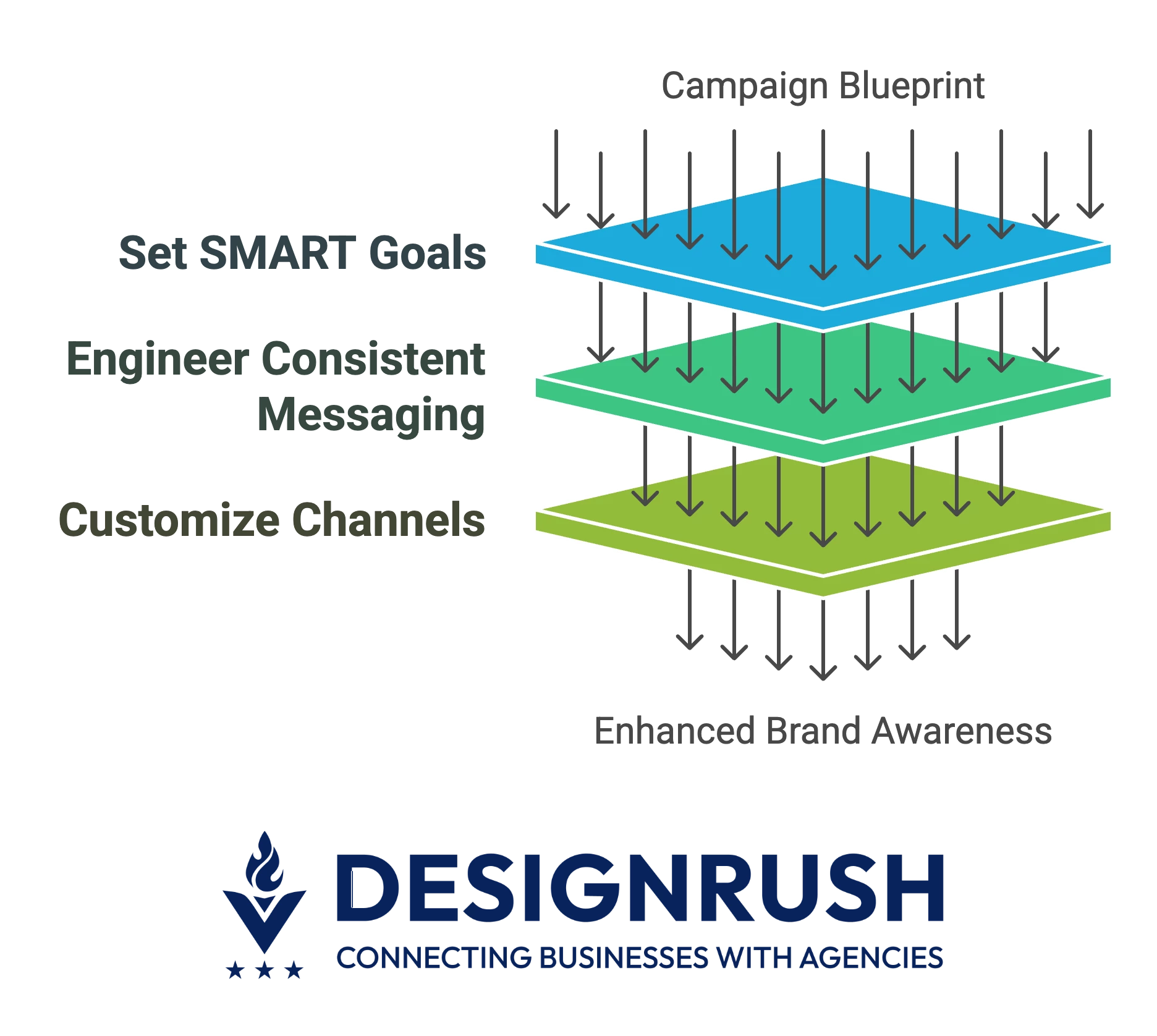
- Goal setting: Set specific, measurable awareness goals — e.g., “Increase branded search volume by 30% in 90 days” instead of “increase brand awareness.”
- Message engineering: Ensure you have a clear brand narrative and use it across channels. Consistency helps build a memory structure in your audience’s mind.
- Channel customization: Adapt creatives for each platform to improve engagement. People need multiple brand encounters to remember you, so plan a cohesive multi-touch campaign:
- LinkedIn: Share thought leadership articles or case studies.
- Instagram/TikTok: Use short videos or visuals that reflect your brand vibe.
Brand Awareness ROI Ladder: From Visibility to Results in 4 Steps
To make brand awareness less abstract, we introduce the Brand Awareness ROI Ladder – a model to assess how visibility translates into tangible results.
Agency leaders and marketing executives can use this ladder to align brand-building tactics with business stage (e.g., startups focus on tiers 1–2, mature brands on tiers 3–4).
The ladder has four rungs or tiers:
1. Foundational Visibility: This base tier is about basic awareness metrics. At this stage, the ROI is indirect but real – e.g., more searches usually mean more traffic and leads.
Goal | Ensure your target market knows you exist. |
Tactics |
|
Metrics |
|
2. Engaged Familiarity: The next rung is reached when awareness deepens to active engagement. People don’t just know of your brand – they are interacting with it. At this stage, your awareness is yielding genuine interest, and ROI begins to show in lead generation.
Goal | Build engagement and interest |
Tactics |
|
Metrics |
|
3. Behavioral Preference: Now, awareness is translating into actionable preference. Customers actively choose your brand and respond more to your campaigns. Marketing spend becomes more efficient with better conversion rates because people recognize and favor you.
Goal | Achieve brand preference – your brand becomes the default choice. |
Tactics |
|
Metrics |
|
4. Revenue Correlation: The top rung is when you can directly connect brand awareness to financial outcomes. At this stage, brand awareness is functioning as a true growth engine, not just a marketing metric.
Goal | Deliver measurable ROI – e.g., “Our brand campaign improved awareness, which we attribute to a 10% increase in organic sales and a 15-point lift in NPS.” |
Tactics |
|
Metrics |
|
Using this ladder, you can diagnose where your brand currently stands and what the next step should be:
- If you have decent awareness but low engagement (lots of people have heard of you but few interact), you know to focus on richer content and community efforts to climb to tier 2.
- If you’re seeing engagement but not yet translating it into preference (tier 3), you might invest in loyalty programs or more frequent touchpoints.
- And if you’re at tier 3 but struggling to tie to revenue, it’s time to implement better measurement (surveys, multi-touch attribution) to capture that impact at tier 4.
Future-Proofing Brand Awareness: Trends for 2026 and Beyond
The branding landscape is constantly evolving. Looking ahead, here are key trends and how to leverage them to keep your brand awareness strategy cutting-edge: 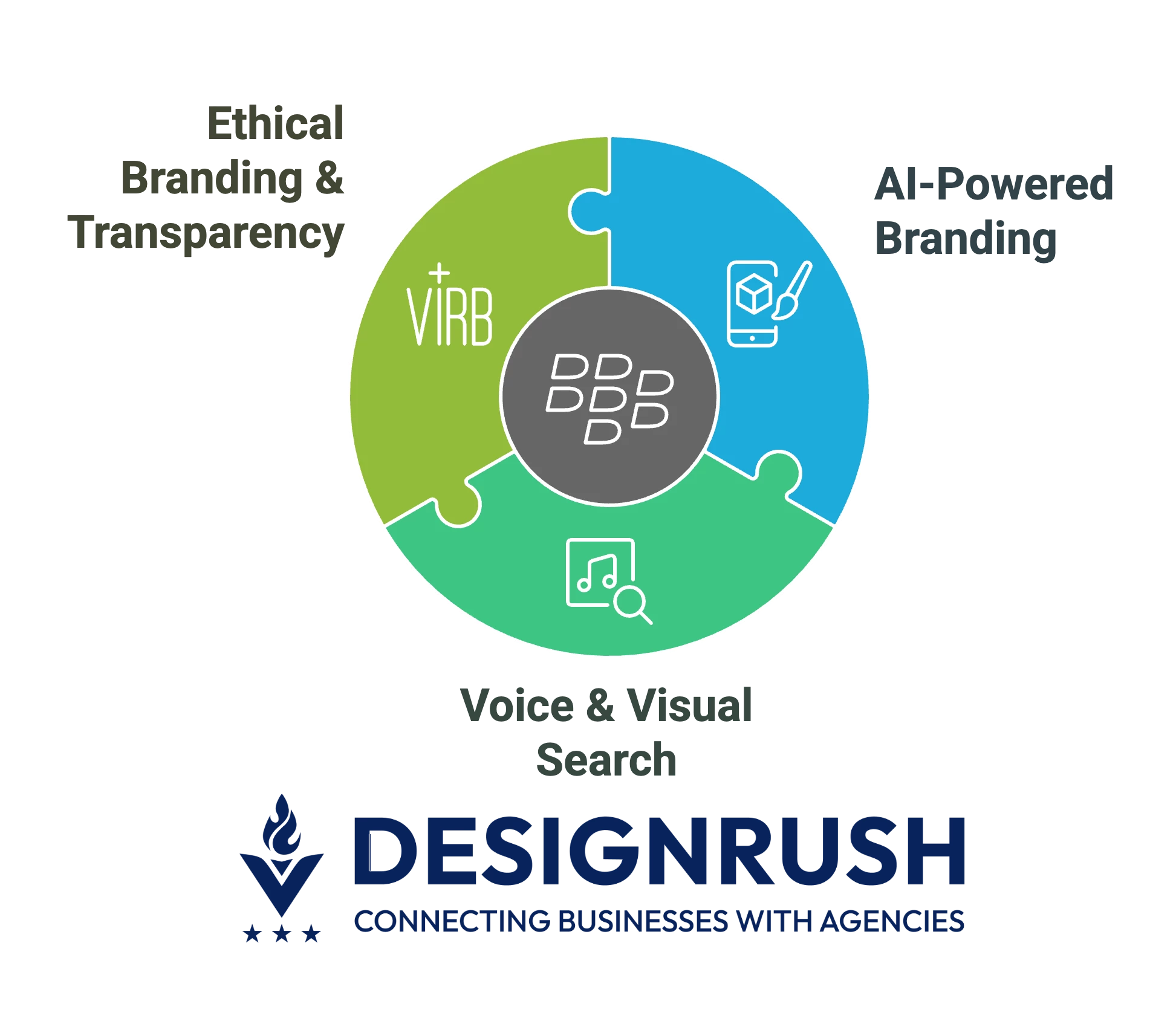
1. AI-Powered Branding: Smarter Content and Personalization
Artificial intelligence is transforming how brands create and personalize content:
- Generative design & content: AI enables rapid creation of dynamic brand assets – from logos to videos and copy – helping brands stay visually fresh and visible across channels.
- Sentiment forecasting: AI predicts public reactions before campaigns launch, helping avoid negative PR and maintain positive awareness.
- Hyper-personalization: AI powers personalized marketing like emails, product recommendations, and adaptive websites. In 2026, AI-driven personalization is estimated to increase engagement by 25% compared to peers.
@ohneis If your brand still looks different every time you open ChatGPT—you don’t have a style. You have a prompt addiction. Let’s be honest. Random visuals don’t stick. You want to build recognition? You need visual consistency. And that starts with structured prompting. Let me show you two totally different styles that actually work: First: a soda brand. Flash-heavy, editorial bar aesthetic. Dusty bloom, soft focus, cold glow. Like a magazine ad that makes you thirsty. I used ChatGPT image generate to build one master prompt—and just swapped the subject. The style stayed locked. Then: a car sequence. Sharp light, motion blur, no noise. Not a vibe—direction. It feels cinematic because the prompt was written like a film brief. Motion. Framing. Speed. Mood. That’s how you get repeatable results. This isn’t just AI generated images—this is system-driven, style-locked AI graphic design. Whether you’re building a campaign, prototyping a product, or scaling content for a brand, the same principle applies: One style. One formula. Then swap the content. Use this for: creating a digital product, graphic design inspiration, ai product photography, creative advertising, even ai cartoon characters or micrographics. This isn’t guessing. This is how artificial intelligence video and image tools scale. That’s the difference between a Pinterest board and a brand. Still typing “cool soda photo”? Comment “STYLE SYSTEM” and I’ll show you what actually works. #ChatGPTImageGenerate#AIArt#AIGeneratedImages#PromptEngineering#AIGraphicDesign#CreatingAIDigitalProducts#AIProductPhotography#GraphicDesignInspiration#BestAIArtGenerators#FreeAIPhotoGenerators#ChatGPT4oImageGeneration#AICompleteImage#HowToDoAIPhotos#AIGeneratedImageApp#AIStudio#CreativeAdvertising#ArtificialIntelligenceVideo#CreatingADigitalProduct#MidjourneyAI#IllustrationCreativityTools#AIPhotoFilter#AIPhotoEditingEffect#Branding♬ sonido original - Golden Oldies Mix
2. Voice & Visual Search: Optimizing for New Discovery Methods
Search is no longer just text on a keyboard. Voice search and visual search are rising, which has implications for brand visibility:
- Voice discoverability: With voice assistants like Alexa and Siri, brands must be easily found via voice search. This means having a brand name that’s easy to pronounce and unlikely to be misheard by voice recognition.
- Visual search & tagging: As tools like Google Lens gain traction, brands should optimize images for discovery. Ensure logos and packaging are properly tagged, clearly structured, and easily recognized by image search engines.
- Google Lens is handling 20 billion visual searches per month – a staggering number that shows people are using cameras as search bars.
@blakewisz The Future of Voice Search Optimization: AI, Conversations, and Search Patterns Discover how brands are leveraging AI and incorporating real patterns of conversation to optimize their content for voice search. Learn how to stay ahead of the game in the ever-evolving world of voice search and ensure your content is easily discoverable. Share your thoughts in the comments! #VoiceSearchOptimization#AI#Conversations#SearchPatterns#ContentOptimization#FutureofSEO#DigitalMarketing#VoiceSearchTrends#OptimizeForVoice#StayAhead♬ original sound - Blake Wisz
In short, as search behavior shifts, brand awareness strategy must extend to these modes. You want your brand to be the answer, whether someone is asking out loud or looking through a lens.
3. Ethical Branding & Transparency: Winning Over Values-Driven Consumers
Younger consumers (and society at large) increasingly care about what a brand stands for. Awareness is not just about being known, but being known for the right reasons:
- Gen Z Alignment: Gen Z is a major consumer force and is highly values-driven. They expect brands to take stands on diversity, equity, and inclusion (DEI), social justice, and sustainability.
- 84% of people globally say they need to share values with a brand to consider it (Edelmen).
- 76% of Gen Z say that a brand’s commitment to diversity and inclusion is extremely important to them (Quantilope).
- Authenticity & transparency: Future brand awareness involves proactively communicating your values. Honest brands that show behind-the-scenes efforts, admit mistakes, and speak up on social issues gain a loyal following.
- The Edelman Trust Barometer 2024 noted that silence is seen negatively — 58% of Gen Z assume that if a brand isn’t communicating its stance or actions, it’s likely hiding something or doing nothing.
What Is Brand Awareness: Final Words
Brands with strong awareness essentially create a halo effect that makes all marketing and sales efforts work better. It lowers acquisition costs and promotes faster sales cycles, higher conversions, and greater loyalty.
The takeaway is clear: treat brand awareness as a performance channel, not just a marketing concept. It deserves the same strategic focus as demand gen or sales enablement, because it powers both.
Start building the brand familiarity that will drive your next decade of growth.

Our team ranks agencies worldwide to help you find a qualified partner. Visit our Agency Directory for the Top Branding Agencies as well as:
- Top Brand Positioning Firms
- Top Brand Strategy Agencies
- Top Small Business Branding Agencies
- Top Corporate Branding Agencies
- Top B2B Branding Agencies
And don’t miss our Awards section, where we celebrate the most innovative projects shaping brand visibility — from logo and packaging design to award-winning websites and apps.
Winning a design award is a powerful way for your brand to get noticed and remembered, as well as build industry credibility.
Brand Awareness Meaning FAQs
1. Why is brand awareness crucial for agencies and executives?
Because it directly impacts the bottom line. Strong awareness shortens sales cycles, lowers acquisition costs, builds trust, and increases conversions.
In short, brand awareness is a force multiplier for all other marketing and sales efforts — it makes every dollar spent on acquisition or retention go further.
2. What are the most effective ways to measure brand awareness?
Use both quantitative and qualitative methods:
- Quantitative: Track branded search volume, direct traffic, and share of voice (your brand’s share of mentions vs. competitors).
- Qualitative: Run recall surveys (unaided and aided), analyze social media sentiment, and conduct brand lift studies.
Together, these reveal not just how many people know you, but how deeply and positively you’re perceived.
3. How long does it take to build strong brand awareness?
This can vary widely based on starting point, industry competitiveness, and resources, but generally, 3–6 months of consistent effort are needed to see a noticeable lift in awareness metrics for a focused campaign, and 1–2 years to firmly establish a brand in a market.

-preview-webp.webp)