
Email open rate refers to the percentage of people who open an email after it has been sent. Tracking this metric helps you evaluate the effectiveness of your email marketing campaigns, see how many people are engaging with your emails, and identify opportunities to refine your strategy.
With the help of our experts, we’ll break down what makes a good email open rate, industry benchmarks, and key factors that influence open rates. You'll also discover actionable strategies, best practices, and tools to help you boost engagement.
What Is a Good Open Rate for Email?
A good email open rate should be around 20-35%. However, it varies by industry and is influenced by factors like audience type and email content. Recent data shows the average email open rate across all industries is around 29.49%, with industry-specific averages ranging from 22.57% to 59.70%.
Several factors influence what is considered a "good" open rate:
- Industry benchmarks: Certain sectors, like medical, dental, and healthcare, tend to have higher open rates, averaging around 34.01%. In contrast, industries such as games may experience lower open rates, averaging 25.49%.
- Email type: Transactional emails, such as order confirmations, often achieve open rates above 70%, while newsletters and promotional emails typically see lower engagement.
- Audience familiarity: Emails from recognized and trusted senders are more likely to be opened compared to those from unfamiliar sources.
- List quality & segmentation: Maintaining a well-segmented and engaged subscriber list can significantly boost open rates. Tailoring content to specific audience segments ensures relevance and increases the likelihood of engagement.
It's essential to compare your email open rates to your specific industry's benchmarks and continuously optimize your email marketing strategies to enhance engagement.

Average Email Open Rate for 2026
Here’s a break down open rates by industry, newsletter benchmarks, and how B2B compares to B2C so you can see where your emails stand:
Email Open Rates by Industry
Different industries see varying levels of email engagement, influenced by audience behavior, email type, and content relevance:
| Industry | Average Open Rate |
| Religion | 59.70% |
| Hobbies | 53.33% |
| Non-Profit | 53.21% |
| Creative Services/Agency | 50.00% |
| Medical, Dental, and Healthcare | 44.60% |
| Education | 45.32% |
| Consulting | 45.74% |
| Health and Fitness | 48.90% |
| E-commerce | 31.08% |
| Travel and Transportation | 22.57% |
Industries with the highest open rates include religion (59.70%), hobbies (53.33%), and nonprofits (53.21%). These sectors often send highly relevant, community-driven content that recipients actively seek out.
On the other hand, industries with the lowest open rates are travel and transportation (22.57%) and eCommerce (31.08%). Factors like crowded inboxes and frequent promotional emails likely contribute to these lower rates.
Newsletter Open Rates
Research shows newsletters sent weekly generate the highest engagement, with an average open rate of 48.31% and a click-through-rate (CTR) of 5.71%. Email newsletters generally achieve higher open rates than promotional emails but lower than automated transactional messages. Their performance is influenced by content quality, audience engagement, and email frequency.
Newsletters are a prevalent choice among email marketers. Approximately 14.6% of email marketers prioritize newsletters in their campaigns, underscoring their significance in maintaining regular communication with subscribers.
7 Factors That Affect the Email Open Rate
Several factors influence email open rates, and understanding them can help optimize your email marketing strategy:
- Subject line: The subject line is the first thing recipients see. It should be short, specific, and compelling, with a clear call-to-action (CTA) that encourages the reader to open the email.
- Content: Delivering content that is relevant, and valuable to your audience increases the likelihood of emails being opened and read.
- Personalization: Including the recipient’s name or tailoring content based on past interactions makes emails feel more personal, increasing open rates.
- Length: Shorter emails are easier to read and less likely to be ignored. Keep your message concise and to the point.
- Email list quality: Maintaining a high-quality email list by regularly updating and segmenting it ensures that your messages reach interested and engaged recipients, thereby improving open rates.
- Frequency: Finding the right balance is crucial. Emails sent too often can lead to unsubscribes, while infrequent emails may result in disengagement.
- Design: A visually appealing, mobile-friendly email stands out in crowded inboxes. A cluttered or poorly designed email risks being overlooked.
10 Ways To Improve Your Email Marketing Open Rates
These strategies will help you refine your email marketing for better results:
- Send emails at the right time
- Write compelling subject lines
- Personalize your emails
- Make your content engaging
- Include relevant images
- Implement permission-based email marketing
- Develop email automation campaigns
- Don't spam
- Use A/B testing
- Consider paying for advertising
1. Send Emails at the Right Time

Timing plays a crucial role in email engagement. Sending emails when your audience is most active increases the likelihood of them being opened.
Research suggests that Tuesdays tend to have slightly higher open rates than other weekdays, while the best time to send emails is typically between 7 AM and 11 AM, with peak opens occurring between 8–9 AM. However, the optimal time depends on your audience, industry, and email type.
- B2B emails often perform better on weekdays during work hours when professionals check their inboxes.
- B2C emails may see higher engagement on weekends and evenings, when consumers have more personal time.
- Avoid peak congestion times (e.g., exactly at the top of the hour or 15-, 30-, or 45-minutes past) to prevent delays at email service providers.
Many email marketing platforms such as ActiveCampaign offer built-in send time optimization tools that analyze past engagement data to determine the best time to send emails.
2. Write Compelling Subject Lines
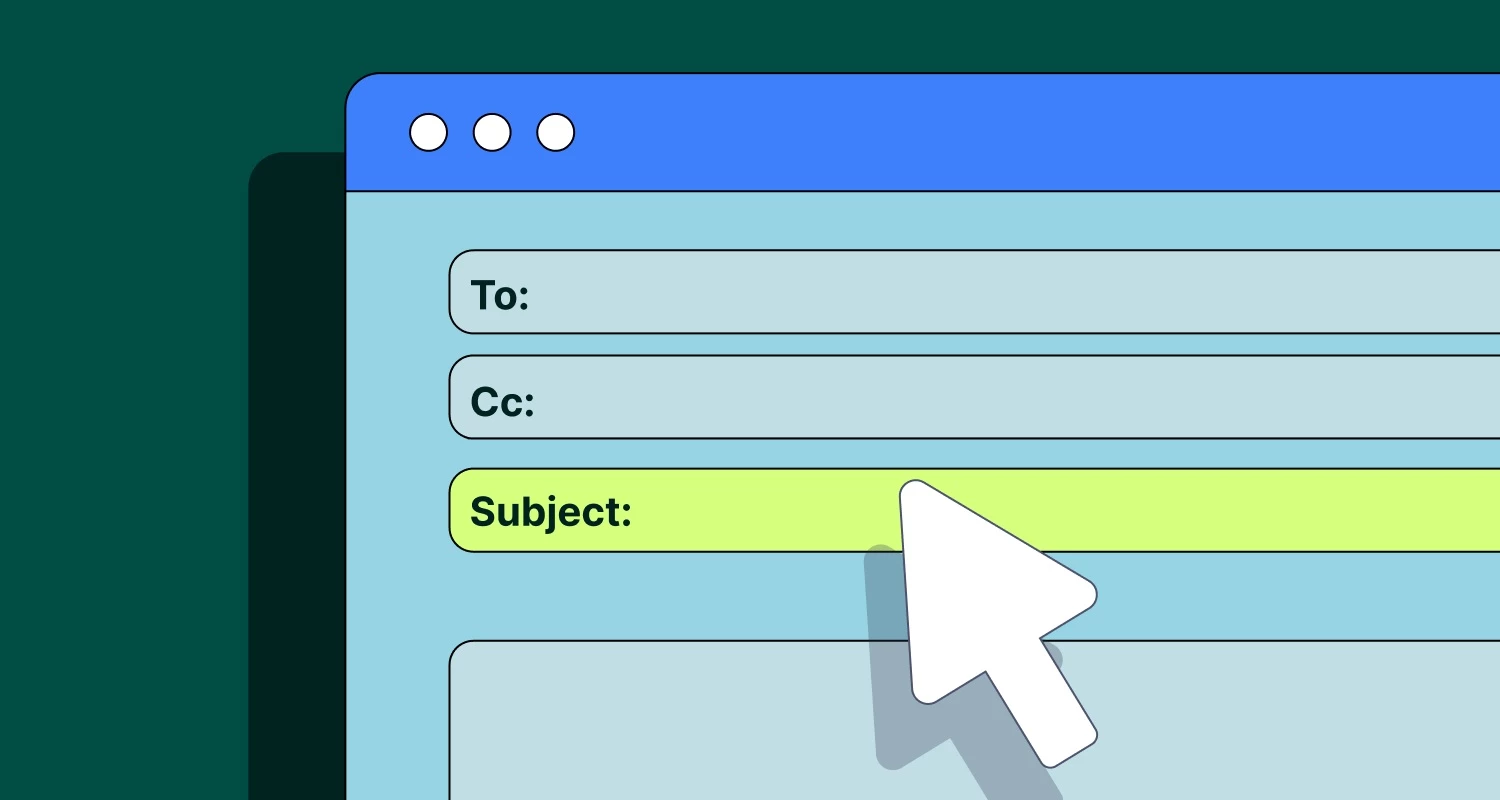
The subject line is your email’s first impression—it can make the difference between being opened or overlooked. To capture attention, it should be clear, engaging, and relevant to your audience.
Best practices for writing subject lines:
- Keep it concise: Subject lines under 50 characters tend to perform best.
- Create curiosity: Pique interest without resorting to clickbait.
- Use power words: Words that evoke urgency, exclusivity, or value can increase engagement.
- Test emojis strategically: Emojis can make subject lines stand out, but they should match your brand tone and audience preferences.
Here are some subject line templates you can use for different types of emails:
Promotional emails
- 🚀 Exclusive Offer Inside – 20% Off Just for You!
- Only 12 Hours Left! Don’t Miss This Deal!
- Limited-Time Sale – Your Discount Expires Soon!
Follow-up emails
- Just Checking In – Let’s Catch Up!
- Quick Question About [Topic]…
- Still Interested? Here's What’s Next!
Newsletters & updates
- 🎉 Big News! Here’s What’s Coming Next…
- This Month’s Top Trends in [Industry]
- Our Best Articles & Tips – Straight to Your Inbox!
Re-engagement emails
- We Miss You! Here’s a Special Gift 🎁
- Haven’t Heard from You in a While…
- Let’s Reconnect – An Exclusive Offer Awaits!
Transactional emails
- Your Order Has Shipped! Track It Here 📦
- Reset Your Password in 3 Easy Steps
- Your Subscription Renewal is Coming Up.
3. Personalize Your Emails
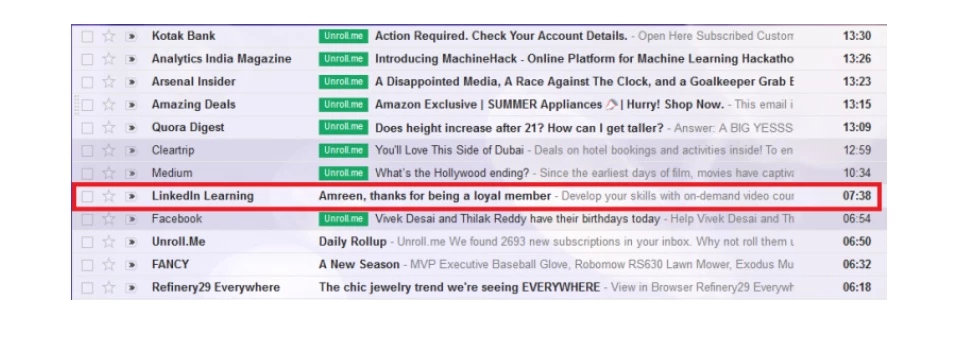
Personalization makes emails feel more relevant, increasing open rates and engagement. It goes beyond using a recipient’s first name — it’s about tailoring content to their preferences, behavior, and past interactions.
Here are a few ways to personalize emails for higher open rates:
- Use dynamic fields: Insert names, locations, or past purchases. Example: "John, Your Exclusive Offer Is Waiting!"
- Segment your audience: Group subscribers based on behavior, interests, or demographics. Example: Send different emails to frequent buyers vs. first-time subscribers.
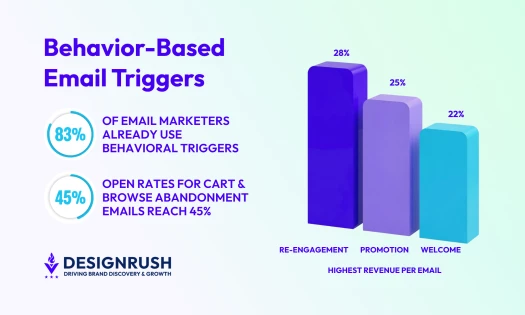
- Send behavior-based emails: Trigger emails based on subscriber actions, like abandoned carts or product views. Example: "Still thinking it over? Here’s 10% off your cart!"
- Localize content when relevant: Adjust language, offers, or images based on a subscriber’s location. Example: "NYC insiders: Get ready for this weekend’s event!"
- Use email automation tools: Platforms like GetResponse can help scale personalization while ensuring timely delivery.
4. Make Your Content Engaging
Well-crafted email content keeps recipients interested and encourages them to take action. Engaging content is clear, concise, and tailored to your audience's needs.
- Keep it scannable: Use short paragraphs, bullet points, and bold text to improve readability.
- Write a compelling opening: The first sentence should hook the reader and make them want to continue. For example, instead of "We have a new product," try "Meet the tool that will save you 5 hours a week."
- Use a conversational tone: Avoid overly formal language — write as if you're speaking directly to your audience.
- Include a clear call-to-action (CTA): A strong CTA guides recipients on what to do next, whether it’s making a purchase or signing up for a newsletter. Make it specific and action-oriented, such as “Start your free trial today and experience the benefits firsthand.”
- Test different formats: Try storytelling, FAQs, or list-based emails to see what resonates best.
5. Include Relevant Images
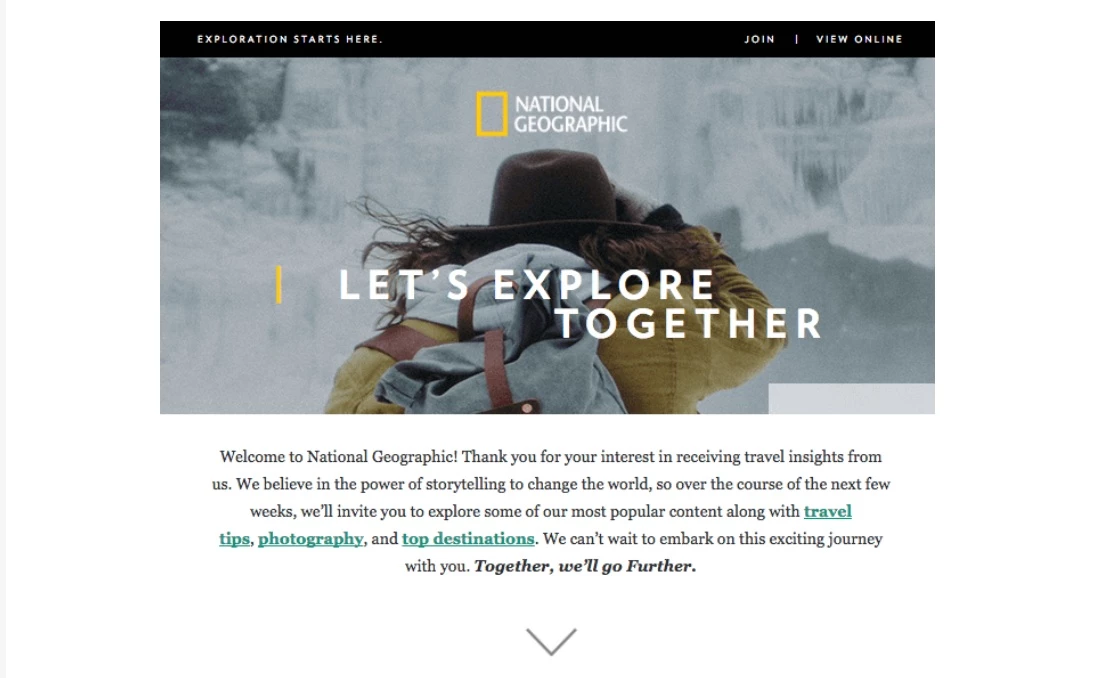
Visual content can make emails more engaging and easier to digest. Well-placed images help convey messages quickly and improve readability.
- Use high-quality, relevant images: Avoid generic stock photos that add no value.
- Keep images minimal: Too many visuals can slow loading times and trigger spam filters.
- Always add alt text: This ensures recipients who disable images (or use screen readers) still understand the content.
- Optimize for mobile: Make sure images are responsive and don’t break the email layout.
Tools like Visme and The Noun Project can help you create high-quality visuals that enhance engagement without slowing load times.
6. Implement Permission-Based Email Marketing
Sending emails only to those who have opted in helps maintain trust, improve email deliverability, and boost engagement. It also ensures compliance with regulations like the General Data Protection Regulation (GDPR) and the Controlling the Assault of Non-Solicited Pornography and Marketing (CAN-SPAM) Act.
To build a healthy, engaged subscriber list, follow these best practices:
- Use double opt-in: Require new subscribers to confirm their email before receiving messages.
- Make unsubscribing easy: A clear opt-out option prevents spam complaints.
- Be transparent: Let subscribers know what kind of emails they’ll receive and how often.
- Avoid buying email lists: Sending unsolicited emails can harm your sender reputation and lower open rates.
7. Develop Email Automation Campaigns
Email automation helps businesses send timely, relevant messages without manual effort. Automated emails can improve engagement, nurture leads, and boost conversions by reaching the right people at the right time.
Common types of automated email campaigns include:
- Welcome emails: These emails are sent immediately after a user subscribes to introduce them to your brand and set expectations for future communications.
- Drip campaigns: This is a series of emails designed to educate, engage, or convert subscribers over time by gradually providing valuable information.
- Abandoned cart emails: These messages remind users who added items to their cart but did not complete the purchase, encouraging them to return and finalize the transaction.
- Re-engagement emails: These emails target inactive subscribers with special offers, updates, or reminders to encourage them to reconnect with your brand.
Email marketing platforms like Klaviyo and Omnisend offer automation tools to set up and optimize these campaigns.
8. Don't Spam
Sending too many emails or irrelevant content can lead to unsubscribes, spam complaints, and lower open rates. In fact, sending promotional emails without the recipient's consent results in 57.1% of recipients unsubscribing or marking the message as spam.
To maintain a positive sender reputation and keep your audience engaged, follow these best practices:
- Limit email frequency: Sending too many emails can cause inbox fatigue. Studies suggest that sending emails two to three times per week is ideal for engagement. However, it's important to adjust email cadence based on your specific audience and industry.
- Provide value in every email: Ensure that each email contains useful, relevant content rather than just promotions.
- Avoid misleading subject lines: Clickbait or deceptive subject lines can frustrate recipients and lead to spam complaints.
- Monitor engagement metrics: Keep an eye on open rates, click-through rates, and unsubscribe rates to identify if your emails are becoming ineffective or intrusive.
9. Use A/B testing
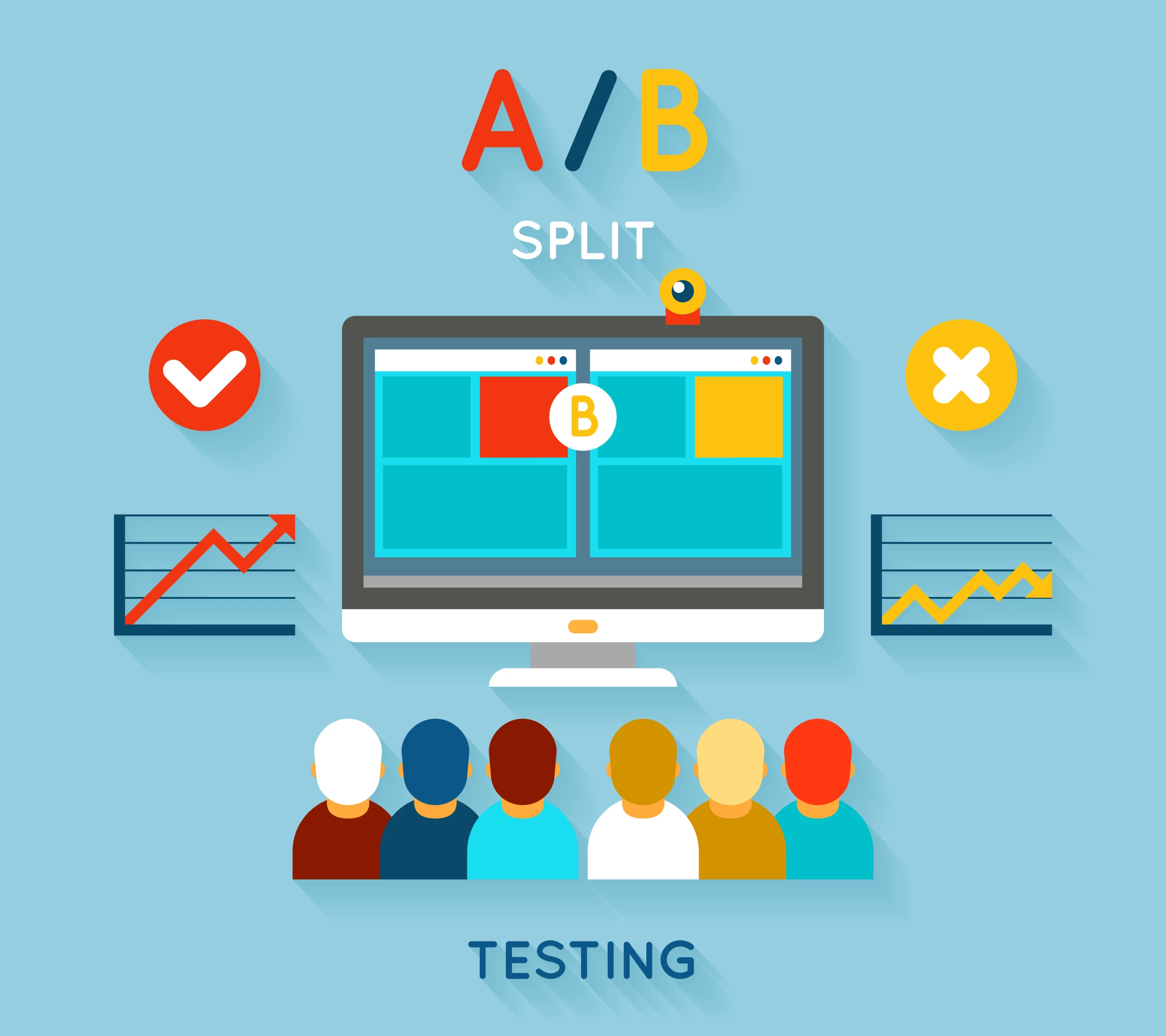
A/B testing (also known as split testing) helps improve email open rates by allowing marketers to compare different versions of an email and see which performs best. This data-driven approach can optimize subject lines, send times, content, and other key elements.
To run an effective A/B test:
- Test one variable at a time: Compare subject lines, sender names, email length, or send times, but not all at once.
- Split your audience evenly: Randomly divide your list into two equal groups to get reliable results.
- Measure key metrics: Track open rates, click-through rates, and conversions to determine which variation performs better.
- Use statistical significance: Ensure your test runs long enough to collect meaningful data before drawing conclusions.
Email marketing platforms like Brevo and Campaign Monitor offer built-in A/B testing tools to help refine email strategies.
10. Consider Paying for Advertising
Paid advertising can expand your email reach and attract high-quality subscribers who are genuinely interested in your content. By leveraging paid channels, businesses can grow their email lists, improve engagement, and increase conversions.
Popular ways to promote email sign-ups:
- Social media ads: Platforms like Facebook, LinkedIn, and Instagram allow businesses to run lead-generation ads that encourage users to subscribe.
- Google Ads: Display and search ads can drive traffic to landing pages where visitors can sign up for emails.
- Sponsored content: Partnering with industry blogs, newsletters, or influencers can introduce your emails to a broader audience.
- Giveaways and lead magnets: Offering incentives like eBooks, discount codes, or exclusive content in exchange for an email subscription can increase sign-ups.
Average Email Open Rate: Key Takeaways
Email open rates are a crucial metric for measuring campaign effectiveness and audience engagement. They indicate how many recipients opened your email and showed interest in your content or offer.
The good news? Improving open rates is entirely within your control. But open rates alone don’t guarantee success — what happens after the open matters just as much. For a strategy that drives real conversions, partnering with an email marketing agency can help refine your approach and maximize your ROI.
Email Open Rates: FAQs
1. What's the difference between an open rate and a click-through rate?
An email open rate measures the percentage of recipients who open an email. In contrast, a click-through rate (CTR) tracks the percentage of recipients who click on a link inside the email. Open rates indicate general engagement, while CTRs show deeper interest, signaling that recipients find the content compelling enough to take action.
2. What is a good email open rate?
A good email open rate varies by industry and email type. The average across all industries is 29.49%, but individual benchmarks range from 22.57% to 59.70%.
3. How do I track email open rates?
Email open rates are tracked using a tracking pixel — a tiny, invisible image that loads when an email is opened. Marketing tools like Mailchimp offer recipient-specific tracking, but some settings may be required, and this method isn't ideal for all campaigns.