
Eco-marketing focuses on promoting products and services in environmentally responsible and socially conscious ways. As consumers become increasingly aware of the impact their choices have on the planet, it's important for brands to integrate sustainability and eco-friendly marketing into their core values.
From eco-friendly packaging to transparent supply chains, we outline the top sustainable marketing strategies that resonate with today’s socially conscious audience.
7 Sustainable Marketing Strategies for 2026
Advocacy for a cleaner planet has led to a rise in eco-friendly promotional products and marketing materials.
Eco-marketing or sustainable marketing should consciously convey your company’s commitment to sustainability to your target market, partners, and workforce. Disseminate your message about sustainable endeavors and execute these eco-friendly advertising strategies:
- Expand to include green products
- Change your product packaging
- Optimize supply chain sustainability
- Foster a culture of sustainability
- Maintain transparency
- Facilitate recycling for customers
- Leverage digital marketing



1. Expand To Include Green Products
The most effective eco-marketing strategy is to simply expand your catalog to include more eco-friendly products. Over 80% of consumers say they are willing to pay more — an average of 9.7% higher — for sustainably sourced or produced goods. Green products are designed to have a reduced impact on the environment, from their creation to disposal. Here’s how you can incorporate these items into your eco-marketing strategy:
1.1. Green Product Development
Evaluate the environmental impact of your products, from raw material sourcing to disposal. This assessment will help you identify opportunities to reduce waste, energy use, and emissions.
Prioritize long-lasting product design to reduce frequent replacements and extend the product’s lifespan. Implement design strategies that minimize environmental impact, such as reducing the number of components, shifting to recyclable materials, and simplifying the assembly process.
1.2. Sustainable Materials and Suppliers
Use post-consumer recycled content or materials that naturally break down in the environment. This reduces the need for virgin resources and decreases landfill waste.
Choose suppliers who meet environmental and ethical standards, such as Fair Trade, Forest Stewardship Council (FSC), or Global Organic Textile Standard (GOTS) certifications. Look for those who prioritize fair labor practices and provide visibility into their environmental and social impact.
1.3. Green Production Processes
Adopt lean manufacturing principles to minimize waste, recycle production scraps, and reduce emissions. Reduce energy consumption during production by using energy-efficient machinery and renewable energy sources in manufacturing facilities. Consider offsetting carbon emissions to achieve a net-zero impact.
You can also implement water-saving technologies and recycling systems to reduce water waste during production. Water usage can be a significant environmental impact factor in industries like textiles and agriculture.
2. Change Your Product Packaging
Another great sustainable marketing strategy is to redesign your product packaging to reduce its environmental impact. More than 80% of global consumers are willing to pay more for sustainable packaging.
Here’s how you can achieve this:
- Assess your current packaging: Evaluate your packaging materials and their recyclability and disposal methods. Identify areas for improvement and conduct market research to understand what types of sustainable packaging resonate most with your customers.
- Simplify packaging: Use fewer layers and eliminate unnecessary components to reduce material usage. For example, instead of using a box with inner plastic wrap, use a single-layer padded envelope.
- Select sustainable materials: Recyclable paper bags from repurposed materials are a good choice. This packaging type can be one of the brand’s selling points that you can also leverage for eco-marketing purposes.
- Use materials with multiple purposes: Opt for boxes or reusable bags that double as storage or carrying containers. This encourages customers to repurpose the packaging and reduces waste. For example, using sturdy tote bags or paper bags to encourage customers to reuse them for shopping.
- Choose eco-friendly labels: Select labels made from recyclable materials and non-toxic ink for the printing process.
Include recycling and composting instructions to help your customers make environmentally friendly disposal choices. Additionally, instead of printing all the directions onto the packaging or a brochure, you can simply add small QR codes that lead to videos or infographics.
3. Optimize Supply Chain Sustainability
Making your supply chain sustainable is also a key eco-marketing strategy. A sustainable supply chain lowers carbon emissions, reduces waste, and supports ethical labor practices. Aside from the environmental benefits, these will contribute to your brand’s reputation and long-term success.
Establish measurable targets and prioritize changes that offer the greatest sustainability benefits. As previously mentioned, it is important to partner with suppliers that prioritize sustainability. You should also inform consumers about these suppliers and their sourcing practices.
For long-distance delivery, opt for eco-friendly shipping methods, such as rail or sea transport, which have lower carbon footprints than air freight. When air transport is necessary, consider purchasing carbon offsets. Explore biofuels or hydrogen fuel for long-haul road transport.
4. Foster a Culture of Sustainability
Integrate environmentally and socially responsible practices into your company’s core values, operations, and employee behaviors. Sustainability should be a fundamental aspect of your organization’s identity, which you can proudly share with your audience and encourage them to do the same.
Here are some initiatives you can implement:
- Sustainability training: Workshops on energy conservation, waste reduction, and the impact of sustainable actions will educate your employees on how it relates to their roles.
- Energy saving practices: Simple changes like turning off lights when not in use, optimizing HVAC systems, and implementing power management on office computers can be very impactful.
- Eco-friendly supplies: Switching to recycled paper and non-toxic cleaning supplies can contribute greatly to your company’s sustainability goals.
- Recycling program: Recycling, reusing, and repurposing projects help build morale and influence your employees to adopt an eco-friendly lifestyle. Additionally, reducing the amount of waste generated by your office has a direct positive impact on the surroundings.
- Employee-driven initiatives: Encourage employees to suggest and implement their own sustainability projects to gather innovative ideas. This can create a sense of ownership and pride in your collective efforts.
- Green recognition program: Acknowledge and celebrate individual and team contributions to your company’s sustainability efforts. Public recognition can boost morale and encourage others to participate.
Designate a leader or team responsible for overseeing sustainability initiatives and ensuring accountability. It’s important that you regularly communicate the importance of these initiatives to employees and stakeholders to reinforce your commitment.
5. Maintain Transparency
Maintain transparency with your audience so you can build brand credibility and trust. This is one of the most critical strategies for successful eco-marketing. Openly share information about your environmental impact, eco-friendly practices, and progress toward your sustainability goals.
When you acknowledge your shortcomings, consumers are more likely to appreciate your honesty and trust your intent to improve. Overstating progress or making vague claims can lead to accusations of greenwashing and harm your reputation in the long run.
Use established sustainability reporting frameworks like the Global Reporting Initiative, Carbon Disclosure Project, or ISO 140001. These provide a structured approach to transparency and can help ensure consistency.
6. Facilitate Recycling for Customers
Another great eco-marketing strategy is to adopt the circular economy model, which encourages reusing, repairing, refurbishing, and recycling products. This model aims to reduce waste and make the most of resources by keeping products in use for as long as possible. By facilitating these processes and making them convenient and accessible, you can help customers in their sustainability efforts, reduce environmental impact, and increase brand loyalty.
Brands like IKEA and Patagonia have buy-back programs for old items, which they repair, refurbish, or recycle. Consumer electronic companies like Apple and Samsung use advanced recycling technology to recover valuable materials from old devices.
If you sell personal care items, household cleaners, or beverages, you can provide in-store refill stations where customers can bring their own containers. Offer loyalty points, discounts, or exclusive rewards to customers who return reusable containers to your store or participate in your recycling program.
7. Leverage Digital Marketing
Digital marketing can enhance brand visibility and reinforce sustainability commitments, all while minimizing carbon footprints compared to traditional marketing. Here are some best practices to do so:
- Shift to digital content like social media posts, digital ads, and e-newsletters.
- Offer valuable resources on sustainable living, recycling, and energy-saving tips.
- Showcase your green efforts through behind-the-scenes content posted on your social media accounts.
- Engage with eco-conscious influencers to expand your reach to like-minded audiences.
- Optimize email formats to decrease energy consumption associated with data transfer.
- Select web hosting companies like GreenGeeks and A2 Hosting that use renewable energy to power their servers.
- Host webinars, live streams, and other virtual events instead of resource-intensive physical gatherings.
Eco-Marketing Examples by Brand
From sustainable product innovations to powerful environmental campaigns, these companies are showcasing their commitment to reducing their ecological footprint and fostering a greener planet:
1. Satya + Sage

Satya + Sage uses 100% natural soy wax, which is biodegradable and burns cleaner compared to traditional paraffin wax. Its fragrances are phthalate-free, ensuring that no harmful chemicals are released into the air. The candles are packaged in reusable containers, and the company encourages customers to repurpose them after use.
Satya + Sage is transparent about the sustainability of its products — its website, social media accounts, and packaging materials contain detailed information on the sourcing of materials and the benefits of their eco-conscious practices.
2. The Body Shop
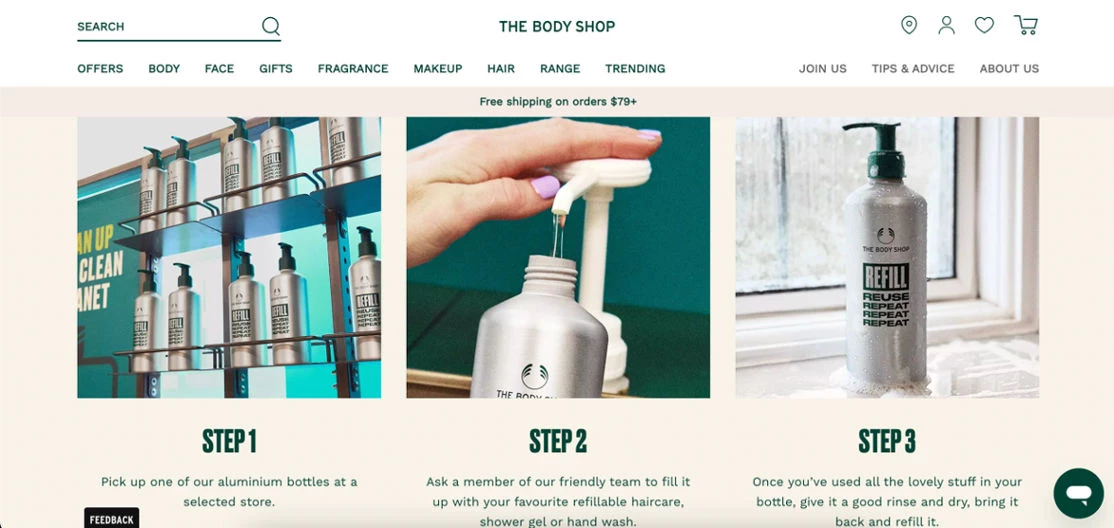
The Body Shop is known for positioning itself as a green brand with a Leaping Bunny certification. The program is a globally recognized gold standard for cruelty-free, non-animal-tested personal care and cosmetic items.
The popular brand’s eco-marketing approach is anchored on aligning its values with protecting the planet. Selling only vegan-friendly products, The Body Shop supports farmers and initiates health training seminars for staff members. It has implemented refill stations in many stores, allowing customers to refill popular products, such as shower gels and shampoos.
3. Starbucks
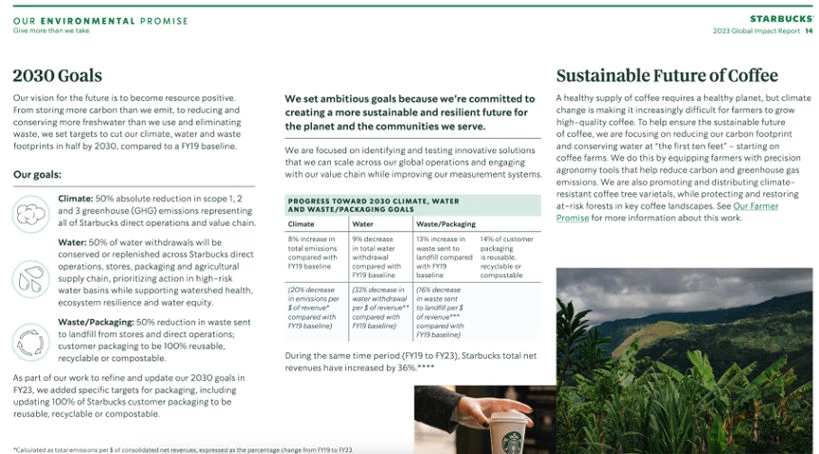
Starbucks sources 99% of its coffee through the Coffee and Farmer Equity (C.A.F.E.) Practices program, which ensures environmentally and socially responsible farming practices. The company also has Farmer Support Centers and programs that provide resources and education to farmers on climate-resilient practices.
Starbucks has phased out single-use plastic straws and replaced them with strawless lids and compostable straws. The brand encourages customers to use reusable cups by offering discounts per order.
4. Love Beauty and Planet
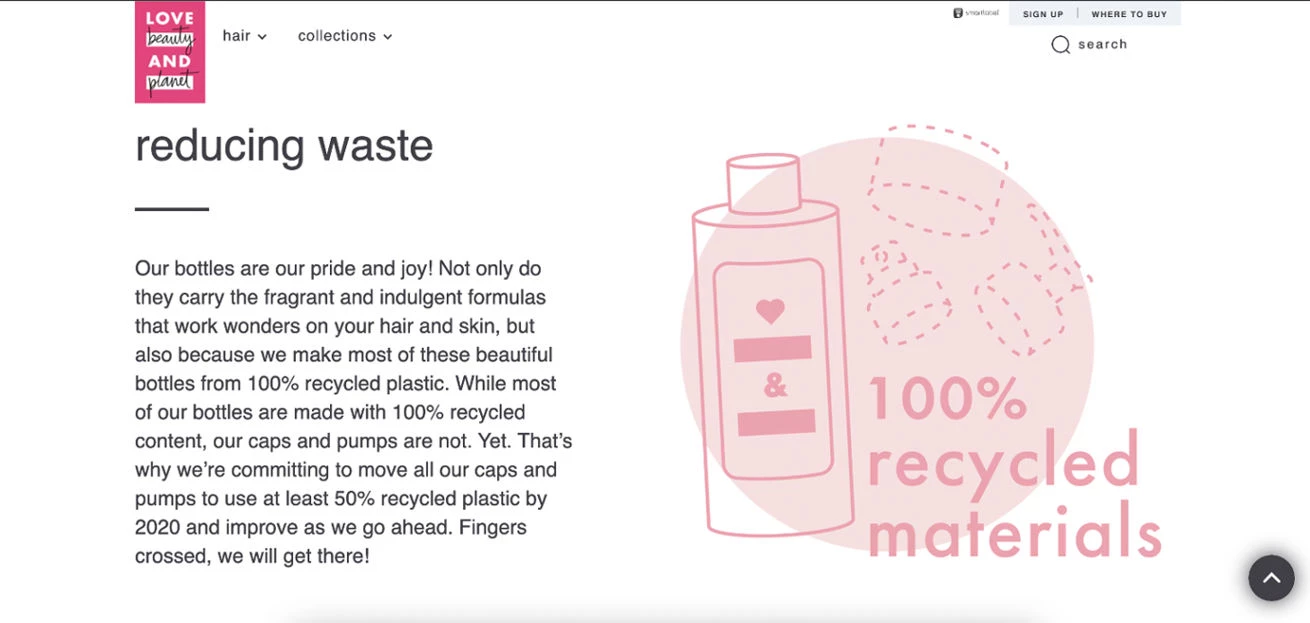
A Unilever brand, Love Beauty and Planet fights the assumption that adverse environmental effects and the beauty industry are inseparable. Aside from using non-toxic and natural ingredients in its body creams and shampoos, all items are also packaged in recycled plastic bottles. These containers are ready for repurposing once emptied.
Love Beauty and Planet also contributes $40 per carbon ton to a tax fund that supports programs for reducing carbon emissions and landfill waste.
5. Patagonia
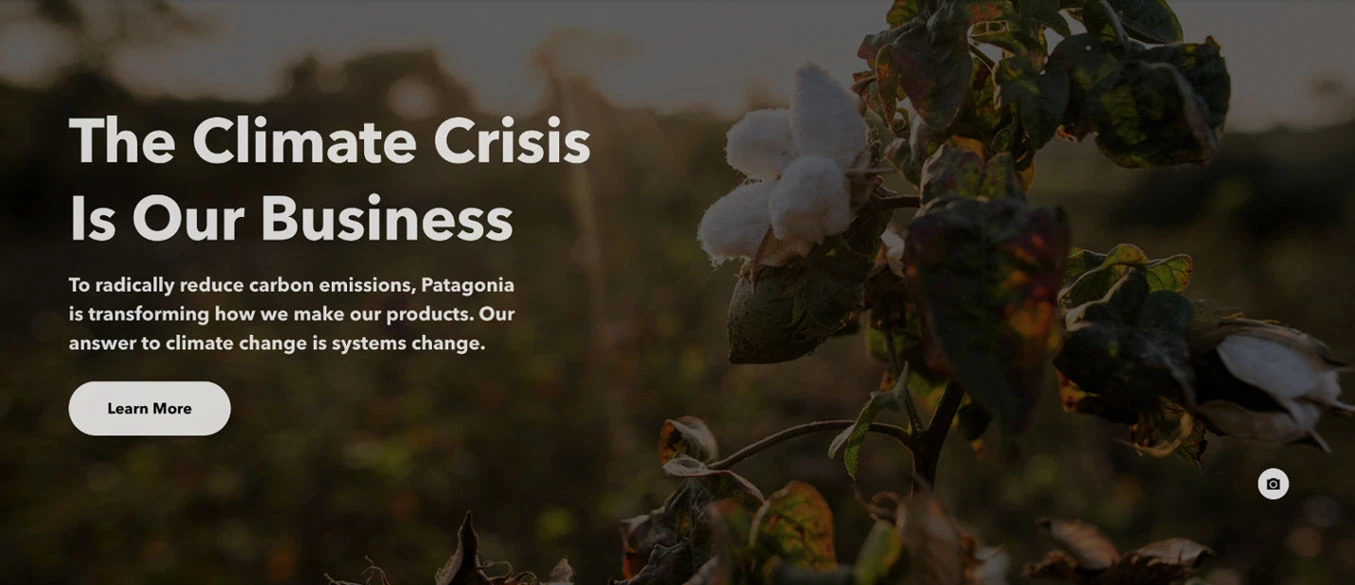
Patagonia’s market positioning is eco-marketing done perfectly. While the company discloses that its products are not entirely green, this fact does not tarnish its image because it expresses a sincere passion for tackling climate change issues.
Patagonia’s eco-advertising strategy and contributions to the Go Green movement are etched on its company vision and mission. It allocates millions to help protect endangered species and support reforestation and sustainable agricultural practices.
Eco-Marketing Strategies Takeaways
Eco-marketing requires a true sense of responsibility and a complete buy-in to be effective and inspire action from consumers. With the increasing number of people searching for green alternatives to traditional goods, authenticity in helping conserve the environment is key to differentiating yourself from competitors.

Our team ranks agencies worldwide to help you find a qualified partner. Visit our Agency Directory to find top-rated digital marketing companies, as well as:
- Best Digital Marketing Agency in Los Angeles
- Top Content Marketing Agencies
- Top Media Buying Agencies
- Top Affiliate Marketing Companies
- Top Direct Marketing Companies
And don’t miss our Awards section, where we celebrate the most innovative projects in design — from logo and app design to print and packaging
Eco-Marketing FAQs
1. How does eco-marketing benefit businesses?
Eco-marketing builds trust, attracts environmentally aware customers, and enhances a company’s reputation. It can also improve customer loyalty and boost sales.
2. What are common eco-marketing strategies?
Popular eco-marketing strategies include sustainable packaging, transparency in raw material sourcing, and partnerships with environmental organizations.
3. Is sustainable marketing suitable for all industries?
Yes, sustainable marketing can be adapted to any industry by highlighting relevant sustainable practices like energy efficiency, waste reduction, and ethical sourcing.