
In the world of SEO, the only constant is change. One of the biggest changes in recent years is the rise of zero click searches. This search behavior is having a huge influence on SEO strategies across industries.
But what exactly are zero click searches, and why should businesses care about them? Let's explore them on a more granular level.
Zero Click Searches: Key Findings
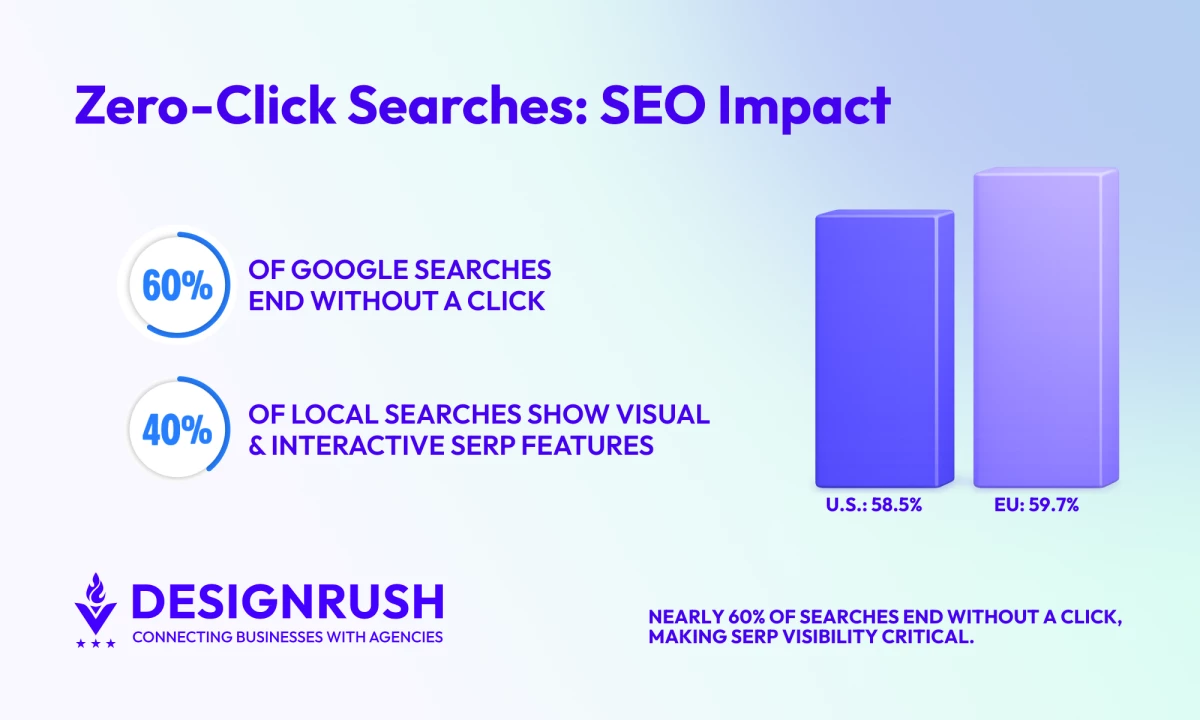
- Nearly 60% of Google searches end without a click, driving the urgency for businesses to optimize for zero-click features like featured snippets, knowledge panels, and local packs.
- Position zero (featured snippets) delivers massive exposure, and businesses can earn this spot by using structured formats such as lists, tables, and direct Q&A content.
- Visual and interactive search elements like image/video carousels and People Also Ask boxes now dominate results, appearing in 40-60% of local searches.
Why Zero Click Searches Matter
Zero click searches occur when users get answers directly from the search results, which affects visibility, traffic, and SEO strategies.
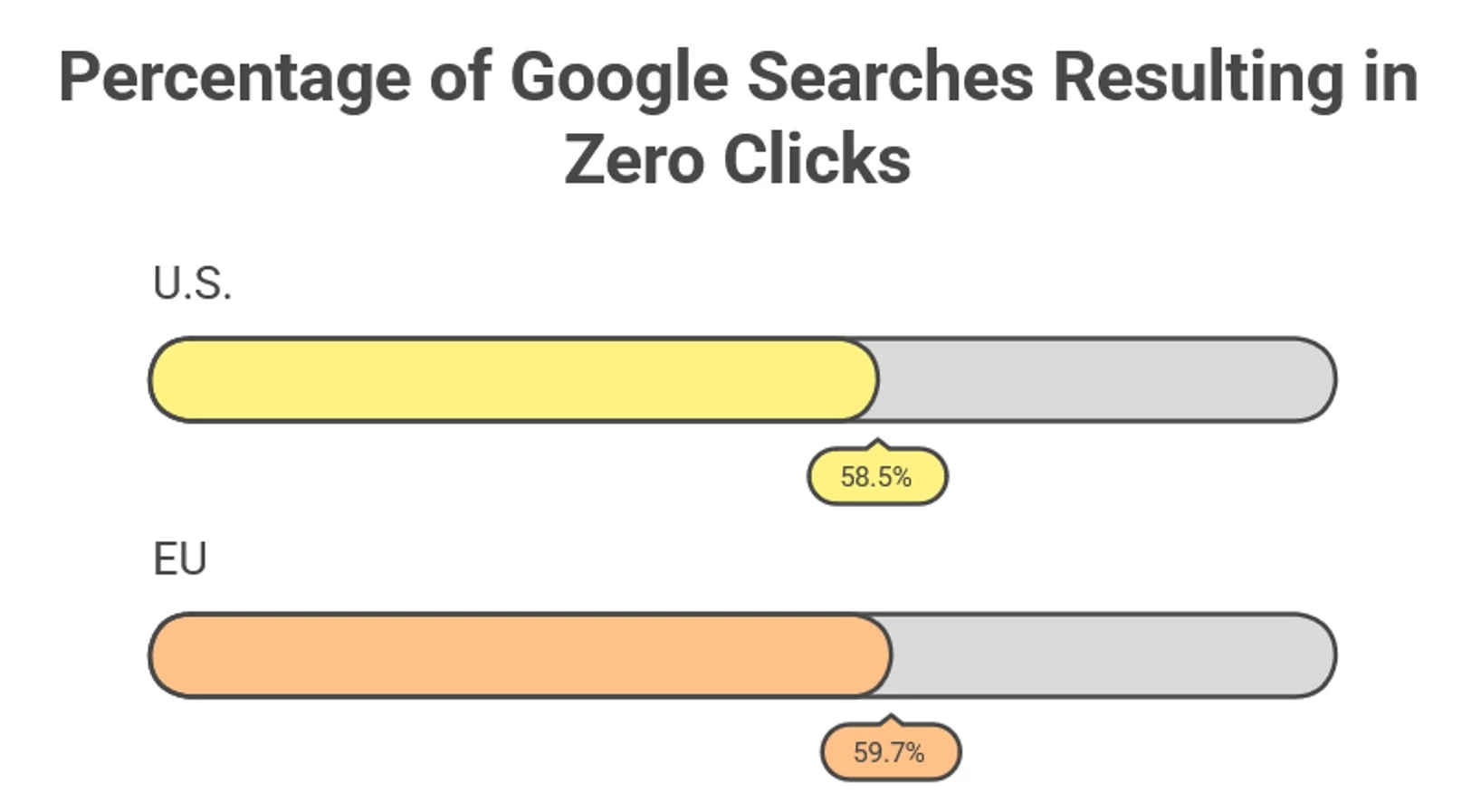
Given that nearly 60% of Google searches now end without a click, zero click searches have pushed SEO teams to rethink their approach.
Namely, instead of visiting specific websites, many users now get their answers right across the SERPs, making position zero – the featured snippet spot – more valuable than before.
As Google often shows complete business details right in the search results when people look for nearby services or products, this instant visibility can greatly help businesses, but also reduce website visits.
Here are some other impact factors pertaining to zero click searches:
- Direct answer optimization is more important to stay visible
- You need new ways to interpret traditional click-through metrics
- Your content structure should target featured snippet spots
- Local search results matter more than ever


Types of Zero Click Searches
Search engines show different types of zero-click results that give quick answers to user queries. Each type has its own way of showing information right on the search results page. They include:
1. Featured snippets
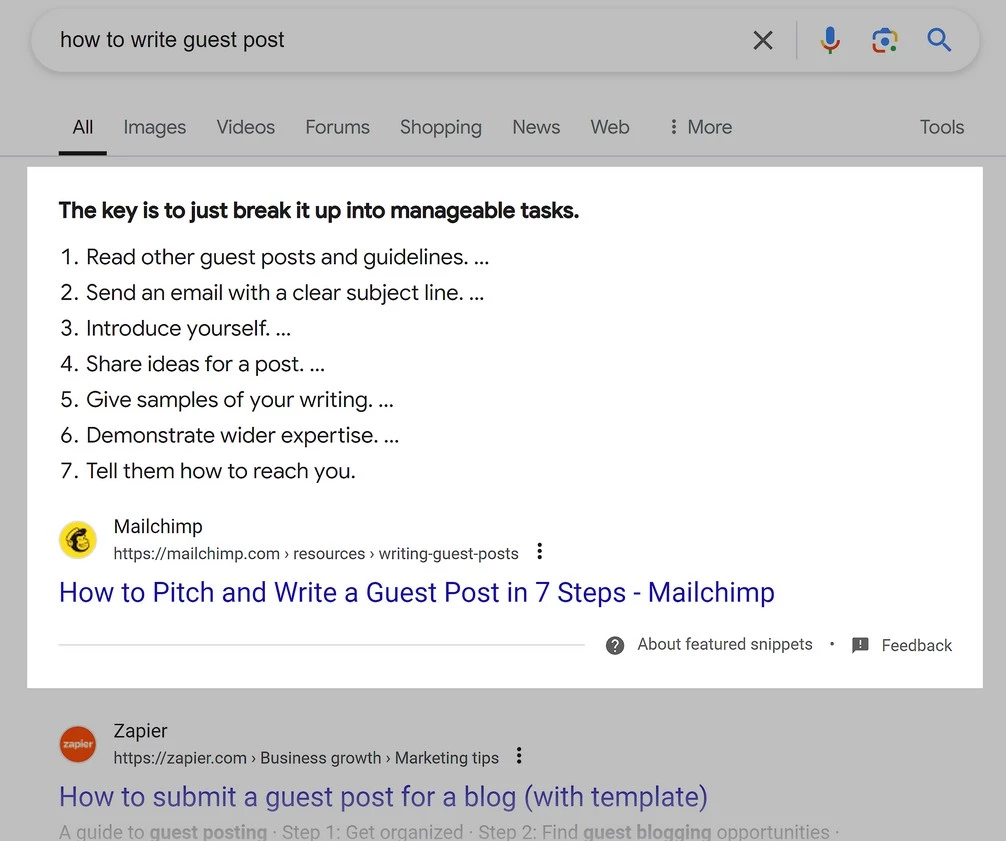
Featured snippets appear at the top of search results and give direct answers to specific questions. These text blocks show the source website's title and URL.
They can also show step-by-step instructions or video content, wherein users get complete information without clicking through to websites.
How to succeed
To increase your chances of landing a featured snippet, structure your content with clear, concise answers to common questions. Use well-formatted lists, tables, or step-by-step instructions when relevant.
Make sure your page includes both a direct answer and additional context to encourage users to click through for more details.
2. Knowledge panels
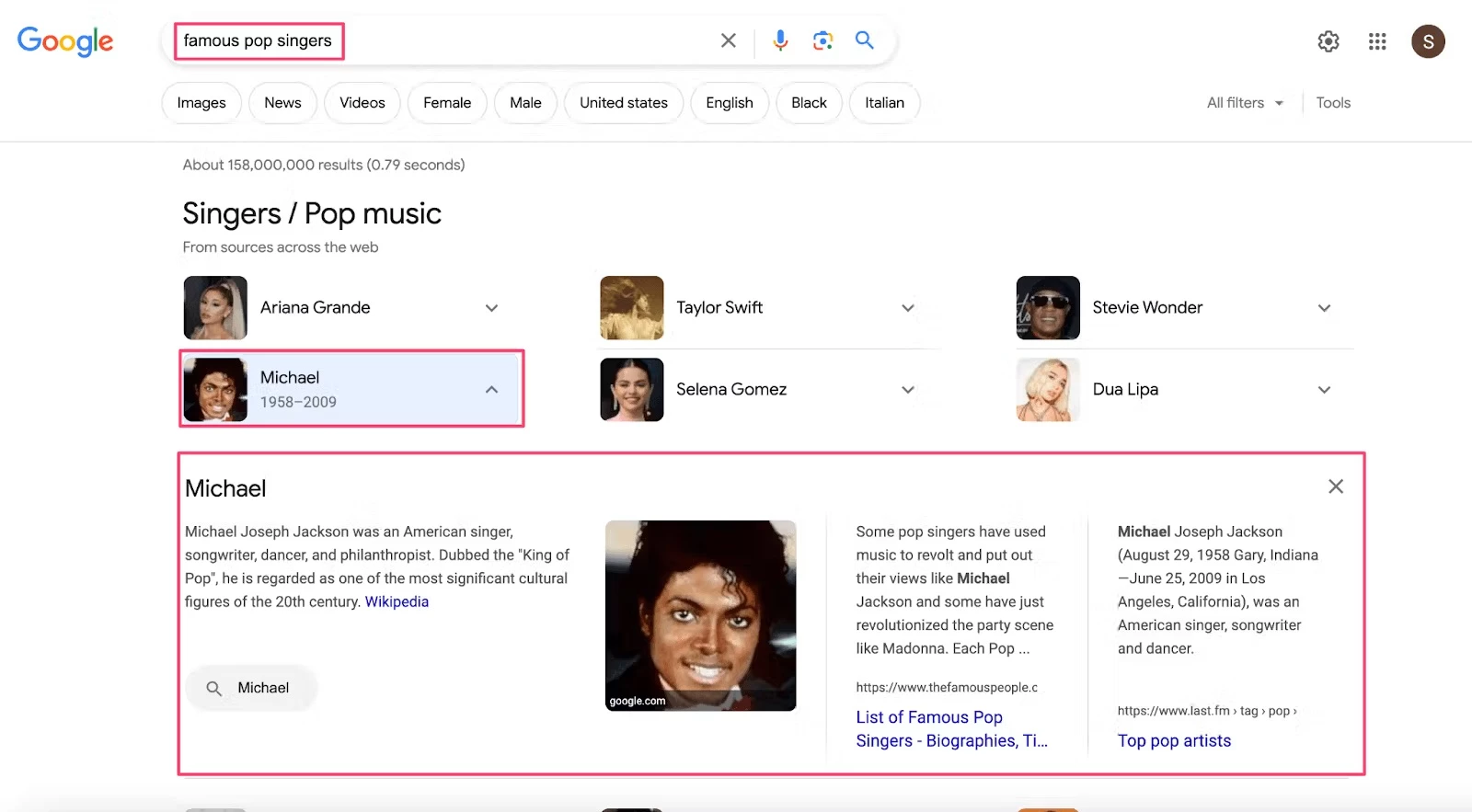
Knowledge panels show complete information boxes on the right side of search results. These panels display facts about entities like people, places, organizations, or things.
In terms of info, they usually profile:
- Simple entity information
- Relevant images and media
- Contact details for businesses
- Links to social profiles
- Related topics and resources
How to succeed
Since Google pulls knowledge panel data from authoritative sources, ensure your business or brand is accurately represented across platforms like Google Business Profile and authoritative directories.
Keeping your information consistent and up to date improves your chances of being featured.
3. Image and video carousels
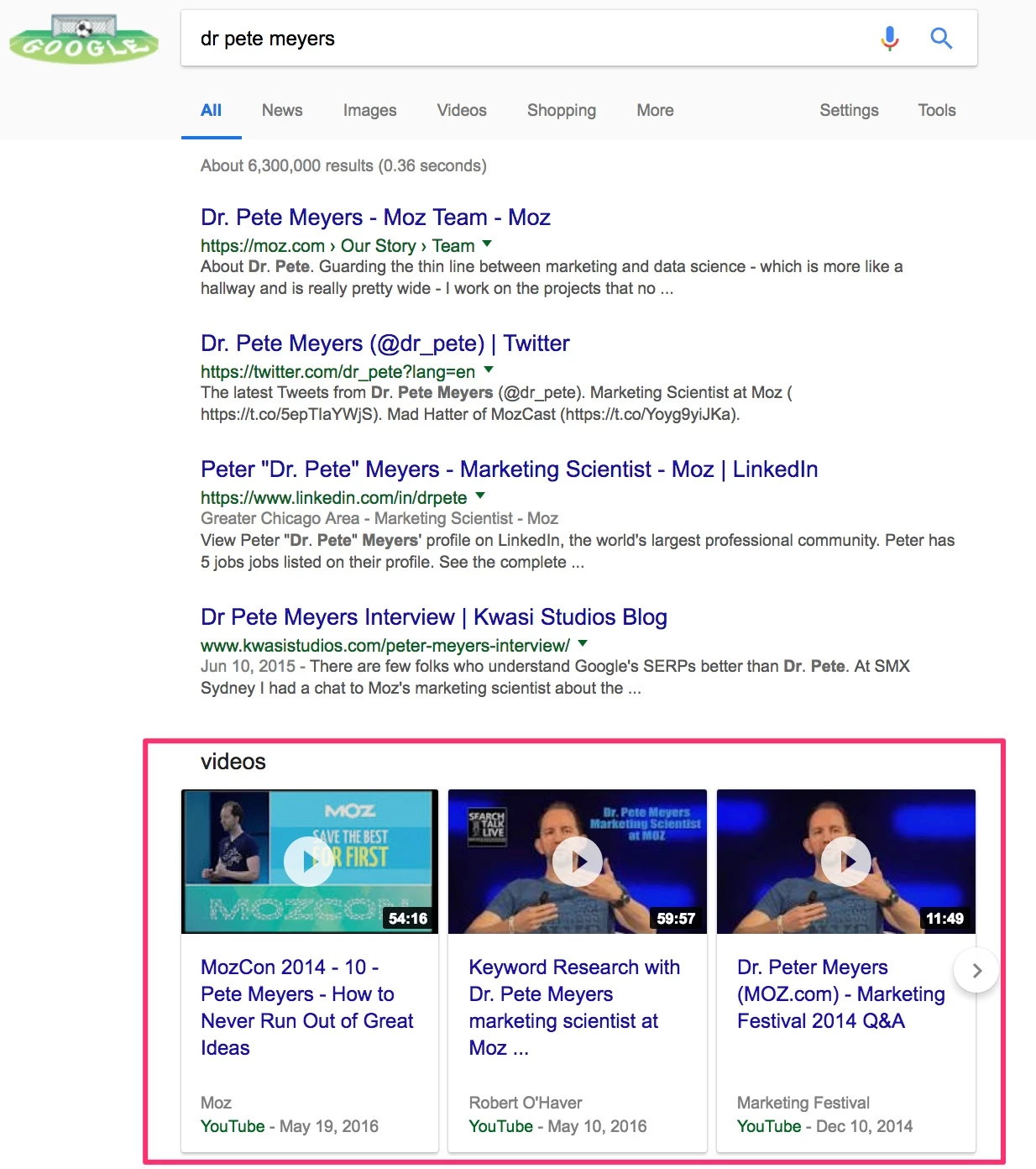
Image and video carousels let users scroll through visual content right in search results. They show up most often when visual content helps answer the search query better.
How to succeed
Optimizing for image and video carousels requires high-quality, relevant visuals with strong metadata. Use descriptive file names, alt text, and structured data markup to help Google understand your content.
Posting engaging video content on platforms like YouTube also improves visibility.
4. Local packs and maps
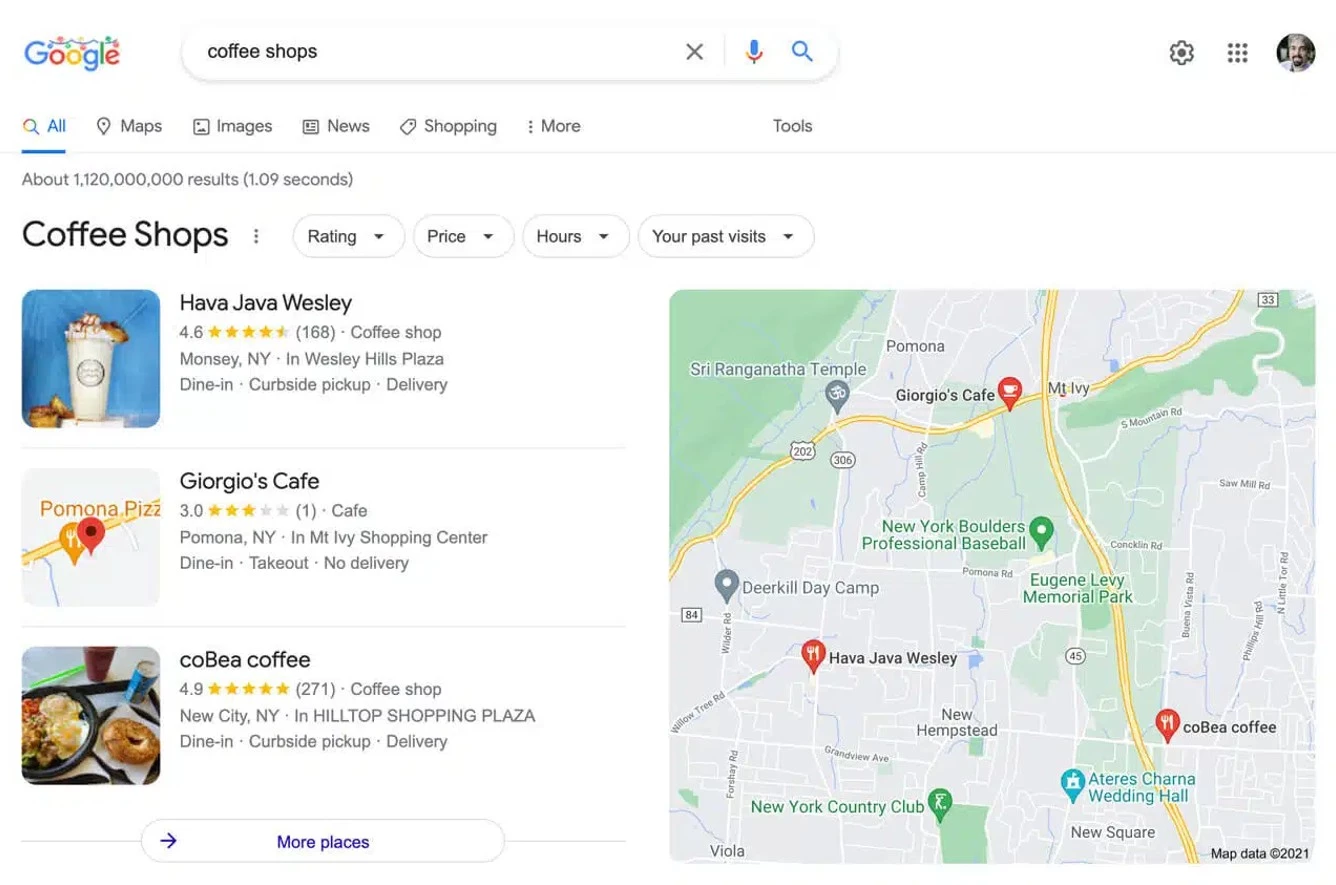
Local packs show a map and list of nearby businesses that match search queries. They include key business details such as:
- Business name and address
- Operating hours
- Customer ratings
- Click-to-call options for mobile users
- Interactive maps for directions
How to succeed
A well-optimized Google Business Profile is essential for appearing in local packs. Keep your business name, address, and phone number (NAP) consistent across all listings.
Considering Google is where 83% of consumers find reviews, it’s really important to gather some positive customer ratings. And make sure to use relevant categories and keywords to improve your ranking.
5. People Also Ask
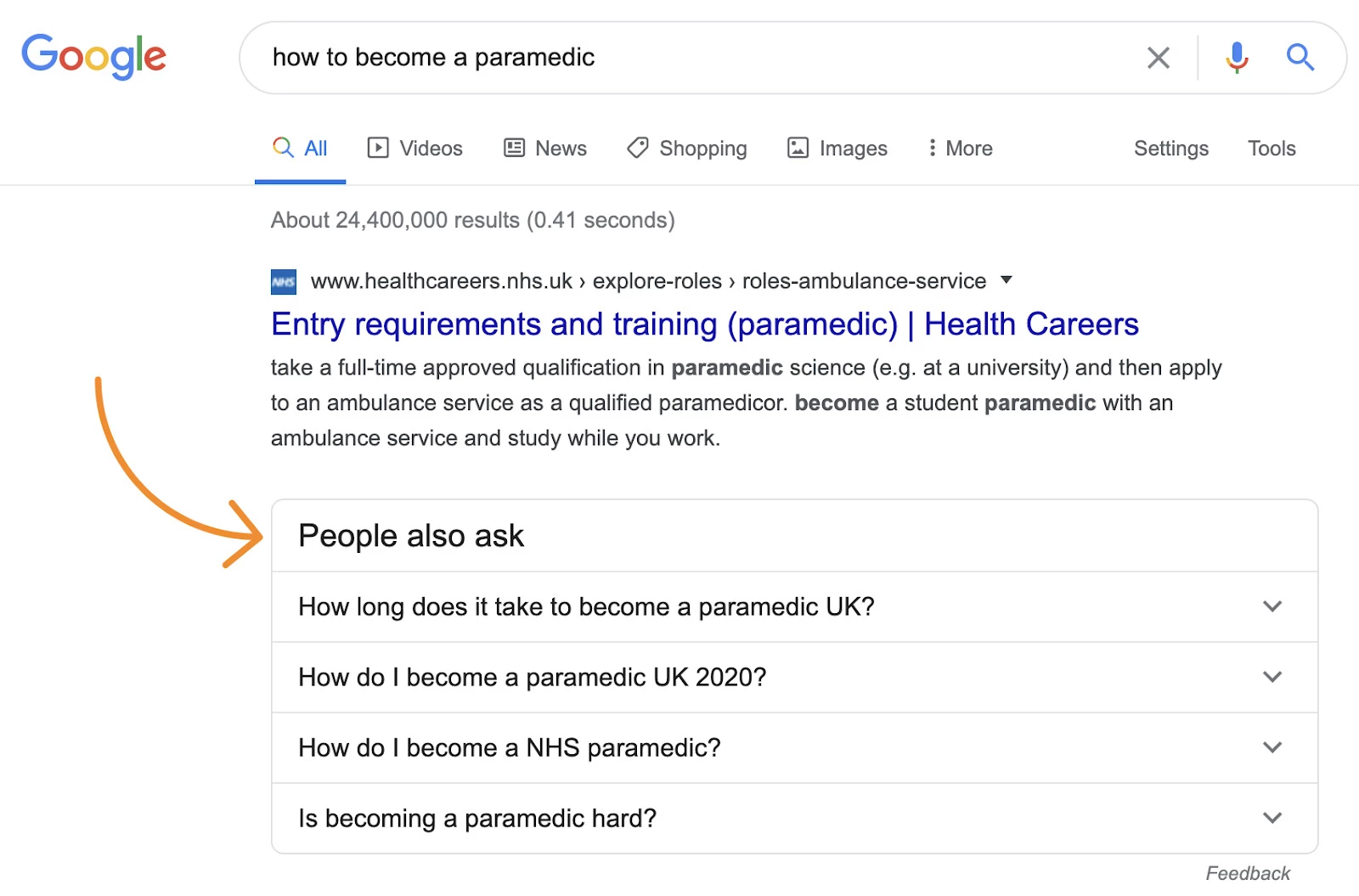
People Also Ask (PAA) boxes show related questions based on the search query. Users can click a question to see a brief answer and source link. Each click shows more related questions, which creates an interactive experience. PAA boxes appear in 40-60% of Google searches with local intent.
How to succeed
To appear in PAA results, structure content in a Q&A format, providing direct yet informative answers. Use headers that match common search queries and provide enough depth to encourage users to visit your site for more details.
Regularly updating content based on emerging trends also helps maintain visibility in PAA results.
4 Extra Tips to Maximize Zero-Click Search Visibility
On a fundamental level, zero click content requires SEO professionals to rethink and rebuild their content creation and optimization methods. Another prevailing challenge is providing enough information for zero click results while giving people reasons to visit their website.
To improve your content strategy, start by studying these patterns and matching your content to what users want and how search engines show results. Here are a few other practices to consider:
1. Focus on structured data
Using schema markup helps search engines better understand your content and present it in rich results. Implement structured data to highlight key information such as business details, product specifics, FAQs, and step-by-step guides. Your schema markup should include:
- Business information
- Product details
- FAQ sections
- How-to guides
- Event information
2. Optimize for local search
For businesses targeting local customers, ensuring visibility in search results means maintaining accurate and consistent business details across platforms. A strong presence in local search results improves discoverability and credibility.
3. Use rich snippets
Rich snippets make search results stand out through structured data. Your content becomes more visible with added visual elements and details. Product reviews, pricing information, and availability status should be priorities in your markup.
4. Adjust your content strategy
To amplify your chances of appearing in featured snippets, voice search results, and other high-visibility formats, you can explore a few content optimization tactics:
1. Align content with user intent
- Create resource pages that answer multiple related questions.
- Use clear headings and brief paragraphs to improve readability and increase chances of earning featured snippets.
2. Structure long-form content effectively
- Break it into easy-to-read sections with a clear hierarchy.
- Include relevant stats and data points to build trust.
- Add FAQ sections to address common industry questions.
3. Optimize for voice search
- Use natural, conversational language that reflects how people speak.
- Write in complete sentences for better performance in both voice and text searches.
4. Balance quick answers with deeper engagement
- Ensure users find value beyond the initial search result.
- Regularly update content to stay relevant with evolving search patterns and user needs.
On the interlink of content production and zero click searches, we spoke with Borislav Donchev, CEO of MAX Digital. Here’s his take:
“Zero-click searches are reshaping content creation and keyword targeting strategies by emphasizing the need for concise, intent-driven content. Long-tail keywords play a crucial role, as they align closely with conversational and specific queries that dominate zero-click results.”
Tools to Track and Analyze Zero Click Searches ROI
To effectively measure the return on investment (ROI) of efforts aimed at zero-click searches, businesses need to track the impact of these search features on visibility and engagement.
Here are a few essential SEO tools to monitor zero click searches and how well your content is performing in these areas:
- Google Search Console: Tracks featured snippets.
- Serpstat: Tracks keyword rankings and monitors SERP features.
- Ahrefs: Analyzes SERP features and tracks zero click searches.
- Moz: Identifies featured snippet opportunities and content gaps.
In the context of what ROI metrics to track, we gathered insights from BJ Cook, President of 85SIXTY. He advises using Google Search Console for insights into how often your content appears in AI-driven features.
“The rise of AI Overviews means it’s also crucial to monitor branded search queries and mentions across platforms. Measuring how often your brand is cited or summarized in Google’s AI-driven responses can also be a key metric.
Beyond direct clicks, indirect conversions from improved brand presence (such as inquiries through voice search or interactions from Google’s AI-driven snippets) should be tracked.”
The Future of Zero Click Searches
As search behavior and SEO practices perpetually gain new dimensions, zero click searches are likely to go through changes as well. Businesses must adapt to these changes to stay visible in search results. Here’s what we can anticipate:
The future of AI and voice search
As AI and voice search technologies continue to evolve, the way users interact with search results will continue to transform. Voice-activated devices, like smart speakers and virtual assistants, prioritize direct answers and instant information delivery.
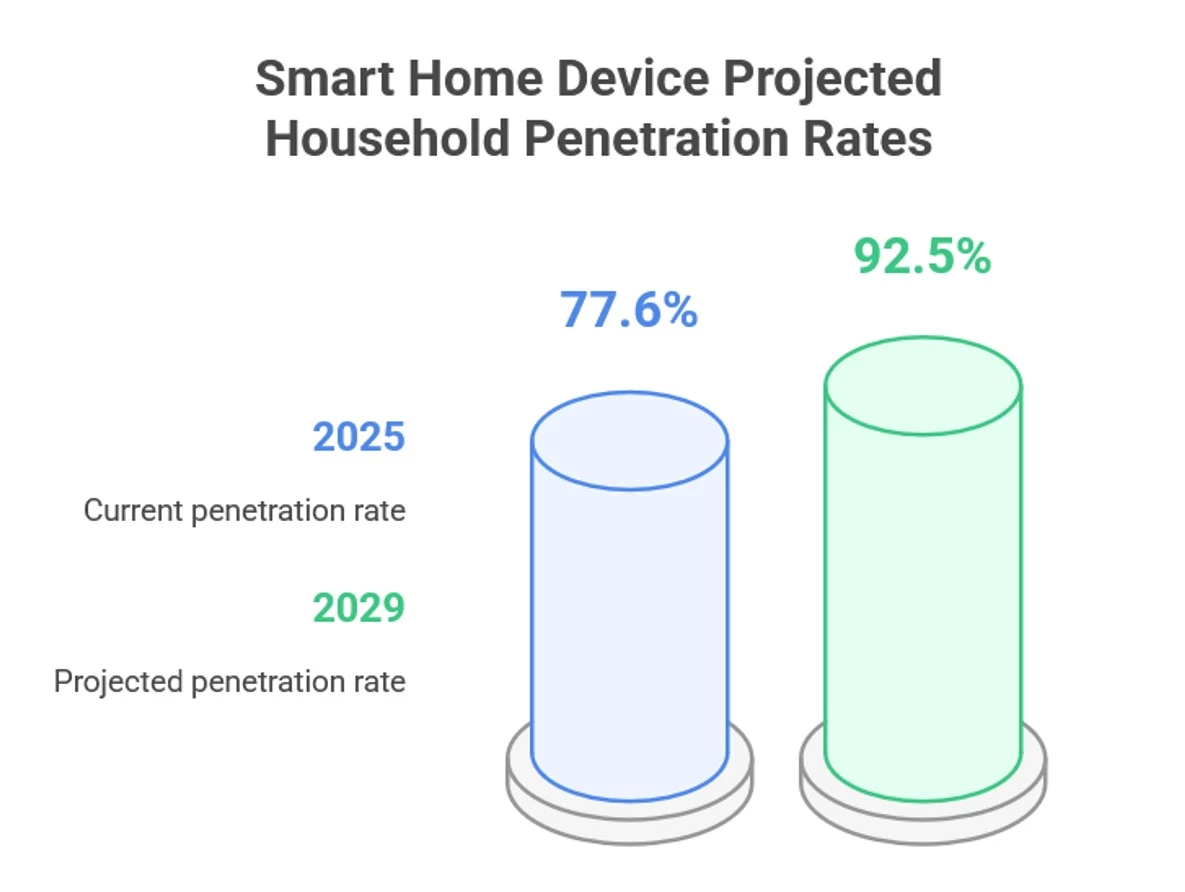
This makes zero-click results ever more important, especially considering smart home devices are expected to reach a market penetration of 92.5% by 2029.
 Advancements in Natural Language Processing (NLP) have also made search engines increasingly adept at understanding user intent and context.
This progress is driving more accurate, personalized zero-click results that respond to queries with greater precision, shaping the future of search into a more conversational and intuitive experience.
Google's evolving search algorithms
Search algorithms keep refining zero click result delivery — changes that impact content visibility patterns and where websites appear in search results. Algorithm updates target user intent understanding and the immediate provision of answers.
That said, the algorithms balance quick answers with website traffic opportunities. Recent updates highlight:
- Better semantic search capabilities: These updates enhance search engines' ability to understand the meaning behind words, not just keywords, allowing them to deliver more relevant, contextually accurate answers.
- Complex query understanding: Algorithms are now better at handling multi-part or nuanced queries, ensuring more precise and comprehensive responses for users.
- Improved local search result accuracy: Updates allow search engines to offer more relevant local results, improving how businesses appear in local search contexts and helping users find exactly what they need.
- Smart featured snippet selection: Search engines now more intelligently select the best content for featured snippets, ensuring the answers provided are not only concise but also the most accurate and relevant to the user's query.
Zero Click Searches: Final Words
In relation to zero click searches, content should do two things: give quick answers in search results and provide deeper value to website visitors.
By optimizing for zero-click features like featured snippets, knowledge panels, and local packs, you can enhance your brand's visibility and establish authority.
At the same time, ensuring that your content invites users to explore further on your site can help strike the right balance between meeting immediate search needs and driving long-term traffic.
To ensure success in navigating the complexities of zero-click searches and maximizing your digital visibility, partner with experts who can tailor strategies to support your business and drive meaningful results.
Our team ranks agencies worldwide to help you find a qualified partner. Visit our Agency Directory to find leading SEO agencies, as well as:
- Top SEO Consultants
- Top Startups SEO Companies
- Top Enterprise SEO Companies
- Top Small Business SEO Companies
- Top International SEO Agencies
Zero Click Searches FAQs
1. Will AI replace SEO in the near future?
AI will not replace SEO but rather enhance and streamline SEO processes. It will help automate tasks like keyword research and content optimization, making SEO more efficient and effective.
2. What industries are most affected by zero-click searches?
Industries such as local services, eCommerce, and healthcare are particularly impacted by zero-click searches.
With AI-driven overviews like local panels, product specifications, and medical information displayed directly in search results, these industries face challenges in driving traffic to their websites.
As a result, businesses in these sectors need to ensure their content is incorporated into these AI-driven features to maintain visibility and relevance without relying on traditional click-through methods.