
Types of Paper Stock for Printing: Key Points
- People are 70% more likely to remember a brand if its print design, like a business card, uses a unique, quality material.
- Print drives real-world action. A stunning 80% of consumers act on printed direct mail, a rate significantly higher than that of email marketing.
- The right paper creates value. The physical touch of a quality paper stock gives customers a sense of ownership over the item, increasing your brand’s value.
The design file is approved and ready to go. But before you send it to the printer, there’s one more critical decision to make: the paper.
The types of paper stock for printing are vast, ranging from the glossy paper of a high-end brochure and the heavy cardstock of a memorable business card. The right paper can make a great design feel premium, while the wrong choice can make it fall flat.
So how do you choose correctly? The process involves balancing your brand identity, the function of the printed piece, and your budget.
I'll walk you through the different types of paper stock, the key terms you need to know, and a step-by-step framework for making a choice that supports your project goals.
Catch the key takeaways on the go.
Discover how to choose the perfect paper for your project, from understanding weight and finish to exploring specialty options like linen and vellum, to make your brand more memorable.
Listen to the full audio summary on Spotify.
Key Considerations When Selecting Paper Stock Types
Choosing from the many types of paper stock shapes how customers perceive your brand. With 82% of Americans trusting print ads in newspapers and magazines, the physical medium itself conveys credibility.
Getting the details right is central to understanding what is print design. Your choice of paper sends a clear message about your brand's quality and attention to detail.
We'll look at four key factors you need to consider: weight, coating, finish, and brightness.
1. Paper Thickness and Weight

Paper weight (measured in GSM or lbs) and thickness (caliper) are the first indicators of quality a customer feels.
A heavier, thicker stock feels more substantial and premium in the hand. A flimsy flyer feels disposable, while a heavy business card demands to be kept.
This physical sensation drives results. For instance, “sensory” direct mail that appeals to touch (and even smell and hearing!) achieves a 30% higher motivation score than its digital counterparts. The tactile experience makes your message more impactful and memorable.
But understanding paper weight can be tricky. The listed weight, like "80 lb.", is a "basis weight" — the weight of 500 sheets in its large, uncut parent size.
The challenge is that parent sizes differ for different types of paper stock. This is why an "80 lb. Text" paper used for brochures feels much flimsier than an "80 lb. Cover" stock used for business cards.
To avoid costly errors, we recommend using GSM (Grams per Square Meter), which is a direct measure of density and a more universal standard.
Here’s a quick guide that compares common US basis weights to the more universal GSM standard for different project types.
Weight Category | Paper Weight (lbs) | Equivalent GSM | Common Uses | Benefits |
Light | 24 lb. Bond/60 lb. Text | 90 gsm | Internal Documents, Flyers | Versatile, less "show-through" |
Light | 74 lb. Text | 110 gsm | Brochures, Flyers | Good for vibrant, colorful documents |
Light | 28 lb. Bond/70 lb. Text | 105 gsm | Standard Business Forms, Resumes, Proposals | Smoother finish, professional feel |
Medium | 65 lb. Cover | 175 gsm | Menus, Greeting Cards, Durable Flyers | Good color, holds up to heavy ink |
Medium | 80 lb. Cover | 215 gsm | Standard Business Cards, Report Covers | Stiff and durable for a professional feel |
Heavy | 92 lb. Cover | 250 gsm | Business Cards, Postcards, Dividers | Strong and substantial |
Heavy | 100 lb. Cover | 270 gsm | Premium Business Cards, Flat Cards | Offers a high-end, sturdy feel |
Extra-Heavy | 110 lb. Cover | 298 gsm | Premium Invitations, Covers, Art Prints | Very thick and rigid for luxury items |
Extra-Heavy | 130 lb. Cover | 350 gsm | Wedding Invitations, Presentation Covers | Extremely thick for maximum impact |
2. Paper Coating
Paper coating is a layer applied during production that affects how ink sits on the surface. This is one of the most fundamental choices you'll make, as it dictates the look and feel of the final product.
- Coated Stocks: These have a sealant that prevents ink from absorbing into the paper. This allows for sharper details and more vibrant colors, making them ideal for photography and intricate designs.
- Uncoated Stocks: These have a natural, porous feel. They absorb ink, resulting in a softer, warmer look. Uncoated paper is easy to write on and is often used to convey authenticity and an organic, tactile quality.
| Coated Paper Stock | Uncoated Paper Stock |
What It Is | Paper with a sealant applied, so ink sits on the surface | Porous, natural-finish paper where ink absorbs into the fibers |
Best Use Cases |
|
|
Pros | ✔️ Colors are brighter and details are crisper ✔️ More resistant to dirt, moisture, and wear ✔️ Offers a smooth, high-quality finish (gloss, satin, or matte) | ✔️ Has an authentic, organic feel ✔️ No glare, making it perfect for text ✔️Easy to write on with a pen or pencil |
Cons | ❌Glossy finishes can smudge easily ❌Can be difficult to write on ❌Can reduce the natural paper feel | ❌ Ink absorption can make colors less saturated ❌ More susceptible to moisture ❌ Very fine details can soften |
3. Paper Finish
The finish is the texture of the paper’s surface, which controls how it reflects light and feels to the touch. The right finish can dramatically alter the mood of your project and is a key consideration for different types of graphic design.
- Gloss Finish: Highly reflective and shiny. It makes colors pop and is excellent for photo-heavy marketing materials where you want a high-impact, slick look.
- Matte Finish: A non-reflective, smooth surface. It reduces glare, making it perfect for text-heavy documents like reports or books, where readability is key.
- Satin or Silk Finish: This is a popular middle ground, offering a low-sheen luster that gives colors good vibrancy without high gloss.
The finish you choose has a real impact, as studies show that readers spend more time with print ads and have a stronger emotional reaction to them. The tactile finish is a major part of that experience.
4. Paper Brightness and Whiteness
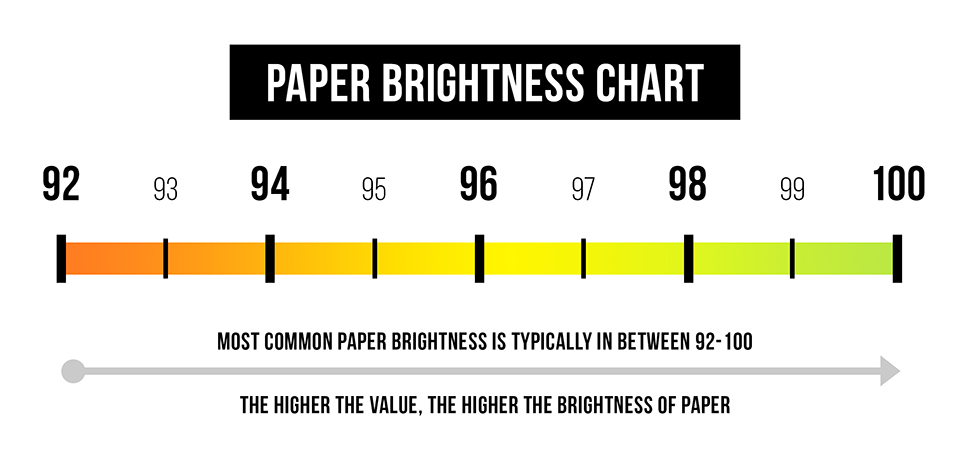
Paper brightness and whiteness determine how well your colors are reproduced. Brightness is a measure of how much light the paper reflects (on a scale of 1 to 100), while whiteness refers to the shade of white (cool blue vs. warm yellow).
A higher brightness rating (96-100) creates higher contrast, making text crisper and images appear sharper. This clarity is a key reason why there is a higher margin of informational retention from print. A bright, clean sheet is simply more enjoyable and easier to read.
When selecting from various paper stock types, consider that a cool-white shade can make art feel modern and sharp, while a warm-white shade can give it a softer, more classic feel. This choice directly impacts your brand's tone.
Types of Paper Stock for Printing
Now that you understand the key technical factors, let's look at the actual different types of paper stock. We've grouped them into logical categories based on their coating, weight, and composition to make it easier to narrow down your options for your next project.
Paper Stocks by Coating
As we covered, the most fundamental choice is between coated and uncoated paper. These categories contain a few standard paper stock types you'll encounter frequently.
1. Coated Stocks
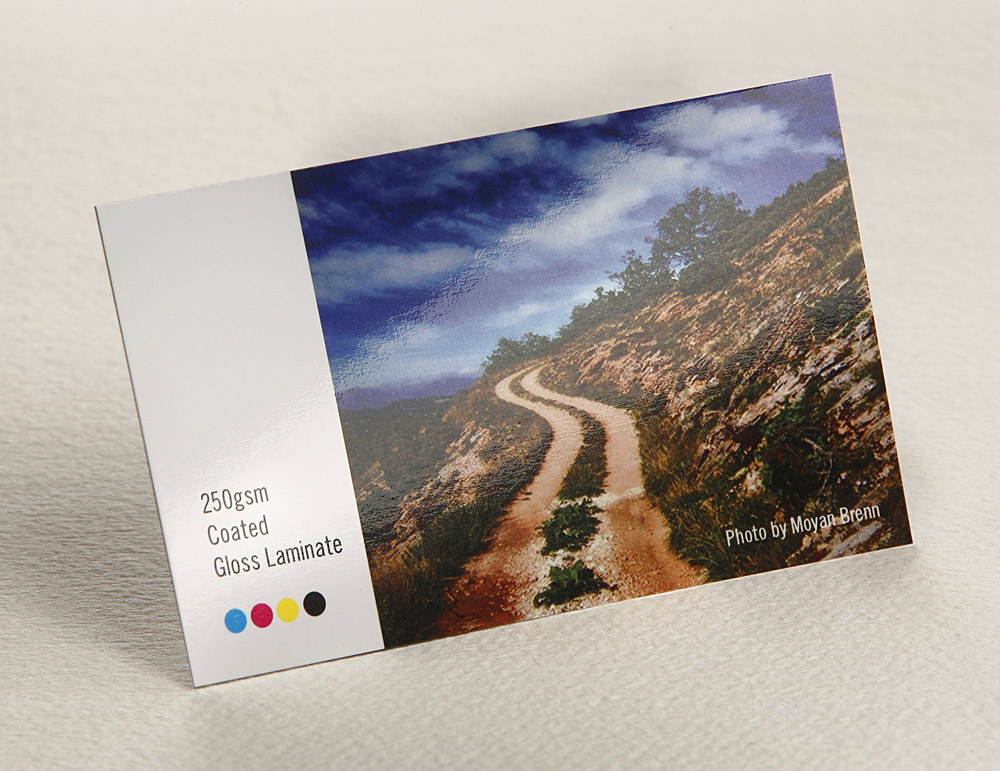
These papers are sealed to provide a smooth surface for sharp, vibrant printing. They are available in the finishes we discussed earlier:
- Gloss Finish: For maximum vibrancy and impact.
- Matte Finish: For an elegant, glare-free look.
- Satin or Silk Finish: A versatile, low-sheen middle ground.
2. Uncoated Stocks
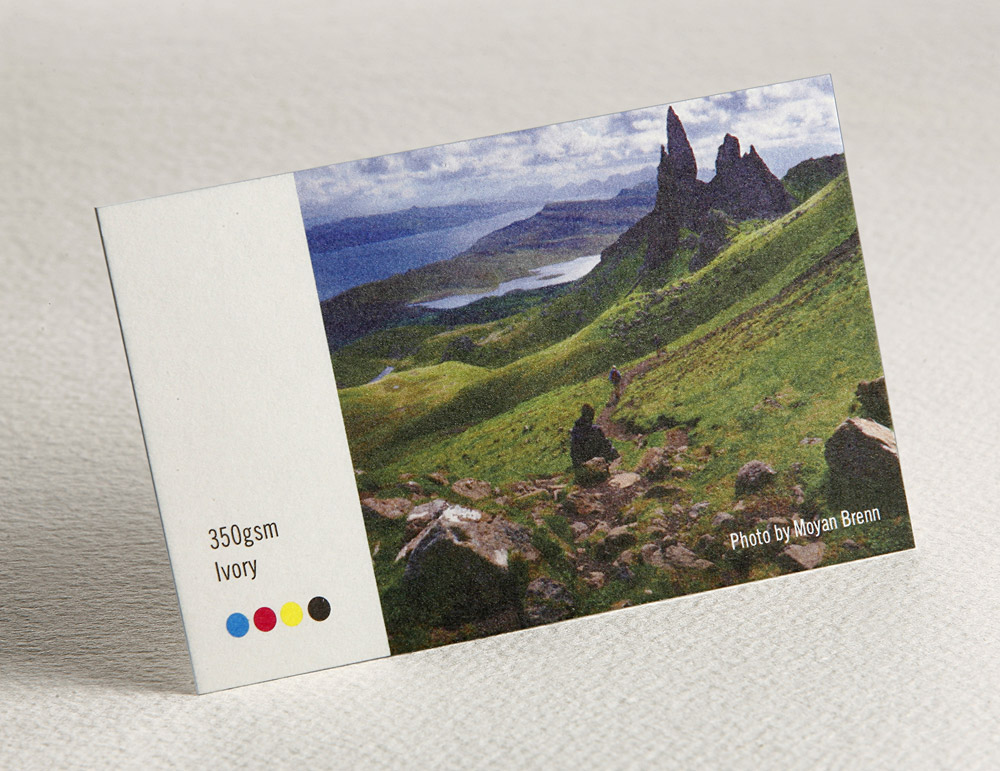
These stocks have a natural, absorbent surface. Common types include:
- Bond Paper: This is the strong, durable paper you likely have in your office printer. It's a standard for letterhead, official documents, and business forms.
- Offset Paper: This is an uncoated workhorse, designed for high-volume printing on offset presses. It's highly readable and cost-effective, making it a go-to for books, manuals, and reports.
Paper Stocks by Weight
While weight is a continuous scale, one category stands out and is defined almost entirely by its weight and rigidity.
1. Cardstock (or Cover Stock)
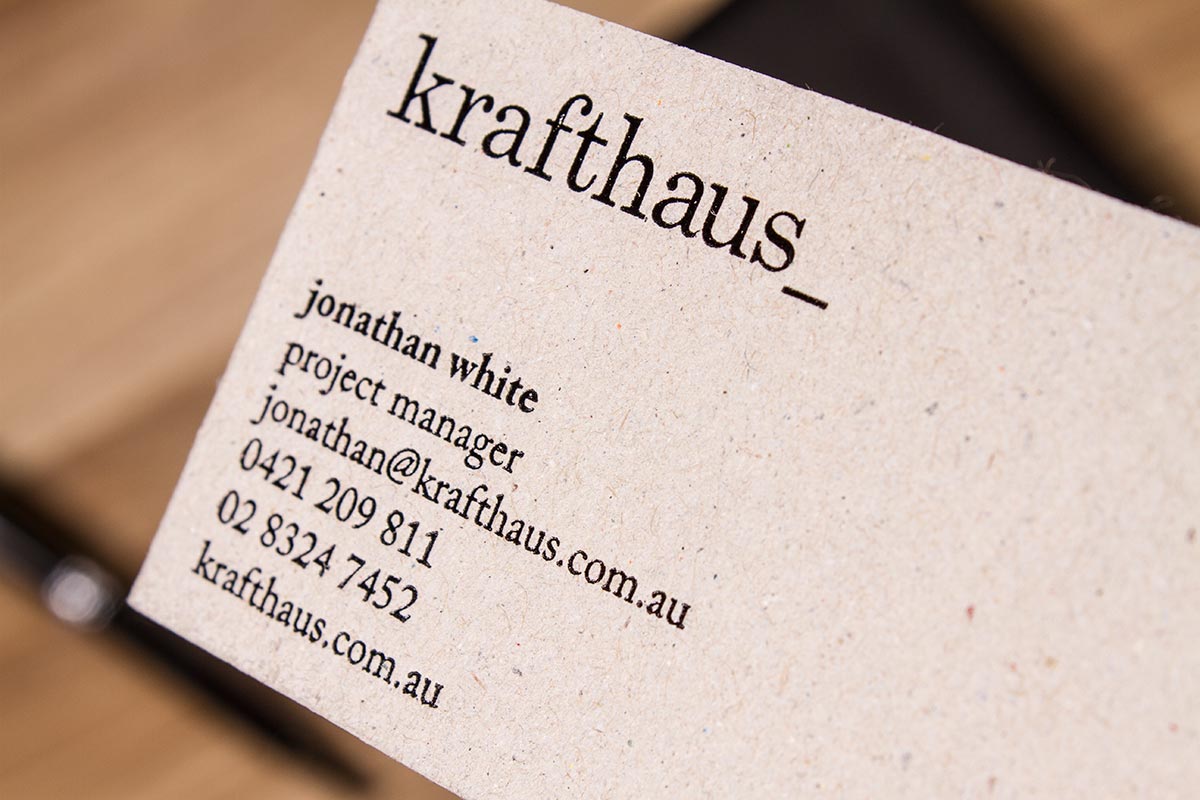
This isn’t one specific paper but rather a category of heavy, thick, and durable paper. Anything over ~175 GSM (65 lb. Cover) is generally considered cardstock.
It's the standard for business cards, postcards, report covers, and any project that needs to feel substantial and hold its shape.
Paper Stocks by Composition
This category describes what the paper is made of, which directly impacts its look, feel, and environmental footprint.
1. Colored Paper

This paper is dyed during production and is used to add an immediate pop of color without needing to print it. It's great for flyers, posters, and color-coding organizational materials.
2. Recycled Paper
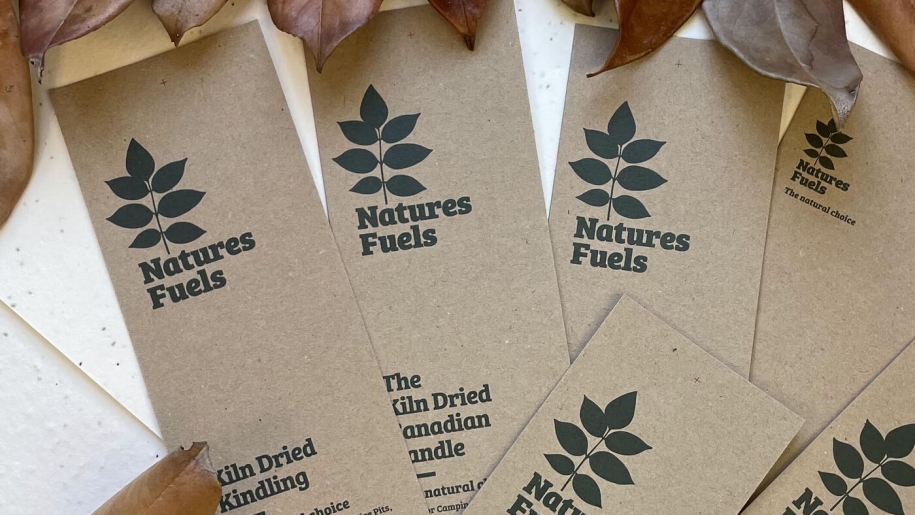
Made from post-consumer waste, this paper often has a slightly rougher texture and visible fibers. Choosing recycled stock is a clear way to communicate your brand’s commitment to sustainability.
3. Carbon Balanced Paper

This is paper where the carbon emissions from its production and distribution have been offset through a certified program. It’s a proactive choice for brands with strong environmental, social, and governance (ESG) goals.
4. Acid-Free Paper
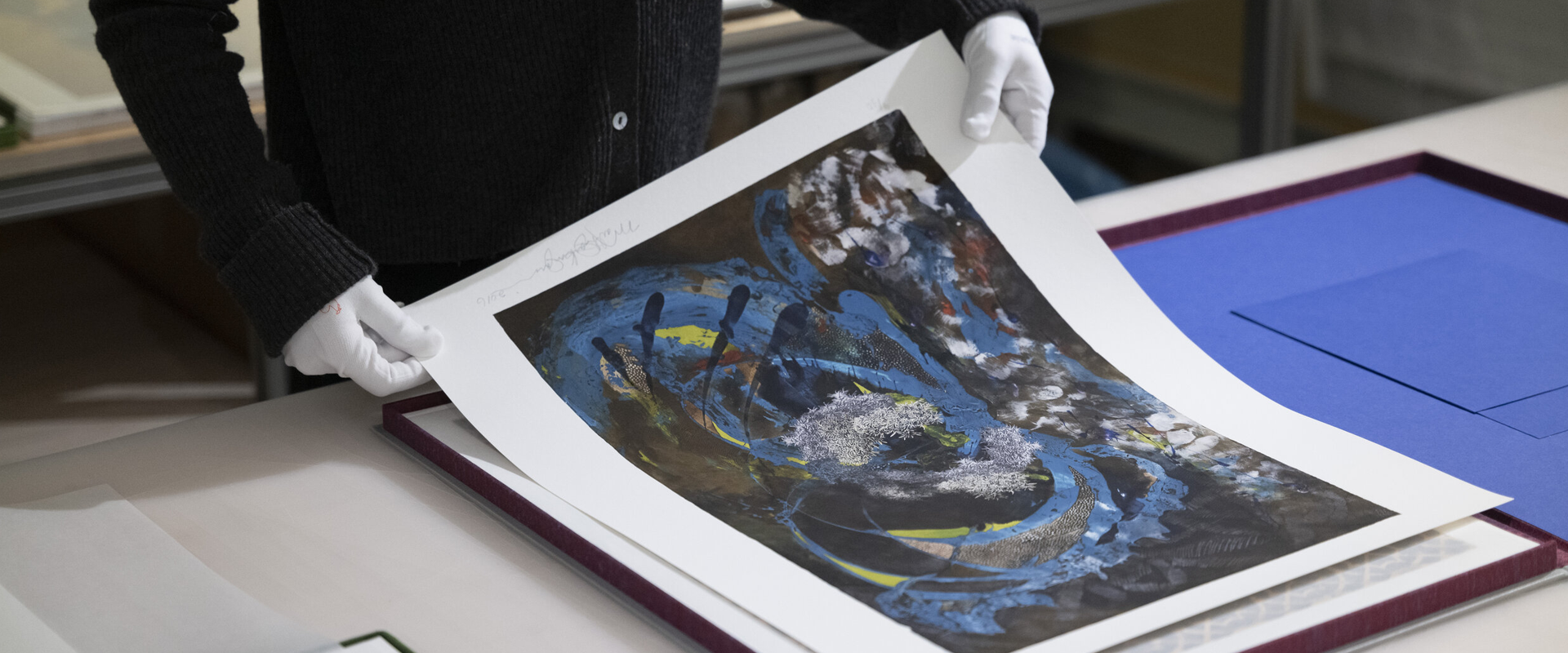
This paper is chemically treated to have a neutral pH, which prevents it from yellowing or deteriorating over time. It is the standard for archival projects like fine art prints, photography, and important historical documents.
Specialty & Textured Papers
When you want the paper itself to be a key part of the design experience, you turn to specialty stocks.
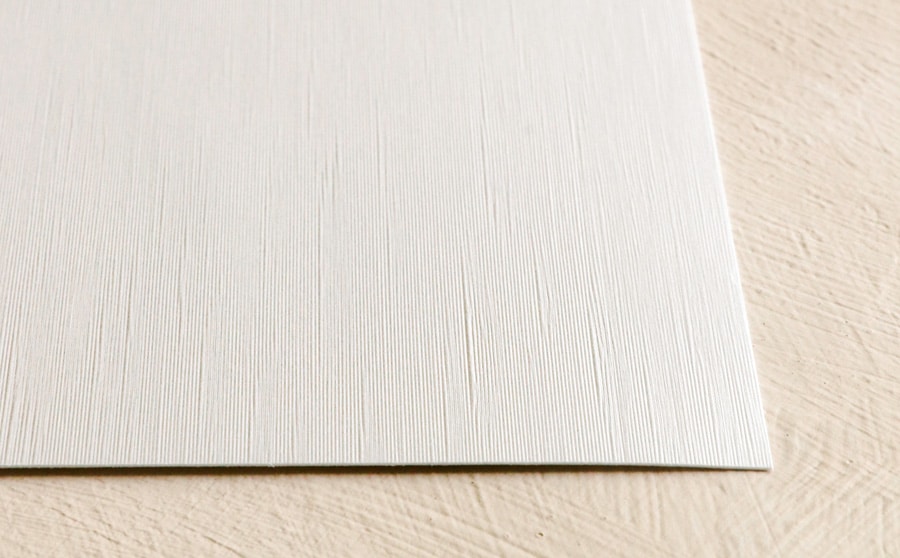
1. Linen Paper

Features a fine, crosshatch pattern that mimics the look and feel of a linen fabric. It adds a touch of classic elegance to menus, resumes, and formal invitations.
2. Vellum Paper
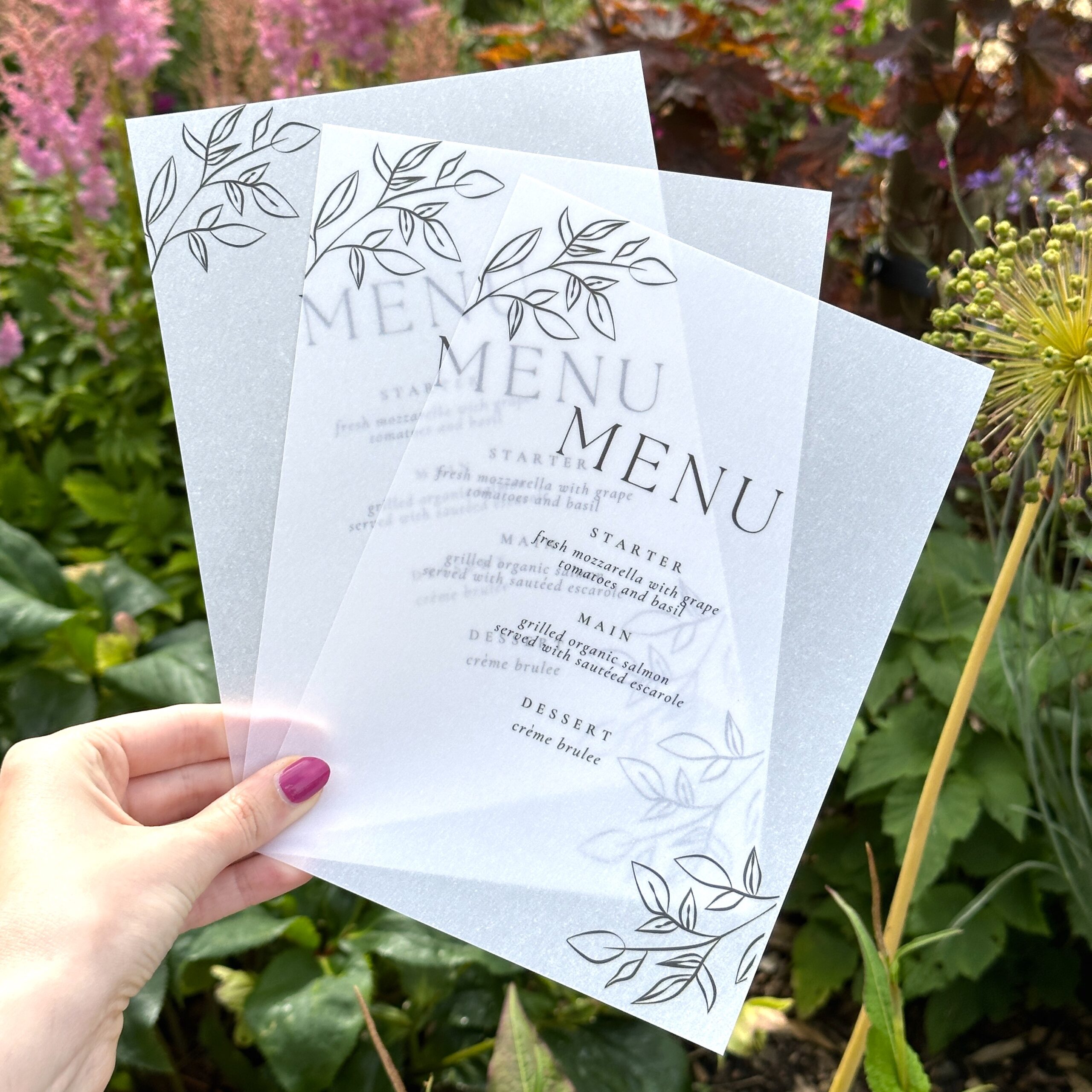
A smooth, translucent paper that you can see through faintly. It's often used as a decorative overlay for invitations or as a unique dust jacket for books.
3. Felt

This paper has a soft, fuzzy texture that feels like felt. It adds warmth and a sense of craftsmanship to greeting cards and presentation folders.
4. Woodgrain
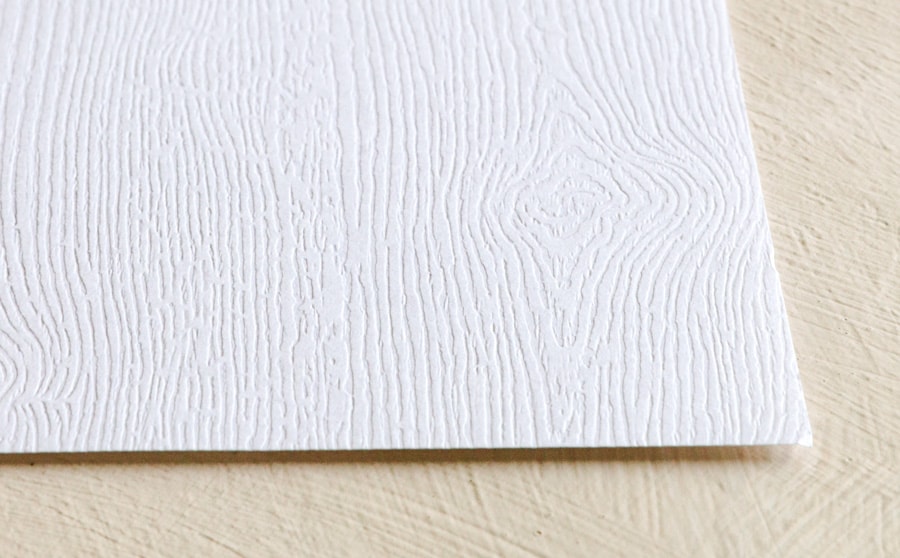
Mimics the texture of natural wood, providing a rustic and organic feel perfect for brands connected to nature or craft.
5. Laid Paper
This traditional paper features fine horizontal and vertical lines (called "chain lines") from the manufacturing process. It has a very classic, handmade appearance.
6. Parchment
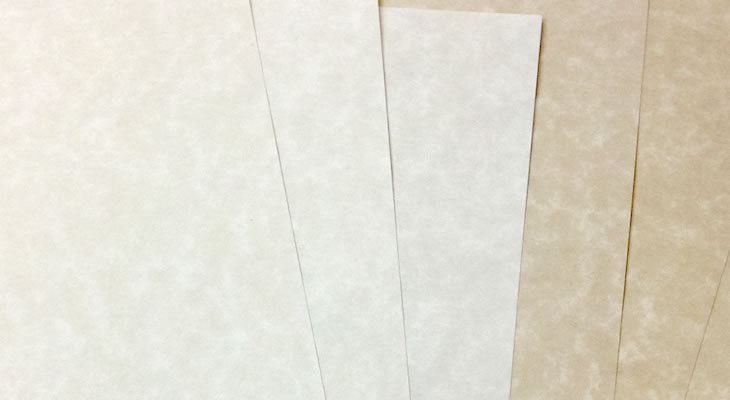
This paper is treated to look mottled and aged, similar to historical documents. It’s often used for certificates, awards, and formal announcements.
7. Synthetic Paper
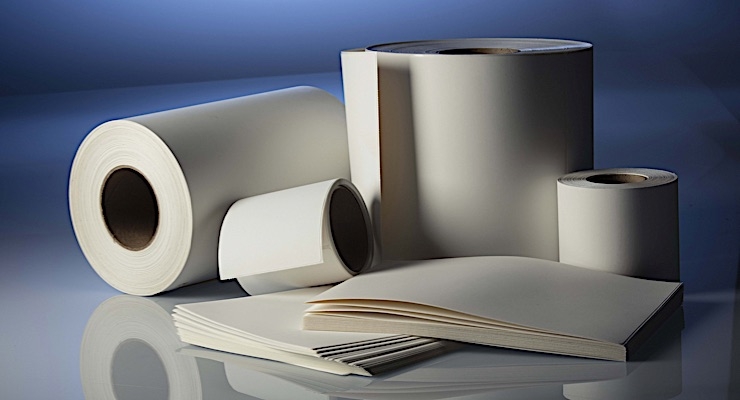
This is not paper at all, but a plastic (polypropylene) sheet. It is waterproof, tear-proof, and extremely durable, making it ideal for menus, maps, and outdoor signage.
Optional Post-Printing Finishes
These are not types of paper stock, but rather processes applied after printing to add protection and dramatic visual effects.
These high-end techniques are often what separate good designs from the best print designs.
1. Varnish, Aqueous, & UV Coating

These are clear liquid coatings applied to the printed sheet.
Varnish adds basic protection, Aqueous is a water-based, eco-friendlier option, and UV coating is cured with ultraviolet light for maximum durability and a super high-gloss effect.
2. Soft-touch Coating

This special liquid coating creates a luxurious, velvety, and matte texture that feels soft to the touch. It adds a surprising and memorable tactile experience.
3. Lamination
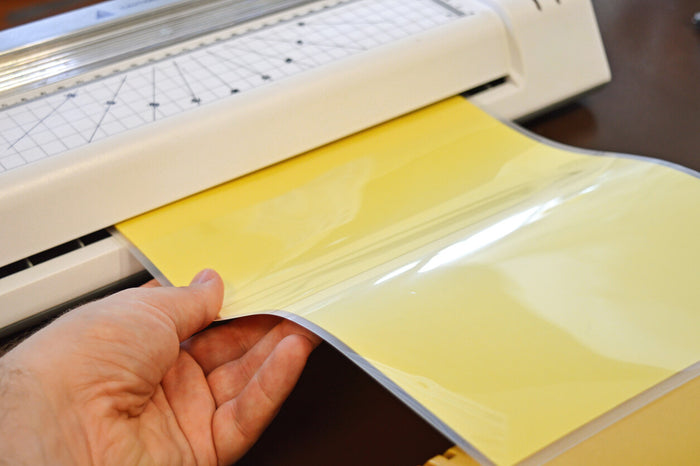
A thin plastic film is bonded to the paper, providing the highest level of protection against water, tearing, and smudging. It can be either gloss or matte.
4. Foil Stamping & Embossing/Debossing
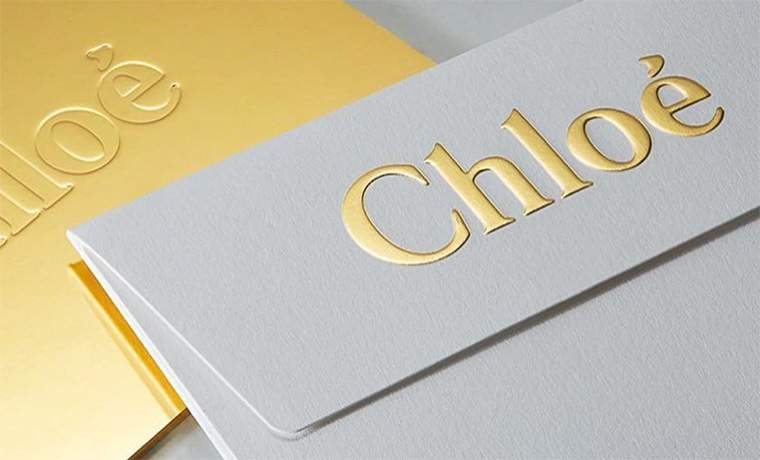
These techniques add a physical dimension to your design. Foil stamping applies a thin metallic or pigmented foil, while embossing raises a part of the design and debossing presses it in.

These finishing touches are what make a printed piece unforgettable.
In fact, print ads deliver a recall of 78% — a whopping 48 percentage points higher than digital — and these sensory finishes are a key reason why.
To execute these complex processes, we recommend partnering with top print design companies that specialize in advanced finishing.
How to Choose the Best Paper Stocks for Printing in 6 Steps
With a clear understanding of the options, you can now create a framework for choosing the right paper. This isn't about finding the "best" paper in a vacuum; it's about finding the best paper for a specific project.
This six-step process will help you make a smart, strategic decision every time.
Step 1: Define your project's purpose and function
First, define what the printed piece needs to do. Is it a disposable handout meant for a one-day event, or a high-end art book intended to last for years?
The function of the piece will immediately narrow your choices from the various types of paper stock.
Ask your team these questions:
- What is this project’s primary goal (e.g., drive sales, inform, build brand image)?
- How will people interact with it (e.g., write on it, fold it, file it)?
- What is its intended lifespan?
Step 2: Align paper with your brand and message
The paper you choose is a direct reflection of your brand's personality.
A modern tech company might choose a sleek, coated stock, while an organic farm might opt for a natural, recycled paper to communicate its values without saying a word.
Make sure your choice aligns with your brand strategy:
- What feeling do you want to evoke (e.g., luxury, tradition, innovation, sustainability)?
- Does the texture and finish match your brand’s voice?
Step 3: Evaluate your design's content
The creative content of your design will have practical demands. A design heavy with vibrant, high-resolution photography will look its best on a coated stock that makes the colors pop.
A text-heavy annual report, however, needs an uncoated, matte finish to ensure readability and reduce glare.
Consider the creative itself:
- Is the design dominated by photos or large blocks of text?
- Does it use a bright, saturated color palette or a muted, minimalist one?
- Are there fine details that require an exceptionally smooth surface?
Step 4: Factor in durability and handling
Think about the journey your printed piece will take after it leaves the printer.
A direct mail postcard must be durable enough to survive the postal system, while a restaurant menu needs to withstand frequent handling and potential spills.
Assess the environmental and handling needs:
- Will this piece be folded, mailed, or handled by many people?
- Does it need to be tear-proof or waterproof? (This is where a synthetic stock would be ideal).
- Will it be displayed outdoors or in a high-traffic area?
Step 5: Set your budget and consult your printer
Your creative vision must align with your budget. Specialty paper stock types and complex post-printing finishes add to the cost per piece.
With ad spending in the Print Advertising market projected to be over US$32 billion in 2025, making smart budget choices is key.
Do not treat your printer as a final step; bring them into the process early. They are your expert partner and can suggest more cost-effective ways to achieve a premium look.
They can also flag any potential issues between your design and your chosen stock before they become expensive problems.
Final Step: Always request a sample
This is the most important rule in print design. A digital PDF on a screen cannot replicate the tactile experience, color reproduction, and true finish of a physical paper stock.
Requesting a printed proof of your final chosen stock is the only way to be 100% certain of the result.
This final check ensures there are no surprises. It protects your budget, manages your client's expectations, and guarantees the final product aligns perfectly with your vision.
Types of Paper Stock for Printing: Wrap-Up
Choosing from the many types of paper stock for printing is a decision that extends far beyond the design department.
It's a strategic choice that directly impacts your budget, your brand's perceived value, and the effectiveness of your communication.
As leaders in design and operations, it's also important to acknowledge the environmental impact of these choices. With estimates showing that producing paper for ads can use thousands of liters of water annually, every choice matters.
Opting for recycled or carbon-balanced paper stock types is not just an ethical decision, but a powerful brand statement in itself.
Ultimately, understanding the language of paper allows you to ensure the final product isn't just a beautiful design, but a hard-working asset that feels premium, communicates with purpose, and delivers tangible results.

Our team ranks agencies worldwide to help you find a qualified partner. Visit our Agency Directory for the Top Print Companies, as well as:
- Top Branding Agencies
- Top Full-Service Digital Agencies
- Top Creative Agencies
- Top Digital Marketing Agencies
- Top Graphic Design Companies
Our design experts also recognize the most innovative design projects across the globe. Visit our Awards section to see the best & latest in print design.
Types of Paper Stock for Printing: FAQs
1. What's the most common mistake when choosing paper stock?
The biggest mistake is choosing a paper based only on its look without considering its function.
For example, selecting a beautiful, porous uncoated stock for a project with vibrant, detailed photography can lead to dull, muddy images.
Always balance your creative vision with the practical demands of the design and the purpose of the printed piece.
2. How can I achieve a premium feel without a premium budget?
You don't always need the most expensive specialty paper. To create a high-end feel cost-effectively, consider using a heavier weight of a standard coated or uncoated stock.
You can also apply a single, high-impact post-printing finish, like a spot UV or a soft-touch coating, to an otherwise simple piece to make it feel luxurious and memorable.
3. How do I justify investing in quality print to a client focused on digital?
Frame it as a strategic choice for making a high-impact connection. Remind them that print is a trusted medium that excels where digital can't. Plus, it’s been proven to be great at brand recall.