
The doodles you sketched in the margins of your notebook are back — and I’m not kidding. The scrappiest visual language you ever knew has become one of the most deliberate choices a brand makes.
"Naive Design" Graphic Design Trend for 2026: Key Findings
- As AI floods the internet with flawless visuals, hand-drawn imperfection has become the clearest signal that a human made something.
- A decade of identical minimalism trained consumers to scroll past sleek. Naive design gets noticed precisely because it refuses to fit in.
- It works when personality is a brand asset. It fails when credibility is the only thing on the line.
The naive design trend, built on intentional imperfection, childlike illustration, and hand-drawn character, has moved from indie culture into global branding. This style now appears on fashion campaigns, startup landing pages, and product packaging.
As AI imagery fills every feed and minimal layouts start to feel distant, people are looking for work that feels warmer and more human. This style answers that shift and keeps gaining ground.
What Naive Design Is
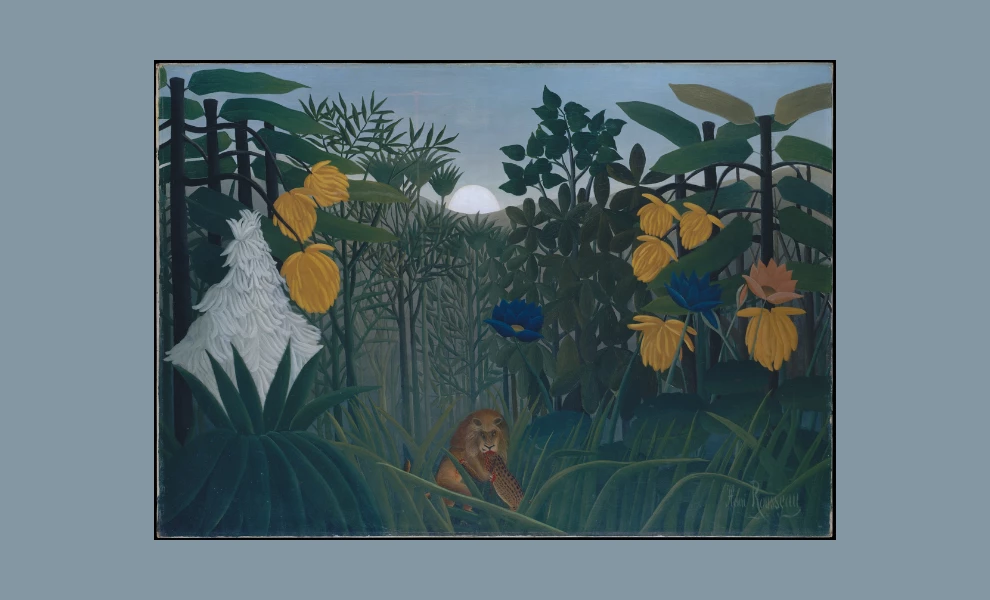
Source: The Metropolitan Museum of Art
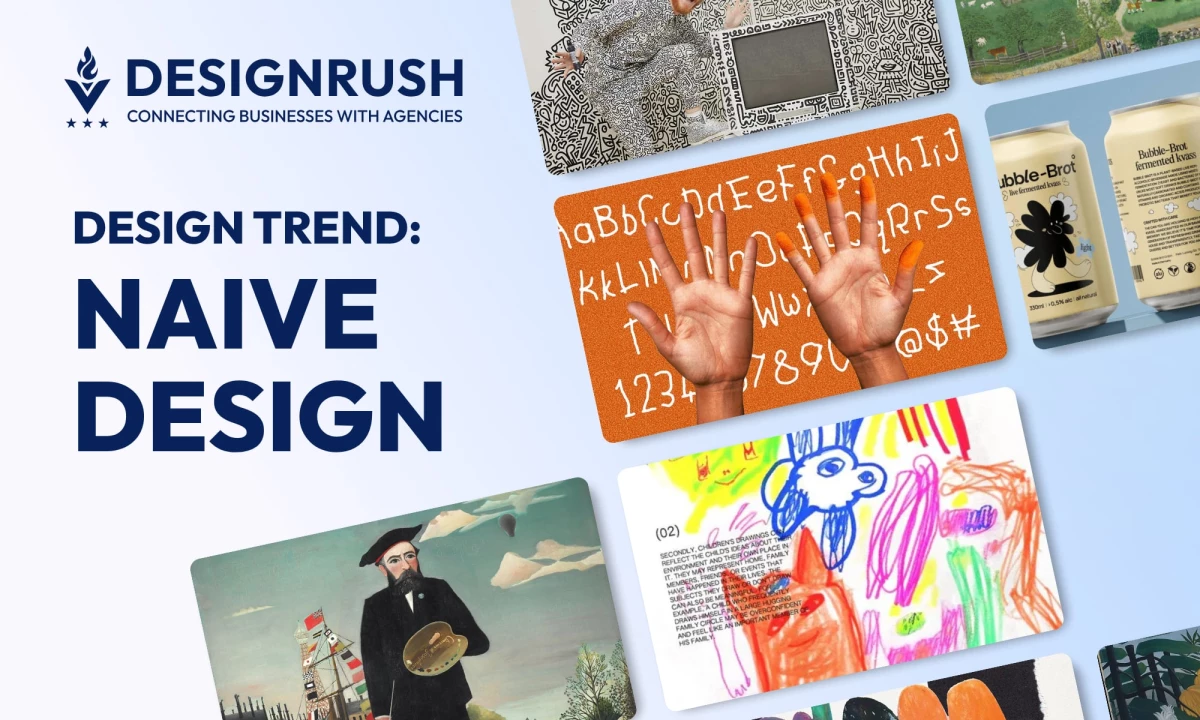
Naive design is a visual style built on deliberate imperfection. You see it in wobbly lines, uneven shapes, flat compositions, and bold, saturated colors. The work feels quick and unpolished, as if it came straight from instinct instead of a grid.
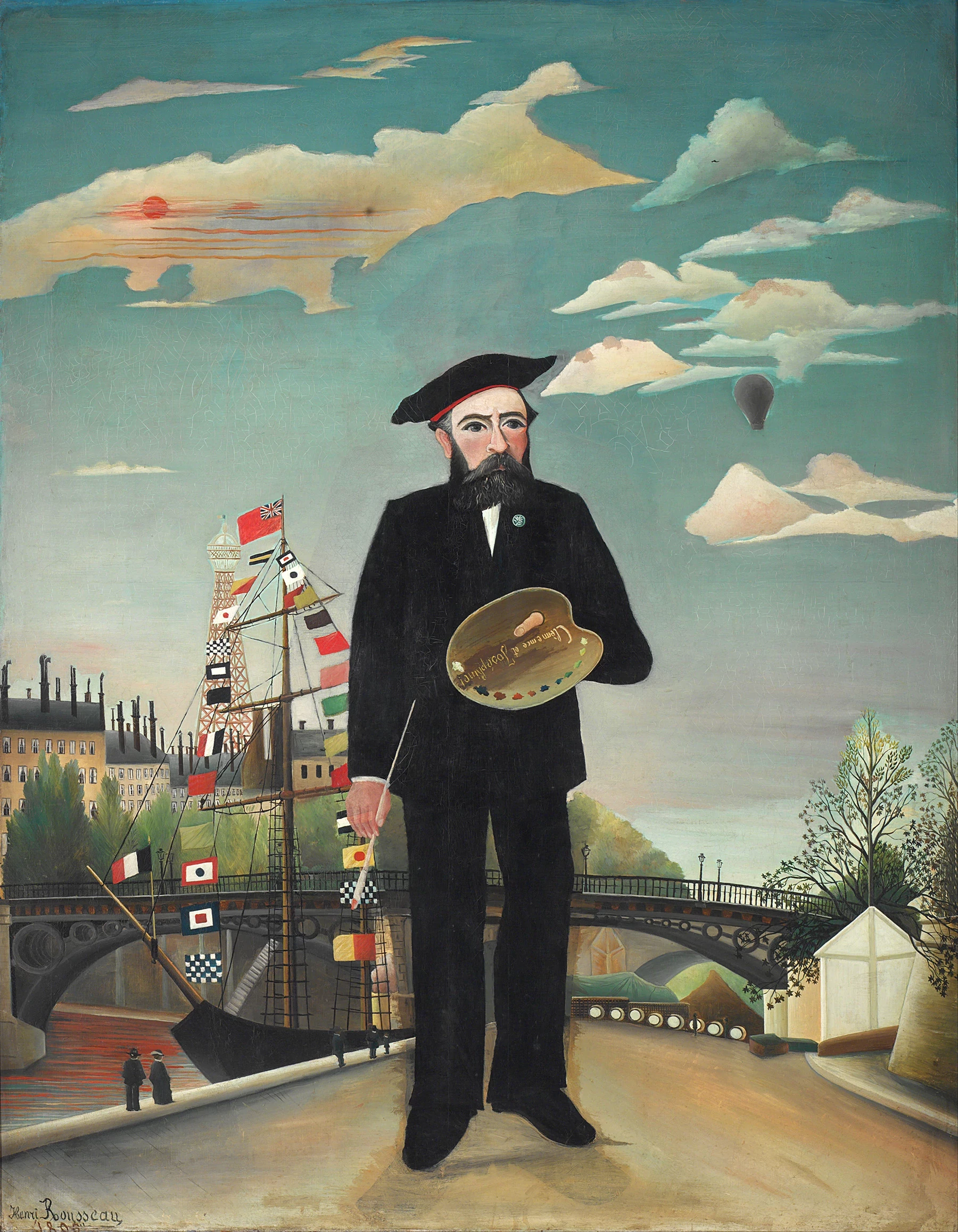
1890
Source: Art History Project
Its roots trace back to late 19th-century Naive Art, shaped by self-taught painters working outside formal systems. Henri Rousseau became the most recognized figure, known for dense jungle scenes with rigid, dreamlike forms.
Critics dismissed his work at first, then artists like Pablo Picasso and Guillaume Apollinaire saw something else and helped shift perception.
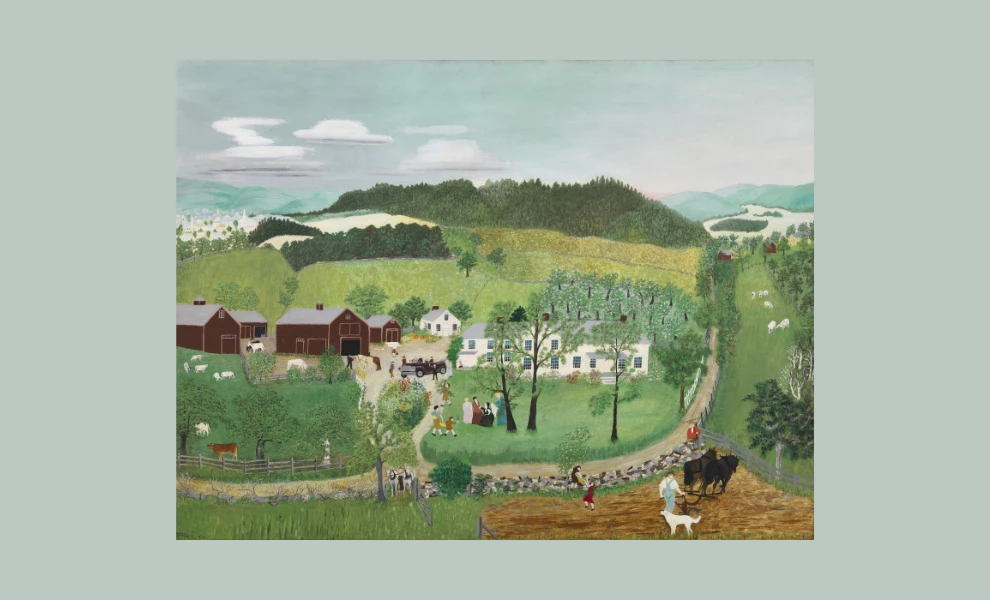
Source: Smithsonian
Grandma Moses followed a similar path, painting memory-driven landscapes with flat perspective and vivid color well into her later years.
I’ve seen this pattern hold across art history: the mainstream catches up to the outsider. Naive design has always worked by being unapologetically itself, and it is becoming more relevant than ever today.
In its contemporary design context, naive design translates those fine art roots into brand identity, packaging, fashion, web UI, and social content — adapted for a world where the act of being handmade carries its own form of prestige.
In a world where deepfakes and machine-made media grow more common every day, what once looked wrong started to feel freeing.
Core visual signatures of naive design include:
- Freehand, uneven lines
- Asymmetrical, off-grid compositions
- Bold, flat color palettes with no gradients or shadow logic
- Character-driven illustrations with warmth and quirk
- Textured surfaces that evoke paper, paint, or crayon
- Handwritten or loosely drawn typography
- Smiling faces and doodle-style figures
Imperfection used to be something designers apologized for; now it functions as proof of authorship. I see it every day on social media, product packaging, and even company branding.
Why Is "Naive Design" Trending?
The AI Fatigue Factor
Artificial intelligence (AI) can now generate flawless visuals in seconds. That capability, paradoxically, has made flawlessness feel cheap. When perfection is automated, imperfection becomes the differentiator. Hand-drawn marks signal authorship, something made by a person, not prompted into existence.
71% of organizations now use generative AI for content creation, and yet 52% of consumers reduce engagement when they suspect content is AI-generated — a tension that is only growing.
Meanwhile, over 15 billion AI images have been created since 2022, making visual uniqueness an increasingly scarce commodity, and experts predict a 560% rise in automated content by 2031. Our human desire for something real, and our hunger for visible human authorship will only intensify alongside AI's proliferation.
Brand Fatigue & the Minimalism Hangover
The past decade saw minimalism reign: grayscale palettes, geometric sans-serifs, whitespace as virtue. The aesthetic communicated trustworthiness and sophistication, but it also made everything look the same.
Scroll through any brand’s Instagram from 2019, and it becomes evident. The same off-white background, the same thin sans-serif, the same carefully nothing aesthetic. Consumers now scroll past sleek sameness without registering it. When every brand looks equally refined, none of them read as real.
Naive design's bold colors, quirky characters, and off-center layouts cut through the monotony precisely because they don't look like everything else.
As Adobe's "Creativity in the Age of AI" study found, 64% of designers say their creative work is directly influenced by social and cultural shifts, and over half are consciously seeking out more "human" visual elements to balance digital fatigue.
Cultural & Generational Shift
Gen Z grew up with doodle culture, sticker packs, lo-fi aesthetics, and the early internet's handmade charm — and naive design speaks that visual language fluently. As one design researcher puts it, for Gen Z, "nostalgia offers an alternative to constant optimisation, algorithmic feeds, and digital overload."
Beyond Gen Z, there's a broader cultural pull at play: the wish to return to creative expression untouched by performance metrics.
As Fortune reports, "nostalgia-driven design choices become comforts that help us cope" — and naive design delivers that comfort through every wobbly line and bold, flat color.
The "Handmade Digital" Moment
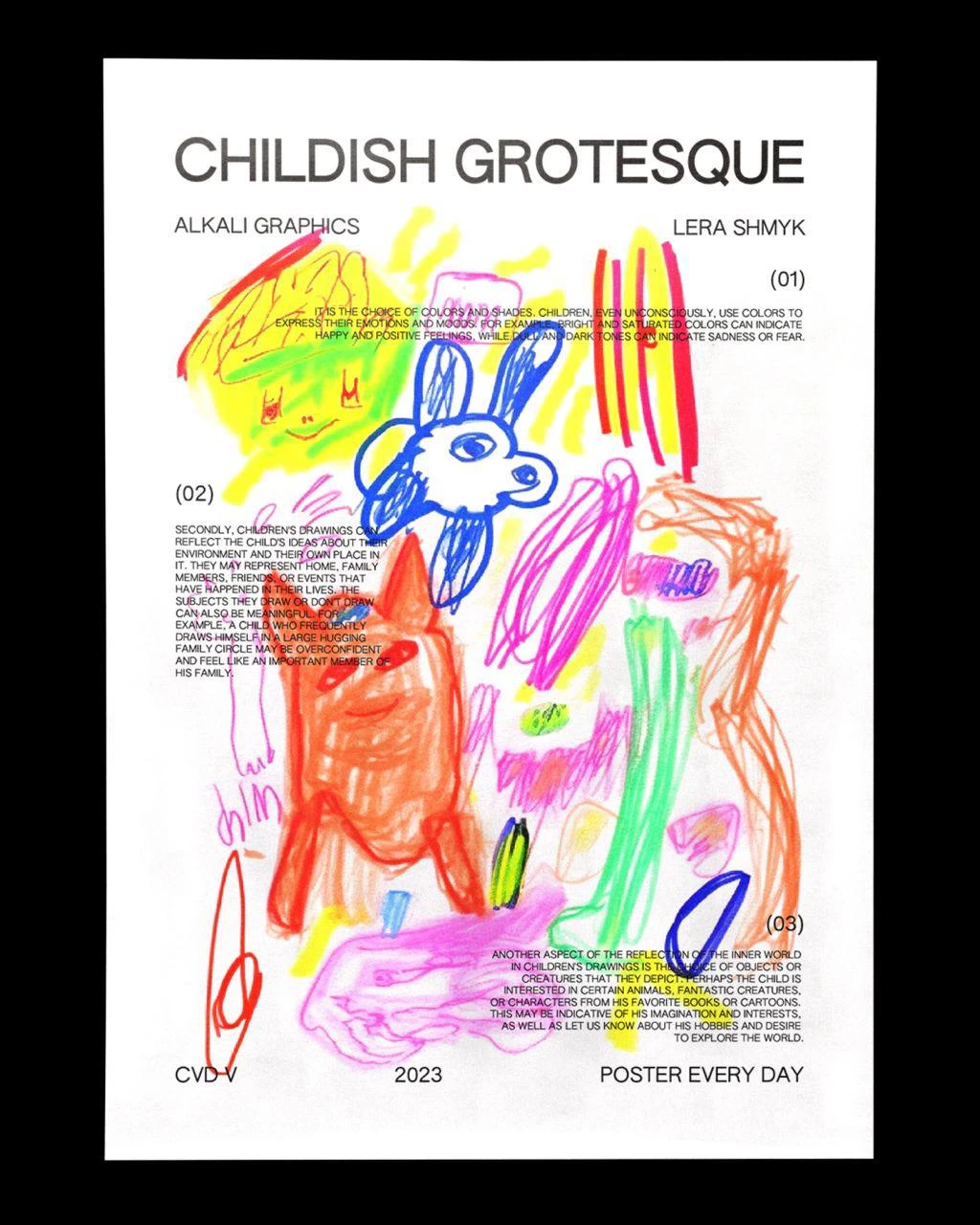
Source: Lera Shmyk
Trend forecasters have identified 2026 as the year of "handmade digital" aesthetics, a creative mode that blends digital tools with deliberately imperfect, human-feeling outputs.
Kittl's 2026 Design Trend Report points specifically to this shift, noting that "raw imperfection" is now sitting beside AI-assisted precision as designers reclaim emotion and humanity in their work.
Naive design sits at the center of this moment, giving brands and creators a way to signal warmth and authenticity without sacrificing the reach that digital platforms provide.
The interesting tension here is that naive design is actually very deliberate. Rousseau was precise in his imprecision. If you want to be one of the best practitioners of naive design today, I suggest understanding that, despite its haphazard nature, the art style is actually very intentional.
6 Real World Examples
1. Oatly
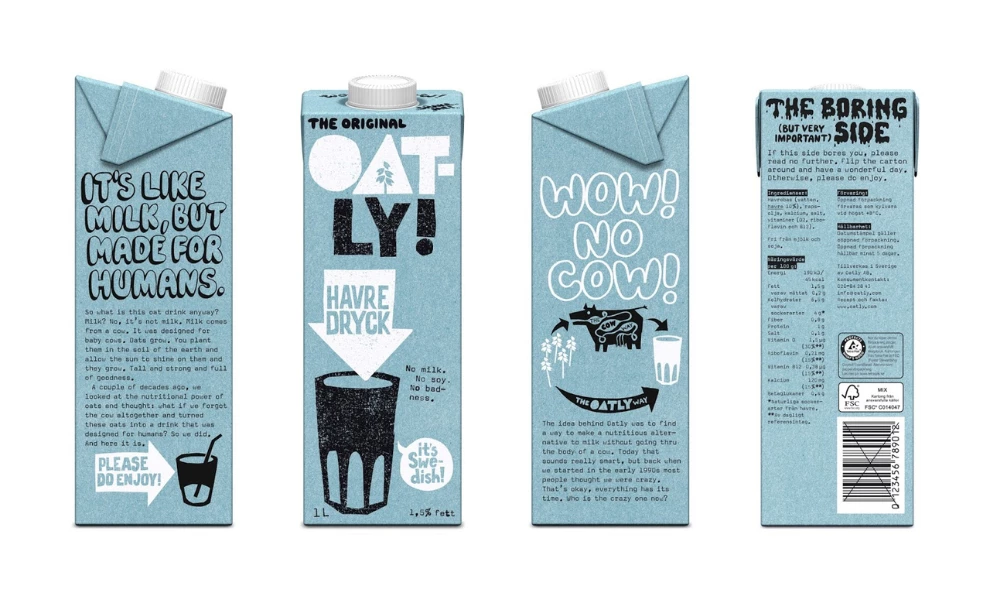 Oatly stands as the most famous example of this style. You see it in their wobbly, hand-drawn letters and the weird illustrations on their cartons. Instead of looking like a sterile food company, they look like a person with a pen went ham on the packaging.
Their branding works because it breaks the rules of professional design. You notice the uneven shapes and the conversational copy right away. This approach helps them connect with you on a human level.
While other milk brands use perfect photos of splashes and farms, Oatly uses doodles, which shows they’re a brand that values personality over polish.
2. Bubble Brot
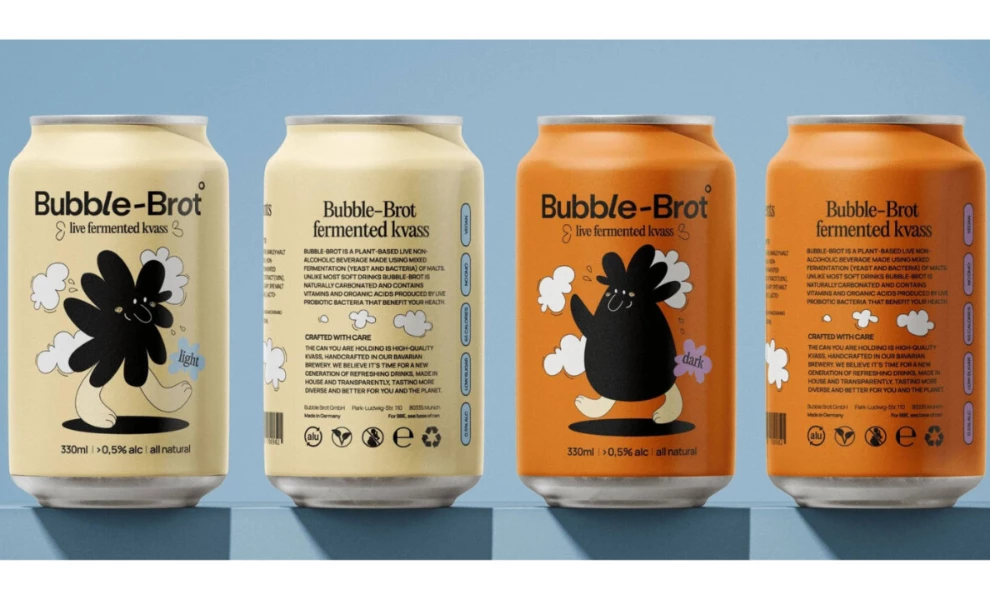 Bubble Brot reintroduces kvass, a traditional fermented drink made from malt, yeast, and beneficial bacteria, through a visual identity that feels current and easy to approach. The packaging leans into naive design with playful illustration, character-led graphics, and a looseness that signals something made by hand without feeling dated.
For a plant-based, non-alcoholic drink rooted in fermentation, that warmth carries real weight. It helps shift perception from “functional” to something you’d actually reach for. Where many beverage brands lean on clinical minimalism, Bubble Brot uses personality to stand apart.
3. Jazz in Palmeira Print Design
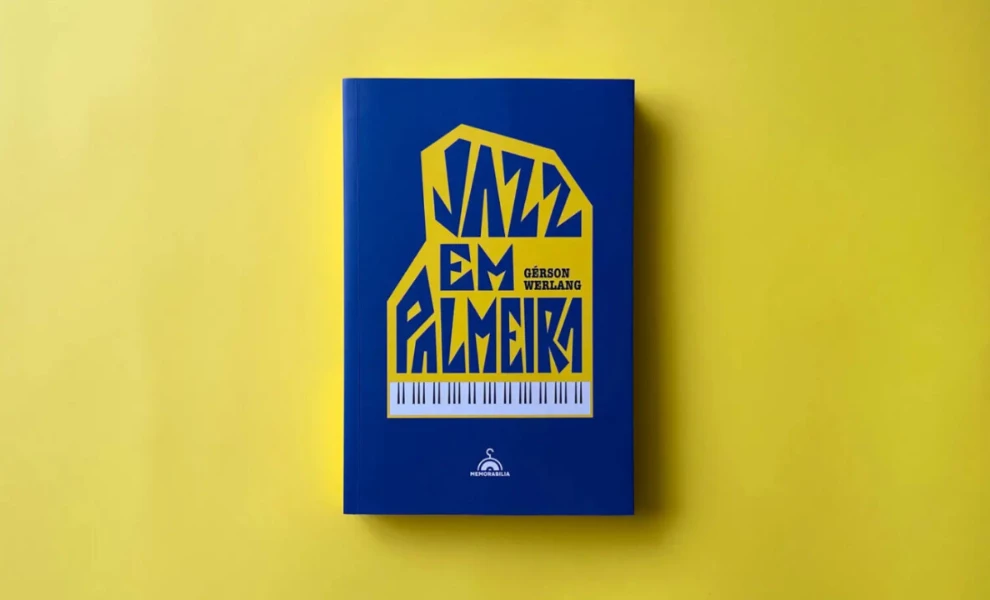 Jazz em Palmeira by Gérson Werlang follows a young musician returning home to pursue art within the quiet limits of the countryside. The visual system draws from classic jazz posters and Saul Bass, using bold type, sharp contrast, and pared-back compositions.
Hand-drawn elements and instrument-inspired forms bring rhythm into each piece, giving the cover a sense of movement and immediacy. Instead of relying on photography or rigid grids, the design leans into character and spontaneity, so it feels like the experience itself.
4. Mr. Doodle — Calder Contemporary
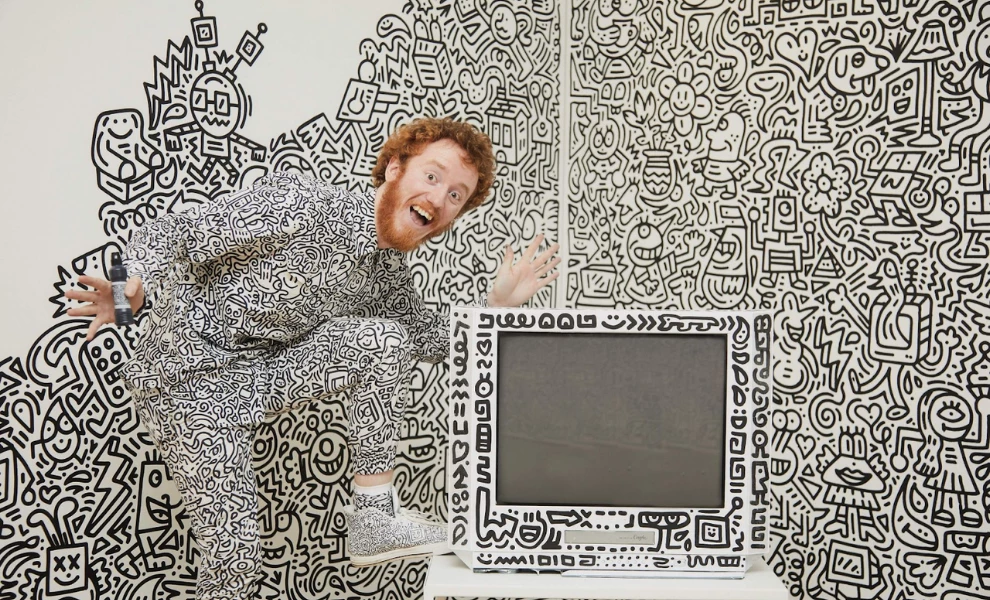 No conversation about naive design in 2026 feels complete without Sam Cox, known globally as Mr. Doodle. He built a career from obsessive drawing, turning dense, hand-drawn compositions into both fine art and commercial work.
His “graffiti spaghetti” style fills surfaces with black lines, cartoon figures, smiley faces, and looping forms that spread across canvases, clothing, and entire buildings. The work captures naive design in its most direct form, driven by instinct, repetition, and scale.
With millions of followers, high-value auction sales, and collaborations with Fendi, Puma, Samsung, and Converse, Mr. Doodle shows how a hand-drawn style can hold both cultural relevance and commercial value.
5. Acne Studios × Michael McGregor
Acne Studios’ recent collaboration with Michael McGregor brings a more hand-made quality into the brand’s visual direction. His illustrations feel expressive and character-led, with a clear sense of authorship that stands apart from polished, uniform campaigns.
The shift moves the brand toward work that feels personal and drawn by hand. It places emphasis on individuality and artistic input rather than controlled, repeatable visuals.
6. Cheetos Custom Font
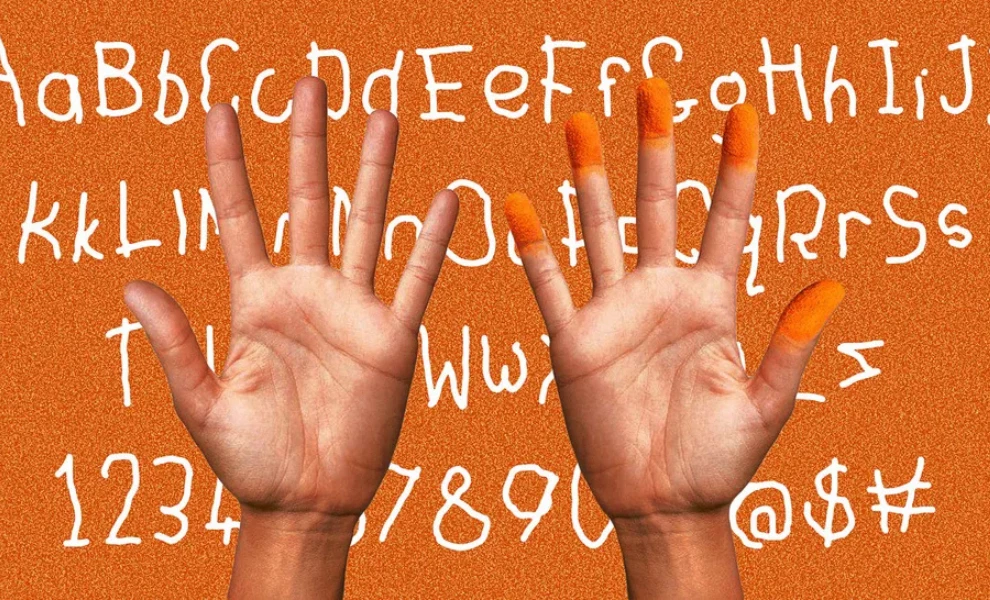 One of the clearest signs of naive design entering the mainstream came from Cheetos. Working with Goodby Silverstein & Partners, the brand created a typeface drawn entirely with designers’ non-dominant hands, a nod to fingers covered in orange Cheeto dust.
The result, “The Other Hand Font,” feels wobbly, uneven, and intentionally childlike. It was released as a free download and even as a Chrome extension that replaces standard web fonts.
As Creative Bloq noted, the type captures the messy, playful quality tied to the Cheetos experience.
Strategic Application
Naive design works best when your brand needs to communicate warmth, authenticity, creativity, or approachability. It's especially powerful for:
When to Use Naive Design
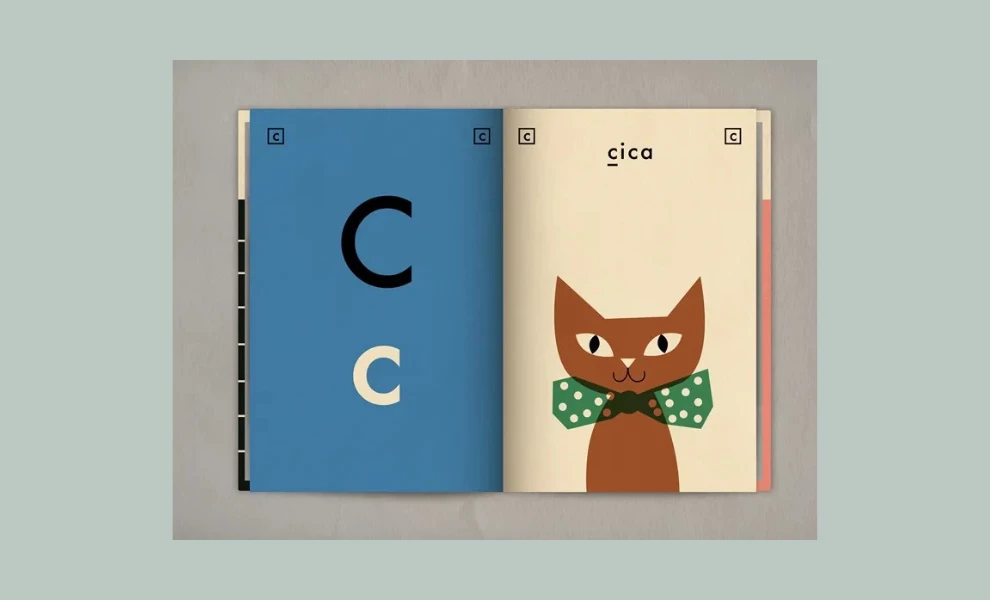
- Children's products and education — the aesthetic is instantly trusted by parents, teachers, and kids alike: toy packaging, children's books, educational games, and classroom materials all benefit.
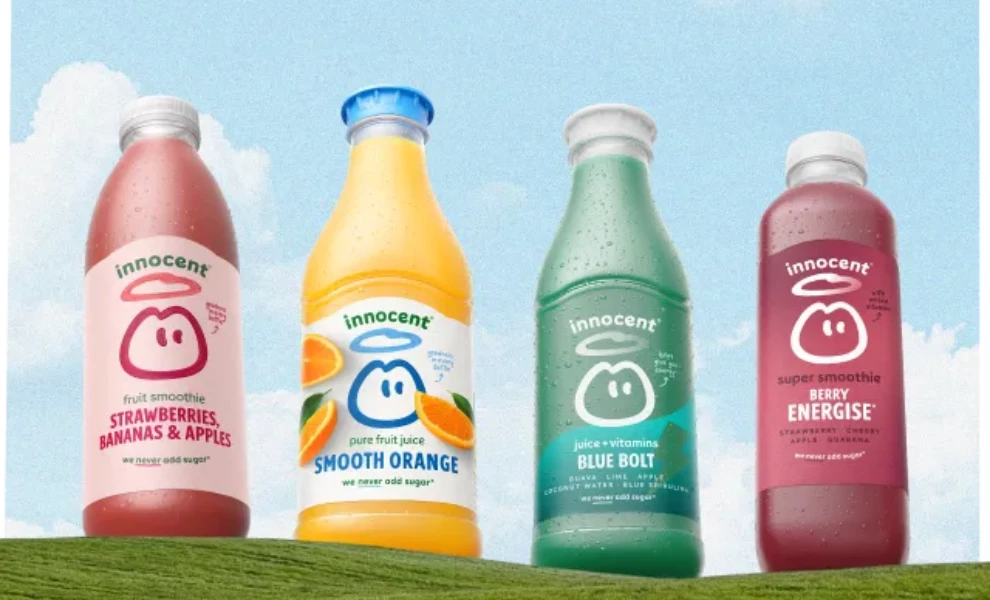
- Food and beverage — organic snack brands, artisanal coffee, indie bakeries, and food trucks use naive design to signal craft and care in a saturated market.
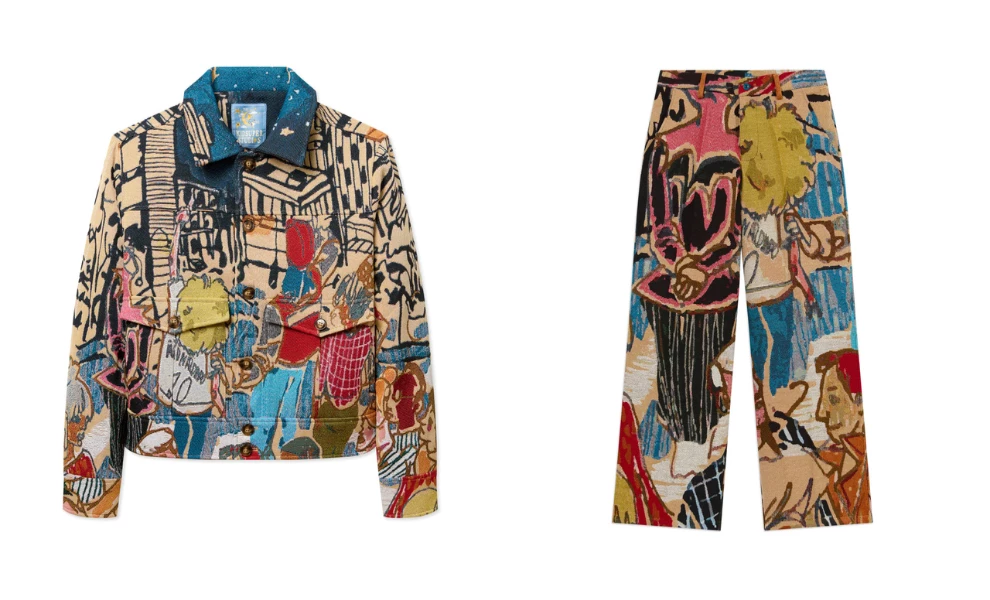
- Fashion and streetwear — especially for brands targeting younger audiences who value individuality in their t-shirt graphics, lookbooks, and pop-up installations.
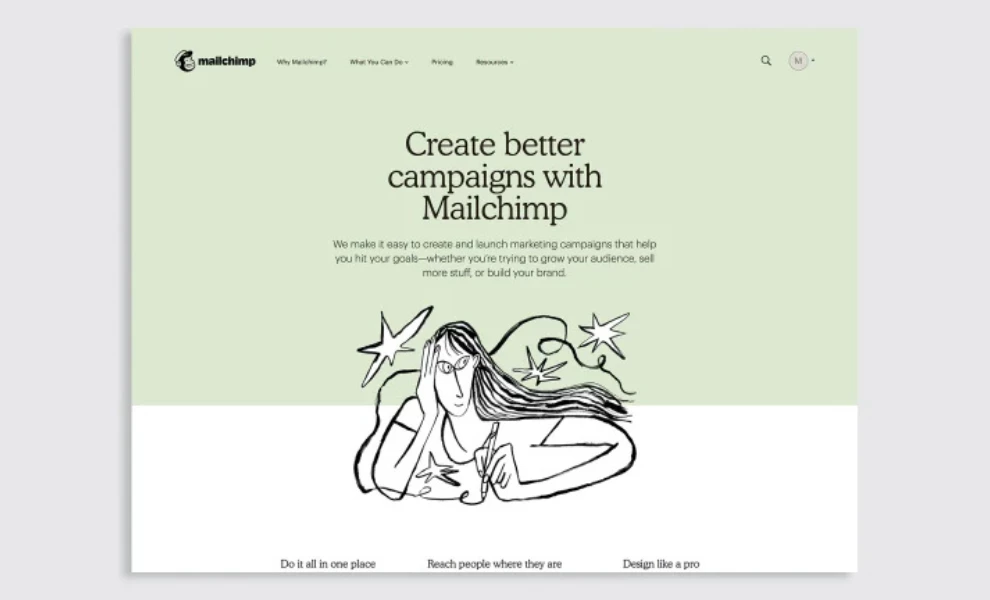
- Creative agencies and startups — pitch decks, agency branding, and landing pages that want to say "we think differently."
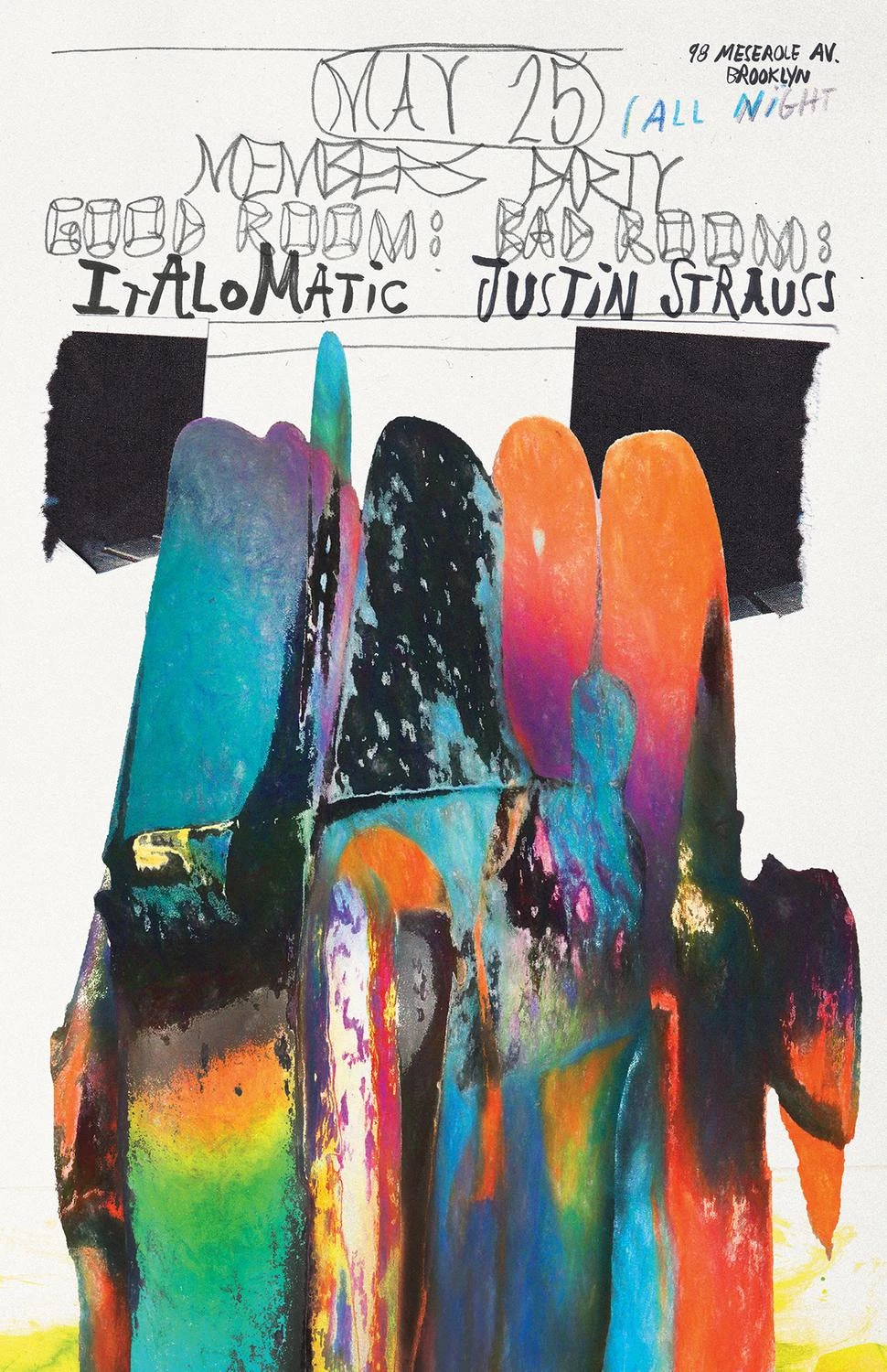
- Arts, events, and festivals — posters, invitations, and programs that reflect the dynamic, handmade energy of live experiences.
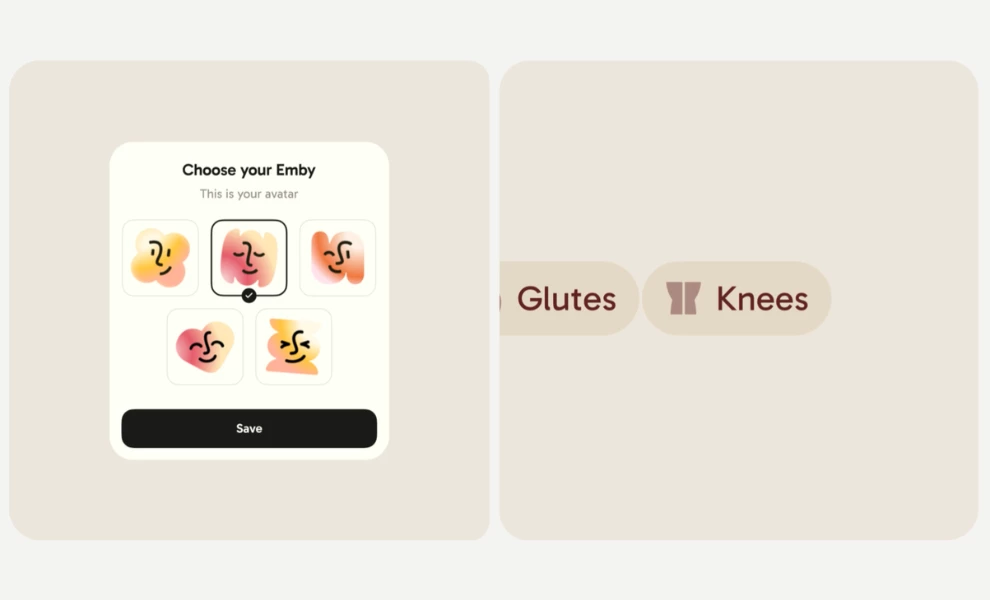
- Health and wellness — yoga studios, organic skincare, and wellness apps that want to soften clinical edges and feel more human.
When Not to Use Naive Design
Naive design is not appropriate for every brand or context:
- High-stakes financial and legal services — where clients need to feel confident and precise, not expressive.
- Enterprise B2B SaaS — where complexity and reliability are the primary brand signals.
- Luxury goods — where brand positioning on exclusivity is key (with notable exceptions like Chanel, which uses naive elements sparingly and in contrast to their dominant aesthetic).
- Healthcare brands — where patients and providers need clarity, not whimsy.
The core risk: naive design can read as unserious in contexts where credibility is the primary equity. Use it when personality is a feature, not when trust is the only thing that matters.
Expert Perspectives
"Naive Design is more than a trend. It's a comeback for human imperfection. It says: don't let polish kill personality." — Kittl Design Team, 2026 Trend Report
"When AI can generate flawless visuals in seconds, imperfection becomes a marker of effort, time, and labour. It signals authorship — something made by hand, not prompted into existence." — Taronish Batty, ELLE India
"It is also more than a trend, but a meaningful response to an increasingly digital, fabricated world." — Coraline Steiner, Designerly Magazine

Our team ranks agencies worldwide to help you find the right partner to bring cutting-edge design trends into your brand and campaigns. Visit our Agency Directory for the Top Graphic Design Agencies as well as:
- Branding & Identity Design
- Web Design & Development