
Artificial intelligence (AI) has shifted from a disruptive technology to a global economic engine, with 2026 marking a watershed moment.
From cloud titans and chipmakers to enterprise AI platforms, AI companies are shaping the trajectory of global business and productivity.
Top AI Companies: Key Findings
- NVIDIA dominates over 80% of the AI compute market with $4.5T in market cap, making it the critical infrastructure provider for training generative AI models.
- Microsoft generates over $42B from AI-driven services via Azure, leveraging its $13B OpenAI partnership to embed GPT models across enterprise products.
- Palantir and CrowdStrike lead in enterprise-grade AI with Palantir’s real-time decision platforms for defense and CrowdStrike’s AI-powered cybersecurity valued at $115B.
- AWS empowers thousands of businesses to build with AI. With over $280B in revenue, Amazon’s AI strategy scales across industries and client sizes.
Who’s Leading the Charge in a Trillion-Dollar Race?
PwC estimates that AI could contribute $15.7 trillion to the global economy by 2030, surpassing the combined output of China and India.
So, who are the major players shaping this future?
Below, we break down the Top 20 AI Companies to Watch in 2026, from trillion-dollar giants to next-gen unicorns.
Company | HQ | Founded | Core Business | Latest Annual Revenue / Funding | Market Cap |
Santa Clara, USA | 1993 | AI chips / GPUs, Datacenter AI HW | |||
Redmond, USA | 1975 | Cloud & AI platform, Consumer Apps | |||
Cupertino, USA | 1976 | Consumer electronics, Services | |||
Seattle, USA | 1994 | eCommerce, Cloud (AWS) | $2.56 T | ||
Mountain View, USA | 1998 | Search, Cloud (GCP), AI R&D | $3.98 T | ||
Menlo Park, USA | 2004 | Social media, VR, AI research | $1.67 T | ||
Denver, USA | 2003 | Data analytics / AI software for enterprise | $408.5 B | ||
Austin, USA | 2011 | AI-driven cybersecurity platforms | $115 B | ||
Redwood City, USA | 2009 | Enterprise AI software (SaaS) | $1.85 B | ||
New York, USA | 2005 | Automation/RPA with AI capabilities | $8.20 B | ||
San Francisco, USA | 2015 | AI research/language models (ChatGPT) | |||
San Francisco, USA | 2021 | AI research (Claude models) | $61.5 B (private) | ||
San Francisco, USA | 2013 | Data analytics & AI platform (ML) | $62 B (private) | ||
Toronto, Canada | 2019 | Custom generative AI models (NLP) | $5.5 B (private) | ||
Austin, USA | 2023 | AI research (Musk’s startup) | $80 B (private) | ||
Armonk, USA | 1911 | Enterprise software and services (Watson) | $273.6 B | ||
Santa Clara, USA | 1968 | Semiconductors (AI chips) | $227.35 B | ||
Irvine, USA | 1961 | Semiconductors (network/comm chips) | $1.52 T | ||
Hsinchu, Taiwan | 1987 | Semiconductor foundry (AI chips) | $1.45 T | ||
Austin, USA | 2003 | Electric vehicles (self-driving AI) | $1.49 T |
1. NVIDIA: The AI Power Driving the GPU Revolution
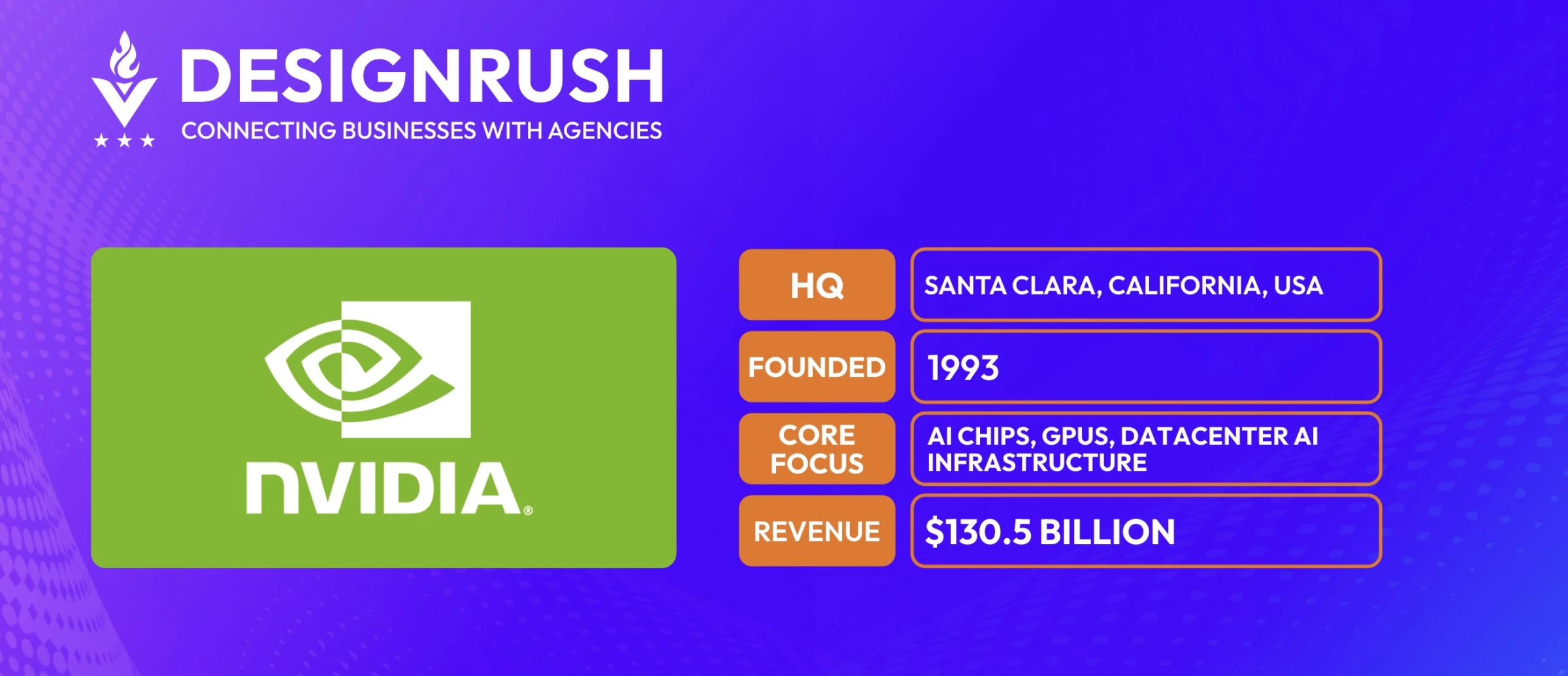
NVIDIA stands as the foundational layer of the AI boom. In Q1 FY2026, over 40% of its revenue stemmed from AI chip sales alone, primarily the high-performance H100 and upcoming Blackwell architecture.
It dominates the AI compute market with more than 80% share in accelerators used to train and run large language models and generative AI systems.
Its strategic investments in AI-specific supercomputers, partnerships with every major hyperscaler, and early leadership in AI robotics and edge computing make it arguably the most influential AI company of this decade.
2. Microsoft: The Enterprise AI Force Behind Copilot and OpenAI
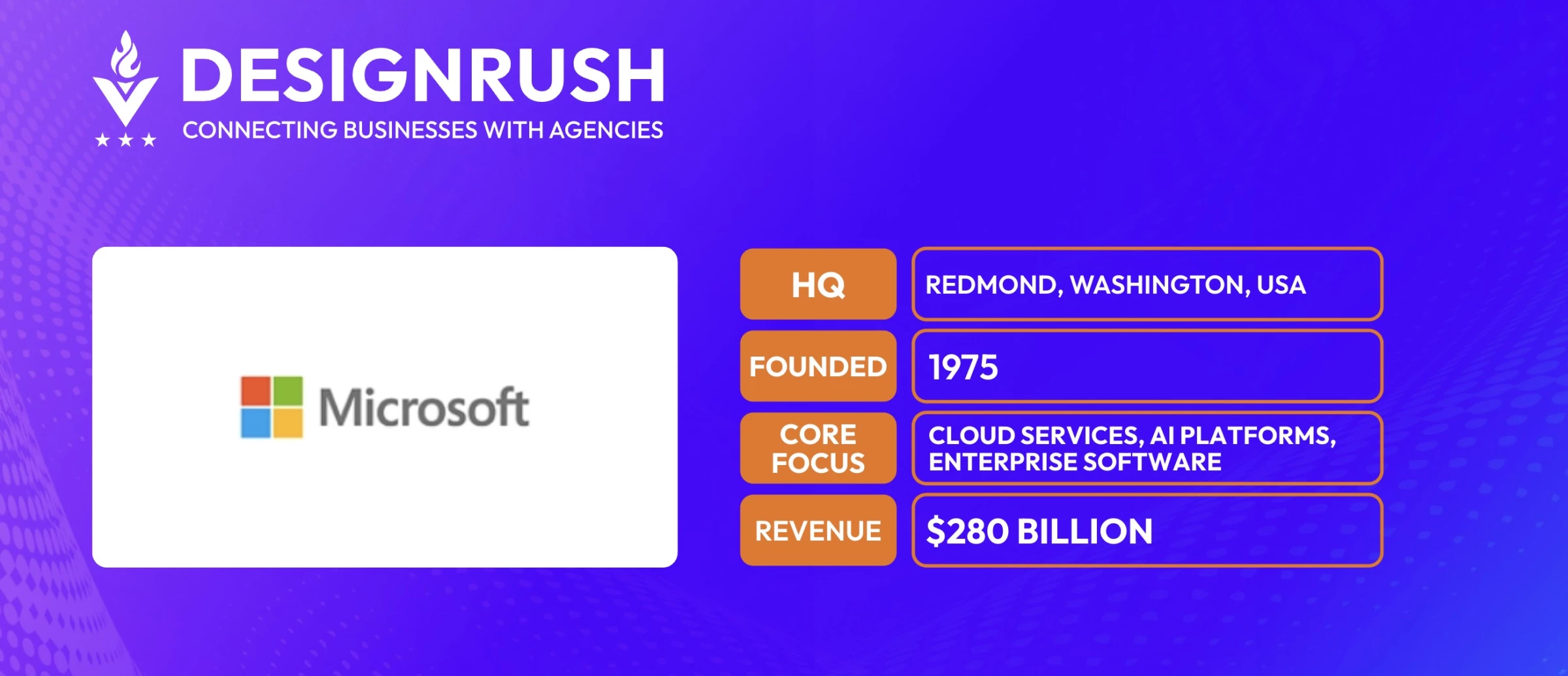
Microsoft has transitioned from an enterprise software titan to a frontrunner in AI-as-a-Service.
Its Azure AI platform is the commercial engine behind this transformation, with AI-driven revenue estimated at $42+ billion, and growing fast.
This is largely thanks to its $13 billion investment in OpenAI, which not only granted early access to foundational models like GPT-4, but also tightly integrated these models across Microsoft’s stack.
With unmatched enterprise reach, deep partnerships, and a vertically integrated AI platform, Microsoft is uniquely positioned to lead the commercialization of AI across industries: from healthcare and finance to education and cybersecurity.
3. Apple: The Silent AI Giant Turning Devices Into Smart Assistants
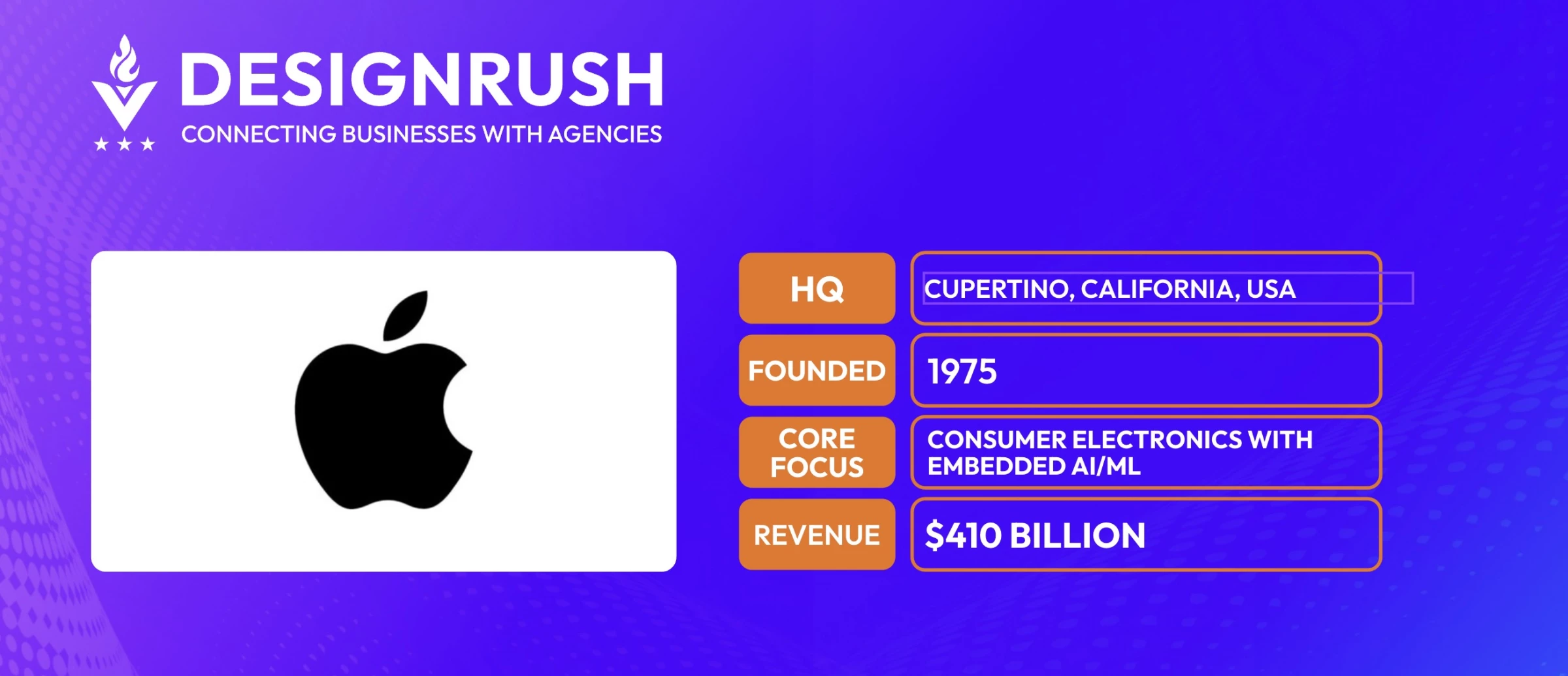
Apple may not be front-and-center in the AI race like Microsoft or NVIDIA, but it’s executing a “quiet AI strategy” that prioritizes privacy, on-device performance, and user experience.
While it has taken a more measured approach to large language models, Apple is integrating AI deeply and seamlessly across its product ecosystem.
With the announcement of Apple Intelligence in 2025, Apple introduced a new wave of generative AI features tailored for iOS, macOS, and iPadOS. These include system-wide text summarization, smart notification filtering, personalized writing suggestions, and even deeper Siri capabilities.
Moreover, Apple’s partnership with OpenAI to integrate ChatGPT into Siri and its rumored investment in AI semiconductor R&D suggests a long-term shift: Apple is building the foundation for custom AI inference at scale.
4. Amazon: From Alexa to Warehouse Robots
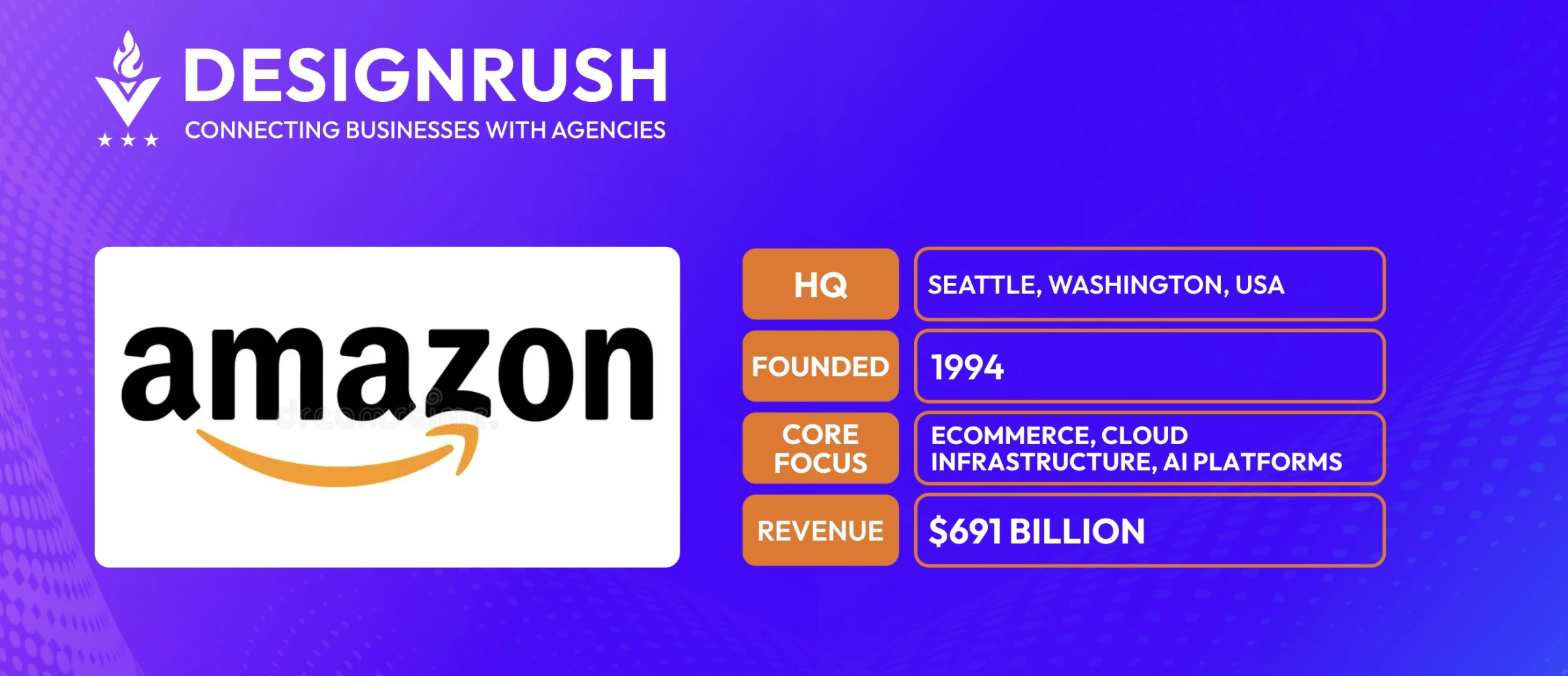
Amazon’s AI leadership is centered around Amazon Web Services (AWS), which remains a dominant force in enterprise infrastructure and scalable AI solutions.
With the release of Amazon Bedrock, Trainium chips, and Titan foundation models, AWS has reinforced its position as a top-tier provider of AI-as-a-Service, serving startups to Fortune 100 clients alike.
Unlike OpenAI or Anthropic, Amazon doesn’t focus on consumer-facing AI models — it empowers others to build with them. This abstraction layer positions Amazon as the “developer’s backbone” in the AI economy.
Internally, Amazon leverages generative AI for code generation (CodeWhisperer), customer service automation, and supply chain forecasting. Meanwhile, Alexa is being retooled to be more conversational and personalized, incorporating LLMs to rival other virtual assistants like Siri and Google Assistant.
5. Alphabet (Google): Search, Cloud, and the DeepMind Brain Trust
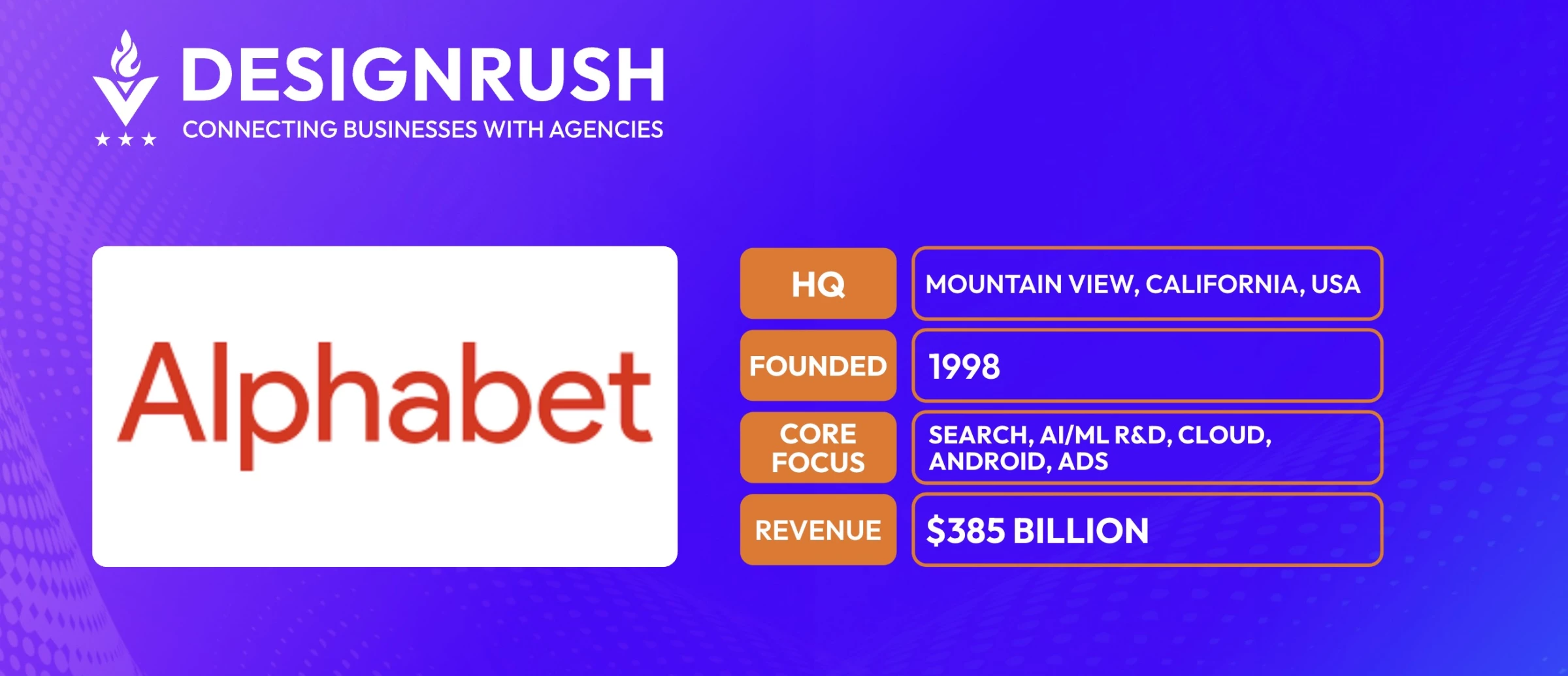
Alphabet’s AI strategy is arguably the most vertically integrated and research-forward in the industry, combining deep foundational innovation with practical consumer and enterprise tools.
From DeepMind’s scientific breakthroughs to Gemini's multimodal capabilities, Google is building a full-stack AI empire.
Meanwhile, DeepMind, Alphabet’s AI R&D division, continues to break scientific ground — AlphaFold's protein folding revolution now powers drug discovery pipelines, and newer models like AlphaGeometry are extending AI into symbolic reasoning and STEM problem-solving.
Over 80% of Alphabet’s revenue still comes from advertising, and AI ensures its dominance remains entrenched by making ads more performant and measurable.
6. Meta Platforms: Building the AI Behind the Metaverse and Beyond
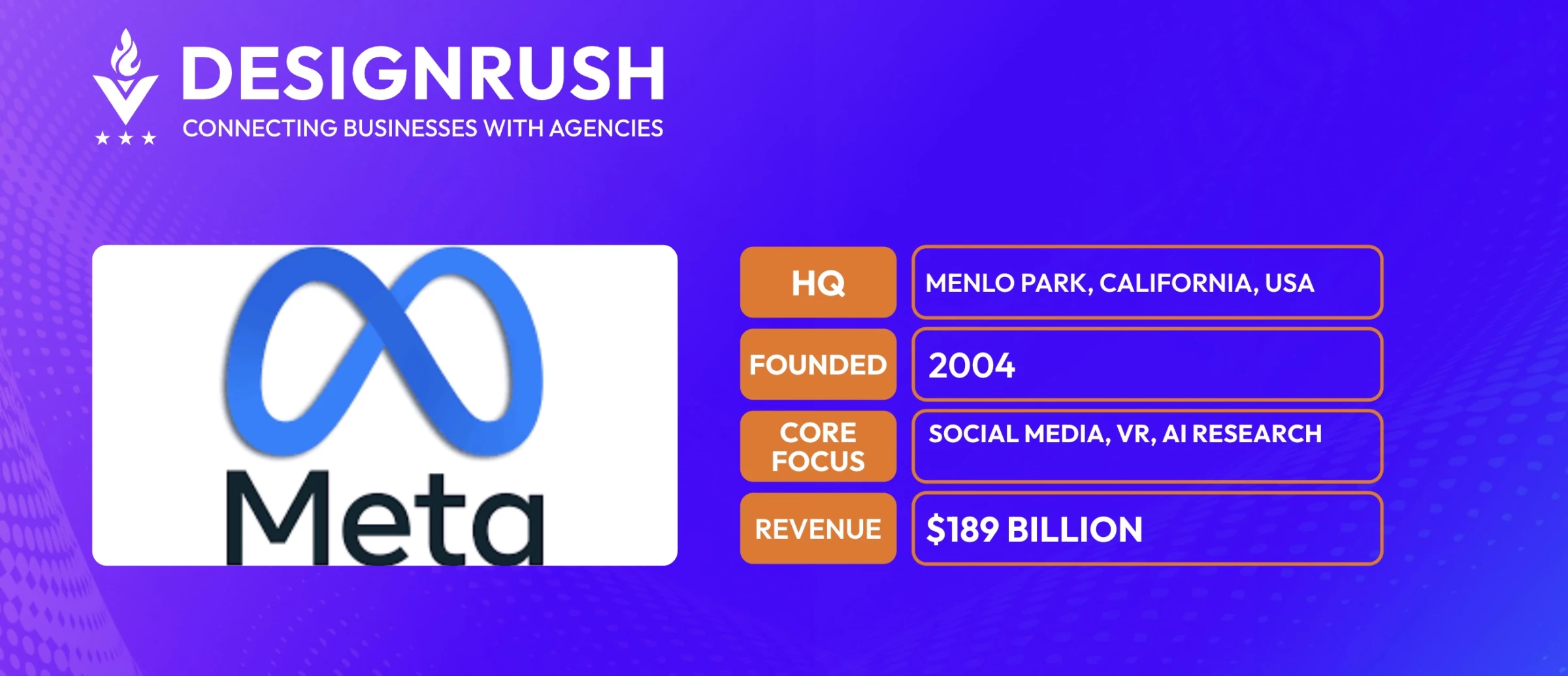
Meta is betting big on the future of AI, both behind the scenes and in your feed.
Its in-house LLaMA models (now in their third iteration) are powering everything from smarter content recommendations on Facebook and Instagram to AI chatbots and assistants across its apps.
With open-source AI models, Meta is positioning itself as a counterweight to closed platforms like OpenAI, while embedding AI tools directly into its massive social ecosystem. Think: personalized feeds, AI image generation, and even virtual companions in Messenger.
All in all, Meta’s AI playbook blends research, reach, and real-world application, quietly shaping how billions experience content, communicate, and interact online.
7. Palantir: Defense-Grade AI for Governments and Enterprises
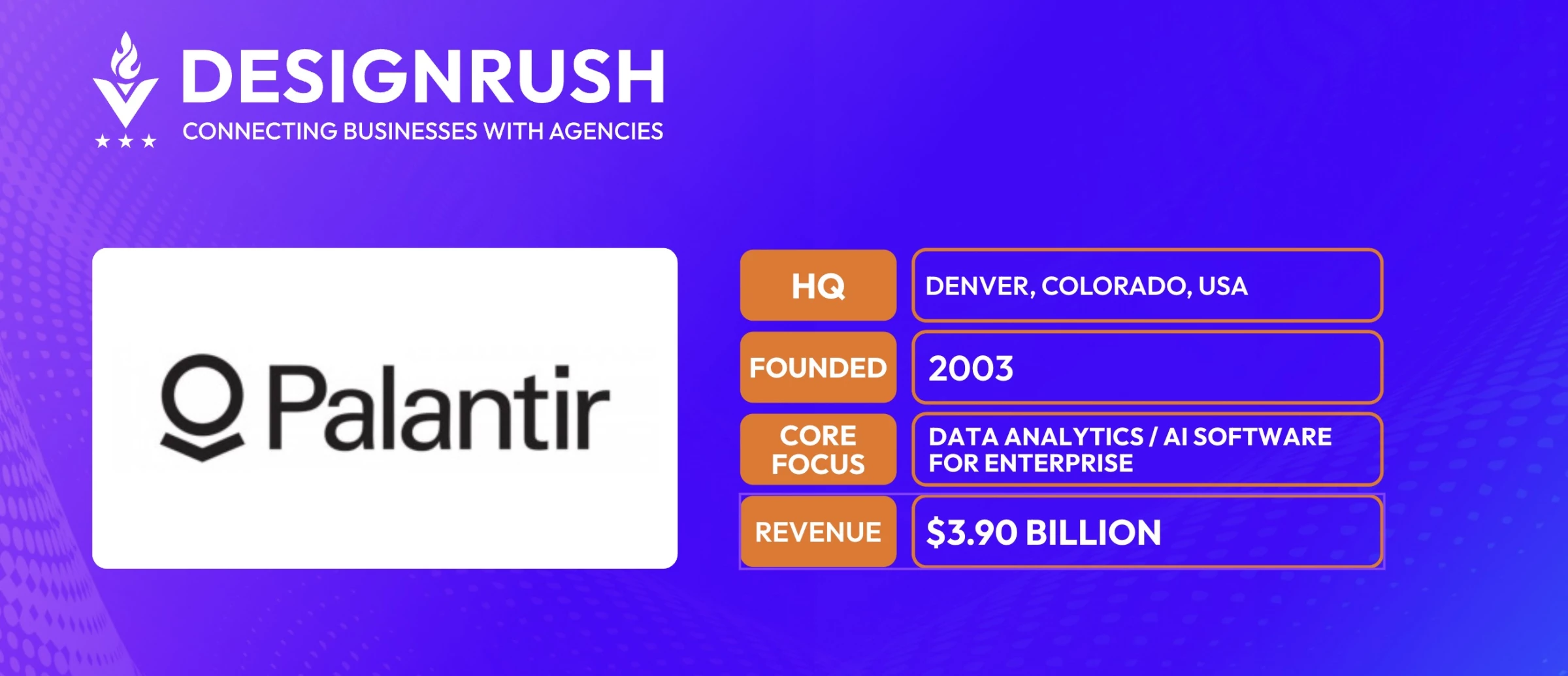
Palantir isn’t chasing consumer-facing AI — it’s busy powering the backend of governments, militaries, and major corporations.
With platforms like Foundry, Gotham, and now AIP (Artificial Intelligence Platform), Palantir helps clients make fast, data-driven decisions, whether it's battlefield intelligence or streamlining logistics for global enterprises.
What makes Palantir stand out? It specializes in mission-critical AI: less about chatbots and more about fusing real-time data into actionable insights for industries that can’t afford to get it wrong.
In short: it’s AI with boots on the ground.
8. CrowdStrike: Cybersecurity AI on the Frontlines
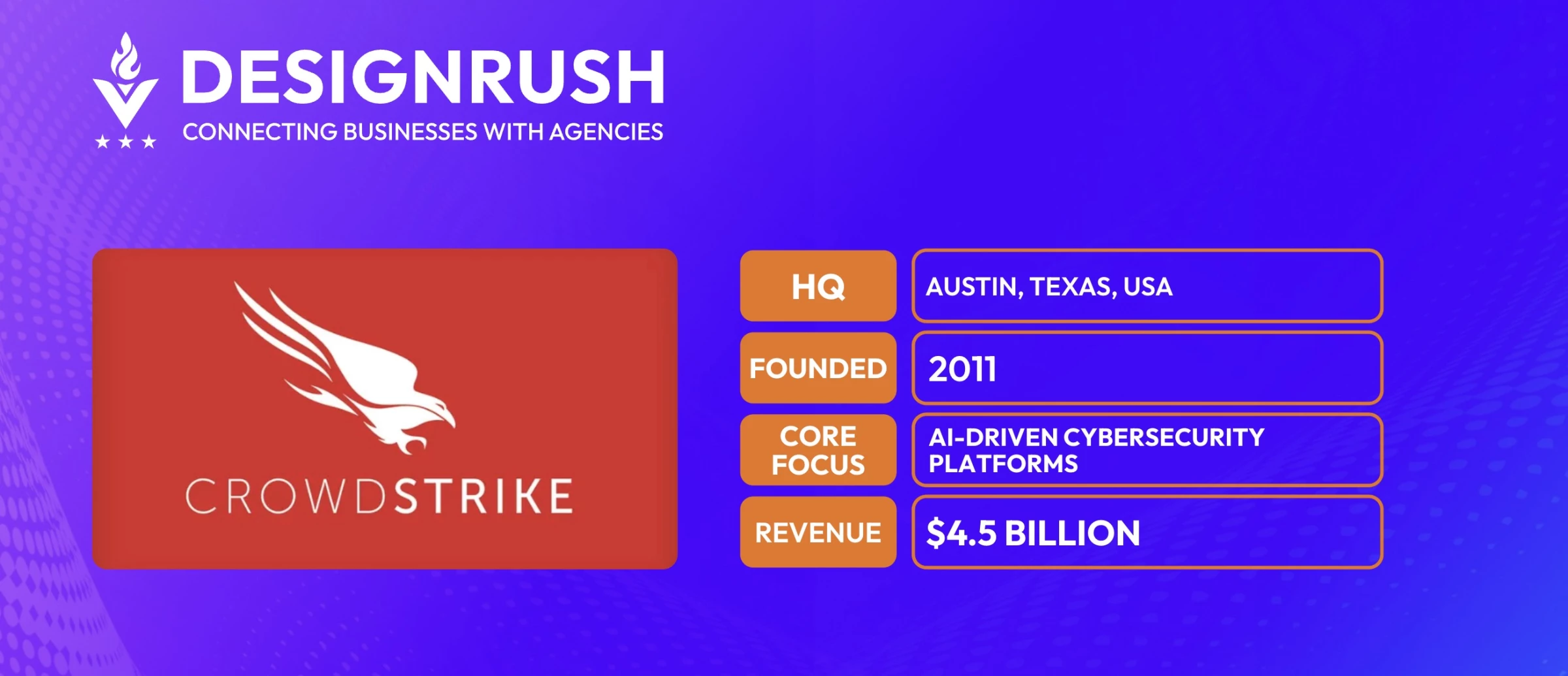
CrowdStrike is one of the few companies that makes AI feel like a superhero cape for cybersecurity teams. Its Falcon platform uses machine learning and behavioral analytics to detect and neutralize threats before they even strike — no exaggeration.
What sets CrowdStrike apart is its cloud-native architecture combined with real-time threat intelligence. It’s redefining what next-gen security looks like for enterprises across finance, healthcare, government, and beyond.
In short: AI that doesn’t just detect threats. It hunts them.
9. C3.ai: Industrial-Strength AI for Mission-Critical Enterprises
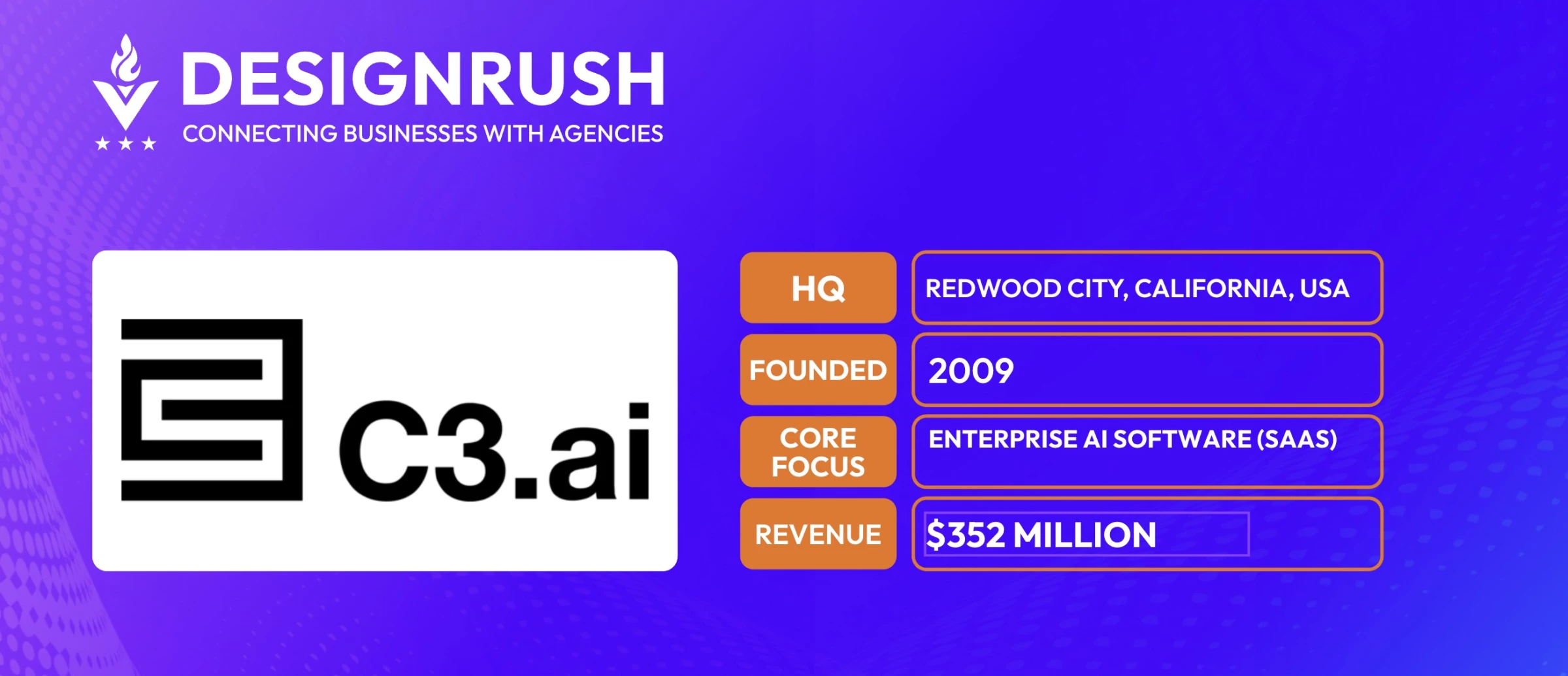
C3.ai was one of the first movers in enterprise AI-as-a-Service, helping big businesses deploy AI solutions for everything from supply chain optimization to predictive maintenance.
But the room’s gotten crowded. As tech giants muscle into the same space and investors ask tougher questions, C3.ai’s early lead is now being tested.
Still, with its modular, model-driven architecture and a client roster that includes energy, defense, and industrial giants, C3.ai isn’t backing down. It’s betting big on AI standardization for the enterprise — offering prebuilt apps that aim to make AI integration less painful and more plug-and-play.
But the real question for C3.ai is whether it can keep owning that narrative as competition heats up.
10. UiPath: Automating the Future, One AI Bot at a Time
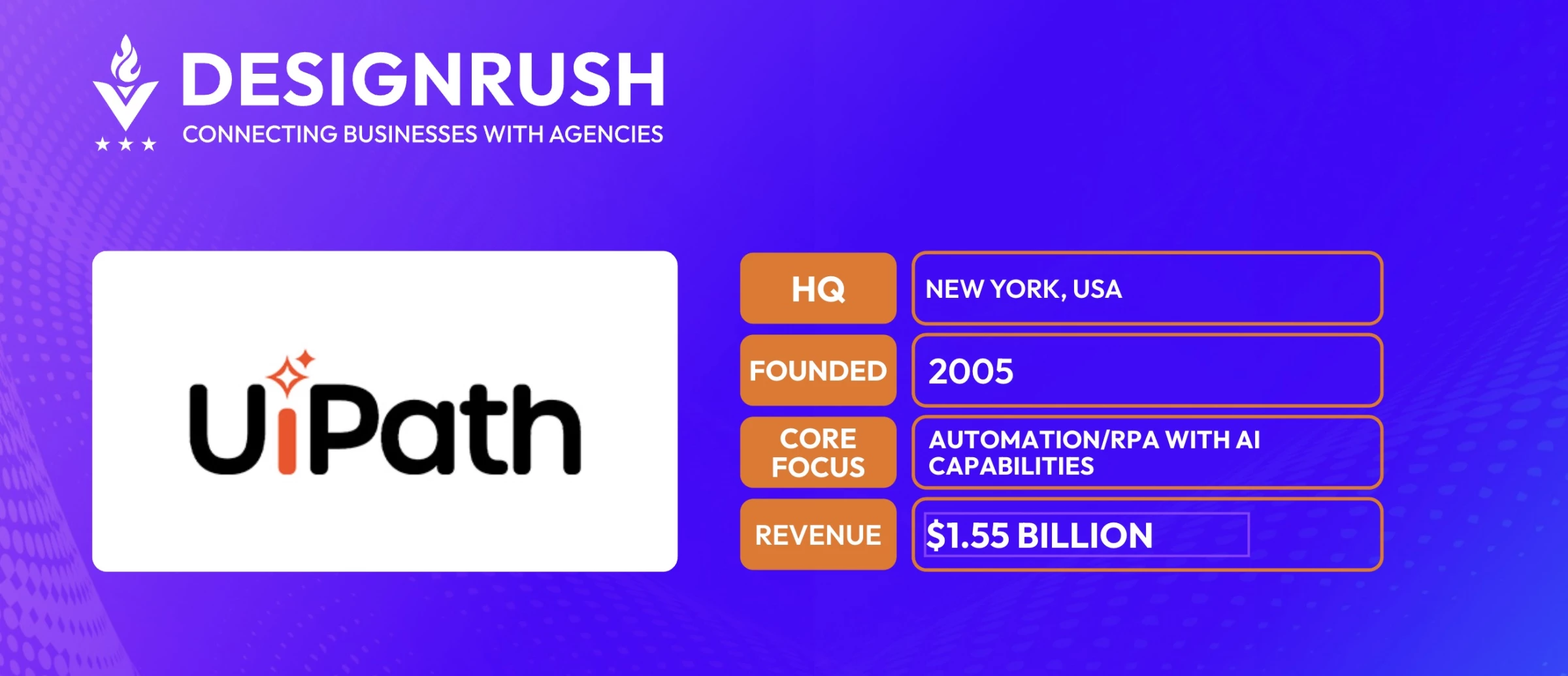
UiPath made its name automating the boring stuff: repetitive back-office tasks that eat up time and resources. But now, it’s upping the game.
By weaving generative AI into its automation flows, UiPath is turning simple bots into smarter digital co-workers — ones that can summarize documents, understand natural language, and adapt on the fly.
It’s not just RPA anymore; it’s RPA with brains.
The company’s platform is now being used across finance, healthcare, and government to streamline operations, cut costs, and boost productivity — while keeping humans focused on higher-value work.
11. OpenAI: The Flagbearer of General-Purpose AI Innovation
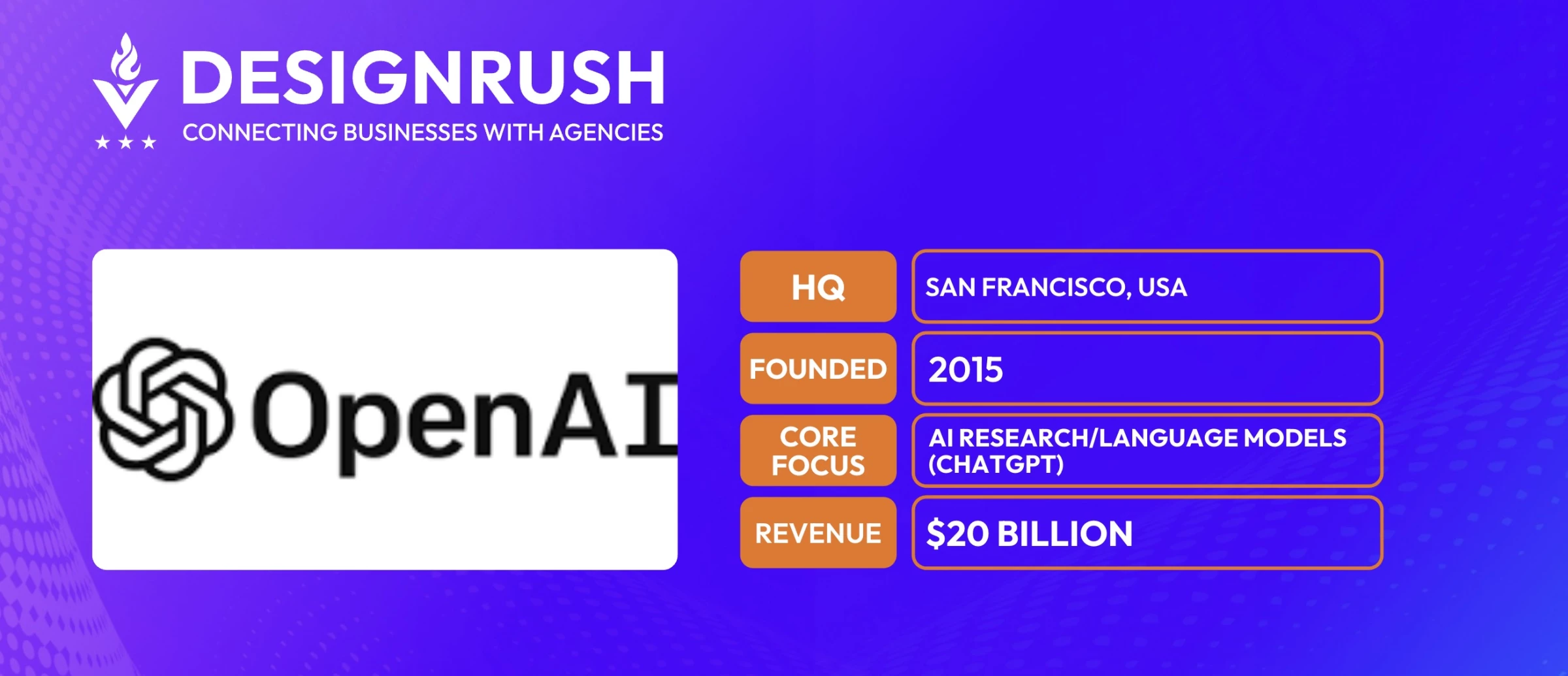
OpenAI has become synonymous with generative AI, and for good reason. With products like ChatGPT, GPT-4, and now Sora (its video model), it’s setting the pace for what’s possible in language and multimodal AI.
Its sky-high $300B valuation is underpinned by deep integration with Microsoft’s Azure, which powers much of OpenAI’s enterprise-scale computing.
And with ChatGPT reaching consumers and businesses alike, it’s not just building models; it’s building mainstream products.
12. Anthropic: AI With a Safety-First Ethos

A rising heavyweight in the AI space, Anthropic is best known for its Claude model series, with Claude 3.7 taking center stage in 2025. Unlike some rivals, Anthropic leans hard into AI alignment and safety, carving out a niche among enterprises and policymakers.
Its backers include Amazon and Zoom, giving it both cloud firepower and business ecosystem support.
The vibe? Deliberate, safety-first AI at scale, but with the speed and agility of a startup.
As David Barlev, CEO and Co-Founder of Goji Labs, puts it, “That agility lets them innovate quicker and outpace slower-moving enterprises. Big orgs don’t need to be startups — but they should steal a few pages from the playbook: test early, move fast, and let small teams experiment.”
13. Databricks: Where AI Meets Big Data
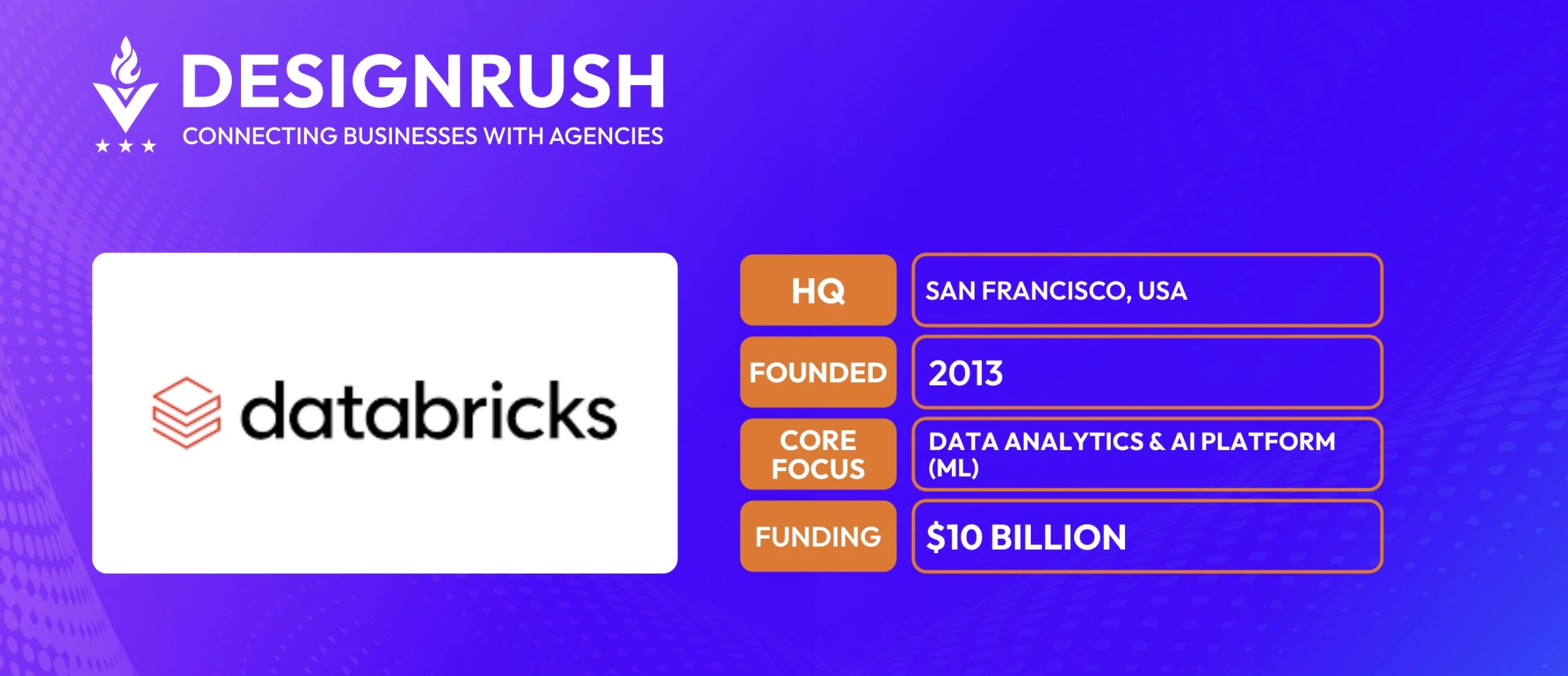
Databricks is the AI + data engine humming quietly (but powerfully) behind many enterprise workflows. With a $3B+ revenue run-rate and a polished IPO narrative, it’s where data meets large-scale machine learning.
Its lakehouse architecture and AI tooling make it a go-to for Fortune 500s building intelligent, data-driven products.
If OpenAI and Anthropic are the flash, Databricks is the infrastructure backbone.
IPO watch: Very much on.
14. Cohere: Enterprise-Ready Large Language Models for the Real World

Cohere is carving out a niche as the enterprise-friendly rival to ChatGPT, offering customizable LLMs without locking companies into one ecosystem.
Backed by major names and trusted by Oracle, Notion, and others, it’s becoming the go-to choice for companies that want more control over their AI stack.
Not the loudest in the room, but definitely one of the sharpest.
15. xAI (TruthGPT): Elon Musk’s Vision of a Maximally Truthful AI
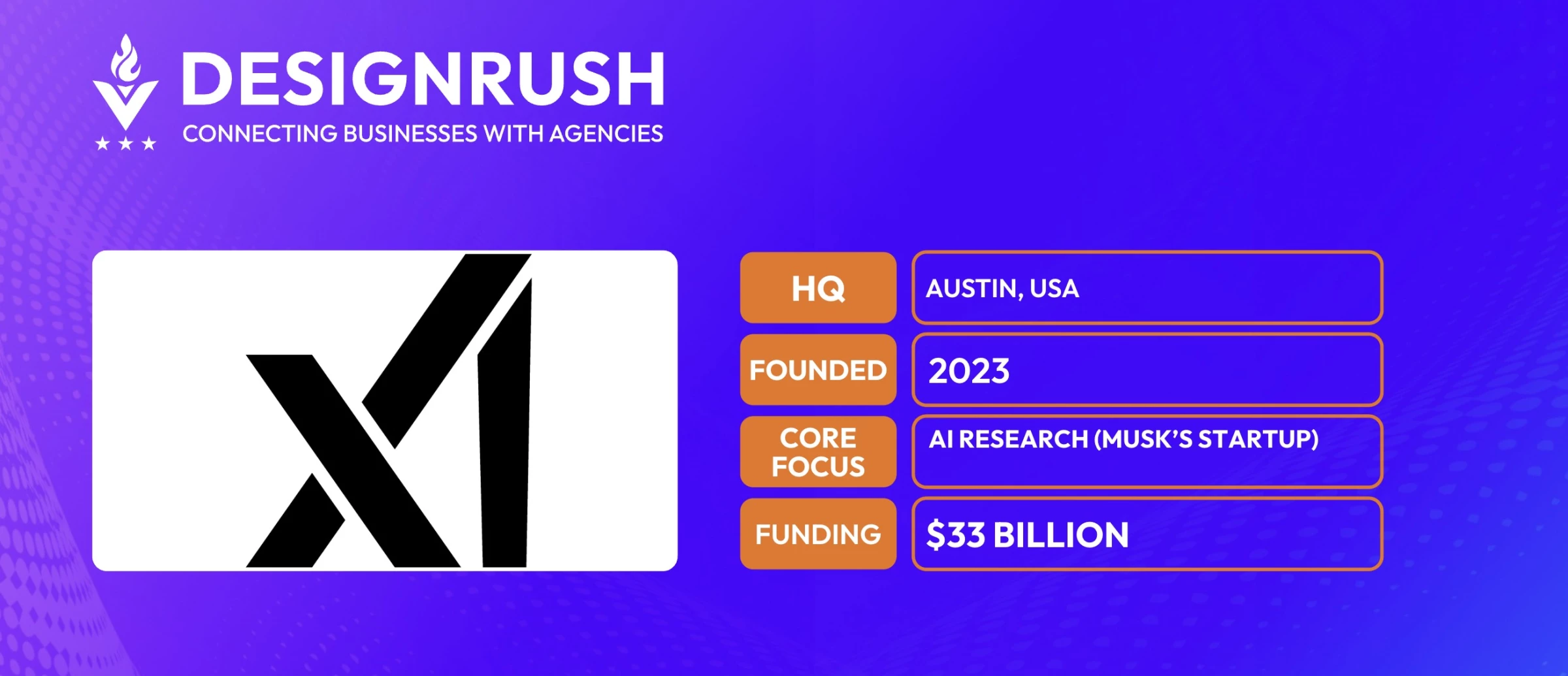
Backed (and fronted) by Elon Musk, xAI is an ambitious attempt to build a “truth-seeking” AI model, TruthGPT, with deep hooks into the X platform (formerly Twitter).
It’s a high-stakes, high-visibility moonshot. While still speculative, its $200B valuation shows that in AI, Musk’s name still moves markets.
16. IBM: From Watson to AI Governance and Enterprise Transformation
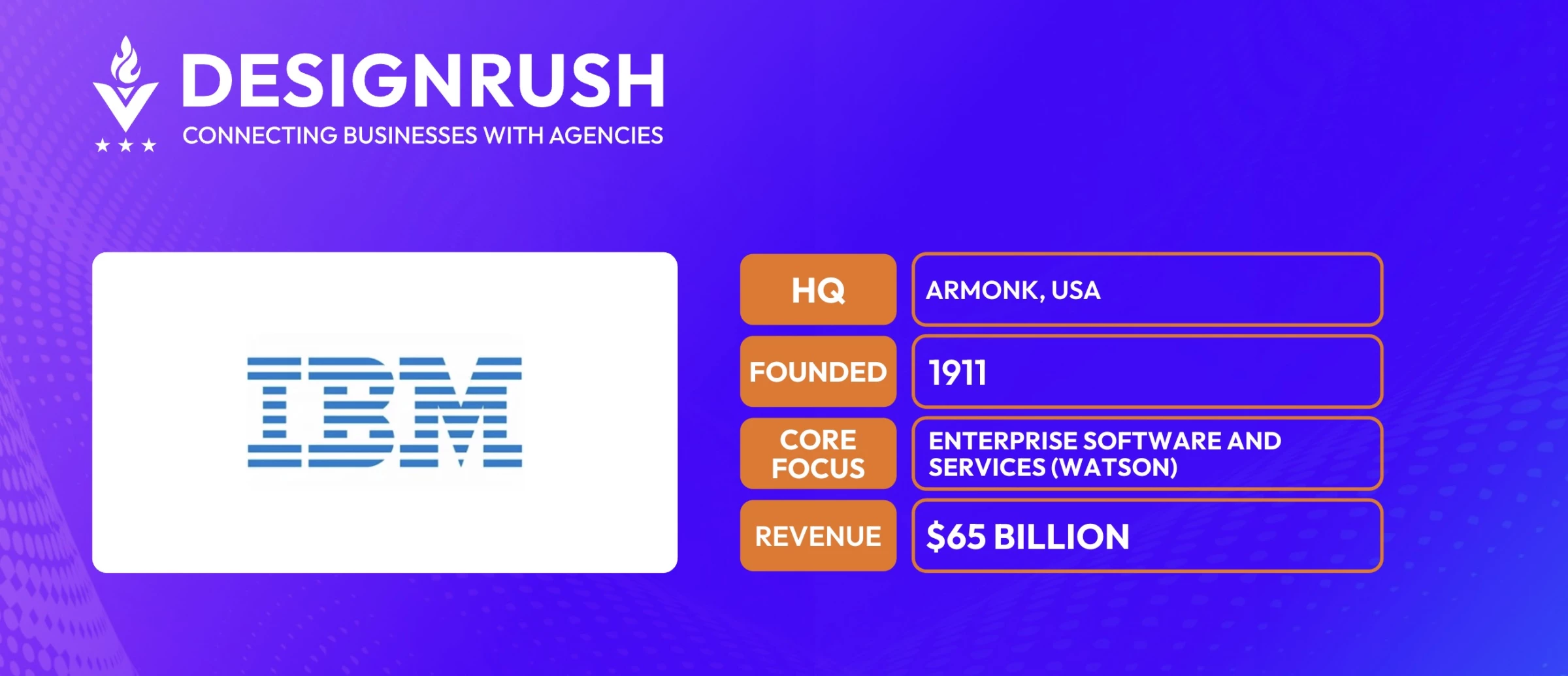
IBM isn’t trying to out-GPT anyone, and that’s the point.
Instead of chasing viral AI moments, IBM has planted its flag firmly in enterprise-grade, regulation-safe AI. Less Silicon Valley hype, more Wall Street-ready solutions.
With its Watsonx platform, hybrid cloud infrastructure (powered by Red Hat), and a massive consulting arm, IBM is making sure that Fortune 500s don’t get left behind in the AI race.
It might not be winning hearts on social media, but it’s winning trust in boardrooms, and that’s no small thing when billions of dollars and strict compliance rules are involved.
17. Intel: Rebuilding Its Mojo Through AI-Ready Chips
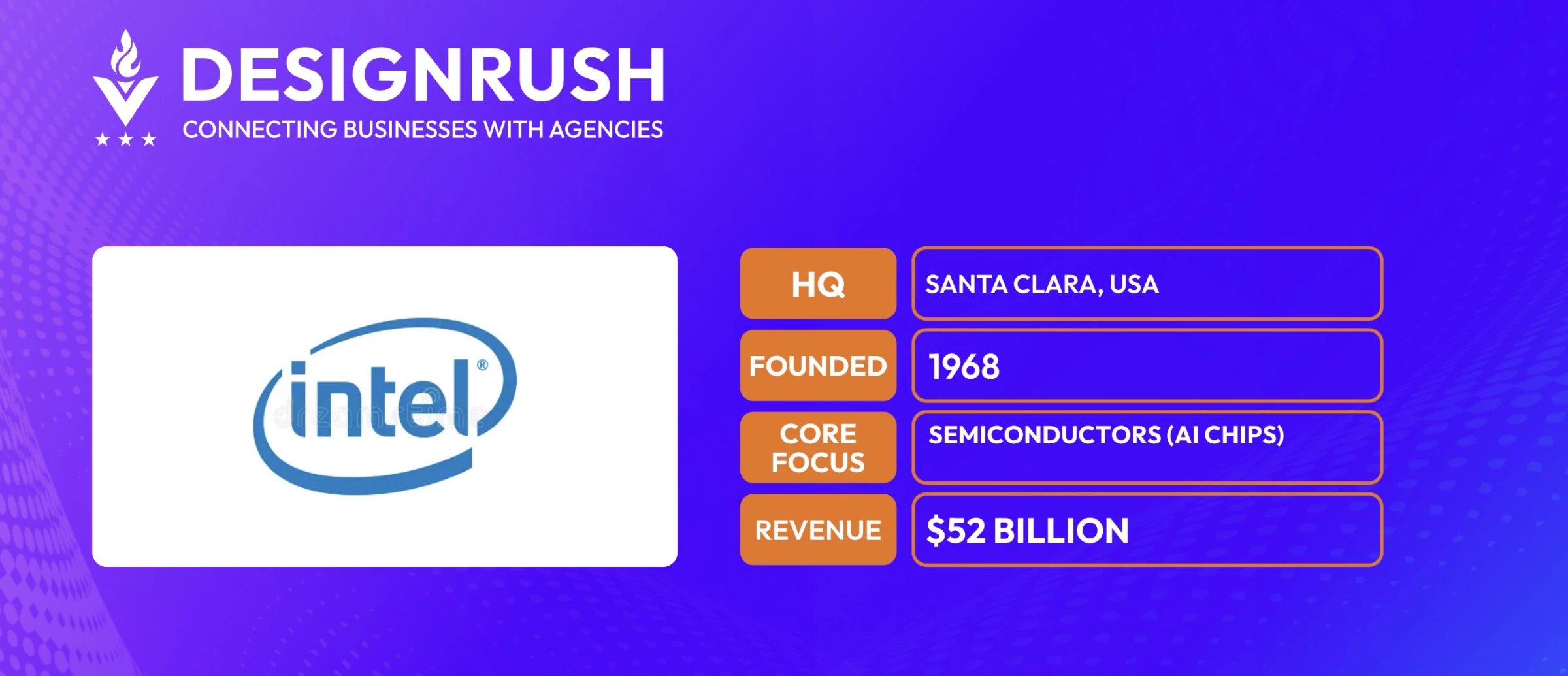
Once the undisputed king of silicon, Intel is now in a high-stakes race to stay relevant in the age of AI.
While NVIDIA has captured the datacenter spotlight with its high-performance GPUs, Intel is plotting its comeback with a mix of custom AI chips (like Habana Gaudi), next-gen server CPUs, and some bold manufacturing bets.
Intel isn’t the AI darling right now — but it’s fighting to be part of the conversation.
With billions in investment, new hardware, and a deeper push into chip manufacturing, it’s building the groundwork to be an indispensable (if quieter) player in the AI ecosystem.
18. Broadcom: The Unsung Hero Powering AI Infrastructure
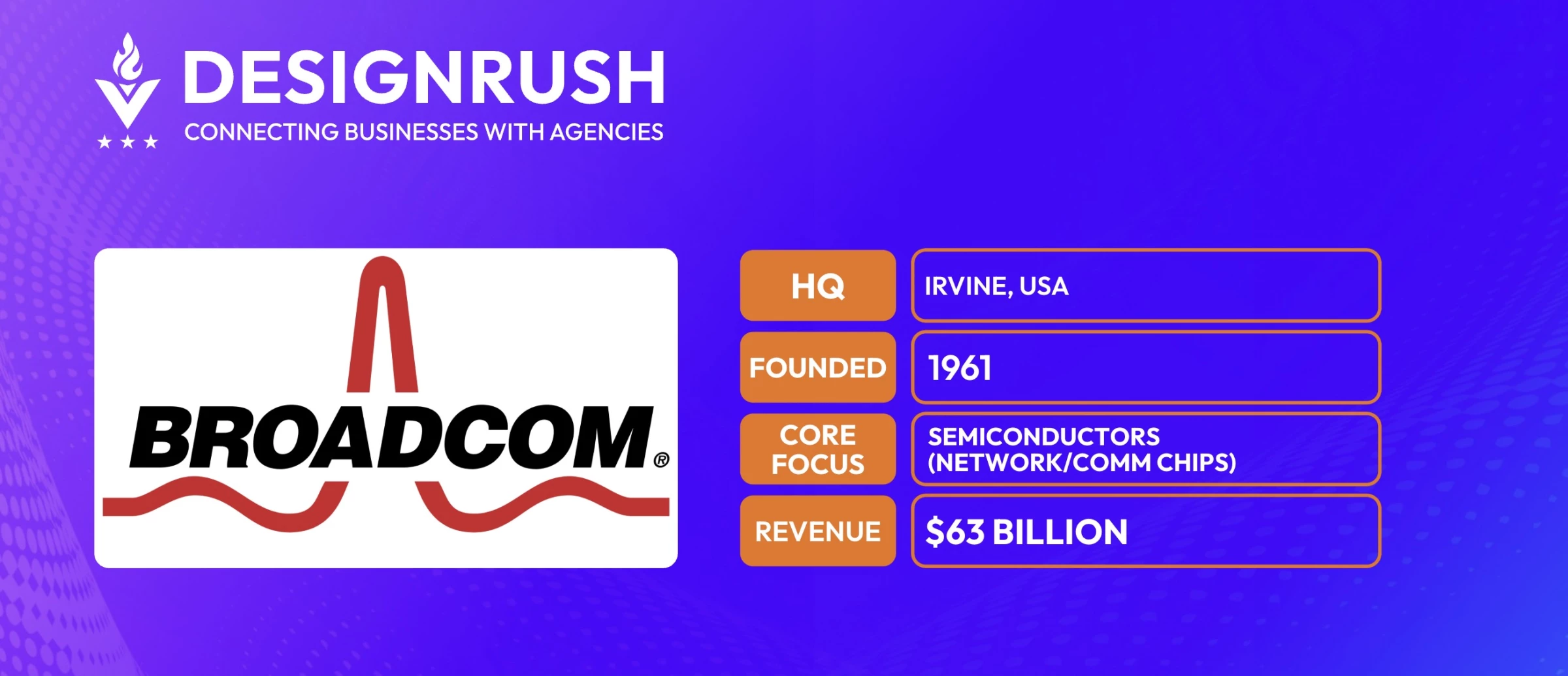
Broadcom isn’t always front and center in the AI hype cycle, but it powers the very plumbing that makes it all work.
From high-performance network chips to enterprise software and storage solutions, Broadcom is quietly essential to the AI gold rush.
It’s not building the models, but it sure is cashing in on their success. With a sky-high valuation and a steady hand in M&A, Broadcom is an under-the-radar titan that’s deeply woven into AI’s future.
19. TSMC: The Fab at the Core of the AI Hardware Explosion
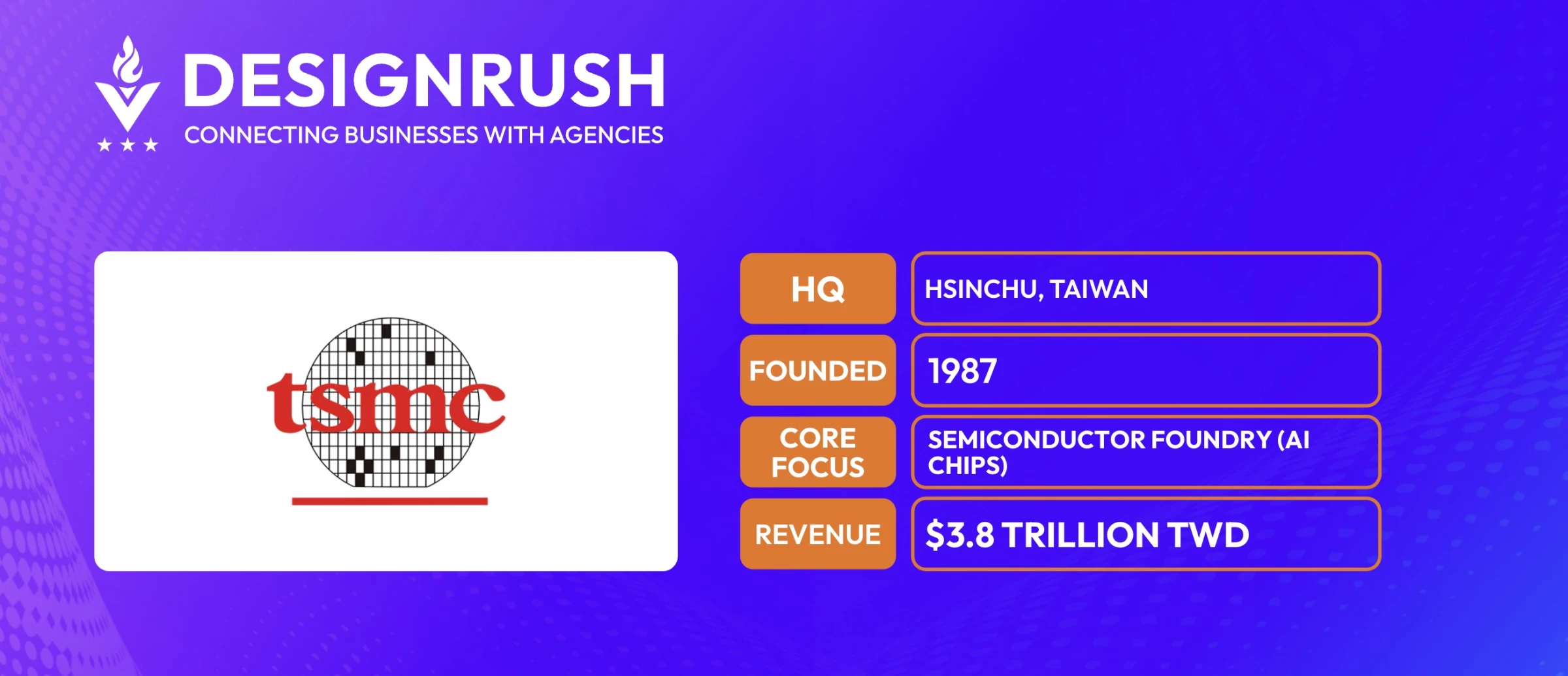
Taiwan Semiconductor Manufacturing Company (TSMC) might just be the most important tech company you rarely hear about, unless you're knee-deep in chips.
From NVIDIA’s H100 GPUs to Apple’s neural engines, the silicon brains of your favorite AI products were born in a TSMC fab.
In essence, if NVIDIA is the brain of AI, TSMC is the heart that pumps blood to it.
While it doesn’t design the models or brandish flashy platforms, it’s arguably the most essential link in the AI value chain. As demand for compute skyrockets, TSMC's role only grows more critical, and more irreplaceable.
20. Tesla: AI on Wheels and at Scale
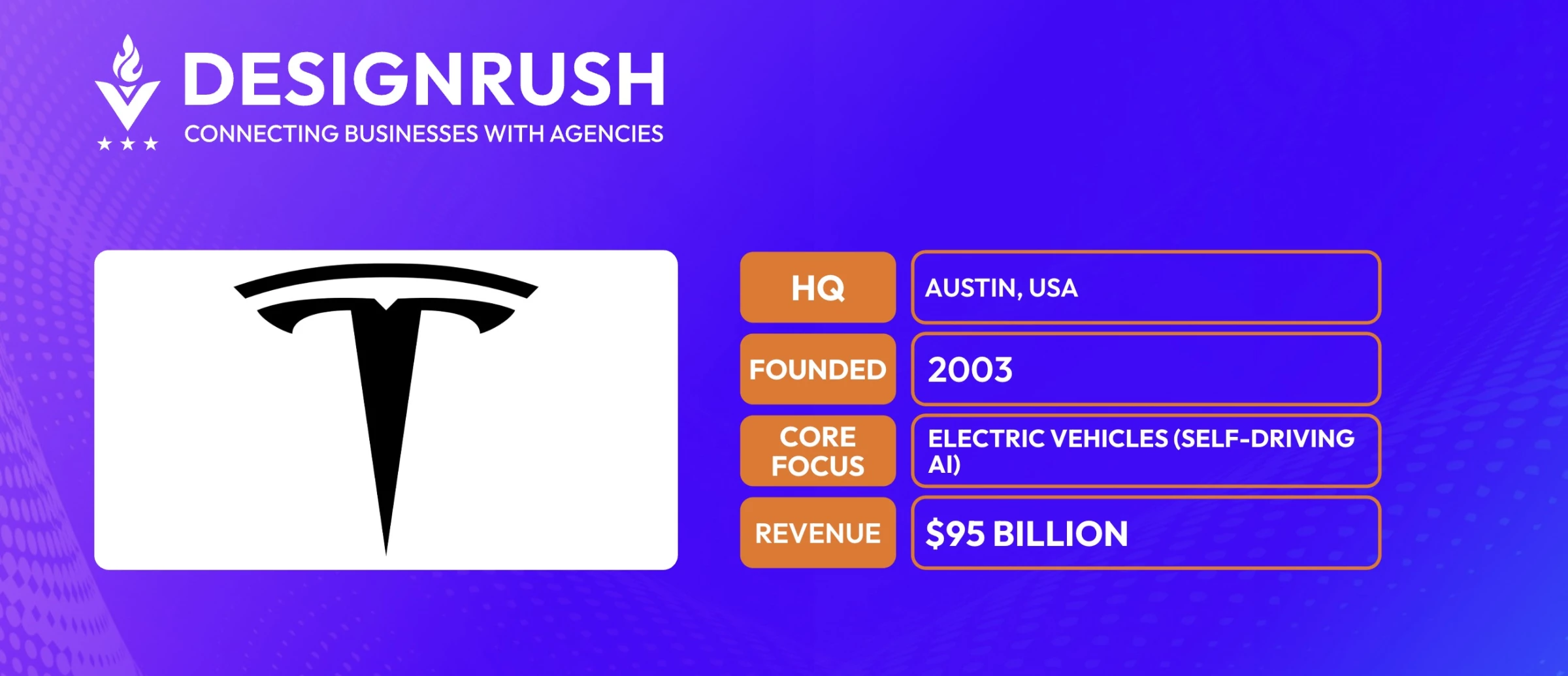
When people think of Tesla, they picture electric cars with mind-bending acceleration and minimalist dashboards.
But under the hood, literally and figuratively, Tesla is also a serious AI company, pushing boundaries in autonomous driving and AI hardware infrastructure.
Unlike many other players in the AI space, Tesla controls both the hardware (cars, chips, Dojo) and the software (FSD, neural nets). This tight integration gives it more speed, control, and real-world deployment opportunities than any traditional automaker, or AI lab, for that matter.
Despite the dip in the stock market, Tesla continues to be one of the core innovators in the automotive industry.

Our team ranks agencies worldwide to help you find a qualified partner. Visit our Agency Directory for the top AI companies, as well as:
- Top AI App Development Companies
- Top AI Product Development Companies
- Top AI Web Design Companies
- Top AI Marketing Companies
- Top AI Market Research Companies
Our design experts also recognize the most innovative design projects across the globe. Given the recent uptick in AI tools usage, you'll want to visit our Awards section for the best & latest in AI website designs.
Top AI Companies FAQs
1. What criteria were used to rank the top 20 AI companies in this article?
The companies were evaluated based on a mix of annual revenue, market capitalization or private valuation, funding raised, employee count, AI specialization, and strategic market role (AI developer, infrastructure enabler, enterprise vendor). Public and private firms are both included, with qualitative analysis of their AI impact.
2. Are these companies ranked by revenue or valuation?
No single metric was used to rank them. Instead, this is a strategic list, not a numerical ranking. The article groups companies by type: public tech giants, AI-native software vendors, private disruptors, and infrastructure enablers, for insight into their respective roles within the AI ecosystem.
3. How can I leverage this information for client strategy or investment decisions?
You can leverage this information by aligning client strategies with leading platforms like Microsoft, AWS, or Databricks for AI tool development, while exploring enterprise-focused vendors such as UiPath, Palantir, and Cohere for B2B transformation initiatives. For investment decisions, prioritize companies with proven revenue and infrastructure dominance while closely monitoring high-growth disruptors for future opportunities.