Find top Beverly Hills marketing analytics agencies in the company listings below. Narrow down your search for the best marketing analytics company in Beverly Hills by capabilities, performance, portfolio, press mentions, awards and more.
Best Marketing Analytics Companies in Beverly Hills Below
6 Companies - Rankings updated: April 01, 2026
Each agency listed on DesignRush is assessed for industry expertise and customer testimonials are evaluated in order to provide you with a vetted selection. Certain listings represent paid partnerships.
The Last Digital Marketing Agency You'll Ever Have to Research
Welcome to SkyDiamond Elite, your premier destination for bespoke ecommerce digital marketing solutions in fashion/apparel, luxury/lifestyle, and beauty. With a focus on personalized strategies and cutting-edge technologies, we specialize in elevating your brand's online presence with tailored digital [... see all SkyDiamond Elite reviews ]- Location
- Beverly Hills, California
- Number of Employees
- Under 49
- Average Hourly Rate
- $250/hr
- Minimal Budget
- $10,000 - $25,000
- Portfolios Count
- 8 Projects Listed
Data sourced from the agency's DesignRush profile, its website, and other relevant accountsSkyDiamond Elite Services
Comprehensive analysis done by DesignRush Agency Experts.Clients and Projects
View Full Portfolio
Digital Marketing Project Reserve Bar 
Facebook Marketing Project Prive Revaux Paid Social Campaign 
Conversion Rate Optimization Project Naked Cashmere 
PPC Project Mother Denim 
Google Ads Project Frank & Eileen
Reviews verified by DesignRush and sourced from the agency's profileSkyDiamond Elite Reviews & Testimonials

Digital Marketing Review from Anonymous
I'm happy to share that Sky Diamond Elite has made a remarkable impact on our advertising efforts. Its strategies have significantly elevated our Return on Advertising Spend (ROAS) across all platforms, maintaining a consistent ROAS-to-spend ratio. I've been impressed by the team's punctuality in meeting deadlines, responsiveness to inquiries, and agility in making necessary adjustments. The agency delivered impressive results and also proved to be cost-effective.
Show more
SEO Review from Rebecca Bradley Dreyfuss
Rebecca Bradley Dreyfuss, SVP of Digital Marketing at a skincare company, entrusted SkyDiamond Elite with managing the company's SEO and paid media initiatives. Namely, this involved optimizing web pages, managing page templates, and overseeing media strategy on Facebook and Google. As a result of SkyDiamond Elite's efforts, Dreyfuss' company experienced enhanced search engine rankings, increased web traffic, and improved Return on Ad Spend (ROAS), all while reducing ad spend. Dreyfuss praised the agency's punctuality, proactive approach, and commitment.
Show more
Digital Marketing Review from Anonymous
SkyDiamond Elite provided conversion rate optimization services for our medical device manufacturing company. Its team spearheaded a complete redesign and scaling of our Google Ads, implemented effective email marketing campaigns, and crafted a robust digital marketing strategy. We were thrilled with the results, which translated into impressive returns on ad spend (ROAS) and consistent month-over-month growth in eCommerce revenue. SkyDiamond Elite's communication, with weekly virtual meetings and prompt email responses, was excellent. We were impressed by the agency's professionalism and commitment to delivering exceptional results.
Show more
Data sourced from the agency's DesignRush profileFaherty Prive Revaux Naked Cashmere Hanacure Frank & Eileen Mother John Elliott K18 Tuft & Needle The Chive
Intelligent Marketing Firm
As a top digital marketing firm, Search Engine Projects (SEP) offers search engine optimization (SEO), search engine marketing (SEM), website design, localization, social media marketing, web analytics, and website usability for many clients in the USA. [... see all Search Engine Projects reviews ]- Location
- Beverly Hills, California
- Number of Employees
- Under 49
- Average Hourly Rate
- $150/hr
- Minimal Budget
- $10,000 - $25,000
- Portfolios Count
- 12 Projects Listed
Data sourced from the agency's DesignRush profile, its website, and other relevant accountsSearch Engine Projects Services
Comprehensive analysis done by DesignRush Agency Experts.Clients and Projects
View Full Portfolio
Marketing Analytics & Big Data Project for Software & IT Services Company Website Usability 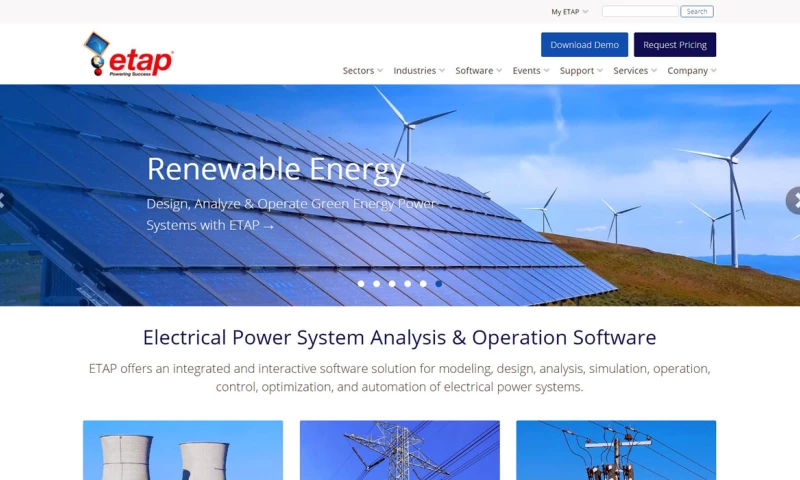
Digital Marketing Project for Software & IT Services Company B2B Digital Marketing 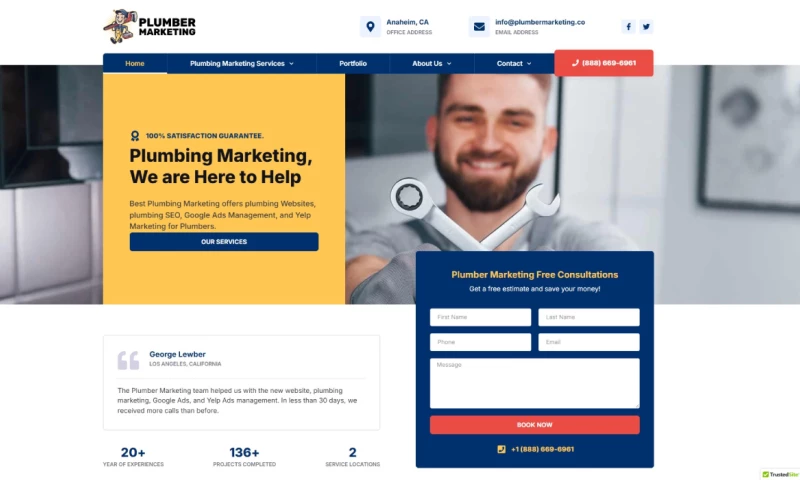
Digital Marketing Project for Home & Garden Company Plumber Website Design & Marketing 
Digital Marketing Project for Home & Garden Company Home Inspection Website & SEO 
PPC Project for Media & Communications Company PPC Ads Management 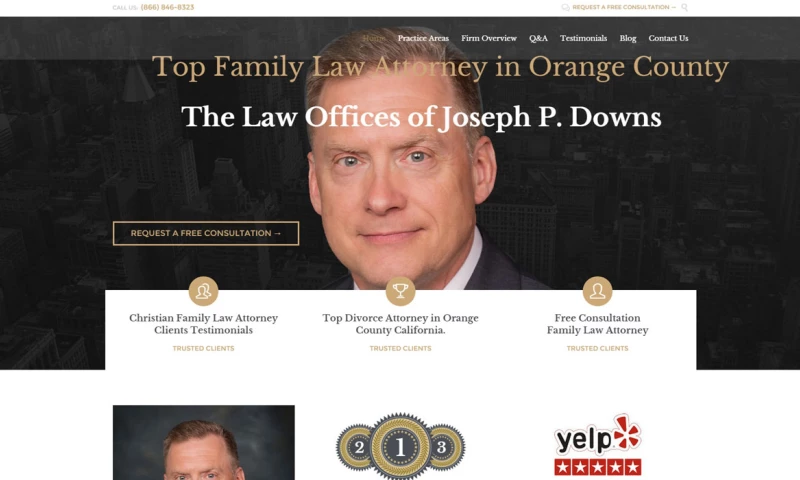
Local SEO Project for Legal Company Family Law Firm Marketing
Reviews verified by DesignRush and sourced from the agency's profileSearch Engine Projects Reviews & Testimonials

SEO Review from Marjan Khorrami
I was referred to SEP marketing company by an attorney friend to redesign my website and handle my SEO and marketing. He said "if it doesn't work for you I will pay everything you paid this company". From the moment we started working together, the experience has been outstanding. They created an excellent website that looks professional and is easy for patients to navigate. Since launching the new website and starting new marketing strategy, our patients traffic has increased noticeably. They also consistently create informative and engaging content for our social media, which has helped strengthen our online presence. And what truly sets them apart is their responsiveness, no matter when I call, they always answer and are always ready to help. I only wish I had started working with them much sooner. I highly recommend Search Engine Projects company for any business looking to grow.
Show more
SEO Review from Shabnam Zafarmand
pivotal role in elevating the online presence and local visibility of Mission Art Center, an esteemed art school in Orange County. Recognizing the centers mission to inspire creativity and nurture talent, SEP crafted a comprehensive digital marketing strategy that began with a modern, visually engaging website redesign. The new website showcased Mission Art Centers vibrant classes, workshops, and events, making it easier for prospective students and parents to explore the curriculum, view art galleries, and register for classes seamlessly.SEP didnt stop at just an aesthetic revamp; they optimized the website for local SEO to ensure it ranked prominently for key search terms like art classes in Orange County and best art school near me. With strategically placed keywords, optimized meta descriptions, and fast-loading pages, Mission Art Centers site began to appear on the first page of Google search results.In addition to website development and SEO, SEP implemented a targeted ads management campaign across Google Ads and social media platforms. By identifying Mission Art Centers ideal student demographic, SEP crafted compelling ad creatives and copy that highlighted the centers unique programs, family-friendly atmosphere, and professional instruction. These ads not only boosted brand awareness but also drove measurable increases in website traffic and enrollments.Regular performance tracking and reporting enabled SEP to fine-tune the campaigns, ensuring continuous improvement and maximizing the return on investment. SEPs efforts resulted in a significant increase in inquiries, a spike in organic search visibility, and a noticeable uptick in class sign-ups, making Mission Art Center a go-to destination for art education in the local community.Thanks to SEPs expert website design, SEO, and advertising, Mission Art Center now has a strong online presence that reflects its vision and draws aspiring artists from across the region.
Show more
SEO Review from Mo Mottahedan
SNA Auto Rental, a trusted car rental company based in Southern California, faced challenges in standing out in a crowded and competitive local market. To improve their online visibility and drive more business, they partnered with Search Engine Projects, a digital marketing agency experienced in helping local businesses grow.The first step was to implement a local SEO strategy tailored to SNA Auto Rentals goals. This included optimizing the website with location-specific and service-relevant keywords, ensuring accurate and consistent listings across all major directories, and enhancing the companys Google Business Profile. These improvements helped increase visibility in Google Maps and local search results, capturing the attention of nearby customers actively searching for rental vehicles. As a result, the business saw an increase in organic traffic and inquiries.To complement the SEO efforts, Search Engine Projects launched a targeted Google Ads campaign. They selected high-intent keywords related to car rentals in Orange County and wrote compelling ad copy to draw in users ready to book. The campaign was continuously monitored and optimized to reduce cost-per-click and maximize return on investment. This helped SNA Auto Rental maintain a competitive presence on search engine results pages and generate a steady stream of bookings.Additionally, the agency managed a Yelp Ads campaign to enhance visibility on a platform widely used for local business discovery. They optimized SNA Auto Rentals Yelp profile with attractive photos, detailed service information, and strong customer reviews. By managing ad spend and placements effectively, they helped the business gain more exposure, resulting in increased leads and customer engagement.Through this integrated approach, combining SEO, Google, and Yelp Ads, SNA Auto Rental significantly improved its online presence. The partnership led to higher traffic, more qualified leads, and a noticeable booking rise.
Show more
Data sourced from the agency's DesignRush profilePrintec General Auction Company Soboba Weight Loss American Sleep Store Modern Rug Importers Biotouch Academy SNA Auto Rental Robert Don, DDS Handel On The Law Dental Office Website
Your Marketing & Growth Partner.
A top-rated digital marketing and design agency based in California. We help small to medium-sized businesses grow with paid advertising, content marketing, website design and branding. [... view Just Digital profile ]- Location
- Beverly Hills, California
- Number of Employees
- Under 49
- Average Hourly Rate
- $175/hr
- Minimal Budget
- $1,000 - $10,000
- Portfolios Count
- 10 Projects Listed
Data sourced from the agency's DesignRush profile, its website, and other relevant accountsJust Digital Services
Comprehensive analysis done by DesignRush Agency Experts.Clients and Projects
View Full Portfolio
Digital Marketing Project Little Fluffy Head 
Email Marketing Project House of Brims
Reviews verified by DesignRush and sourced from the agency's profileJust Digital Reviews & Testimonials
David Rosenbaum's Review Sourced from Google
The entire team at Just Digital was phenomenal. They far exceeded expectations in all aspects of the project, from initial contact to delivered product. Absolutely outstanding and prompt communication throughout the process with expectations set and met at every point. Emily Olsen is an absolute pleasure to interface with and is a tremendous point person and asset to their business.
Show morePaul Morton's Review Sourced from Google
Our law firm selected Just Digital after a thorough search for web design firms, having seen great work in their portfolio. This decision was of particularly high importance to us since we were just launching the firm (May of 2024) and were keen on coming out of the gate with the right messaging and presence. At the outset of the process, the Just Digital team processed our goals and aesthetic quite nicely -- they heard us. As the site was being built, and our vision evolved, JD made adjustments in a highly creative fashion, pushing and elevating the design beyond our ability to articulate what we might want. We are very pleased with the "finished product" -- it really hits the mark in terms of look, substance and functionality. Heston Morton LLP, Chicago.
Show moreCharlie Queeno's Review Sourced from Google
We met Just Digital at a conference and called to set up an appointment. We were really impressed with what they had to offer we decided to make the investment in getting our new site. Our current site at the time had A LOT of information, services and wasn’t really user friendly. We are a medical spa practice and it was always difficult for us to strike a good balance between user experience, information and before/after images. We were always very word-heavy on our site.Tanya and the team really took on this project and made it a huge success. We are thrilled with our rebranding of our site, logo, colors -everything. Very impressed with how it all came out; especially with what they had to work with prior.Thank you to everyone for making our vision a reality!
Show more
Data sourced from the agency's DesignRush profileKevin Issa Peter Voogd Michael Rozbruch Hal Elrod
Empowering Startups & Enterprises With AI To Deliver Intelligent Business Solutions
Logicspice is a well-established mobile app and web development company that boasts over 18+ years of experience and has successfully completed over 2000 projects with a significant number of repeat clients. [... see all Logicspice reviews ]- Location
- Beverly Hills, California
- Number of Employees
- 50 - 99
- Average Hourly Rate
- $21/hr
- Portfolios Count
- 8 Projects Listed
Data sourced from the agency's DesignRush profile, its website, and other relevant accountsLogicspice Services
Reviews verified by DesignRush and sourced from the agency's profileLogicspice Reviews & Testimonials

Software Development Review from Donovan DiLorenzo
Outstanding Experience with LogicSpice!Working with LogicSpice has been a truly exceptional experience from start to finish. Their communication was clear, consistent, and timely, which made the entire development process smooth and stress-free. They took the time to understand our needs, asked the right questions, and kept us updated every step of the way.What really stood out was their ability to deliver an effective and efficient production time and aligned perfectly with our vision. The LogicSpice team brought both technical expertise and creative insight to the table, helping us refine our ideas into a clean, user-friendly final product.And the best part? The value they offer is incredible. For the quality of service, responsiveness, and results we received, LogicSpice far exceeded our expectations. We could not be happier and will absolutely be working with them again on future projects.Highly recommend!Donovan DiLorenzoIEP Writing CollaborativeFounder
Show more
Data sourced from the agency's DesignRush profileShopbook CISCO IDFC tickhit Onegai local genni AT&T GlobePorter lazybed ubbergloves
We Help Companies Excel at Digital Marketing
Goodish is your ultimate digital marketing agency focused on growth hacking for SaaS, eCommerce & FinTech companies. By offering a full range of marketing services, we're experts in conversion rate optimization. By having all of your software in place and neatly integrated, we'll teach you how easy it to [... view Goodish Agency profile ]- Location
- Beverly Hills, California
- Number of Employees
- Under 49
- Average Hourly Rate
- $70/hr
- Minimal Budget
- $1,000 - $10,000
- Portfolios Count
- 5 Projects Listed
Data sourced from the agency's DesignRush profile, its website, and other relevant accountsGoodish Agency Services
Comprehensive analysis done by DesignRush Agency Experts.Clients and Projects
View Full Portfolio
Digital Marketing Project Paid Ads, Email Marketing & Landing Page Design to Increase Sales 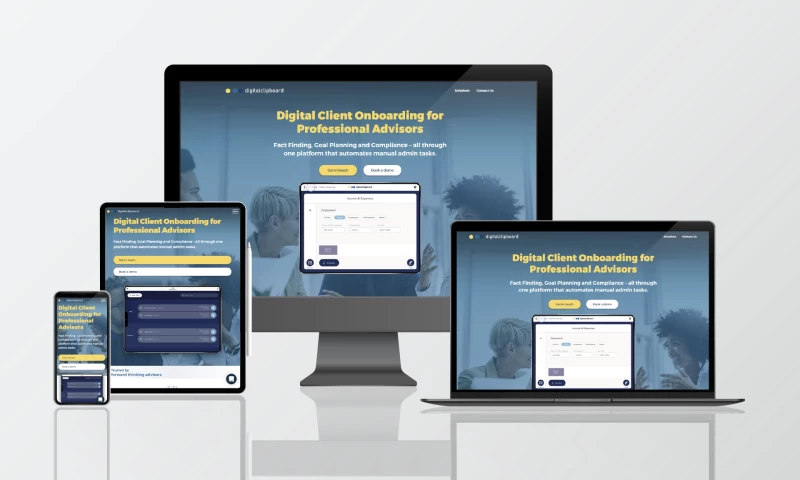
Digital Marketing Project Website Redesign 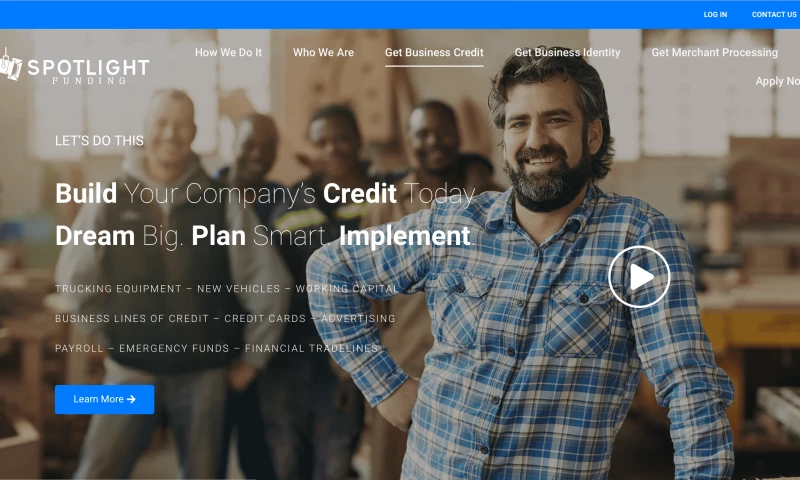
Digital Marketing Project Increase Revenue 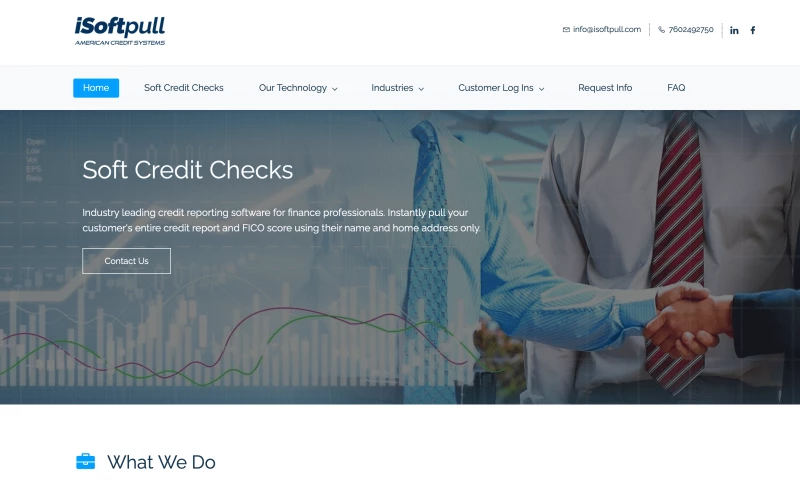
Digital Marketing Project Lead Generation
Data sourced from the agency's DesignRush profileSpotlight Funding Digital Clipboard iSoftPull Hemptouch American Credit Systems Shapa loom INTHELINE Blast Tehnik Ottofeller
We Build It.
Leaders, Innovators, and Mavericks in the website and mobile application development industry. Offering cutting-edge design and custom services, which boldly challenge conventional requirements for achievement in the highly competitive landscape of the internet. [... view STAUFFER profile ]- Location
- Beverly Hills, California
- Number of Employees
- 50 - 99
- Average Hourly Rate
- $150/hr
Data sourced from the agency's DesignRush profile, its website, and other relevant accountsSTAUFFER Services
Data sourced from the agency's DesignRush profileUC Berkeley Executive Education Center USC Annenberg School for Communication and Journal USC Marshall School of Business USC Race and Equity Center USC School of Architecture Pepperdine University California Science Center Happier Living Technicolor Games




Frequently Asked Questions
What is a marketing analytics agency?
A marketing analytics agency is a service provider that evaluates the success of brands’ marketing strategies, initiatives, and campaigns through statistical models and specialized technology. In doing so, they help businesses uncover insights, trends, and opportunities pertinent to the customer experience, helping them understand what drives consumer actions. Coherently, marketing analytics companies guides businesses in refining marketing campaigns and maximizing return on investment (ROI).
There are three types of marketing analytics that agencies use to interpret data:
- Descriptive analytics: Evaluating historical data to understand the current standings via dashboards, data visualization tools, key performance indices, and reporting systems. This allows businesses to make real-time decisions to improve the effectiveness of the current campaigns.
- Predictive analytics: Processing data to forecast a marketing campaign's performance through regression analysis, machine learning algorithms, and data mining. Through this, businesses can stay ahead of the curve and prepare for potential marketing crises.
- Prescriptive analytics: Determining the most effective course of action using optimization algorithms, simulation models, and decision analysis tools. Its focus is to provide actionable recommendations.
As projected by Research and Market, the global marketing analytics market was valued at $4 billion in 2023, with the US accounting for the largest market share at $1.2 billion. Notably, US marketers spend the most on demographic, transactional, and behavioral types of third-party audience data.
Here are some common challenges marketing analytics companies assist businesses with:
- Lack of unified data due to data silos: Fragmented data often impedes companies from obtaining a holistic overview of their marketing performance and customer behavior. To tackle these hindrances, marketing analytics companies create centralized data repositories that integrate and unify data from multiple sources to enable comprehensive insight into marketing campaigns and customer journeys and streamlined data-decision processes.
- Inconsistent data quality across different platforms: Data quality issues, such as inconsistencies, inaccuracies, and incomplete records, can considerably obstruct the data analysis process and the reliability of insights. To ensure data consistency, marketing analytics companies employ data cleansing and normalization techniques, wherein they standardize data formats, correct errors, and fill in missing values.
- Inefficient data management and collection of inaccurate or unnecessary data: Businesses often collect inaccurate and unnecessary data due to using wrong metrics and tools and lacking knowledge of data best practices, such as cleaning and processing data before analyzing it. To overcome these discrepancies, marketing analytics companies implement data management and automated data collection solutions to bridge the collection gaps and streamline the overall management process.
- Difficulty keeping up with algorithm changes on platforms like Google, Meta, and X: Algorithm updates across Google, Meta, X, and other platforms can impact a brand’s visibility, engagement, audience reach, and credibility. In that regard, marketing analytics companies proactively stay up-to-date with these changes and adapt the deployed analytics models accordingly to maintain clients’ competitive edge.
- Navigating and complying with increasingly stringent data privacy regulations: With data regulations becoming more rigorous globally, ensuring compliance with them can be a complex challenge for businesses. Being familiar with these regulations, marketing agencies can help businesses navigate them via data governance frameworks and compliance strategies — regular audits, adherence with best practices and tools for protecting personal data.
The marketing analytics services delivered by Netpeak Digital's illustrates the impact of hiring a professional team.
Operating in a saturated market with hundreds of competitors, Vidby MeetUp sought to expand its reach and increase visibility and app downloads. Netpeak Digital used its proprietary RadASO Tech Boosted Solution to analyze the countries with the highest installation rates and collect data on competitors, relevant search terms, and their popularity and rank. The agency conducted keyword cross-localization for more organic installs and improved the app’s title, metadata, logo, and graphics to maintain consistent branding.
Following the optimization, the Vidby MeetUp app increased its search engine rankings in the UK, the US, and several other countries, leading to higher app visibility and downloads. Its impressions increased by 3,018%, installations by 138%, and average conversion rate by 47%.
What do marketing analytics companies do?
Marketing analytics companies leverage marketing data to provide deeper insights into customer behavior, preferences, and future market trends. Through this, they help businesses better understand their customer base and influence their purchasing habits.
Here are some services that marketing analytics companies offer:
- Market research and competitive analysis: Identifying industry trends, market opportunities, and competitive dynamics
- Customer segmentation: Grouping customers based on shared traits and characteristics, allowing businesses to provide personalized marketing
- Marketing mix modeling (MMM): Using statistical models to analyze the impact of individual marketing activities on sales
- Campaign performance analysis: Assessing the overall performance of a campaign through conversion rates, ROI, and customer acquisition costs
- Attribution modeling: Determining the impact of various marketing channels and touchpoints on customer conversions, including website, social media, email, and even telephones
- Ad tracking and measurement: Monitoring click-through rate, cost per acquisition, and return on ad spend (ROAS) to evaluate the effectiveness of advertising campaigns across channels
- Conversion rate optimization: Devising data-based strategies to increase the probability of users taking a desired action
- Predictive analytics and forecasting: Using historical data and statistical algorithms to predict future marketing trends and customer behaviors, aiding in strategic planning and decision-making
Flowium's project serves as a prime example of an effective marketing analytics service.
The CPG company recently rebranded and realized its content no longer aligned with its new images, ultimately struggling to engage customers and build loyalty. To solve this, Flowium conducted market research to understand the brand’s market position and its customer’s perceptions, behavior, and journey. Based on this, it conducted A/B and split testing, and email segmentation to enhance customer retention and streamline email flows.
As a result, the client increased email revenue by 44%, placed orders from campaigns by 27%, and flow click rate by 153%.
How much do marketing analytics agencies charge for their services?
Marketing analytics agencies charge very differently for their services, depending on the scope of service, complexity of analysis, data volume, and pricing models.
Common pricing models across marketing analytics companies include:
- Percentage-based
- Hourly-based
- Project-based
- Subscription-based
A Deloitte study found that businesses spend an average of 8.9% of their marketing budget on marketing analytics. The source further emphasizes that marketing analytics is employed in nearly half of all marketing decisions.
The top 50 marketing analytics agencies on DesignRush charge an hourly average rate of $105. Approximately 15.9% of the agencies accept projects under $1,000, and 3.1% accept projects with a $50,000 minimum budget.
Why should I hire a marketing analytics company?
You should hire a marketing analytics company because it has the expertise to effectively gather and interpret marketing data, harnessing it to improve customer experience, optimize marketing strategies, and drive profitability. Moreover, marketing analytics agencies can help organizations navigate data policies and predict market trends and behavior, allowing them to stand out in crowded niches.
When you enlist the expertise of marketing analytics agencies, you stand to gain numerous benefits, including:
- Make sense of your data: Only 10% of organizations report that they have mature marketing analytics. With most businesses lacking the skills to interpret marketing data effectively, marketing analytics companies can compensate for the knowledge gap. They have the expertise to monitor, clean, and unify a business’s data so they gain reliable and valuable marketing insights.
- Elevate customer experience: Given that 54% of customers prefer personalized marketing, marketing analytics agencies help businesses segment their customer base by providing informed insights into customer demographics, behaviors, and preferences.
- Navigate data policies and regulations: As laws like the EU’s General Data Protection Regulation (GDPR) and the California Consumer Privacy Act provide more consumer protection, marketing analytics agencies help businesses navigate restrictions and collect data through other strategies. This includes gaining the customer's consent before getting their information and sending surveys.
- Anticipate changes in behavior and trends: Marketing analytics companies use advanced technology and statistical models to help businesses predict changes in customer behavior and marketing trends. As such, businesses can quickly pivot their strategies to minimize loss.
- Maximize profitability: Considering that only 23% of marketers are confident in tracking the right key performance indices, it’s a common practice for them to turn to marketing analytics agencies to help them understand the performance of each campaign and platform. This way, they can better allocate their resources to marketing channels, campaigns, and strategies that drive the most revenue.
- Contribute to business growth: By providing more in-depth buyer intelligence quotient through analyzed data, marketing analytics companies aid businesses in developing more targeted campaigns. This leads to higher quality leads, customer engagement and retention, and sales, translating to business growth.
One case study that highlights the benefits of hiring a marketing analytics company is the partnership between VOSS and Amsive.
Shifting consumer perceptions impacted beverage company VOSS's market position, prompting the company to seek Amsive's expertise in revamping its brand image, emphasizing the quality of its ingredients, and attracting modern luxury consumers. Using its proprietary Audience Science approach, Amsive analyzed audience and performance data to understand customer consumption habits. Based on that, it developed a new brand positioning and messaging, multichannel media strategy, creative direction, and performance optimization to align with VOSS’s core target audience.
As a result of Amsive’s marketing analytics strategy, VOSS’s target market sales surged by 20%, with impressions reaching 137 million. Most impressively, VOSS’s Amazon sales skyrocketed by 344% year-over-year.
How do I choose the best marketing analytics agency for my business?
You can choose the best marketing analytics agency for your business by following these steps:
- Identify your goals: Determine the key issues you wish to solve by hiring a marketing analytics agency, set key performance indicators (KPIs), and understand how the agency will impact your business objectives.
- Define project scope: List down the marketing channels you want to analyze, the audiences you’re targeting, the technologies you’re using, and your project timeline.
- Define your budget: Determine how much of your marketing budget you can allocate for marketing analytics. Take into account the cost of different marketing analytics tools and technology, such as Ahrefs, Adobe Analytics, Salesforce, and Whatagraph.
- Research potential agencies and get referrals: Search marketplaces, agency listings, and online directories like DesignRush for marketing analytics agencies. Check online forums and communities, and ask for recommendations from business partners.
- Look at their tech stack: Prioritize agencies familiar with your current marketing channels and analytics tools. Also, consider those who can integrate these tools with other associated technologies, such as business intelligence platforms.
- Evaluate technical expertise: Inquire about their proficiency in SQL, Python, and Excel, as these skills allow you to evaluate more extensive and varied data sets.
- Review their credentials: Examine their portfolios, case studies, client testimonials, reviews, and awards. Choose agencies with experience in your industry that offer the specific services you need.
- Create your request for proposal (RFP): Outline your project scope, business background, and current tech stack in your RFP and send it to the shortlisted agencies. Compare proposals from different agencies to understand value for money and projected outcomes.
- Interview potential partners: Schedule an interview with your narrowed list of marketing analytics agencies to discuss further project details and assess how well they work with your team.
- Understand their value proposition: Evaluate the agency’s stance on data ethics and select those that align with your values.
- Negotiate and finalize the contract: Carefully review and negotiate your payment and terms of service, including stipulations on expected deliverables. Include clauses that allow you to exit the partnership if the agency does not meet expectations.
- Onboard your chosen agency: Provide access to your marketing analytics tools and determine your project management and communication style.
If you need help with the selection process, visit DesignRush’s Marketplace. We’ll connect you with five suitable prospects based on your project requirements — for free.
How do I find the best marketing analytics company on DesignRush that fits my budget?
You can find the best marketing analytics company on DesignRush that fits your budget by using our filter options. You can personalize your search based on hourly rates, minimum budgets, agency region, company size, and client type.
Below are five marketing analytics companies on DesignRush that accept projects under $1,000:
What are the key success metrics in digital marketing analytics?
The key success metrics in digital marketing analytics largely depend on your marketing channel and campaign goal. For instance, a business aiming to increase brand visibility on social media will monitor post shares, brand mentions, and number of new followers. Meanwhile, a business seeking to increase email engagement will track open and click-through rates.
Here’s a list of key success metrics that marketing platforms predominantly monitor:
- Funnel conversion rate: Assesses the effectiveness of a business’s marketing strategies in driving customers toward a desired action or outcome
- Click-through rate (CTR): Identifies the number of times ad, content, email, or social media post was clicked
- Cost per lead (CPL): Computes the average cost of each new lead gained through an ad campaign
- Bounce rate: Calculates the percentage of visits to the website where only one page was viewed without engaging further
- Impressions: Measures the times that your content or ad is viewed or displayed organically regardless of clicks
- Sales per channel: Monitors the number of overall sales each marketing channel produces over a specific period
- Customer acquisition cost: Calculates how much a business spends on sales and marketing to gain a single customer
- Customer lifetime value: Measures the average revenue a typical customer generates over time
- ROI: Determines the profitability of an investment by comparing the amount gained over the amount spent
What questions should I ask before hiring a marketing analytics agency?
Before hiring a marketing analytics agency, you should ask the following questions:
Its Relevant Background
- Do you have experience working in my industry?
- Can you share examples of previous work. What results did you achieve?
- Are any of your clients my direct competitors?
- Is there a marketing channel and analytics tool that you specialize in?
Its Services and Processes
- What is your process for tracking and analyzing data?
- How do you clean, standardize, and unify a business’s marketing data from various platforms and channels?
- What steps do you take to validate data and ensure the integrity of your results?
- How do you ensure data security and privacy?
- What technologies do you harness across your analytics processes?
- How does your team stay organized and ahead of deadlines?
Related to Your Project
- What metrics are the most important for my campaign? Why?
- How often do you report feedback?
- Based on your experience, when can I expect to see preliminary results?
- How do you think the macro trends in my industry might impact the project results? How do you think we should pivot?
What are the best marketing analytics agencies in the US?
The best marketing analytics agencies in the US are the following:
| Agency | DesignRush rating | Google rating | Top clients |
| Netpeak Digital | 5.0 (35 reviews) | 5.0 (3 reviews) |
|
| Intero Digital | 4.9 (25 reviews) | 4.8 (236 reviews) |
|
| Ignite Visibility | 4.9 (14 reviews) | 4.6 (58 reviews) |
|
| Flowium | 4.9 (20 reviews) | 4.7 (54 reviews) |
|
| Amsive | 4.8 (6 reviews) | 4.6 (9 reviews) |
|
About The Author and Expert Reviewer

Natasa Glikman is an experienced editor and content writer with over 10 years of experience in writing, editing, and translating articles across various topics, with a strong focus on marketing and advertising. At DesignRush, Natasa currently works as an editor, where she refines and enhances B2B content to ensure accuracy, clarity, and consistency across agency profiles and industry reports.

Mariana Delgado is the Head of Marketing at DesignRush, with more than ten years of experience across digital marketing, sales management, search, and video advertising. Since joining DesignRush, she has delivered 3× site-traffic growth and 2× growth in monthly revenue by building scalable, performance-led programs that connect acquisition, content, and brand across channels. Her campaigns have achieved a 5:1 ROAS.
Latest Trends Related to Marketing Analytics & Big Data

Marketing Analytics & Big Data
8 Best Data Visualization Tools With Creative Information Presentations
5,478