
If you’re running ads, you have to know what each click is costing you and whether you’re getting your money’s worth.
CPC Calculator: Key Points
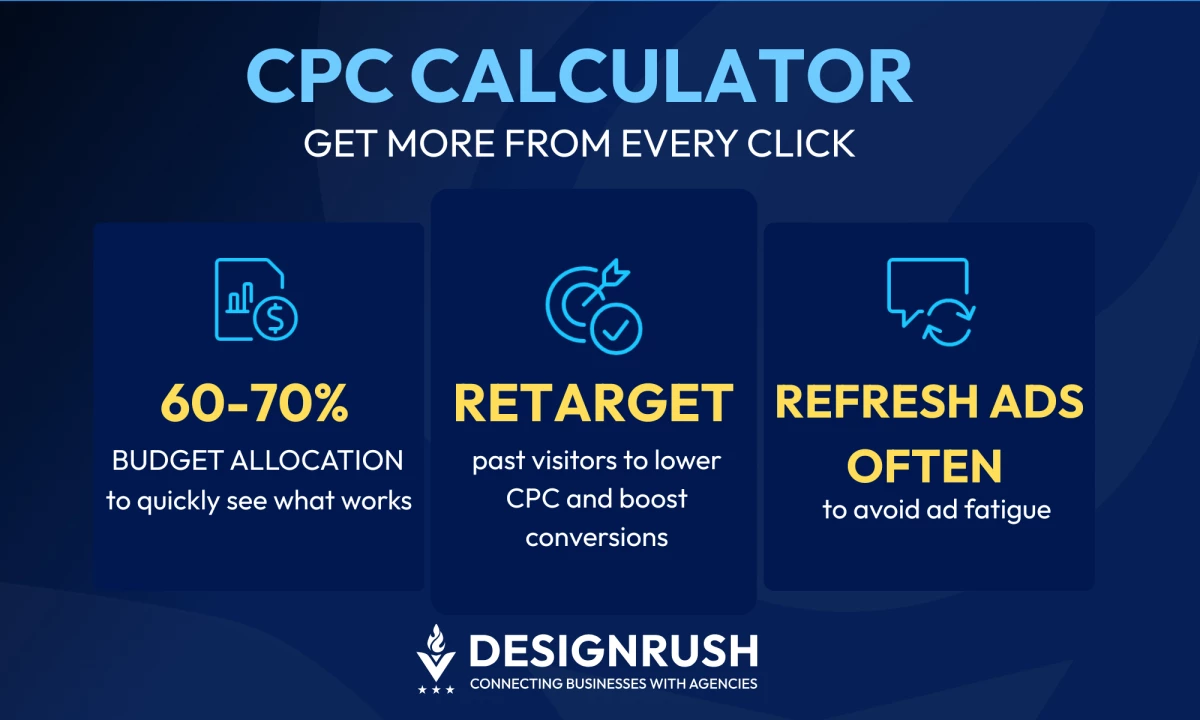
- Putting 60–70% of your budget into PPC at the start helps you grab leads fast, then you can shift money toward the ads and keywords that perform best.
- Retargeting people who’ve already visited your site can bring CPC down since ad platforms see your ads as more relevant to them.
- Changing your design, testing new CTAs, and targeting your message can cut your cost per acquisition and keep your campaigns from going stale.
Get Insights From a PPC Expert
Jeff Carterson spent almost 20 years helping small businesses make every advertising dollar count.
He uses CPC as a starting point to lower costs, refine targeting, and build campaigns that deliver consistent ROI.
Discover how you can use his insights and our calculator to drive growth.
Who Is Jeff Carterson?
As the Founder & CEO of SevenCube, Jeff Carterson has helped businesses turn limited ad budgets into measurable growth for nearly two decades.
He’s known for blending creative precision with data-backed PPC strategies and focuses on maximizing ROI without inflating costs.
Our CPC Calculator
To instantly find your CPC, enter your total ad spend and the number of clicks:
How To Calculate CPC (With Formula and Example)
CPC, or cost per click, is just what it sounds like: how much you pay every time someone taps your ad.
The formula is simple:
For example, if you spent $1,000 on a campaign and received 500 clicks:
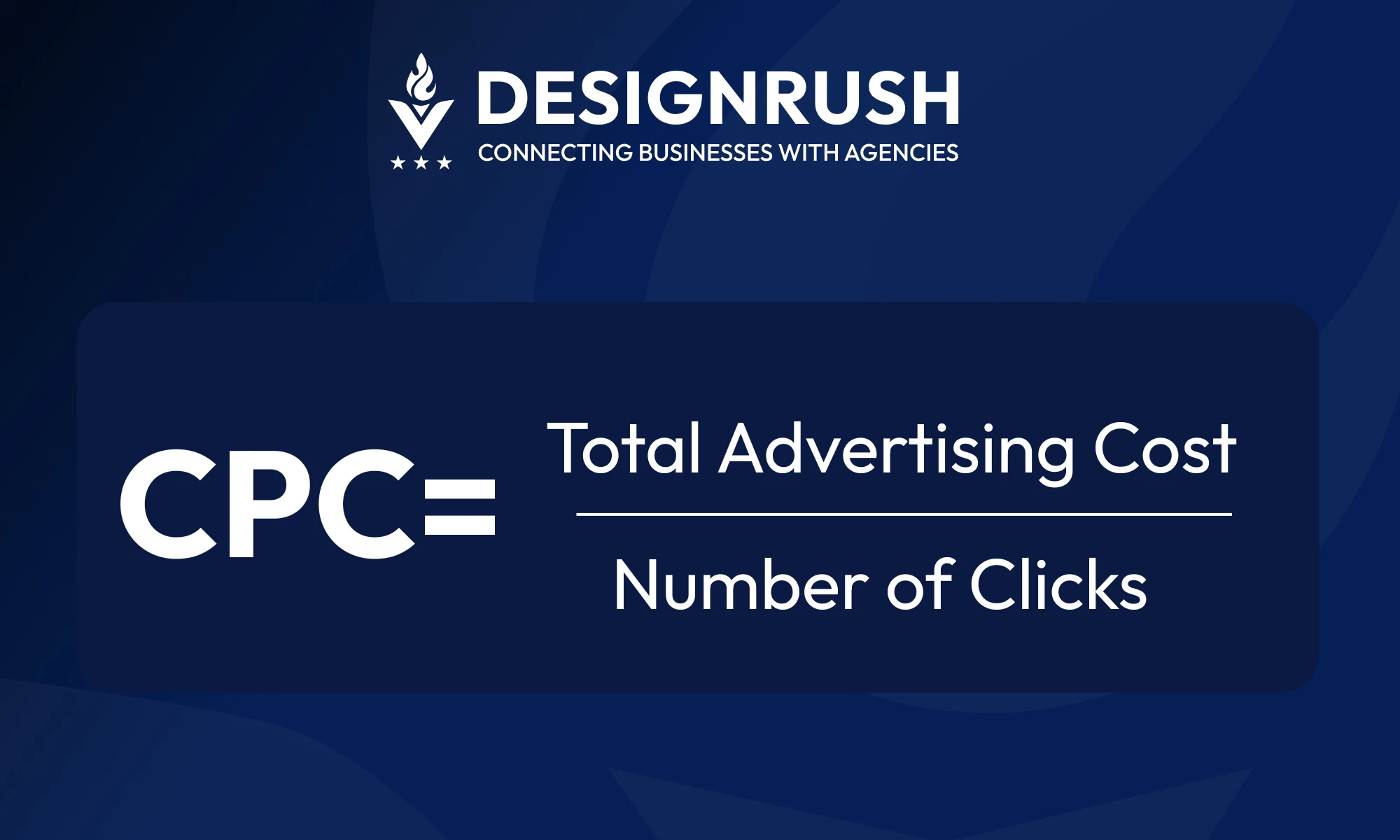
That means each click costs you $2.
The actual number depends on:
- The competition for your keywords
- How relevant your ad is
- Where it’s showing
That’s why you don’t just calculate once; you keep checking so you can spot when you’re overpaying.



6 Ways To Lower Your CPC
Jeff Carterson believes the best way to control CPC is by focusing on smart strategy instead of quick fixes.
This comes down to managing the controllables: your targeting, ad relevance, and overall performance.
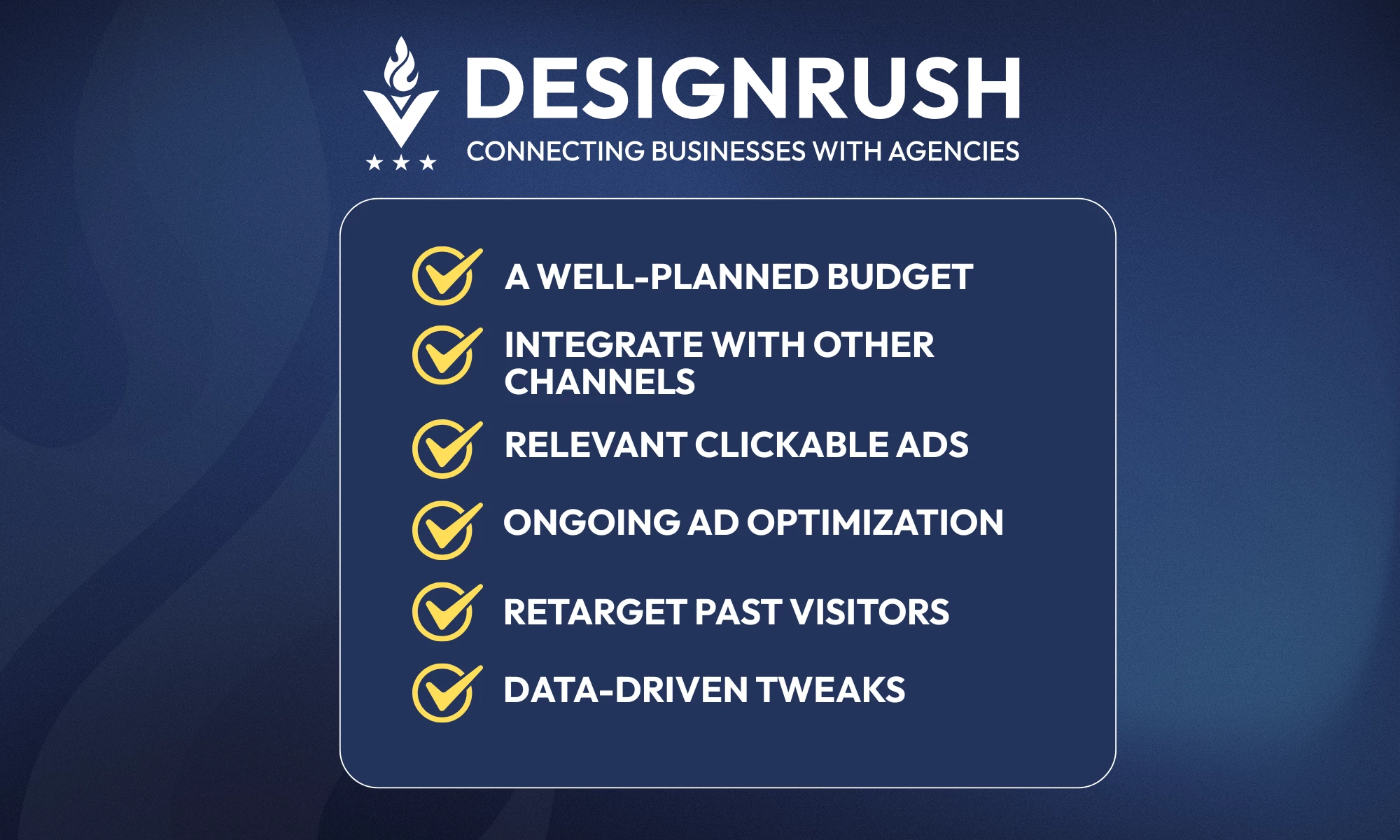
Here’s how you can make that happen:
- Begin with a well-planned budget allocation
- Integrate PPC with other marketing channels
- Make your ads relevant and easy to engage with
- Continuously optimize ad copy and creatives
- Leverage retargeting campaigns
- Use data-driven adjustments
1. Begin With a Well-Planned Budget Allocation
“Small businesses should allocate 60–70% of their budget to PPC initially. This allows you to capture leads quickly,” Carterson shared.
That means, go big early so you can quickly see what’s working. Once your campaigns are live:
- Track performance metrics like click-through-rate (CTR), CPC, and conversions
- Spot high-performing keywords and audiences
- Put more budget behind the top performers
- Pause or tweak ads that aren’t performing
This approach helps you build momentum fast while avoiding wasted spend on ads that don’t convert.
2. Integrate PPC With Other Marketing Channels
Carterson also said:
“PPC is a great tool, but it works best when integrated with SEO, content marketing, and email campaigns.”
Running PPC alone is like fishing with one line in the water. Pair it with SEO, email, and content marketing so you’re everywhere your audience is.
To do this, you can:
|
Combining these channels builds trust, keeps your brand visible across touchpoints, and improves overall ROI.
3. Make Your Ads Relevant and Easy to Engage With
Make sure your ad says exactly what your audience is searching for. Carterson expounded on this further, saying:
“Keeping ads relevant to user’s search queries and providing a smooth landing page experience are key factors in ensuring high click-through rates.”
Once they click, the landing page should load fast, look good on any device, and deliver exactly what the ad promised.
A mismatch between your ad and landing page can hurt Quality Score, raise your CPC, and cause potential customers to bounce.
You can strengthen both by:
|
This alignment between ad and landing page improves click-through rates, boosts conversions, and helps lower CPC over time.
4. Continuously Optimize Ad Copy and Creatives
“With tactics like retargeting, consistent ad optimization, and data-driven adjustments, PPC campaigns become more efficient over time,” Carterson said.
In other words, the more you fine-tune your ads based on performance data, the less you’ll pay for each click — and the more clicks you’ll get from the same budget.
Over time, ads naturally lose their punch. Regularly refreshing your visuals and messaging keeps campaigns engaging, prevents ad fatigue, and improves performance.
Testing also shows you which copy-and-design combinations truly connect with your audience, so you can put your money where it’ll have the most impact.
Try these optimization moves:
|
This way, you drive down cost per acquisition and deliver a solid ROI.
5. Leverage Retargeting Campaigns
Carterson explained retargeting works because it focuses on people who have already interacted with your brand. This makes them far more likely to click and convert than cold audiences.
Also, clicks from them often cost less because ad platforms see their past engagement and figure your ads are a good match.
That boost in relevance can improve your Quality Score, which means you don’t have to bid as much to win clicks.
To make retargeting work harder for you:
|
6. Use Data-Driven Adjustments
From there, Carterson said it’s all about testing, adjusting, and letting data steer your decisions.
If you want to cut CPC at scale, you have to dig deeper than surface metrics and find the real factors driving costs.
Small, consistent adjustments based on actual performance data can have a compounding effect which helps you pay less for clicks while keeping conversion volume strong.
Focus on:
|
This disciplined, data-first approach ensures every adjustment has a measurable impact on your CPC and ROI.
CPC Calculator: Final Notes
PPC can bring in quick wins, but it works best when paired with channels like SEO, content marketing, and email.
When you combine it with steady improvements, such as retargeting, ad optimization, and data-based tweaks, you can lower your cost per acquisition and see better returns over time.

Our team ranks agencies worldwide to help you find a qualified partner. Visit our Agency Directory for the best pay-per-click agencies, as well as:
- SEO Agencies
- Digital Marketing Agencies
- Conversion Rate Optimization Companies
- Content Marketing Agencies
CPC Calculator: FAQs
1. What is a good CPC?
A “good” CPC depends on your industry, audience, and campaign goals.
For example, legal services may see $10+ CPC as normal, while e-commerce might aim for under $1. The key is whether the clicks are converting at a profitable rate.
2. How often should I check my CPC?
Check CPC at least weekly when running active campaigns. For new campaigns or major changes, monitor daily during the first week to quickly spot and address high costs.
3. Does a low CPC always mean better performance?
Not necessarily. A low CPC with poor conversion rates can waste more money than a higher CPC that drives quality leads or sales. Always evaluate CPC alongside metrics like conversion rate and ROI.