Looking for the best reputation management companies in the USA to protect and strengthen your brand? We’ve curated a list of top agencies backed by a 4.5 average rating from 404 verified reviews. Compare them by budget or services to find the best reputation management agency for your needs.
United States ×
The only social growth hacking agency.
Spark Climb is the only growth hacking agency that enables brands to leverage cutting-edge technology in their social media branding and growth strategies...
Top Services:
- Media Buying
- Social Media Marketing
- Content Marketing
- PPC
- Digital Marketing
- Show more
- Location
- New York City, New York
- Number of Employees
- Under 49
- Average Hourly Rate
- $150/hr
- Minimal Budget
- $10,000 - $25,000
Intelligent Systems Enterprise Scale AI That Actually Works
Vellor Systems is an AI automation and intelligent systems agency built for organizations that demand more than off-the-shelf solutions. From Fortune 500 logistics operations to high-growth service enterprises, we architect, deploy, and manage AI infrastructure that drives measurable outcomes. Our...
Top Services:
- AI Development
- Web Development
- Web Design
- SEO
- PPC
- Show more
- Location
- Miami, Florida
- Number of Employees
- Under 49
- Average Hourly Rate
- $175/hr
- Minimal Budget
- $1,000 - $10,000
Turn Your Bottlenecks Into Breakthroughs
Skill Mammoth Digital is a growth-focused digital marketing agency helping service-based businesses generate more leads through web design, local SEO, AI search optimization, automation, and conversion-focused systems. Serving industries such as roofing, HVAC, landscaping, remodeling, healthcare, and...
Top Services:
- Digital Marketing
- SEO
- CRO
- Social Media Marketing
- Email Marketing
- Show more
- Location
- Blaine, Minnesota
- Number of Employees
- Under 49
- Minimal Budget
- $1,000 - $10,000
Long lasting organic SEO results
Agreed Technologies drives measurable growth through AI search optimization, custom SEO,and performance marketingserving 500+ clients nationwide since 2014 with growth built ontrust, innovation, and results...
Top Services:
- SEO
- PPC
- Social Media Marketing
- Web Development
- Mobile App Development
- Show more
- Location
- Newark, Delaware
- Number of Employees
- Under 49
- Average Hourly Rate
- $45/hr
From creating and optimizing your website to stepping in as your Marketing partner.
From creating and optimizing your website to stepping in as your Marketing partner, Fellswood Creative helps you grow your business and achieve your goals...
Top Services:
- WordPress Website Design
- Web Design
- Web Development
- Logo Design
- Graphic Design
- Show more
- Location
- Melrose, Massachusetts
- Number of Employees
- Under 49
- Average Hourly Rate
- $150/hr
- Minimal Budget
- $1,000 - $10,000
We Are Ready To Serve You Differently.
The Brand Development Group (BDG) possesses over 50+ combined years of experience and prides itself in offering holistic solutions to brands around the world. Our integrated approach saves clients time and money, while BDG executes each campaign with personalized care, as if it was our own...
Top Services:
- Digital Marketing
- Public Relations
- Web Design
- Social Media Marketing
- Graphic Design
- Show more
- Location
- Covington, Georgia
- Number of Employees
- Under 49
- Average Hourly Rate
- $150/hr
- Minimal Budget
- $1,000 - $10,000
Authentic PR for Meaningful Growth
Mango Media PR is a global public relations and brand management agency dedicated to helping small businesses grow. With expertise in public relations, marketing, web design, and content creation, Mango Media PR crafts powerful messages that resonate with target audiences. The agency's personalized...
Top Services:
- Public Relations
- Business Consulting
- Social Media Marketing
- Email Marketing
- Advertising
- Show more
- Location
- Lawrenceburg, Tennessee
- Number of Employees
- Under 49
- Average Hourly Rate
- $199/hr
- Minimal Budget
- $1,000 - $10,000
Law Firm Marketing Agency.
Law Firm Marketing Agency. AI-Powered Digital Marketing. Transform Your Practice with Expert Web Design and Strategic Digital Marketing Tailored for Personal Injury Law Firms...
Top Services:
- Web Design
- Web Development
- WordPress Website Design
- SEO
- Digital Services
- Show more
- Location
- Peachtree Corners, Georgia
- Number of Employees
- Under 49
- Average Hourly Rate
- $150/hr
- Minimal Budget
- $10,000 - $25,000
King Digital - Results Matter
King Digital provides digital marketing services with an emphasis on high-quality lead generation. Specializing in search engine marketing (pay-per-click), SEO (search engine optimization), and social media advertising, King Digital assists in effective strategies to meet growth goals. At King Digital, we...
Top Services:
- SEO
- PPC
- Digital Marketing
- Social Media Marketing
- CRO
- Show more
- Location
- Albuquerque, New Mexico
- Number of Employees
- Under 49
- Minimal Budget
- Under $1,000
Wisconsins One-stop-shop For Everything Digital
We're more than marketers were your growth partners. Madison Media Services helps businesses of all sizes stand out online with personalized marketing strategies that work for your goals, your brand, and your budget...
Top Services:
- Web Development
- Digital Marketing
- Managed Services
- eCommerce Development
- SEO
- Show more
- Location
- Madison, Wisconsin
- Number of Employees
- Under 49
- Minimal Budget
- Under $1,000
Crafting Experiences, Delivering Success
American Digital Agency is a professional web design and development company helping businesses build a strong online presence. We create modern, responsive, and conversion-focused websites tailored to each clients brand and goals...
Top Services:
- Logo Design
- UI/UX Design
- Web Design
- Web Development
- Digital Marketing
- Show more
- Location
- Ashburn, Virginia
- Number of Employees
- 50 - 99
- Average Hourly Rate
- $35/hr
- Minimal Budget
- $1,000 - $10,000
MarketDing specializes in delivering enterprise-grade web solutions and digital marketing services to established organizations. We combine technical expertise with strategic insight to create websites and marketing systems that drive consistent results. Our clients rely on us for professional, scalable...
Top Services:
- Web Design
- SEO
- Content Marketing
- Branding
- Logo Design
- Show more
- Location
- Miami, Florida
- Number of Employees
- Under 49
- Average Hourly Rate
- $500/hr
- Minimal Budget
- $10,000 - $25,000
Building Stronger Businesses Through Strategic Marketing Execution
Full Digital marketing agency in South Bend, Indiana. We provide local SEO, PPC & web design services to increase traffic, leads & revenue. Get a free quote!...
Top Services:
- Digital Services
- Graphic Design
- Creative Services
- Design Services
- Digital Strategy
- Show more
- Location
- South Bend, Indiana
- Number of Employees
- 100 - 249
- Average Hourly Rate
- $450/hr
- Minimal Budget
- Under $1,000
Specializing in solving issues, growing revenue, and building brands.
Arcane Marketing comprises a team of over 20 highly skilled digital marketing experts. Our agency is known for growing revenue in a fast and high quality fashion where many other agencies have failed. In short, we solve your organization's issues, grow revenue, and build brands...
Top Services:
- SEO
- PPC
- Social Media Marketing
- Digital Marketing
- Web Design
- Show more
- Location
- Idaho Falls, Idaho
- Number of Employees
- Under 49
- Average Hourly Rate
- $100/hr
- Minimal Budget
- $1,000 - $10,000
Get More Local Customers with Our Proven Digital Marketing Services.
Small business digital marketing agency offering a comprehensive range of digital marketing solutions for businesses that want to get more local customers and outperform their competition...
Top Services:
- PPC
- Digital Marketing
- Social Media Marketing
- SEO
- WordPress Website Design
- Show more
- Location
- Littleton, Colorado
- Number of Employees
- Under 49
- Average Hourly Rate
- $50/hr
- Minimal Budget
- $1,000 - $10,000
Everything we do isn't about us. It's about you, your brand, your customers, and your patients.
Don't take our word for it. "Duo has always made our company feel like their top priority! Their digital marketing strategies have been crucial to our online growth and success." -Rachel JVMC.Duo is about people who think "outside the box" instinctively. We're doers, makers, and thinkers...
Top Services:
- PPC
- Digital Marketing
- Social Media Marketing
- Video Production
- Web Design
- Show more
- Location
- Logan, Utah
- Number of Employees
- Under 49
Let's Grow Together.
At Web Tech Fusion, we're passionate about helping organizations reach their potential. We turn growth goals into reality with exclusive partnerships and tailored digital strategies! As a partner, our success is measured by yours: Your wins are ours too. Let's work together to transform your organization and...
Top Services:
- SEO
- Digital Marketing
- PPC
- Social Media Marketing
- Email Marketing
- Show more
- Location
- Midlothian, Virginia
- Number of Employees
- Under 49
- Average Hourly Rate
- $149/hr
- Minimal Budget
- $1,000 - $10,000
Transform and Elevate
Avita Group helps remarkable companies accelerate their success. We focus on conversion optimization to yield better search engine results, more qualified leads and an overall increase in revenue. In addition, we nurture your brand’s online presence so that positive content is the most visible result of any...
Top Services:
- SEO
- CRO
- Digital Marketing
- PPC
- eCommerce Development
- Show more
- Location
- Calabasas, California
- Number of Employees
- Under 49
- Minimal Budget
- $1,000 - $10,000
Increase Brand Visibility
DexDel is a digital marketing and web development company that provides SEO, web design, eCommerce, and online marketing solutions for businesses worldwide. Founded in 2011, the company focuses on delivering cost-effective digital services that help brands improve online visibility, attract customers, and...
Top Services:
- Web Design
- Web Development
- WordPress Website Design
- eCommerce Development
- SEO
- Show more
- Location
- San Jose, California
- Number of Employees
- Under 49
- Average Hourly Rate
- $15/hr
Your one-stop solution for all your marketing, web design, printing, and direct mail needs.
Our focus is on delivering results that meet and exceed your unique business objectives. Our team is committed to working closely with you to understand your needs and create tailored strategies that help you achieve success...
Top Services:
- Web Design
- Digital Marketing
- Product Design
- Print Design
- SEO
- Show more
- Location
- Murfreesboro, Tennessee
- Number of Employees
- Under 49
We Build Regenerative Brands.
BBMG is a brand and social innovation consultancy that works with leaders who wont wait on things that cant wait. Founded in 2003, based in Brooklyn, NY...
Top Services:
- Branding
- Market Research
- Graphic Design
- Logo Design
- Creative Services
- Show more
- Location
- New York City, New York
- Number of Employees
- 50 - 99
Built for growth, now.
The HOW Agency serves as the digital extension of the 5W network of agencies, representing a comprehensive digital enterprise born from the intersection of discourse and culture. Our mission is to foster brand expansion, wield conversational influence, and, ultimately, deliver measurable growth for our...
Top Services:
- Digital Services
- Digital Marketing
- Media Buying
- Social Media Marketing
- Email Marketing
- Show more
- Location
- New York City, New York
- Number of Employees
- Under 49
- Average Hourly Rate
- $175/hr
- Minimal Budget
- $10,000 - $25,000
Let's Partner Together On Something Great. Flip The Lever Today!
LeadLever Digital is your premier partner in the digital marketing world. Specializing in SEO, PPC, Social Media Marketing, and Web Design, we craft tailored strategies to elevate your online presence and drive results. With a focus on innovation and creativity, our team of experts is dedicated to helping...
Top Services:
- Web Design
- WordPress Website Design
- SEO
- PPC
- Social Media Marketing
- Show more
- Location
- Jacksonville, Florida
- Number of Employees
- Under 49
- Average Hourly Rate
- $100/hr
- Minimal Budget
- $1,000 - $10,000
Get Found Online and Offline.
Local Presence SEO, LLC is a digital marketing company which focuses on SEO. To create top results from seo, we are experts in on-page optimization, off-page link building, web design, social media management, citation management, reputation management and off-line business building strategies...
Top Services:
- Web Design
- Web Development
- UI/UX Design
- SEO
- PPC
- Show more
- Location
- Durham, North Carolina
- Number of Employees
- Under 49
- Average Hourly Rate
- $115/hr
- Minimal Budget
- $1,000 - $10,000
Bleeding-edge digital marketing strategies that break barriers and redefine what is possible.
Warp Drive Digital Marketing delivers personalized, data-driven strategies that help businesses grow by finding more customers, generating leads, and increasing sales. We leverage cutting-edge technology and innovation to provide tailored solutions that push the boundaries of traditional marketing. Our...
Top Services:
- PPC
- SEO
- eCommerce
- Digital Marketing
- CRO
- Show more
- Location
- Ogden, Utah
- Number of Employees
- Under 49
- Minimal Budget
- $1,000 - $10,000
We help your business scale to new heights with innovative AI-driven strategies.
We deliver results-driven solutions as a leading AI Optimization Agency in the USA. Our expertise covers every aspect of digital marketing, ensuring your business stays ahead in a competitive market...
Top Services:
- Web Development
- eCommerce Development
- Social Media Marketing
- Email Marketing
- SEO
- Show more
- Location
- Miami, Florida
- Number of Employees
- Under 49
- Average Hourly Rate
- $25/hr
- Minimal Budget
- Under $1,000
Igniting Creativity, Fueling Success: Your Vision, Our Strategy
We specialize in strategy and design to assist our clients in enhancing their online presence and fulfilling their marketing goals...
Top Services:
- Branding
- Public Relations
- Digital Marketing
- Web Development
- Graphic Design
- Show more
- Location
- Columbia, South Carolina
- Number of Employees
- Under 49
- Average Hourly Rate
- $50/hr
- Minimal Budget
- Under $1,000
Fastest Growing IT Company
ABTACH DMCC is a UAE-based company that offers a wide range of services to meet client needs. We analyze every aspect of your business, including its history and organizational patterns. This in-depth approach allows us to provide customized solutions, from social media marketing to SEO services...
Top Services:
- Branding
- Logo Design
- UI/UX Design
- SEO
- PPC
- Show more
- Location
- Dallas, Texas
- Number of Employees
- 100 - 249
- Average Hourly Rate
- $30/hr
Strategic Technology Communications
For over 20 years, Force4 has combined high-level industry knowledge with in-depth technology experience to provide our clients with the services necessary to establish and maintain awareness in the global marketplace. We design, deploy and execute communications programs that directly support the goals of...
Top Services:
- Public Relations
- Content Marketing
- SEO
- Social Media Marketing
- Digital Services
- Show more
- Location
- Santa Cruz, California
- Number of Employees
- Under 49
- Average Hourly Rate
- $199/hr
- Minimal Budget
- $1,000 - $10,000
Ace Your Digital Edge
Acetech Digital creates stunning websites and digital experiences that drive growth. From web design to SEO, branding, and marketing, we help businesses thrive online...
Top Services:
- Web Development
- Digital Services
- SEO
- Digital Marketing
- Social Media Marketing
- Show more
- Location
- Houston, Texas
- Number of Employees
- 100 - 249
- Average Hourly Rate
- $30/hr
- Minimal Budget
- Under $1,000
If You Can Imagine It, We Can Build It
At Mid-Hudson Web, we are passionate about crafting innovative and custom digital services that help businesses grow and thrive in the ever-evolving digital world. We have assembled the best freelancers and industry professionals to deliver a wide range of creative services, including branding and logo...
Top Services:
- SEO
- Web Design
- Web Development
- WordPress Website Design
- Mobile App Development
- Show more
- Location
- Pleasant Valley, New York
- Number of Employees
- Under 49
- Average Hourly Rate
- $35/hr
- Minimal Budget
- $1,000 - $10,000
From Rankings to Revenue Transforming Digital Presence with Cutting-Edge Marketing Solutions!
Better online visibility is possible.Sometimes, good things come easy. All you have to do is to make wise choices...
Top Services:
- Digital Marketing
- PPC
- Social Media Marketing
- Advertising
- SEO
- Show more
- Location
- Buffalo, Wyoming
- Number of Employees
- 50 - 99
- Average Hourly Rate
- $25/hr
- Minimal Budget
- $1,000 - $10,000
- Portfolios Count
- 4 Projects Listed
Discover Your Digital Space
The Social Being is an award-winning, leading advertising agency that prides itself on giving continuous attention to our client’s needs and providing excellent client satisfaction by working as a San Antonio internet marketing company. We specialize in WordPress Website Development, SEO and Social Media...
Top Services:
- Social Media Marketing
- PPC
- Digital Marketing
- SEO
- Email Marketing
- Show more
- Location
- San Antonio, Texas
- Number of Employees
- Under 49
- Average Hourly Rate
- $195/hr
- Minimal Budget
- $1,000 - $10,000
Frustrated by your marketing? We can help.
SkyeLine Studio is a full-service digital marketing firm specializing in website design, writing, local SEO, social media, email marketing, food photography, branding, graphic design & logos...
Top Services:
- Web Design
- WordPress Website Design
- SEO
- Digital Services
- Email Marketing
- Show more
- Location
- Wolcott, Connecticut
- Number of Employees
- Under 49
- Average Hourly Rate
- $129/hr
- Minimal Budget
- $1,000 - $10,000
We Build Brands That Stick, Not Just Click
Well review your website, SEO, and digital presence, then send you a personalized report with insights and recommendations to help you grow...
Top Services:
- Branding
- Public Relations
- Video Production
- Social Media Marketing
- Advertising
- Show more
- Location
- Miami, Florida
- Number of Employees
- Under 49
- Minimal Budget
- $1,000 - $10,000
The Forward Thinking Specialists
Harness the power of digital marketing to propel your business' success! Connect with knowledgeable professionals who can guide you through the latest tools and strategies, and enable you to reach greater heights. Make sure that every decision is guided by real human advice - void of confusing terminology or...
Top Services:
- SEO
- Content Marketing
- Social Media Marketing
- PPC
- Digital Marketing
- Show more
- Location
- New York City, New York
- Number of Employees
- Under 49
- Average Hourly Rate
- $99/hr
- Minimal Budget
- $1,000 - $10,000
Grow your business!
Xtremify is a web development company that creates lightning-fast websites and provides cutting-edge online marketing and business services to assist you in moving forward with your plans. We are here to provide you with a cost-free and obligation-free consultation on the business plan of your choice. Let us...
Top Services:
- Digital Marketing
- SEO
- CRO
- Email Marketing
- Logo Design
- Show more
- Location
- Eagle, Idaho
- Number of Employees
- Under 49
- Average Hourly Rate
- $149/hr
- Minimal Budget
- Under $1,000
Give your business the edge!
Headquartered in Nashville, Digital Edge is a dynamic digital marketing agency dedicated to fostering business growth. With our strategic approach and comprehensive suite of services, we empower businesses to thrive in today's competitive digital landscape, driving measurable results and achieving lasting...
Top Services:
- SEO
- PPC
- Digital Marketing
- CRO
- Content Marketing
- Show more
- Location
- Nashville, Tennessee
- Number of Employees
- Under 49
- Average Hourly Rate
- $125/hr
- Minimal Budget
- $1,000 - $10,000
Website Design & SEO Specialists
As a Website Design & SEO Specialist, We craft digital experiences that captivate and convert. With a keen eye for aesthetics and user experience, we design sleek, responsive websites that resonate with your target audiences. Utilizing the latest SEO techniques, we make sure your website ranks prominently on...
Top Services:
- Design Services
- Digital Services
- Logo Design
- Branding
- Digital Strategy
- Show more
- Location
- Linden, New Jersey
- Number of Employees
- Under 49
- Average Hourly Rate
- $40/hr
- Minimal Budget
- Under $1,000
Fluent in Marketing Magic
We're here to help your small business grow sustainably. Let us take online presence management off your plate and generate leads through SEO, social media, email marketing, and more. We also offer branding, new website builds, rebrands, and big-picture marketing strategy consultations...
Top Services:
- Digital Marketing
- WordPress Website Design
- Web Development
- Branding
- Digital Strategy
- Show more
- Location
- Holly Springs, North Carolina
- Number of Employees
- Under 49
- Average Hourly Rate
- $150/hr
- Minimal Budget
- $1,000 - $10,000
Experience The digital marketing banner Difference!
We are very grateful to have been recognized over our 20+ years in business with so many wonderful awards and accolades. This is a direct reflection of the relationship our Digital WOW team members share with our amazing clients...
Top Services:
- Web Development
- Graphic Design
- Video Production
- Logo Design
- Digital Strategy
- Show more
- Location
- Jacksonville, Florida
- Number of Employees
- Under 49
Helping Small Businesses Grow with Smart Marketing
At The Digital Marketing Wizard, we help small businesses get more leads, calls, and customers thr through expert SEO, PPC, and website design. Our data-driven strategies ensure your business ranks higher, attracts the right audience, and maximizes ROI. What makes us unique? We focus on resultsnot just...
Top Services:
- SEO
- PPC
- Digital Marketing
- CRO
- Advertising
- Show more
- Location
- San Francisco, California
- Number of Employees
- Under 49
- Average Hourly Rate
- $40/hr
Data-Driven Agency That Skyrockets Revenue!
Coozmoo delivers end-to-end technology-focused digital solutions and local services, driving enhanced business growth for our clients. Our team of 250+ experts creates tailored strategies for global small to medium-sized enterprises. As one of the fastest-growing companies...
Top Services:
- Web Design
- Web Development
- SEO
- PPC
- Email Marketing
- Show more
- Location
- Pearland, Texas
- Number of Employees
- 250 - 499
- Minimal Budget
- $1,000 - $10,000
Done Right Done Local
Heart of Texas SEO is a Central Texasbased digital marketing agency specializing in SEO, local search optimization, AI/GEO visibility, and content-driven growth for service-based and blue-collar businesses. We help contractors, home service companies, and professional firms improve visibility across Google...
Top Services:
- SEO
- Web Design
- Web Development
- Branding
- Graphic Design
- Show more
- Location
- Mount Calm, Texas
- Number of Employees
- Under 49
- Average Hourly Rate
- $75/hr
- Minimal Budget
- Under $1,000
Turn Empathy Into Impact
Todays marketing leaders face complex challenges broken workflows, scattered campaigns, and rising costs. Add multiple non-aligned agencies to the mix, and those challenges multiply. Thats why we take a different approach...
Top Services:
- Video Production
- Digital Services
- Digital Strategy
- Digital Marketing
- Media Buying
- Show more
- Location
- Indianapolis, Indiana
- Number of Employees
- 50 - 99
- Average Hourly Rate
- $200/hr
- Minimal Budget
- $10,000 - $25,000
From accounts to creative, the 50 professionals of Trilix make it our mission to fuse passion with the purpose for our clients...
Top Services:
- Digital Marketing
- SEO
- Advertising
- Web Design
- Web Development
- Show more
- Location
- Des Moines, Iowa
- Number of Employees
- Under 49
- Average Hourly Rate
- $125/hr
- Minimal Budget
- $1,000 - $10,000
We Grow Brands
Idyllwild Advertising, is an expert, boutique digital advertising agency founded on the principles of creativity, accessibility, and accountability. We grow clients in a wide variety of sectors, including healthcare, tourism, building, landscaping, restaurants, manufacturing, and more...
Top Services:
- Digital Marketing
- SEO
- Web Design
- Branding
- Web Development
- Show more
- Location
- Sandy, Utah
- Number of Employees
- Under 49
Turning Clicks into Customers.
We help companies with their creative marketing initiatives, replacing a team of full-time employees, leaving you with more time and money to focus on keeping your customers happy...
Top Services:
- Digital Marketing
- SEO
- Social Media Marketing
- Graphic Design
- Video Production
- Show more
- Location
- Salt Lake City, Utah
- Number of Employees
- Under 49
A DIGITAL MARKETING AGENCY BUILT AROUND YOU.
Quantifi Media is a team of passionate digital marketers that will help you thrive so you can concentrate on doing what you're great at. Your time is valuable. Our industry experts will cater to developing an effective digital marketing strategy, creative design and development, reliable analytics...
Top Services:
- Digital Marketing
- SEO
- Media Buying
- Advertising
- Social Media Marketing
- Show more
- Location
- East Stroudsburg, Pennsylvania
- Number of Employees
- Under 49
- Minimal Budget
- $1,000 - $10,000
Creative Strategies That Deliver Measurable Results
AIM is your guide to conquering the digital landscape. Our expert consultancy supports companies of any size in developing and executing marketing strategies that maximize growth potential. If you're ready for a revolution, let's collaborate on getting your business up to speed with the latest advancements...
Top Services:
- PPC
- Email Marketing
- SEO
- Content Marketing
- Digital Marketing
- Show more
- Location
- Frisco, Texas
- Number of Employees
- Under 49
- Average Hourly Rate
- $199/hr
- Minimal Budget
- $1,000 - $10,000


























Reputation Management Companies by City
Reputation Management Companies by State
Popular Services
Hiring Guide: How to Choose Top Online Reputation Management Services in the US
How do I choose the best reputation management company in the United States?
Enterprise reputation management spending in the U.S. exceeds $140B and is expected to reach $579.9B by 2035, driven by regulatory pressure and increased digital scrutiny.
With so many agencies operating in this space, choosing the right partner comes down to:
- Clear specialization
Look for demonstrated experience in reputation management, not generic digital marketing or PR. - Transparent methodology
The agency should explain how it monitors sentiment, manages reviews, improves search visibility, and handles crises. - Ethical practices
Confirm they avoid black-hat SEO, fake reviews, or content manipulation that could create long-term risk. - U.S. market expertise
Agencies should understand U.S. review platforms, media ecosystems, and consumer behavior. - Measurable results
See how success is tracked: sentiment shifts, review scores, visibility improvements, or response rates. - Dedicated account ownership
Ideally, you should have a clear point of contact.
What questions should I ask reputation management companies before hiring?
Use these questions to assess a reputation management agency in the USA before hiring:
Relevant Background
- What is your core reputation management methodology?
- Do you have experience in our industry and market niche? Can you share relevant case studies and their outcomes?
- What reputation surfaces do you cover and which customer engagement channels do you use?
Services and Processes
- What is your process for monitoring and responding to online reviews, especially negative feedback and complaints?
- What tools and workflwos do you use for customer relationship management (CRM), monitoring, drafting, reporting, and sentiment analysis?
- What governance do you use for brand voice, legal/compliance review, and approval controls before anything is published?
- What ethical and regulatory standards do you follow (e.g., no fake reviews, no review gating, FTC guidelines)?
Related to Your Project
- How do you tailor your approach to our brand and situation?
- How are communication and approvals handled for my project?
- How do you define, measure, and report success?
- Who owns the accounts/content/data, and what happens after the contract ends?
How long before I see results?
According to DesignRush’s ORM Maturity Framework, brands that proactively build trust recover up to three times faster from reputational damage than those that take a reactive approach.
In practice, timelines typically look like this:
- Review improvements and response impact: ~2-4 weeks
- Search result improvements: several months
- Crisis recovery (with a structured ORM plan): as little as 30 days
- Long-term reputation strengthening: ongoing, cumulative gains
Research from Reputation X shows that without a structured ORM strategy, reputation recovery can take 6-12 months or longer.
Brands supported by top reputation management companies with established monitoring, response protocols, and owned content often resolve issues faster.
- The most significant factors affecting speed include:
- Your existing online reputation
- Whether harmful content already ranks highly
- Competitive pressure in search results
- How integrated ORM is with SEO, PR, and customer experience
What industries benefit most from partnering with reputation management firms?
Reputation management delivers the greatest impact in industries where trust, reviews, and public perception directly influence buying decisions:
| Industry | Why Reputation Management Matters |
| Healthcare |
|
| Hospitality & Travel |
|
| Legal, Accounting, and Consulting Services |
|
| Ecommerce & Retail |
|
| Financial Services & Insurance |
|
| Automotive & Home Services |
|
Does every business need reputation management?
Every company is judged by how it’s perceived, especially online, which is why reputation management has become a business essential.
Here’s why you may want to consider hiring a reputation management firm:
- Trust influences choice: Customers favor brands seen as honest, reliable, and transparent.
- Reviews impact revenue: Ratings and feedback directly impact conversions and sales.
- Negative signals spread fast: Unmanaged complaints quickly erode your company’s credibility.
- Reputation affects visibility: Reviews influence search rankings and discoverability.
- Response matters: How you handle issues often matters more than the issue itself.
- Stakeholders are watching: Talent, partners, and investors will assess your reputation before committing.
- Reputation wins: In competitive markets, trust becomes the deciding factor.
How to find the best reputation management agencies in the USA on DesignRush that fit your budget?
We’ve curated a list of top reputation management companies on DesignRush across multiple price points, so you can identify a vendor that's within your budget.
| High budget: $50,000+ |
|
| Low budget: $25,000-$50,000 |
|
Beyond budget, our agency directory allows you to filter agency profiles by location, area of expertise, agency reviews, client types, team size, and hourly rates.
Why People Trust DesignRush
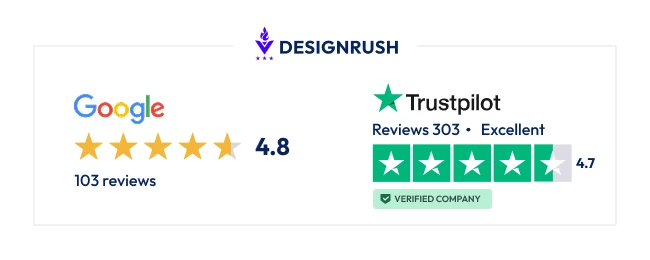
Rated 4.8 on Google and 4.7 on Trustpilot, DesignRush Agency Directory is a reliable resource for finding reputation management companies in United States. We owe this to our executive selection team, which follows a strict screening process when featuring agencies on the platform, assessing key performance indicators, like portfolio, client reviews, and industry reputation.
Learn more about DesignRush Agency Ranking Methodology.
Sources
DesignRush sustains a directory of over 40,000 agencies categorized by service category, location, expertise, and reviews. We build our database in two ways:
- Our dedicated team of agency experts actively searches the web for top-performing companies. We then pull information from their websites, online presence, and client testimonials to verify their status and qualifications prior to listing.
- The agencies listed get notified of their profiles on the website and they can choose to claim it or not, which suggests their availability for more collaborations.
Agencies can also reach out to DesignRush and must go through the verification process prior to being listed.
Online Reputation Management FAQs
What does a reputation management company do?
Reputation management directly affects revenue and trust.
Reputation management typically includes:
- Monitoring brand sentiment across search engines, review platforms, social media, news sites, and online communities
- Managing reviews and ratings, including responding to feedback and encouraging positive customer experiences
- Improving search visibility by promoting favorable content and addressing harmful or misleading material when appropriate
- Crisis and issue response to contain negative press, complaints, or reputational risks
- Content and presence management to ensure brand-owned channels accurately reflect company values and messaging
In the U.S., 67.7% of consumers say online reviews influence purchasing decisions, and buyers read an average of 9-10 reviews before making a purchase. Poor brand perception can cost businesses up to 14.7% in lost revenue, while positive reviews increase trust and conversions.
How much do reputation management companies in the USA charge?
Reputation management pricing in the United States ranges between $100 and $500 per hour or $5,000 and $20,000 per engagement. Final billing will depend on agency scope, engagement size, and time commitment. Here’s what you can expect:
- Average hourly rate: According to DesignRush data, the top reputation management firms charge an average of $107 per hour.
- Lower minimum budgets: 19.5% of agencies accept projects with a minimum budget under $1,000.
- Higher minimum budgets: Only 0.7% of agencies require a minimum project budget of $50,000, showing that fewer agencies operate at that entry point.
- Typical engagement cost: Online reputation management solutions generally range from $5,000 to $20,000.
- Time commitment: These engagements typically involve 50-200 hours spread over several months, depending on the scope and complexity.
Can a business rebuild trust after reputational damage?
Yes, they can absolutely rebuild trust after reputational damage.
Research shows that 90% of consumers trust brands more when they openly acknowledge mistakes, and thoughtful responses to negative reviews lead 33% of customers to update or remove critical feedback.
Companies with mature reputation management strategies recover up to three times faster, often within weeks rather than months, by addressing issues head-on instead of staying silent.
If you’re in this situation, a reputation management agency will help you do the following:
- Assess the impact by tracking sentiment, reviews, customer churn, and revenue signals.
- Align internal stakeholders so leadership, legal, PR, and support teams share one consistent response.
- Respond transparently with explicit acknowledgment and visible corrective actions.
- Engage directly with feedback to demonstrate accountability and regain confidence.
- Reinforce positive trustsignals by amplifying verified reviews, testimonials, and earned coverage.
What’s the difference between brand management and reputation management?
Brand management and reputation management influence how a company is perceived, but they serve different purposes. Specifically, brand management focuses on the image a company intentionally creates. Reputation management, on the other hand, reflects how a company is actually perceived based on real-world behavior.
Here’s a more detailed breakdown of their differences:
| Brand Management | Reputation Management |
|
|
With 81% of US consumers saying they must trust a brand before buying, both brand management and reputation management play a crucial role in revenue and growth.
Is reputation management different for small businesses vs. large enterprises?
Yes, reputation management looks very different for small businesses and large enterprises, mainly due to visibility and risk exposure.
For small businesses, it’s highly immediate and localized. Most customers discover small brands through search results and reviews, and 90% of consumers say positive reviews influence their buying decisions.
With fewer brand touchpoints and limited margin for error, even a small number of negative reviews can directly impact sales. As a result, these companies have their reputation management provider focus on:
- Monitoring and responding to reviews
- Local search visibility and credibility
- Consistent customer experience and feedback
As for large enterprises, reputation management operates at a broader level. It typically involves:
- Cross-functional coordination across PR, legal, HR, and leadership
- Ongoing media and sentiment monitoring
- Governance, leadership visibility, and crisis preparedness
About The Author and Expert Reviewer

Jelena Relić has hundreds of top-ranking articles and a lifestyle & culture magazine she calls The MAN. She gained valuable content and SEO experience working at Digital Circle and Neil Sahota, which she now uses to deliver top-quality B2B content at DesignRush, particularly in the creative industry.

Mariana Delgado is the Head of Marketing at DesignRush, with more than ten years of experience across digital marketing, sales management, search, and video advertising. Since joining DesignRush, she has delivered 3× site-traffic growth and 2× growth in monthly revenue by building scalable, performance-led programs that connect acquisition, content, and brand across channels. Her campaigns have achieved a 5:1 ROAS.
Latest Trends Related to Reputation Management