How to Hire a Florida Software Development Company Table of Contents
How do I know if I'm ready to hire a Florida software development company or if I need to do internal work first? You are not ready to hire a software development company until you can answer three questions in writing:
What problem does this software solve? How will I measure whether it solved it? Who inside my organization has decision-making authority over requirements? These aren't bureaucratic prerequisites, but inputs that help a software development company in Florida scope your project accurately.
Without them, every proposal you receive will be built on assumptions the agency made for you.
Those assumptions become your problem the moment you sign.
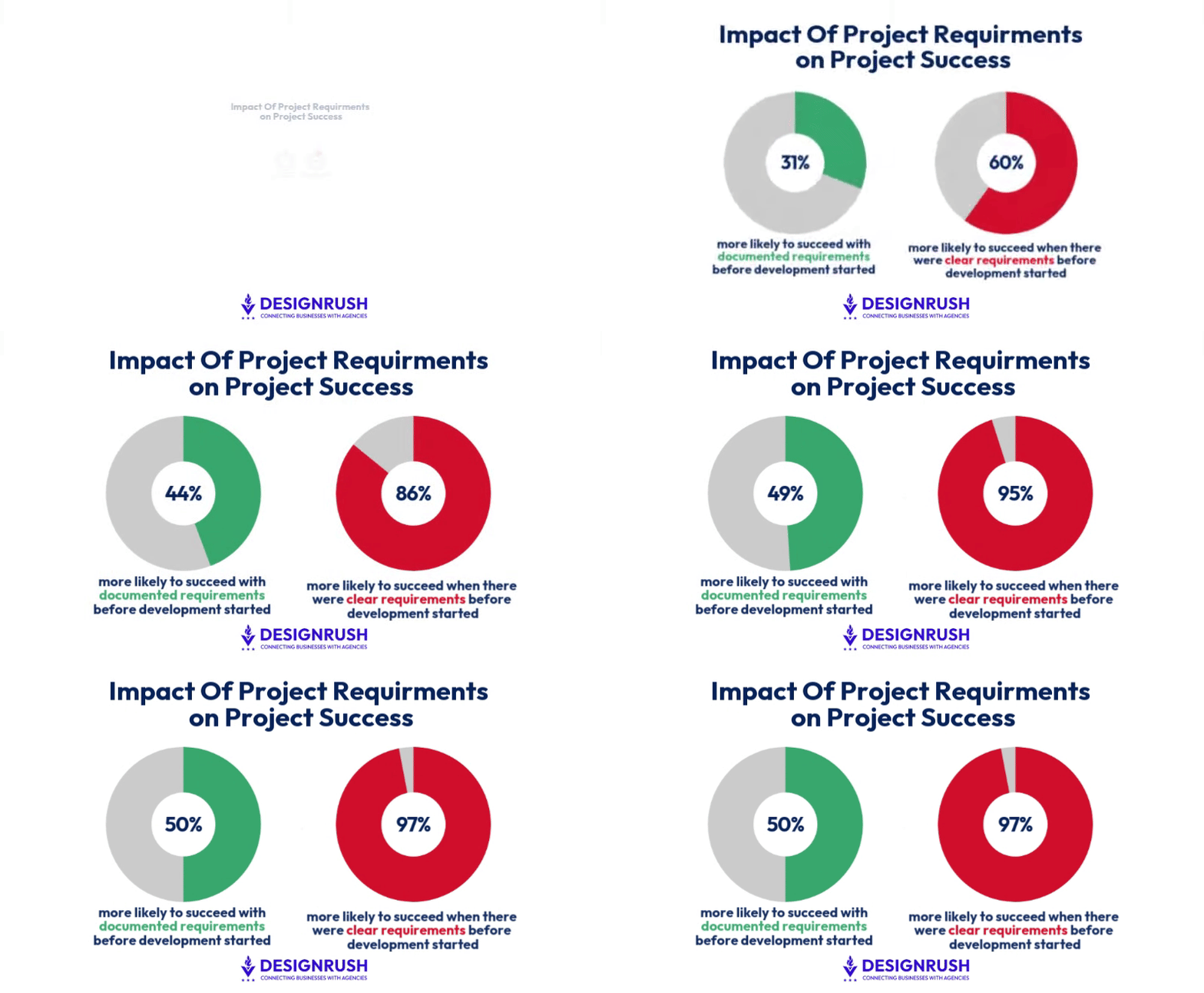
A 2024 study published alongside the Impact Engineering research found that projects with documented requirements before development started were 50% more likely to succeed than those without them, which means the internal work you do before your first agency call is more predictive of outcome than which agency you choose.
Projects with clear requirements before development started were 97% more likely to succeed, nearly doubling the lift over simply having documented requirements.
The specific internal readiness checklist looks like this:
Readiness Question Why It Matters Before Hiring What business problem does this solve? Agencies scope to requirements, not to vague goals How will you measure success at 30/90/180 days? Without this, "done" is undefined in the contract Who has final sign-off on requirements? Unclear authority causes scope changes mid-build Do you have existing systems this must integrate with? Integration complexity directly determines price What's your realistic timeline and budget ceiling? Without this, agencies propose what impresses, not what fits
If you cannot answer all five before your first agency conversation, you will get proposals that reflect the agency's assumptions, not your actual constraints. That is how the wrong agency wins on paper.
What do I need to have documented before my first agency conversation? The minimum viable document you need before talking to software developers in Florida is a written scope that covers what the software must do, what it explicitly does not need to do, and what your existing technical environment looks like.
Showing up without this will make the conversation vague, and it transfers creative control of your project scope to the agency's sales team, whose incentive is to propose a version of your project that wins the deal, not a version that protects your budget.
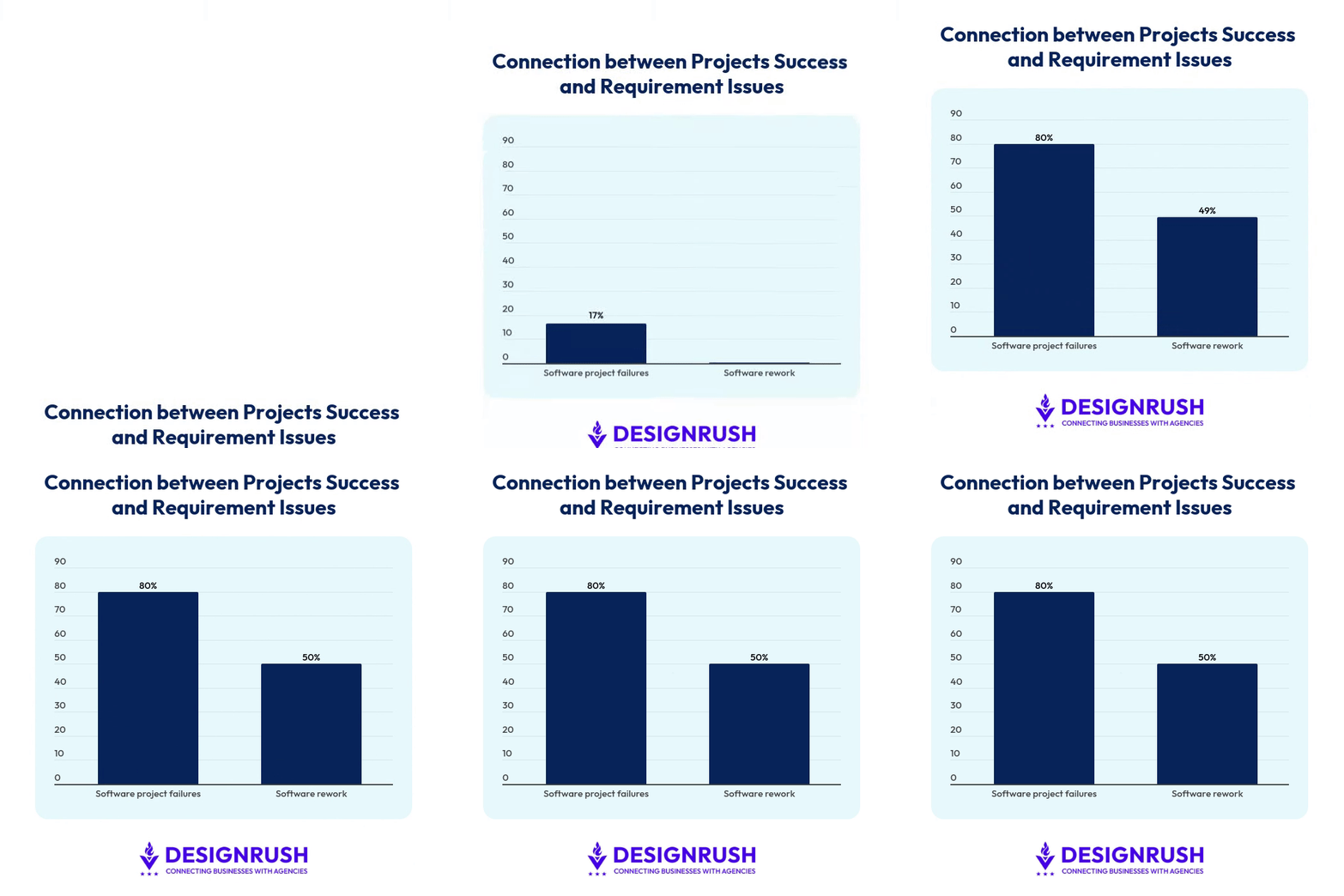
The Standish Group's CHAOS report shows that 80% of software project failures trace back to requirement-related issues, and most of those issues originate before the contract is signed, not during development.
According to the Info-Tech Research Group, 50% of software rework , i.e., the work that must be rebuilt after it's already been completed, is a direct result of requirements issues.
You don't need a 40-page functional specification, but you do need these four things in writing before the first call.
A one-paragraph problem statement, a list of must-have features versus nice-to-haves, the names of any third-party systems requiring integration, and a realistic budget range.
Software development companies in Florida that receive this upfront will give you sharper proposals.
Agencies that receive nothing give you a proposal shaped around what they want to build.
What's the most reliable way to tell whether a Florida agency's past work is relevant to my project? The most reliable signal of relevant experience is whether an agency can describe the technical constraints it had to solve for. The look of the finished product isn’t enough.
Screenshots prove a project shipped. They don't prove the agency understands your industry's compliance requirements, integration complexity, or user behavior patterns.
Ask every software developer in Florida on your shortlist to walk you through a past project in your vertical and answer these specific questions:
What was the hardest technical problem they encountered? What did they get wrong initially? How did they handle a mid-project requirement change? An agency with a genuine domain will answer all questions specifically and without hesitation.
An agency padding its portfolio relies on vague marketing language and steers the conversation back to more screenshots instead of answering your questions.
Poor requirements gathering is cited as the leading cause of failure in 39% of software projects, according to Zipdo's Software Project Failure Statistics repor t.
How do I run a shortlist process that filters for execution quality rather than sales ability? Give each shortlisted agency a small, bounded problem from your actual project and ask them to produce a written approach document for a flat fee.
Most buyers skip this because it feels transactional or slow.
However, it is neither, but rather the only way to see how each of the software development agencies in Florida thinks before you commit five or six figures to finding out.
A polished deck and a confident sales call tell you nothing about how an agency documents decisions, handles ambiguity, or communicates tradeoffs under real conditions.
A written discovery deliverable tells you everything.
Alongside this, apply a consistent scoring rubric across all agencies, so you're making a structured comparison, not a gut-call.
How do I read a software development proposal to find what's missing, not just what's included? The most important part of any software development proposal is the exclusions section, and if there isn't one, that is itself the finding.
Software developers in Florida write proposals to win deals, which means they make judgment calls about what to leave out, and those omissions become paid change orders the moment you raise them post-contract.
Reading a proposal defensively means treating every line item as a question rather than a confirmation:
Is QA included, or just development? Is deployment in scope, or just the code? Does "launch" mean production go-live, or staging delivery? The table below shows the line items most commonly absent from Florida software development firm proposals, what they typically cost as add-ons, and the question to ask to surface them.
Commonly Excluded Item Cost Range User acceptance testing (UAT) 10-15% of build cost Data migration 15-25% of build cost Third-party API licensing Varies widely Post-launch bug fixes Billed hourly after handoff Documentation and training Often a separate SOW Hosting and infrastructure setup Often one-time + recurring
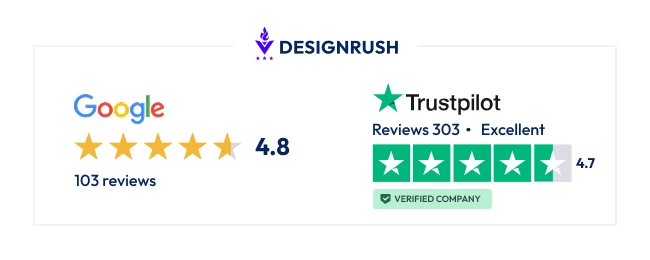
Why Companies Trust DesignRush Rated 4.8 on Google and 4.7 on Trustpilot , DesignRush Agency Directory is a reliable resource for finding software development companies in Florida. We owe this to our executive selection team, which follows a strict screening process when featuring agencies on the platform, assessing key performance indicators, like portfolio, client reviews, and industry reputation.
Learn more about DesignRush Agency Ranking Methodology .
Sources DesignRush sustains a directory of over 40,000 agencies categorized by service category, location, expertise, and reviews. We build our database in two ways:
Our dedicated team of agency experts actively searches the web for top-performing companies. We then pull information from their websites, online presence, and client testimonials to verify their status and qualifications prior to listing. The agencies listed get notified of their profiles on the website and they can choose to claim it or not, which suggests their availability for more collaborations. Agencies can also reach out to DesignRush and must go through the verification process prior to being listed.

-preview-webp.webp)
 Proposals