
Here's the paradox that keeps me up at night as a designer: countless brands are racing to slap an eco-friendly aesthetic onto their packaging without doing the real work underneath.
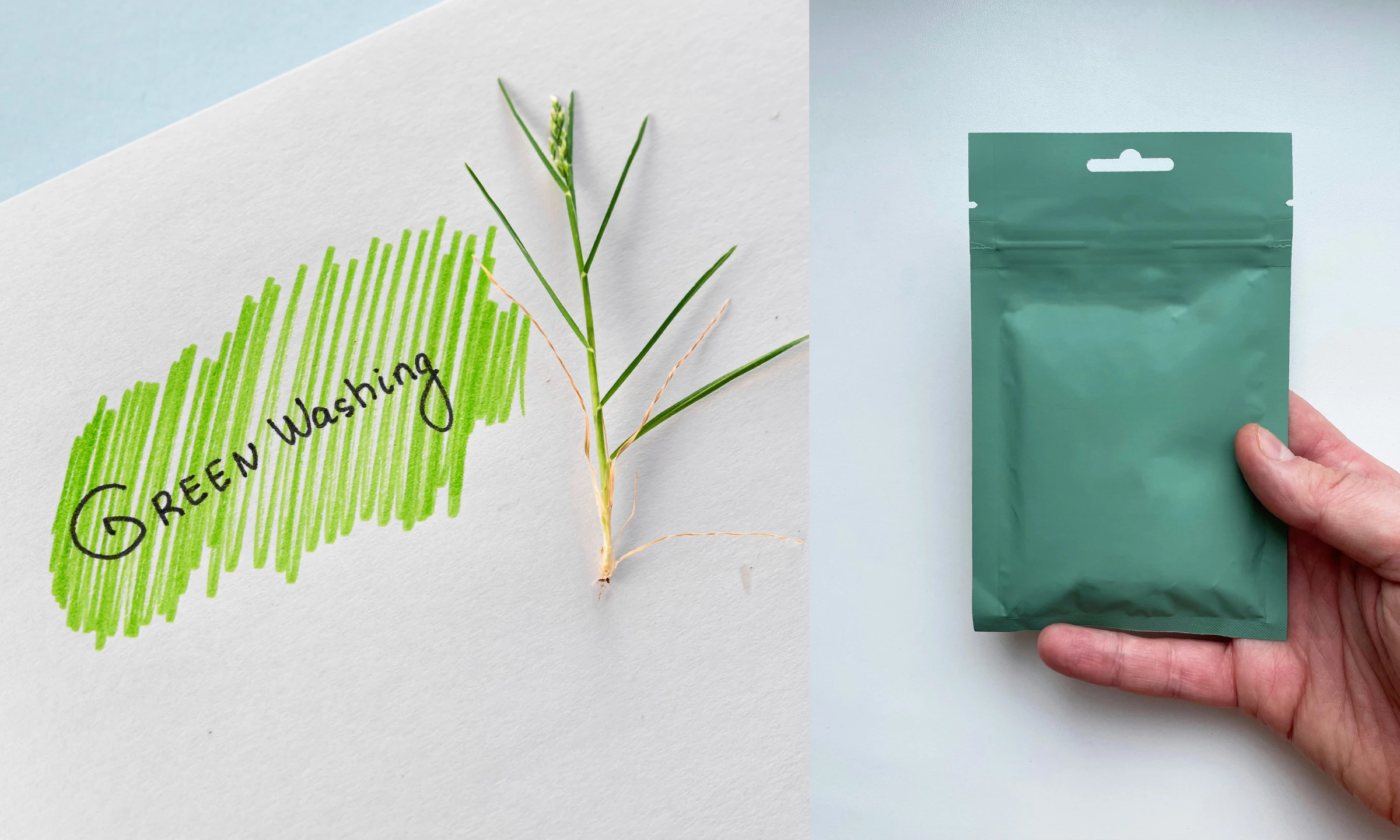
They're creating what I call the "inauthentic look"—packaging that screams sustainability through overly polished finishes, perfectly manicured minimalism, and manufactured rawness. And customers can smell it from a mile away.
Sustainable Packaging's Authenticity Problem: Key Findings
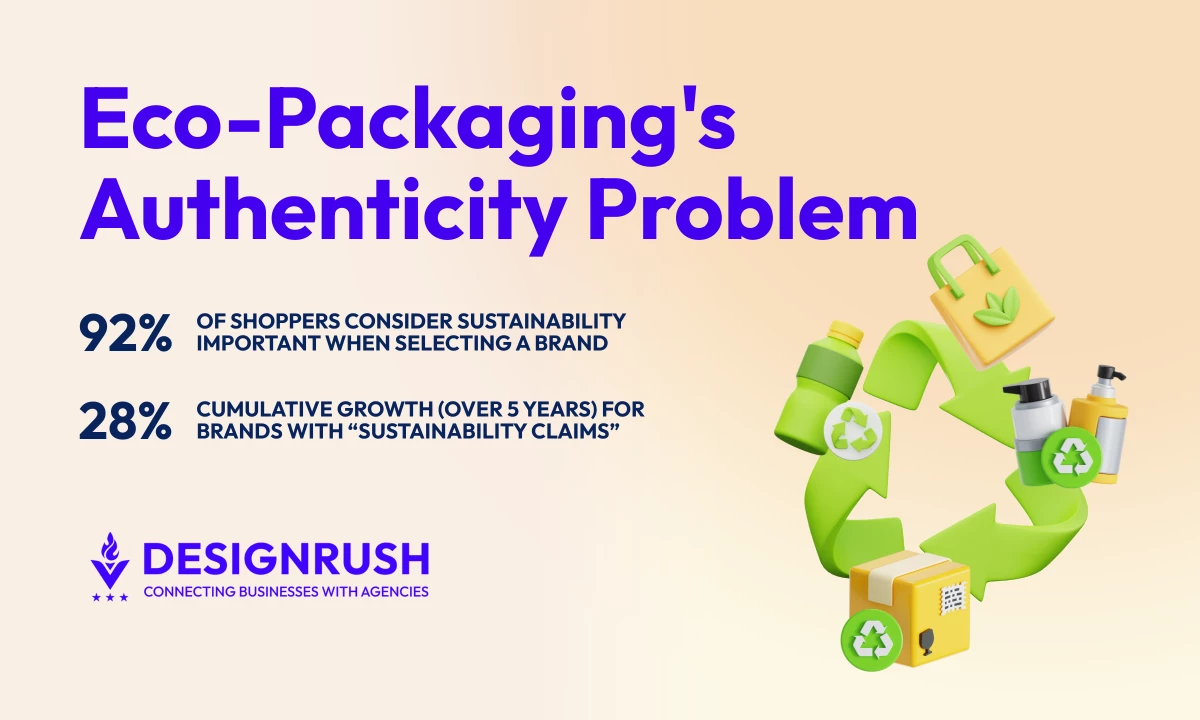
- Greenwashing hurts credibility. 92% of shoppers value sustainability, but instantly spot inauthenticity.
- Authentic sustainable packaging delivers 28% higher repeat purchases and premium pricing because customers buy values alignment, not just products.
- Traceable materials, natural finishes, and transparent storytelling create credibility that attracts loyal customers and earned media
Why This Matters Now
The theatre of branding is changing. Over two decades in this industry, from building the visual DNA of Ted Baker to orchestrating brand transformations at Cath Kidston, I've watched something fascinating unfold.
The market is shifting, but not in the way many brands think.
Greenwashing isn't just an ethics issue anymore, it's a direct threat to your bottom line. Here's why:
- Consumer trust is fragile and costly to rebuild. Once customers feel deceived by superficial sustainability claims, they don't just stop buying, they actively warn others. One viral callout can erase years of brand equity overnight.
- Regulatory scrutiny is intensifying. Governments worldwide are cracking down on misleading environmental claims. The EU's Green Claims Directive and similar regulations mean brands face real legal and financial consequences for unsubstantiated sustainability marketing.
- While you're perfecting the "eco look," brands doing the real work are capturing the 39% of consumers willing to switch for genuine sustainable packaging. That's not just lost revenue, it's customers you may never win back.
- Premium positioning requires proof. Today's conscious consumers will pay more, but only when they can verify your claims.
But don't take my word for it, here's the rest of the numbers to do the talking:
The Authenticity Gap: Where Brands Get It Wrong
Over my years leading design teams, I've observed a critical pattern. Brands conflate "looking sustainable" with being sustainable.
They'll commission a designer to create packaging that appears earthy and eco-conscious, but the materials remain the same, the supply chain is opaque, and the messaging feels hollow.
The result? A consumer backlash that's more damaging than no eco-positioning at all.
This matters more than ever.
A 2023 NielsenIQ report revealed that 92% of shoppers now consider sustainability important when selecting a brand, and consumers demonstrate measurably stronger loyalty to products with credible sustainability claims.
Yet this same discerning audience can spot inauthenticity instantly.
What I adore about branding, the emotional connection, the mood creation, the visual storytelling, is entirely undermined when there's a disconnect between the package's promise and the brand's reality.
If branding is your stage, then authenticity is what makes you the star. Without it, you're just another forgettable actor in a crowded theatre.
The brands winning in this space aren't the ones with the most polished sustainable aesthetics.
They're the ones who've done the harder work: aligning their visual cues with genuine environmental commitments.
That alignment is what creates trust. And trust is what drives loyalty...and loyalty drives revenue.
Moving from Strategy to Execution: The Real Work
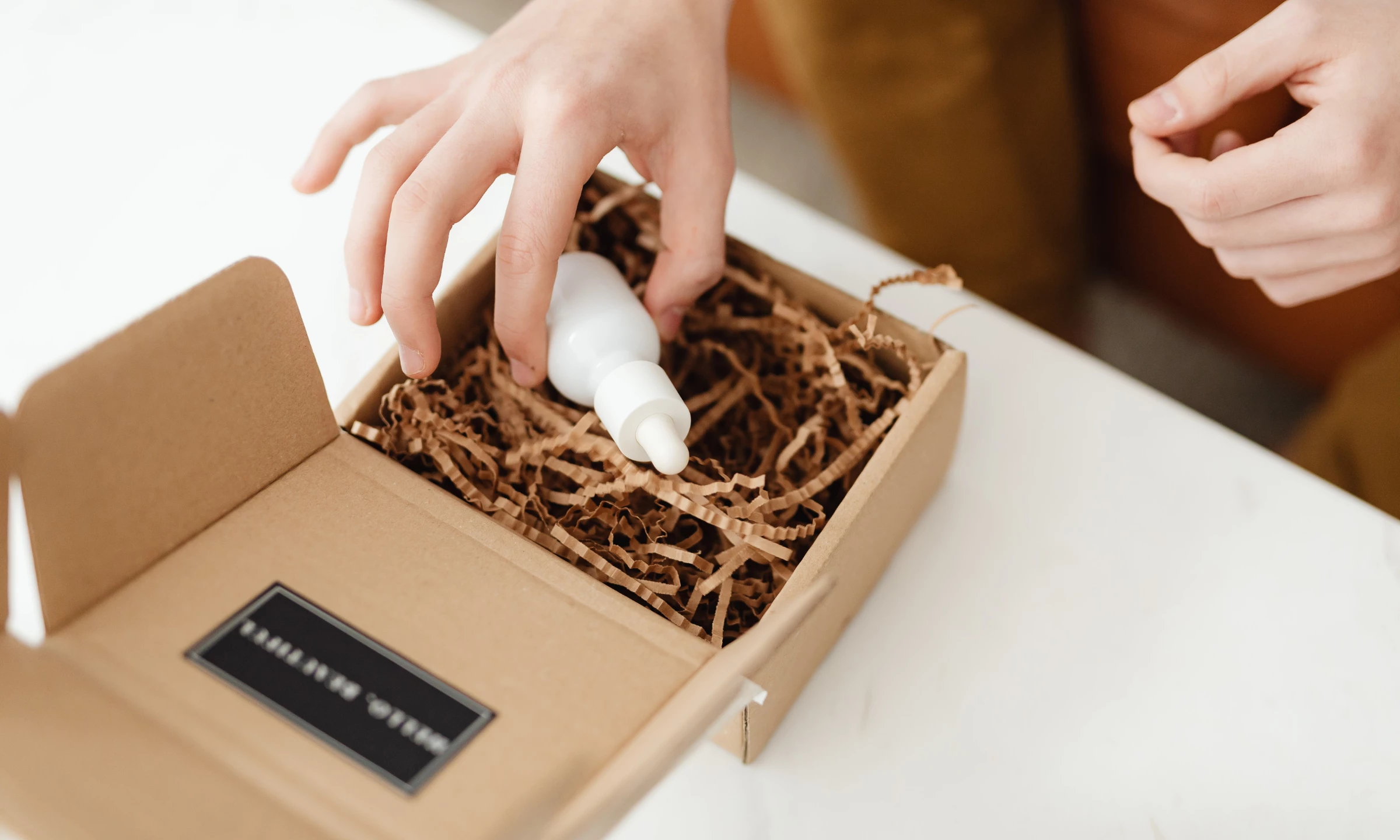
Here's what I ask my clients when they walk through my door with a brief around sustainable packaging:
What's your actual commitment? Not your marketing commitment. Your real one.
This question filters everything that comes next. Because once you've defined what sustainability means for your brand, whether that's using traceable recycled materials, implementing a take-back program, or committing to biodegradable substrates, the design work becomes clearer.
The packaging becomes an honest reflection of your values, not a costume you're wearing for the season.
From this vantage point, I guide clients through material selection that tells a real story:
- Recycled paper with visible texture.
- Biodegradable films that feel different in hand.
- Upcycled fibers with documented origins.
These choices aren't about creating a trendy look; they're about creating a tactile, visual language that says "we mean this."
The finishes matter too. I consistently steer clients away from glossy, artificial surfaces, not because they're trendy to avoid, but because they undermine the authenticity signal you're sending.
Matte surfaces, natural textures, intentional imperfections: these create credibility. They whisper, "This brand gets it." And that whisper converts into purchase decisions and repeat business.
There’s a fine line between looking sustainable and being believable. The moment it feels over-styled, the trust goes. Real sustainability should look effortless, not staged.
The Commercial Reality: ROI Through Authenticity
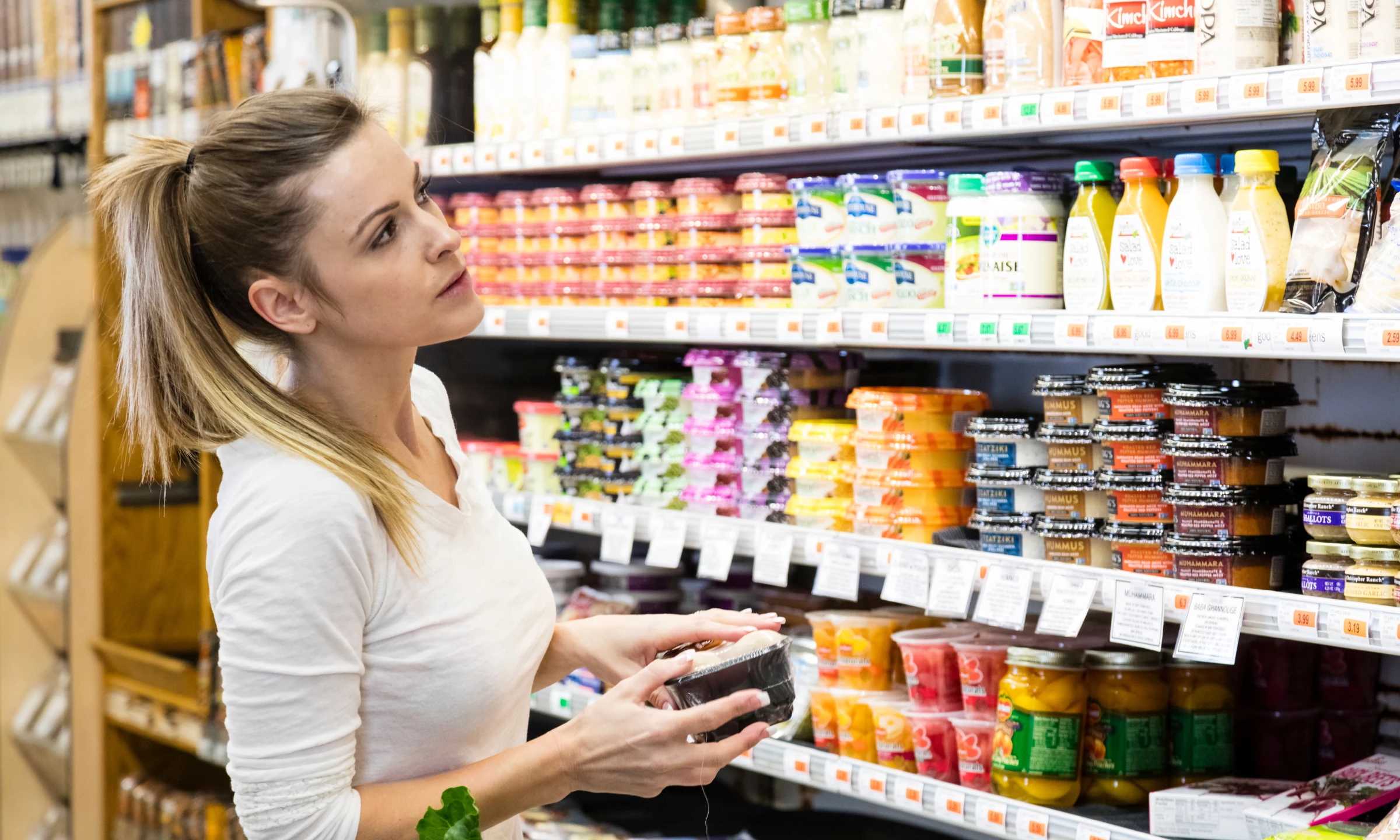
Let me be frank: I'm not a purist. I work in commercial design, which means strategy drives execution. And the commercial data here is compelling:
- 68% of consumers will pay more for sustainable products.
- Products making sustainability-related claims achieved 28% cumulative growth over five years, compared to just 20% for products without such claims
- 90% of consumers say they're more likely to buy from a brand if its packaging is eco-friendly
- 39% have actually switched brands for sustainable packaging options
Brands with authentic sustainable packaging see up to 28% higher repeat purchase rates compared to those using superficial eco-aesthetics.
Why? Because customers aren't just buying products anymore. They're buying alignment with their values. They're investing in brands that respect both their intelligence and their conscience.
This effect compounds. Transparent sustainability storytelling doesn't just drive immediate sales; it elevates perceived value. Customers are willing to pay premium prices for products packaged in materials they can trace and trust.
That's the inverse of what most brands fear: that eco-friendly packaging forces them downmarket. It doesn't. It actually commands higher margins when executed authentically.
I've seen this firsthand with KIT LONDON, my sustainable clothing venture. Our commitment isn't just to using better materials; it's to designing pieces that last longer and come in packaging that reflects that longevity.
The result? Customers understand they're investing in quality, not just novelty. That perception shift, enabled entirely by packaging design that's honest about its material choices, changes everything about the customer relationship.
Positioning as a Competitive Edge
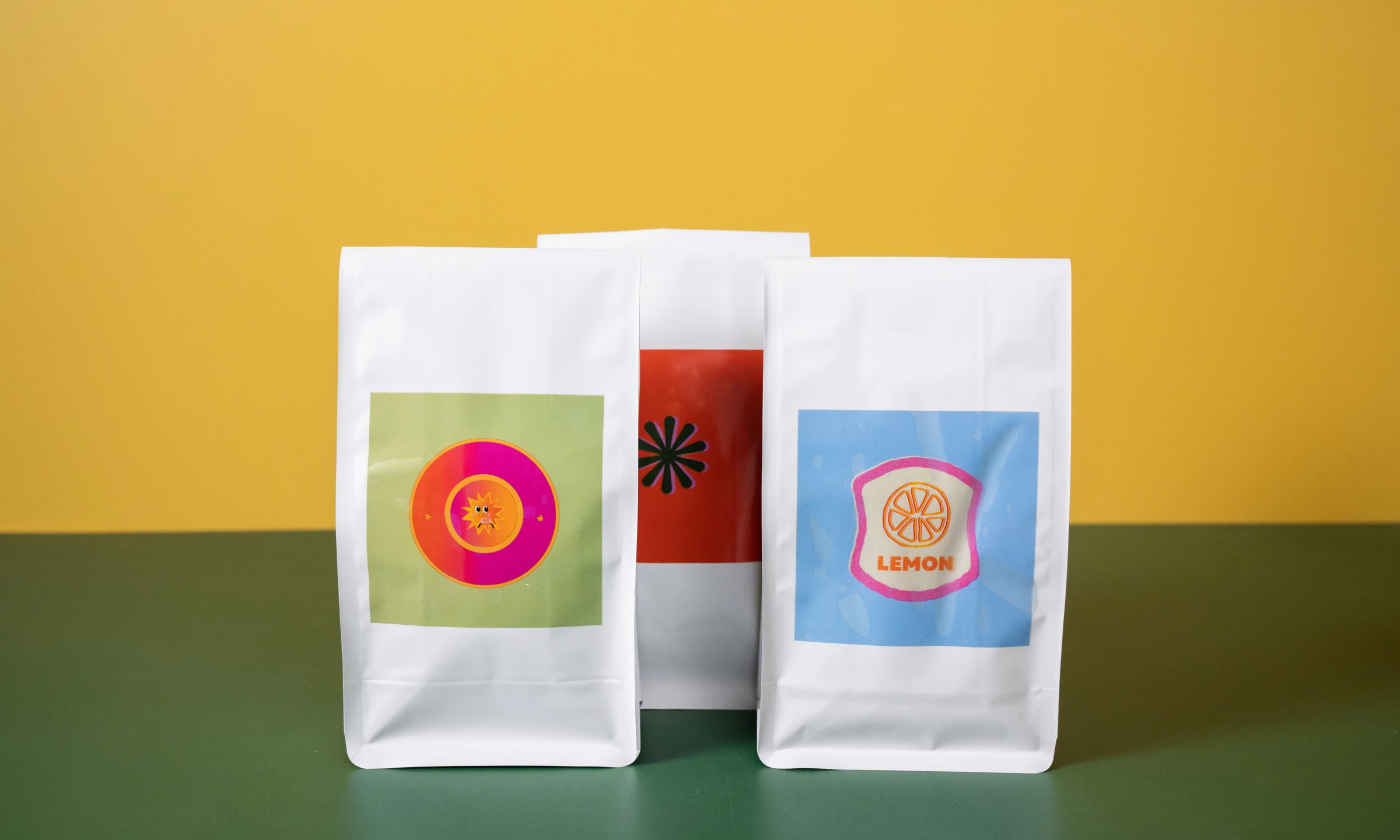
Here's where sustainable packaging becomes a strategic advantage beyond the immediate transaction.
Brands that lead with authentic sustainability attract purpose-driven talent, partners, and customers. You're not just selling a product; you're inviting people into a story they want to be part of.
The market is fragmenting around values. Gen Z and conscious consumers represent enormous purchasing power, but they're also ruthlessly cynical about greenwashing.
The brands that win aren't the ones making the biggest sustainability claims. They're the ones making the smallest, most credible ones, and backing them up with every visual and tactile choice.
This positioning also attracts better distribution partners, media coverage, and word-of-mouth momentum.
When your packaging is genuinely sustainable, it becomes a selling tool for retailers. It becomes a conversation starter on social media. It becomes earned media, which is infinitely more valuable than paid positioning.
The Theatrical Moment: Where Design Becomes Impact
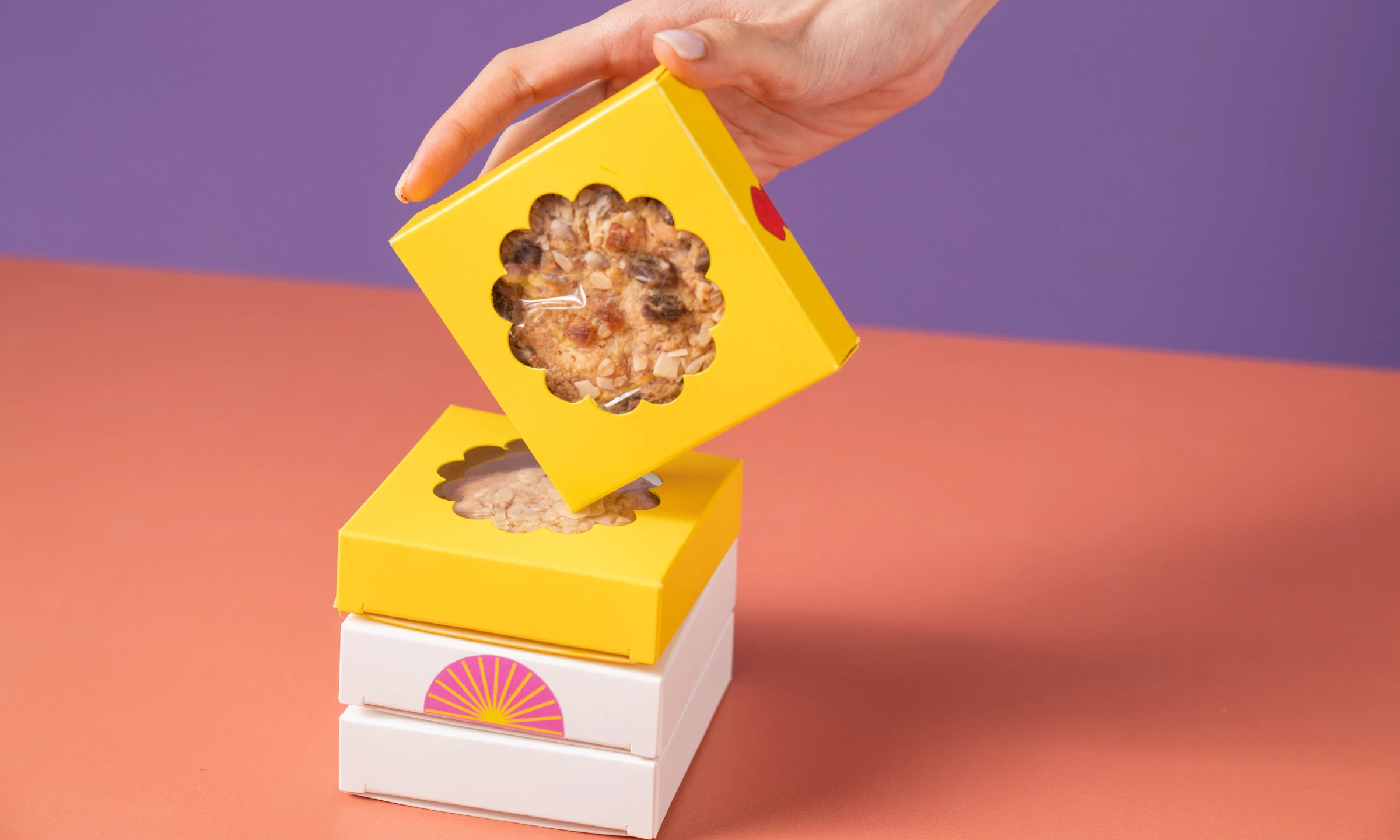
I always return to the theatrical nature of branding. The moment a customer first touches your packaging is a performance. Every material choice, every color decision, every texture, they're all communicating something.
The question is: are they telling the truth?
The paradox of modern branding is that the most commercially successful approach isn't the most creative or cutting-edge in a traditional sense. It's the most honest. It's the design that makes a customer feel (really feel) that this brand understands what matters and has made intentional choices to align with those values.
That's not easy work. It requires discipline, research, transparency, and a willingness to disappoint people who want a quick fix. But it's precisely that difficulty that creates competitive advantage. In a world of greenwashing, genuine authenticity stands out.
Moving Forward: Your Next Act
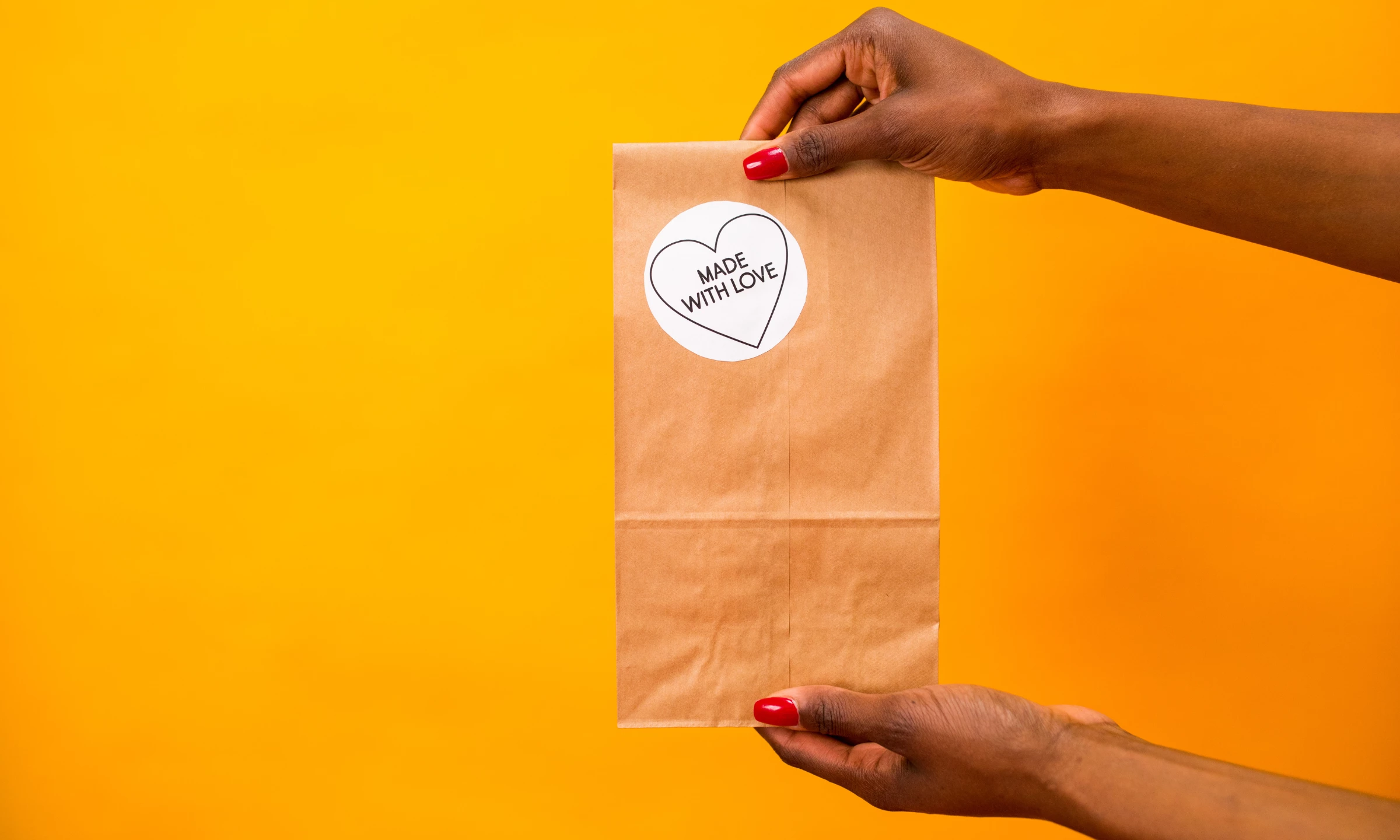
If you're an agency leader or brand owner staring down the packaging paradox, here's my honest advice:
- Start by auditing the gap between your sustainability claims and your material reality.
- Then, design backward from authenticity.
- Choose materials that tell true stories.
- Craft messaging that reflects genuine commitments.
- Use finishes and textures that signal credibility rather than trendiness.
The brands that embrace this challenge won't just survive the shift toward conscious consumerism. They'll lead it. They'll command premium positioning. They'll build the kind of customer loyalty that doesn't fade with the next marketing cycle.
That's the stage I want to see you on. Not as another forgettable player in the sustainable packaging theatre, but as the star, built on the unshakeable foundation of authenticity.
Ready to make your packaging do the real work? The conversation starts with one honest question: What do you actually stand for?