
Most brands don’t miss sales opportunities because their product is bad. They lose them because the box lying on the counter quietly tells the wrong story.
Before a claim is read, before a review is checked, before a price is justified, color, material, and finish have already made the decision for the buyer.
This is the part of branding no one puts in the deck, and the part that shapes whether a product feels worth trusting, or worth ignoring.
Packaging Design Strategy: Key Findings
- Color, material, and finish work together to signal price, trust, and brand credibility before a single word is read.
- Seasonal palettes create impact when used as campaign layers, not as replacements for brand identity.
- Substrate choice quietly validates, or undermines, claims of quality, sustainability, and performance.
- Contrast controls memory. The tension between matte and shine, raised and flat, determines what people notice, touch, and remember.
Packaging Design Strategy Overview
Let’s Start With What Most Brands Get Wrong

Let me show you a familiar pattern.
A brand spends months refining a logo. Teams debate typography, kerning, and hex codes. Then, at the very end of the process, someone asks, “What board stock are we printing on?”
And the answer is usually, “Whatever fits the budget.”
That’s the moment the brand quietly decides what it actually is.
My years of working in branding and packaging reveal the same pattern: careful visuals undermined by flimsy materials, plastic-wrapped sustainability, and surface-level updates.
In the end, those details influence how much customers are willing to pay, what they believe, and how long they stay loyal.
And here’s the part that matters: none of those decisions live in isolation. Packaging doesn’t behave like a design artifact.
It behaves like a system. A set of visual, physical, and psychological signals that start working on you before you read a headline, before you scan a QR code, before you even decide whether the product deserves a second glance.
The real question is, “What does this signal when color, material, and finish start speaking at the same time?”
That’s where I want to take you.
Across categories and price points, the same dynamics surface again and again. These five truths explain why some packaging builds brand value over time while others quietly work against it.
1. Packaging Is a System
If you walk through a retail aisle, or scroll through a product feed, you’re not evaluating design. You’re making judgments.
This feels premium.
This feels mass-market.
This feels trustworthy.
This feels like a gamble.
And you’re making those calls in seconds.
What’s interesting is how rarely those judgments come from copy. They come from cues. Weight. Texture. Contrast. Color temperature. How light moves across a surface.
That’s why I don’t think about packaging as something you design. I think about it as something you engineer.
A system has dependencies. If one part changes, everything else reacts. Each part works to create the whole. Every component must work together.
Change the color palette, and the finish may suddenly feel too loud or too flat. Upgrade the board stock, and your gloss accents may feel cheaper by comparison. Add embossing, and now your typography needs to work harder to stay legible.
The brands that win long-term aren’t the ones with the trendiest packaging. They’re the ones where every element agrees with every other element about what the product is worth.
2. Color Isn’t Decoration
Let’s talk about Pantone.
Pantone is one of the most powerful tools in branding, and also one of the most misused.
Every year, the Color of the Year drops. And every year, brands rush to apply it like a software update. New color, new look, problem solved.
But color alone doesn’t modernize a brand. Alignment does.
When I use color in strategy sessions, I’m not asking, “What’s trending?” I’m asking, “What does this brand need to signal right now?” and “How can color achieve that goal?”
Because color doesn’t just express personality. It expresses identity and market position.
How Color Actually Works in the Field
Think about how you shop.
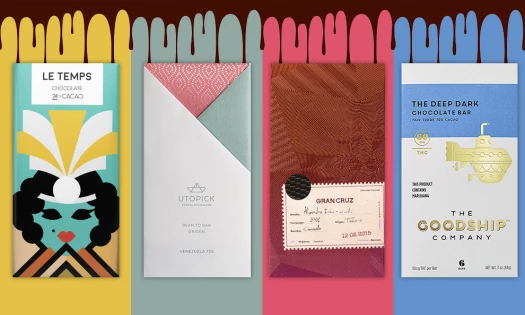
Muted, low-saturation palettes tend to feel calm, clinical, or “responsible.” High-saturation palettes tend to feel energetic, accessible, or mass-friendly. Deep, restrained palettes tend to feel expensive.
None of that is accidental. It’s learned behavior. Color operates on the psychological level to generate an emotional response.
So when a brand adopts a seasonal palette, what they’re really doing is borrowing a cultural signal.
The mistake is assuming that signal automatically aligns with their pricing, audience, or category.
Applied incorrectly, it can also imply the brand is fickle, without true identity, and chasing the next trend.
It can imply a disregard to strategic planning when core color schemes are disbanded, lowering the brands trustworthiness and leaving loyal consumers confused.
Where Color Trends (like Pantone) Actually Shine
I’ve seen Pantone’s annual Color of the Year work incredibly well in three places:
- Campaign Packaging
Limited runs, holiday packaging, celebrating milestone years, promotional sleeves, or seasonal editions. The trend becomes a moment, not a replacement for identity.
- Brand Transitions
If a company is already evolving, Pantone can act as a directional nudge. Warmer. Softer. More saturated. More restrained.
- Digital-First Brands
For products that live on social and in feeds, seasonal color shifts can create visual differentiation that translates directly into engagement.
Where It Usually Fails
- Core SKUs
Products people rely on muscle memory to find. Change those colors too often, and you create friction.
People don’t “discover” your product. They *recognize* it. And recognition is built through consistency, not novelty.
- The Real Strategy
For early-stage brands, I usually recommend using Pantone trends as accents. Inserts. Stickers. Interior panels. Let your core palette stay stable.
For growing brands, I frame trends as campaigns, not rebrands. Special projects with special colors that add to the core pallet, not distract.
For enterprise teams, I push for governance. Clear rules about where trends can live...and where they’re not allowed.
Because color without structure doesn’t make you modern. It makes you inconsistent.
3. Material Is the Part No One Talks About and Everyone Feels
Let me say this plainly: your substrate is your brand’s handshake.
Before someone reads a claim about quality, sustainability, or performance, they’ve already decided whether they believe you, based on how the package feels in their hand.
This is where boards like NEENAH® Folding Board stop being production details and start being strategic assets. Positioning your product packaging in this way creates dynamic results.
The Silent Language of Weight and Rigidity
A stiff carton communicates investment. A soft one communicates efficiency. Neither is inherently wrong. But both say something.
I’ve worked with premium supplement brands that invested heavily in clinical design language (white space, structured typography, regulatory copy) then printed it all on a thin board. The visual said “science.” The material said “budget.”
Guess which one customers believed.
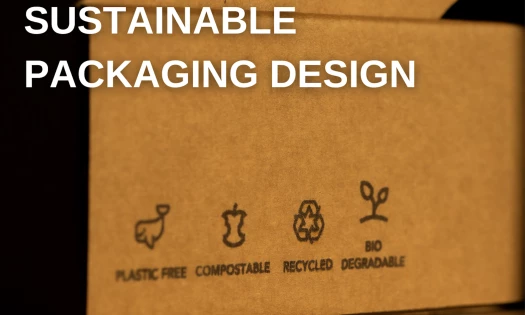
Sustainability Without Theater
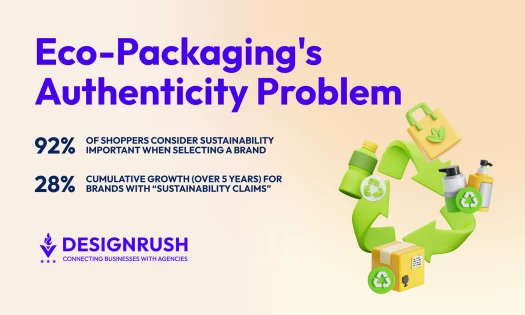
One of the biggest shifts I’ve seen in the last decade is consumer skepticism. People don’t trust surface-level cues anymore. Earth tones and recycled textures don’t automatically equal responsibility.
What builds trust is proof.
Certified substrates, responsibly sourced materials, and packaging that feels strong gives sustainability claims the strength to stand up. Literally.
The Business Case Most Teams Miss
Material choice isn’t just about perception. It affects:
- Damage rates in shipping
- Shelf wear in retail
- Return rates in e-commerce
- Photography quality for marketing
When I help teams justify higher-grade substrates internally, I don’t frame it as “better design.” I frame it as brand risk reduction, an investment in branding.
Because a crushed box doesn’t just look bad. It devalues the product inside it. And crushed product and bad shipping tarnishes the brand identity, creates a negative associated with your brand, and impacts the bottom line of profitability.
4. The Psychology of Contrast: Why Finish Matters More Than You Think
This is where things get interesting.
The human eye doesn’t scan. It hunts. It looks for contrast. Movement. Difference.
That’s why finish is one of the most powerful tools in packaging…and one of the most overused.
Matte and Gloss Are Not Aesthetic Choices
Both are directional tools.
Gloss pulls attention. Matte creates space for attention to land.
When everything is shiny, nothing stands out. When everything is flat, nothing feels special.
The brands that get this right use finish like lighting in a film. You don’t light the entire scene the same way. You guide the eye to what matters. You direct the elements to create dynamic play between them, to entice the consumer to pick up your product, and make the purchase.
The Role of Touch
Raised elements (embossing, debossing, tactile coatings) do something subtle but powerful. They slow people down.
That pause, that extra moment of physical engagement, increases memory. It makes the product feel more considered. More intentional. The tease of light across embossing captivates.
In premium categories, that moment often becomes part of the justification for the price. It defines the brand qualities - luxury, distinctive, special, worth the price.
Category Differences
In mass-market CPG, high contrast helps products compete at scale.
In prestige beauty or luxury goods, restraint often signals confidence. Soft-touch finishes, limited gloss, and subtle embossing tell a very different story than high-shine coatings.
The mistake I see most often is applying finishes evenly across the package. The result is visual noise instead of visual hierarchy.
5. Packaging Doesn’t Live on Shelves Anymore. It Lives on Screens Too.
This is one of the biggest shifts in modern branding.
Your package isn’t just competing in an aisle. It’s competing in Instagram feeds, Amazon grids, unboxing videos, and compressed thumbnails.
That changes everything.
The Translation Problem
Matte finishes can disappear on camera. Gloss can blow out under bad lighting. Colors can shift dramatically depending on photography and screen calibration.
I’ve seen beautifully designed packages fall flat online because no one tested how they actually look in digital environments. Bad product photography negatively impacts the brand, the product and sales. Bad product photography destroys all the hard work on packaging design decisions.
The Fix Isn’t a Better Camera
It’s a better system.
Standardized photography setups. Controlled lighting. Clear color calibration. Design decisions that account for how finishes behave on screen, not just in hand. Product angles, backgrounds, shadows all must be carefully crafted to bring the story to life.
The brands that treat packaging as media, not just material, tend to win both shelf space and screen time.
Where This Actually Drives Revenue
Let’s connect this back to business.
There are categories where packaging is decoration and categories where it’s a sales lever.
- Beauty and Personal Care
Finish and material often act as pricing signals. Soft-touch coatings, rigid cartons, and restrained palettes support higher margins.
- Food and Beverage
Substrate communicates safety and freshness. A sturdy, clean-edged box builds confidence before a seal is ever broken.
- Wellness and Supplements
Trust is the product. Material and color choices reinforce (or undermine) claims of efficacy and compliance.
- Luxury Goods
Here, packaging becomes part of the product. The experience doesn’t start when you use the item. It starts when you open the box.
In all of these spaces, packaging isn’t a cost center, but a positioning tool.
How to Sell This Thinking Internally
If you’re not the final decision-maker, this part matters.
Most leadership teams don’t respond to “better design.” They respond to “better outcomes.”
So don’t pitch materials and finishes. Pitch market position.
Marketing efficiency starts with correct packaging choices. Visual consistency builds market position. Packaging is branding that leads to customer choice that increases the bottom line.
What Actually Works in the Room
- Show competitors mapped by substrate quality and finish sophistication.
- Tie packaging choices to price tiers.
- Connect durability to returns, reviews, and reputation.
- Link visual consistency to marketing efficiency.
- One of my favorite slides is simple: “What Our Packaging Says About Our Price.”
It usually changes the conversation.
The Framework I Always Come Back To
Whenever I review a package, whether it’s a startup prototype or an enterprise rollout, I ask five questions:
- What should this feel like in the hand?
- Where will it compete? Shelf, screen, or both?
- What is the core color, and what is the campaign color?
- Where does material need to reinforce value?
- Where should attention go, the eye move across the package, and where should it rest?
If those answers agree with each other, the system works.
If they don’t, no amount of visual polish will fix it.
Find the weak link, the point of dissonance, the out of place element, the area of mixed message or conflict, and resolve it. The packaging harmony can be achieved.
The Difference Between Looking Good and Being Believed
Design trends will keep changing. Colors will rotate. Finishes will evolve. Materials will improve.
But belief is harder to update.
The brands that last aren’t the ones that chase what’s new. They’re the ones that make every element of their packaging tell the same story about what they’re worth.
So if you’re thinking about changing your packaging, don’t start with a mood board.
Start with a question.
What do you want someone to believe –– before they read a word, before they open the box, before they ever use the product? Because once color, material, and finish start speaking together, that belief becomes very hard to unhear.