
Artificial intelligence is quickly becoming the core driver of competitive strategy in B2B, reshaping how companies win, grow, and lead in the market. Here's how industry leaders are driving growth.
AI in B2B: Key Points
- 78% of B2B firms use AI, with 71% adopting generative tools, making AI a core driver of strategy, not just experimentation.
- Zurich Insurance cut service times by 70% with an AI-powered CRM that delivers personalized, data-driven support across four markets.
- StackBlitz scaledfrom $4M to $40M ARR in five months using AI.
- Statworx enhanced demand forecast accuracy by 10% through AI-driven foresight.
AI Is Changing the B2B Game
AI is rewriting the rules of the game, arming forward-thinking businesses with capabilities their competitors haven’t even imagined.
In this article, we unpack the trends, tools, and transformations every B2B decision-maker needs to know to stay ahead in an AI-driven future.
Related articles:
1. 12 B2B Marketing Trends for 2025
2. What Is B2B eCommerce?
3. What Is B2B Marketing?
4. Why Data Drives B2B Success
1. Turning Data Overload Into Competitive Insight
With 78% of organizations deploying AI in at least one business unit and 71% using generative AI regularly, AI has moved beyond experimentation to become essential for execution. And nowhere is the strategic imperative of AI more apparent than in the field of market intelligence.
AI is transforming strategy by turning fragmented data into actionable intelligence, enabling teams to anticipate risks and opportunities ahead of the competition.
Use AI to power market intelligence by enabling teams to:
- Continuously analyze millions of data points: financial filings, analyst reports, customer sentiment, and more.
- Detect emerging market shifts, competitive signals, and new opportunities faster than ever before.
- Equip leaders with real-time dashboards that add confidence to decisions.
ZoomInfo: AI That Turns Signals Into Sales
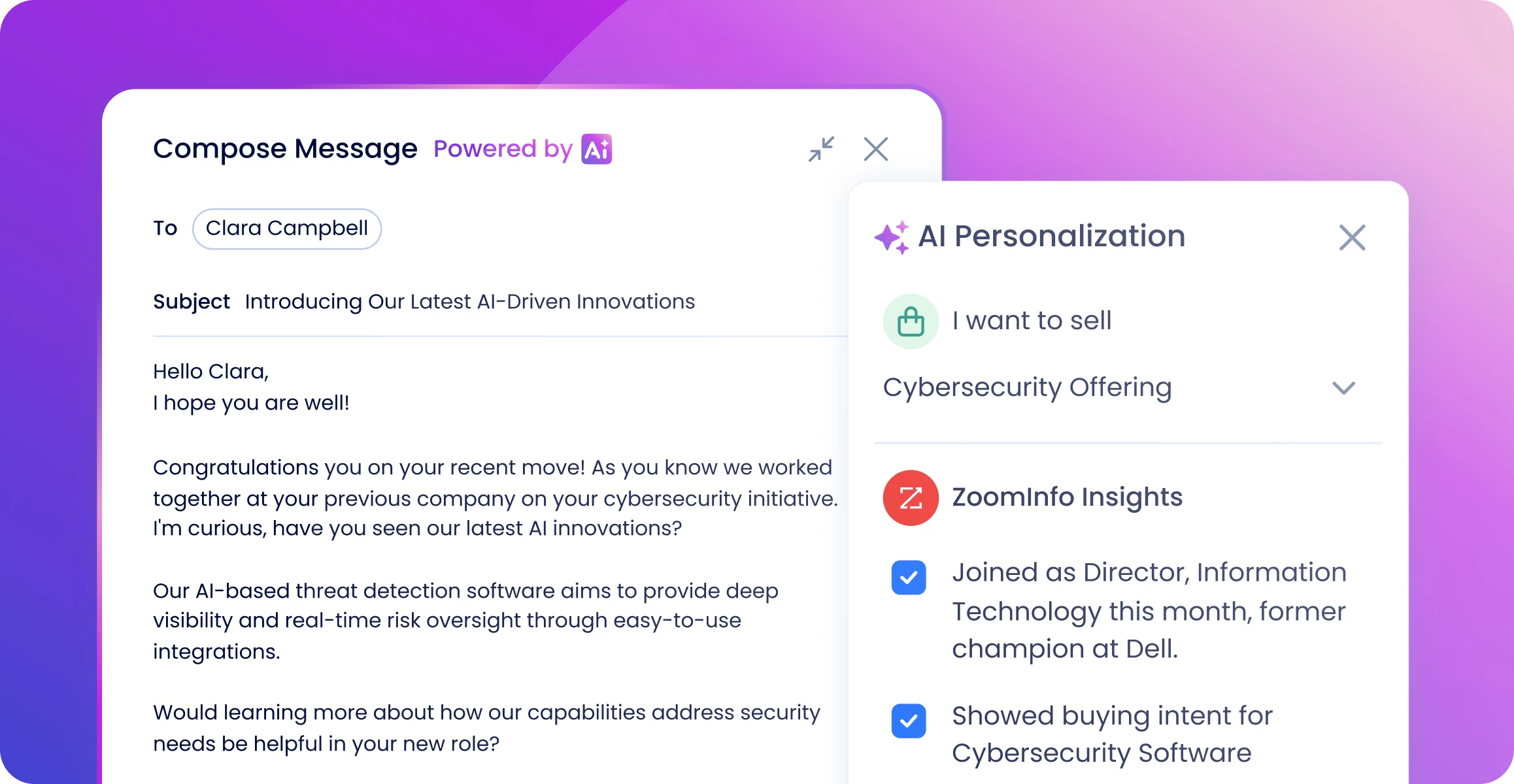
ZoomInfo's AI-driven platform, ZoomInfo Copilot, is a great example of this kind of AI being put to work. It equips sales teams with on-demand account insights and real-time buying signals, applying generative AI to predict pipeline opportunities.
This enables sellers to capture nearly 25% more pipeline by identifying potential M&A targets or partners swiftly, surfacing insights in minutes that once took teams weeks.



2. Predictive Analytics & Strategic Foresight
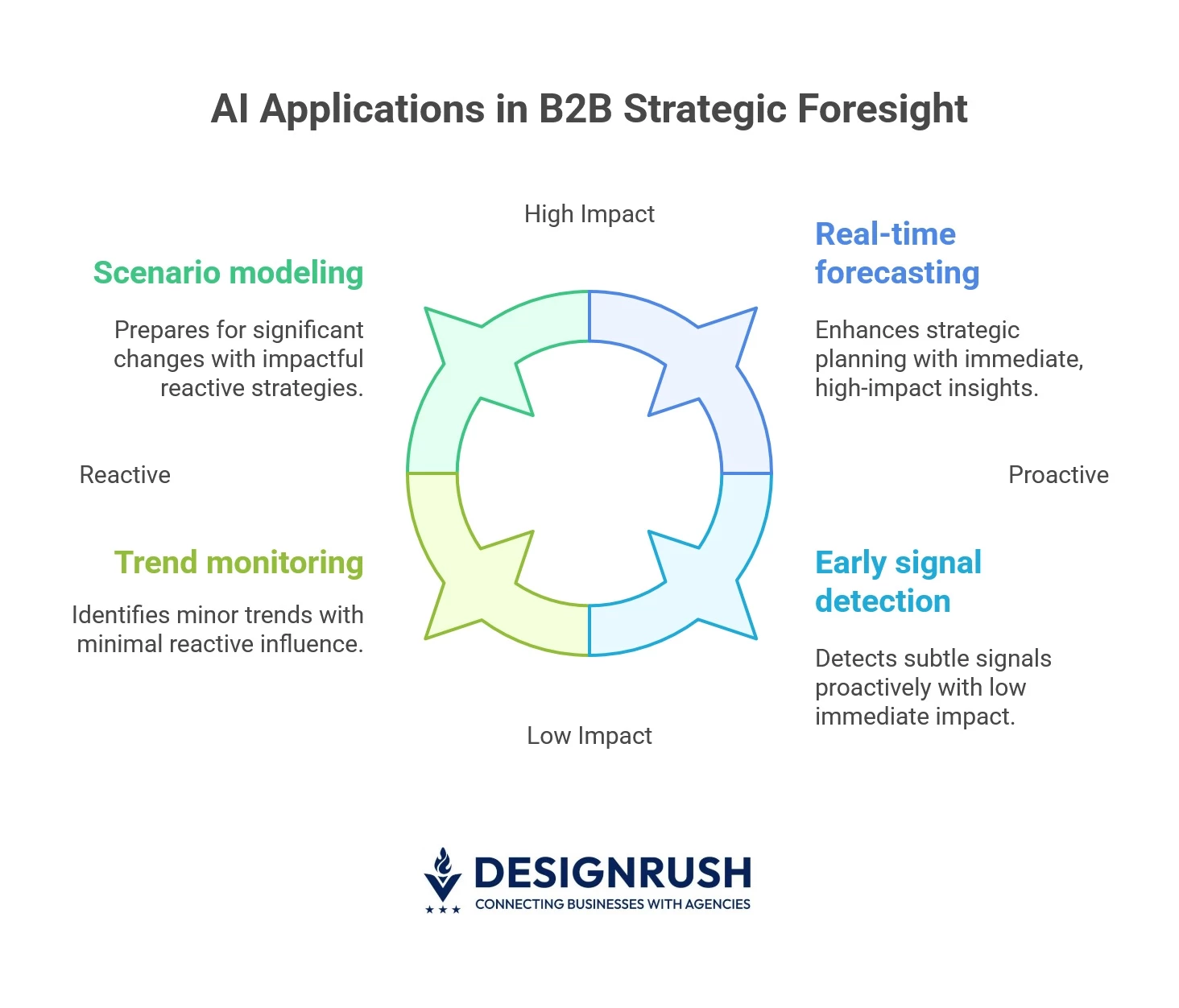 By embedding foresight into daily operations, businesses gain the ability to predict what's next and shift from linear planning to dynamic strategy that adjusts in real time to evolving market signals.
Leading organizations are applying AI-driven foresight to:
- Model “what-if” scenarios for pricing, market shocks, or regulatory changes.
- Monitor subtle signals and early trends before they affect performance.
- Sharpen forecasting accuracy using real-time data and machine learning algorithms.
Statworx: Smarter Forecasting for Strategic Edge
Statworx, a data science consultancy, demonstrated this concept when it developed a forecasting engine capable of estimating demand for thousands of products up to 24 months into the future.
The model increased the accuracy of demand forecasts in the automotive sector by 10% by combining traditional data with real-time market signals and buyer intent data.
This enabled Statworx’s client to adjust strategies proactively in response to evolving market conditions.
3. Hyper-Personalized Customer Engagement
Today’s business buyers expect personalization, and AI enables it at enterprise scale. Rather than relying on broad personas or static segmentation, firms can now deliver highly contextual engagement that aligns precisely with each customer's evolving journey.
- Tailor messaging, recommendations, and offers by analyzing behavior, preferences, and contextual data.
- Deliver account-specific experiences across marketing, sales, and support.
- Strengthen loyalty through relevance and speed of response.
“I would never use AI to close a deal,” cautions Timothy Beukman, CEO of Tim's Web Worx. Using AI to find leads is fine, he says, but there still needs to be a human element when closing, so people can feel they have been heard and not treated like just another sale.
Zurich Insurance Group: Personalized Engagement at Enterprise Scale
Zurich Insurance Group launched an AI-powered CRM system developed by its AI and analytics company, ZCAM. This system centralizes customer and policy data, integrating with tools like Microsoft Outlook and Salesforce.
Guided by a “three-click rule,” it streamlines processes, enabling agents to access vital information quickly and tailor interactions more effectively.
It draws inspiration from Spotify by using AI to recommend the most suitable insurance products based on customers' needs. Currently operational in four markets, the system is expected to cut service times by as much as 70%.
4. Operational Intelligence and Automation
AI is defining what’s possible in operational efficiency and agility. Beyond incremental improvements, AI-powered automation empowers organizations to reconfigure workflows entirely. This can eliminate lag, reduce errors, and boost organizational throughput.
Leading B2B companies are leveraging AI to:
Eliminate manual work across functions by using intelligent automation tools like robotic process automation (RPA) to process invoices, update CRMs, or manage compliance tasks, cutting hours of repetitive work.
Boost productivity and strategic focus with AI copilots that draft emails, generate reports, or summarize research, enabling teams to focus on decision-making rather than execution.
Achieve major efficiency gains by using generative AI to create presentations, analyze customer data, or draft contracts.
JP Morgan Chase: Automating Operations for Speed and Scale
JPMorgan Chase has implemented AI-driven automation to enhance its operational efficiency. By deploying AI systems capable of processing vast amounts of data, the bank has significantly reduced the time required for tasks such as document review and compliance checks.
This automation not only accelerates decision-making processes but also allows employees to focus on more strategic activities, thereby improving overall productivity and responsiveness to market changes.
5. Accelerated Innovation and New Business Models
Generative AI is collapsing innovation timelines and disrupting business models. This unlocks the potential to experiment at scale by rapidly testing new offerings, features, or market approaches with dramatically reduced time and capital risk.
- Speed up product design, content creation, and R&D with AI tools.
- Launch new revenue models such as AI-as-a-Service or on-demand customization.
- Level the playing field. Upstarts can now mimic capabilities once exclusive to industry giants.
StackBlitz: Fast-Tracking Innovation with Generative AI
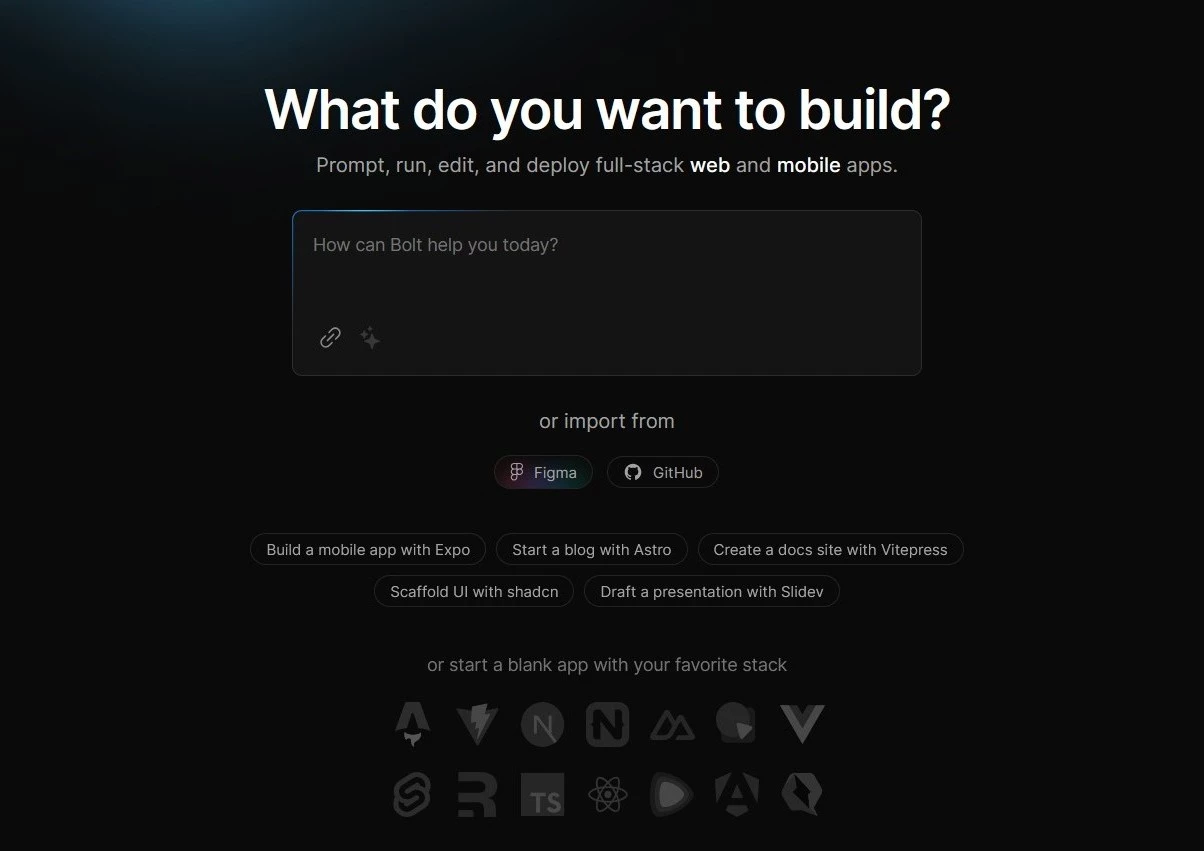
StackBlitz, a startup specializing in web-based development tools, faced significant challenges until it introduced Bolt, an AI-powered coding platform. Bolt enables users to build full-fledged applications using simple prompts, effectively democratizing software development.
Bolt was launched in October 2024 and achieved $4 million in annual recurring revenue within 30 days, scaling to $40 million by March 2025. This goes to show how AI can empower even the smallest companies to replicate and even surpass capabilities traditionally held by industry giants.
6. Data, Infrastructure & Talent as Differentiators
As AI models become commoditized, advantage now lies in how well companies orchestrate data, infrastructure, and cross-functional talent to scale value creation.
This means that:
- Proprietary, clean, and well-structured data is becoming the new gold.
- Organizations with AI-literate talent and the ability to build custom solutions can set themselves apart from those that merely consume off-the-shelf tools.
- Leading firms invest in cloud-native infrastructure, AI platforms, and internal upskilling.
Bloomberg: Gaining the Edge with Proprietary AI
Bloomberg developed BloombergGPT, a proprietary large language model trained on financial data, providing unique analytics capabilities both internally and for clients.
This investment in specialized AI infrastructure and talent has solidified Bloomberg's competitive edge. BloombergGPT outperforms similarly-sized open models on financial NLP tasks by significant margins without sacrificing performance on general benchmarks.
7. Responsible AI & Trust as a Competitive Advantage
Trust is a strategic lever in the AI era. Organizations that prioritize responsible AI practices strengthen their brand equity, differentiate themselves in the market, and build lasting credibility with customers, partners, and regulators.
To embed trust into AI initiatives, companies should focus on five key areas:
- Governance and transparency: Define clear frameworks to guide ethical AI use and ensure decision-making is transparent.
- Model integrity: Regularly monitor models for bias, explainability, and compliance to sustain performance and ethics.
- Adaptability: Proactively manage model drift with ongoing tuning to keep outputs accurate as data changes.
- Data security: Enforce strong protections to prevent data leaks and adversarial threats that compromise integrity.
- Human-AI collaboration: Maintain human oversight to provide context, catch edge cases, and ensure responsible use.
IBM: Leading with Trusted, Responsible AI
To address the complexities of AI governance, IBM introduced watsonx.governance, a comprehensive toolkit designed to help organizations manage and oversee their AI models responsibly.
This platform provides capabilities to monitor AI models for fairness, bias, and drift to ensure transparency and accountability throughout the AI lifecycle.
The platform helps organizations uphold governance standards and maintain stakeholder trust by aligning with regulatory requirements.
Preparing for a Future of AI in B2B
The rise of AI demands faster decisions, smarter systems, and bolder leadership from B2B organizations.
To lead instead of lag, companies must:
- Benchmark AI readiness: Assess your organization's current capabilities across data quality, infrastructure maturity, talent, and governance. Understanding your starting point is crucial for developing a tailored AI strategy.
- Cultivate enterprise-wide AI fluency: AI integration should not be confined to the IT department. Invest in training programs that enhance AI literacy across all business units, ensuring that every team can identify and leverage AI opportunities.
- Pilot purposefully: Initiate AI projects with clear objectives and measurable outcomes. Focus on use cases that align with your strategic goals and offer tangible ROI, allowing for scalable success.
- Embed ethics and transparency: Develop governance frameworks that prioritize ethical AI use. Transparency in AI decision-making processes builds trust with stakeholders and mitigates potential risks.
As former Cisco CEO John Chambers emphasized, the pace of AI advancement necessitates continuous reinvention. He noted that AI is progressing at "five times the speed" the internet did, and delivering "three times the impact," emphasizing the urgency for businesses to adapt swiftly.
The questions for those in the B2B sector is clear: Are you proactively defining your AI future, or are you passively reacting to the advancements of others? The decisions made today will determine your organization's position in the AI-driven economy of tomorrow.

Unlock the AI expertise your business needs to lead with confidence and partner with professionals who turn innovation into impact.
For more, visit our Agency Directory:
- Top AI Automation Companies
- Top AI Consulting Companies
- Top AI Marketing Companies
- Top Generative AI Companies
- Top AI App Development Companies
AI in B2B FAQs
1. What are the primary challenges B2B companies face when implementing AI?
B2B companies often struggle with fragmented or poor-quality data, which hampers effective AI deployment. Legacy systems can complicate integration, and there's a widespread shortage of AI talent. Additionally, successful adoption requires cultural shifts, as teams must adapt to new technologies and ways of working.
2. What cost considerations should B2B companies keep in mind when adopting AI?
AI implementation involves upfront investments in technology and infrastructure, along with ongoing data management costs. Hiring or training skilled talent can be expensive, and companies must also budget for system maintenance, updates, and scaling over time.