
AI-powered sentiment analysis is rapidly growing as companies leverage machine learning and natural language processing (NLP) to analyze vast amounts of customer feedback, turning unstructured data into actionable insights. Whether optimizing customer experience, enhancing marketing strategies, or predicting emerging trends, AI sentiment analysis is becoming a crucial competitive advantage for forward-thinking businesses.
This guide explores the latest trends, scoring methodologies, and top sentiment analysis tools to help businesses navigate this rapidly evolving landscape.



What Is AI Sentiment Analysis and Why Does It Matter?
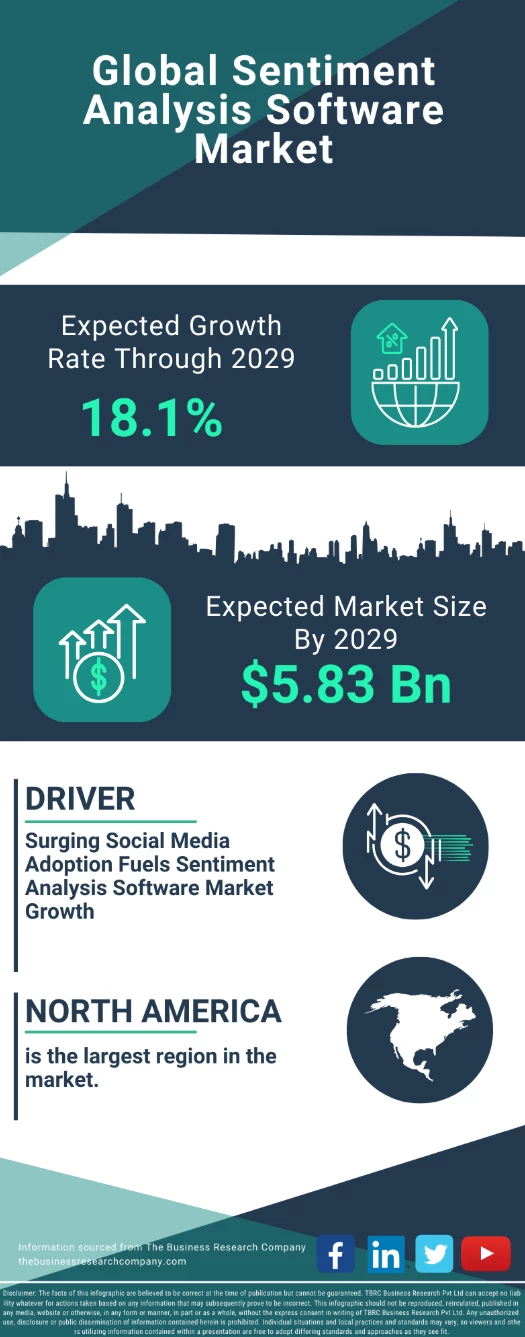
AI sentiment analysis uses sophisticated machine learning, NLP, and deep learning models to detect emotions, opinions, and attitudes within text, speech, and visual data. The technology assesses whether sentiment is positive, negative, or neutral, providing businesses with quantifiable metrics to inform decision-making.
In 2026, sentiment analysis has evolved to include:
- Text-based sentiment detection: Analyzing online reviews, support tickets, surveys, and social media comments.
- Voice sentiment analysis: Identifying emotions through tone, pitch, and speech patterns in customer support calls.
- Visual sentiment analysis: Using AI-powered facial recognition and biometrics to detect emotions in images and videos.
- Multimodal AI sentiment analysis: Combining text, speech, and visual data for a more accurate emotional assessment.
For businesses, AI sentiment analysis is essential for brand reputation, competitive intelligence, and predictive analytics.
Additionally, Hiral Chauhan, Digital Marketing Manager at WDCS Technology UAE, explains that AI sentiment analysis is revolutionizing how businesses engage with their customers. “AI sentiment analysis can significantly enhance customer engagement strategies by providing businesses with deep insights into customer emotions, preferences, and feedback,” Chauhan says.
“By leveraging real-time sentiment tracking, businesses can proactively address customer concerns, refine their marketing messages, and improve overall customer satisfaction.”
Business Applications of AI Sentiment Analysis
AI sentiment analysis is increasingly a cornerstone for businesses looking to gain actionable insights from customer feedback, brand perception, and market trends.
Hiral highlights how AI sentiment analysis is transforming industries: “Several industries can benefit significantly from AI-driven sentiment analysis, as it helps them understand and improve customer relationships, enhance products and services, and drive more informed decisions.”
Let’s delve into the key business applications of AI sentiment analysis.
- Social media monitoring and brand perception
- Customer support and experience enhancement
- Market research and competitive intelligence
- Product development and user experience
- Employee satisfaction and workplace culture
Social Media Monitoring and Brand Perception
- Real-time alerts for negative sentiment spikes related to products, campaigns, or events
- Customer sentiment tracking across X, Facebook, Instagram, and other platforms
- Emotional trend identification (anger, excitement, frustration) to improve brand messaging
- Proactive crisis management through early detection of potential reputation issues
Customer Support and Experience Enhancement
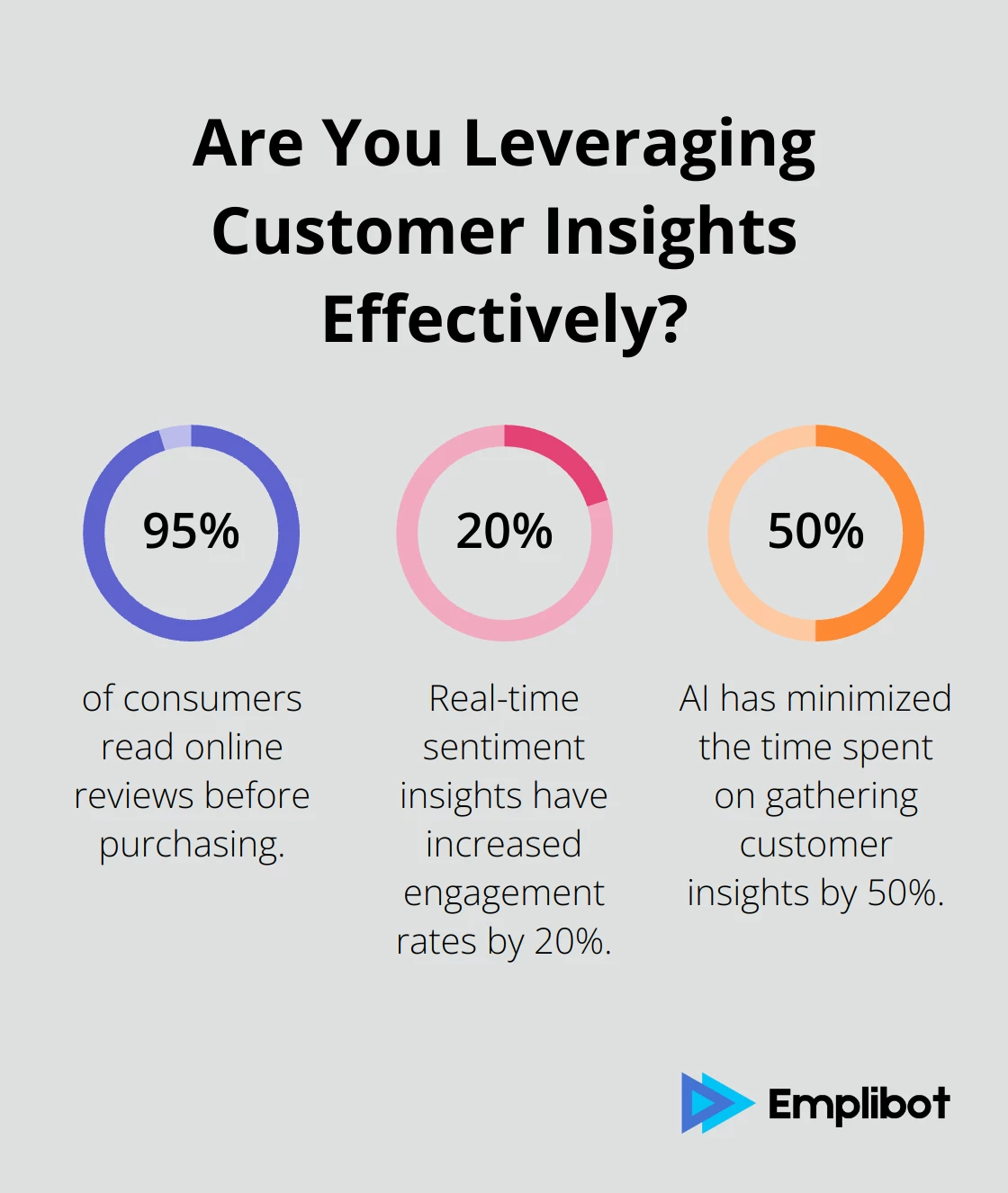
- Real-time detection of customer frustration in calls, chats, and emails
- Personalization of chatbot and agent responses based on detected sentiment
- Improved self-service through identification of common pain points
- Prioritization of support tickets based on sentiment urgency and emotional intensity
Market Research and Competitive Intelligence
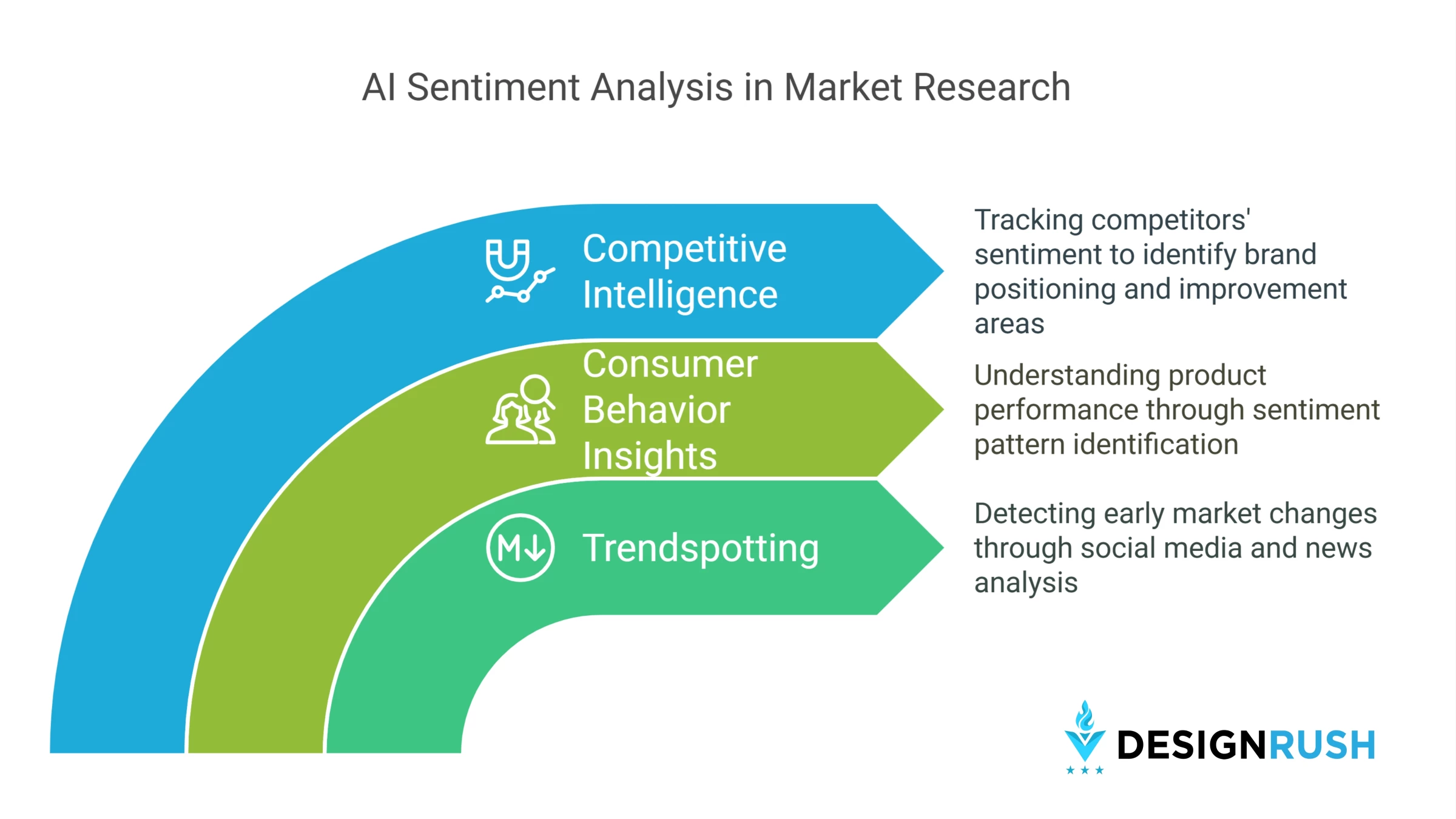
- Early trend detection through sentiment pattern recognition
- Consumer behavior insights revealing why products succeed or fail
- Competitive intelligence through cross-brand sentiment comparison
- Prediction of market shifts based on changing customer sentiments
Product Development and User Experience
- Pain point identification from specific product features mentioned in reviews
- Pre-launch feature testing through sentiment analysis of focus group discussions
- Continuous product improvement guided by sentiment-driven feedback loops
- User experience optimization based on emotional response patterns
Employee Satisfaction and Workplace Culture
- Workplace sentiment monitoring through internal communications analysis
- Pulse survey evaluation to identify engagement opportunities
- Early detection of workplace issues before they impact retention
- Team morale tracking to ensure a positive work environment
AI Sentiment Scoring Methodologies
AI sentiment scores are typically calculated using three primary approaches, each with distinct advantages:
| Sentiment Scoring Method | How It Works | Accuracy Level | Best Use Case |
| Lexicon-based scoring | Assigns predefined sentiment values to words (e.g., "happy" = +1, "angry" = -1) | Medium – lacks context awareness | Quick implementation, transparent methodology |
| Machine learning models | Trained on large datasets to predict sentiment based on patterns | High – improves with more data | Complex language analysis, industry-specific content |
| Hybrid approach | Combines lexicon-based scoring with ML-driven analysis | Very High – balances rules and adaptability | Enterprise-grade sentiment analysis requiring maximum accuracy |
Sentiment scores typically range from -1 (negative) to +1 (positive), with 0 representing neutral sentiment. However, businesses face several challenges when implementing sentiment scoring:
- Context sensitivity: Words like "sick" or "killing" may be positive in certain contexts.
- Sarcasm and irony detection: AI still struggles with nuanced expressions, especially on social media.
- Industry-specific language: Technical jargon can confuse general-purpose sentiment models.
- Cultural and linguistic variations: Expressions of sentiment vary significantly across languages and cultures.
Chauhan explains the nuances of AI sentiment scoring: “AI sentiment analysis tools can be quite accurate, but their performance varies depending on several factors, such as the quality of the training data, the complexity of the language, and the specific algorithms used.”
The Future of AI Sentiment Analysis
Some of the emerging AI sentiment analysis trends and innovations include:
- Multimodal sentiment detection: Integration of text, voice, facial expressions, and biometrics for holistic emotion understanding
- Real-time business intelligence: Immediate crisis management, dynamic pricing adjustments, and on-the-fly customer experience optimization
- Ethical AI development: Advanced bias detection and mitigation in sentiment interpretation across demographics
- Edge AI processing: On-device sentiment analysis enhancing privacy, reducing latency, and lowering cloud computing costs
- Emotion AI advancement: Deeper detection of complex emotional states beyond basic positive/negative classifications
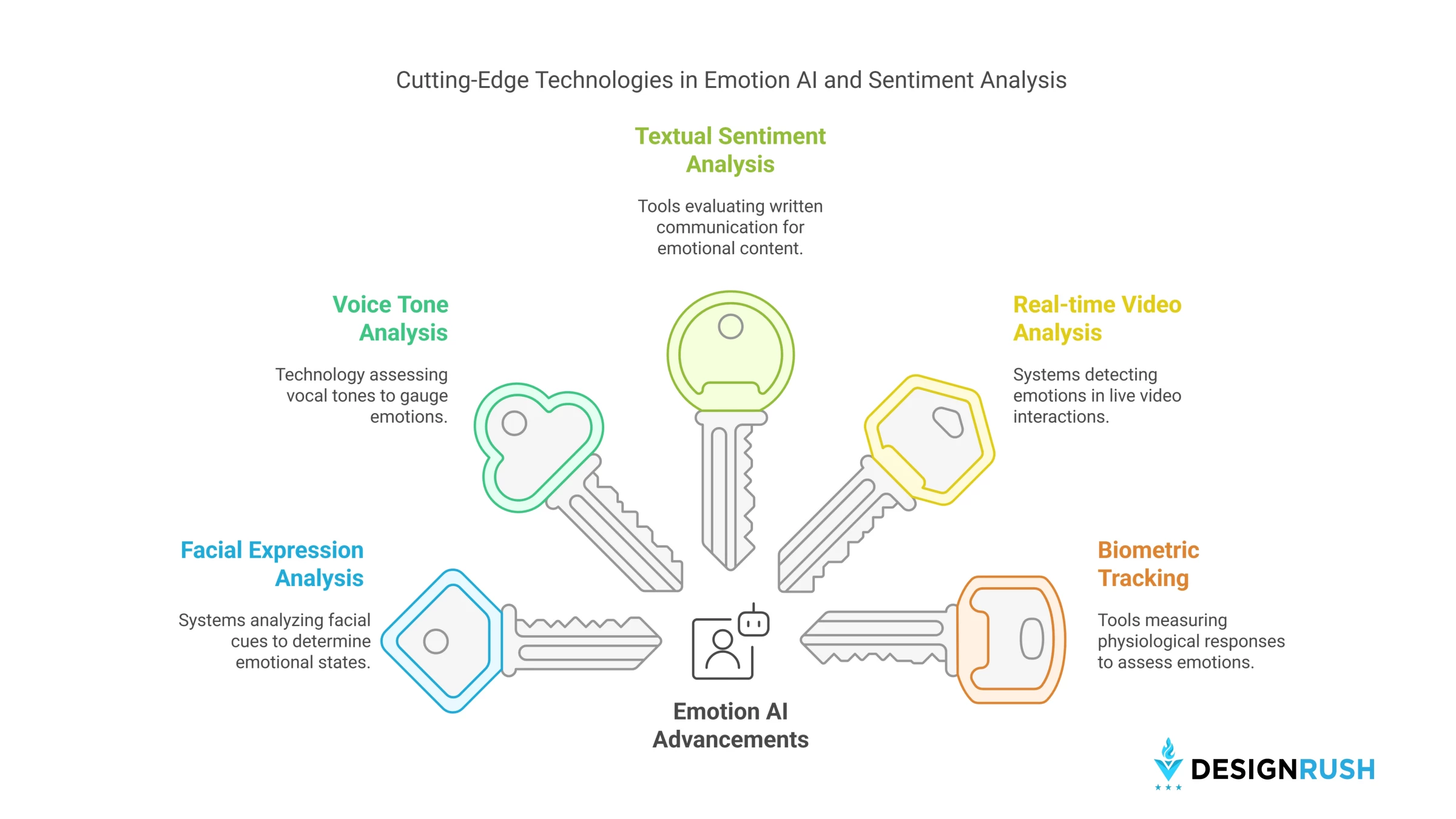
According to industry experts, businesses that integrate these emerging capabilities will gain significant advantages in customer understanding and market responsiveness by 2026.
Top AI Sentiment Analysis Tools (2026)
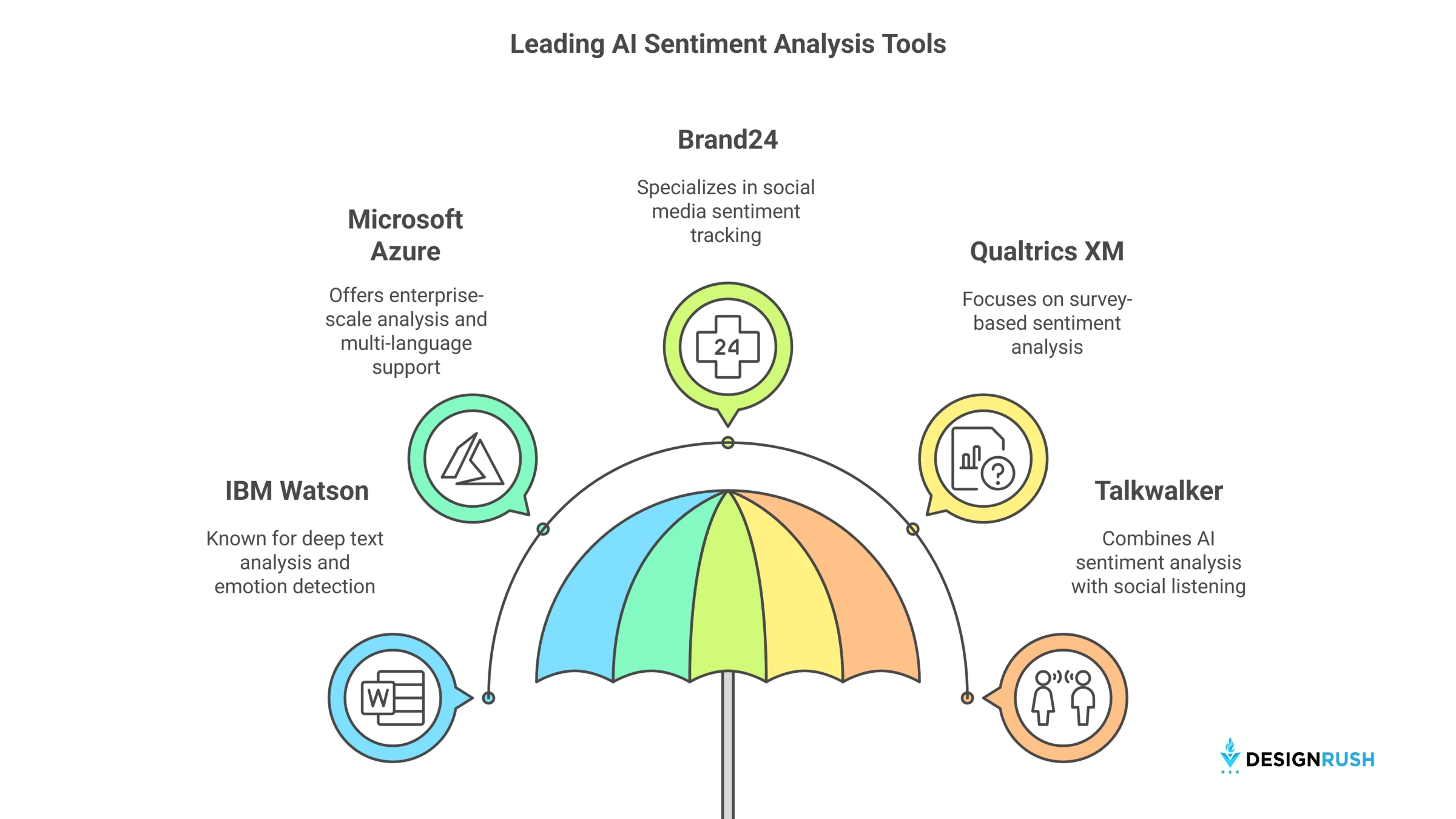
- IBM Watson Natural Language Understanding: One of the most accurate AI sentiment tools, capable of deep text analysis, emotion detection, and real-time insights.
- Microsoft Azure Text Analytics: Ideal for enterprise-scale sentiment analysis, offering multi-language support and seamless cloud integration.
- Brand24: A go-to tool for social media sentiment tracking, helping brands monitor real-time customer opinions across platforms.
- Qualtrics XM: Designed for customer experience management, offering survey-based sentiment analysis and emotion tracking.
- Talkwalker: A consumer intelligence platform that combines AI-driven sentiment analysis with social listening to track brand perception.
These platforms enable businesses to automate sentiment tracking, uncover trends, and improve customer engagement.
AI Sentiment Analysis Tools Compared
| Tool | Best For | Accuracy | Real-Time Analysis | Scalability | Pricing (Est.) |
| IBM Watson | Enterprise AI sentiment scoring | ⭐⭐⭐⭐⭐ | Yes | High | Starting at $500 per month |
| Azure Text Analytics | Multi-language sentiment tracking | ⭐⭐⭐⭐ | Yes | High | Pricing scales with usage; free tier available for up to 5,000 text records per month |
| Brand24 | Social media monitoring | ⭐⭐⭐⭐ | Yes | Medium | Inquire |
| Qualtrics XM | Customer experience feedback | ⭐⭐⭐⭐⭐ | Limited | Medium | Pricing starts at $1,500 per year per user |
| Talkwalker | Consumer intelligence & trends | ⭐⭐⭐⭐ | Yes | High | Inquire |
AI Sentiment Analysis Implementation Strategy
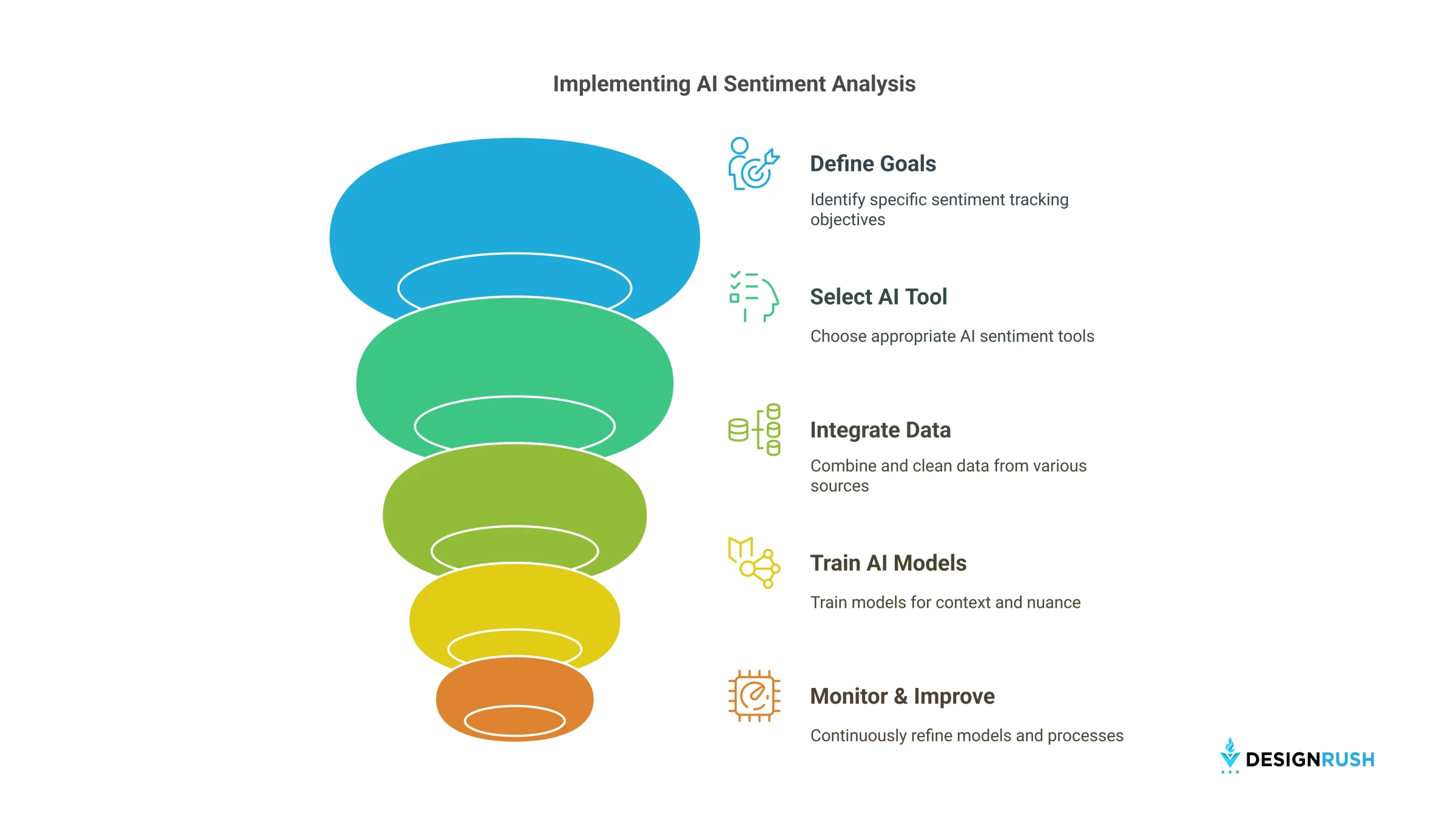
From choosing the right tools to refining AI sentiment scoring, businesses need a structured approach to get the most value from sentiment analysis. Here’s a step-by-step guide on how to integrate AI sentiment analysis into your business strategy, including best practices and common mistakes to avoid.
Successfully implementing AI sentiment analysis requires a structured approach:
- Define clear business objectives: Identify specific goals for brand perception monitoring, customer experience enhancement, or employee sentiment tracking.
- Select appropriate tools: Choose sentiment analysis solutions that align with your business size, industry, and analytical requirements.
- Integrate diverse data sources: Connect social media, customer reviews, support transcripts, surveys, and internal communications.
- Train AI models for contextual understanding: Fine-tune sentiment algorithms to recognize industry terminology and communication patterns.
- Continuously monitor and adjust: Regularly validate AI sentiment scores against human feedback to improve accuracy.
Best Practices for Maximum Value
- Use multiple sentiment models to cross-validate findings and reduce bias.
- Customize NLP models for your specific industry context and terminology.
- Implement real-time sentiment tracking for immediate response capabilities.
- Combine AI-driven analysis with human validation for nuanced understanding.
- Create clear workflows for addressing negative sentiment when detected.
Common Pitfalls To Avoid
- Over-reliance on AI without human oversight leads to misinterpretation.
- Ignoring contextual sentiment variations across different customer segments.
- Not addressing algorithmic bias in sentiment models affecting certain demographics.
- Focusing solely on negative sentiment while missing opportunities from positive feedback.
Mastering AI Sentiment Analysis Final Thoughts
AI sentiment analysis is a must-have for businesses looking to stay competitive in 2026. From real-time customer feedback tracking to predictive market insights, AI-driven sentiment analysis helps brands make data-backed decisions, enhance customer experience, and protect brand reputation.
To fully leverage these capabilities, businesses should partner with an AI company that specializes in sentiment analysis, ensuring access to cutting-edge tools and expertise.
AI sentiment analysis will continue to evolve with improvements in emotion recognition, bias detection, and privacy-focused AI models. Companies that invest in AI sentiment tools today will be better positioned to adapt to shifting consumer sentiment, outpace competitors, and drive sustainable growth in the years to come.

Our team ranks agencies worldwide to help you find a qualified partner. Visit our Agency Directory for the top AI companies, as well as:
- Top AI App Development Companies
- Top AI Product Development Companies
- Top AI Web Design Companies
- Top AI Marketing Companies
- Top AI Companies in San Francisco
Our experts also recognize the most innovative projects across the globe so make sure to visit our Awards section.
AI Sentiment Analysis FAQs
1. How reliable is AI sentiment analysis in 2026?
AI sentiment analysis has significantly improved, with some advanced systems achieving up to 90% accuracy. However, reliability depends on factors like data quality, context interpretation, and the specific tools used.
2. What are the main challenges in implementing AI sentiment analysis?
The primary challenges include managing data quality, interpreting context accurately, detecting sarcasm and nuanced emotions, and balancing automated analysis with human oversight. Many companies struggle with these aspects, leading to flawed insights.
3. Can AI sentiment analysis tools understand sarcasm and complex emotions?
Modern AI sentiment analysis tools are becoming increasingly adept at understanding sarcasm and complex emotions. Advanced systems use context-aware algorithms and natural language processing to detect subtle emotional undertones and linguistic patterns.
4. How can businesses effectively prioritize customer feedback using sentiment analysis?
Businesses can use sentiment scoring systems to prioritize feedback. These systems typically use a scale from 0 to 10, where lower scores indicate highly negative sentiment requiring immediate action, while higher scores represent positive feedback and engagement opportunities.
5. What role does human oversight play in AI sentiment analysis?
Human oversight is crucial in AI sentiment analysis. It helps validate AI interpretations, identify emerging patterns, adjust analysis parameters, and train models with domain expertise. Companies implementing hybrid approaches that combine AI analysis with human expertise report significantly higher accuracy in sentiment interpretation.