
Digital marketing plays a key role in business growth by improving brand visibility and providing a competitive edge in the marketplace. Understanding its significance and benefits for your organization is crucial for long-term success.
What makes digital marketing important, and what value does it bring? Is it worth investing in? In this guide, we’ll answer these questions, dig into the importance of digital marketing, and present underutilized strategies from industry experts.
Why Is Digital Marketing Important?
Digital marketing is important because it enables you to:
- Target campaigns to specific audience demographics, interests, and behaviors
- Deploy high-performing campaigns without a huge budget
- Build relationships with customers to boost loyalty
- Reach global audiences and break geographic barriers
- Access real-time insights and analytics to fine-tune strategies for maximum impact and efficiency
Picture this: your business is trying to make it in a world dominated by giants. Without digital marketing, you might as well be shouting into the void. But with it? You are like David with a slingshot, taking down Goliath one click at a time.
The combination of broad reach and precise targeting makes digital marketing an indispensable tool for modern businesses. This is why global spending on marketing and advertising reached $1.76 trillion in 2023.
8 Main Types of Digital Marketing for Businesses
When used strategically, these types of digital marketing can help your business effectively reach and engage your target audience, leading to long-term growth and success:
- Content marketing: Creating and sharing valuable content like blogs, infographics, videos, and podcasts to attract and engage your target audience.
- Search engine optimization (SEO): Improving your website’s visibility on search engine result pages to attract organic traffic.
- Paid advertising: Ads appearing to users on various platforms (search engines, social media, display networks) based on keyword, demographic, or behavior targeting.
- Social media marketing: Promoting products or services through social platforms like Facebook, Instagram, TikTok, and LinkedIn to build brand awareness and engagement.
- Email marketing: Sending targeted emails to nurture leads, promote products, and build customer relationships.
- Influencer marketing: Collaborating with influencers to promote products to their established followings.
- Affiliate marketing: Partnering with affiliates who promote products and earn commissions for each sale or lead generated.
- Mobile marketing: Targeting consumers through mobile channels like in-app advertising and mobile-optimized websites.

How To Create a Digital Marketing Strategy
Creating an effective digital marketing strategy requires a well-thought-out approach that aligns with your business goals, target audience, and available resources. Here’s a detailed step-by-step guide:
- Define your business goals
- Identify your target audience
- Conduct competitor analysis
- Choose digital marketing channels
- Create a content strategy
- Measure performance
Step #1: Define Your Business Goals
The SMART (specific, measurable, achievable, relevant, time-bound) framework for goal setting provides clear direction and helps you stay focused on what you want to achieve. Specificity leaves no room for ambiguity while outlining measurable outcomes enables you to evaluate your progress and optimize your strategies accordingly.
Your goals must be realistic based on your current resources and team capabilities. They should also align with your overall business objectives. Setting deadlines creates urgency and ensures accountability for all team members — goals with a defined timeframe help you stay on track and prioritize tasks.
Step #2: Identify Your Target Audience
Your digital marketing strategies must be tailored specifically to your target audience. This ensures your efforts reach the right people, which enhances engagement, increases conversions and drives overall growth.
Here’s how you can identify your target customers:
- Those already interacting with your brand: Examine your existing customer demographics (age, gender, income, location, education, occupation), psychographics (interests, values, lifestyle, personality traits), and purchase behavior (what they buy, why, and how often).
- Those who may not yet be engaging with your brand: Use tools like Google Trends, Pew Research, or industry-specific reports to gather insights about broader market trends and audience segments.
- Those interacting with your competitors: See who your competitors are targeting and how they engage with their customers and followers. Look for underserved segments that you can capture.
Step #3: Conduct Competitor Analysis
By understanding what your competitors are doing right and where they are falling short, you can identify opportunities to differentiate your brand, improve your own strategies, and capitalize on gaps in the market.
Identify your direct (businesses with a shared target audience) and indirect competitors (businesses that offer alternative solutions) and evaluate their digital presence. Examine their websites, social media accounts, and paid ad campaigns to assess the type and quality of content they produce, the audiences they target, and the level of engagement they generate.
A SWOT (strengths, weaknesses, opportunities, and threats) analysis offers valuable insights into how to differentiate your strategies from your competition. It gives you a comprehensive understanding of the competitive landscape and enables you to make more informed strategic decisions.
Step #4: Choose Digital Marketing Channels
Each digital marketing channel has its own strengths and limitations, and it’s important to understand how they align with your business needs:
- SEO: Ideal for long-term, sustainable growth through organic search. It is cost-effective but takes time to see results.
- Paid ads: Provides immediate visibility and traffic but can be very costly in highly competitive industries. Best suited for short-term campaigns and specific targeting.
- Content marketing: Effective for building brand authority and nurturing leads. While it requires ongoing investment in quality content, it can drive long-term results.
- Social media marketing: Excellent for building brand awareness and engaging directly with your audience. It requires active management and regular content.
- Email marketing: Highly effective for nurturing leads and maintaining customer relationships. It is relatively inexpensive, but results depend on the quality of your email list.
- Affiliate marketing: Great for extending reach through partnerships, though finding the right affiliates can take time.
Choose channels that play to your strengths and match your goals. Combining several strategies can help you reach a wider audience and create a more cohesive customer journey across different channels. This leads to higher engagement and conversion rates.
Step #5: Create a Content Strategy
A well-crafted content strategy involves planning, creating, distributing, and managing content that aligns with your business goals and engages your target audience. Some popular content formats include:
- Blog posts
- Videos
- Infographics
- Podcasts
- Email newsletters
- Social media posts
Develop a content calendar to stay organized and consistent with your content creation and publishing schedule. Choose content themes and topics that align with your goals and address your audience’s needs. Additionally, you should set timelines for creating, editing, and publishing on different distribution channels.
Trends in digital marketing reflect shifts in consumer behavior, technology advancements, and industry innovations. This is why you should also stay on top of trends to ensure your content strategy remains relevant and competitive.
Step #6: Measure Performance
Digital marketing analytics and tracking tools will help you understand whether your efforts are driving the desired results. With these insights, you can optimize your approach and make informed adjustments.
Digital marketing is a dynamic field, and continuous improvement is essential to stay ahead of your competition and continuously engage your target audience. Regularly review performance data to identify what’s working and double down on high-performing channels and content types.
Key Benefits of Digital Marketing
Digital marketing can be a game-changer for businesses, offering the following advantages:
- Cost-effectiveness: With digital marketing, you can reach thousands of potential customers for a fraction of the cost of traditional advertising methods. You get more bang for your buck, allowing even smaller businesses to compete on a level playing field.
- Global reach: A key strength of digital marketing is its lack of geographical boundaries. This opens new markets and provides opportunities for growth that were previously unimaginable through your company’s social media account.
- Targeted marketing: With tools for targeted marketing, businesses can pinpoint exactly who they want to reach based on factors like age, interests, and online behavior. It's like having a conversation with your ideal customer, making your message more relevant and impactful.
- Measurable results: With digital marketing, you can track everything — from how many people see your ad to how many click on it. This data lets you see what's working and what's not in real time, so you can tweak your strategy for better results.
- Flexibility and adaptability: Whether it's modifying ad creative, targeting different audience segments, or experimenting with new channels, digital marketing enables businesses to stay agile and responsive to changes, ensuring ongoing success and brand growth.
- Enhanced customer interaction: Digital marketing opens a direct line of communication between businesses and audiences. Whether it's through social media, email, or live chat, you can engage with customers in real time, building trust and loyalty along the way.
Common Challenges in Digital Marketing
Now, we won’t lie to you — digital marketing isn’t all rainbows and unicorns. From budget constraints to algorithm changes, there are plenty of hurdles to consider. But with a little creativity and a dash of know-how, you can tackle these challenges head-on.
We reached out to experts from our agency directory to discuss some of the most common challenges in digital marketing and sought their advice on how to navigate them. They listed the following:
1. Lack of Direction
Ammar Ahmed Siddique, Assistant Marketing Manager at Anideos, discusses the paramount issue of a lack of direction in digital marketing. Without a clear strategy and market understanding, companies often succumb to the allure of every passing trend, resulting in ineffective resource allocation and demoralized teams.
Siddique emphasizes that companies frequently fall into the trap of chasing new trends without assessing their relevance to their business objectives. This scattergun approach not only leads to the inefficient use of resources but also demoralizes teams.
To address these challenges, we further advocate conducting a comprehensive SWOT and target audience analysis, as well as competitor research before formulating any strategy. By gathering data on your capabilities, target audience, and the competitive landscape, your business can formulate a strategic direction for your digital marketing efforts, ensuring a more focused and effective approach.
2. Keeping Up With Trends
Bryan Philips, Head of Marketing at In Motion Marketing, emphasizes the challenge of staying current with rapid technological advancements and evolving trends in the digital landscape. In a realm where change is constant, failure to adapt can swiftly render strategies obsolete, resulting in missed opportunities and diminished returns.
To mitigate these risks, Phillips advocates investing in continuous learning and development for teams. This includes participation in industry conferences, attending webinars, and staying abreast of relevant publications. By prioritizing ongoing education and professional growth, teams can adapt to changing dynamics and ensure their strategies remain relevant and effective in the ever-evolving digital marketing arena.
3. Chasing Novelty
Juliana Weiss-Roessler, Founder of WR Digital Marketing, cautions against succumbing to the "shiny object syndrome" prevalent among small businesses. Despite the allure of new tactics, she emphasizes the importance of consistency and refinement in achieving success.
According to Weiss-Roessler, businesses should approach digital marketing as a structured process rather than a series of random tasks. By adopting a methodical approach of planning, implementing, measuring, and repeating, businesses can increase their chances of success. To help achieve this, seek assistance from professionals who prioritize strategy implementation and process adherence over isolated tactical execution.
4. Managing Inflation
Inflation presents significant challenges for businesses, impacting budgets and shifting consumer behaviors. To effectively navigate these economic pressures, companies must adopt robust digital marketing strategies.
Jomer Gregorio, CEO of Digital Marketing Philippines, emphasizes that “by allowing flexible resource allocation, measuring performance indicators, and adopting emerging trends, businesses can navigate challenging economic conditions.”
Exploring cost-effective marketing channels can help companies stretch their budgets further. Social media marketing, email campaigns, and content marketing are relatively low-cost options that can deliver substantial returns when executed effectively.
Gregorio also highlights that “you need to keep up [with] where your target market is spending their time so you can spend more effectively on the right digital marketing platforms.”
3 Underutilized Digital Marketing Strategies Worth Exploring
Exploring the uncharted territories of digital marketing strategies offers untapped potential for your business to improve your online presence and engagement.
Let’s consult the industry experts once again:
- Siddique underscores the importance of omni-channel digital marketing. He observes that many companies lack a unified strategy, with teams operating independently, resulting in fragmented marketing efforts. He emphasizes the need for cohesion among teams to effectively disrupt the market.
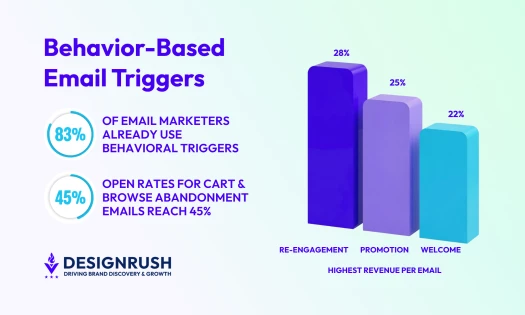
- Weiss-Roessler points out that: “Email has a high ROI compared to most other digital marketing strategies, but it's not shiny and new, so it is often overlooked. Businesses are more concerned with building a social following, but the reality is an email list is a way more powerful asset,” she concludes.
- Philips highlights another underutilized strategy: creating thought leadership content on LinkedIn. By sharing insightful articles and engaging with industry professionals, businesses can establish authority, build trust, and attract high-quality leads.
3 Winning Examples of Digital Marketing Done Right
It's clear that digital marketing is a necessity for businesses aiming to thrive in today’s landscape. It provides unmatched reach and engagement, allowing businesses to connect with millions of potential customers online.
Here are some examples of digital marketing done right:
1. Spotify
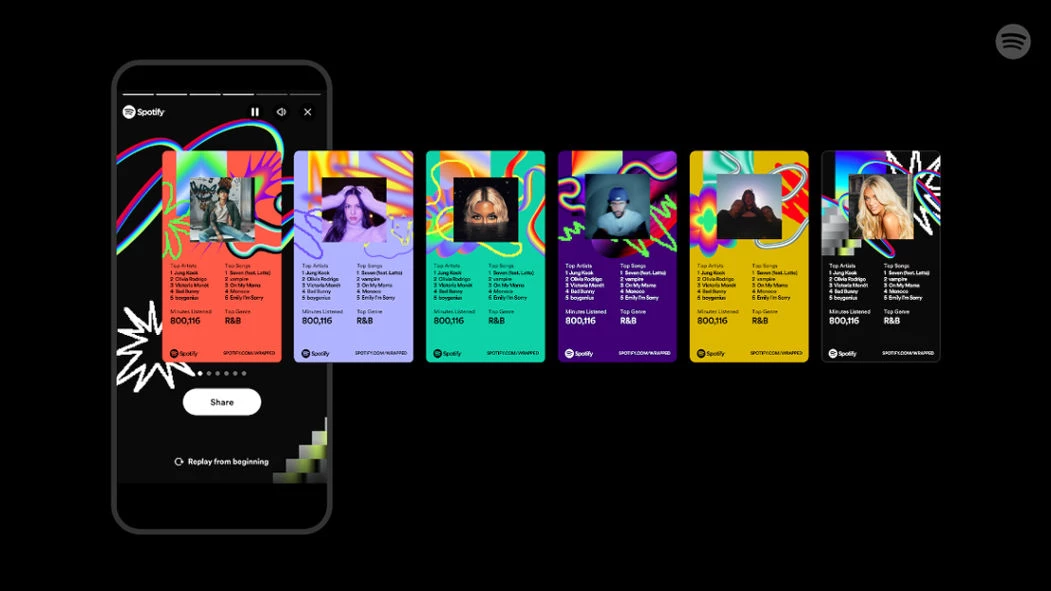
Spotify’s strategy of using data to create personalized experiences is a cornerstone of its success. The platform collects user behavior data, including listening habits, favorite genres, and even the time of day to create curated playlists and Spotify Wrapped at the end of each year.
Additionally, Spotify leverages social media platforms and sends personalized email and mobile app notifications, engaging with users wherever they are. Its localized campaigns and playlists are tailored to fit local cultures and preferences, which has helped the platform grow internationally.
In 2023, Spotify Wrapped gathered data from over 570 million listeners worldwide. Spotify Wrapped engagement has also increased from 30 million users in 2017 to 156 million in 2022.
2. Dove

Dove’s Real Beauty campaign was first launched in 2004 and hit the match point in 2014 with the viral video Real Beauty Sketches, which garnered 50 million views in 12 days. The campaign has gone through many variations and iterations since, but the brand’s focus on inclusivity and empowerment has remained one of the most iconic examples of purpose-driven marketing.
Dove excels at using digital marketing to tell powerful and emotional stories to address beauty and self-esteem issues, inviting women to challenge societal beauty norms. Project #ShowUs aims to build the world’s largest stock photo library featuring unfiltered images of women and non-binary individuals that represent real beauty.
Dove is one of the biggest personal care brands in the world, selling more than €5 billion in products in 80+ countries.
3. Airbnb
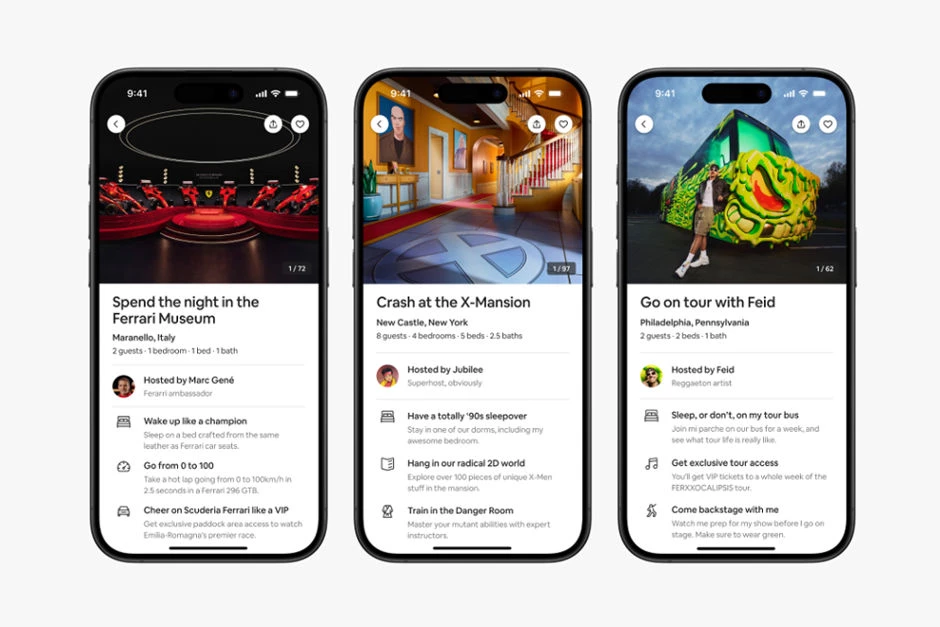
Through innovative campaigns and a customer-centric approach, Airbnb has become one of the leading brands in the travel and hospitality industry. It invests in building trust among users by highlighting the personal stories of hosts and guests.
Airbnb has also mastered personalization, making it a core part of its digital marketing strategy. It uses data-driven insights to offer personalized travel recommendations and curated experiences to users based on their past searches, preferences, and booking history.
Airbnb’s 5 million hosts have welcomed over 1.5 billion guests in 220+ countries. There are currently more than 8 million active listings worldwide.
Browse more excellent marketing examples for inspiration.
Wrapping Up the Importance of Digital Marketing
Digital marketing is cost-effective, making it a high-ROI alternative to traditional marketing methods. Its ability to target specific demographics ensures that your marketing efforts hit the right audience.
Additionally, real-time performance tracking lets you stay agile and able to adapt strategies on the fly and stay ahead of the curve. It isn’t just about following trends; it’s about setting the stage for sustained growth and brand loyalty.
Partner with the top digital marketing agencies to reap the benefits of an effective digital marketing strategy and take your business growth to another level.
The Importance of Digital Marketing FAQs
1. Why is digital marketing important?
Digital marketing is crucial because it allows businesses to connect with their target audience in a cost-effective and measurable way. With more people spending time online, digital marketing ensures that companies can reach a wider audience, track consumer behavior, and adjust their strategies in real-time to improve effectiveness and return on investment.
2. How does digital marketing improve customer engagement?
Digital marketing enhances customer engagement by utilizing interactive and personalized content. Tools like social media, email marketing, and targeted ads allow businesses to communicate directly with their customers, fostering a two-way conversation. These interactions help build stronger relationships and increase customer loyalty.