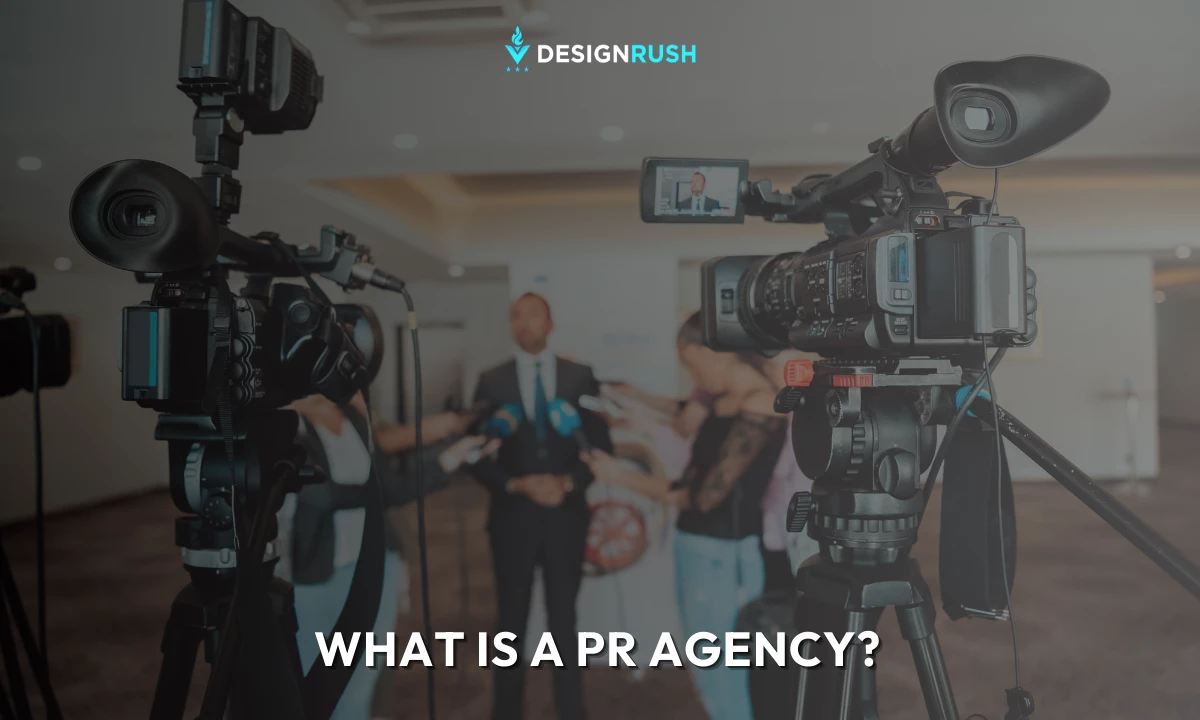

A public relations (PR) agency acts as your business’s storyteller. It shapes how the world sees and talks about your brand. Whether it’s securing media coverage, managing crises, or planning standout events, PR agencies are experts at crafting narratives that help your brand shine.
With insights from our PR experts, we’ll share what these agencies do best, debunk common myths, and help you choose the right PR partner for your brand. Let's get started!
What Does a PR Agency Do?
PR agencies provide a range of services to boost brand awareness and create a positive brand perception. Here are 10 of the most common PR services:
- Reputation management
- Media relations
- Press releases
- Event planning
- Speech writing
- Media training
- Internal copywriting
- Crisis management
- Clipping services
- Press kit preparation
1. Reputation Management
Reputation management ensures people see your brand in the best light. A PR agency achieves this through a well-crafted public relations strategy, keeping your messaging consistent and trustworthy across platforms like your website and social media. It monitors feedback, responds to comments, and crafts content that stays true to your brand’s values.
Example: A restaurant receives negative reviews online. The PR agency develops a response plan, crafts professional replies to reviews, and promotes the restaurant’s recent improvements to restore trust and rebuild its reputation.



2. Media Relations
Media relations connect your brand with the journalists, influencers, and media outlets that matter most. As part of a comprehensive public relations strategy, this service amplifies your message and strengthens your reputation.
With consumers spending an average of 143 minutes daily on social media, PR agencies make sure your brand remains part of the conversation. Through their media contacts, they pitch stories, send product samples, and secure interviews to showcase your brand to the right audience.
Example: A tech startup launches a new app. The PR agency creates a press kit and pitches it to top tech blogs, generating buzz and attracting early users.

3. Press Releases
Press releases are a great way to share news and spark excitement about your brand. Whether it’s a product launch, a new campaign, or a charity event, PR agencies know how to craft releases that grab attention and land media coverage.
Like with media relations, PR agencies also use their media contacts to distribute press releases to the most relevant outlets for maximum visibility and impact.
Example: A fashion brand launches a sustainable clothing line. The PR agency creates a press release showcasing the collection’s eco-friendly features, which gets featured in top fashion magazines and blogs.

4. Event Planning
Events are your brand’s moment to shine, and a PR agency ensures you make the most of it. From planning and invitations to promotion, it handles everything so you can focus on connecting with your audience.
PR agencies also invite journalists and influencers to ensure your story reaches a broader audience, making your event a memorable milestone for your brand.
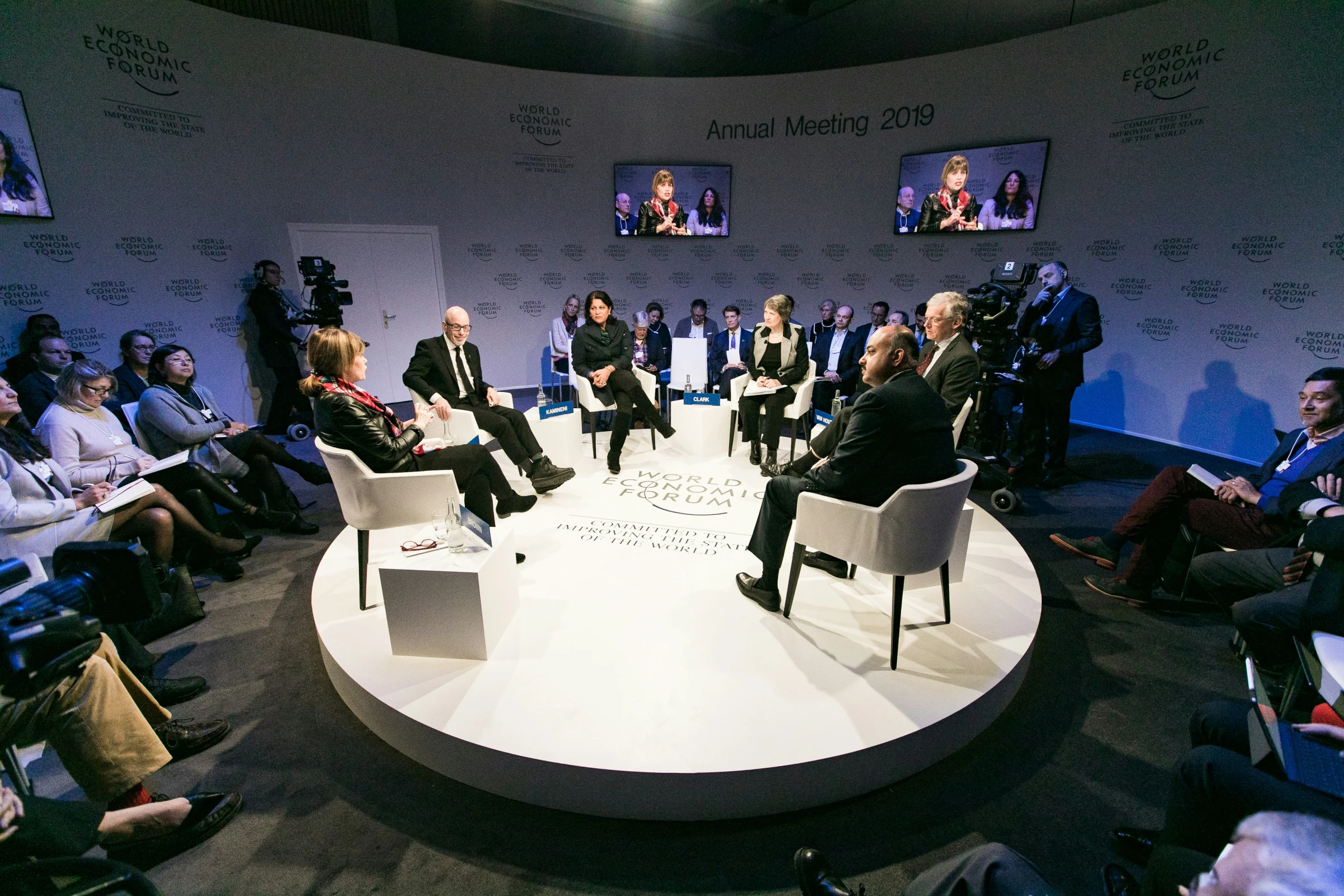
Example: A nonprofit hosts a gala to raise awareness for a cause. The PR agency invites journalists, promotes the event online, and secures media coverage to amplify the nonprofit’s message.

5. Speech Writing
When the message matters most, a PR agency ensures it’s clear, impactful, and aligned with your brand. Whether for a press conference, industry event, or internal meeting, PR agencies craft speeches that resonate with your audience and leave a lasting impression — think of it as storytelling with a purpose.
Example: A CEO is set to announce a major partnership. The PR agency writes a speech that explains the collaboration’s benefits, reassures stakeholders, and inspires confidence in the brand’s direction.

6. Media Training
Being in the spotlight can be daunting, but PR agencies make sure you’re ready for it. Media training prepares your team to handle interviews, press conferences, and public appearances with confidence. From refining your messaging to mastering body language, it’s all about presenting your brand in the best possible light.
It’s like a crash course in public speaking — complete with tips on answering tough questions and making a lasting impression.
Example: An athlete partnering with a major brand is set to speak at a press event. The PR agency provides training, ensuring they deliver key messages clearly and handle audience questions with ease.

7. Internal Copywriting
Effective communication starts from within, and a PR agency ensures your internal messaging is just as strong as your public-facing one. From employee newsletters to morale-boosting announcements, it crafts content that keeps your team informed, inspired, and aligned with your company’s goals. It’s about fostering connection and culture — when your team feels valued, they perform at their best.
Example: A company celebrates its 10th anniversary. The PR agency writes an internal newsletter highlighting key milestones, sharing employee success stories, and setting the tone for the company’s future.

8. Crisis Management
When the unexpected happens, a PR agency steps in to protect your brand’s reputation. Whether it’s a social media backlash or a full-blown crisis, it develops a clear communication plan, manages public perception, and ensures your audience hears your brand’s side of the story.
A PR agency acts as your brand’s first responders — reacting quickly, controlling the narrative, and helping you navigate through the storm.
Example: A food company faces a product recall. The PR agency issues an apology, creates a detailed FAQ page for customers, and works with media outlets to highlight the company’s response and corrective actions, preserving trust.
9. Clipping Services
Tracking what people say about your brand is crucial, and PR agencies make it seamless. Using specialized tools, they monitor media mentions, compile press clippings, and provide you with a clear overview of your brand’s public perception. These insights help you measure the success of your campaigns and understand how your audience responds.
Example: After a successful product launch, the PR agency collects media mentions from online articles, TV segments, and blogs, presenting a report that showcases the campaign’s reach and impact.

10. Press Kit Preparation
A press kit — also known as a media kit — is your brand’s introduction to journalists, providing them with everything they need to cover your company. PR agencies design professional press kits that include fact sheets, executive bios, product details, and past press coverage, ensuring your story stands out.
With a well-crafted press kit, your brand becomes a valuable resource for the media, ensuring you’re presented accurately and compellingly.
Example: A startup launches a groundbreaking product. The PR agency creates a press kit with key details and distributes it to journalists, leading to high-profile media coverage.

PR vs. Marketing
PR and marketing both aim to build your brand, but they achieve it in distinct ways. Here’s a side-by-side comparison:
| Aspect | PR | Marketing |
| Goal | Builds trust and manages reputation | Drives sales and promotes products or services |
| Audience | Broad focus: Media, stakeholders, the general public | Targeted focus: Customers and potential buyers |
| Strategy | Long-term, relationship-driven | Short-term, campaign-driven |
| Tactics | Media outreach, crisis management, press releases | Advertising, promotions, social media campaigns |
| Outcome | Positive brand image and public trust | Measurable sales growth and customer acquisition |
PR is about building trust and managing reputation. It fosters relationships and credibility that grow over time, making it essential for brands seeking to connect with people on a deeper level.
Marketing, on the other hand, focuses on short-term, campaign-driven goals — such as bringing in customers and driving sales.
Can PR and Marketing Work Together?
Definitely! While distinct, PR and marketing are most effective when they complement each other. For example:
- Launching a product: The PR team secures media coverage through press releases and influencer outreach, while the marketing team drives sales with ads and promotions.
- Handling a crisis: PR manages the public narrative with timely press statements, while marketing reassures customers through email updates or social media posts.
- Building a campaign: PR fosters trust by highlighting your brand’s values in interviews and stories, while marketing converts that trust into action with special offers or calls to action.
When PR builds your reputation and marketing drives conversions, the result is a cohesive strategy that amplifies your brand’s success.
Common Misconceptions About PR Agencies
Despite their value, PR agencies are often misunderstood. Let’s clear up some of the most common misconceptions:
- PR is only for large companies – Many believe PR services are exclusive to big corporations with hefty budgets. In reality, PR is equally vital for small and mid-sized businesses, helping them build brand identity and compete effectively.
- PR guarantees media coverage – A PR agency cannot guarantee media coverage since it doesn’t control editorial decisions. However, it creates compelling content and pitches to maximize your chances of securing coverage.
- PR is just about press releases – While press releases are a tool, PR encompasses much more, including reputation management, crisis communication, social media strategy, and influencer relations.
- PR is the same as advertising – PR focuses on earning free media coverage and building relationships, whereas advertising involves paid placements. Both aim to promote, but their methods and impacts differ.
- PR can spin any story – Ethical PR practices prioritize transparency and honesty. Misleading or deceptive tactics can damage credibility and trust.
- PR results are instant – PR is a long-term strategy. It takes time to build media relationships and establish credibility, but the results are worth the wait.
- PR is too expensive for small businesses – PR services can be tailored to fit various budgets, making them accessible for small businesses seeking to enhance their public image.
How To Find a PR Agency for Your Brand
With 48,736 PR firms in the United States alone, choosing the right one requires a clear plan. Follow these steps to find the best fit for your brand:
- Define your goals
- Set a realistic budget
- Research potential PR agencies
- Evaluate their services and expertise
- Understand their approach
- Request a proposal
- Consider long-term compatibility
1. Define Your Goals
Before reaching out to any agency, clarify what you want to achieve. Are you looking to boost brand awareness, manage a crisis, or launch a new product? Having clear goals will help you find an agency with the expertise to meet your needs.
Example goals:
- Secure media coverage for a product launch.
- Improve public perception after a crisis.
- Build long-term relationships with key stakeholders.
2. Set a Realistic Budget
PR services can vary widely in cost, depending on the agency’s size, location, and expertise. Setting a budget helps narrow your options and ensures you find an agency that aligns with your financial resources.
Here’s an overview of how PR services are typically priced:
- Hourly rates: $125–$500
- Retainer fees: $2,000–$5,000 for boutique agencies
- Project-based: Typically, between $5,000 and $50,000 for specific projects like product launches, media outreach, or event planning
3. Research Potential PR Agencies
Start by looking for agencies that have experience in your industry. Review their portfolios, case studies, and client testimonials to assess their track record.
To find prospective agencies, check out PR agency directory listings on trusted B2B marketplaces like DesignRush.
Questions to ask:
- Have you worked with brands in our industry before?
- Can you share examples of successful campaigns similar to our goals?
- What is your process for developing and executing a PR strategy?
4. Evaluate Their Services and Expertise
PR agencies often specialize in specific areas, such as crisis management, media relations, or digital PR. Ensure the agency offers the services you need to achieve your goals.
Services to look for:
- Media relations
- Reputation management
- Social media strategy
- Crisis communication
- Event planning
5. Understand Their Approach
Each agency has its own approach. Some may focus on traditional media outreach, while others excel in digital PR. Understanding their methodology ensures it aligns with your vision.
Questions to ask:
- How do you measure success?
- What tools or platforms do you use to track progress?
- How often will we communicate, and what will those updates look like?
6. Request a Proposal
Once you’ve shortlisted agencies, ask for a detailed proposal. This document should outline their understanding of your goals, their strategy, and expected results.
What to look for in a PR proposal:
- A clear strategy tailored to your goals.
- Examples of similar work.
- Metrics they’ll use to measure success.
7. Consider Long-Term Compatibility
PR is a partnership, so choose an agency that shares your values and understands your vision. Compatibility ensures smooth collaboration and better results.
Signs of a good match:
- They listen and adapt to your needs.
- Their communication style aligns with yours.
- They are transparent about expectations and challenges.
PR Agencies Recap
A PR agency is a team of experts focused on boosting your brand’s visibility and reputation. Whether it’s managing your image, handling media relations, or planning an event, they offer a wide range of services designed to elevate your brand’s presence.
To find the right agency for your project, start by clearly defining your goals and setting a realistic budget. Do some research to find agencies that align with your goals. Don’t hesitate to ask questions about their past experiences and strategies.
Once you've shortlisted potential agencies, request a proposal to ensure everyone is on the same page. Remember, finding the right agency isn’t just about meeting your immediate needs — it's about finding a long-term partner who can grow with you.

Our team ranks agencies worldwide to help you find a qualified partner. Visit our Agency Directory for the top public relations agencies, as well as: