
It can be overwhelming to search for the right web designer, especially with so many options available. For businesses, the challenge lies in balancing quality, budget, and deadlines while ensuring the designer understands their unique needs.
By following clear steps and practical strategies, you can simplify the search and make the process more manageable. We’ll walk you through the key steps to hiring a professional web designer and the critical factors to consider to find the perfect fit for your business.
How To Find a Web Designer: 5 Steps to Hiring the Best Professional

The following are the steps to finding a web designer for your business:
- Set your web design budget
- Determine your ideal web designer profile
- Review resumes and digital portfolios thoroughly
- Ask the right questions during interviews
- Outline a detailed project brief and contract

Step #1: Set Your Web Design Budget
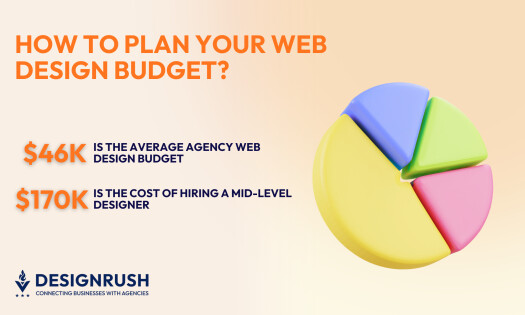
Before hiring a qualified web designer, the first step is to establish a budget based on the size of your business and the scope of the project. For small companies and startups, this might mean relying on freelancers initially to keep costs manageable.
Having a clear budget ensures you invest appropriately — not too little to compromise quality, nor too much to strain resources — while giving due importance to the design of your website.
Step #2: Determine Your Ideal Web Designer Profile
Once you’ve established your budget and project scope, the next step is to create a job description. Start with a brief overview of your workplace, including your business’s focus and mission, to give candidates context.
When listing the qualities you’re looking for in a designer, highlight the specific skills and unique attributes needed to bring your vision to life. For instance, you might prioritize a designer with a strong visual flair and a customer-focused approach to ensure your website resonates with your audience.
Step #3: Review Resumes and Digital Portfolios Thoroughly
If you’ve posted a job listing, you'll likely receive numerous resumes and proposals from designers. When you’re reviewing them, focus on the following criteria:
- A bachelor’s degree in web development, graphic design, or digital design is a must, while an Adobe certification in web design is preferred.
- Look for a designer with previous experience in your niche, as familiarity with similar projects can provide valuable insights.
- Preferred technical skills include proficiency in CMS platforms, CSS, Illustrator, and Photoshop. A solid understanding of SEO and mobile optimization is also highly desirable.
Lastly, carefully examine their portfolios. Ensure they demonstrate strong visual design fundamentals such as typography, image composition, and informational hierarchy. This helps you gauge their ability to create a visually appealing and user-friendly website.
Step #4: Ask the Right Questions During Interviews
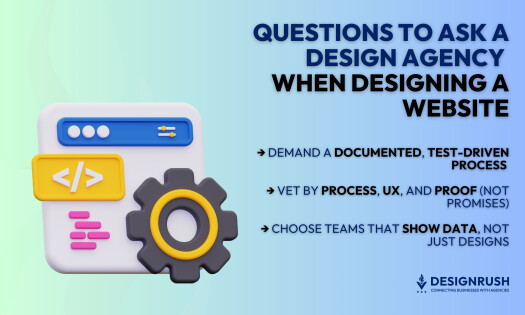
After you have shortlisted a few profiles, it is time to interview them. By asking the right questions, you can explore the unique skill sets that prospective designers possess. Some of the ideal questions to ask would be:
- What information do you look for from your clients before you begin a project?
- What are the differences between desktop and mobile design?
- How do you manage the opinions and expectations of multiple stakeholders on a project team?
- How would you assess your time management skills, and how do you deal with strict timelines?
- Can you share a challenging web design project you’ve recently worked on?
Step #5: Outline a Detailed Project Brief and Contract
Having a great collaboration is essential, whether you’re working with a freelancer or a design agency. To achieve this, start by providing your designer with a comprehensive project brief that outlines your design needs, goals, and timeline. This document ensures everyone is aligned and sets clear expectations from the start.
This final step involves evaluating proposals to see which one best reflects an understanding of your project's requirements. Once you’ve made your choice, finalize the arrangement with a detailed contract to protect both parties and establish a strong foundation for the project.
Why Do Businesses Usually Hire a Web Designer?
Now that you know how to find a web designer, let’s explore when and why you might need to hire one:
Reason #1. Lack of Time To Design Your Own Website
Designing a website takes time. You need to choose the best themes or create custom designs to drive impactful results for your business. So, if you don’t have the time to dedicate to this, you’re missing out on a valuable opportunity to make your business stand out. A professional web designer can handle this for you.
Reason #2. Limited Expertise in Web Design
Web designing is a specialized skill. As a business owner, you might not know how to create a high-performing website. After all, it’s not enough to just build any website — it should be well-designed and intuitive to drive tangible results.
Professional web designers understand current web design trends and, therefore, have the necessary skills and expertise to create a custom website that meets your business goals.
Reason #3. Need Assistance With Website Optimization
While you may have a vision for your website, making it effective and user-friendly requires understanding the right design elements. A professional designer ensures your site isn’t just attractive but also optimized for user experience and performance.
Reason #4. Make Your Website Stand Out
Your website should be able to set you apart from your competitors. If you build it yourself, you’ll likely rely on templates, but a web designer can create a unique, fully customized site that is unique to your business.
3 Main Types of Web Design Service Providers To Consider
Web designers can generally be categorized into three main types of service providers:
1. Freelancers
The field of web design is full of freelancers with a wide range of skills. These individuals often work on multiple projects simultaneously. While hiring a freelancer is usually the most affordable option, there are also sought-after creative designers in the market.
A qualified freelancer should not only be skilled in design but also communicative, responsive, and able to meet typical turnaround times.
2. Design Agencies
You should choose a web design agency if you have the budget and want a team of experts to work on your project. Agencies tend to be more expensive since you’re paying for the combined expertise of multiple professionals.
Professional web design agencies are known for their collaborative approach, high levels of customization, and quick turnaround times.
3. Full-Service Digital Marketing Agencies
Full-service digital marketing agencies offer web design alongside other services like SEO, PPC, and more. While they are the most expensive options due to their team of qualified and experienced designers, their ideal if you plan to integrate other digital marketing services alongside or after your website’s design.
With specialized teams working closely together, full-service agencies keep communication simple and the outcome cohesive.
Where To Look When Hiring a Web Designer
Finding a skilled web designer requires knowing where to search. With so many options, businesses can feel overwhelmed by the possibilities. Knowing the best places to look can simplify the process and lead to better results.
Here are some key resources to consider when hiring a web designer.
1. Freelance Platforms
Websites like Upwork offer a wide pool of freelance designers from various skill levels and backgrounds. These platforms make it easy to review portfolios, set budgets, and communicate directly with candidates.
A built-in rating system provides transparency, helping you evaluate past client feedback. You can also post job descriptions tailored to your needs, allowing designers to pitch their services. Freelance platforms are a reliable option for finding talent quickly.
2. Search Engines
Google remains one of the most effective tools for finding web designers. A simple search reveals both freelancers and agencies specializing in web design. Business websites, portfolios, and reviews often appear on the first page, giving you insight into their expertise.
Keywords tailored to your industry or location can help narrow down the results. Exploring search engine results helps you identify a range of designers who meet your criteria.
3. Review Websites
Platforms like DesignRush aggregate reviews and testimonials about designers and agencies. These websites allow you to compare pricing, styles, and previous work at a glance.
Reviews from verified clients provide valuable insights into professionalism and quality. Using review sites streamlines decision-making by offering detailed overviews of potential hires. It’s an efficient way to ensure the designer matches your expectations.
4. Professional Referrals
Recommendations from colleagues and peers often lead to some of the best designers. Trusted referrals come with firsthand accounts of the designer’s strengths and work ethic.
Asking within your professional network can save time by pointing you to proven talent. Local connections also offer the advantage of direct communication and meetings. Referrals from people you trust add an extra layer of confidence in your hiring choice.
Key Factors To Consider When Hiring a Web Designer
Choosing the right web designer is a decision that impacts your business’s online presence. Understanding what to look for can save time and ensure that the chosen provider meets your goals.
Let’s explore some essential factors to guide your decision.
- Industry experience: A designer with knowledge of your industry understands your audience better. Familiarity with specific business challenges can lead to a website that resonates with visitors. Ensure they provide examples of work relevant to your field.
- Design style: Reviewing a portfolio reveals the designer’s skills and creativity. Look for a style that aligns with your brand identity and vision. It’s important to confirm their ability to adapt designs to different needs.
- Budget transparency: Understanding costs upfront prevents surprises later. A trustworthy designer provides detailed pricing for their services. Always confirm that the pricing matches your budget before starting the project.
- Technical expertise: Beyond aesthetics, a designer must handle functionality. Verify their understanding of coding, responsiveness, and SEO best practices. These skills ensure your website performs well across devices and platforms.
5 Tips for Hiring Your Next Web Designer
Choosing the right web designer is about more than just skill — it’s about finding the right fit for your business. Here are five tips to help you streamline the hiring process:
- Define your goals: Clarify your website’s purpose and key features before starting your search. This makes it easier to communicate your needs to candidates.
- Ask for references: Contact past clients to learn about their experience with the designer. Honest feedback provides insights into work quality and professionalism.
- Conduct an interview: Speak with the designer to assess their problem-solving approach. Use this time to discuss timelines and how they handle challenges.
- Request a timeline: A clear project schedule shows the designer’s organization and reliability. This prevents delays and sets realistic expectations.
- Test small projects: Assign a minor task to evaluate their skills before committing to a larger project. This reduces risks and confirms they’re the right choice.
How To Find a Web Designer Takeaways
Your website is a crucial and integral part of your business. To attract and engage leads, you must invest in your website’s design.
Finding the right website designer is key to achieving a professional site that stands out. A well-designed site that enhances your brand but also gives you a competitive edge, helping you stay ahead of the competition.